
A C10 will drive every day for the rest of your life if you treat it like what it was built to be: a work truck, not a museum piece. These trucks weren't engineered with fragile tolerances or exotic parts. They were built to haul feed, tow trailers, and start on a cold morning without complaint, and that same simplicity is exactly what makes them good candidates for daily driving decades later. The catch is that daily driving an old truck isn't the same as daily driving a new one, and the maintenance rhythm has to match the truck's age, not just its mileage.
Restoration & Tech
9 min read
The Ultimate Maintenance and Daily-Driving Guide for a Classic C10
A C10 will drive every day for decades if you keep up with the unglamorous basics. A working owner's guide to fluids, cooling, brakes, wiring, and tires on an old truck.
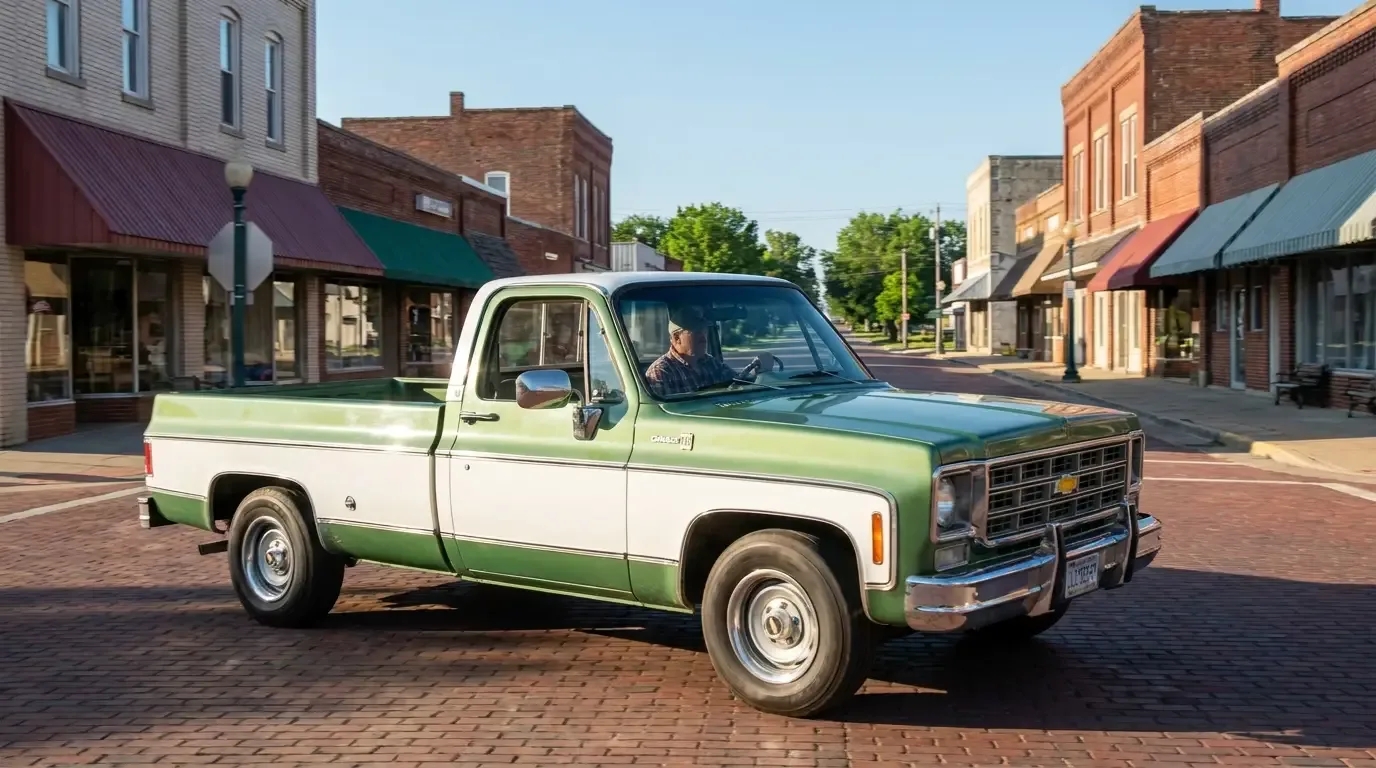
Most of the C10s that end up parked with a bad reputation, hard to start, leaking, running rough, aren't broken in some dramatic way. They're just neglected in small, cumulative ways that add up. Fix the small things on a schedule and the truck will outlast the guy who buys a new pickup every five years because he's tired of car payments.
Why these trucks reward routine attention
An old truck doesn't forgive skipped maintenance the way a modern vehicle with sealed components and computer-monitored systems does. There's no check engine light telling you the coolant's low or the brake fluid's gone dark with moisture. You have to actually look, and looking regularly is the entire secret to keeping one of these running right for years instead of months.
The good news is that a C10, especially the straightforward small block and three-speed or four-speed combinations most of them left the factory with, is about as forgiving a platform as exists for somebody willing to do that looking. Parts are available, the mechanicals aren't complicated, and most jobs can be done in a driveway with hand tools and a Saturday afternoon.
Fluids and the schedule that actually matters
Oil changes matter more on an old engine than a new one, not less, because tolerances are looser and the oil is doing more work keeping things quiet and controlling wear on parts that have already seen decades of use. Don't stretch intervals just because the truck only sees light duty. Change the oil on a mileage and time schedule both, whichever comes first, because an engine that sits between short trips accumulates condensation and contaminants in the oil even without racking up miles.
Transmission fluid, rear end gear oil, and brake fluid get ignored far more often than engine oil, and that's backward. Gear oil in a rear end that's towed anything or worked hard breaks down and loses its ability to protect the ring and pinion. Brake fluid absorbs moisture over time regardless of how much the truck is driven, and moisture in the lines is how you get a spongy pedal or, worse, a corroded wheel cylinder that fails without warning.
| Item | Interval | Why it matters |
|---|---|---|
| Engine oil and filter | Every 3,000-5,000 miles or 6 months, whichever comes first | Looser tolerances need fresh oil more often, and time matters as much as mileage on a truck that doesn't rack up miles fast |
| Rear end gear oil | Annually, or sooner after sustained towing or heavy loads | Protects ring and pinion under load |
| Brake fluid | Annually to every 2 years | Absorbs moisture regardless of mileage |
| Coolant | Annually for conventional coolant, longer for extended-life formulations | Additive package breaks down over time |
| Chassis grease points | Every oil change | Prevents dry wear on king pins and u-joints |
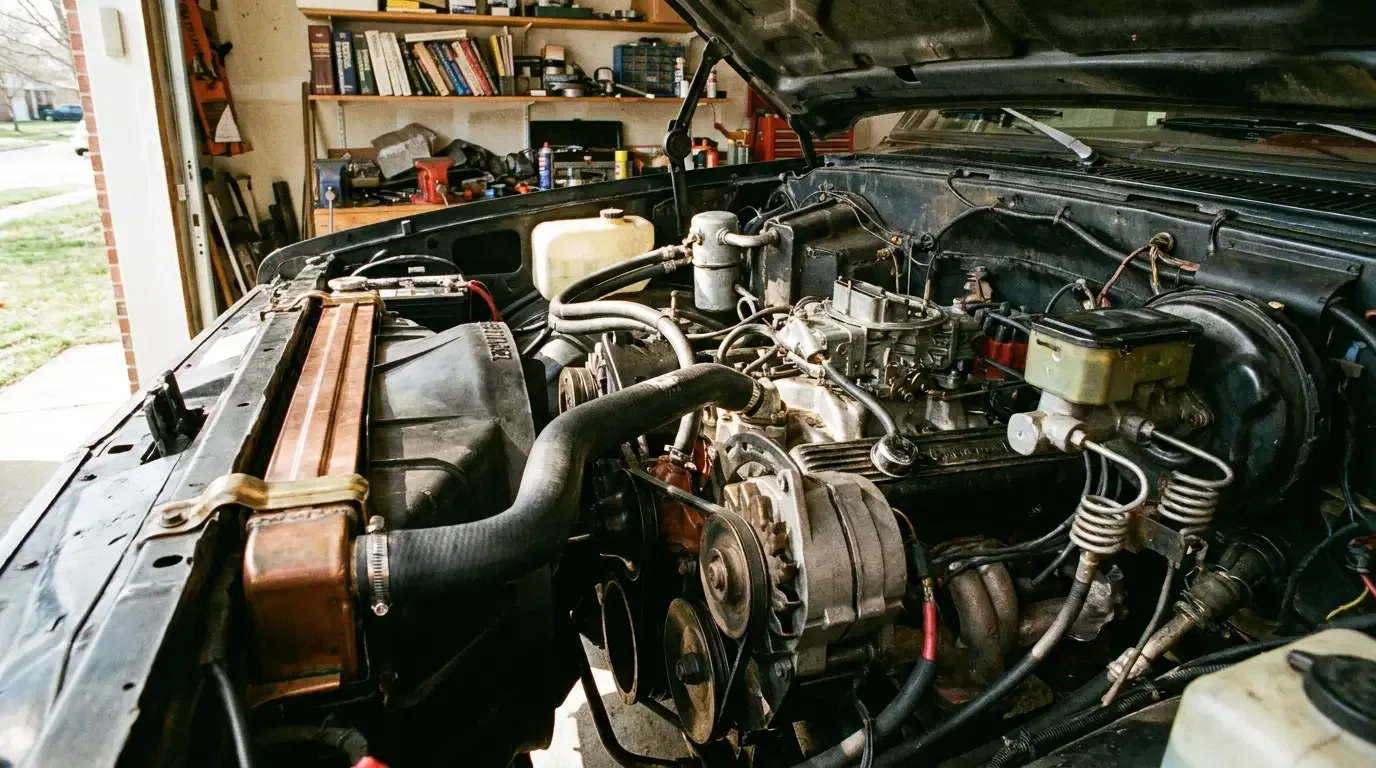
Cooling system on an old six or V8
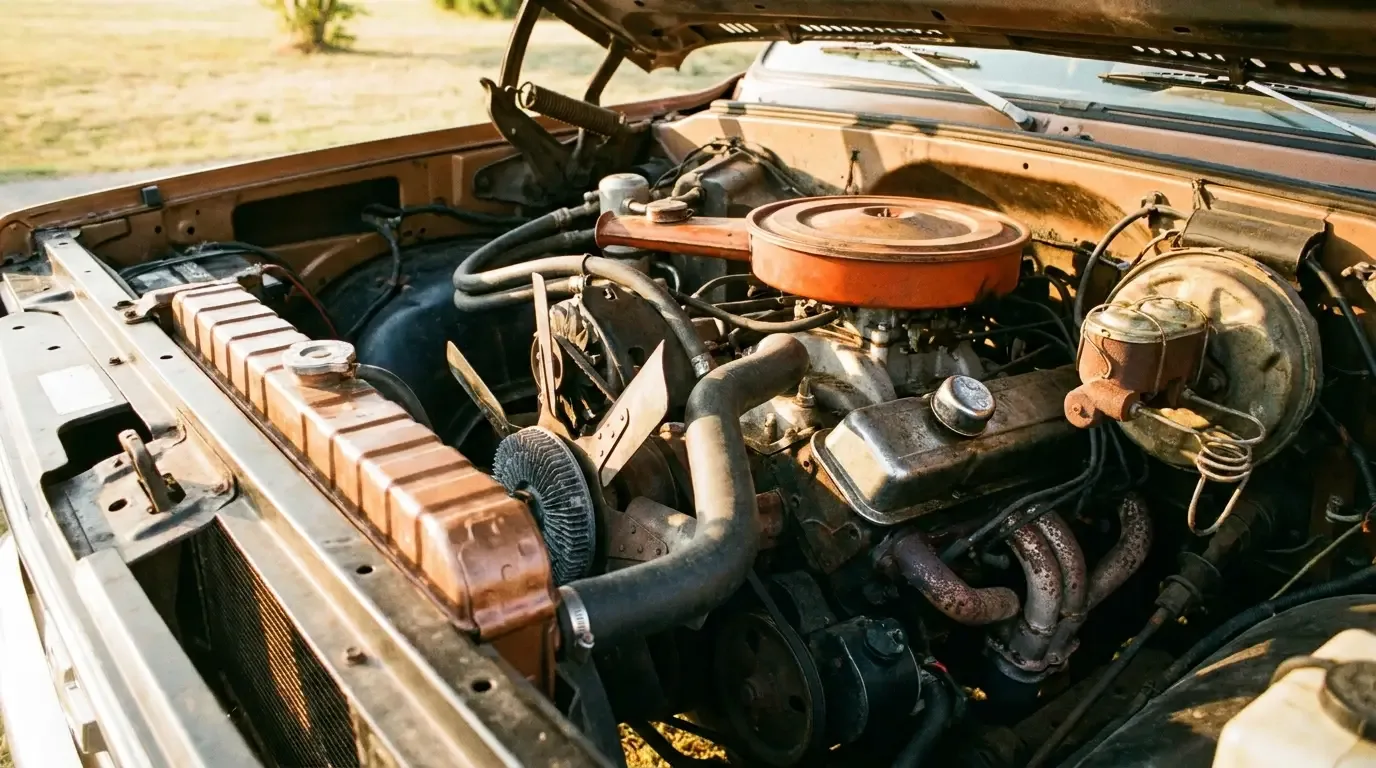
Overheating is the single fastest way to turn a running truck into a parked one, and it's almost always preventable. A radiator that hasn't been flushed in years, a water pump with a bearing on its way out, or a thermostat stuck from age will all show symptoms before they fail completely, if you're paying attention. Watch the temp gauge on every drive, not just when something feels off. A gauge that used to sit rock steady and now creeps up in traffic is telling you something before it becomes an emergency on the side of the road.
Hoses on trucks this age should be replaced on a schedule, not run until they fail, because rubber degrades from the inside where you can't see it. A hose that looks fine on the outside can be delaminating internally, and the first sign of trouble is often a sudden blowout rather than a slow leak you'd catch early.
Brakes, drums or discs, and what wears first
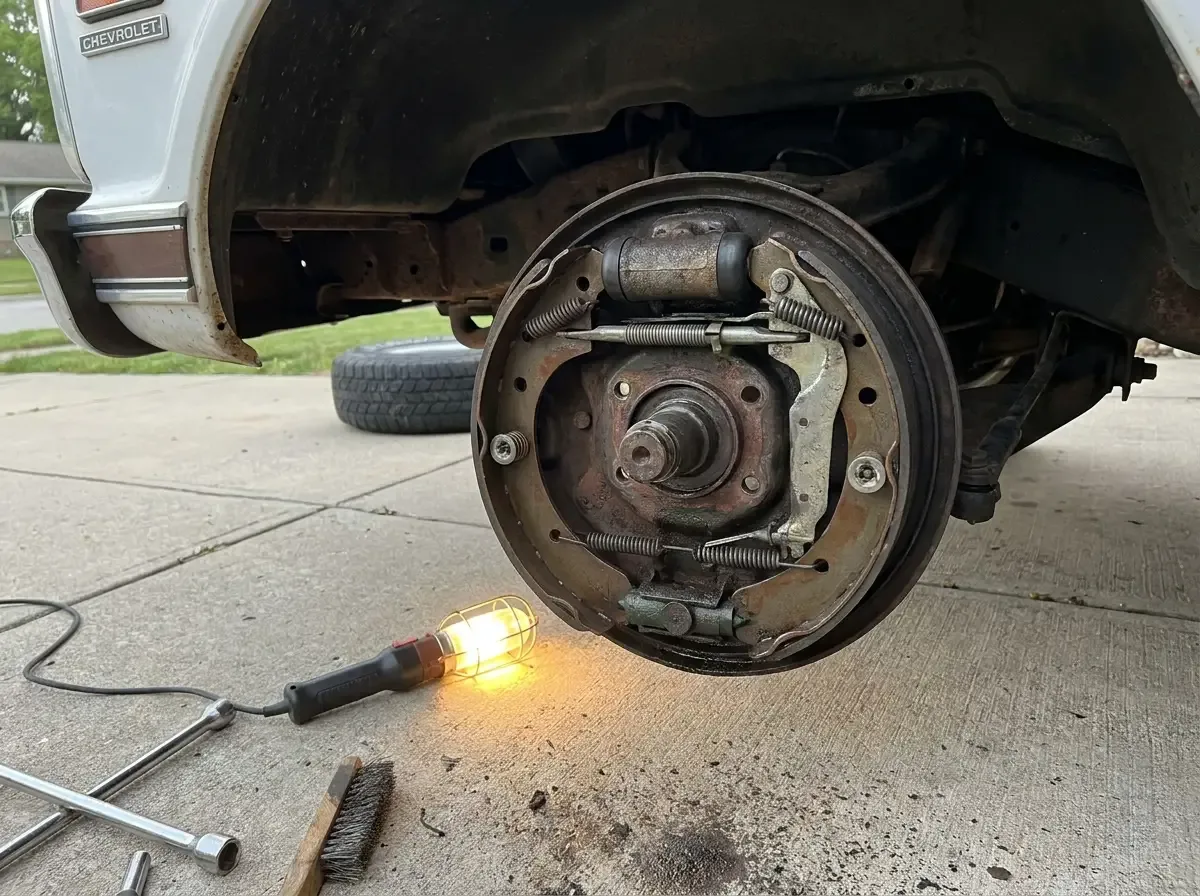
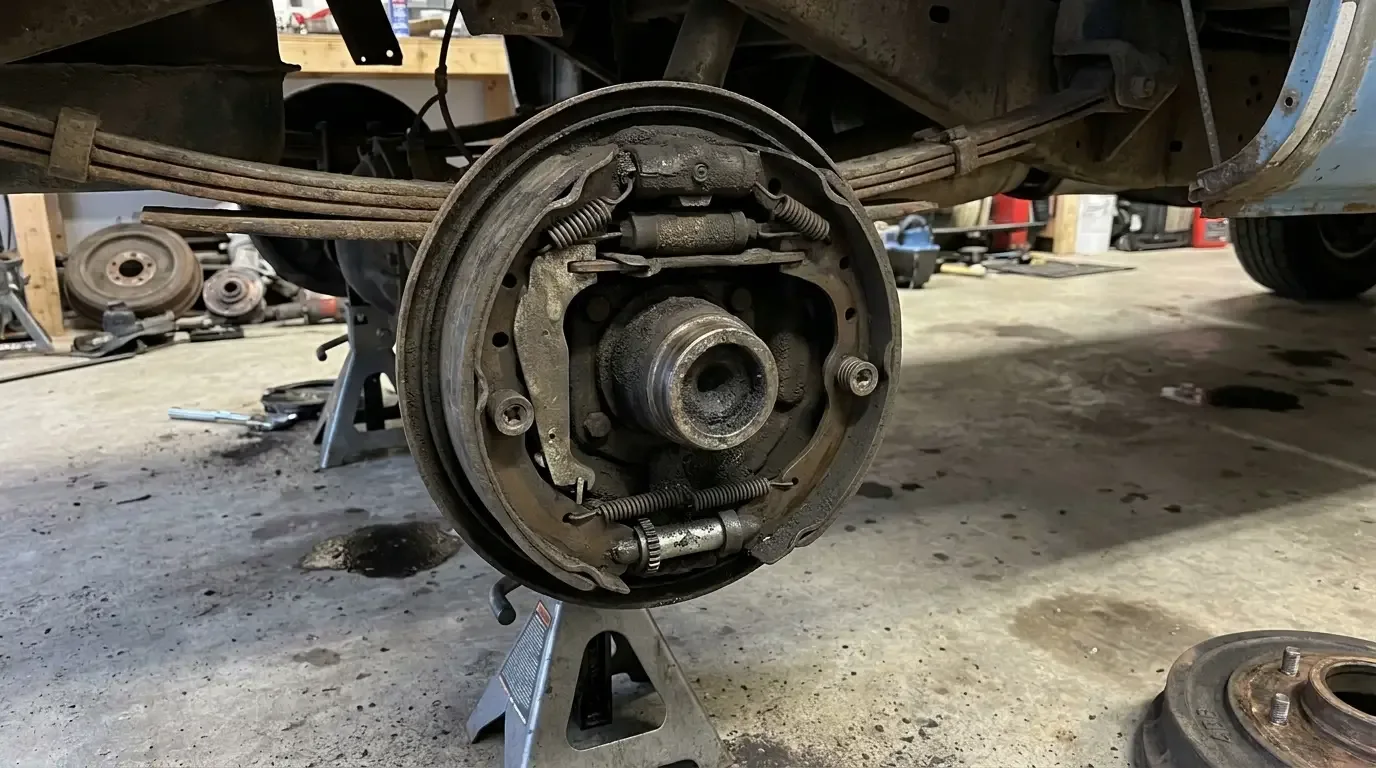
Whether a truck is running its original drum brakes all around or has been converted to front discs, the maintenance principle is the same: check the parts you can't see from outside the wheel. Drum brakes hide wear behind the drum itself, and a shoe that's down to the rivets doesn't announce itself with a squeal the way a modern disc pad does. Pull the drums periodically and actually look, don't wait for a noise or a soft pedal to tell you something's wrong.
Wheel cylinders and calipers on trucks this age are worth inspecting for seepage at every brake service, since a slowly leaking cylinder contaminates the shoe or pad and reduces stopping power well before it fails outright. This is not a job to defer. A brake system on a truck this size, especially one that's ever towed anything, needs to be trusted completely, and trust comes from inspection, not assumption.
Electrical gremlins that come with age
Wiring on a truck this old has been through decades of heat cycles, vibration, and probably at least one amateur repair somewhere along the way. Corroded grounds cause more mystery electrical problems than actual component failures, dim lights, intermittent gauges, a starter that clicks instead of cranks. Before replacing an expensive part, check the ground straps and connections first. It's the cheapest diagnostic step and it solves more problems than people expect.
Old wiring insulation also cracks and hardens with age, especially anywhere near the exhaust manifold or engine heat. A cracked wire that's shorting intermittently against the frame or a bracket can cause symptoms that look like a dozen different problems before somebody traces it back to a single bare spot in the loom.
Tires, alignment, and how the truck tracks
A truck that wanders on the highway or pulls to one side isn't just uncomfortable to drive, it's telling you something in the front end needs attention, whether that's tie rod ends, ball joints, or an alignment that's drifted out over years of use and road conditions. Don't chalk wandering up to "that's just how old trucks drive." A properly maintained front end on one of these trucks tracks straight and true, and if yours doesn't, something's worn.
Tire age matters as much as tread depth on a truck that doesn't rack up miles quickly. Rubber degrades with time regardless of tread wear, and a tire old enough to have hardened sidewalls is a liability at highway speed even if the tread looks fine. Check the date code, not just the tread.
"People treat these trucks like they're delicate because they're old, and it's backward. They're simple, and simple things are easy to maintain if you actually do it. I've got customers who drive theirs every single day, feed store runs, work trips, the whole thing, and the truck holds up fine because they don't skip the small stuff. It's the trucks that sit for six months at a time that give people trouble, not the ones that get driven and looked after."
Robert Halloran
Making it a truck you can actually drive every day
The trucks that hold up best as daily drivers are the ones where an owner treats basic maintenance as routine rather than an emergency response to something already broken. That's also part of the C10 story, a truck designed from the start to be worked, not babied, and it still responds best to that same treatment fifty-plus years later. A well-maintained daily driver C10 isn't a compromise between a classic and a reliable vehicle. Done right, it's both at once.
If you're shopping rather than starting from a truck you already own, looking at driver-quality C10s for sale with documented maintenance history will save you a year of catching up on somebody else's deferred work. A truck with service records is worth more up front than a cheaper one you'll spend the first summer sorting out.
And once the mechanical basics are dialed in, that's usually when owners start noticing what these trucks become once they're dialed in, a reliable daily driver that also happens to be a truck people wave at on the road. The maintenance is the unglamorous part. It's also the part that makes everything else about owning one of these trucks actually enjoyable instead of stressful.
Sources and notes
- Hagerty on changing classic car oil by time rather than mileage
- Hagerty's year-round seasonal guide to classic car maintenance
- SlashGear guide on how often brake fluid should be replaced
- AMSOIL on differential/gear oil change intervals under normal and towing use
- Hagerty 1973-1987 Chevrolet/GMC truck buyer's guide
Related Reading
Article
The Chevrolet C10 Story: America's Half-Ton Icon
Article
The Complete Guide to Lowering a Classic Chevrolet C10

Article
Diagnosing and Fixing Headlight Dimming on an Old C10
Article
Troubleshooting Ignition Switch Failure on a Classic C10
Article
Stopping Water Leaks Around C10 Windshield Gaskets
Article
Servicing and Adjusting Rear Drum Brakes on a C10
Article
Diagnosing Overheating in Stop-and-Go Traffic
Article
Fixing Loose Door Latch Mechanisms on a C10
Article
Winterizing a Classic C10: Storage Prep and Fluid Care
Article
Body Mount Bushing Replacement on a C10 Cab and Bed
Article
Fixing Sloppy Column Shifter Linkage on a C10
Article
Troubleshooting Electrical Grounding Issues on a C10 Chassis
Article
Upgrading C10 Bulbs to High-Visibility LEDs
Article
Repacking Front Wheel Bearings on a 2WD C10
Article
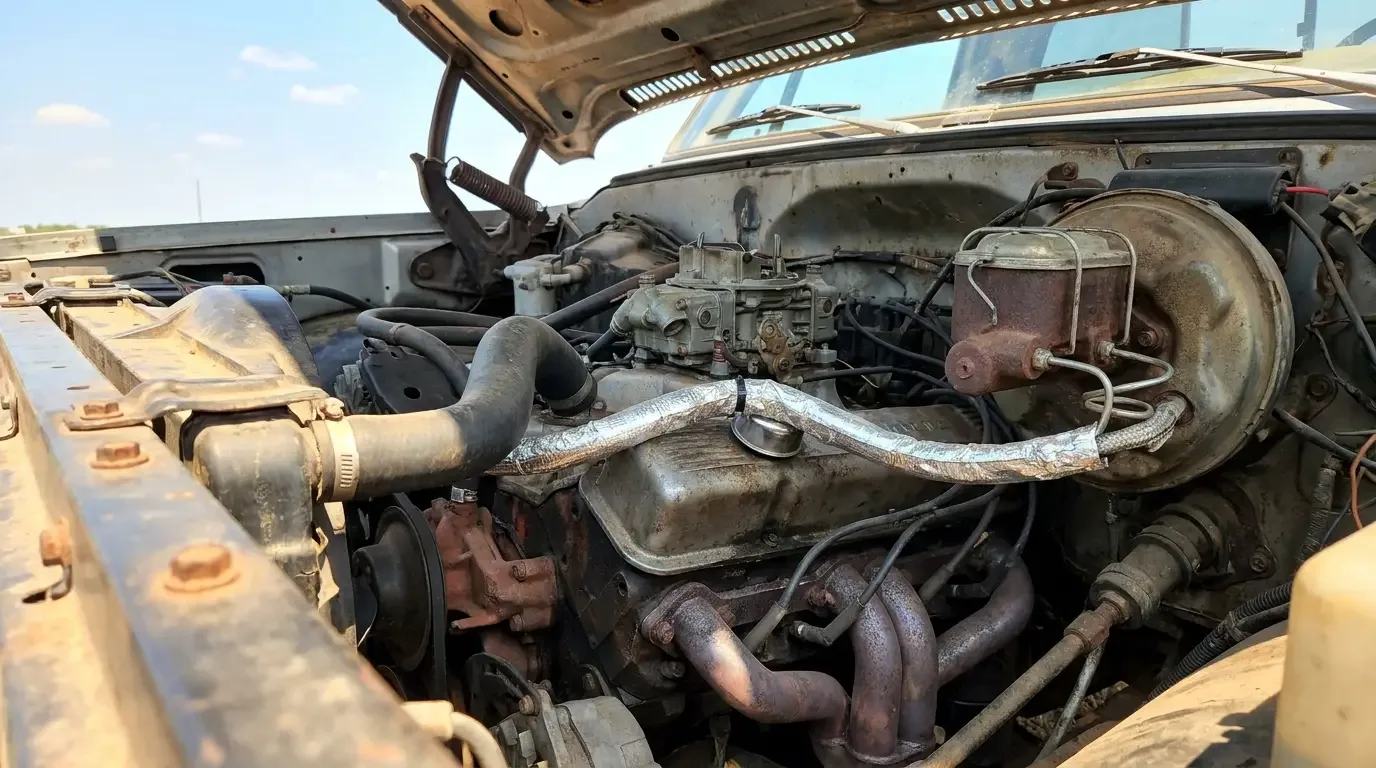
Preventing Vapor Lock on a Carbureted C10 in Summer
Article
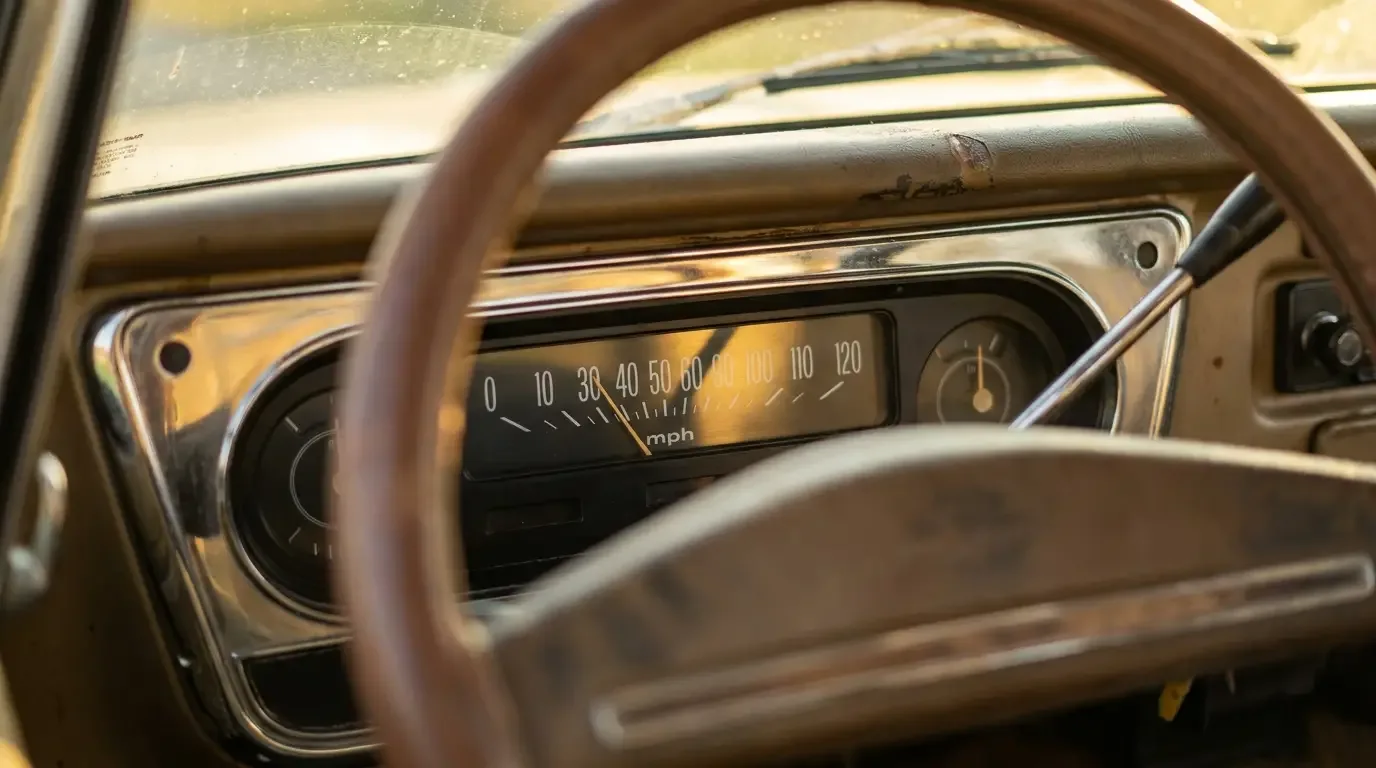
Replacing a C10 Speedometer Cable and Fixing Gauge Bounce
Article
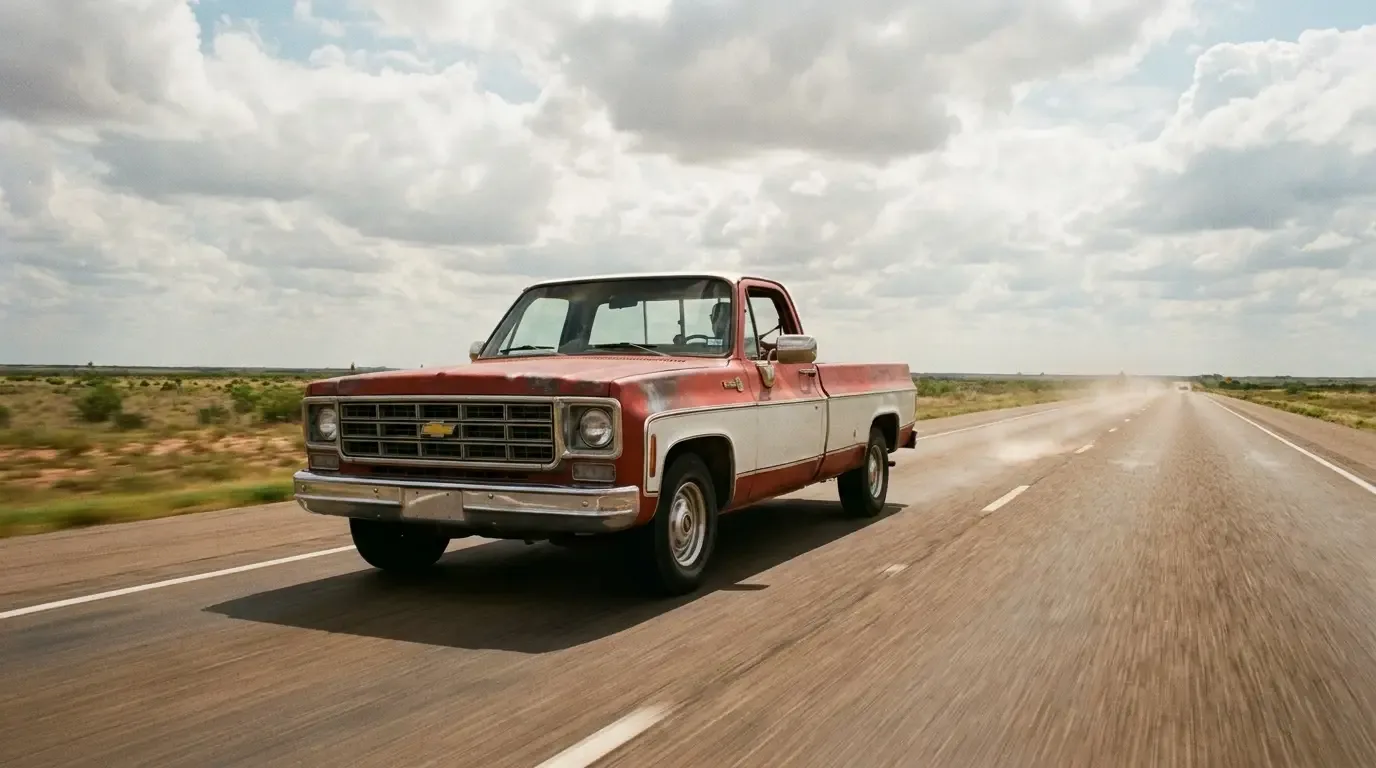
Diagnosing Highway Vibration on a Classic C10
Article
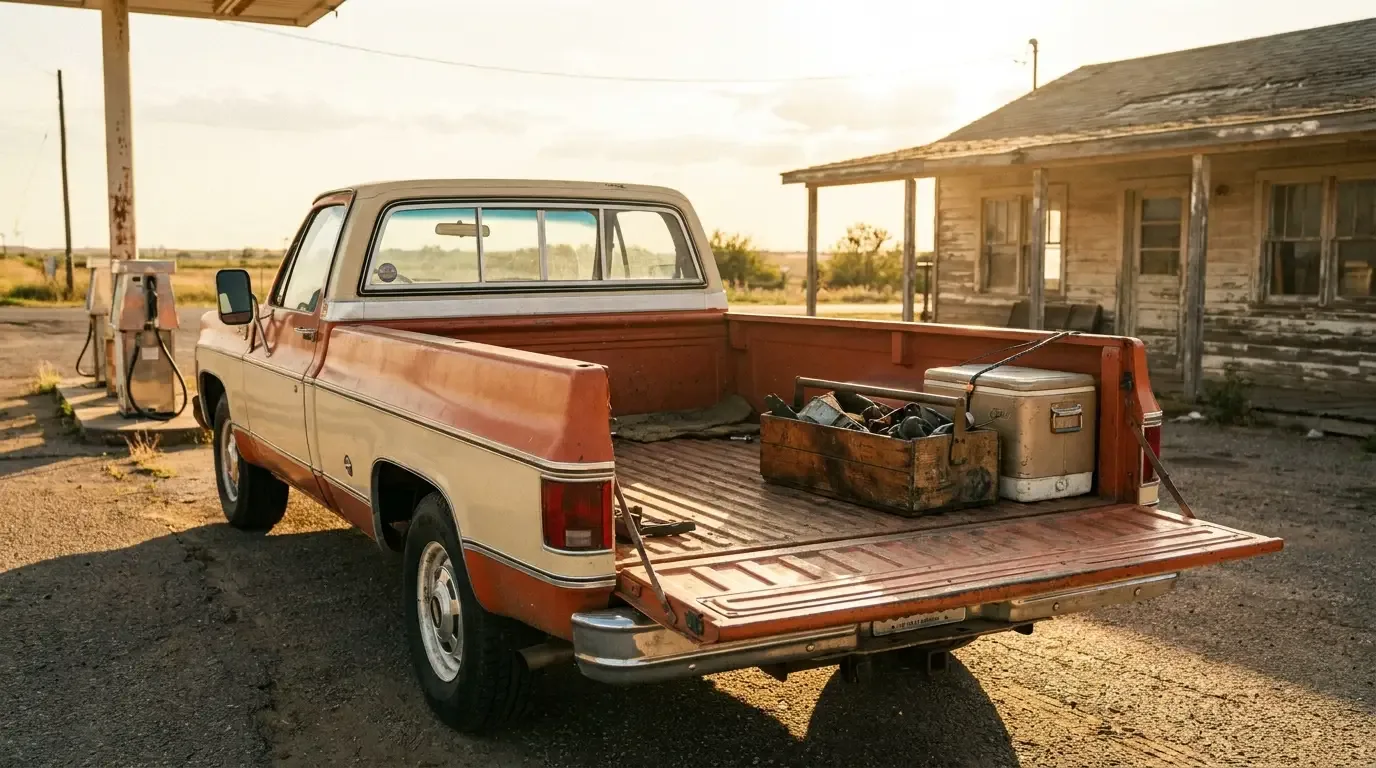
Essential Spare Parts to Carry for a Classic C10 Road Trip
Article
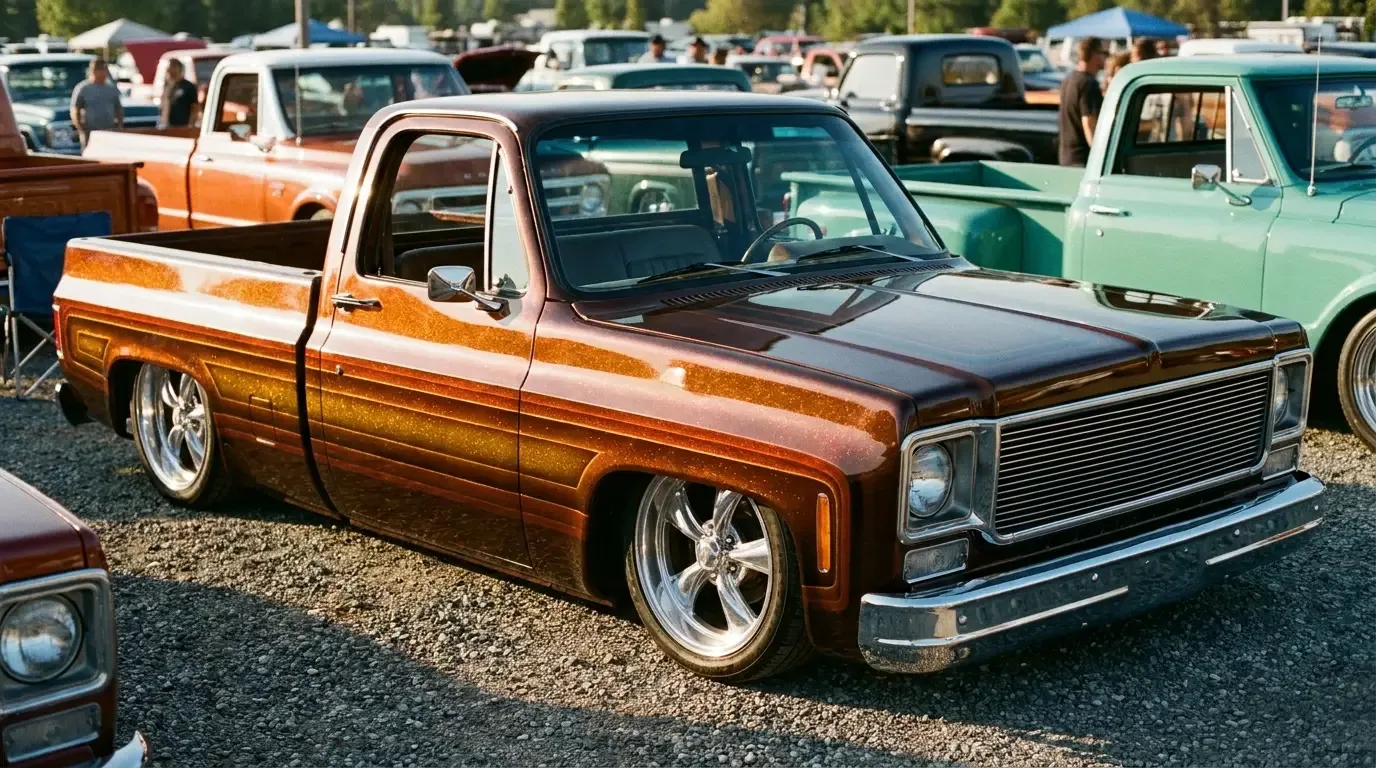
C10 Culture: How a Work Truck Became a Custom Icon
Have a
Chevrolet C10
for Sale?
Reach thousands of serious classic car collectors across the US.
Sell It Here →
Are You a Classic Car Dealer?
List your full inventory and connect with targeted classic car buyers.
Join as a Dealer →

About the author
Robert Halloran
Texas-based classic truck enthusiast with decades of experience buying, restoring, and writing about American pickups from the 1940s through the 1980s.
Related Listings - Chevrolet C10
More in Restoration & Tech
Comments
Be the first to comment on this article.