A classic car appraisal is a paid, written opinion of value from someone who has examined the car. That is the whole product. What separates a useful one from a wasted fee is the question it was written to answer, because an insurance figure, a sale figure, and a tax figure for the same car can sit thousands of dollars apart and all three can be correct.
Most owners order the wrong one, or order one when they don't need it, or skip it on exactly the car where it would have paid for itself. This piece covers what an appraisal costs, which type answers which question, and the specific situations where the fee is justified. If you are still working out a price range from comps and guides, start with how much is my classic car worth and come back here when the number needs to hold up in front of someone else.
What a classic car appraisal costs
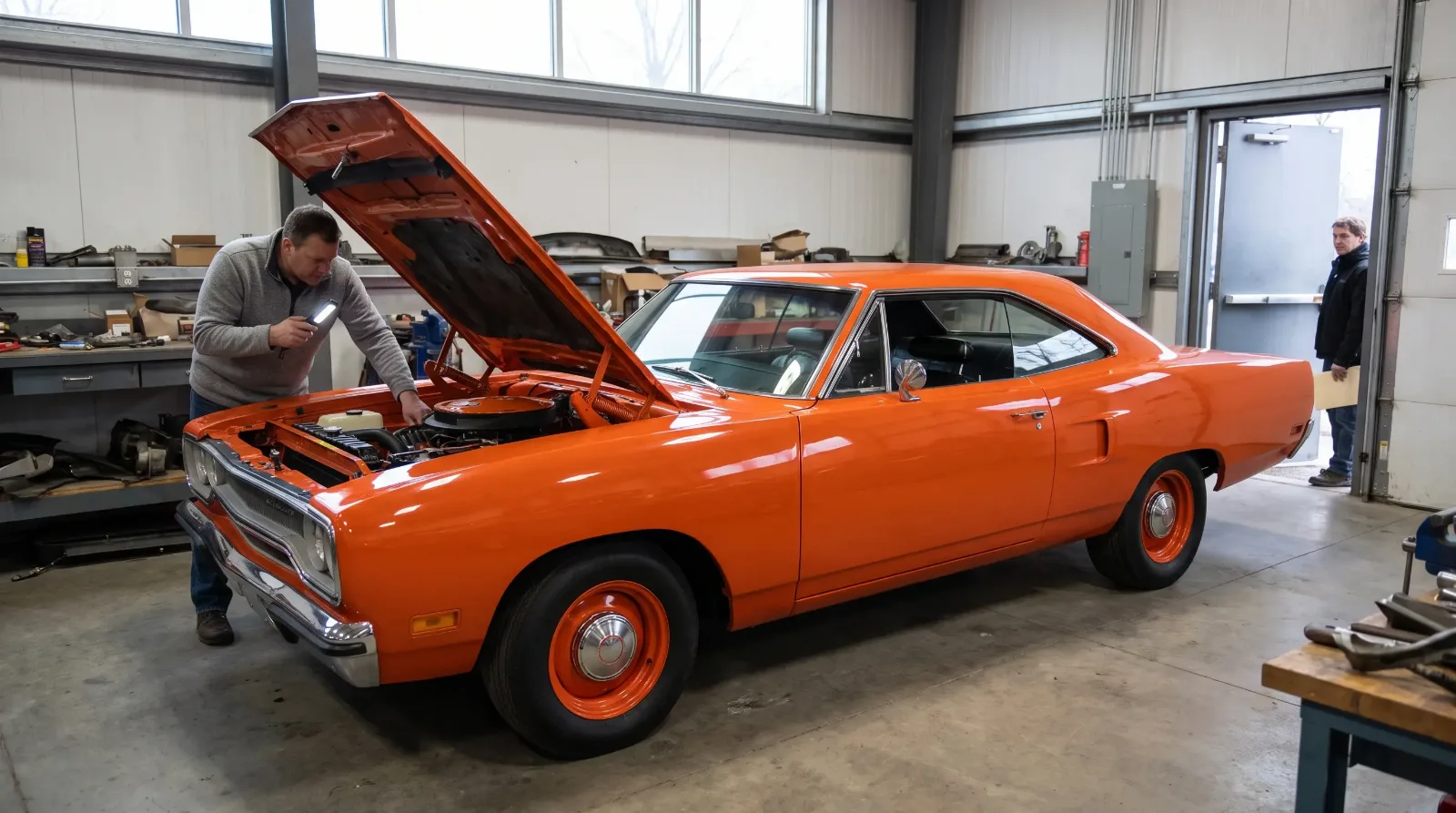
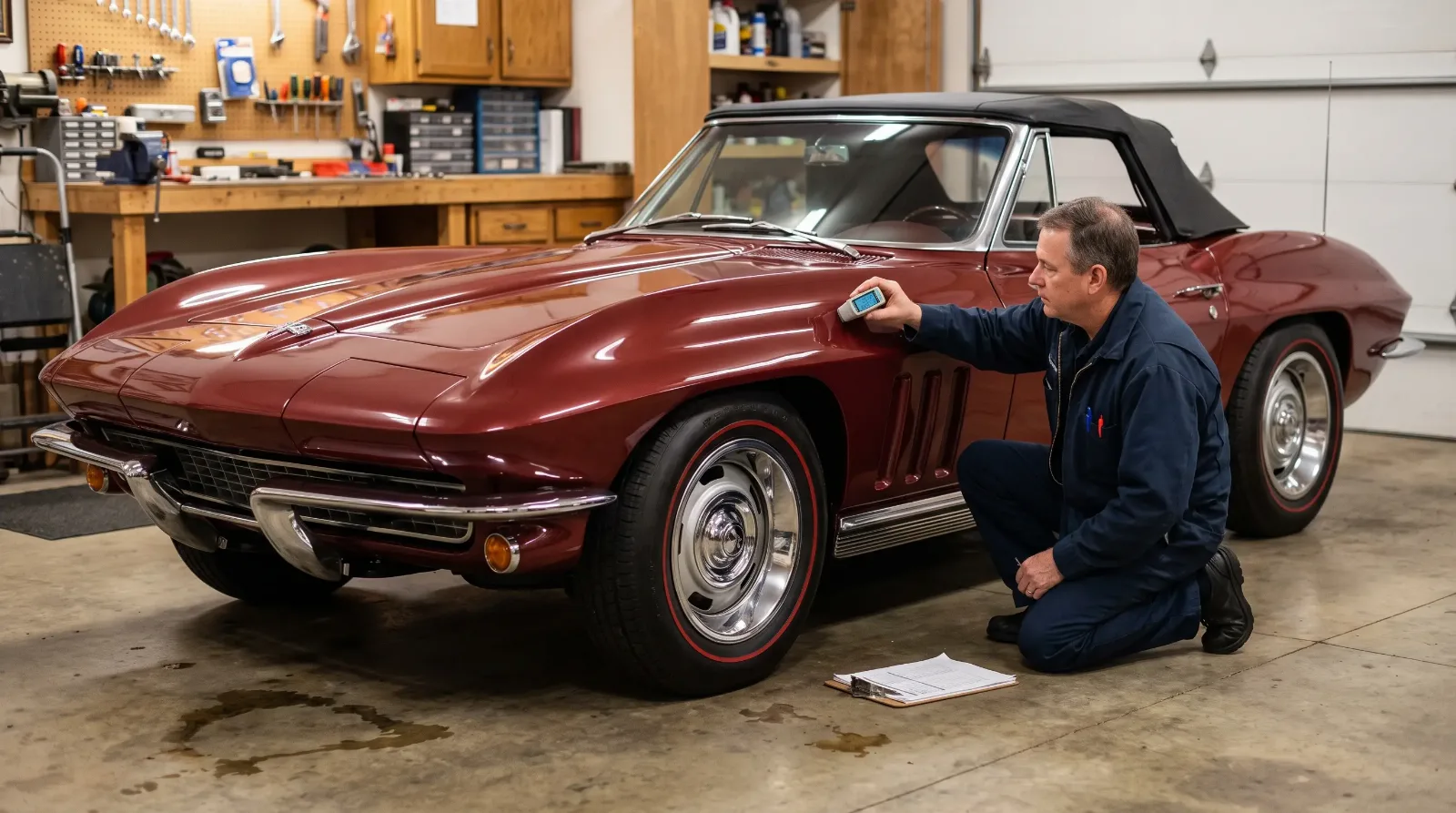
Published fees from independent collector car appraisers mostly fall between about $200 and $500 for a standard appraisal with a physical inspection. That band covers a typical American or European collector car, a report with photographs, a condition grade, and a set of comparable sales. The fee is not tied to the value of the car at most reputable shops, and it should not be. An appraiser paid a percentage of the number has a reason to inflate it.
Several things push the cost above that range. Travel is the most common: an appraiser who drives two hours to inspect the car will bill for the time or charge a mileage fee. Rare or high-value cars take longer to research because there are fewer comps and more provenance to check. Authentication work, such as confirming a matching-numbers drivetrain or tracing ownership history, is often billed separately. Litigation and expert-witness work, where the appraiser may have to defend the report under questioning, is usually billed by the hour, commonly at a few hundred dollars an hour, so a report plus a deposition or a day in court can pass $1,000 quickly.
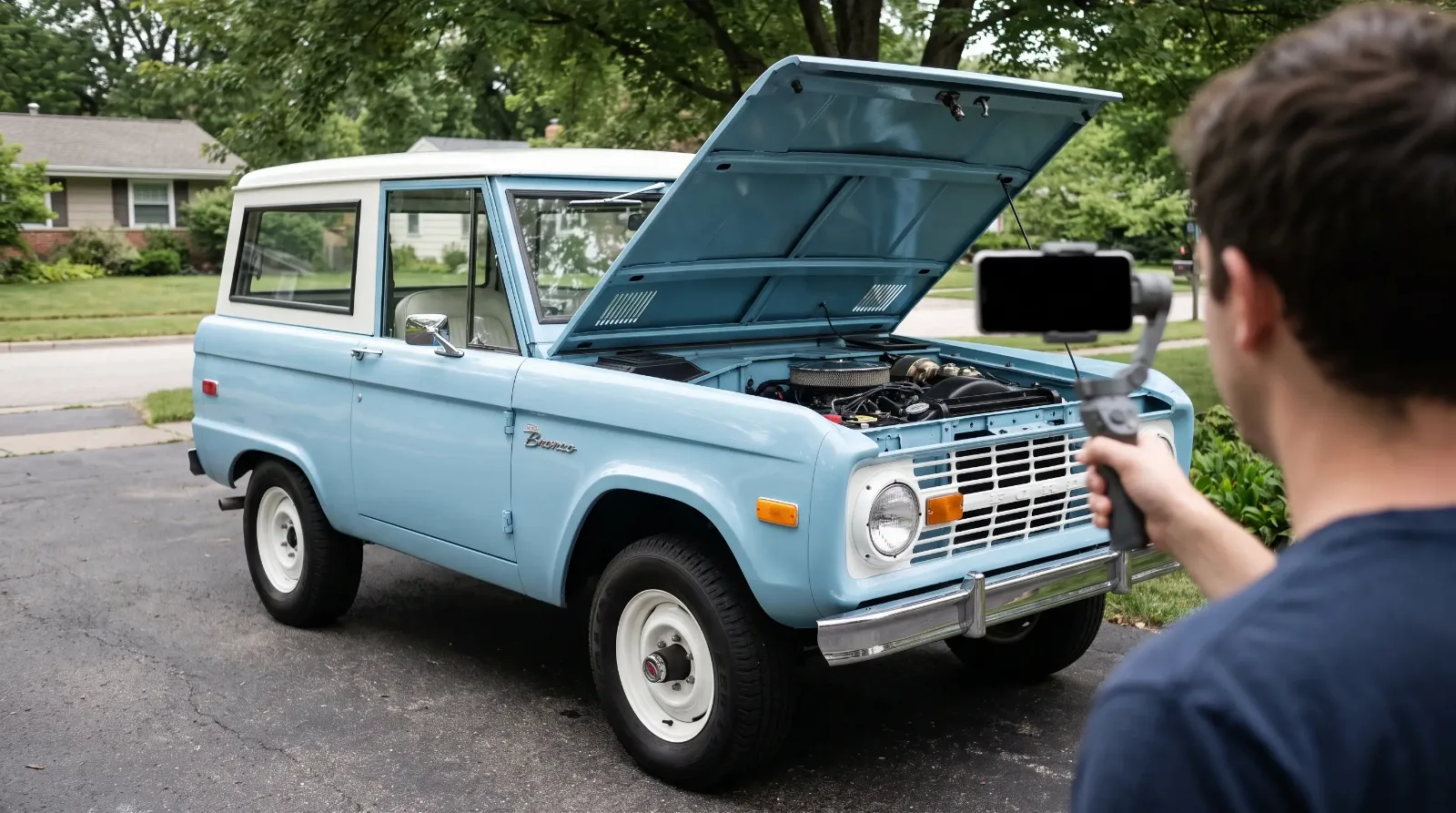
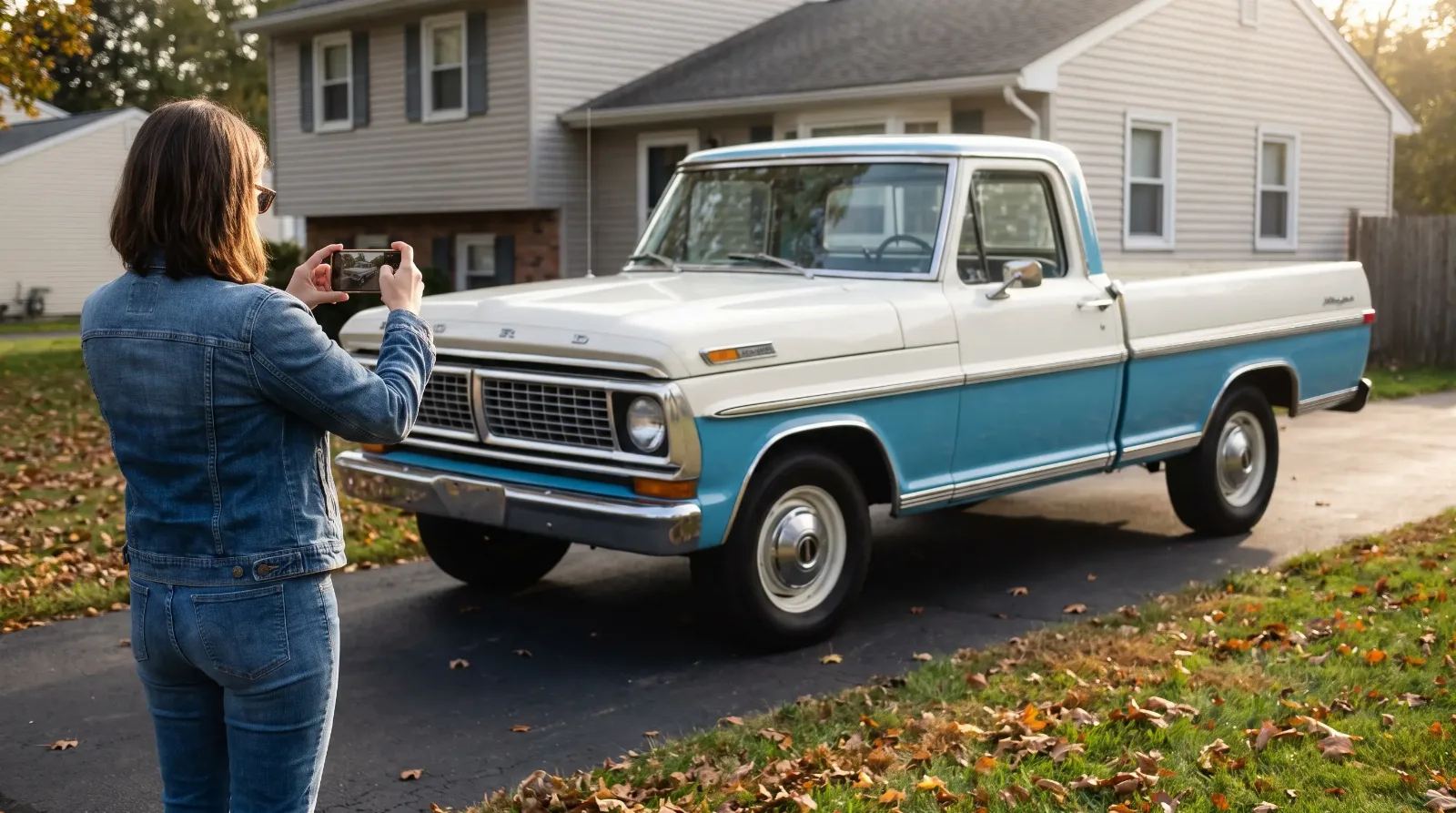
At the other end, some appraisers and online services offer a remote, photo-based valuation for less than a full inspection. These rely on photos and documents you supply. They can be fine for a common driver-quality car going onto an agreed-value insurance policy. They carry little weight with a buyer, a court, or a tax authority, because nobody independent stood next to the car.
The types, and which question each answers
An appraisal is always written for a purpose, and a competent appraiser will ask you what that purpose is before quoting. The purpose sets the definition of value the report uses. Here is how the common types line up.
| Type | Question it answers | Who usually orders it | How the number tends to land |
|---|---|---|---|
| Fair market value | What would a willing, informed buyer pay a willing seller? | Sellers, buyers, estates, divorcing couples | Close to realistic sold comps |
| Agreed or stated value (insurance) | What would it cost to replace this car with a comparable one? | Owners setting up or renewing collector insurance | Often above a quick-sale figure |
| Diminished value | How much value did an accident or claim take away, even after repair? | Owners pursuing a claim against an at-fault party's insurer | A loss figure, not a sale price |
| Pre-purchase inspection with valuation | Is the car what the seller says, and what is it worth in that condition? | Buyers, occasionally sellers in advance | Condition-driven, often conservative |
| Donation or estate (tax) | What value can be reported to the IRS for a gift, estate, or charitable deduction? | Executors, donors, their accountants | Fair market value under tax definitions |
The mistake I see most is a seller waving an insurance appraisal at a buyer. Replacement value assumes you would have to go out and find another car like yours, pay a dealer's retail price, and possibly pay for transport. That is a higher number than what a private buyer will pay you for yours, and experienced buyers discount it on sight. If the appraisal is for a sale, ask for fair market value and say so in writing when you book it.
Tax and estate work is the stricter category. For charitable donations, the IRS generally requires a qualified appraisal by a qualified appraiser when the deduction for a donated item exceeds $5,000. Vehicles have their own rules: if the charity sells the car, the deduction is generally limited to the gross proceeds it reports to you, often on Form 1098-C, and the appraisal requirement applies only when a vehicle deduction over $5,000 is not limited that way. The appraisal must be dated no more than 60 days before the donation, and its fee cannot be based on the appraised value. This is general information, not tax advice. If a deduction or an estate filing depends on the number, confirm the appraiser's qualifications with your accountant before you pay anyone.
When you need one, and when you don't
An appraisal is a risk-management tool. The fee is worth paying when the cost of being wrong, or of being disbelieved, is larger than the fee. On that basis the cases sort fairly cleanly.
You probably need one when the car is rare enough that there are few or no recent comps, because then the market has no shared reference point and a documented opinion becomes the reference. The same applies to cars whose value depends on a claim a buyer will challenge: a numbers-matching drivetrain, a rare factory option, a documented race history, a significant restoration with receipts. Agreed-value insurance can call for one on high-value or modified cars, though requirements vary by insurer: Hagerty, for one, says that in most cases it doesn't require an appraisal when the value matches verifiable market data. Estates, divorces, and partnership splits need one because two parties with opposite interests have to accept the same number. Any IRS filing that depends on the value needs one, done to the IRS standard.
You probably don't need one when the car is a common model in #3 or #4 condition with plenty of recent sales, and you are selling it privately. In that case your comps are the evidence, and a buyer will check them anyway. Spending $400 to confirm what twenty public results already say is a poor trade. Likewise, if you are selling to a dealer, the dealer will make a wholesale offer based on their own resale math. Your appraisal will not change that math by much.
There is a middle case worth naming. A seller with a good car in an uncertain segment, say a model whose prices moved sharply in the last eighteen months, may want an appraisal less to set the price than to defend it. When a buyer opens with an offer 20 percent under the asking price, a report with comps attached moves the negotiation back to evidence. That is often where the fee comes back several times over.
Getting a report that holds up

The quality of the report matters more than the letterhead. A single page with a value at the bottom proves only that someone was paid. A useful appraisal states its purpose and the definition of value it applies, describes the car by VIN, engine, transmission, and options, assigns a condition grade with photographs supporting it, lists the comparable sales used with dates and venues, and explains the adjustments between those comps and your car. It should also state what the appraiser could not verify, such as whether the engine is original, because a report that admits its limits is more credible than one that admits none.
You can control part of the outcome before the appraiser arrives. Put the documentation in order: title, build sheet or window sticker if you have one, restoration receipts, ownership history, and any registry or club certification. Clean the car, including the engine bay and underside, because an appraiser grades what can be seen. Disclose known problems up front. An appraiser who finds an undisclosed issue will assume there are others, and the grade will reflect that doubt.
"The fee buys you an opinion. What you actually need is the reasoning behind it, because that is the part a buyer can't wave away."
— Marcus Feld
Choosing the appraiser is its own task. Credentials, make-specific experience, independence from any dealer or auction house that might handle the sale, and a sample report all matter, and there is more on finding a classic car appraiser near you and how to vet the person behind the signature. Once the number is settled, the remaining question is where the car will actually sell, and Classic Cars Arena's guide to where to sell compares the routes by cost and by the kind of buyer each one reaches. A defensible appraisal travels with you to any of them.
Sources and notes
- IRS Publication 4303, A Donor's Guide to Vehicle Donation (gross proceeds limit, Form 1098-C, written appraisal over $5,000)
- 26 CFR 1.170A-17, qualified appraisal and qualified appraiser (60-day window, fees may not be based on appraised value)
- American Society of Appraisers, Principles of Appraisal Practice and Code of Ethics (section 7.2, percentage fees)
- Hagerty insurance quick reference guide (in most cases no appraisal required)
- The Appraisal Foundation, frequently asked questions (USPAP and personal property appraisals)
Appraisal fee ranges are drawn from published independent appraiser price lists and vary by region and car. This is general information, not tax or legal advice.