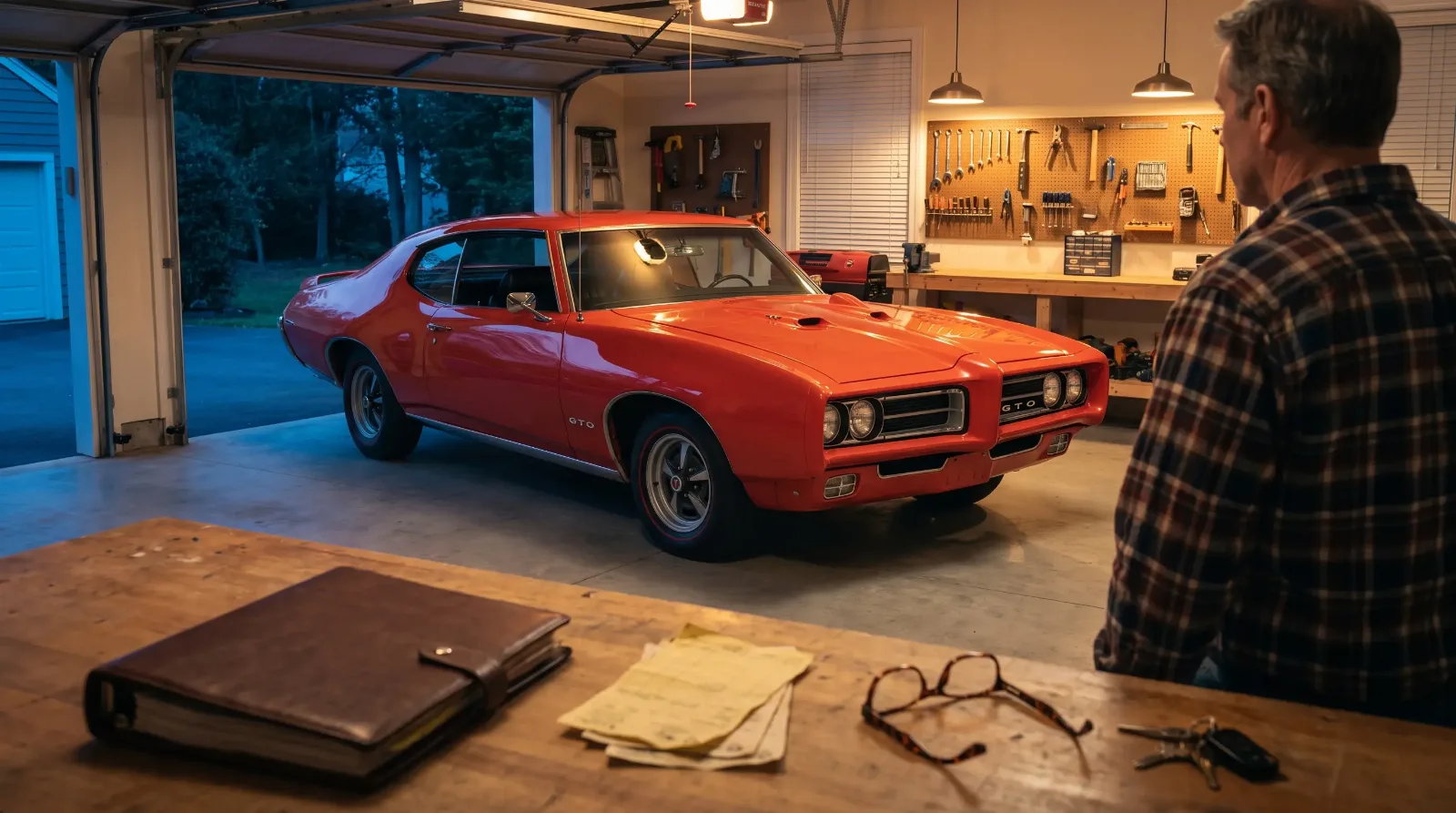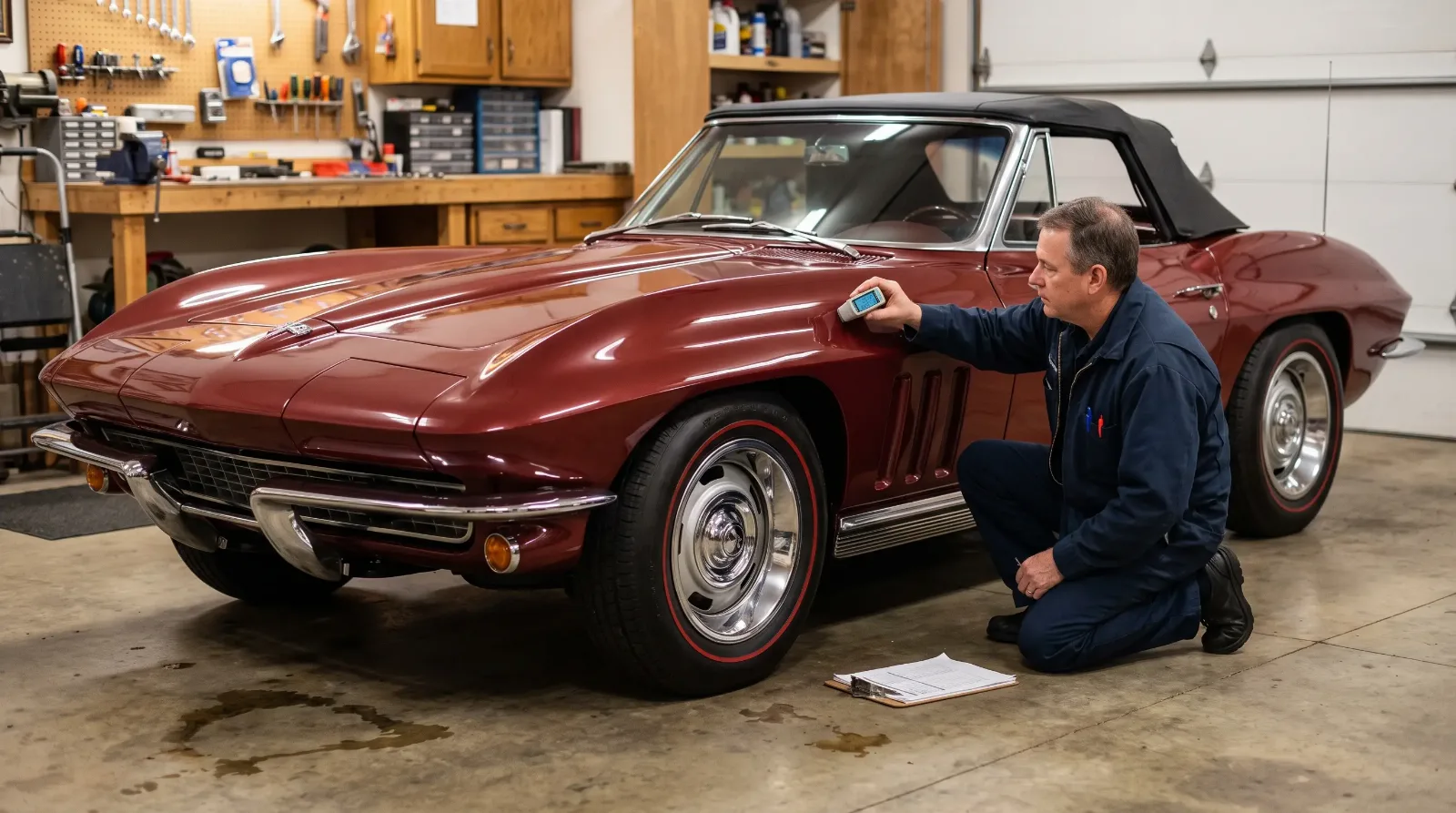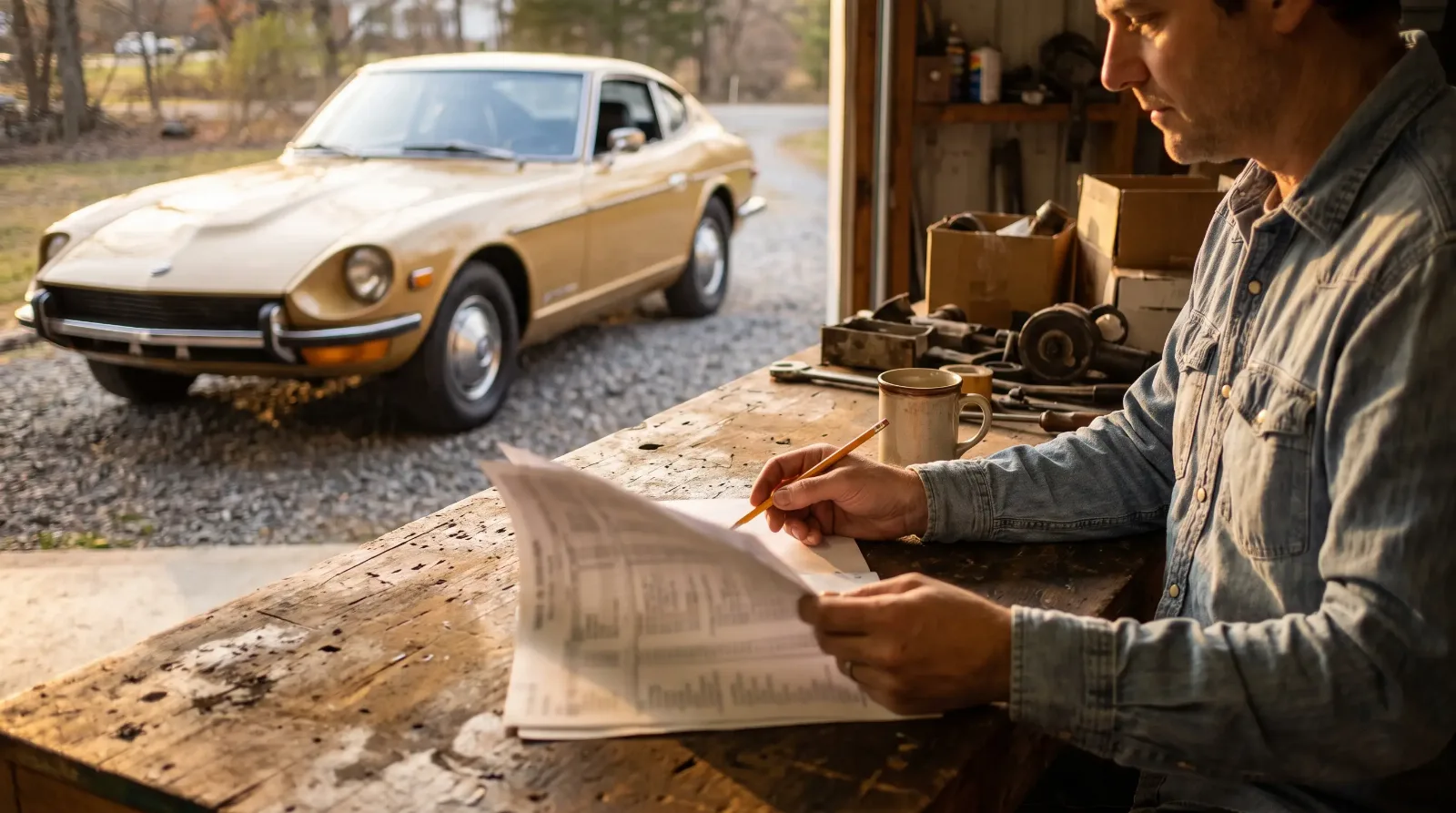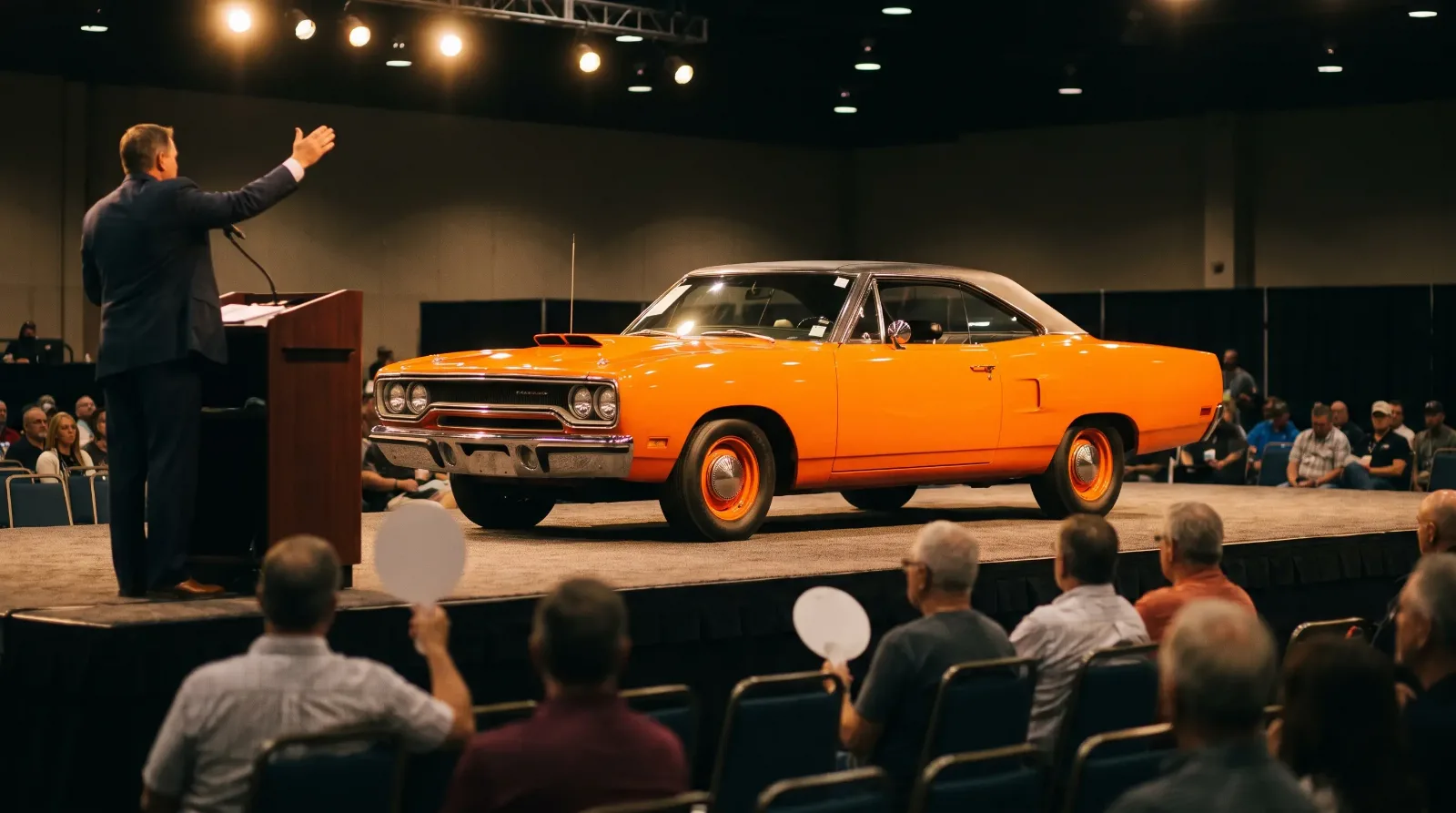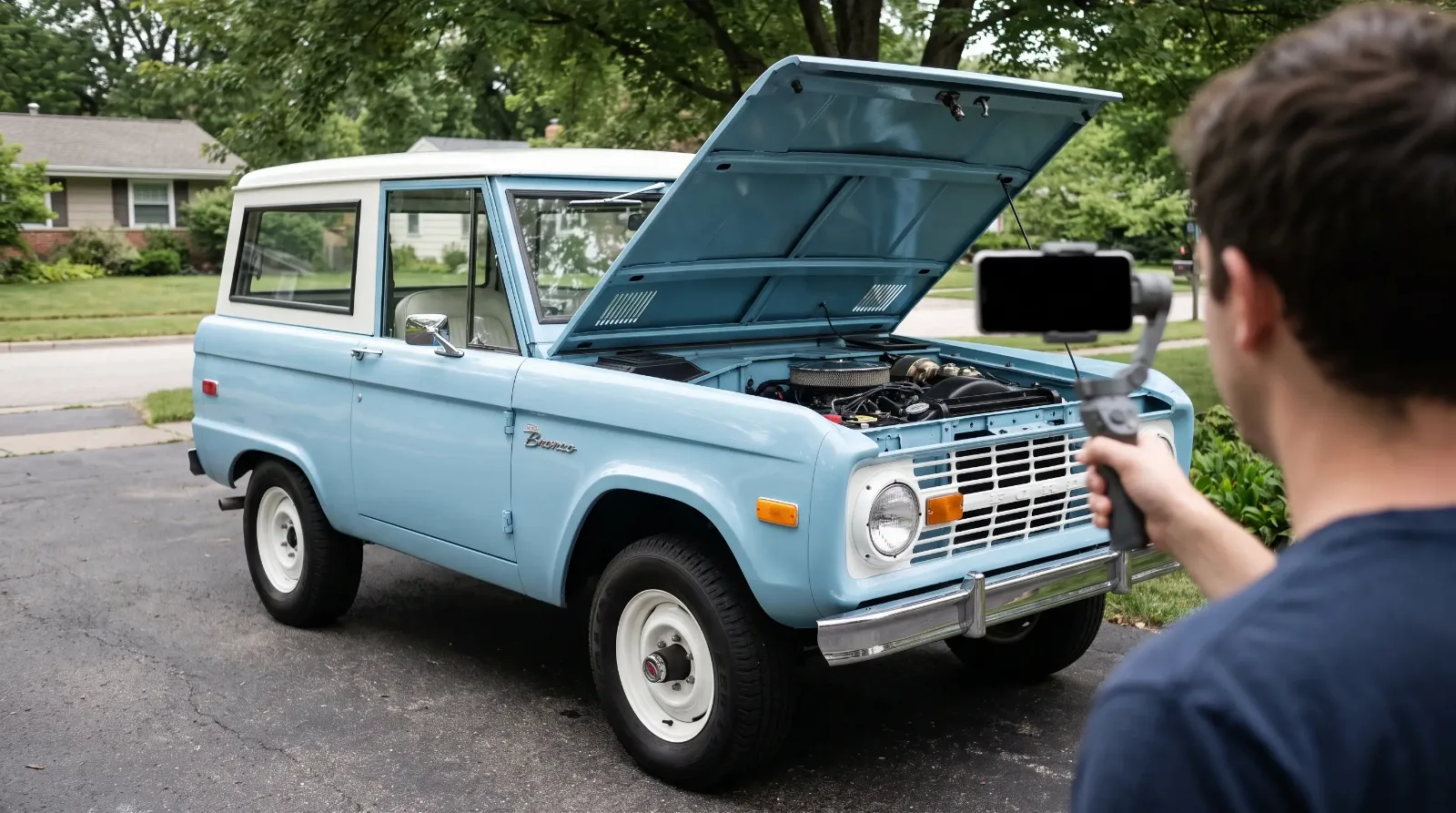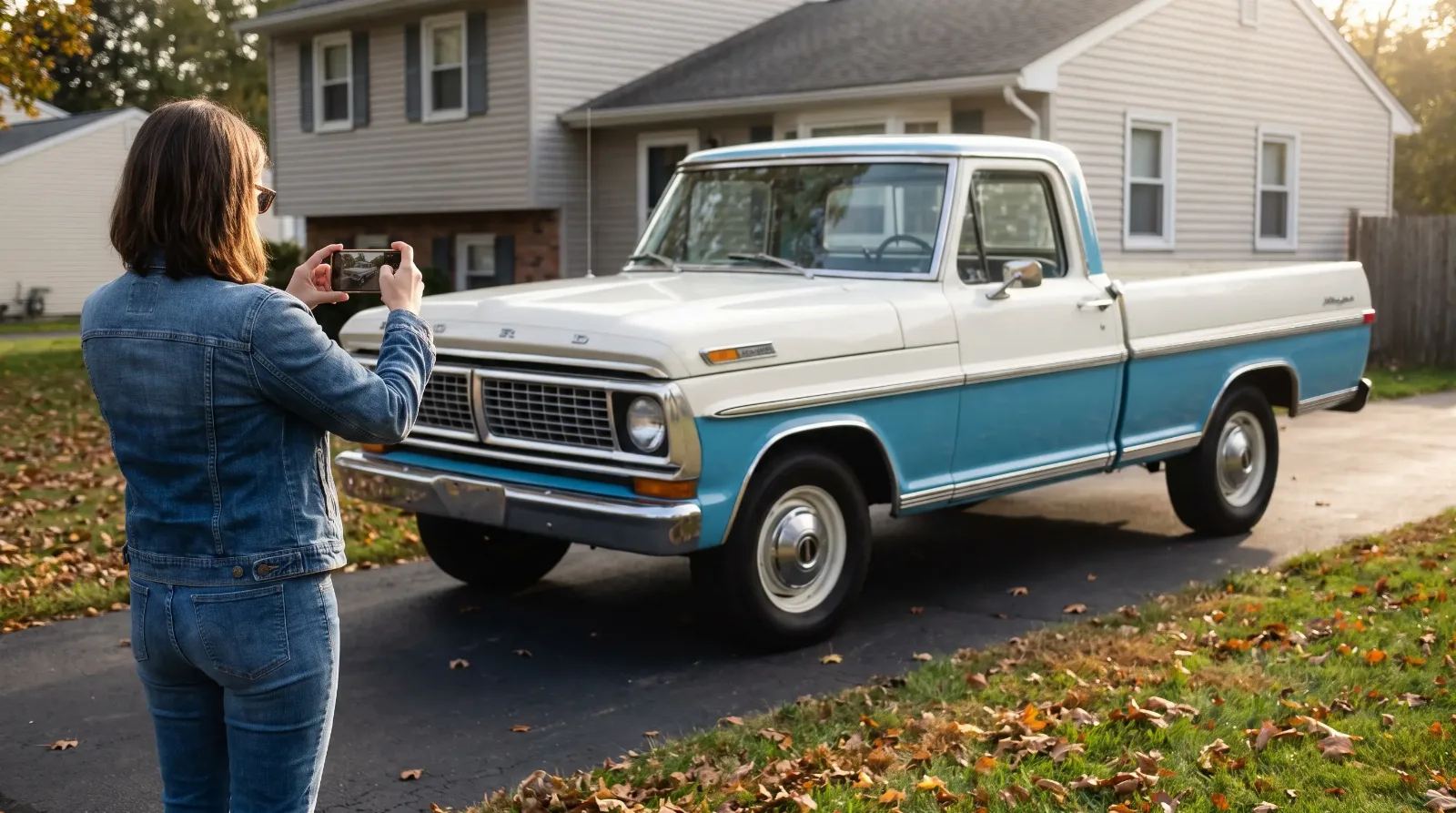
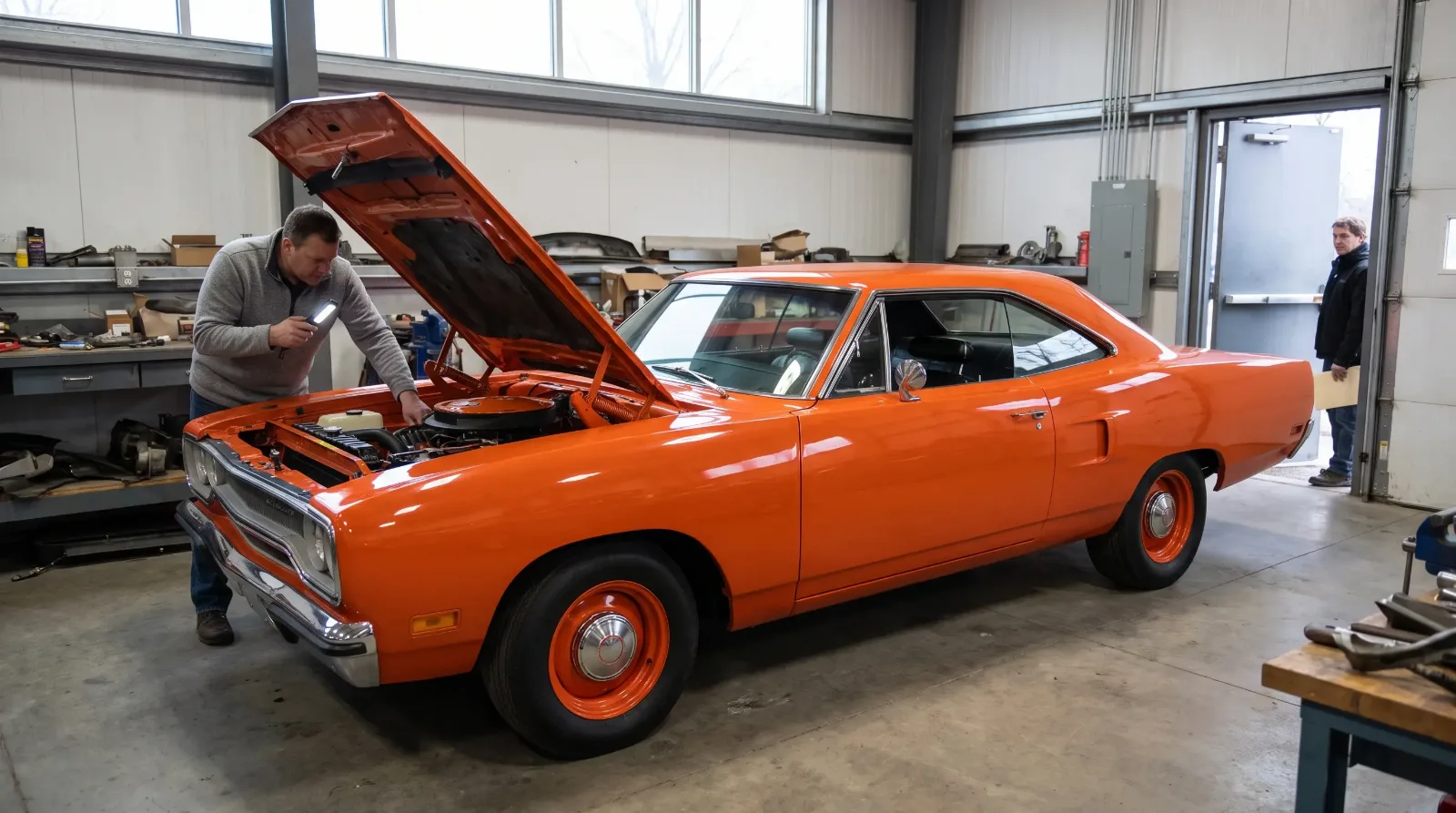
Type "classic car appraisal near me" into a search bar and the results will look reassuringly full. Mobile appraisers, body shops, dealers, insurance adjusters, and a few genuine specialists all appear on the same map, and nearly all of them use the word "certified." The word carries less weight than it seems to. There is no national license for collector car appraisers in the United States. Some states, Nevada among them, license motor vehicle physical damage appraisers who work insurance claims, but that is a different job. So the credential behind the word depends entirely on who issued it and what it required.
Finding the right person is therefore a matter of reading credentials the way one reads a provenance file: who stands behind the claim, what was examined, and what is missing. If you are still deciding whether you need a formal appraisal at all, the how much is my classic car worth guide covers the pricing work that comes first. What follows assumes you have decided you do, and want the report to hold up.
What "certified" actually means
Appraisal credentials fall into a few distinct families, and they test different things. Some test valuation method. Some test knowledge of a particular make. A few test both. Knowing which family a credential belongs to tells you what the appraiser has proved and what you will still have to judge for yourself.
| Credential family | Examples | What it demonstrates | What it does not |
|---|---|---|---|
| Appraisal standards training | USPAP coursework and continuing education | The appraiser knows how to define value, document comparables, and write a defensible report | Any knowledge of your particular car |
| Professional appraisal societies | American Society of Appraisers, International Automotive Appraisers Association | Membership standards, a code of ethics, in some cases testing and peer review | Requirements vary by society and membership level |
| Marque and judging credentials | Club judging certification, registry experience, concours judging | Deep knowledge of correct parts, finishes, and factory practice for a specific make | Training in valuation method or report writing |
| Insurance or lender approval | Appearing on an insurer's or lender's accepted list | That one company accepts the appraiser's reports for its own purposes | Independent qualification of any kind |
The strongest appraisers combine the first and third families. Valuation method without make knowledge produces a tidy report about a car the appraiser did not fully understand: the wrong carburetor tag passes unnoticed, the reproduction trim is graded as original. Make knowledge without method produces a confident number with no visible reasoning behind it. A report that will be read by a buyer, a court, or the IRS needs both.
Where to look beyond the map pin
Proximity is a reasonable starting filter, since an appraisal worth paying for involves a physical inspection, and travel is billed. It should not be the deciding one. A specialist two hours away with real knowledge of your marque is a better purchase than a generalist down the road.
The professional societies maintain searchable member directories, and these are the cleanest starting point because membership implies some standard of conduct. The marque clubs are the second source, and often the better one for an unusual car. Most established clubs and registries have members who appraise, judge, or know precisely who does, and a short email to a regional chapter will usually produce two or three names with a reputation attached. A collector car insurer may be able to point you to appraisers whose reports it has accepted, which is useful if insurance is the purpose, though acceptance by one insurer says nothing about independence.
Restoration shops and dealers know appraisers too, and some employ them. That is where caution belongs. An appraiser connected to the shop that restored the car, or to a dealer or auction house that may sell it, has an interest in the outcome. The report may be entirely honest, but a buyer reading it will not assume so, and the appraisal exists precisely to remove that doubt.
The questions to ask before you book
A short conversation will separate most qualified appraisers from the rest. Listen less for the answer itself than for whether the appraiser answers directly.
Ask which credentials they hold and when they last completed continuing education. Ask how many cars of your make and period they have appraised in the last few years, and whether they have judged or worked within a registry for it. Ask what definition of value they will use for your stated purpose; an appraiser who does not ask your purpose before quoting is not working to any standard. Ask how they charge. A flat fee or an hourly rate is normal. A fee calculated as a percentage of the appraised value is a conflict of interest. The American Society of Appraisers' code of ethics calls percentage fees unethical, and IRS rules bar a donation appraisal fee based on the appraised value.
Then ask for a sample report with the owner's details removed. This single document tells you more than any credential. A sound report identifies the car precisely by VIN and component numbers, grades its condition against a stated scale with photographs, lists the comparable sales used and the adjustments made, and notes what could not be verified. A report that is two pages of adjectives and a number at the bottom will read the same way about your car.
"Ask to see a report they have already written. The credential tells you what someone once studied; the report shows you how they actually look at a car."
— Sarah Whitfield
Signs the appraiser is the wrong one
Some warnings are plain. An appraiser who offers a figure over the phone before seeing the car is giving an estimate, not an appraisal. One who asks what number you are hoping for is telling you the number can be arranged. One who will not put the purpose and definition of value in writing leaves you holding a document that can be challenged on its first page.
Others are subtler. Be careful with an appraiser who relies entirely on value guides and lists no actual sales. Guides are a reasonable cross-check, and here's how that works when you compare the main ones, but a guide figure is an average across cars that share a description. An appraisal is supposed to be about one car. Be equally careful with an appraiser who grades generously across the board. Most collector cars, by Hagerty's own account, are #3 cars, and an appraiser who finds a #2 in every garage is telling owners what they want to hear.
Finally, notice how the appraiser handles originality. A careful examiner will distinguish an original finish from a sympathetic refinish, a correct replacement part from a period one, and a documented history from a recited one, and will write those distinctions down. That care is what a serious buyer pays for when they accept your number. It is worth finding, even if it means looking farther than the nearest pin on the map.
Sources and notes
- The Appraisal Foundation, about us (1989 FIRREA authorization, nonprofit status, USPAP)
- The Appraisal Foundation, frequently asked questions (USPAP not legally required for personal property)
- American Society of Appraisers, Principles of Appraisal Practice and Code of Ethics (section 7.2, percentage fees)
- American Society of Appraisers, professional ethics and Find an Appraiser
- 26 CFR 1.170A-17, qualified appraisal and qualified appraiser (USPAP standard, prohibited appraisal fees)
- Nevada NRS 684B.020 (state licensing of motor vehicle physical damage appraisers)