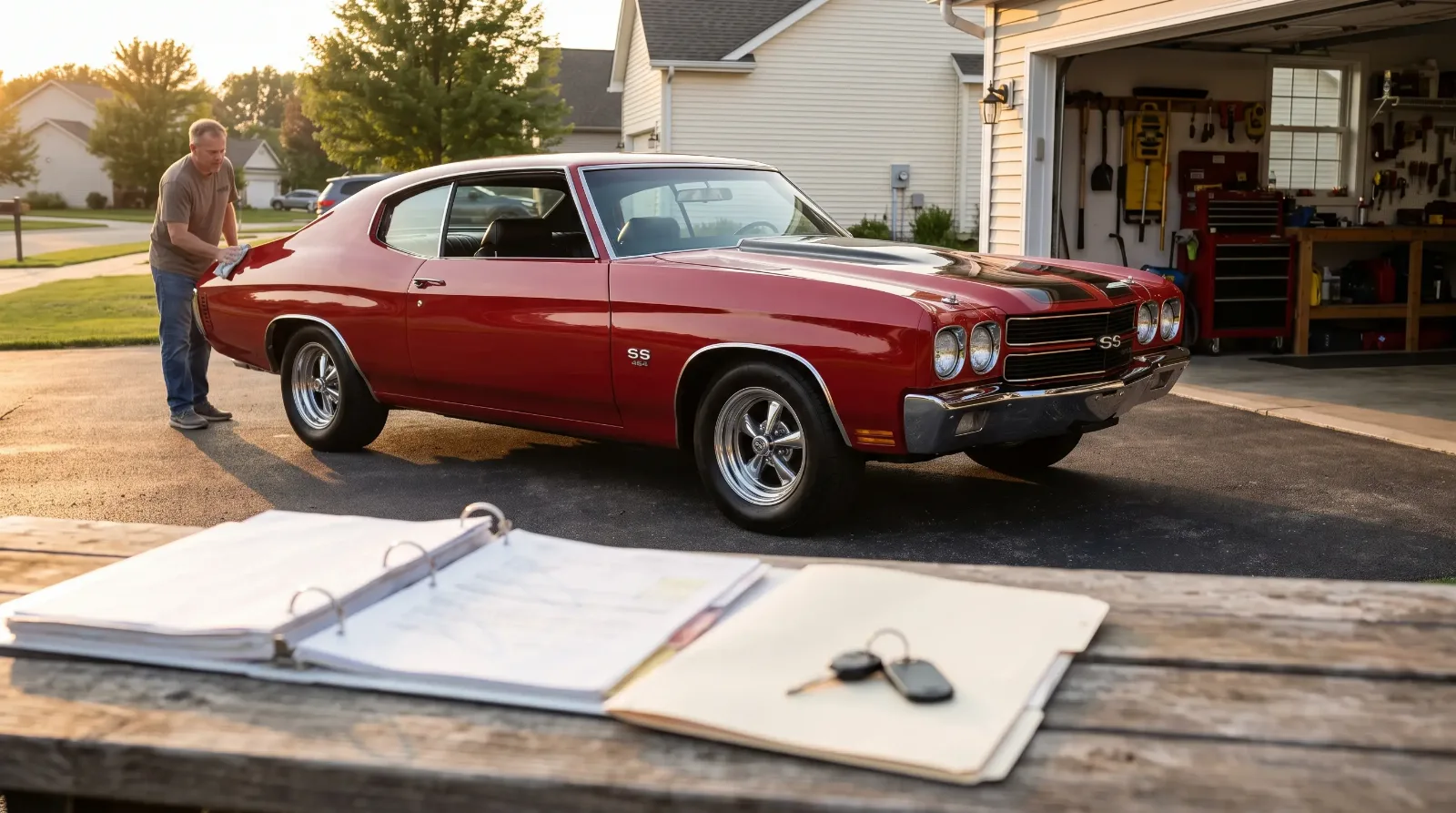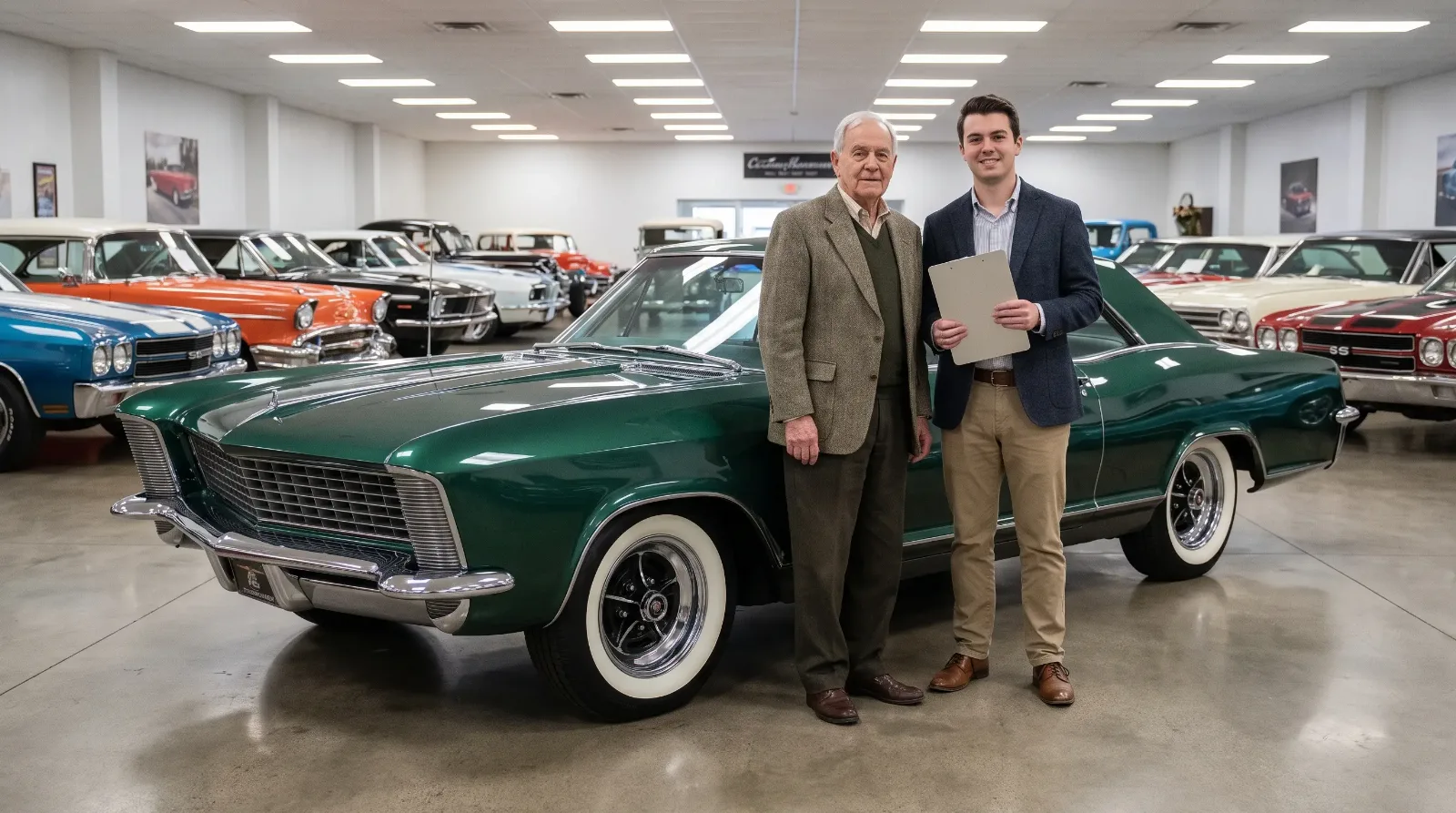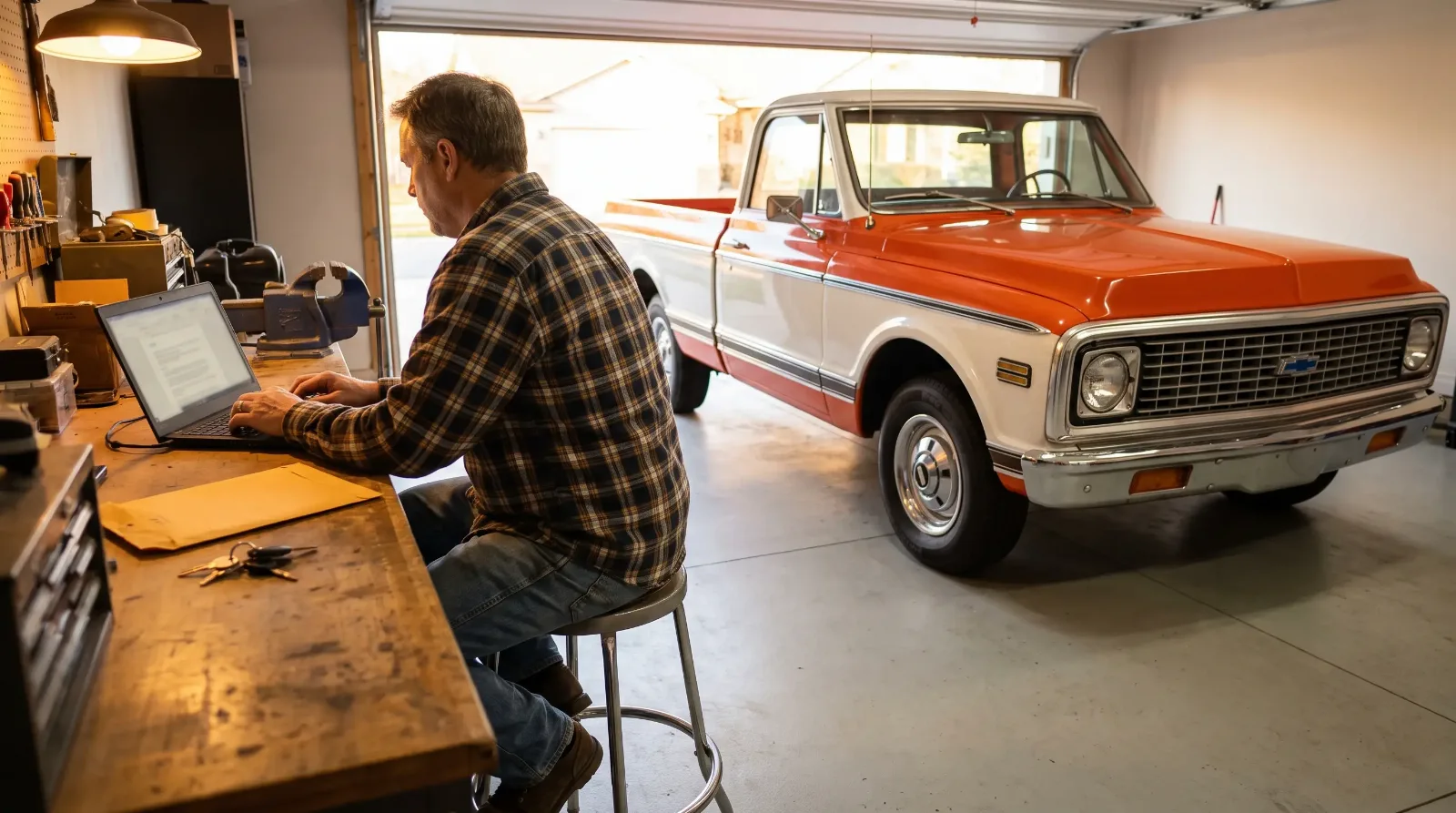
Every seller asks the same question first, and most of them ask it the wrong way. Type "where to sell classic car" into a search bar, or ask a friend where to sell my classic car, and it sounds like a question about websites. It is really a question about money, time and risk, and the answer changes with the car. A $9,000 driver-quality pickup and a $140,000 documented big-block coupe should not go through the same door, and the fees on the wrong door can cost more than a year of storage and insurance.
This guide compares every realistic way to sell a classic in the US in 2026: private sale on general marketplaces, specialist classic car listing sites, online auctions, live auction houses, consignment dealers, selling outright to a dealer for cash, and the car club, forum and show circuit. For each one I look at what it costs, how fast it moves, how much work lands on you, who the typical buyer is and which cars it actually suits. Where I quote another platform's fees, treat them as a starting point and check the current schedule before you sign anything, because these numbers move.
The short version: there is no single best place. There is a best place for your car, your price band and your patience. The rest of this article is about finding it.
The short answer: match the channel to the car
When people search for the best way to sell a classic car, they usually want a ranking. I would rather give you a decision rule, because a ranking hides the variable that matters most, which is the value of the car relative to the cost of the channel.
Percentage-based channels (auctions, consignment) scale their fee with your price. On a $15,000 car, an 8% commission is $1,200, which is tolerable. On a $120,000 car, the same 8% is $9,600, and that is before any entry fee or transport. Flat-fee channels (classified listings) cost the same whether the car is worth $8,000 or $80,000. So the higher the value, the more a flat-fee route saves you in absolute dollars, provided you are willing to handle buyers yourself.
The second variable is time. If you need the money in two weeks, a dealer check or a scheduled auction slot gives you a date. A private listing gives you a range. Most private classic sales I have tracked close somewhere between a few weeks and a few months, and the spread depends almost entirely on whether the asking price sits inside the market for that car.
The third variable is how much of the selling you want to do. Answering calls, sorting serious buyers from tire-kickers, arranging inspections and handling payment is real work. Some owners enjoy it. Others would pay several thousand dollars to never take a phone call from a stranger, and for them that is a rational trade.
Every way to sell a classic car, compared
Here is the full comparison in one place. Seller-side costs were checked in October 2026 where platforms publish them; they change, so confirm before you commit.
| Channel | Typical seller cost | Speed to sale | Effort for you | Typical buyer | Best for |
|---|---|---|---|---|---|
| General marketplaces (Facebook Marketplace, Craigslist) | Free on Facebook Marketplace; $5 per vehicle ad on Craigslist | Days to weeks for priced-right local cars | High: heavy screening, scam filtering | Local buyers, many casual browsers | Drivers and projects under roughly $15,000 |
| eBay Motors | Flat insertion fee of $34 (vehicles up to $15,000) or $79 (over $15,000), no final value fee | Auctions up to 10 days; fixed-price listings 30 days | Medium to high | National, mixed seriousness | Mid-value cars with broad appeal |
| Specialist classic listing sites (ClassicCars.com, Hemmings, Autotrader Classics) | Paid listing packages, a flat price per ad rather than a commission | Weeks to a few months | Medium: you handle buyers directly | Enthusiasts actively shopping classics | Most classics from about $10,000 upward |
| Flat-fee classic listing (ClassicCarsArena) | $49, $99 or $179 once, no commission | Weeks to a few months; listing stays up until sold | Medium: you handle buyers directly | Classic buyers in the US and Canada, plus newsletter subscribers on Featured and Premium | Owners who want to keep the full sale price |
| Online auctions | Modest flat listing fee; the buyer pays a percentage fee on top | About one to two weeks live, after a review and scheduling period | Medium to high: photos, comment threads, Q&A | National enthusiasts, competitive bidders | Well-documented, fresh-to-market, photogenic cars |
| Live auction houses (Mecum, Barrett-Jackson and peers) | Entry fee plus seller commission, commonly 6% to 10% | Fixed date, but the next sale may be months out | Low on sale day, high on logistics | Collectors, dealers, bidders in the room and online | High-value and headline cars |
| Consignment dealer | Commission of roughly 5% to 15%, or a flat fee | Agreements usually run 60 to 90 days | Low | The dealer's retail customers | Owners who want hands-off selling and retail pricing |
| Sell to a dealer for cash | No fee, but offers commonly run well below retail | Days | Very low | The dealer | Speed, estates, cars with problems |
| Car clubs, forums, shows | Free to low (club dues, show entry) | Slow and unpredictable | Medium | Marque specialists and club members | Niche, rare or marque-specific cars |
Read the table by row, then by column. The "best for" column is the one that matters. Notice how few channels are both cheap and low-effort. That pairing barely exists, which is why so many owners end up choosing between paying a commission and doing the work themselves.
Private sale on general marketplaces
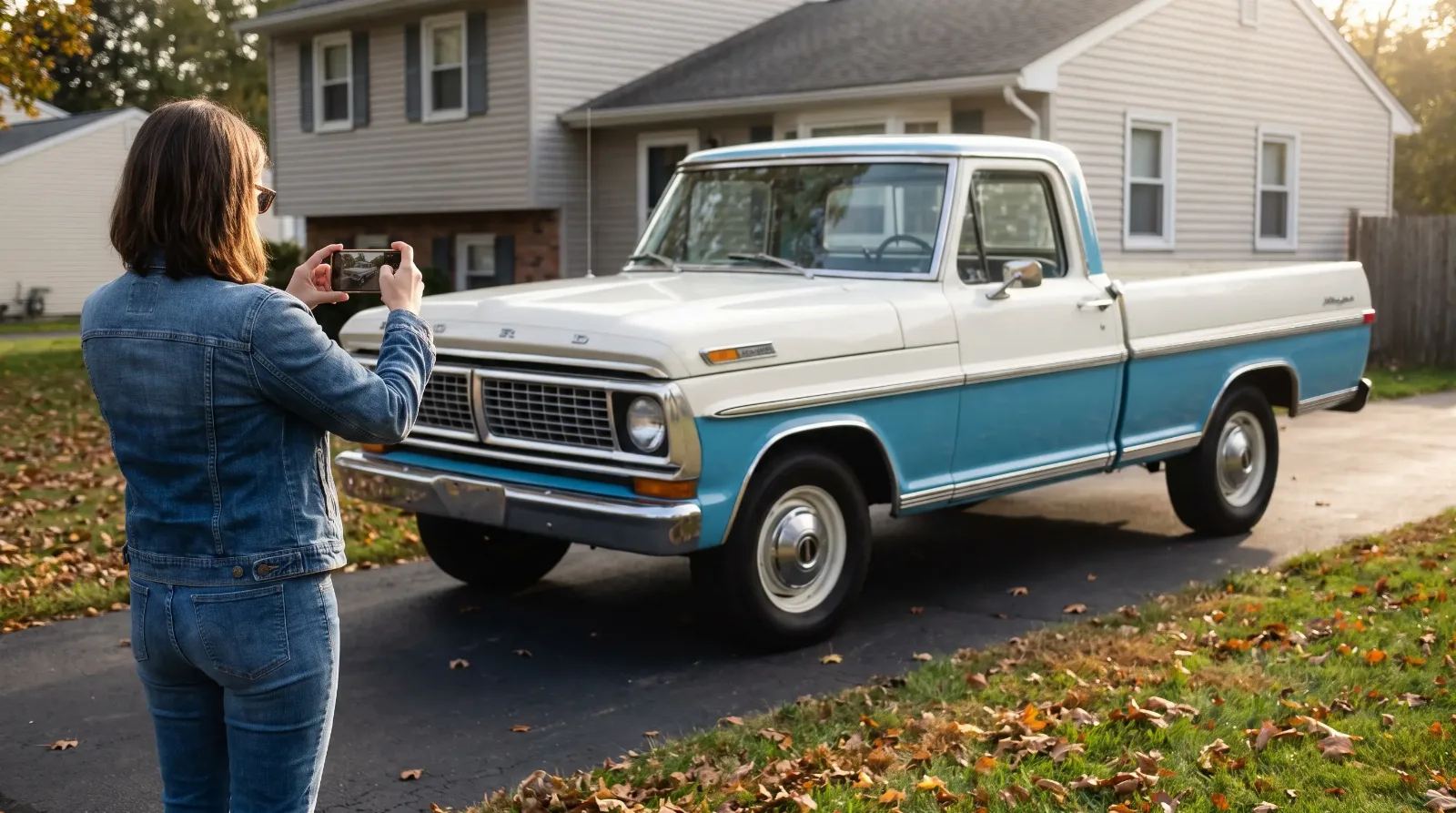
Facebook Marketplace and Craigslist are where most people start, because the barrier is close to zero. Facebook Marketplace does not charge to list a vehicle (its selling fees apply to items shipped through checkout, which car sales do not use), and Craigslist charges $5 for each car or truck posted by owner. You take the photos, write the ad and wait.
The strength of these platforms is reach in your area. A clean 1970s pickup, a driver-grade Mustang or a running project priced at the market will get messages within hours, because the audience is enormous and local buyers can come see it the same day. For cars under about $15,000 where the buyer pool is broad, this can be the fastest private route there is.
The weakness is the ratio of noise to signal. You will field "is this still available" messages by the dozen, lowball offers sent without reading the ad, trade proposals, and a steady supply of payment scams. None of these platforms is built around classics, so the buyer looking for a numbers-matching 1969 Camaro is a small fraction of the people scrolling past your listing. Price discovery is also weak. A general marketplace audience tends to anchor on what used cars cost, not what collector cars trade for.
eBay Motors sits between general and specialist. It reaches a national audience, supports both auction-style and fixed-price formats, and has a long history with classics. Since April 2026 its vehicle pricing is a single all-inclusive insertion fee, $34 for a vehicle at $15,000 or less and $79 above that, with no final value fee when the car sells. Auction-style listings run up to 10 days and fixed-price listings 30 days. eBay is stronger than most general marketplaces on reach outside your area, and buyers there are used to buying sight-unseen with a third-party inspection. It is weaker than specialist sites at drawing the dedicated collector who will pay up for documentation.
Specialist classic car listing sites
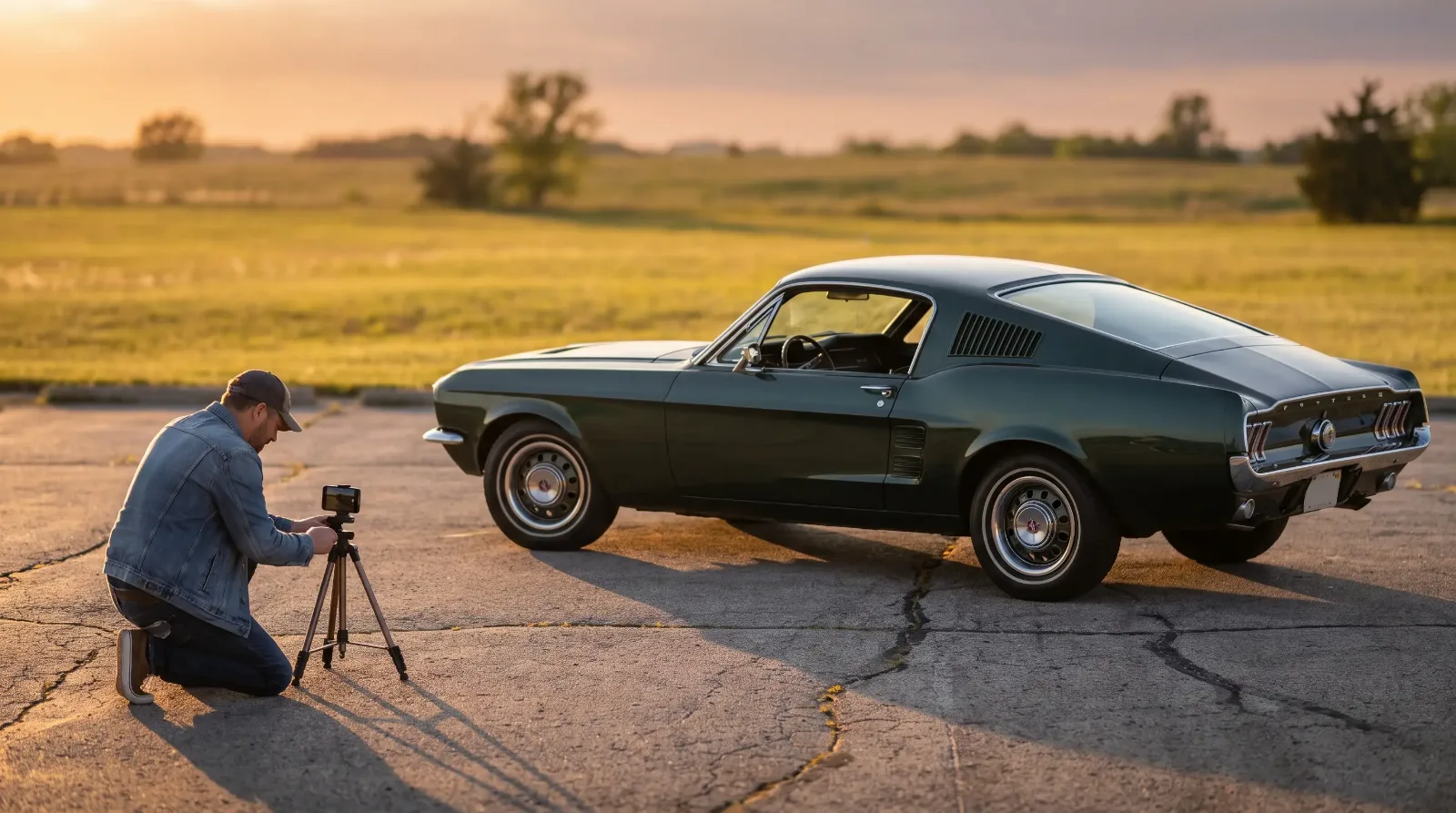
If you ask me what the best site to sell a classic car is for most owners, the honest answer is a specialist classified site, because that is where the people actively shopping for classics spend their time. ClassicCars.com, Hemmings and Autotrader Classics are the established names, and each has real strengths.
Hemmings has been in the business since 1954, when Ernest Hemmings mailed the first issue of Hemmings Motor News, and carries authority with older, serious buyers, particularly in American classics and prewar cars. It also runs its own online auction platform alongside classifieds. ClassicCars.com has a large inventory and is heavily dealer-populated, which helps buyers compare but means a private ad sits next to a lot of dealer stock. Autotrader Classics benefits from the parent brand's familiarity with general car shoppers. All three charge private sellers for listing packages priced per ad rather than as a percentage of the sale, and the tiers differ in exposure, placement and extras. ClassicCars.com, for example, listed private-seller packages from $149.99 to $349.99 when I checked in October 2026, with the ad kept up until the car sells.
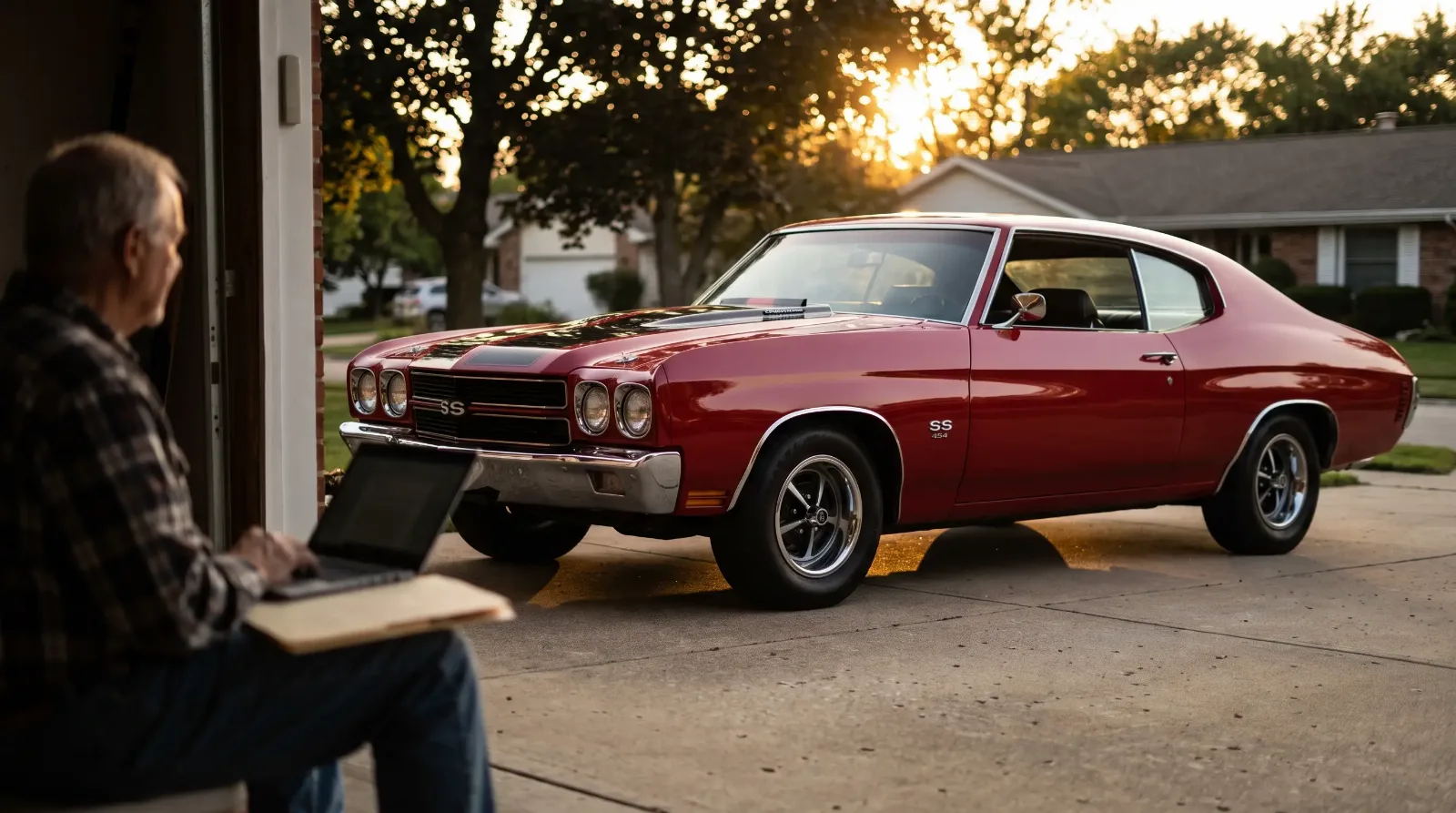
The common thread is that the seller keeps the sale price. You pay to be seen, then you deal with the buyer directly. The work is real: you answer questions, send extra photos, arrange a pre-purchase inspection, and handle the money. But the buyers who reach you are already looking for a classic, and that changes the quality of every conversation.
Where flat-fee listing fits
Flat-fee listing is the pure form of this model, and it is how ClassicCarsArena works. You pay once: Starter at $49, Featured at $99 or Premium at $179. There is no commission, no success fee and no buyer premium. The listing stays up until the car sells, so there is no renewal clock pressuring you to cut the price. The buyer pays you directly, and the site covers the US and Canada. The Featured and Premium tiers add newsletter sends to more than 15,000 subscribers who signed up specifically to receive new listings.
The math is the argument. On a $40,000 car, a 10% consignment commission is $4,000. A $99 listing is $99. If you are willing to answer the phone and meet a buyer, you keep the difference. If you want to put your classic in front of collectors without handing over a share of the price, a flat-fee listing is the most direct way to do it.
Where flat fee is weaker: it does not do the selling for you. There is no auctioneer creating urgency and no dealer handling the paperwork. If your car is mispriced, a listing will sit until you fix the price. That is not a flaw of the channel, it is the market telling you something, but sellers should go in knowing it.
"The fee is the only number in a sale you know for certain on day one. Everything else is an estimate. I start every channel decision there, because it is the one cost you can actually control."
— David Mercer
Online auctions and live auction houses
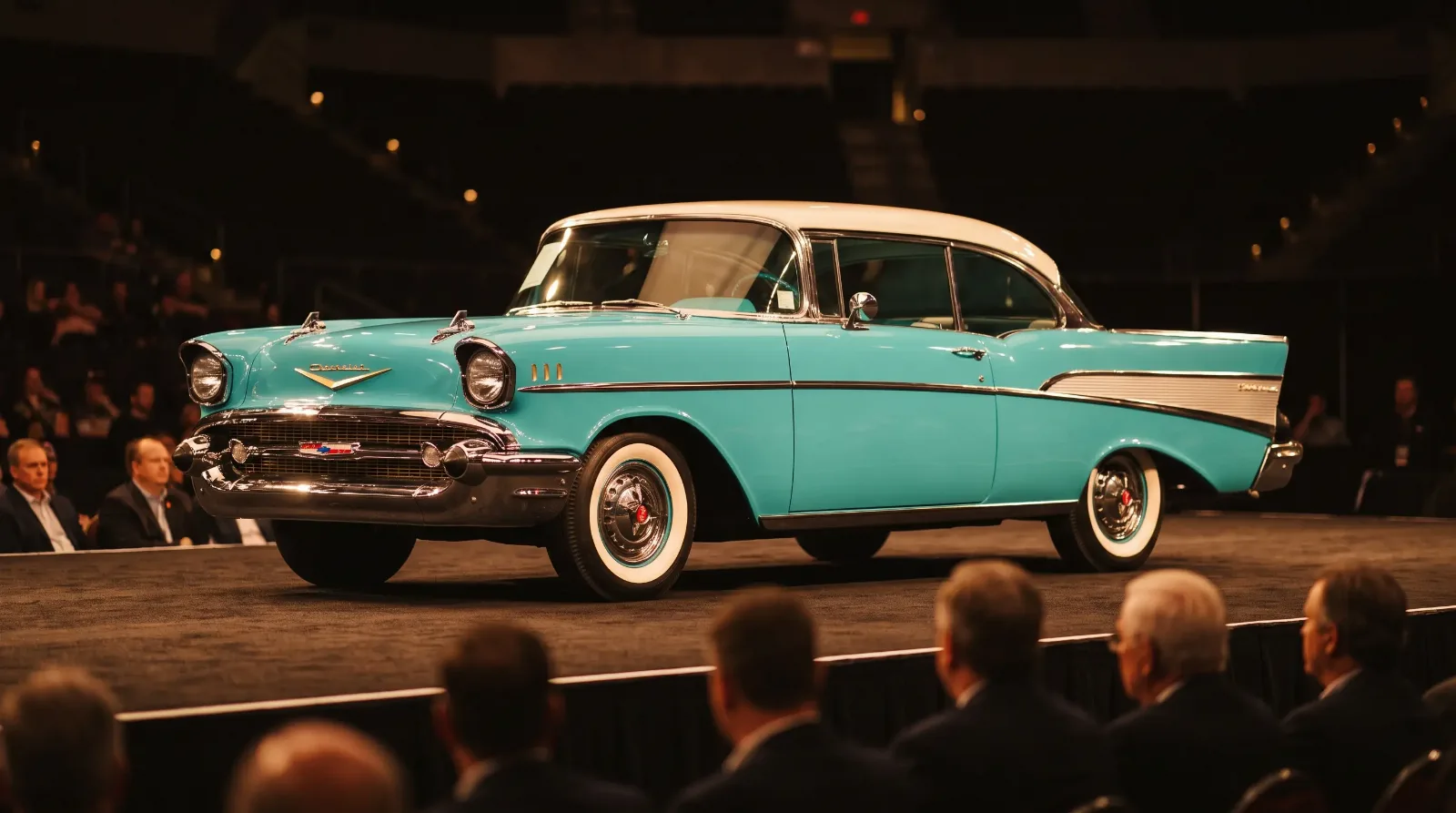
Auctions get the headlines, and for the right car they earn them. A competitive auction can push a well-presented, well-documented car past where a fixed asking price would have landed, because two motivated bidders set the price instead of one negotiator. The risk runs the other way too: a thin day can produce a no-sale, or a sale at a reserve you set too low.
Online auctions
Online collector car auctions have become a major channel over the past decade. The format is usually a curated listing that runs for a week or two, often with a public comment section where bidders ask questions and pick at the photos. Seller fees are typically modest, usually a flat listing fee, and most platforms collect a buyer's fee, a percentage of the winning bid, on top. Hemmings Auctions, for instance, charges the seller a $99.95 listing fee and the buyer a 5% fee with a floor and a cap.
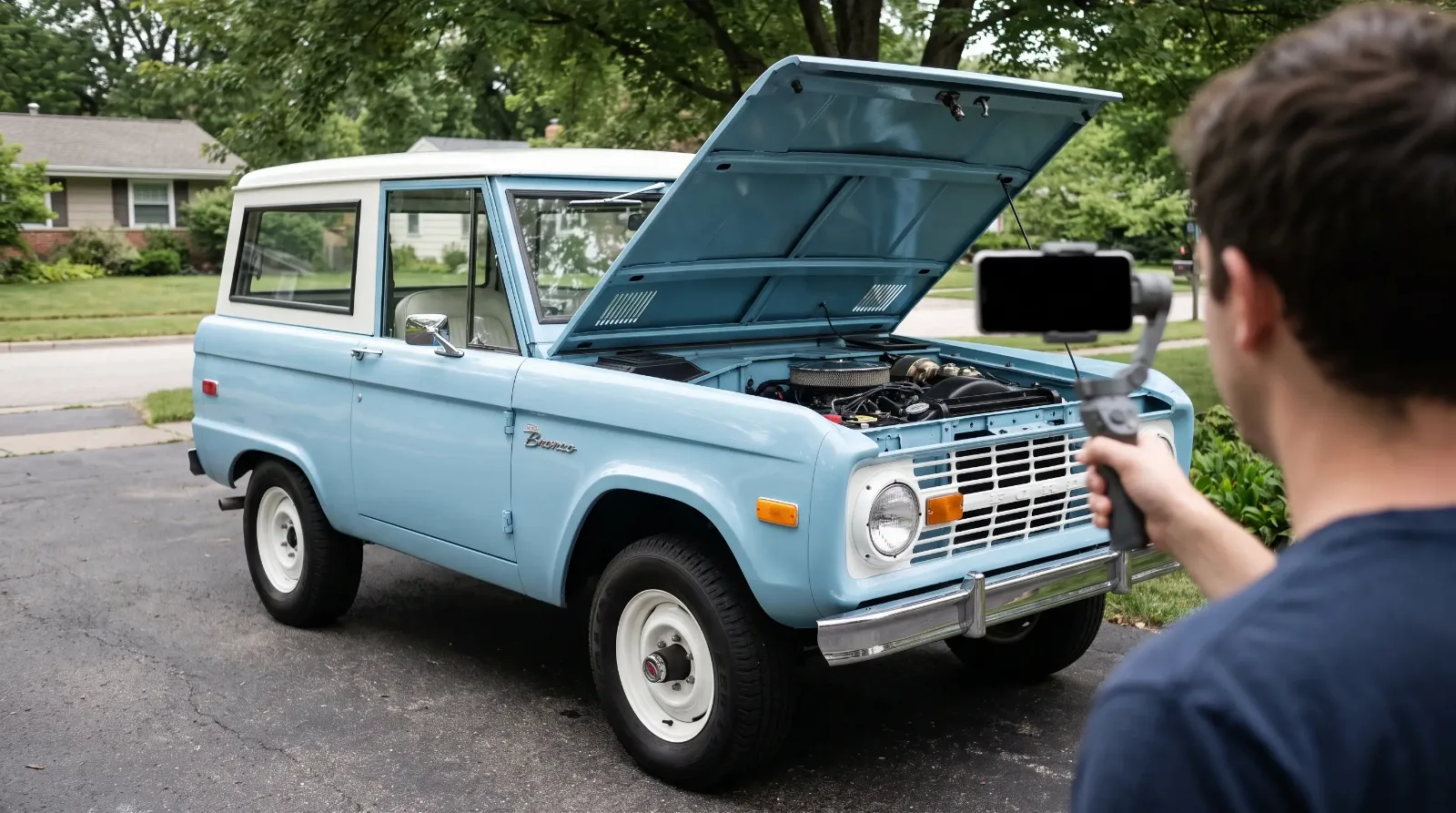
The strengths are national reach and genuine price discovery. The weaknesses are selection (many platforms reject cars they do not think will perform), a review and scheduling period before your car goes live, and the comment section itself. A buyer who spots a non-original part or an undisclosed repair will say so in public, and that can move the result by thousands. This format rewards sellers who over-document: 150 photos, cold-start video, receipts, undercarriage shots. Cars with a story and a paper trail do best. Cars with an unclear history or a known flaw can get hammered.
Live auction houses
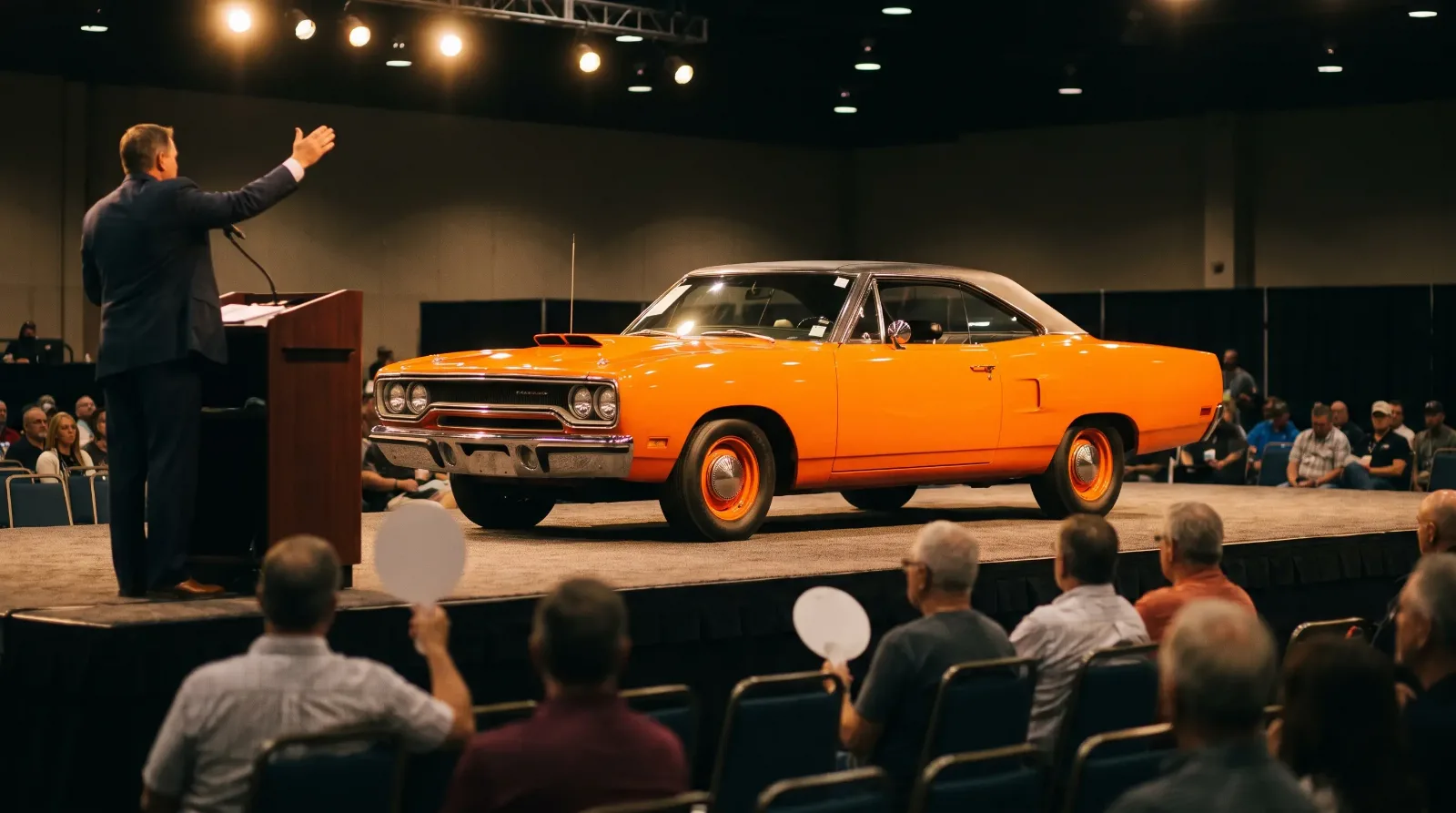
Live auctions such as Mecum and Barrett-Jackson operate on a different scale. Seller costs usually combine an entry or lot fee, which commonly runs from a few hundred dollars to around $1,000 or more depending on the event and the slot, with a seller commission on the hammer price, commonly in the 6% to 10% range. No-reserve consignments usually carry a lower commission than cars offered with a reserve; Mecum, for example, has quoted 6% no-reserve against 10% with a reserve. Add transport to the venue, which for a cross-country trip in an enclosed carrier can run into four figures.
For high-value cars, the live room is still where the biggest prices are set, and televised sales bring bidders who would never browse a classified site. For a $20,000 car, the economics are harder. Between entry fee, commission and transport, you can give up 15% or more of the hammer price before the car has left the block. And if it does not meet reserve, you pay to bring it home.
Consignment dealers and selling to a dealer for cash
Dealers offer two very different deals, and owners mix them up all the time.
Consignment
With consignment, the dealer sells your car on your behalf and takes a commission or a flat fee when it sells. Commissions commonly fall somewhere between about 5% and 15% of the sale price, with higher-value classic and exotic consignments usually toward the upper end, and some dealers charge a flat fee or add prep, detailing or storage fees. You still own the car until it sells, and the agreement usually runs 60 to 90 days with terms for extension or early withdrawal.
The appeal is that the dealer does the work. They photograph it, list it on several sites (often the same specialist sites you could list on yourself), field the calls, show the car and handle the paperwork. A reputable consignment dealer with a showroom and an existing customer list can reach buyers you cannot, and some buyers simply prefer buying from a business. The cost is the commission, and the risk is choosing the wrong dealer. Read the contract closely, find out who holds the title and the money during the sale, and ask how quickly you get paid after the buyer's funds clear.
Selling outright for cash
Selling to a dealer for cash is the fastest exit there is. You get an offer, you sign, you get paid, often within days. The price reflects that. A dealer buying for inventory needs room for reconditioning, carrying cost, risk and profit, so offers come in at wholesale, well below retail. There is no published industry figure for that gap on classics, but my working estimate is 20% to 30% under retail on a car that needs nothing, and more if it does: reconditioning, months of carrying cost and a dealer margin all have to fit inside it.
That discount buys something real. For an estate that needs to close, a car with mechanical issues you do not want to disclose and defend to a private buyer, or an owner who has moved and cannot show the car, a clean cash sale removes months of uncertainty. Just go in with your own valuation, get more than one offer, and treat the first number as an opening position.
Car clubs, forums and shows
The quietest channel is often the most effective for the right car. Marque clubs, model registries and owner forums concentrate the people who care most about a specific car. If you own something niche, such as a low-production trim, an orphan brand or an unusual factory configuration, the buyer who will pay the most for it is very likely already a member of a club built around that car.
Most clubs run classified sections in their magazines or websites, often free or cheap for members. Forums have for-sale subforums. And a "for sale" sign in the window at a regional show or cars-and-coffee puts the car in front of people who can look at it in person, which no website can match.
The limits are reach and speed. A club audience is small, and the right buyer may not be in the market this year. These channels work best as a complement: list the car on a specialist site, then share the listing link in the club forum and bring the car to the next show. The club members verify the car's credibility to each other, and a respected member saying "I know that car" carries weight that no ad copy can.
Where can I sell my classic car for free?
You can, and it is worth being clear about what free actually means. The genuinely free options are Facebook Marketplace, club classifieds for members, forum for-sale sections, word of mouth and a sign at local shows. Craigslist is close to free at $5 per vehicle ad.
Free listing is a fine choice for an inexpensive car in an area with plenty of local buyers. For anything above that, "free" deserves a second look. The cost has not disappeared; it has moved to your time and to the price. If a free general marketplace draws mostly casual browsers and lowball offers, and you end up taking $3,000 less than a classic buyer would have paid, the free listing was the most expensive option on the table. A specialist or flat-fee listing that costs $49 to $179 is small against the gap between a used-car buyer's offer and a collector's.
My suggestion for the budget-conscious seller: use the free channels and a modest flat-fee listing together. The free channels cover local traffic. The specialist listing covers the buyer who would drive or ship from three states away for the right car.
"Free is a price, not a strategy. The question is never what a listing costs. It is what the buyer who finds you there is willing to pay."
— David Mercer
Who should pick what
Put it all together and the decision usually comes down to value, time and tolerance for work. Here is how I would match owners to channels in 2026.
| Your situation | Best first channel | Good second channel |
|---|---|---|
| Driver or project under about $15,000, local demand | Facebook Marketplace or Craigslist | Flat-fee classic listing |
| Solid classic, $15,000 to $75,000, you will handle buyers | Specialist or flat-fee classic listing | Club and forum classifieds |
| Well-documented, photogenic car, fresh to market | Online auction | Specialist listing at a firm price |
| High-value or headline car, six figures and up | Live auction house or online auction | Specialist listing or private broker |
| No time, no interest in dealing with buyers | Consignment dealer | Dealer cash offer for a floor price |
| Estate, urgent sale, or car with known problems | Dealer cash offer (get several) | Consignment if timing allows |
| Rare, niche or marque-specific car | Club, registry and forum classifieds | Specialist listing linked in club channels |
A few patterns hold across all of these. First, the channel does not fix the price. A car listed 25% above the market will not sell on any platform; it will simply fail more slowly on some than on others. Before you choose where to sell, establish what comparable cars have actually sold for, not what they were listed at. Second, presentation pays everywhere. Clean, honest, detailed photos and a description that discloses flaws plainly will improve your result in every channel on this list. Third, combining channels is normal. Many private sellers run a specialist listing, post in a club forum and keep a dealer cash offer in their back pocket as a floor.
A worked example on a $40,000 car
To make the trade-offs concrete, here is an illustration of what a seller might net on a $40,000 sale, using the typical fee ranges above. These are estimates built on assumed rates, not quotes from any specific company.
| Channel | Assumed cost | Approximate net to seller |
|---|---|---|
| Flat-fee listing (Featured tier) | $99 | $39,901 |
| Specialist classified package | About $150 to $350 | About $39,650 to $39,850 |
| Consignment at 10% | $4,000 plus any prep fees | $36,000, less any prep fees |
| Live auction at 8% plus $750 entry and $1,200 transport | $3,200 + $750 + $1,200 = $5,150 | About $34,850 |
| Dealer cash at 25% under retail | $10,000 in price | $30,000 |
The auction line assumes the car hammers at the same $40,000; on a strong day it could hammer higher and close some of that gap, and on a weak one it might not sell at all. The consignment line assumes the dealer reaches the same price you would. The private-listing lines assume you do the work. That is the honest trade: the cheapest channels ask the most of you, and the easiest ones charge for it.
Before you list anywhere
Whatever channel you choose, the preparation is the same, and it decides more of the outcome than the platform does. Gather the title and make sure it is clean and in your name. Pull together every receipt, build sheet, restoration record and ownership history you have. Wash and detail the car, then photograph it in good natural light, with the engine bay, interior, trunk, undercarriage and any flaws included. Write a description that states condition honestly, because buyers who discover an undisclosed problem at inspection walk away, and buyers who were told up front usually do not.
Decide in advance how you will accept payment. A bank wire confirmed with your own bank or a cashier's check verified directly with the issuing bank is the norm for private classic sales; personal checks and payment app transfers from strangers are where most private-sale fraud starts. Agree on a bill of sale, check your state's title transfer and release-of-liability rules (California, for example, requires the seller to file a Notice of Transfer and Release of Liability within 5 days), and keep a copy of everything.
Then pick your channel by the rule this article started with. Match it to the car, the price and the time you have. The owners who get the best result are rarely the ones who found a secret platform. They are the ones who priced the car right, presented it honestly and paid only for the help they actually needed.
Sources and notes
- eBay Motors: vehicle selling fees (insertion fees, durations, no final value fee)
- ClassicCars.com: private seller listing packages
- Classic.com: auction fee summary for Mecum, Barrett-Jackson and Hemmings
- CarPro: how car consignment works, commissions and agreement length
- Hemmings Motor News: history and 1954 founding
- California DMV: title transfers and the seller's Notice of Transfer and Release of Liability