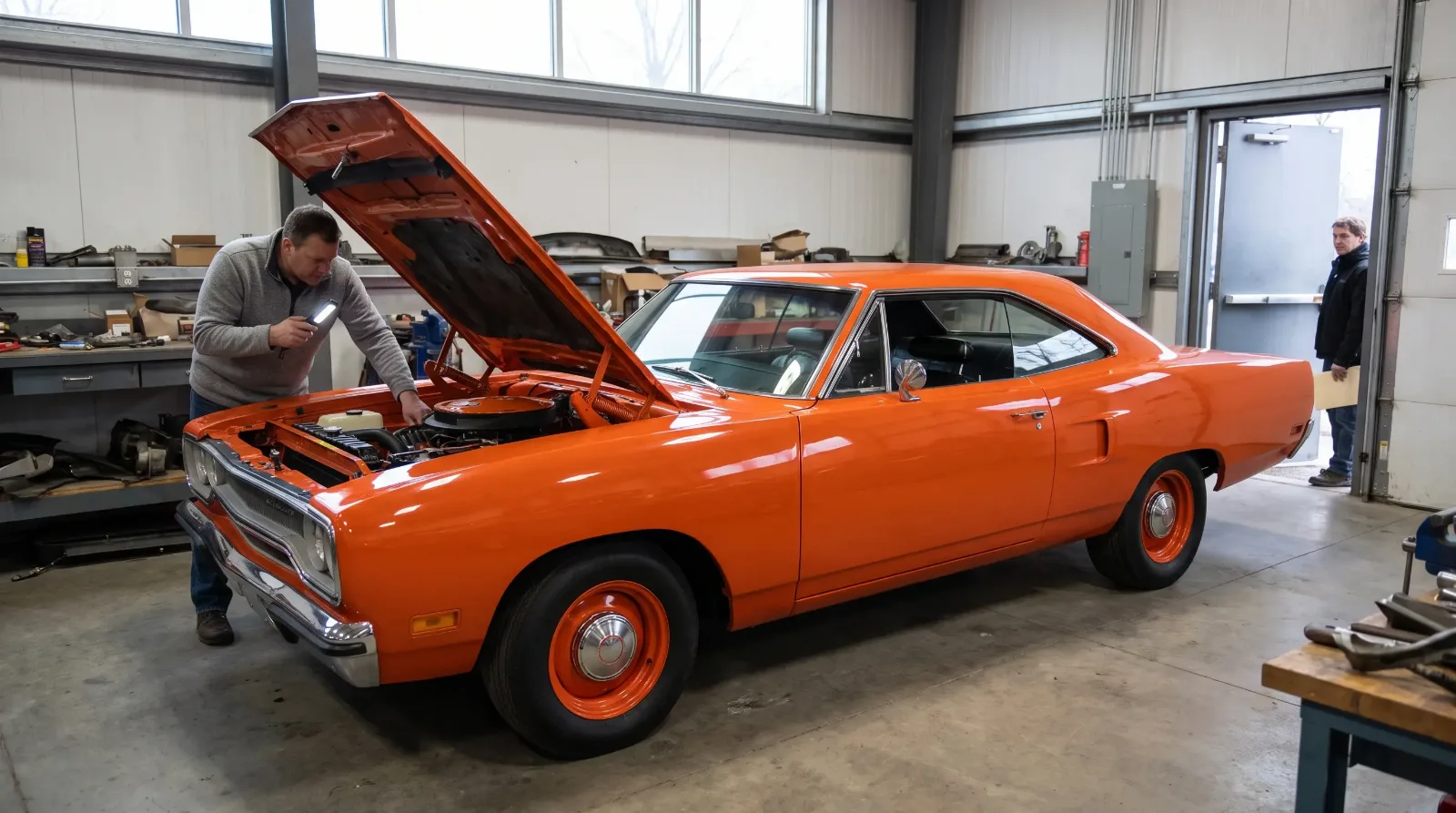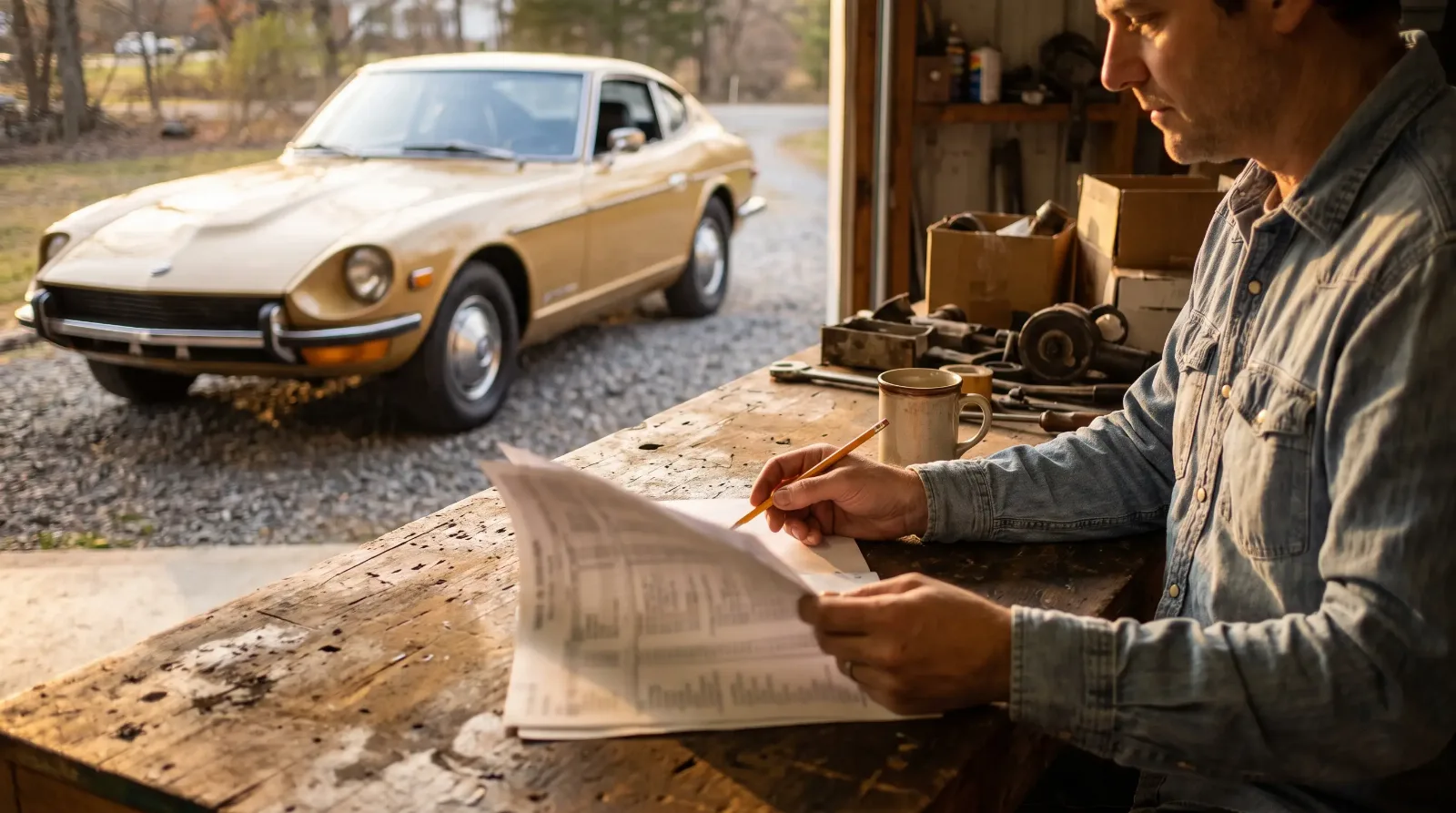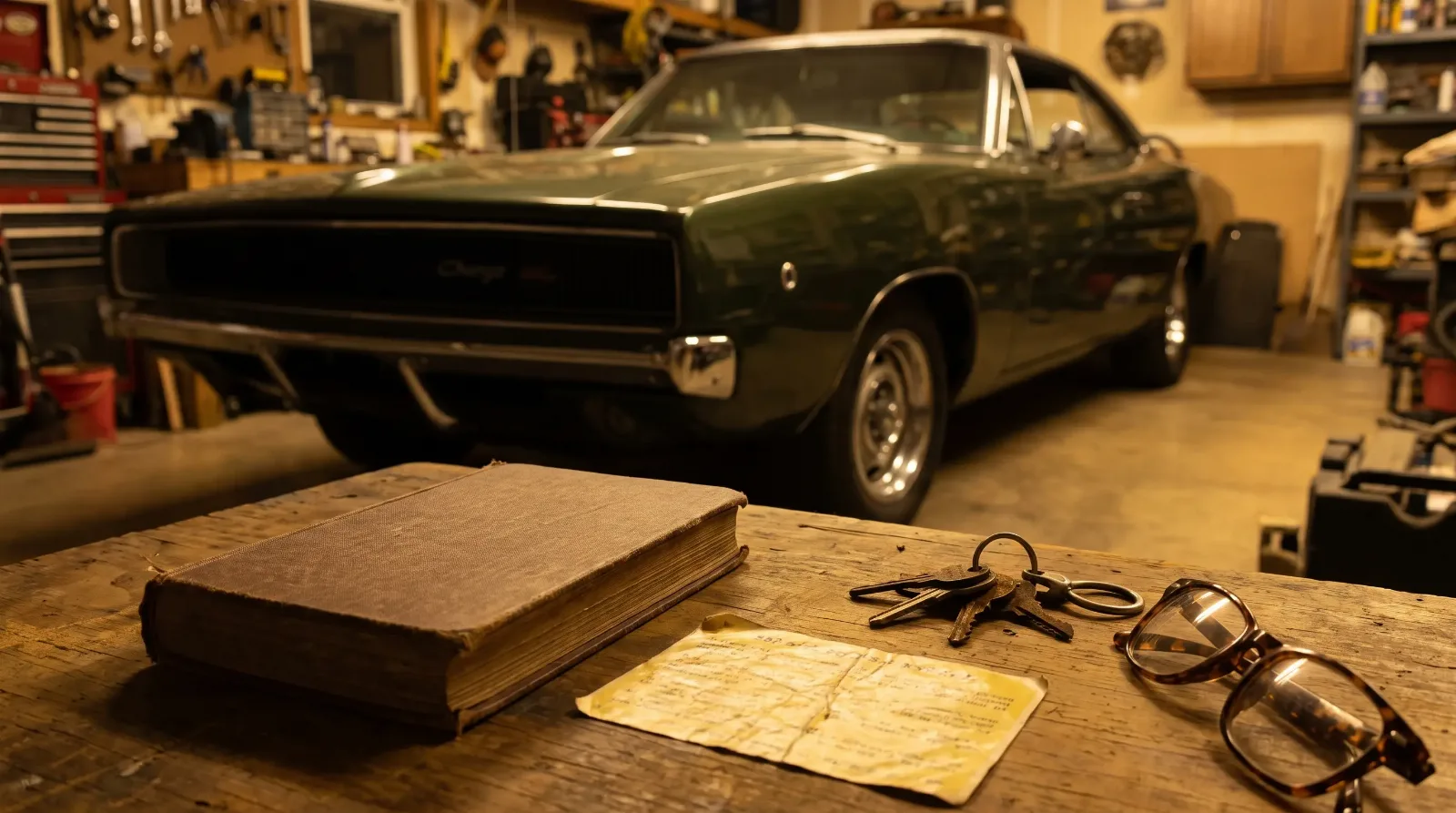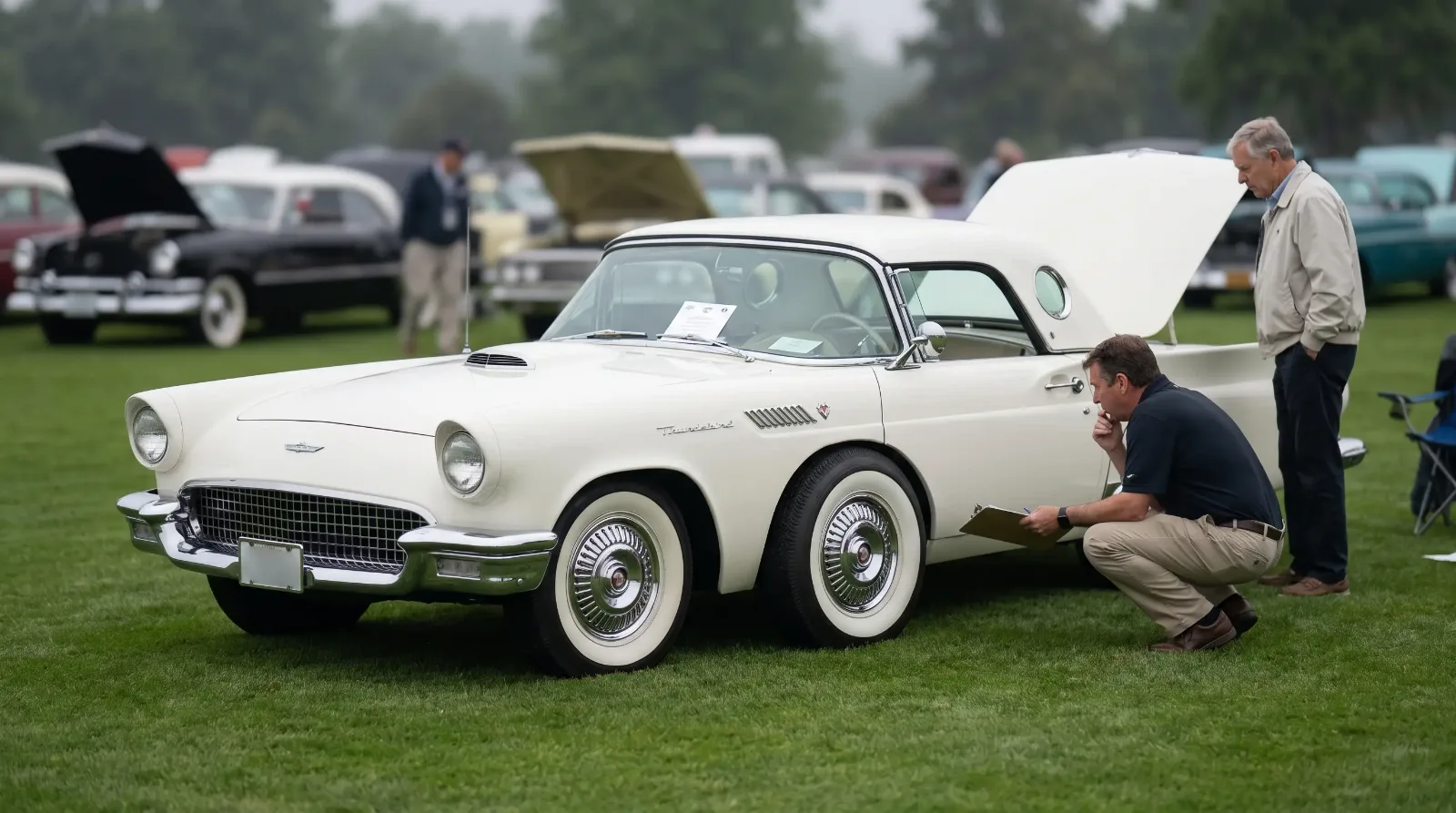
Every seller asks the same question first: how much is my classic car worth? The honest answer is that it is worth what a qualified buyer will pay for it this season, in its current condition, with the paperwork you can actually hand over. Not what you have put into it. Not what a similar car is listed for three states away. Not the number your brother-in-law heard at a cruise night.
That sounds cold. It is meant to. Pricing is the one decision in a sale that controls everything after it. Price too high and the car sits, collects the "what's wrong with it?" questions, and eventually sells for less than it would have in week one. Price too low and you hand the difference to the first person who recognizes it. Before you decide where to sell, and it is worth reading how the options stack up, you need a defensible number. Here is how to build one.
Asking prices are not values
The most common mistake I see is a seller who prices a car off other asking prices. Asking prices are opinions. Some are informed, many are hopeful, and a fair share belong to cars that have been listed for eight months because nobody agrees with them. A screen full of 1967 Mustang coupes at $35,000 tells you what owners want. It tells you nothing about what buyers paid.
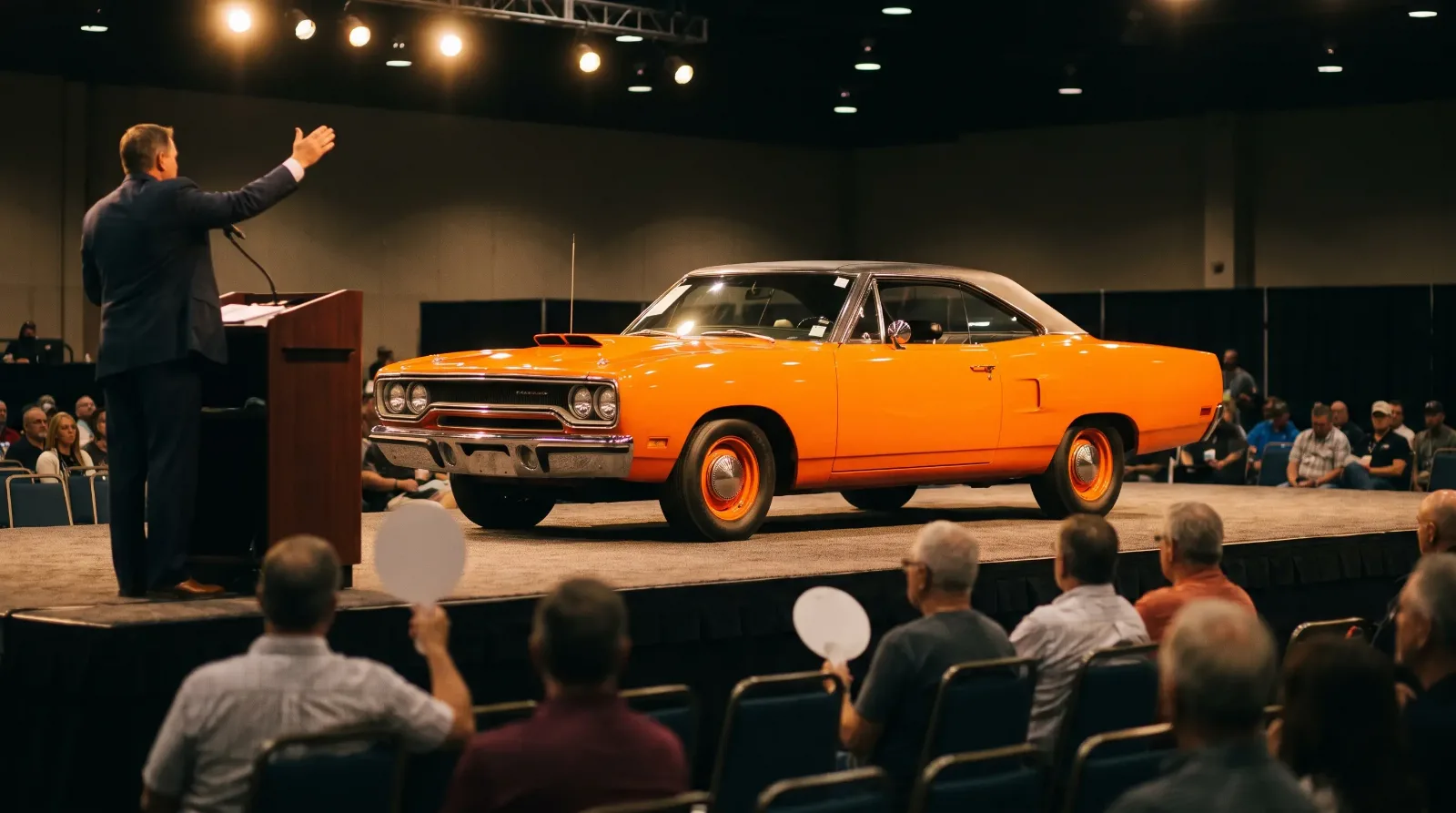
What you want are sold comparables, usually called comps. A comp is a completed transaction with a known price: an auction result where the hammer fell and the reserve was met, a dealer sale with a published price, a private sale someone will confirm. Comps have their own problems. Auction results include a buyer's premium in some reports and not in others, so check which figure you are looking at. A no-sale is not a comp at all, though the high bid is useful information, because it marks a price the market refused to beat on that day.
Good comps match on more than year and model. They match on body style, engine, transmission, major options, and, most of all, condition. A numbers-matching big-block convertible and a six-cylinder hardtop with the same badge on the fender are two different markets. Collect five to ten genuine comps from the last twelve to eighteen months if the car is common enough to produce them. For rare cars you may find two in five years, and the appraisal section below becomes more relevant.
The condition scale: #1 through #4
The collector market grades cars on a numbered scale, and almost every value guide and appraiser uses some version of it. Learning the definitions is the fastest way to stop overpricing, because most owners grade their own car one tier higher than a buyer will.
| Tier | Common name | What it means | How often owners think they have one |
|---|---|---|---|
| #1 | Concours | The best examples in the world. Correct in every detail, judged-show quality, rarely driven. | Often. Rarely true. |
| #2 | Excellent | Could win a regional show. Professionally restored or exceptional original, minor flaws only under close inspection. | Very often |
| #3 | Good | A driver. Looks good from a short distance, shows minor age and flaws up close, runs and drives properly, may have some incorrect parts. | The tier most cars actually belong in |
| #4 | Fair | Flaws anyone can see from a distance: faded or chipped paint, worn upholstery, a cracked dash. Mechanically serviceable, but not everything works as it should. | Almost never, by owners |
Hagerty extends the scale with #5 for project cars and #6 for parts cars. The spread between tiers is large. On many collector models the #2 value runs well above the #3 value, often by a wide margin, which is why a single tier of optimism can wreck a listing price. Hagerty publishes its condition definitions, with photos and spotting tips for each grade, and they are worth reading word by word before you assign one. By Hagerty's own account, based on its insurance data and in-person ratings, the vast majority of collector cars are #3 cars.
Be strict. A fresh paint job over original panels with tired chrome and a worn interior is a #3 car with good paint. A #2 needs everything to be right, including the parts nobody photographs.
Value guides and what they can't tell you
Since KBB will not help with most classics, sellers turn to the collector-specific guides. Each is useful. None of them is a price tag.
Hagerty Valuation Tools is the most widely cited. It lists values by condition tier for more than 40,000 collector vehicles, and its analysts update them periodically using auction results, private sales reported by Hagerty insurance customers, input from a network of dealers, and asking prices. Its strength is breadth and the tier structure. Its weakness is that a guide value is an average across cars that share a description, and your car is not an average.
J.D. Power classic car values, still widely known by the older NADA Guides name, covers classic, collectible, exotic, and muscle cars with low, average, and high retail figures, updated three times a year. Its customers include banks, credit unions, and insurance companies, which matters if your buyer is financing the purchase. The categories are broader than Hagerty's tiers, so read the condition descriptions carefully before you choose a column.
Hemmings is better known as a marketplace and publication than as a value guide, but its classifieds show what sellers are currently asking for specific models, and its online auctions publish results. Treat its classified listings as asking prices unless a sale is confirmed.
The limits are the same across all three. Guides lag the market, sometimes by months, so a model that is moving quickly in either direction will be mispriced. They struggle with rare options, documented provenance, and modified cars. And they cannot see the car. Use them to set a range and check your comps, not to set the price on their own.
When a professional appraisal earns its fee
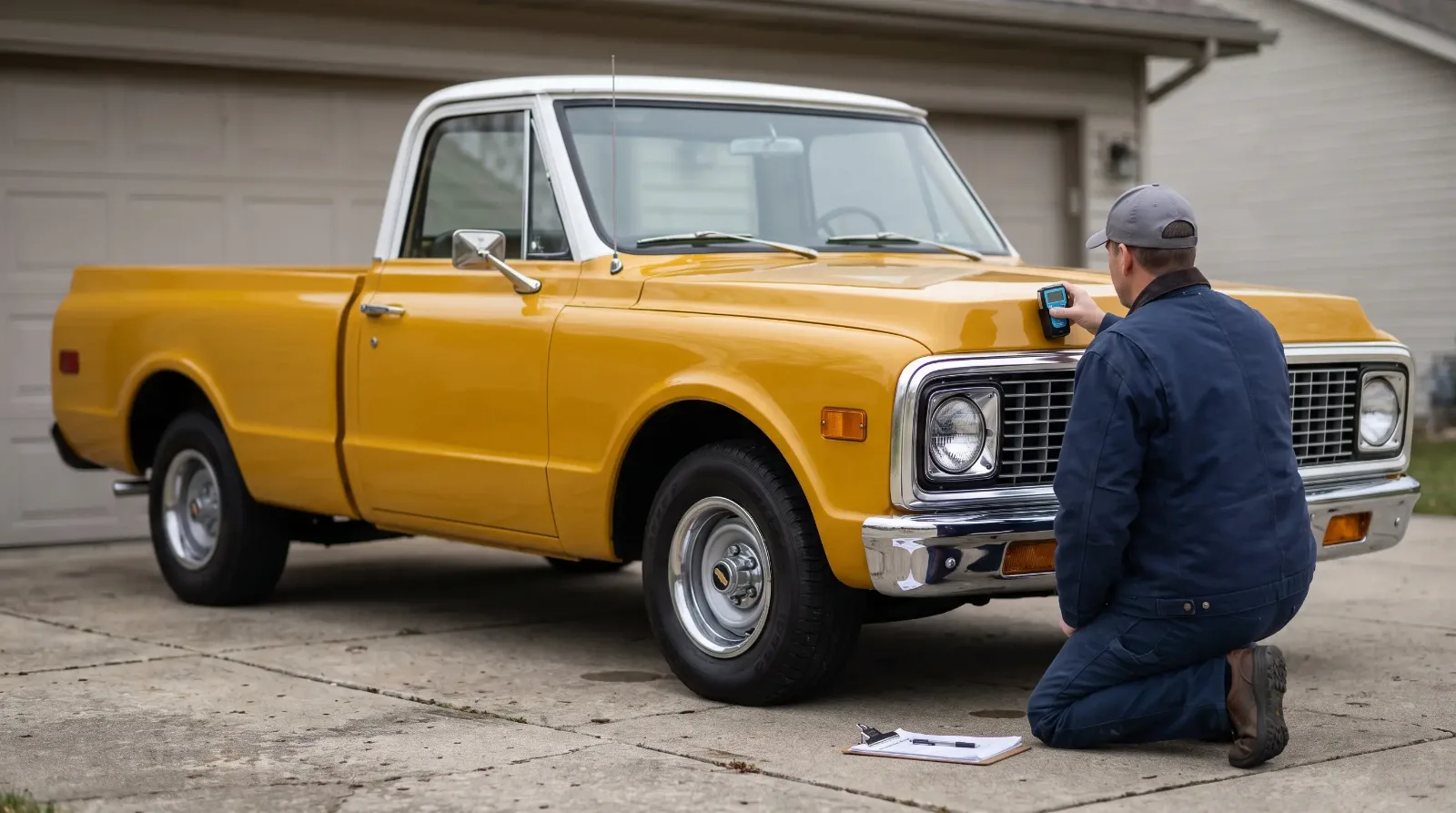
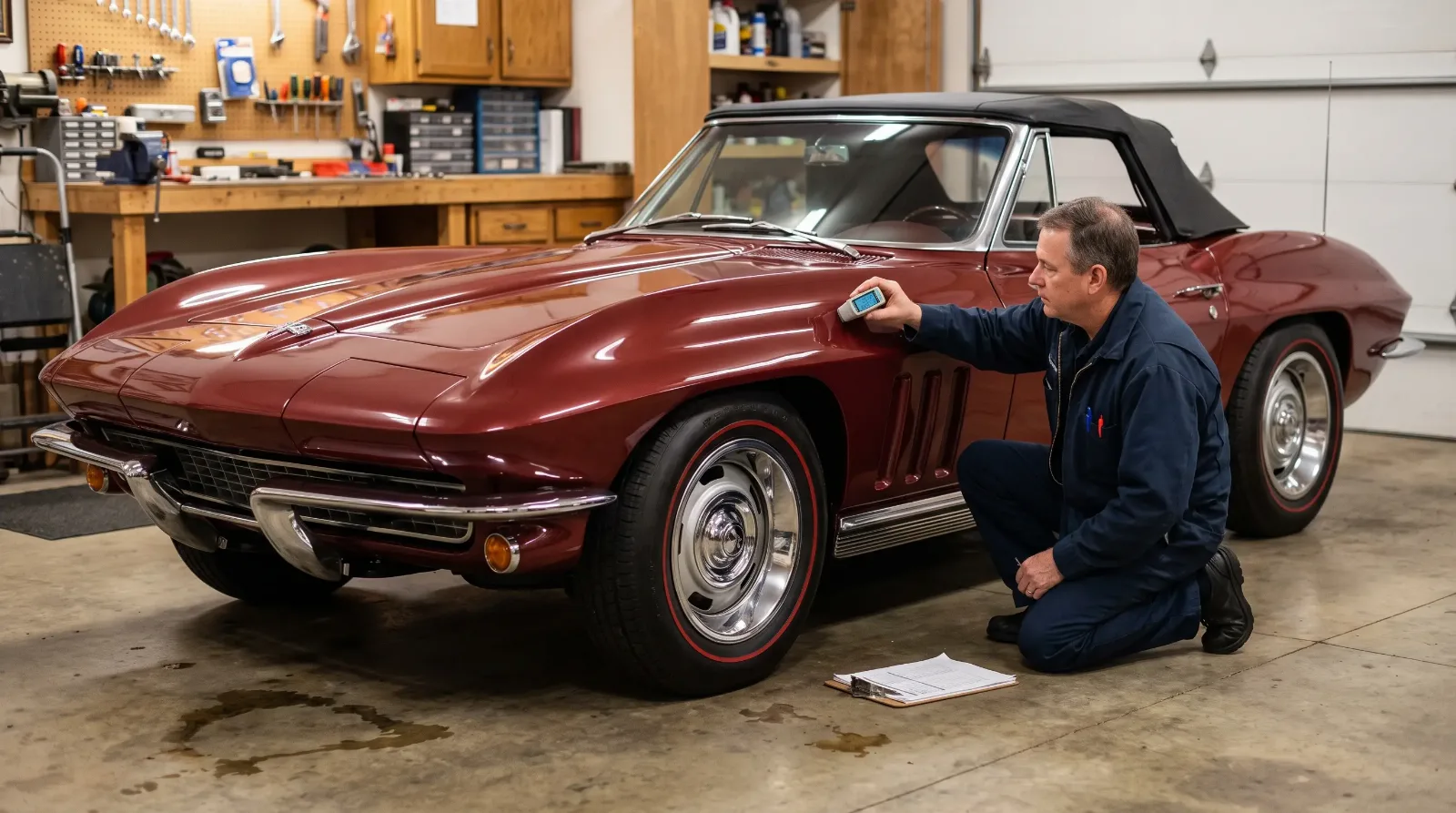
An appraisal is an independent written opinion of value by someone who has inspected the car. For a common model with plenty of comps, you may not need one to sell. For a rare car, a highly optioned or documented car, a restoration with significant money in it, or any sale where the buyer is likely to challenge your number, a written appraisal changes the conversation from opinion to evidence.
There are a few types, and they answer different questions:
- Fair market value appraisal. What the car would likely bring between a willing buyer and seller. This is the one that supports a sale price.
- Agreed or insurance value appraisal. What it would cost to replace the car, used for agreed-value insurance policies. It often runs higher than a quick-sale figure, and buyers know it.
- Diminished value or damage appraisal. Used after an accident or insurance claim. Not relevant to setting a sale price unless the car has a claim history.
- Pre-purchase inspection with valuation. Usually ordered by a buyer, but a seller can commission one to answer condition questions in advance.
Published fees from independent collector car appraisers mostly fall between about $200 and $500 for a standard appraisal with an inspection, with custom or high-value cars, travel, and authentication work pushing it higher. Look for an appraiser with a professional credential and real collector-car experience in your make, and ask to see a sample report. A one-page letter with a number at the bottom is not worth much. A report with photographs, a condition grade, a list of comps, and the reasoning behind the figure is worth a great deal when a buyer pushes back.
"The appraisal doesn't make the car worth more. It makes your number harder to argue with, and on a serious car that's where the money is."
— Marcus Feld
What actually moves the number
Two cars of the same year, model, and condition tier can still sell thousands of dollars apart. These are the variables that create the gap, roughly in the order a sophisticated buyer weighs them.
Originality. Factory-original paint, interior, and drivetrain carry a premium on most collector cars, and the premium grows as the car gets rarer. A well-preserved survivor can outsell a restored example of the same model. Restoration is not a negative, but a restoration that departs from factory specification usually is.
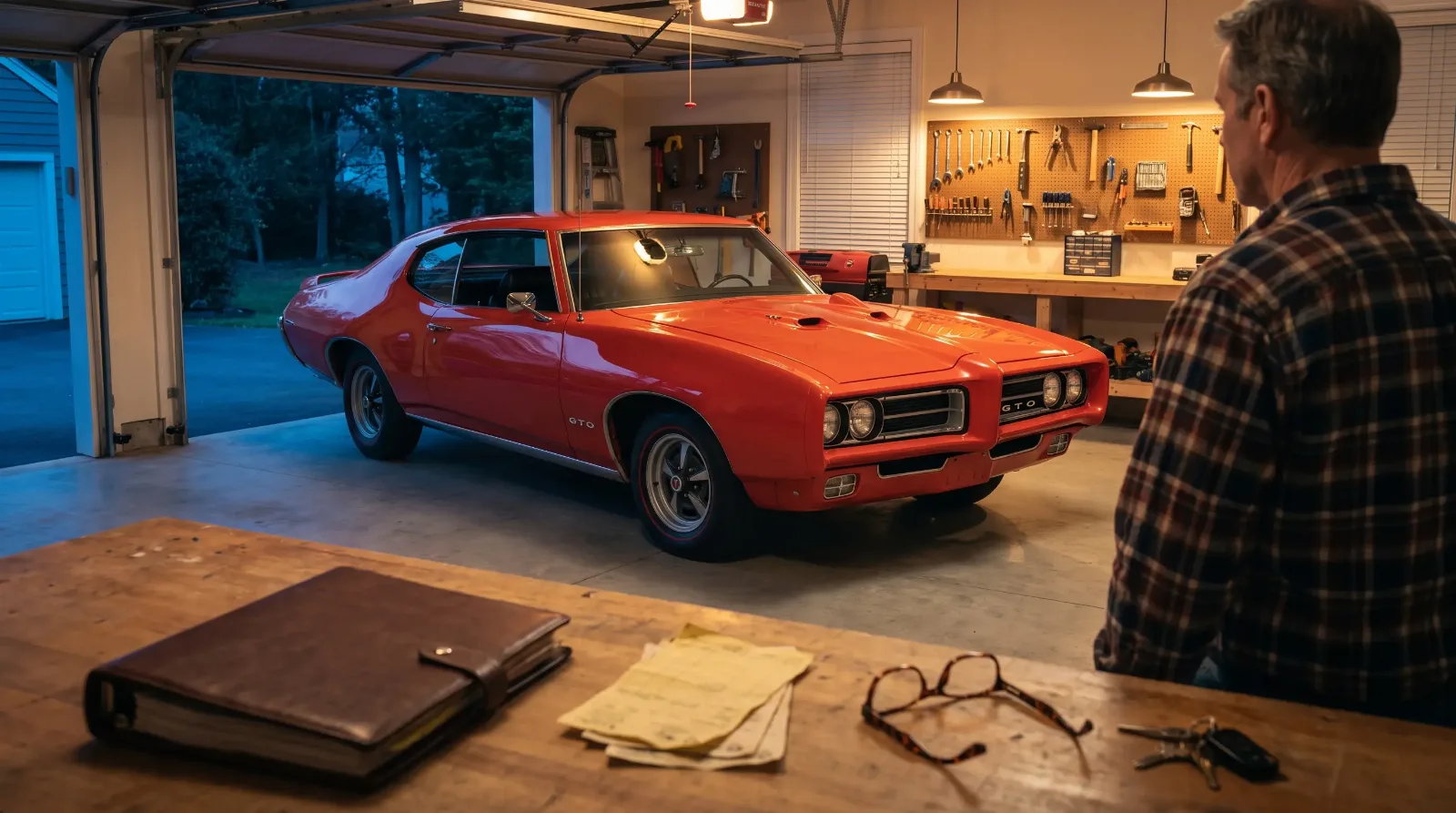
Documentation. Build sheets, window stickers, Protect-O-Plate or equivalent warranty records, dealer invoices, owner history, and a binder of receipts all convert claims into facts. A car with a "rare factory option" and no paperwork to prove it will be priced by the buyer as if the option were added later. Organize everything before you list, in chronological order, and photograph the key documents.
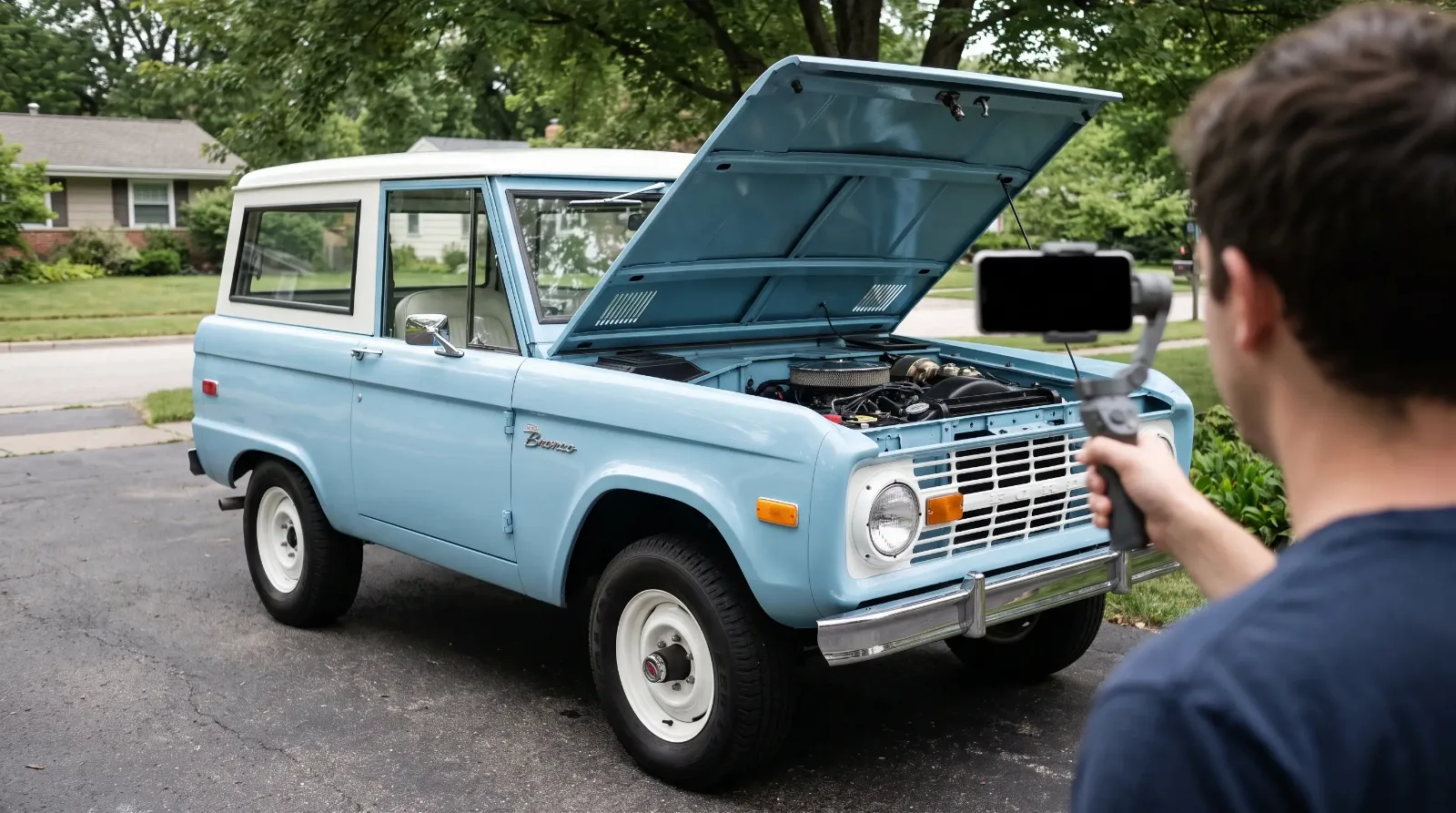
Matching numbers. On many American performance cars, a block, transmission, and rear axle that match the VIN derivative and date codes are a major value driver. A replacement engine of the correct type is acceptable to some buyers and a deal-breaker for others. If you are not sure whether yours matches, find out before a buyer does. Discovering it during negotiation costs you more than the difference in value.
Mileage. Low, documented mileage matters most on later, more common classics where condition is otherwise similar across examples. On a 1930s car it matters far less than condition and history. "Believed original miles" without supporting records is treated as a guess.
Color and options. Desirable factory colors, performance packages, air conditioning, and convertible tops all move value, sometimes sharply. The reverse is true for colors that did not sell well new and still don't. Check what the comps were painted before you assume yours is the norm.
Modifications. This is where owners lose the most money. Tasteful, reversible upgrades such as brakes, cooling, or a period-correct stereo may be neutral. A full restomod can bring strong money from the right buyer, but it sells in a different market from stock cars, and the build cost almost never comes back in full. Custom paint, cut panels, and non-original engines narrow the buyer pool. Price a modified car against other modified cars, not against original ones.
Who you sell to also shifts the realistic figure. A dealer has to resell the car at a profit, so a dealer offer is a wholesale number, and a private buyer is paying closer to retail. There is more on this in the main guide, but for pricing purposes, know which number you are comparing your car against.
Setting an asking price that sells
Once you have comps, a realistic condition grade, and a guide range, the asking price is a decision about speed and negotiation room.
Start from the middle of your best comps, adjusted for the differences between those cars and yours. If your car has better documentation or a more desirable color, move up. If it has a replacement engine or a cosmetic issue the comps did not, move down, and be honest about how far. That gives you a target sale price. Then decide how much negotiating room the venue and the buyer pool expect. In private sales, most sellers leave a modest cushion above their target, often somewhere around 5 to 10 percent, so they can give a little without dropping below their floor. A car listed far above that tends to attract no calls rather than low offers.
Watch the first two to three weeks closely. A well-priced car draws real inquiries early, with specific questions about history and condition. If you get views but no serious contact, the price is the message. Lower it once, decisively, rather than trimming small amounts every week. Small cuts read as desperation. One clear adjustment reads as a seller who has looked at the data.
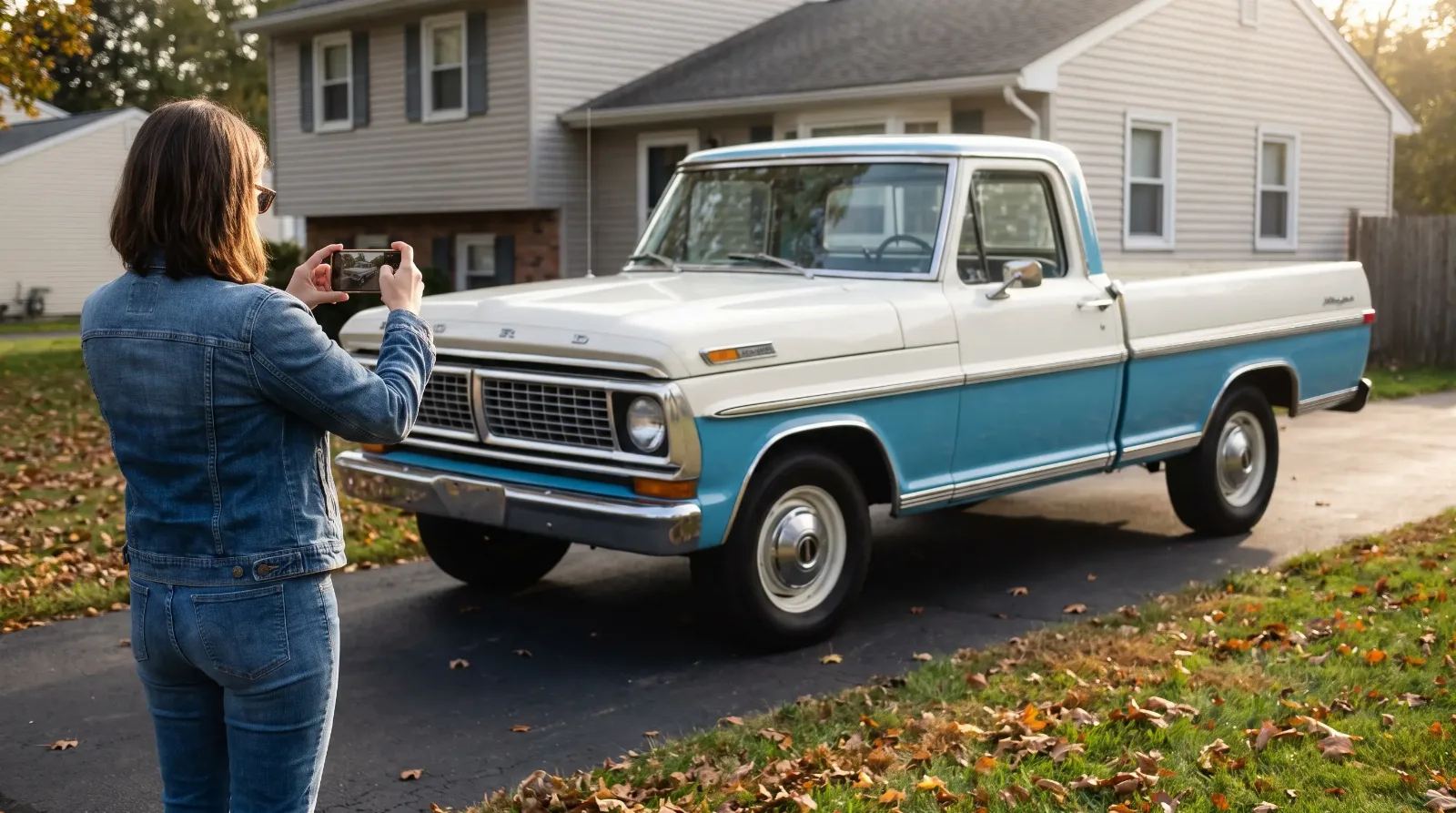
Write the listing so it supports the number. State the condition honestly, list the documentation, describe any non-original parts, and show the flaws in photos. A buyer who finds an undisclosed problem will discount more than the problem costs to fix, because now he doubts everything else. Transparency is not generosity. It protects the price.
Fees matter too. A sales commission or buyer's premium changes what you net from the same headline figure, so compare the take-home amount, not the sale price. If you have done the pricing work and want to keep the full amount, you can list your classic car for a flat fee on ClassicCarsArena: a one-time charge starting at $49, no commission, and the buyer pays you directly. Whatever route you choose, the number you bring to it should be one you can defend line by line.
Sources and notes
- Hagerty: What does a car's "condition" really look like? (condition #1 to #6 definitions)
- Hagerty: How the Hagerty Price Guide is made (data sources and method)
- J.D. Power Classic, Collectible, Exotic and Muscle Car Appraisal Guide (low, average and high retail; update schedule)
- Classic Automobile Appraisal: published appraisal fees
- Classic Auto Appraisals: pricing
- Classic Auto Appraisers: appraisal pricing
Kelley Blue Book coverage is taken from the KBB.com FAQ ("Other" section), which blocked automated access; the figure was confirmed from a search snippet of that page. Fees and guide methods checked October 2026.