
Ask Florida classic car buyers what they look at first and most of them will get down on one knee and check the floor pans before they say a word about the paint. Ask the same question in Sacramento and somebody will want to know about the smog certificate. In Amarillo the first question might be whether you can get the thing on a trailer by Saturday. The car does not change when it crosses a state line. The people looking at it do, and so do the habits they bring along.
Market & Values
10 min read
Classic Car Buyers by Region: Florida, California, Texas
What Florida, California and Texas classic car buyers check first, the seller paperwork in each state, and when to sell across state lines.
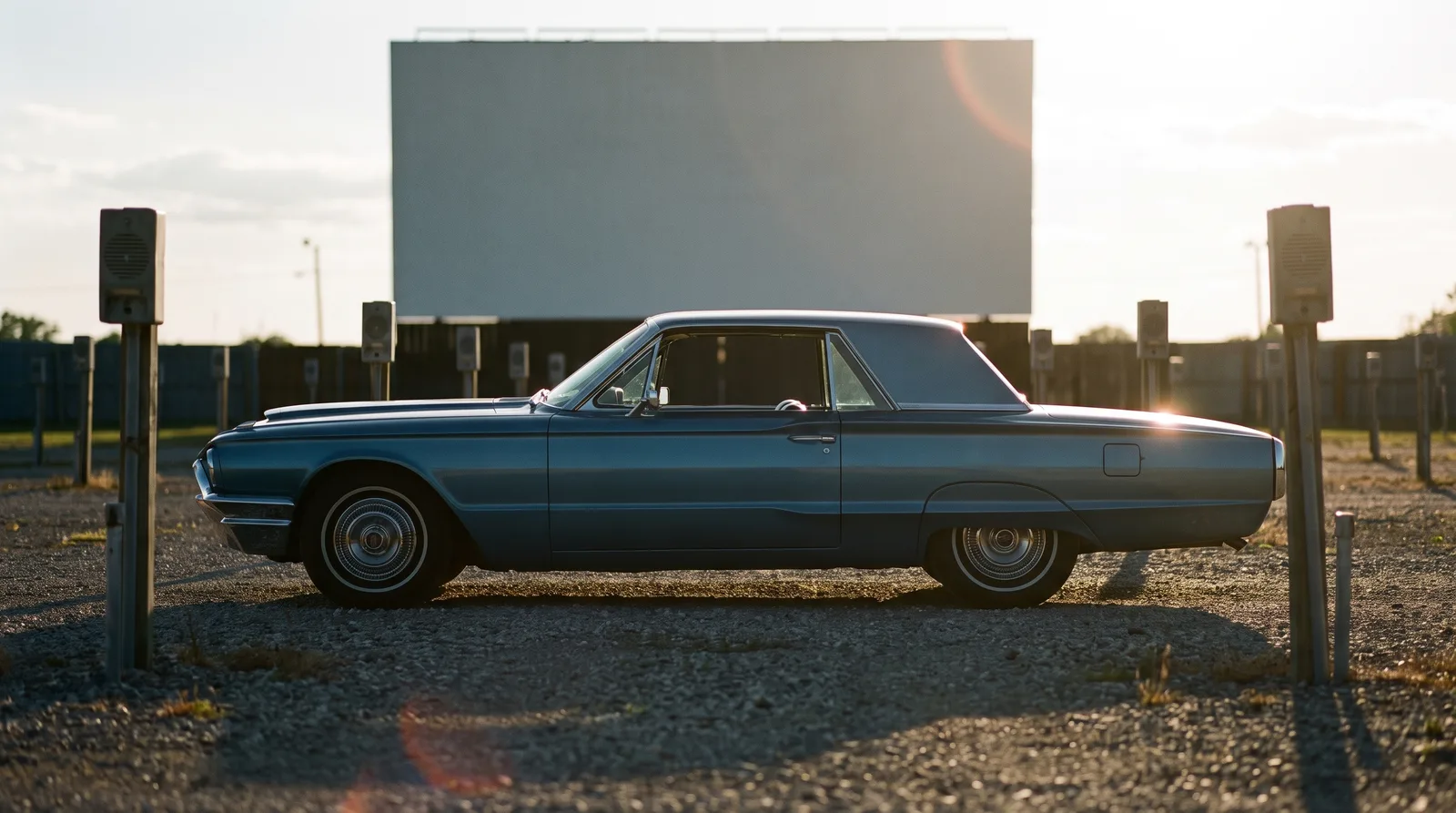
This is a look at three big Sun Belt states: what buyers in each one tend to care about, what a seller there has to handle on paperwork, and where a local dealer fits in. You will not find tidy market statistics here, because I have not seen any regional counts of classic car buyers I would trust, and I am not going to make some up. If you have not settled whether you want a dealer's check or a private buyer's, read the dealer cash offer or private buyer guide first, then come back and figure out where your state fits.
Why the state still matters when everybody shops online
The internet made the buyer pool national. A good car listed anywhere in the country will draw calls from three time zones, and plenty of classics are sold to people who first saw them on a phone. That part is real.
But the rest of the deal is stubbornly local. The test drive happens in your driveway. The title goes through your state's paperwork, and the plates follow your state's rules. Local dealers pay based on what they can resell to local buyers. And climate shapes both the cars and the suspicions of the people shopping for them. A buyer who grew up in a damp place looks for rust. A buyer in a state with tough emissions rules looks for the right paperwork. You save yourself time by answering those questions before anybody asks.
One more thing before the states. When you call around to dealers, call more than one, and call at least one outside your own town. Our dealer directory is organized state by state, and each state section below points to the right page of it, so that is as good a place as any to start making calls.
Florida: winter buyers and salt air
Florida's classic car calendar runs backward compared with the snow states. Winter is when the seasonal residents come down, the car shows fill up, and people have time to look at old cars. Mecum's Kissimmee sale is held every January at Osceola Heritage Park, and a lot of collectors plan their winter around it. Summer is hot, the Atlantic hurricane season runs from June 1 to November 30, and there are fewer people in town who want to stand in a parking lot in August looking at a convertible. If your timing is flexible, a Florida car usually gets its best audience between November and April. That is an observation, not a statistic, but ask anybody who has tried to sell a car there in July.
Then there is the air. Humidity and coastal salt are hard on steel, and Florida buyers know it. Expect them to look hard at floors, trunk pans, the lower fenders and anywhere a vinyl top could have trapped water. After a big storm year, expect questions about flood history too. Florida law requires the state to mark a flood-damaged car's title with a flood brand, and a careful buyer will run the VIN through the state's motor vehicle information check before he shows up. If your car has always been garaged inland, say so, and have photos of the underside ready.
On paperwork, two things catch out-of-state transplants. In Florida the license plate stays with the seller, not the car, so take your plate off before the buyer drives away. And file a notice of sale within 30 days, either on the back of the title or on form HSMV 82050, so that tolls, tickets and liability for the car stop coming to you.
If a fast local sale suits you better, start with our list of Florida classic car dealers and call two or three before you accept a number. Ask each one whether winter season changes what he pays.
California: dry-state cars and the smog question
California has a reputation the old guys in this hobby have talked about for as long as I have been listening: the dry-state car. A car that spent its life in the inland valleys or the desert often has a body that a car from the Rust Belt can only dream about, and buyers in other states will pay to ship one home. Be honest with yourself about which California you are selling from, though. A car that lived a block from the ocean in a foggy town can rust like anything from the Midwest. The reputation belongs to the climate, not the license plate.
It is also where a lot of hot rodding started, on the dry lakes in the 1930s and 1940s, and the state still has a deep pool of buyers for rods, customs and modified cars. A well-built modified car may find more interested buyers here than in a state where the crowd leans toward stock restorations.
The paperwork question is smog. Gasoline cars of model year 1975 and older are exempt from California's smog check, and so are diesels of 1997 and older. A 1976 or newer gasoline car is not exempt, and when it changes hands the seller has to give the buyer a valid smog certification from an inspection done within the last 90 days. Know which side of the line your car falls on before you list it. Once the car is sold, file the Notice of Transfer and Release of Liability within 5 days. That form is what tells the state the car is no longer your problem. Standard California plates stay with the car. Personalized and special interest plates can be moved to another vehicle if you ask the DMV and pay the fee.
Before you list, a few calls to dealers across California will tell you what a local check looks like, and whether a car that needs a smog certificate changes their number.
Texas: trucks, long drives and big-state buyers
Texas is truck country, and anybody who has driven a farm-to-market road knows it. Old pickups draw a steady crowd of private buyers here, from people restoring the same truck their granddad drove to people who want something to haul brush on a Saturday. If you have a pickup and are weighing whether to sell classic truck to dealer or to one of those private buyers, the truck market works a little differently from the car market, and it is worth reading up on before you take the first offer.
The other Texas fact is distance. A buyer can be 400 miles away and still live in the same state. That changes how a sale works: more buyers ask for a video walkaround before they make the drive, more of them show up with a trailer, and more sellers end up meeting halfway at a truck stop. Plan for it. Shoot a cold-start video and a slow walkaround before you list.
Climate splits the state. The western half is hot and mostly dry, which is kind to sheet metal and hard on rubber, dashboards and upholstery. The Gulf Coast is humid, and after the big storms flooded cars do turn up for sale, so coastal sellers get the same flood questions Florida sellers do. On paperwork, the seller should report the sale to the Texas Department of Motor Vehicles with a vehicle transfer notification within 30 days, which keeps the buyer's tickets and tolls off your record. Plates work differently than people expect: in a private sale the seller may take the plates and registration sticker off and keep the plates for another vehicle of the same type, while in a dealer sale the plates now stay on the vehicle. If the title has gone missing somewhere along the line, Texas offers a bonded title. The bond runs 1.5 times the car's value, and the title carries a bonded brand for 3 years. Other states handle a lost title differently.
A state this size has a lot of local buyers with cash, and our list of classic car dealers in Texas is a good place to find them. Call at least one in another city, since a truck that is common in Amarillo may be scarce in Houston.
| State | What buyers tend to check first | Seller paperwork to know | Plates at sale |
|---|---|---|---|
| Florida | Floors, trunk pan, lower body rust; flood history | Notice of sale within 30 days (title or HSMV 82050) | Stay with the seller |
| California | Smog status on 1976 and newer cars; rust on coastal cars | Smog certification for 1976 and newer gasoline cars; release of liability within 5 days | Stay with the car (personalized plates can move) |
| Texas | Frame and running gear; sun damage to interior; flood history on Gulf cars | Vehicle transfer notification within 30 days; bonded title if the title is lost | Seller may remove and keep them in a private sale |
Selling across state lines from any of the three
Whichever of these states you sell from, the best buyer for your car may not live in it. A Florida car with a clean underside will interest somebody in Ohio. A dry California car has fans everywhere it snows. A Texas truck can end up in Tennessee. National listings and car-club networks are how those buyers find you, and the buyer usually arranges the transport. For a sense of scale, an open carrier from coast to coast runs roughly $1,400 to $2,500 depending on route and season, and enclosed costs about a third to a half more. That is real money, but it is not enough to scare off a buyer who has been hunting for one specific car.
"A car doesn't know what state it's in. The buyer does. He walks around it looking for whatever his own state's weather taught him to look for, so you might as well show him before he goes looking."
Gary Nowak
A few habits help in all three states. Photograph the underside before you list. Find out what your state requires from the seller at transfer, because the rules above differ and they change. Keep your plates or file your release on the day of the sale, not the week after. And get payment the same careful way no matter where the buyer lives: confirmed funds, not a promise and a screenshot.
Some sellers in all three states would rather skip the national buyer pool and take a fast local check. That is a reasonable choice when time matters more than the last few thousand dollars. If that is you, the quickest routes and what each one costs you are laid out side by side, and the details are here.
Sources and notes
- Mecum Kissimmee 2026, January at Osceola Heritage Park
- FLHSMV: Selling a vehicle in Florida (plates stay with seller, notice of sale)
- FLHSMV: Consumer advisory on flooded vehicles and title brands
- California Bureau of Automotive Repair: Smog Check exemptions and change of ownership
- California DMV: License plates remain with the vehicle
- TxDMV: Buying or selling a vehicle (transfer notification, plates)
Related Reading
#selling a classic car
#classic car buyers
#title transfer
#florida classic car buyers
#selling a classic car in California
#selling a classic car in Texas
#smog check

About the author
Gary Nowak
Lifelong Midwest rodder who has been building and driving traditional pre-war hot rods since the 1970s.
More in Market & Values

Comments
Be the first to comment on this article.