
I remember when selling an old car meant a cardboard sign in the back window, a three-line ad in the Sunday paper, and the kitchen phone ringing right in the middle of supper. Craigslist moved that whole routine onto the internet, and for a long stretch it was where you went to find a cheap Falcon or get rid of the Chevy II that had been sitting under a tarp since somebody's divorce. So is a Craigslist classic car ad still worth posting in 2026? For some cars, yes, and I'd post it today. For a lot of others, it's the wrong room to stand up in.
Market & Values
8 min read
Craigslist for Classic Cars: Still Worth It?
A $5 Craigslist ad still moves project cars, old trucks and cheap drivers. Here is which classics fit it, and which belong elsewhere.
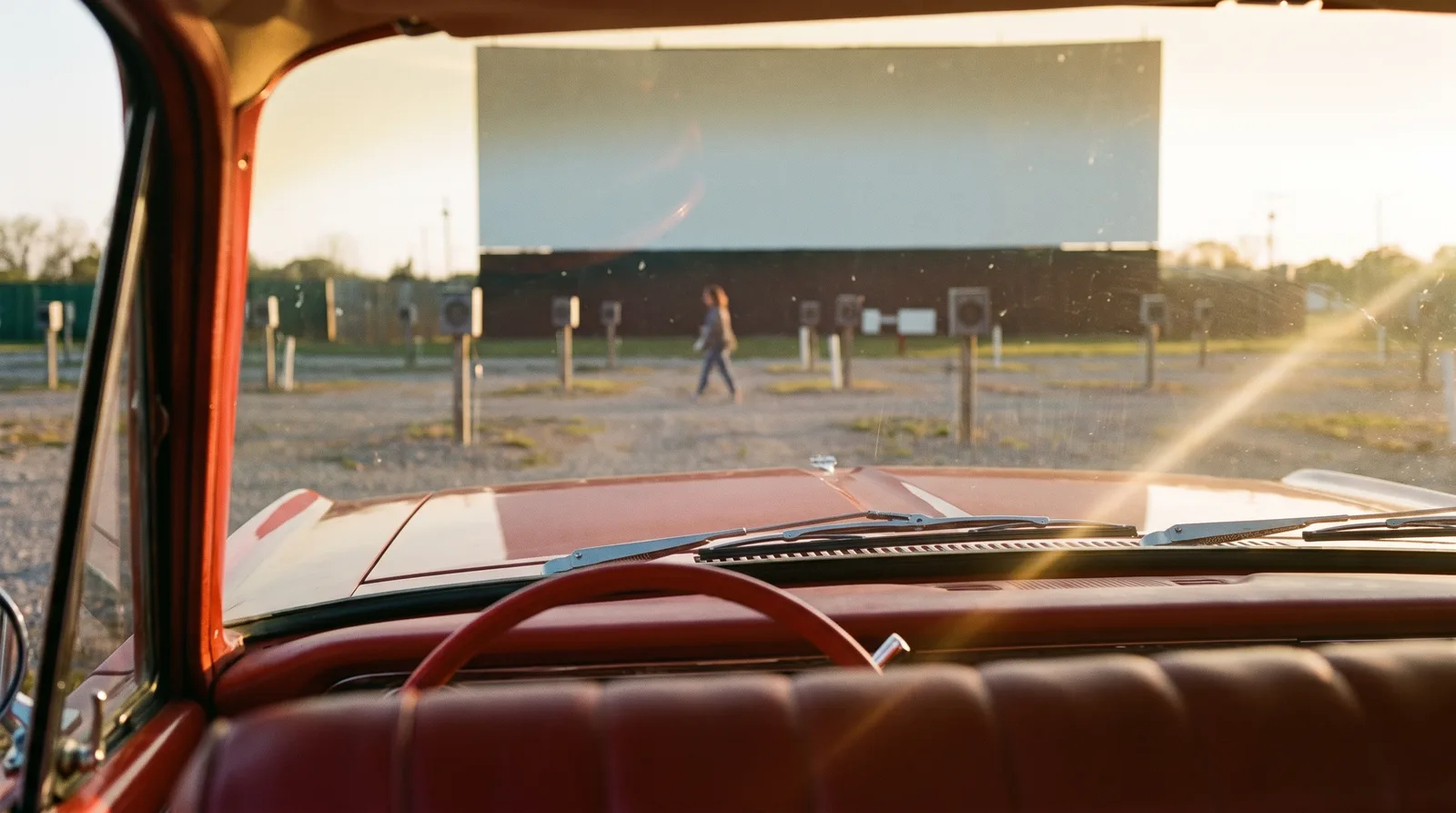
This piece looks at one site only. If you want the wider view, the rundown of the best sites to sell a classic car online puts Craigslist next to six other places and compares fees, audience and photo limits across all of them. Here we stay in the one room and look at what actually happens when you post an old car there: what it costs, who answers, which cars fit, and where it goes sideways.
What a Craigslist car ad costs and gets you now
The price is easy. Since April 2019, Craigslist has charged $5 to post a car or truck by owner in the US. Before that, by-owner car ads were free in most cities, and plenty of old-timers still grumble about it. I don't. Five dollars bought you a lot less spam and fewer fake ads, and it's still about the cheapest paid listing you'll find for a car.
What you get for the five bucks is a plain text ad with a modest photo gallery, well short of what the classic-only sites allow, posted to one local area. There's no classic car category. Your 1966 Galaxie goes into "cars and trucks, by owner" right next to a 2014 Altima with a check-engine light, and the buyer finds it by searching a model name or setting a model-year range in the filters. A paid ad stays live for 30 days, then it expires, and putting it back up means a new post and another $5. You can only post to one Craigslist site at a time, and the same ad isn't supposed to run in several cities, so this is a local tool, plain and simple.
That last part matters more than the fee. A specialist site puts your car in front of people across the country who are hunting for that exact model. Craigslist puts it in front of whoever lives within a reasonable drive and happens to be scrolling that week. For the right car, that's all you need. For the wrong one, it's a long wait.
Who still shops Craigslist for old cars
The buyers haven't changed as much as people think. You still get the project guy with a trailer and a cash envelope, the flipper who checks the listings every morning before work, and the fellow in his seventies who never warmed up to Facebook and isn't about to start now. You get dads looking for something simple to wrench on with a sixteen-year-old. Every so often you get a real enthusiast who's been watching for a car like yours since the Reagan years.
What you mostly don't get is the national collector with a checkbook who wants a documented, restored car and will fly in to see it. Those people shop the specialist classifieds and the auction sites. They aren't scrolling past riding mowers and used bunk beds to find a numbers-matching GTO. That's not a knock on Craigslist. It's just who walks through the door.
So the ad has to be written for the room. A Craigslist buyer wants three things up front: does it run, does it have a title, and what's the price. Answer those in the first two lines. The story about your uncle buying it new can come after, if it comes at all.
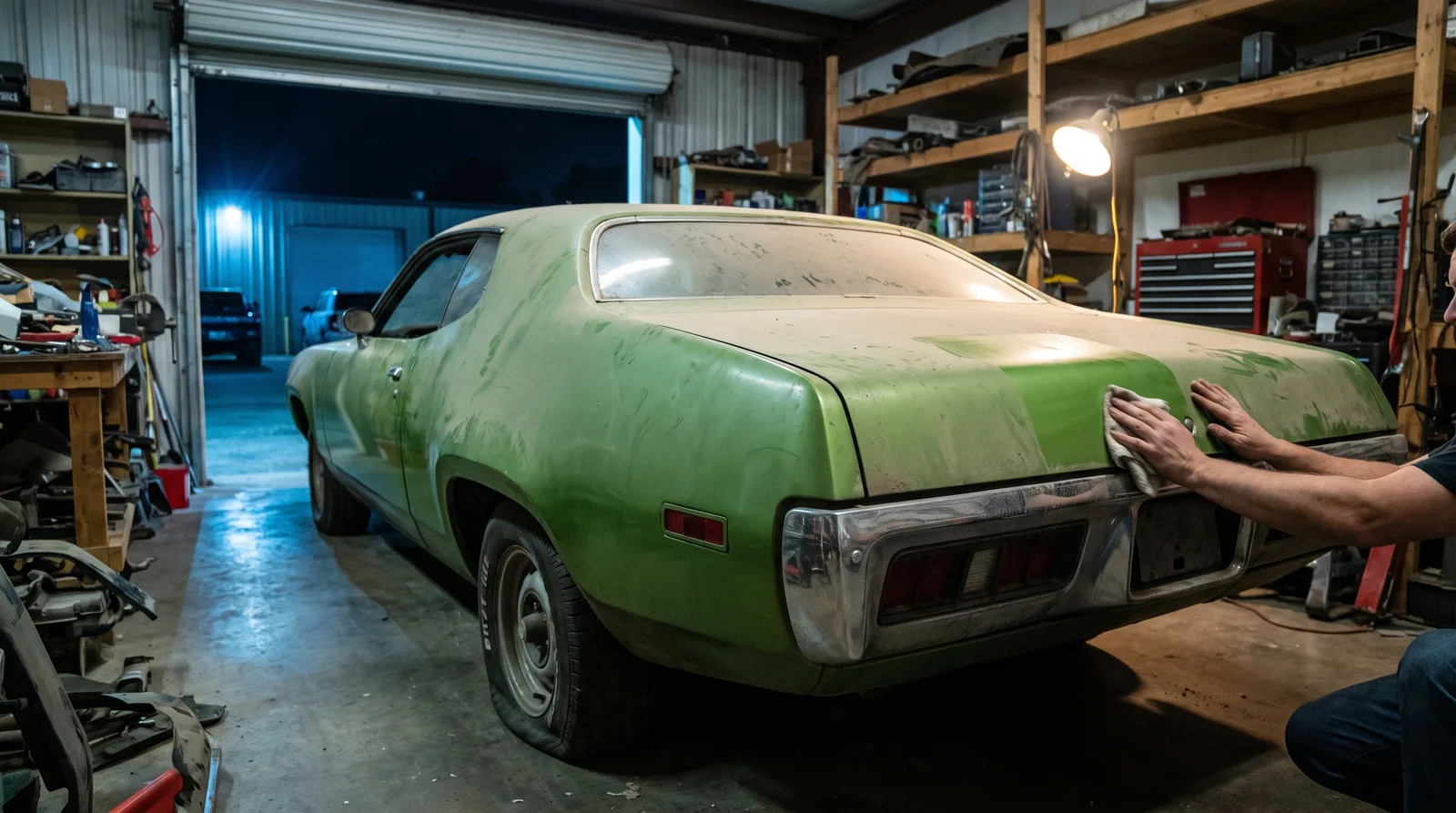
Which classics fit Craigslist and which don't
Here's how I'd sort it after a lot of years of watching what moves and what sits. These are rules of thumb, not law, and your local market can tilt them either way.
| Your car | Craigslist fit | Why | Post it alongside |
|---|---|---|---|
| Parts car or rough project, under about $5,000 | Good | Local cash buyers with trailers are exactly who shows up | Facebook Marketplace |
| Old pickup or work truck | Good | Truck buyers still check local listings first | Facebook Marketplace, a local swap meet |
| Running driver, about $5,000 to $15,000 | Workable | Enough local buyers, but slower without classic-specific reach | A classic-only classified |
| Restored or documented car above about $25,000 | Poor | Few local buyers at that price, and the ad format can't carry the paperwork | A specialist site with national reach |
| Rare, numbers-matching or concours car | Poor | The buyer pool is national, and lowballers will find you first | Specialist classifieds or a curated auction |
Notice the pattern. Craigslist does best where the buyer is local, paying cash, and ready to haul the car away. The more paperwork and history your car carries, the less the format helps you tell that story, and the less likely the right buyer is reading.
The headaches, and how to keep them small
Any free-for-all marketplace draws scammers, and Craigslist has had decades for them to settle in. The usual pitches haven't changed much. Someone offers full price sight unseen and wants to send a cashier's check for more than the asking price, with "my shipper" collecting the difference. Someone asks you to buy a vehicle history report from a particular website. Someone wants you to read back a verification code they "just sent" to your phone, which is how they hijack a phone number for their own use. None of these is a buyer.
Then there's the regular nuisance traffic. "Is this still available?" with nothing else. Trade offers for a bass boat. A guy who shows up, walks around the car twice, and offers half. You can't stop all of it, but you can thin it out.
"Craigslist never sold a car for you. It just told the neighbors you had one. If the right buyer lives within an hour, that's plenty. If he lives in Oregon, you're advertising to the wrong neighbors."
Gary Nowak
So is it still worth five bucks?
For a cheap project, a parts car, an old work truck or a plain running driver you want gone before the snow flies, yes. Five dollars is less than the coffee and doughnuts you'll buy while waiting for a no-show, and the local cash buyer is still out there. I'd post it there and on Facebook Marketplace the same afternoon, keep the price identical in both places, and let the two ads pull from slightly different crowds.
For a restored car, a car with a thick folder of receipts, or anything where the right buyer might be four states away, Craigslist is a supplement at best. It won't hurt to have it up, but don't expect it to do the heavy lifting. That car needs a listing where people come looking for old cars on purpose and where you have the photo count to show the frame rails, the data plate and the paperwork.
And some sellers skip paying anybody at all. For certain cars that's a perfectly defensible call, and for others it costs more in time and lowball offers than any listing fee ever would. There are good free options and good paid ones, and the difference comes down mostly to who sees the ad; here's how that works. Whatever you pick, price it honestly from day one. An overpriced car sits on Craigslist the same as it sits anywhere else, only with more people asking if it's still available.
Sources and notes
Related Reading
#project car
#private sale
#classic car scams
#sell classic car
#craigslist classic car
#Craigslist
#Sell Your Classic Car

About the author
Gary Nowak
Lifelong Midwest rodder who has been building and driving traditional pre-war hot rods since the 1970s.

Comments
Be the first to comment on this article.