
It happens more than dealers like to say out loud. You sign the agreement, the car goes on the floor or into the dealer's online inventory, the phone rings a few times in the first two weeks, and then it goes quiet. By month three the term is about up and you have a decision you did not plan for. A consigned car not selling is not a disaster. It is a problem with a short list of causes and a short list of fixes, and the owners who come out of it fine are the ones who deal with it early instead of waiting for the contract to run out.
Market & Values
9 min read
What Happens If Your Consigned Car Doesn't Sell
Consigned car not selling? The warning signs, what your contract says at the end of the term, getting the car back, and your next moves.
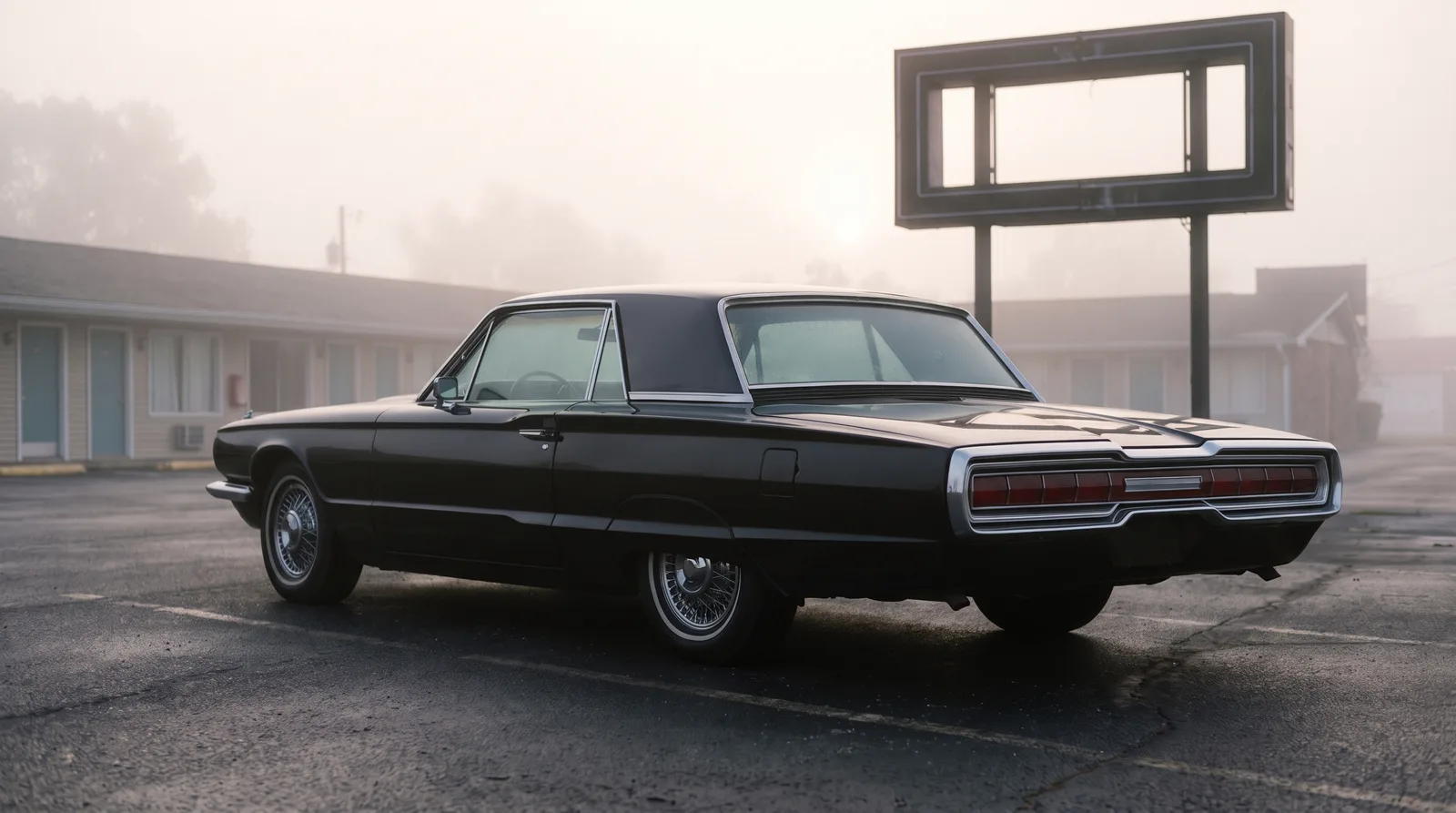
This piece is about that one situation, start to finish. For how consignment works in general, the fees and the trade-offs against other ways to sell, there is the bigger picture.
How a consignment stalls
A car that is going to sell usually tells you early. Most real interest shows up in the first few weeks, while the listing is new. If those weeks bring calls but no visits, or visits but no offers, the market is already giving you an answer. Do not wait for the end of the term to hear it.
- No calls at all. Either the car is priced well above what buyers have seen comparable cars sell for, or nobody is seeing it. Ask the dealer where the listing runs and how many views and inquiries it has drawn.
- Calls but no visits. The listing is raising questions it does not answer. Usually that means thin photos, no undercarriage shots, or no paperwork shown.
- Visits but no offers. The car in person does not match the car in the listing. Buyers drove out expecting a solid driver and found something that needs work.
- Offers, all well under asking. That is the market telling you the price. Several low offers that land close to each other are about as honest a valuation as you will get.
Price is the cause most of the time. A dealer has every reason to take the consignment at the number you hoped for, because that wins the car onto the lot, and then to let the market do the talking. If the car is a #3 driver, which is what the vast majority of collector cars are, it has to be priced like one. Calling it a #2 in the ad does not make it a #2 when the buyer gets under it.
What the contract says happens when time runs out
Most consignment agreements run something like 60 to 90 days. What happens on the last day depends on the paper, and this is where owners get caught, because nobody reads the back half of the agreement until they need it. Pull out your copy and find these answers.
Does the agreement renew on its own? Agreements differ here. Some simply expire on a fixed date and continue only if both sides agree in writing. If yours instead says it rolls over unless you give written notice by a set date before the end, put that date in your calendar now. Miss it and you may be locked in for another stretch at the same price.
Do storage charges start or keep running? A showroom that waived storage during the term may start a monthly charge the day it ends. Those charges keep adding up while you decide what to do.
Is there a tail on the commission? Some agreements say that if the car sells within a set period after the term ends, as a result of the dealer's effort, the dealer still gets paid. North Carolina, for one, requires dealer consignment contracts to spell out that right and caps the window at 30 days. Fair if the dealer did the work, not if the clause runs for months or covers every buyer on earth.
Can the dealer hold the car for unpaid charges? Often, yes. Many states give a business that stores or repairs a vehicle a lien that depends on keeping possession. California's Civil Code section 3068, for example, covers storage, repair and safekeeping, and other states have their own garage keeper's lien laws with different notice and sale rules. If you owe storage or prep fees, settle them in writing before you show up with a trailer.
If these points were not settled before you signed, they are worth settling now, in writing, with the dealer. For a clause-by-clause look at what belongs in the agreement in the first place, see our piece on the consignment agreement paperwork.
Getting the car back in the shape you left it

If you decide to take the car home, treat the pickup like a purchase inspection. Cars on lots get moved, started and not driven enough, and somebody always brushes a post eventually.
Bring the condition notes and photos you made at drop-off. If you did not make any, that is the lesson for next time. Then check, in this order:
- The odometer. Compare it with the drop-off reading. A few miles for test drives and lot moves is normal. A few hundred is a conversation.
- The body and glass, panel by panel, in good light. Lot rash shows up on bumpers, door edges and lower quarters.
- Tires and battery. Flat spots and a dead battery are common on cars that sat without being driven.
- Everything you handed over: both sets of keys, the records binder, the window sticker or build sheet, the jack and spare. The title should never have left your hands at all.
Get any damage written down and signed off by the dealer before the car leaves the property. Who pays for that damage depends on whose policy covered the car while it sat there, and that is a separate question with its own answers, set out in insurance and liability while your car is on consignment.
Your options after a no-sale
Once the term is up, you have more choices than "lower the price or take it home."
| Option | What it costs you | How fast | Makes sense when |
|---|---|---|---|
| Extend with the same dealer at a lower price | The commission on a lower sale price; possibly continued storage | Another 30 to 60 days, typically | The calls were real and the only problem was the number |
| Move to a different consignor | Transport again, a new commission (about 5% to 15% or a flat fee) and a new term | A fresh 60 to 90 days | The first dealer had the wrong buyers for your kind of car |
| Live auction, no reserve | Mecum example: half the usual $350 to $1,000 entry and 6% commission | A fixed sale date | You want it done and can live with the day's price |
| Online auction | Seller listing fee of $0 to about $300; buyer pays a premium, usually 4% to 7% | Usually one to two weeks of bidding once listed; eBay Motors auctions run up to 10 days | The car photographs well and has a good paper trail |
| Sell it yourself | Craigslist $5, Facebook Marketplace free, a listing here $49 to $179 flat; your time | Open-ended | You can handle calls, showings and payment safely |
| Dealer cash offer | Our estimate: about 20% to 30% below a private sale | Days | You need the money and the car gone |
| Take it home and wait | Insurance and storage while it sits | Until next season | The car is a convertible in November, or the market for it is soft right now |
Whatever you pick, do not drop the price in small steps every couple of weeks. Buyers watch listings. A car that comes down $500 at a time looks like a car with a problem nobody will name. One honest cut, to a number backed by recent sales, does more than four nervous ones.
Selling it the second time around
A car that did not sell carries a little history with it. Buyers in a narrow segment remember listings, and you beat that by changing what they see.
Start by fixing whatever stopped the first sale. If buyers kept finding a problem in person, fix it or disclose it up front and price it in. If the photos were weak, shoot new ones in daylight, with the undercarriage, the engine bay and the paperwork laid out. If the price was the problem, set the new one from completed sales, not from what you need to get out of the car.
"A car that sat for ninety days didn't get worse. The asking price just met the truth. Lower it once, to a number you can back up, and quit arguing with the buyers who already told you what it's worth."
Robert Halloran
Timing helps too. Spring brings more buyers out across most of the country than late fall does. If the car came home in November and you do not need the money, putting it back on the market in March or April may be worth more than any price cut. Keep it started, exercised and insured while it waits.
Sources and notes
- North Carolina DMV rule 19A NCAC 03D .0226: vehicles offered for sale on consignment (post-termination commission capped at 30 days)
- California Civil Code section 3068: possessory lien for vehicle storage, repair and safekeeping
- eBay: Motors fees
- Hagerty: What does a car's condition really look like? (most collector cars are #3)
- Hagerty: Dealership insurance, including coverage for consigned autos
Mecum entry fees and commissions, online auction fee ranges and the consignment commission range are figures verified earlier in this series. The dealer cash offer gap is our own estimate. Lien and consignment rules vary by state; check yours.
Related Reading
#classic car consignment
#selling a classic car
#consignment agreement
#pricing a classic car
#consigned car not selling
#no-sale

About the author
Robert Halloran
Texas-based classic truck enthusiast with decades of experience buying, restoring, and writing about American pickups from the 1940s through the 1980s.


Comments
Be the first to comment on this article.