Type a 1966 model into Kelley Blue Book and you do not get a low number. You get no number at all. A lot of owners take that personally, as if the site had decided their car was worthless. It hasn't. If you came looking for a Kelley Blue Book classic car value, the short answer is that one does not exist, and KBB says so itself. Its FAQ states that values for older and collector cars are not available, and its coverage runs back roughly 21 model years. For a seller in 2026, that puts nearly every car built before the mid-2000s outside the tool.
That gap is not an oversight. It comes from what the tool was designed to measure, and the reasons are worth understanding, because they explain why the numbers that do apply to an old car come from somewhere else entirely. This piece covers the why. For the full method of pricing a car before you list it, start with the bigger picture and come back here when a buyer waves a book value at you.
What Kelley Blue Book is built to do
Kelley Blue Book is a used-car pricing tool. It exists to tell someone what a three-year-old crossover or an eight-year-old pickup should trade for, and it does that job well because the inputs are plentiful. Millions of late-model vehicles change hands every year through dealers, wholesale auctions and private sales. With that much transaction data, a model can reliably adjust for mileage, trim, factory options, region and four broad condition choices: Excellent, Very Good, Good and Fair.
Underneath all of it sits one assumption: a car loses value as it ages and as it accumulates miles. Ordinary transportation behaves that way. A 2019 sedan is worth less than a 2021 sedan of the same trim, and a 2021 with 90,000 miles is worth less than one with 30,000. The tool predicts where a given car sits on that downward slope. When the slope reverses or stops mattering, the method has nothing to hold onto.
Why the depreciation model breaks on old cars
Collector cars do not sit on a single curve. Somewhere in a car's third or fourth decade, the ones that survive stop being used cars and start being collectibles, and the factors that set their price change completely. Age stops pulling the value down. Mileage still matters on some later cars, but it falls far behind condition, originality and documentation as a driver of price.
The transaction data also thins out. A popular late-model car might change hands thousands of times a month. A specific classic configuration, say a particular engine and transmission combination in one body style, might produce a few public sales a year, and each of those cars differs in condition, history and correctness. Averaging them the way a used-car guide averages fleet sedans would give you a number that describes none of them.
Then there is identification. Since the 1981 model year, every car sold in the United States carries a standardized 17-character VIN, which lets a tool decode the make, model, engine and plant in a consistent way. Earlier VINs followed each manufacturer's own format. Some tell you a good deal, some tell you very little, and none of them tell you whether the engine in the car today is the one that left the factory. On a classic, that question alone can move the price more than anything a used-car tool knows how to adjust for.
Old blue books and original sticker prices
Every so often an owner turns up a period copy of a used-car price book, or the original window sticker, and wonders whether either one says anything about value today. They do, just not about price.
A period price book tells you what the car was worth as a used car in its day, which is a fine piece of history and nothing more. The market that produced those figures is long gone. A car that was a hard-to-sell gas guzzler in a period guide may be one of the most sought-after models of its decade now, and the reverse happens just as often.
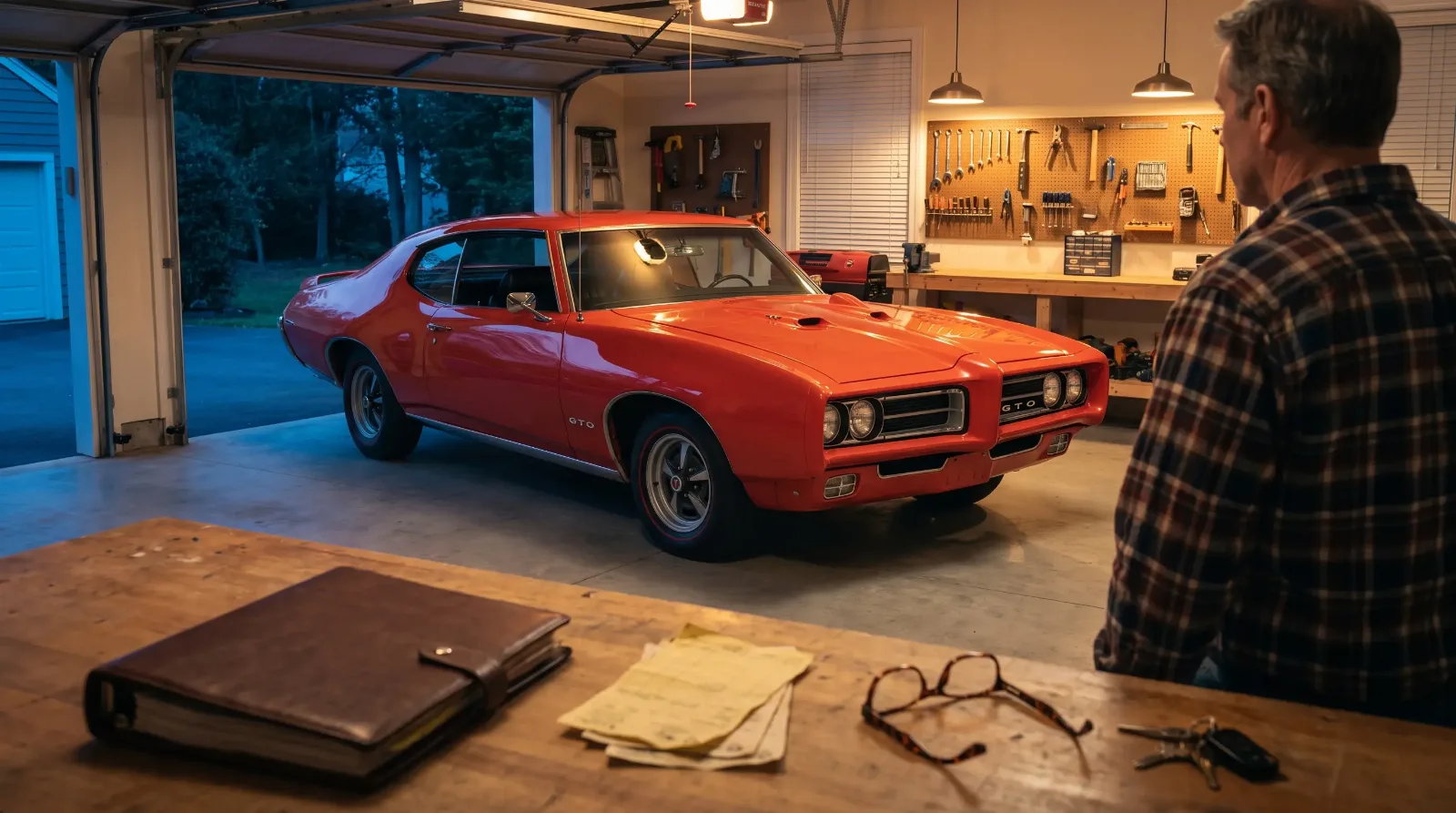
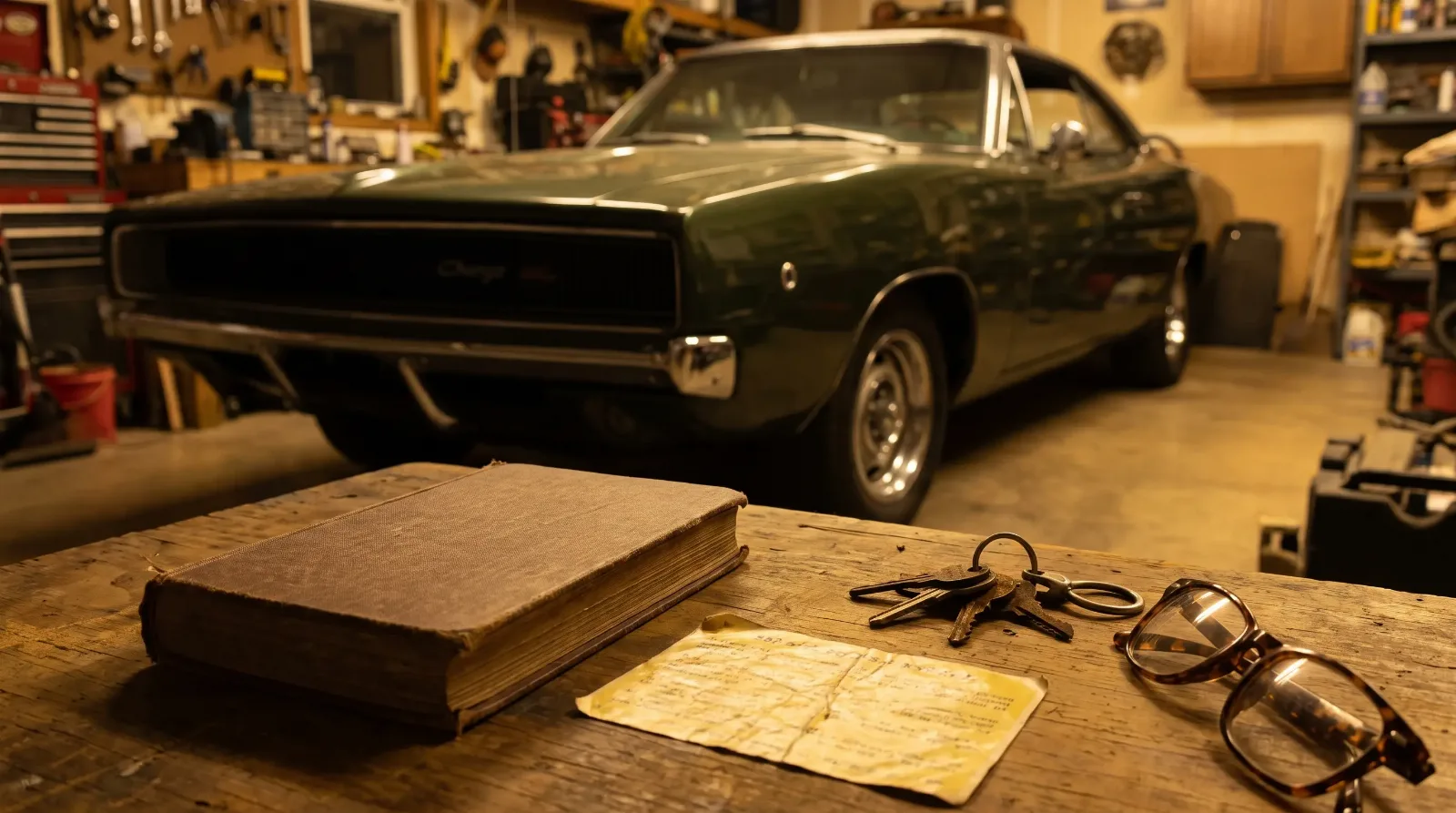
The original window sticker is different, and much more useful, though again not as a price guide. It is a factory record of how the car was built and equipped. On many collector models, that document is what turns a seller's claim about a rare option into a fact a buyer will pay for. Keep it, protect it, and photograph it for the listing. Just do not quote its bottom line as if it told a buyer anything about this year's market.
What to use instead of a blue book
The tools built for collector cars start from a different premise. They price by condition tier rather than by mileage, and they draw on auction results and collector-market sales rather than on fleet and trade-in data.
| Source | Built for | Covers classics | How it handles condition |
|---|---|---|---|
| Kelley Blue Book | Used-car buyers, sellers and trade-ins | No. Roughly the last 21 model years only | Four condition choices, Excellent to Fair, adjusted for mileage |
| Hagerty valuation tool | Collector car owners and insurance | Yes. 40,000+ entries | Values by condition tier, built from auctions, private sales, insurance data and dealers |
| J.D. Power classic values | Lenders, insurers, buyers and sellers | Yes | Low, average and high retail, updated three times a year |
| Sold comparables | Anyone willing to do the research | Yes, where sales exist | Whatever the specific car actually was, which you have to judge from the record |
| Independent appraisal | Rare, documented or disputed cars | Yes | Inspected in person; published fees run about $200 to $500 |
None of these is a price tag either. The guides give you a range for a car that matches a description. The comps tell you what real cars sold for. The appraisal ties both to your specific car. Used together they produce a number you can defend, which is the thing a blue book was never going to give you for a car this old.
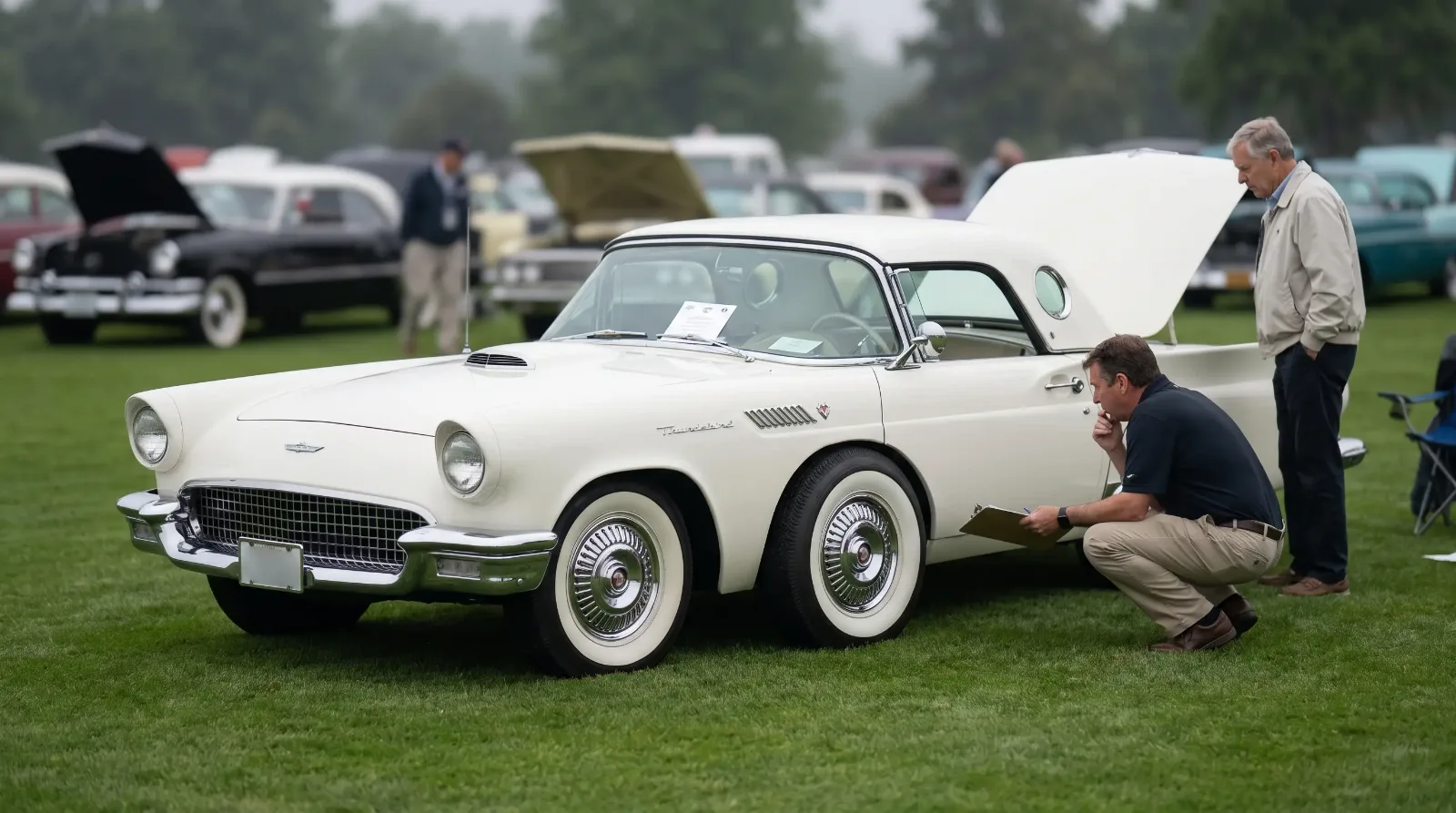
The single most important input in all of them is the condition grade, and it is the one owners get wrong most often. The difference between a #2 and a #3 car is usually larger than any adjustment a used-car guide would make for mileage or options. If you have not graded your car against the published definitions yet, see this next before you settle on a figure.
When a buyer quotes a book value at you
It happens more than you might expect. A buyer looks up a newer model of the same nameplate, or finds a number on a general-purpose valuation site that guessed at an older car, and offers you that figure with great confidence. Or a lender or insurer asks how the price was arrived at.
"A book value for a 1960s car is not a conservative number. It's a number about a different car, and the record will show it if you put the record on the table."
— Tom Ramirez
Do not argue opinion against opinion. Answer with the record. Show the collector-guide range for your condition tier, three or four recent sold comps with the dates and venues noted, and whatever documentation supports the car's configuration: the build sheet, the window sticker, the date codes on the major components. A buyer who brought a used-car number usually has no answer for a stack of paper, and the serious ones will recalibrate on the spot. The ones who won't were never going to pay a collector-market price.
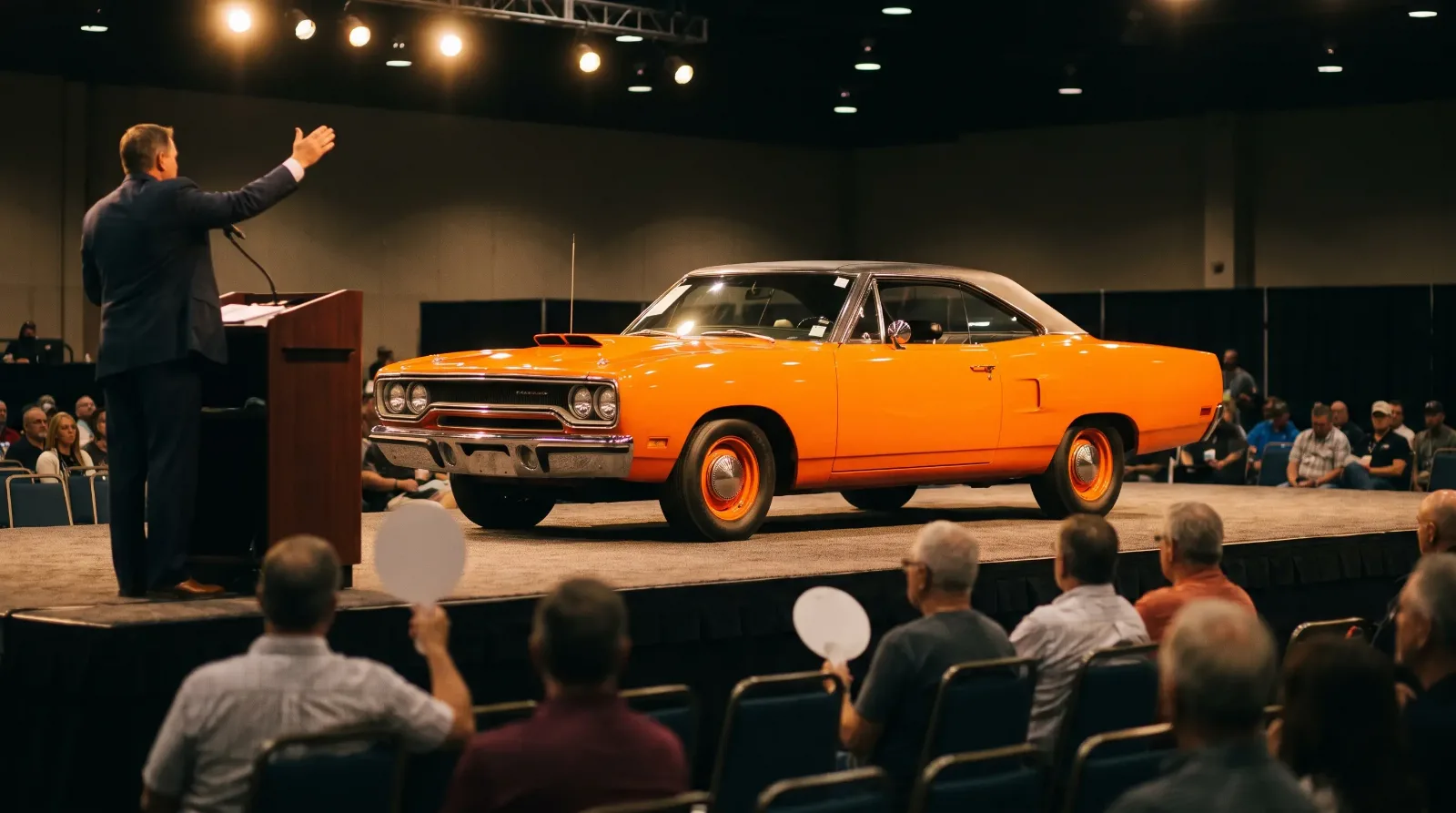
For a lender or insurer, a J.D. Power figure or a written appraisal usually settles the question, since those are the references such institutions already work with. Where you sell also shapes which numbers a buyer will lean on. An auction crowd watches recent hammer prices, a dealer works from wholesale, and a private buyer may arrive with anything. If you are still deciding on a route, the overview of every route covers how each one treats price. Whichever you choose, leave the blue book out of it. It was never built for a car like yours.
Sources and notes
- Kelley Blue Book: Frequently asked questions (values for older and collector cars)
- eCFR: 49 CFR Part 565, Vehicle Identification Number requirements
- U.S. Department of Justice: Effective date of motor vehicle identification numbers
- Hagerty Valuation Tools: the collector resource for vehicle values
- J.D. Power: Classic, Collectible, Exotic and Muscle Car Appraisal Guide
- Hagerty: What does a car's condition really look like?