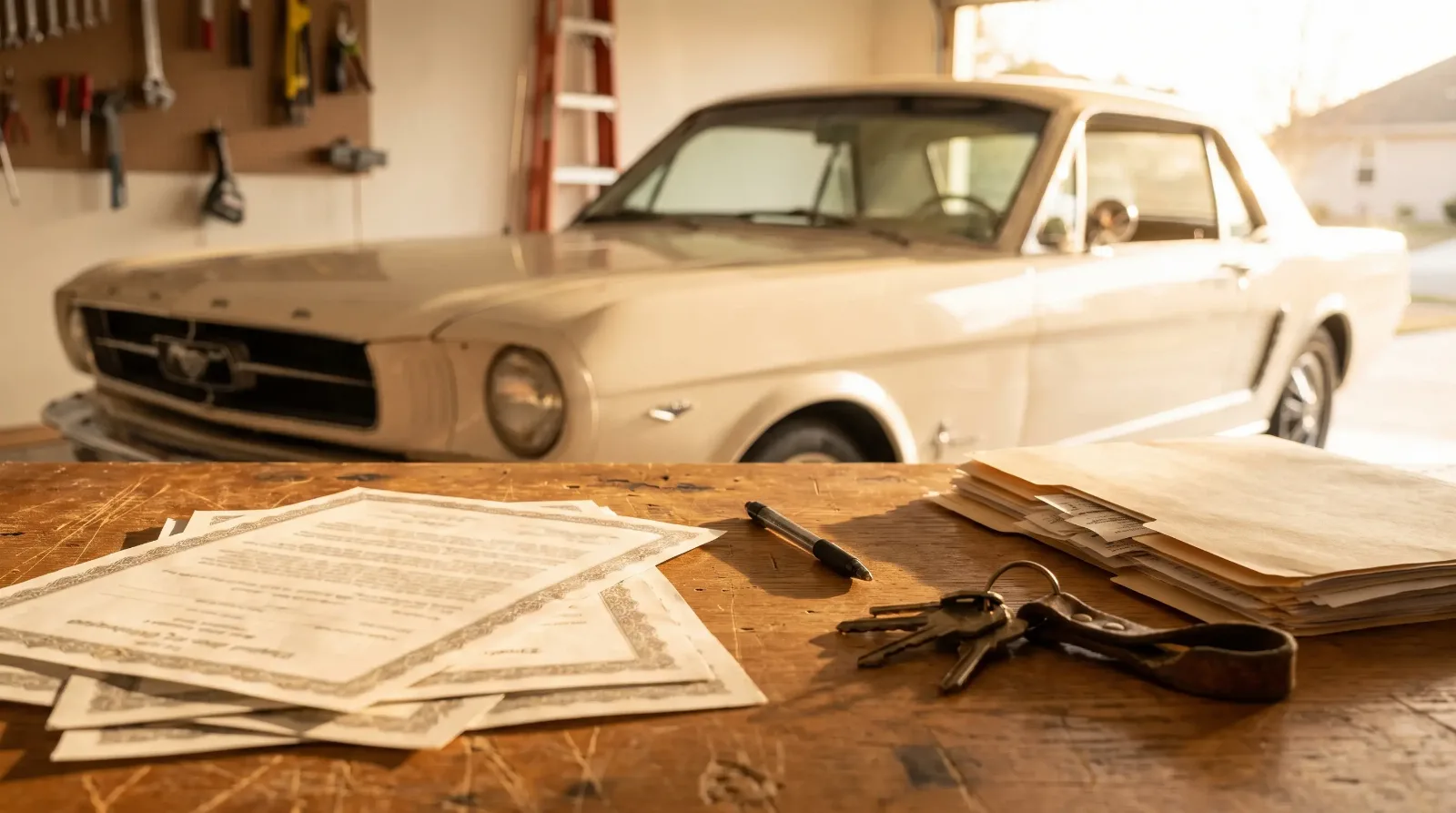
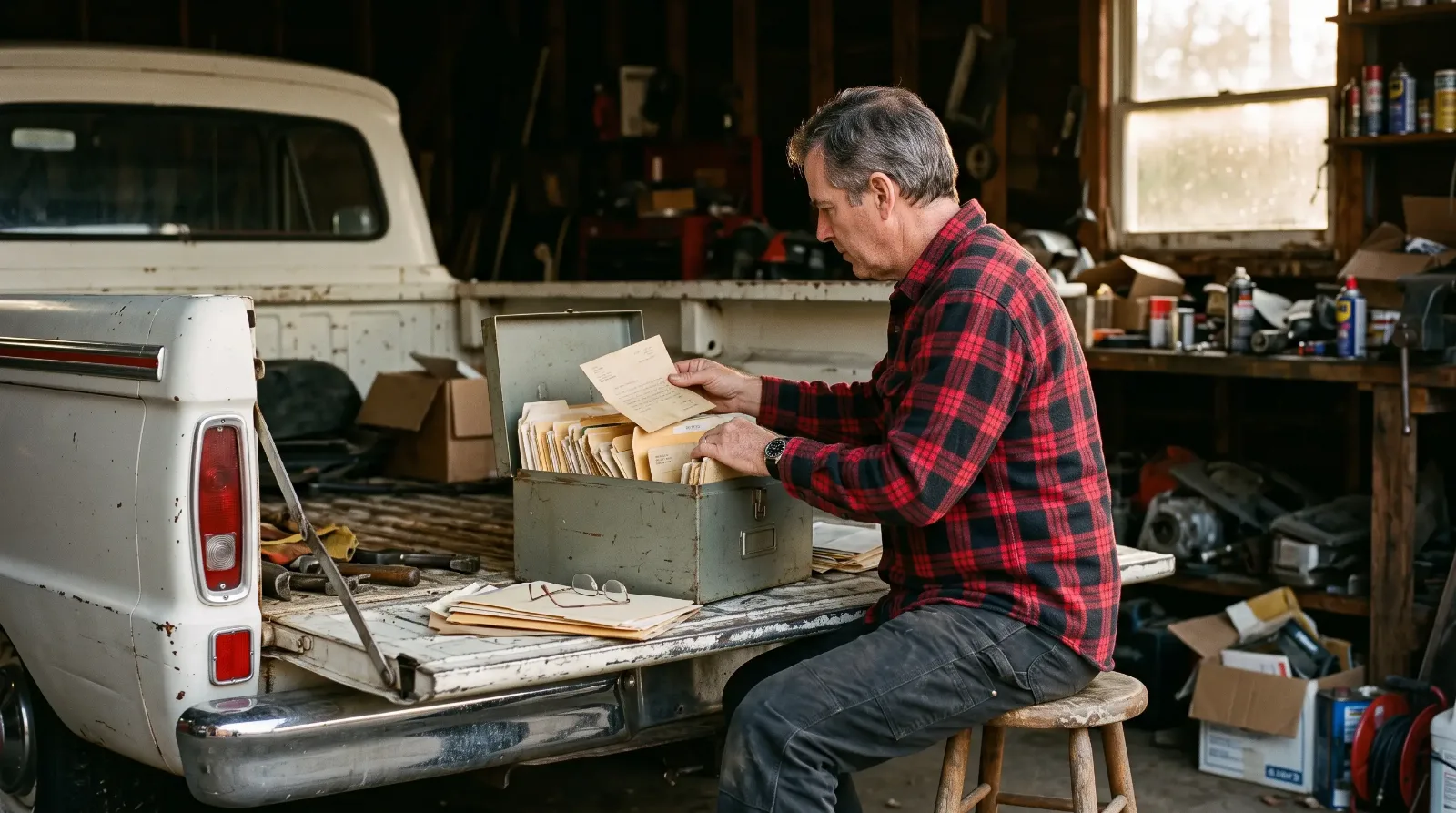
A lost car title is a paperwork problem, not a car problem. The truck still runs. The buyer still wants it. But without that one sheet of paper, the buyer cannot register it, and a careful buyer will not hand over real money for a vehicle they cannot put in their own name. So the fix comes first and the sale comes second. Not the other way around.
Most of the time the fix is boring: an application, an ID, a fee and a few weeks of waiting on the mail. It gets harder when the title was never in your name, when an old loan is still showing on the state record, or when the car was titled in a state you left years ago. This piece walks through all of it, in the order you will run into it. Rules differ by state and change over time, so take this as general information and confirm the details with your DMV.
Why you fix it before you list it
Some sellers figure they will list the car now and sort out the title "when somebody bites." That is backwards, and it costs money. Here is how it usually plays out. A buyer calls, likes the car, asks about the title, and hears "it's coming." Now the buyer is wondering what else is coming. Either they walk, or they stay and knock the price down to cover the risk. Then the duplicate takes longer than you said, and the deal goes cold anyway.
A title in hand changes the conversation. You answer the paperwork question in one sentence and get back to talking about the vehicle. It also lets you check the title against the car before anyone else does. If the VIN on the replacement does not match what is stamped on the frame or riveted to the door jamb, you want to find that out on your own time, not in front of a buyer.
Find out where it is titled and who is on it
Before you fill out any form, answer two questions. Which state holds the title record? And whose name is on it?
The state of record is the one that last issued a title for the car, which is not always the state you live in now. If you moved and never retitled, the duplicate has to come from the old state, and many states take duplicate applications by mail; California, for one, accepts its form by mail or in person. If you are not sure, the DMV in your current state can often run the VIN and tell you where the last title was issued.
The name matters just as much. A duplicate goes to the owner of record. If that is you, you are in good shape. If it is the person you bought the truck from twenty years ago, because you never got around to transferring it, a duplicate is not yours to request, and you are looking at one of the harder routes further down. While you are at it, check whether a lienholder shows on the record. An old car loan that was paid off decades ago can still be sitting there because nobody ever filed the release.
Applying for a duplicate: what the DMV will want
The duplicate process looks about the same from state to state. Forms and fees differ; the bones do not. Here is what to have ready before you go in or mail anything.
| What you need | Why | Notes |
|---|---|---|
| Your state's duplicate title application | The form that starts the request | California uses form REG 227; Texas uses form VTR-34 for a certified copy of title |
| Photo ID matching the owner of record | Proves you are the person on the title | Every owner listed may need to sign or appear |
| VIN, year and make | Locates the record | Copy the VIN from the vehicle, not from an old insurance card |
| Lien release, if a lender was listed | Lets the state issue a clean title | Get a release letter from the lender or its successor bank |
| Fee | Pays for the duplicate | California's replacement title fee is $28; Texas charges $2 by mail or $5.45 in person |
| Notarization, where required | Some states want the application notarized | Check the form instructions before you sign it |
Turnaround depends on the state and the season. Applying in person is usually faster than mailing it in. Texas, for example, says mailed applications can take up to 10 business days to process, before the title spends any time in the mail, and other states commonly run several weeks. Plan for the slow version.
The lien release is the part that trips people up on older vehicles. Banks merge, close and get bought, and the lender on a 1970s loan may not exist under that name anymore. Start with the bank that absorbed it; most large banks have a department that handles old lien releases. If nobody can be found, ask the DMV what it accepts in that case, because some states have a set procedure for it. California's registration procedures manual, for example, has a full chapter on legal owners who can no longer be found. Do not skip it and hope. A lien on the record means no clean title, and no clean title means no sale.
When a duplicate is not an option
Three situations put you outside the simple route.
The first is the jumped title. You bought the vehicle with a title the previous owner signed, you never transferred it, and the paper is now gone. The state record still shows them. If you can find that person, the cleanest fix is for them to request the duplicate and sign it over to you properly. People are often more helpful than you expect, especially when you offer to cover the fee and the notary.
The second is a broken chain with nobody left to call. That is what bonded titles are for. You buy a surety bond, the state issues a title branded as bonded, and the brand comes off after the bond period if nobody with a better claim turns up. Texas, for example, sets the bond at one and a half times the vehicle's value and keeps the brand for three years; other states use different numbers. A bonded title is a real title. Some buyers will still discount for it, so price it honestly.
The third is the inherited vehicle. The title is in a dead relative's name and nobody can find it. The duplicate has to be requested by whoever has legal authority over the estate, using the paperwork the state requires for that, and it usually goes hand in hand with the transfer to the heir. Sort out the estate side first and the title side follows.
"A bonded title on a forty-year-old truck is not a black mark. It just means somebody along the way lost track of a piece of paper. Tell the buyer up front, show them the bond paperwork, and most of them stop worrying about it."
— Robert Halloran
Selling once the replacement arrives
When the new title shows up, read it before you put it in the folder. Check the VIN against the vehicle. Check that your name is spelled right and the lien section is clear. If anything is off, take it back to the DMV now. A corrected title is a nuisance today and a lost sale next month.
From there it is a normal sale. Sign in the right boxes, print your name the way it appears on the front, do not leave the buyer section blank, and get any notarization your state calls for. The guide to transferring a classic car title covers the signing, the bill of sale and the release of liability in detail. Keep a photo of both sides of the signed title for your own records, along with your copy of the duplicate application. If anybody ever asks how a title came to be issued in your name, that file answers it.
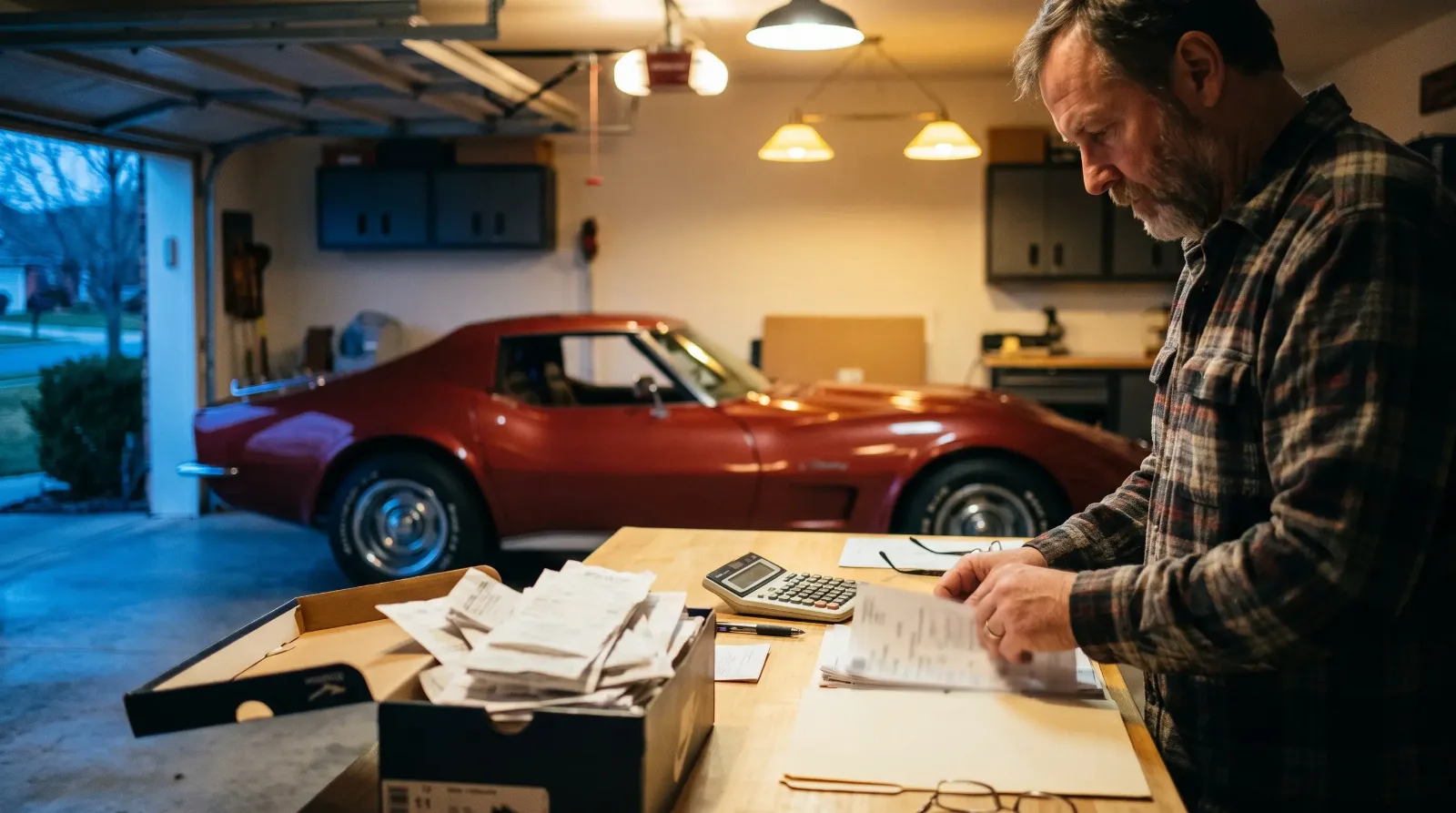
One more thing to keep straight. A replacement title is just paperwork; it does not change what you paid for the vehicle or what you put into it. Those receipts still set your cost basis if the sale comes out ahead, so keep them with the title file. For how a gain on an old car is treated, read up on taxes when selling a car privately before the money lands, not after.
Then list it. A vehicle with a clean title in the seller's name is about the easiest thing in this hobby to sell. All the lost title did was add a few weeks of waiting at the start.
Sources and notes
- California DMV: Title transfers and changes (REG 227 for lost, stolen or damaged titles)
- California DMV: Registration fees (replacement title, VC 9265)
- California DMV Vehicle Industry Registration Procedures Manual: Unavailable legal owners
- Texas Transportation Code 501.134: Certified copy of lost or destroyed title
- TxDMV bulletin: New law regarding certified copies of title