Here is the short answer to who pays sales tax when selling a car privately: the buyer, in almost every US state, and not at the moment of sale. The tax is collected when the buyer titles and registers the car, by the state where they register it, at that state's rate. The private seller collects nothing, remits nothing and files nothing with the sales tax authority. That much is consistent across most of the country.
The rest is less tidy, and it matters to sellers more than they expect. The buyer's tax bill is part of what the car costs them, so it shapes how hard they negotiate. It is also the reason some buyers ask for a lower number on the bill of sale. This piece walks through how the tax is calculated, how interstate sales work, which transfers are commonly exempt, and what the seller's real responsibilities are. It is general information, and state rules change; the buyer's own DMV or revenue department has the final word.
How private sale tax actually gets collected
A dealer collects sales tax at the counter and sends it to the state. A private seller is not a retailer, so most states shift the collection point to the title office. When the buyer applies for a new title, the clerk asks for the purchase price, usually from the title or the bill of sale, and the tax is due before the title and plates are issued. In many states this is technically a use tax or a motor vehicle excise tax rather than a sales tax, but from the buyer's side the effect is the same: no tax paid, no registration.
The rate is the buyer's problem in a literal sense. It depends on where the buyer lives and registers the car, not where you live or where the car was sitting when they paid. Statewide rates on vehicle purchases run from zero to roughly 7 percent, and some states add county or city tax on top. Five states, Alaska, Delaware, Montana, New Hampshire and Oregon, have no general statewide sales tax, though Alaska allows local sales taxes and all of them charge title or registration fees a buyer will still feel. Delaware is the notable one: it charges a document fee on titling that has been 5.25 percent of the purchase price since October 1, 2025, which works like a sales tax in everything but name.
For sellers, the useful takeaway is that the buyer's total cost is the price plus tax plus fees. An illustrative $40,000 car registered in a state charging 7 percent costs the buyer $42,800 before title and plate fees. That $2,800 is real money to them, and it is often what a buyer is thinking about when an offer comes in lower than you hoped.
Book value, minimum value and the "lower price" request
States know that private sale prices are self-reported, and several do not simply accept the number on the bill of sale. Texas, for example, taxes a used vehicle bought from a private seller at 6.25 percent of the greater of the price paid or 80 percent of the vehicle's standard presumptive value, unless the buyer supports a lower figure with a certified appraisal. Texas also exempts vehicles eligible for classic plates from that presumptive value rule, so on most classics the tax falls back on the stated price. Other states use a book value, an assessed value or a minimum taxable amount when the reported price looks low. For classic cars, where mainstream book values often do not exist or are badly wrong, the practical result varies by state: some fall back on the stated price and some ask for an appraisal.
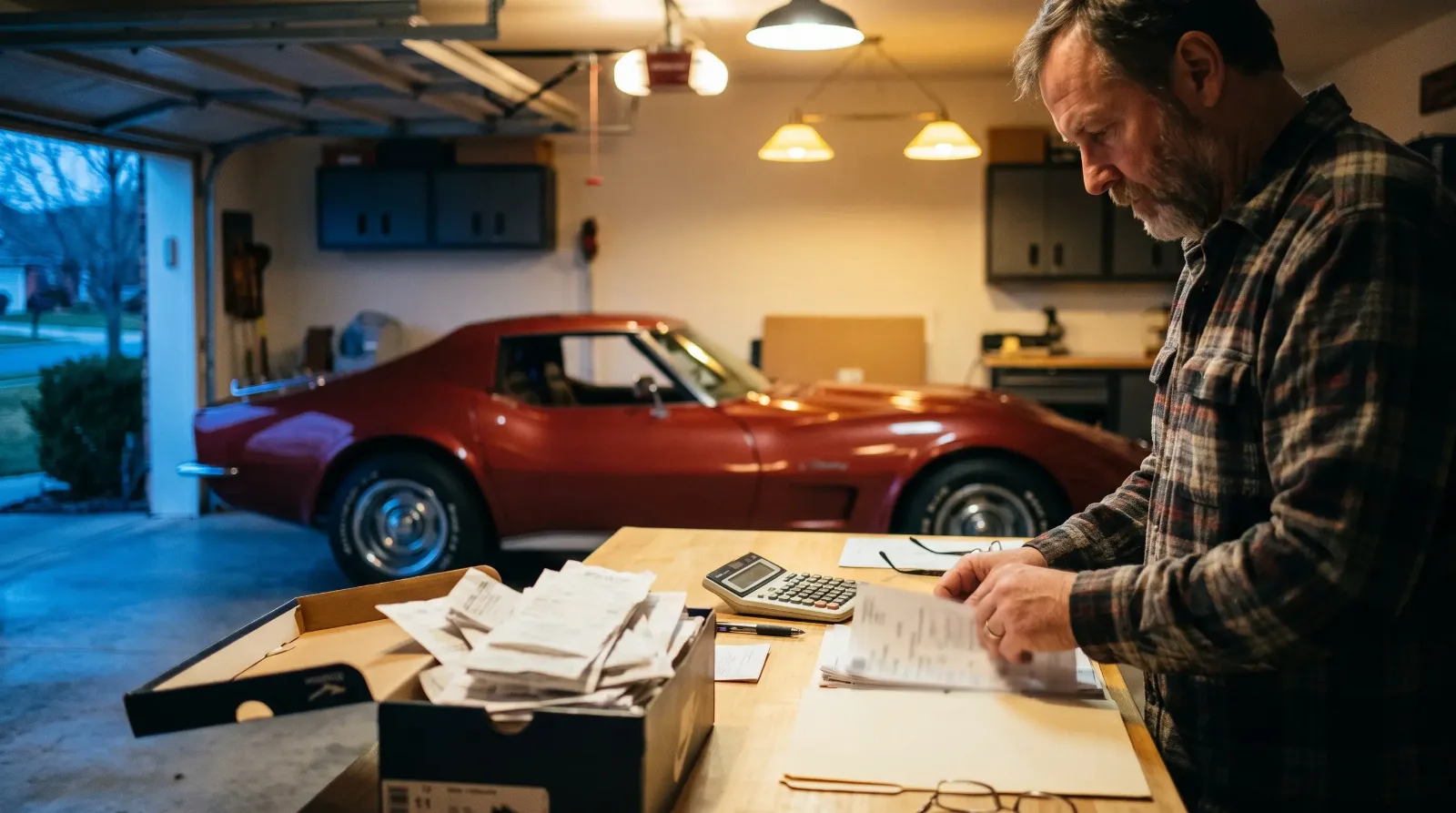
This is where the "write a lower price, it saves me on tax" request comes from. The answer is no, and not only on principle. Understating the price on a bill of sale to reduce sales tax is tax fraud in every state, and the seller's signature is on that document. It also sets the official record of what you received, which is the same figure you would use for proceeds if the sale ever produces a federal gain. A seller who writes $15,000 on a $40,000 deal has created a document that is wrong in two directions at once.
"I read a lot of sale records. The ones that cause trouble later are almost never the high prices. They are the bills of sale where both sides agreed to a fiction because it saved somebody a couple of thousand dollars. The real number protects the seller more than anyone."
— David Mercer
If a buyer genuinely thinks the state's assessed value is too high for a rough car, the remedy is on their side of the counter: an appraisal, condition photos, or whatever process their state offers to contest a valuation. A seller can help with an honest condition description on the bill of sale. Changing the price is not help.
Out-of-state buyers and common exemptions
Classic cars cross state lines more than ordinary used cars do, so the interstate case is the normal case for many sellers. The rule of thumb is that tax follows registration. A buyer from Arizona who pays you in Ohio and trucks the car home pays Arizona tax when they register it in Arizona. They generally do not pay Ohio tax, because the sale is private and Ohio is not where the car will be titled. Where a buyer did pay tax to another state, most states give a credit against their own tax so the same purchase is not taxed twice, though the details differ and a few states do not.
Several kinds of transfer are commonly exempt or taxed differently. The table below sets out the usual patterns. Treat every row as a starting point for a phone call, not a rule.
| Scenario | Who usually pays | Where and how |
|---|---|---|
| Private sale, buyer in your state | Buyer | At title and registration, on the stated price or a state value |
| Private sale, buyer in another state | Buyer | In the buyer's home state when registered there |
| Sale to a licensed dealer | Nobody at that step | Dealer buys for resale; tax is collected when the dealer sells the car |
| Consignment or dealer-handled sale | Buyer | Dealer may collect at the sale, depending on the state and buyer residence |
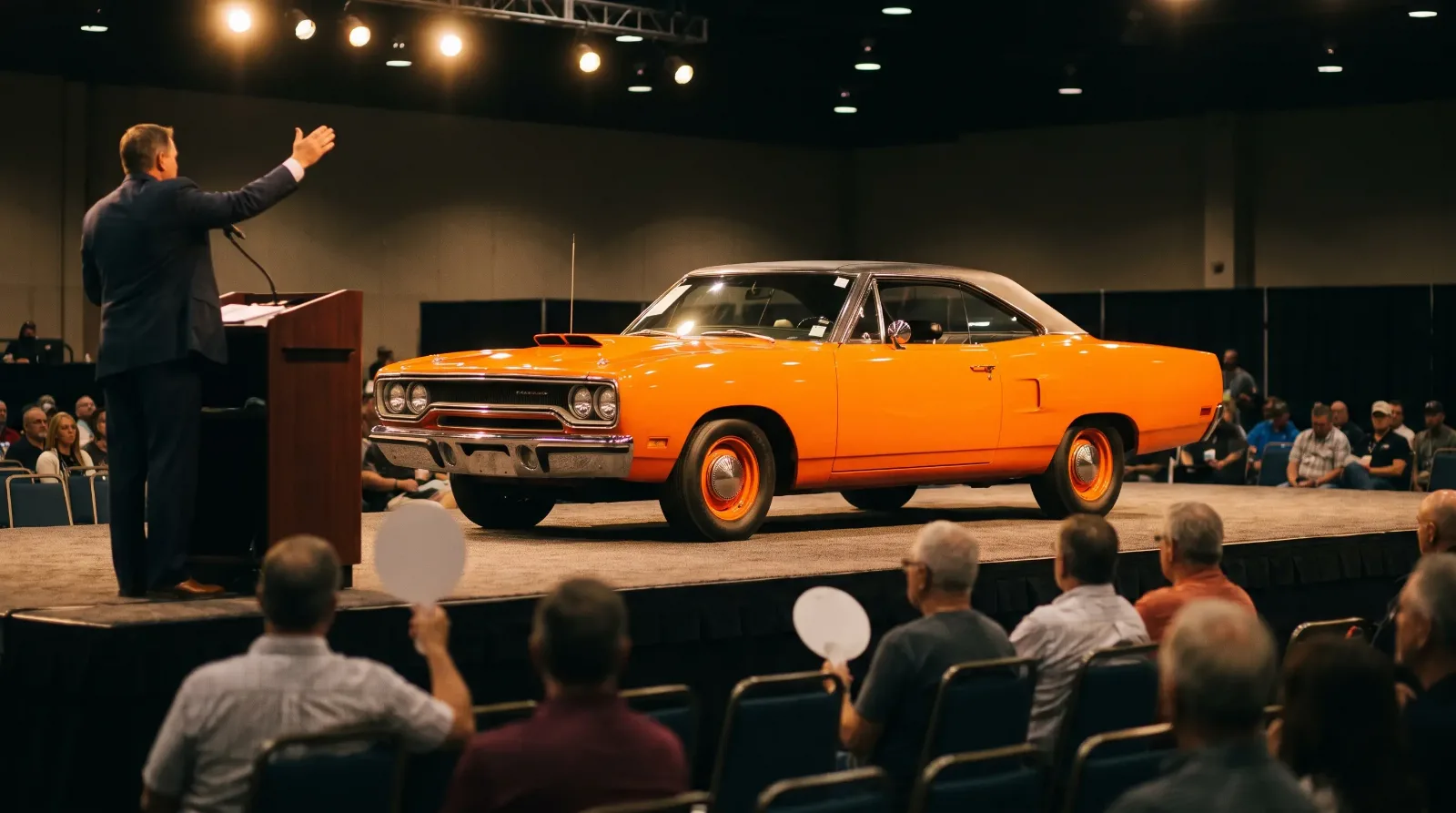
| Live or online auction | Buyer | Some auction houses collect in certain states; others leave it to registration |
| Transfer between close family members | Often nobody | Many states exempt or flat-fee some family transfers; the list of relatives varies |
| Gift with no money changing hands | Often nobody | Usually needs a signed gift affidavit or similar form; some states charge a small flat gift tax |
| Inherited vehicle | Usually nobody | Transfer through an estate is generally not a taxable sale |
What the seller is actually responsible for
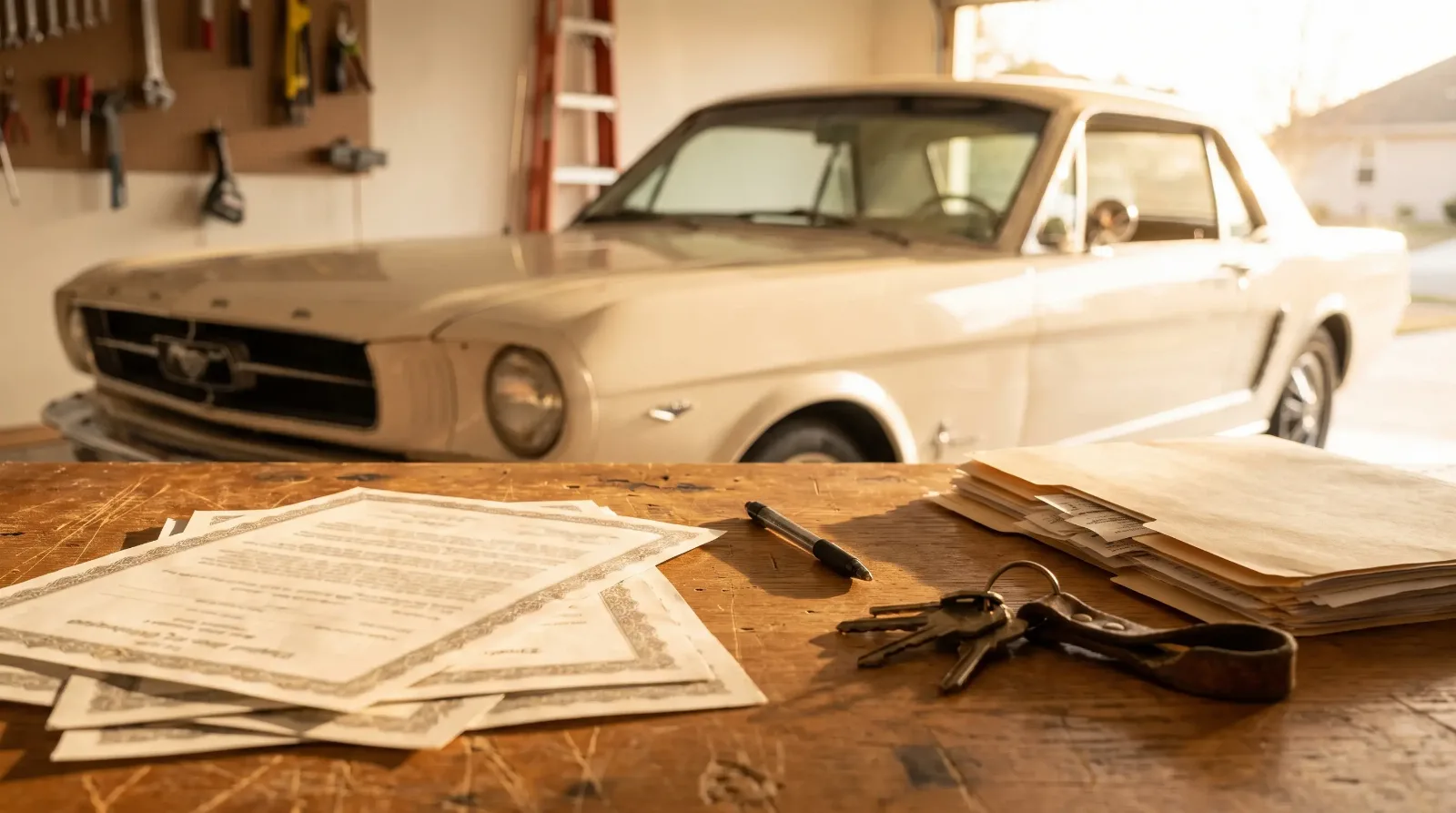
In a private sale your responsibilities are narrow, and most of them are about paper. Fill in the sale price on the title where the form asks for it, and write the same figure on the bill of sale. Date both. Hand over a clean title and a bill of sale that lets the buyer's DMV calculate tax without guessing. If your state requires a notarized signature or a seller's affidavit of price, complete it (Pennsylvania and Ohio, for example, require the seller's signature on the title to be notarized); a buyer stuck at the counter because a form is missing will call you, and you want that call to be short.
You do not collect the tax, you do not hold it in escrow and you do not need a sales tax permit to sell your own car. That changes only if you are selling vehicles often enough to look like a dealer. Most states set a limit on how many vehicles a private individual can sell in a year before a dealer license is required, anywhere from two to about five or six depending on the state. A collector thinning a small collection is rarely near it. Someone flipping cars for profit can be.
Canadian buyers are a separate case. A US car imported into Canada is subject to the 5 percent GST at the border, and the provincial sales tax or the provincial part of the HST is collected when the buyer registers it in their province, all paid by the buyer. As the seller, your job is the same: accurate title, accurate bill of sale, and the export paperwork the buyer's broker asks for.
Sales tax is one item on a longer checklist. For the title transfer, liens and the federal tax picture, our guide to selling a classic car covers the full paperwork set. And once the buyer has driven off, the release of liability, the plates and the insurance still need attention; there is more on what to do after selling a car privately in a separate piece. My view, for what it is worth: the sellers who never hear about sales tax again are the ones who wrote down the real price and let the buyer's state do the rest.
Sources and notes
- 34 Tex. Admin. Code 3.79: Standard presumptive value
- Delaware DMV: Vehicle document fee change (5.25% from Oct 1, 2025)
- CBSA Memorandum D2-3-6: GST on imported vehicles, provincial tax at registration
- Tax Foundation: State and local sales tax rates, 2026
- Florida dealer presumption: three or more vehicles in 12 months
- IRS Topic 409: Capital gains and losses