
Somewhere early in a restoration, usually right after the car is stripped and the real money starts going out the door, you have to answer one question honestly. What is this car going to be when it's done? A trailer queen that gets judged to the last hose clamp, or a driver you actually turn the key on and take somewhere. Concours versus driver-quality is not a small distinction. It's the difference between a $30,000 restoration and a $90,000 one on the exact same Chevelle, Mustang, or Road Runner.
Restoration & Tech
6 min read
Concours vs Driver-Quality: Choosing Your Level
Concours or driver-quality? Learn what each restoration level costs, demands, and delivers, and how to match the standard to your muscle car.
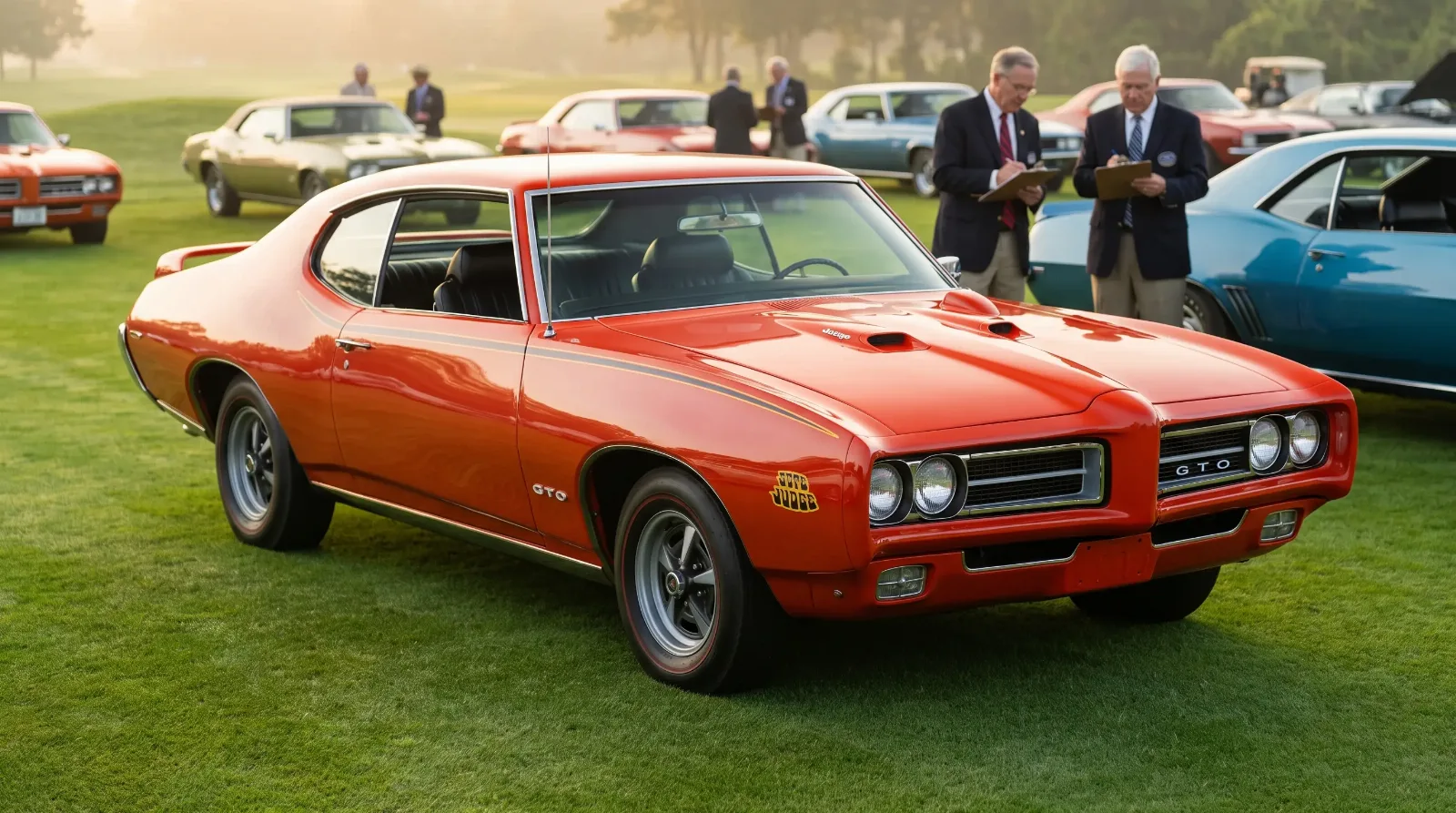
Most first-timers assume they want concours because it sounds like the best version. Then they see the bills and understand that best and right are not the same word. Let me walk you through what each level actually means and how to figure out which one fits the car you've got.
What concours actually demands
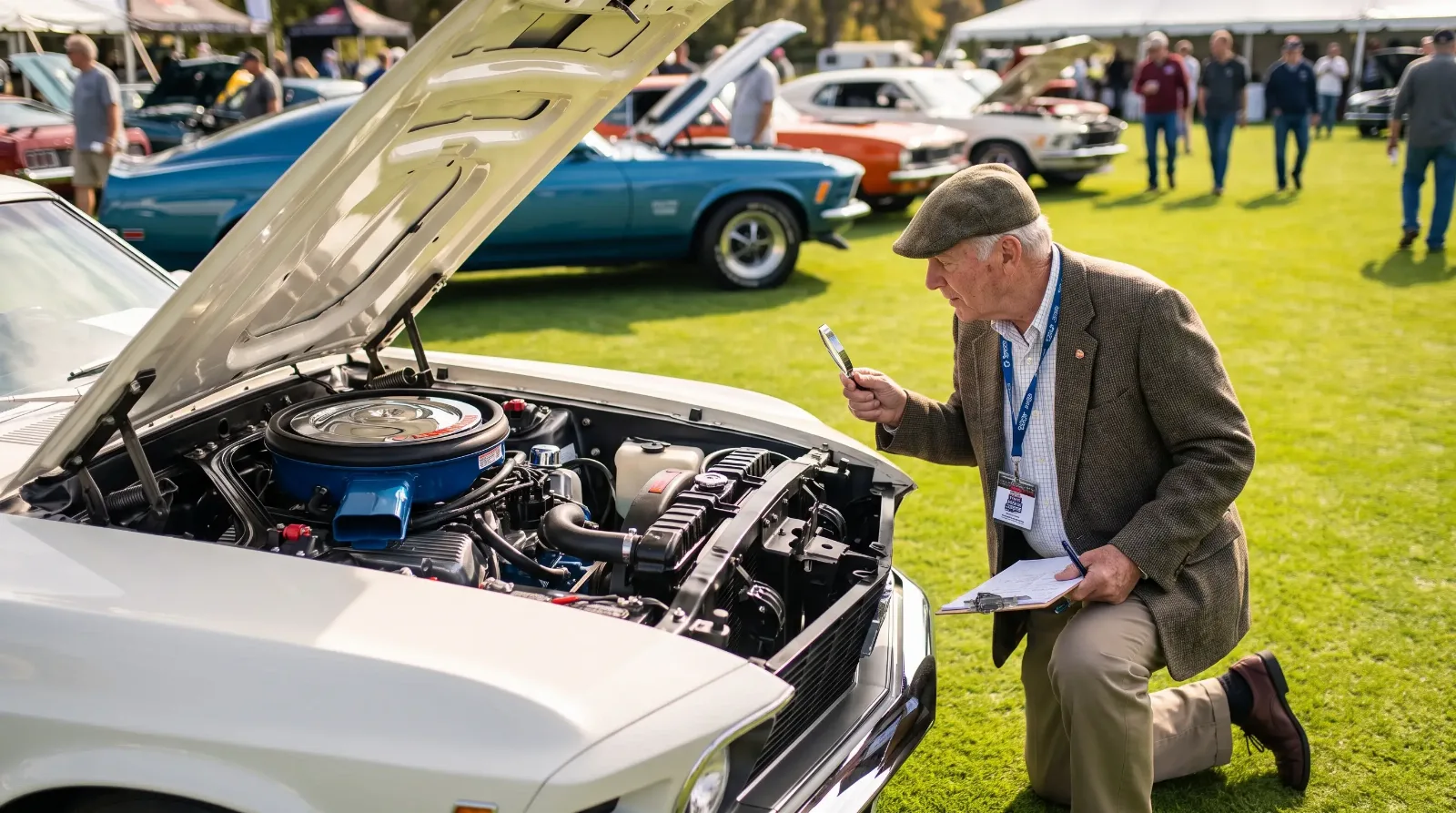
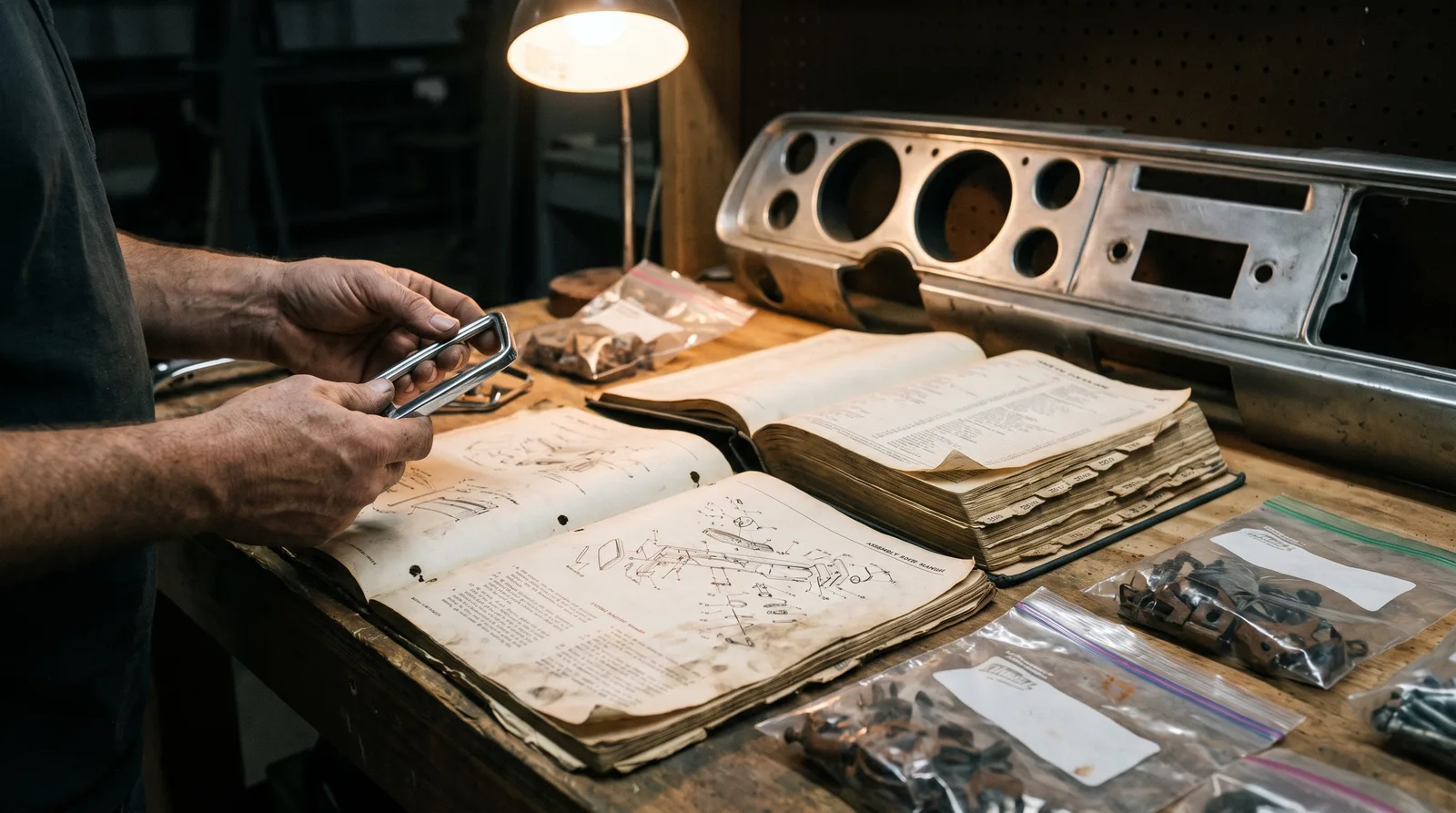
Concours means correct. Not just pretty, correct. Every part matches what the factory installed, down to the finish on the bolt heads, the ink stamp on the frame, the exact date-coded glass, the correct hose clamps and paint markings. Judges at a serious event go over the car with a checklist and deduct points for anything that's wrong, missing, or replaced with something the factory never used. A concours restoration replicates the car as it left the assembly line, including flaws the factory built in.
That level of correctness is expensive and slow. You're hunting down NOS and correct original parts, paying for correct plating and finishes, and often redoing work that would pass fine anywhere else. It's a research project as much as a mechanical one. For a rare, valuable, numbers-matching car, it pays off, both in trophies and in what the car brings when it sells. For a base-engine driver, it's money you'll never see again.
What driver-quality really means
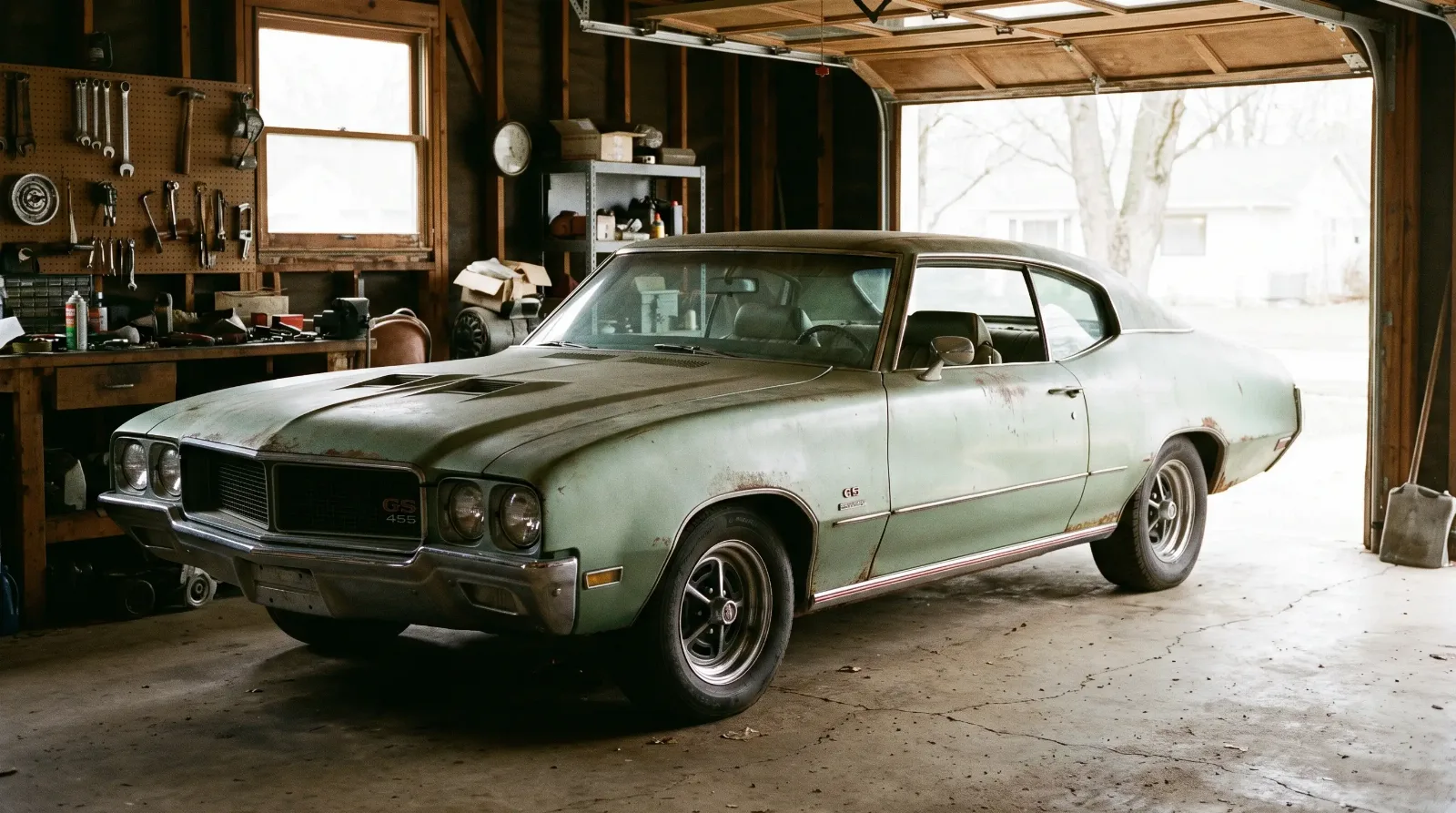
Driver-quality is a car restored to look good, run right, and get used. Fresh paint, sorted mechanicals, a nice interior, reliable brakes and cooling. It might have reproduction parts, a modern alternator, radial tires, an aftermarket carburetor that actually starts on a cold morning. Nobody's checking the date codes because nobody's judging it. You built it to drive, and it drives.
This is the right level for the overwhelming majority of muscle cars and the people who own them. A driver-quality restoration costs a fraction of concours, gets done in a fraction of the time, and gives you a car you can enjoy without a heart attack every time a rock kicks up. There's a whole middle tier too, sometimes called show-driver, where the car is nice enough to win a local show but you're still comfortable putting miles on it.
| Level | Correctness | Rough cost multiple | You do what with it? |
|---|---|---|---|
| Driver-quality | Looks right, runs right | 1x baseline | Drive it anywhere, anytime |
| Show-driver | Mostly correct, some updates | 1.5x to 2x | Win local shows, still drive it |
| Concours | Factory-exact, judged | 3x or more | Trailer it, show it, rarely drive it |
Cost, time, and where they split
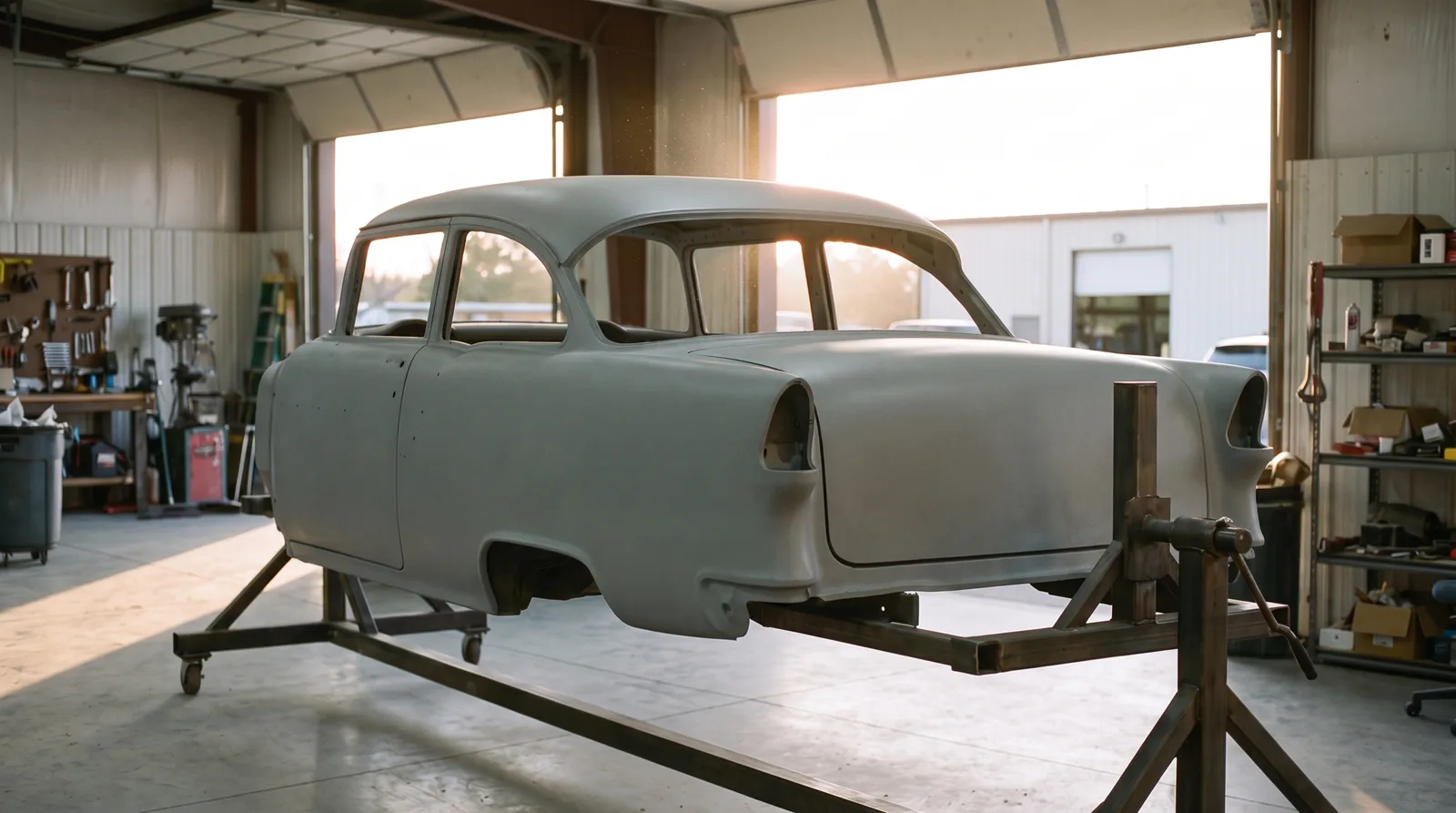
The gap between these levels is huge, and it widens the closer you push toward correct. Getting a car to driver-quality is mostly about doing solid, honest work on paint, mechanicals, and interior. Getting that same car to concours means the last ten percent of correctness costs more than the first ninety percent of the whole job. Chasing the right cad-plated bolt, the correct-date carburetor, the factory exhaust stampings. That's where the hours and the money vanish.
Time follows the same curve. A good shop can turn a driver in a year. A concours car can eat three or four, because so much of the work is waiting on the correct part to surface, then redoing something to hit the standard. If you don't have the patience or the budget for that, and most people don't, driver-quality isn't settling. It's the smart call.
🔧 Inspection Priorities
- Documentation. Build sheet, window sticker, trim tag decoding. Concours needs a paper trail. No documentation, no serious judging, so don't spend concours money without it.
- Numbers-matching status. A matching drivetrain justifies concours spend. A replacement engine usually doesn't. Verify before you commit.
- Rarity and desirability. Rare options and high-performance packages reward correctness. Base cars rarely do.
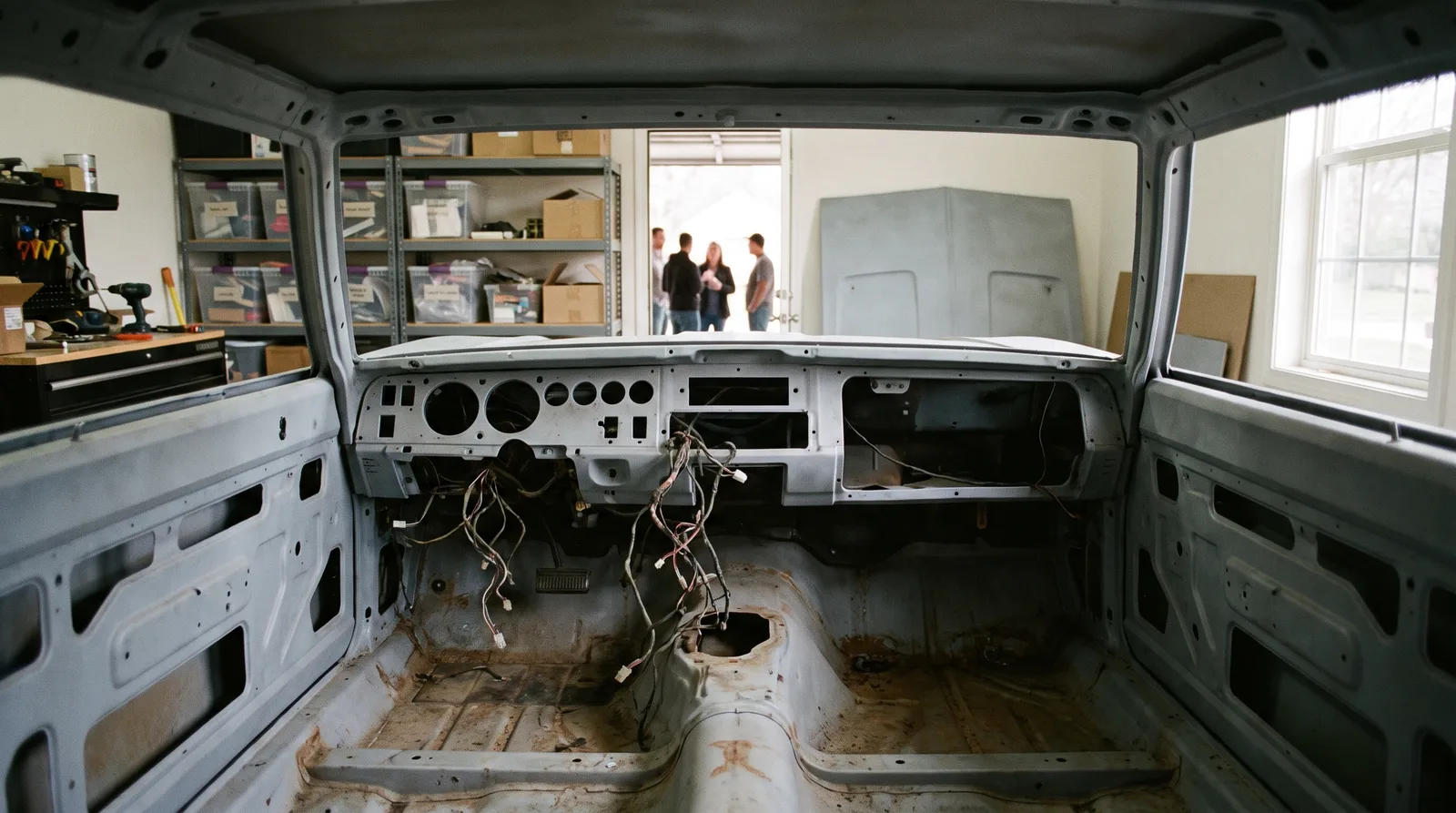
- Existing correctness. The more original the car still is, the shorter the road to concours. A previously butchered car is a long, costly climb.
Choosing the level for your car
Match the restoration to the car and to yourself. A documented, numbers-matching, rare-option car is a candidate for concours, and the market will pay you back for it. A solid but ordinary car, or one you plan to actually drive, is a driver-quality build every time. The mistake is spending concours money on a car that will never return it, or worse, starting down the concours road, running out of money halfway, and ending up with a car that's neither correct nor finished.
Be honest about how you'll use it too. If the thought of putting a thousand miles a year on the car makes you happy, build a driver. If you'd rather trailer it and win trophies, and you have the car and the budget to justify it, go concours with your eyes open. This decision runs through everything else you'll do, and it's one piece of the larger the muscle car restoration story that ties parts, budget, and long-term ownership together.
"There's no shame in a driver. Some of the best cars I've owned would've scored poorly at a judged show and I didn't care one bit, because I drove them. A concours car you're scared to start isn't a car. It's furniture with a title."
Mike Sullivan
When leaving it alone beats both
One more path worth naming. Sometimes the right answer is not concours or driver. It's leaving a genuinely original car mostly as it is. An unrestored survivor with honest patina can be worth more than either restoration level, because you can only take a car apart once, and originality doesn't grow back. Before you strip a car that's wearing its factory finish, think hard about whether restoring it is even the right move. That's a real fork, and you can read the full story on when preservation beats a full restoration.
Whatever level you land on, decide it up front and build to it. The cars that go wrong are the ones where the owner never picked a lane. They start driver, drift toward concours when they see a nice example at a show, blow the budget, and finish neither. Pick your standard, price it honestly, and build the car you'll actually enjoy owning.
Related Reading
Have a
Classic Car
for Sale?
Reach thousands of serious classic car collectors across the US.
Sell It Here →
Are You a Classic Car Dealer?
List your full inventory and connect with targeted classic car buyers.
Join as a Dealer →

About the author
Mike Sullivan
Detroit-area muscle car enthusiast and restoration specialist with three decades of hands-on experience working on American iron.
More in Restoration & Tech
Comments
Be the first to comment on this article.