
There is a phrase that gets repeated at every show and it deserves more scrutiny than it usually gets. "It's only original once." People say it, nod, and then go home and restore the car anyway. The saying is correct. Original paint, original interior, the factory finishes on the underside, the assembly markings, once they're gone they do not come back. A restoration replaces them with a reproduction of what was there. That is a real loss, and on the right car it is a loss worth avoiding.
Restoration & Tech
6 min read
Preservation vs Restoration: When to Leave It Alone
It's only original once. Learn when preserving a survivor muscle car beats restoring it, and how to decide before you strip a thing.
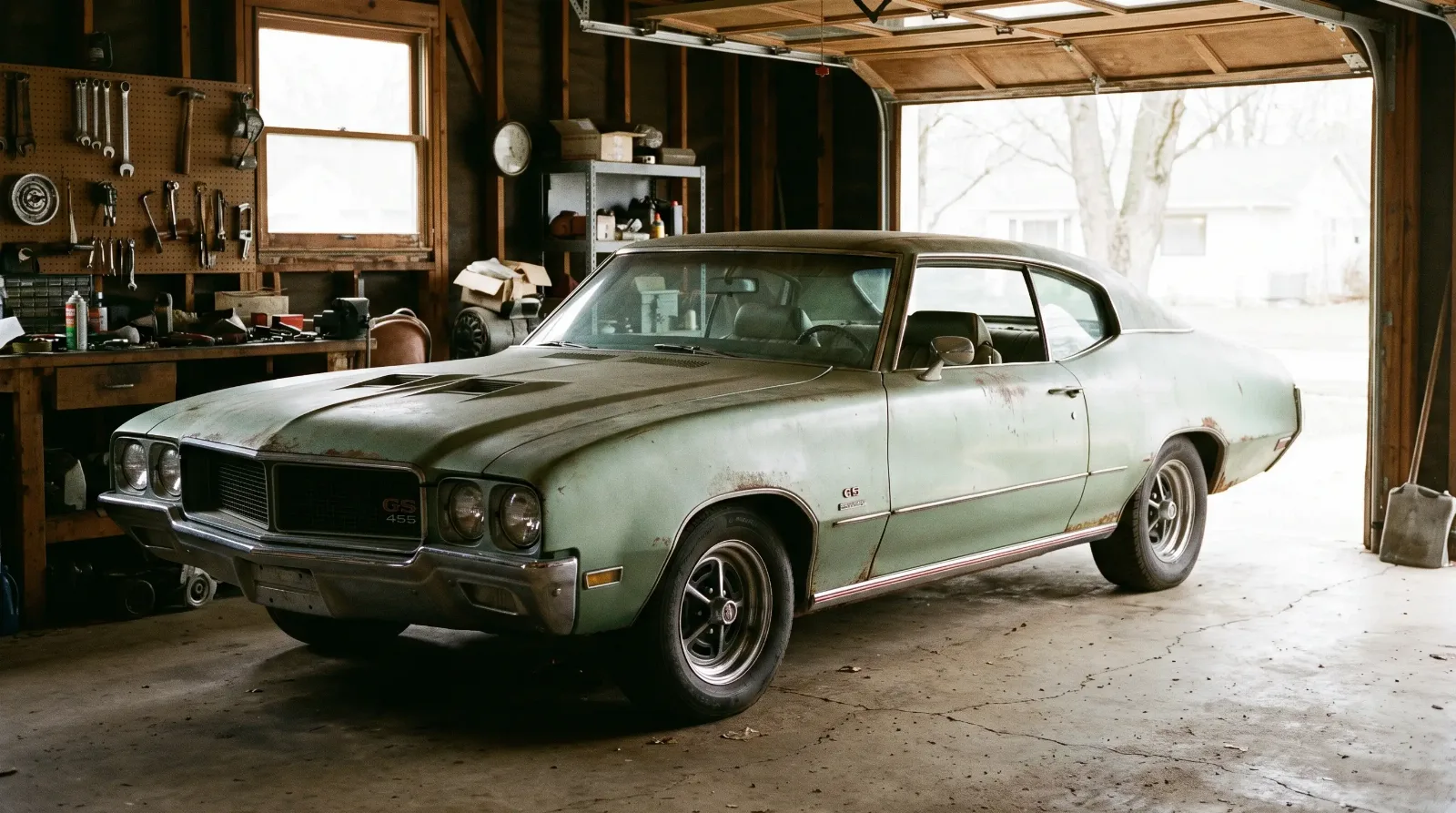
Preservation versus restoration is a decision about what a car is worth to the record. Not just its dollar value, though that matters, but its value as an accurate example of how these cars were actually built. On a rare, documented, well-preserved muscle car, the honest answer is often to leave it largely alone. Let me explain when that's true and when it isn't.
Why originality carries weight
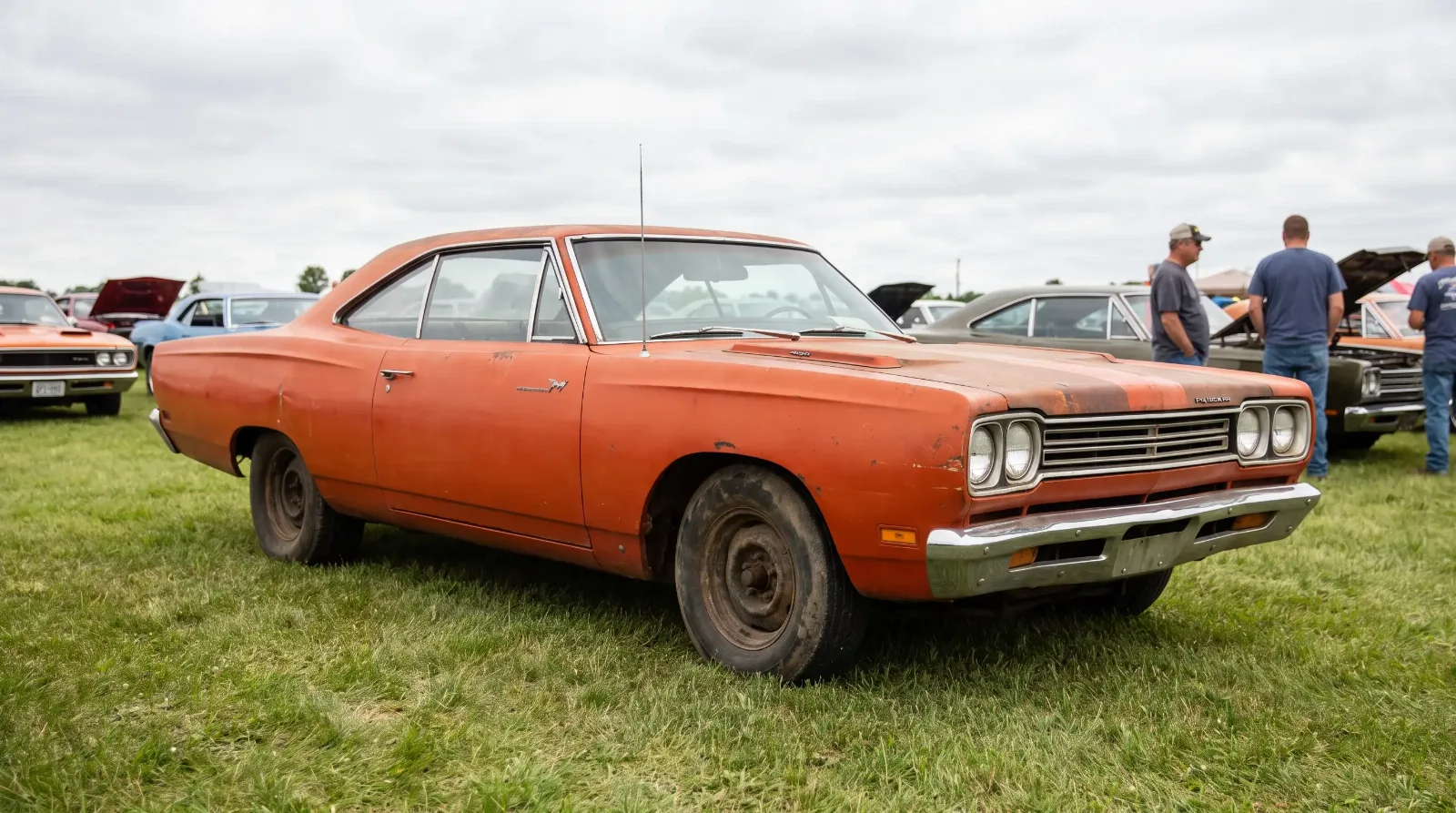
An unrestored original car is a primary source. It shows you exactly how the factory applied the paint, where the overspray landed, what the inspection marks looked like, how the seams were sealed. No restoration, however careful, reproduces all of that perfectly, because much of it was never documented and can only be read off surviving original cars. When you strip a genuine survivor, you destroy that record. The information does not exist anywhere else.
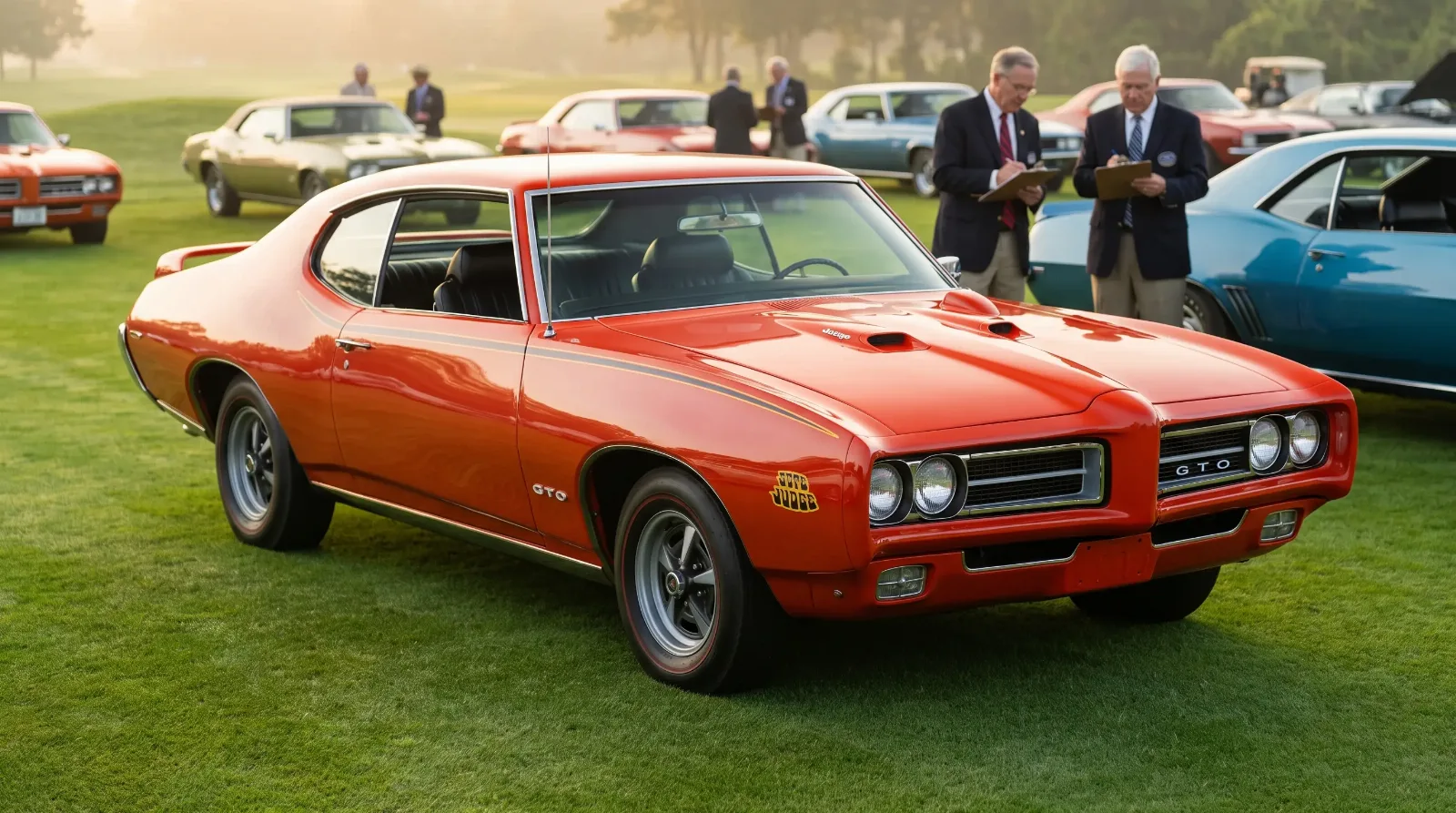
The market has caught up to this. Preservation-class judging exists at major events specifically to reward original, unrestored cars, and well-preserved survivors frequently sell for more than restored examples of the same model. The logic is simple. A restored car is one of many restored cars. A genuinely original one is finite and shrinking, and once it's restored it joins the larger pile. Scarcity favors the untouched car.
What preservation actually means
Preservation is not neglect, and this is where people get it wrong. Leaving a car original does not mean leaving it to rot. It means conserving what's there rather than replacing it. You stabilize rust before it spreads, you service the mechanicals so the car runs and stops safely, you clean and protect the original finishes rather than stripping them. You keep the car as a functioning, honest artifact instead of a fresh reproduction.
Done properly, preservation takes real discipline. The instinct to make everything new is strong, and resisting it while still keeping the car sound is harder than it sounds. You're maintaining, not remaking. A preserved car will show its age, and that's the point. The patina, the honest wear, the original surfaces are the value, not defects to be corrected.
| Approach | What you keep | Best candidate |
|---|---|---|
| Preservation | Original paint, interior, finishes, markings | Rare, documented, solid survivor |
| Sympathetic repair | Most originality, fixes only what's failing | Original car with localized damage |
| Full restoration | Little to none of the original surfaces | Rusted, incomplete, or previously modified car |
When restoration is the right call
Preservation is not the answer for most cars, and pretending otherwise does the hobby no favors. If a car has serious structural rust, if it's been repainted a different color, if the interior is gone and the drivetrain has been swapped, there is no original condition left to preserve. Restoration is the honest path, because the car has already lost the originality that would have justified leaving it alone.
The same is true for a car you intend to drive hard and enjoy. A survivor with fragile original paint is a car you baby. If what you want is a muscle car to put miles on without fretting over every stone chip, a good restoration or a driver-quality car makes far more sense than agonizing over a finish you're afraid to expose to the road. There's no wrong answer here, only a mismatch between the car and how you plan to use it. If this is your first project and you're weighing which car to start with, the choice of platform matters as much as the philosophy, and you can read the full story on that.
🔧 Inspection Priorities
- Originality of finish. Confirm the paint and interior are genuinely factory before deciding. A repaint changes everything. Blacklight and edge inspection help.
- Documentation. Build records, original bill of sale, and matching numbers make a survivor worth preserving. Without them, the case weakens.
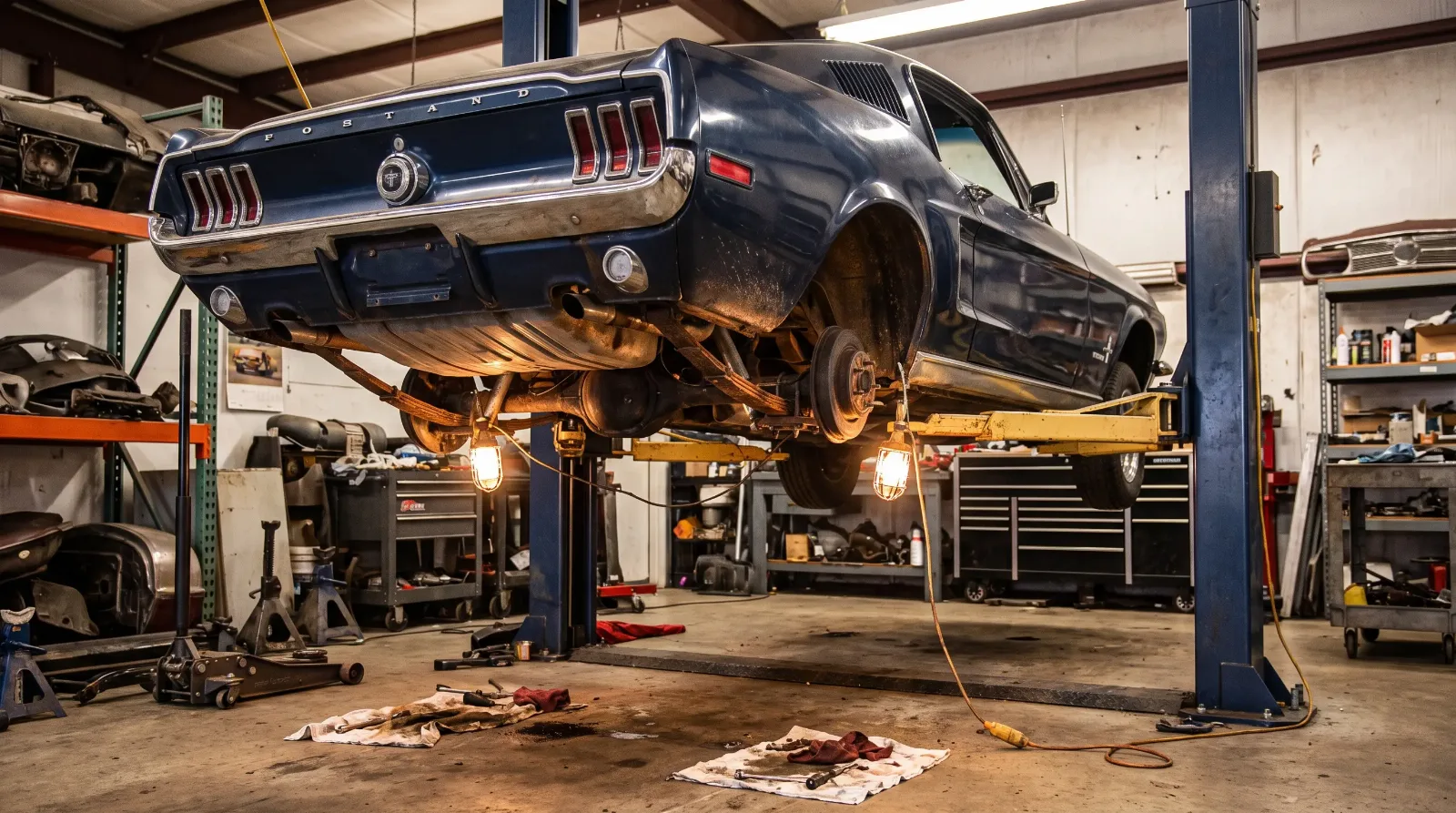
- Structural integrity. Preservation assumes the car is sound. Hidden frame or floor rot may force a repair the original condition can't survive.
- Completeness. Missing original components can't be preserved. The more complete the survivor, the stronger the case to leave it alone.
How to decide before you strip anything
The one rule I'd give anyone is this. Do not disassemble a potentially original car until you've established what you actually have. Get the documentation. Decode the trim tag and the numbers. Have someone who knows the model confirm whether the finishes are factory. Once you understand the car, the decision usually makes itself, because a rare documented survivor and a rusted-out project car call for completely different answers.
If you're on the fence, err toward caution. You can always restore a car later. You can never un-restore one. A car left original this year can still be restored next year if you change your mind, but a car stripped to bare metal is a decision you cannot walk back. This restraint is one thread of the broader muscle car restoration explained approach, and it fits into the longer arc of our American muscle car story as much as any engine or option code does.
"I've watched people strip a documented survivor down to bare steel because they thought new was better. Two years and a lot of money later they had a nice restored car and a permanently smaller pool of original ones. The paint you sanded off was the rarest thing about it."
Tom Ramirez
Preservation is not for every car, and it takes a particular kind of owner to appreciate a car that shows its years honestly. But when you have a genuine, documented, well-kept survivor in front of you, slow down before you reach for the sander. The market, the record, and the next generation of researchers will all thank you for the one you left alone.
Related Reading
Have a
Classic Car
for Sale?
Reach thousands of serious classic car collectors across the US.
Sell It Here →
Are You a Classic Car Dealer?
List your full inventory and connect with targeted classic car buyers.
Join as a Dealer →

About the author
Tom Ramirez
Corvette researcher and historian based in Bowling Green, Kentucky. Two decades documenting Corvette production history from original factory records.
More in Restoration & Tech
Comments
Be the first to comment on this article.