
I have pulled apart enough of these cars to tell you the truth up front: the price on the windshield is almost never the price of the car. It is the price of admission. Whatever you pay to buy a muscle car, budget for the second bill, the one that shows up after you get it home and start finding out what the last three owners covered up. That is not me being sour. That is four decades of buying American iron and being wrong exactly often enough to get careful.
Restoration & Tech
9 min read
Restoring & Owning a Classic Muscle Car
What a classic muscle car restoration really costs, where the expensive rust hides, how numbers matching works, and what it takes to own one long term.
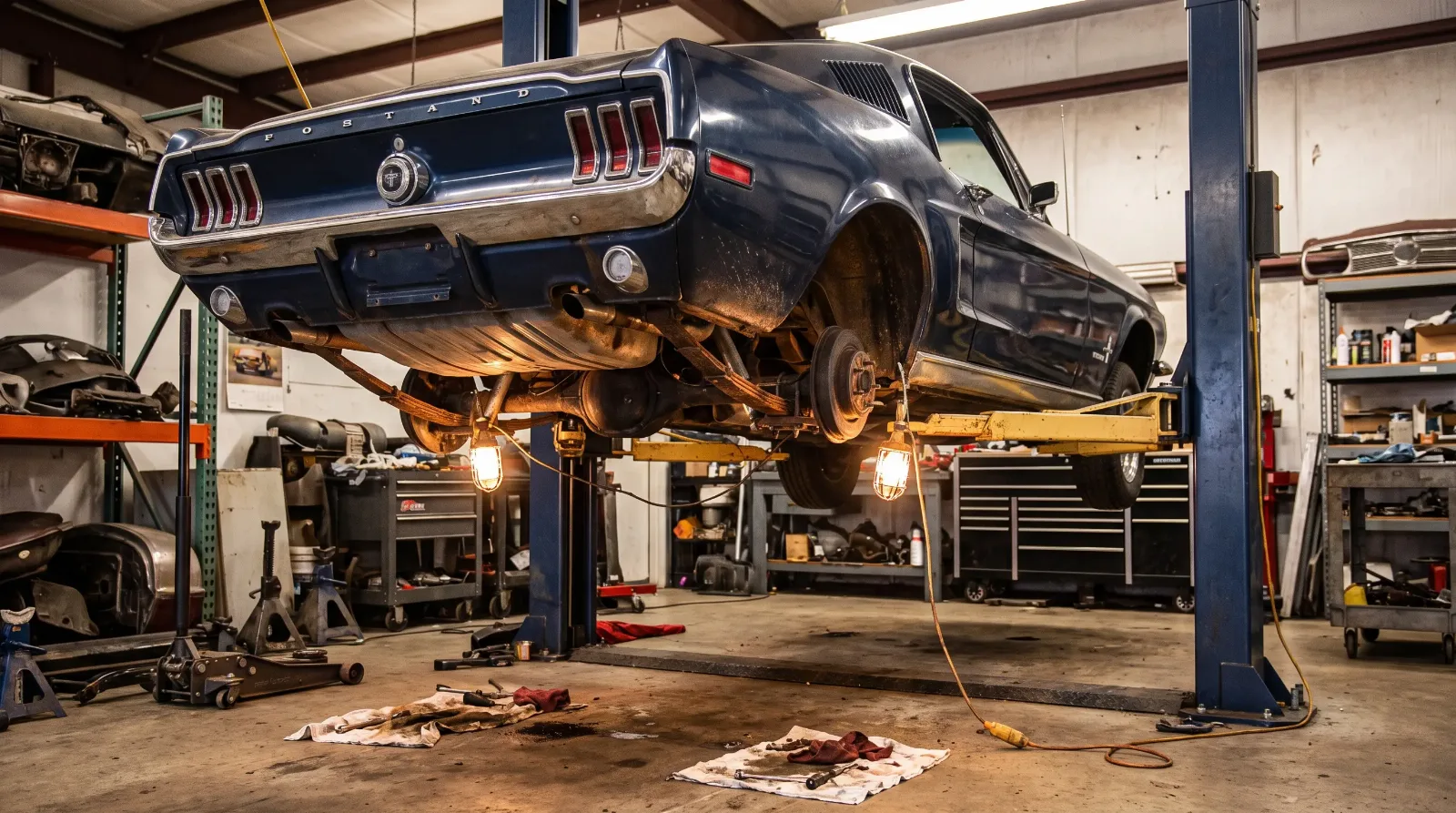
A classic muscle car is a wonderful thing to own. It is also a machine that was built fast, sold cheap, driven hard, and then neglected for thirty years by people who had no money and no reason to spend it. If you go in knowing that, you will do fine. If you go in believing the paint at fifteen feet, you are going to write some checks you did not plan on. This guide is about spending your money in the right order and keeping the car you end up with.
What you're really buying
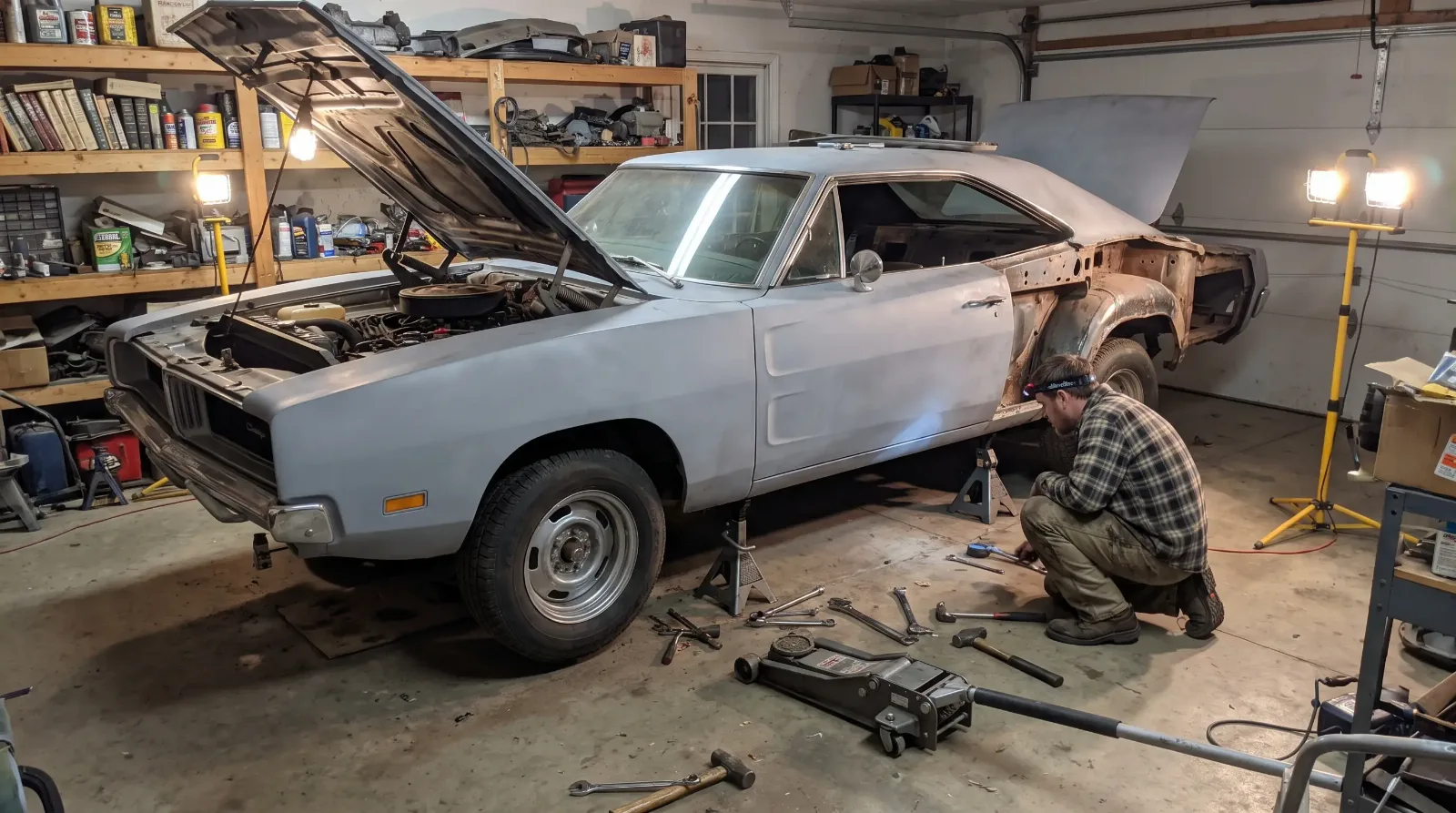
There are basically four cars for sale under every listing. There is the honest driver that needs nothing but maintenance and a sympathetic owner. There is the fresh restoration where the work is real and the receipts exist. There is the fresh restoration where the paint is new and everything under it is old. And there is the project somebody started, got scared of, and is now trying to hand off with a trunk full of loose parts and a story. Figuring out which one you are looking at is the whole game.
The order I look at a car never changes. Structure first, then drivetrain, then cosmetics, because that is the order the money runs in. A car with a beautiful paint job and rotten floors is a bigger problem than a rough car with a solid body. Paint is expensive but predictable. Rust in the wrong place is neither. Before you fall for a color, get underneath. The cross-brand basics hold whether you are chasing a Chevelle, a Mustang, a Charger, or a GTO, and the resale reality that follows the condition is worth understanding before you spend, which our muscle car story lays out across the segment.
🔧 Inspection Priorities
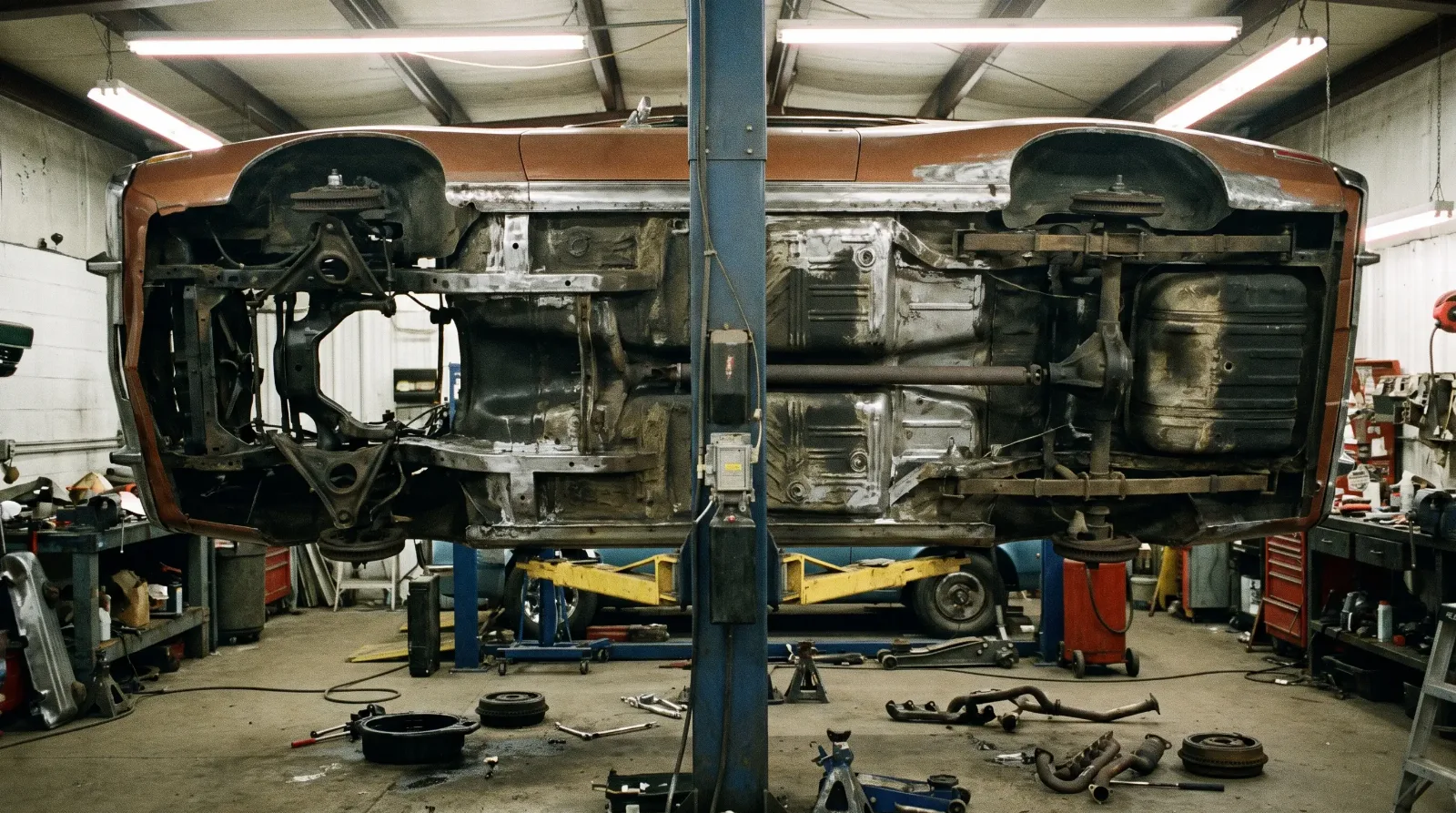
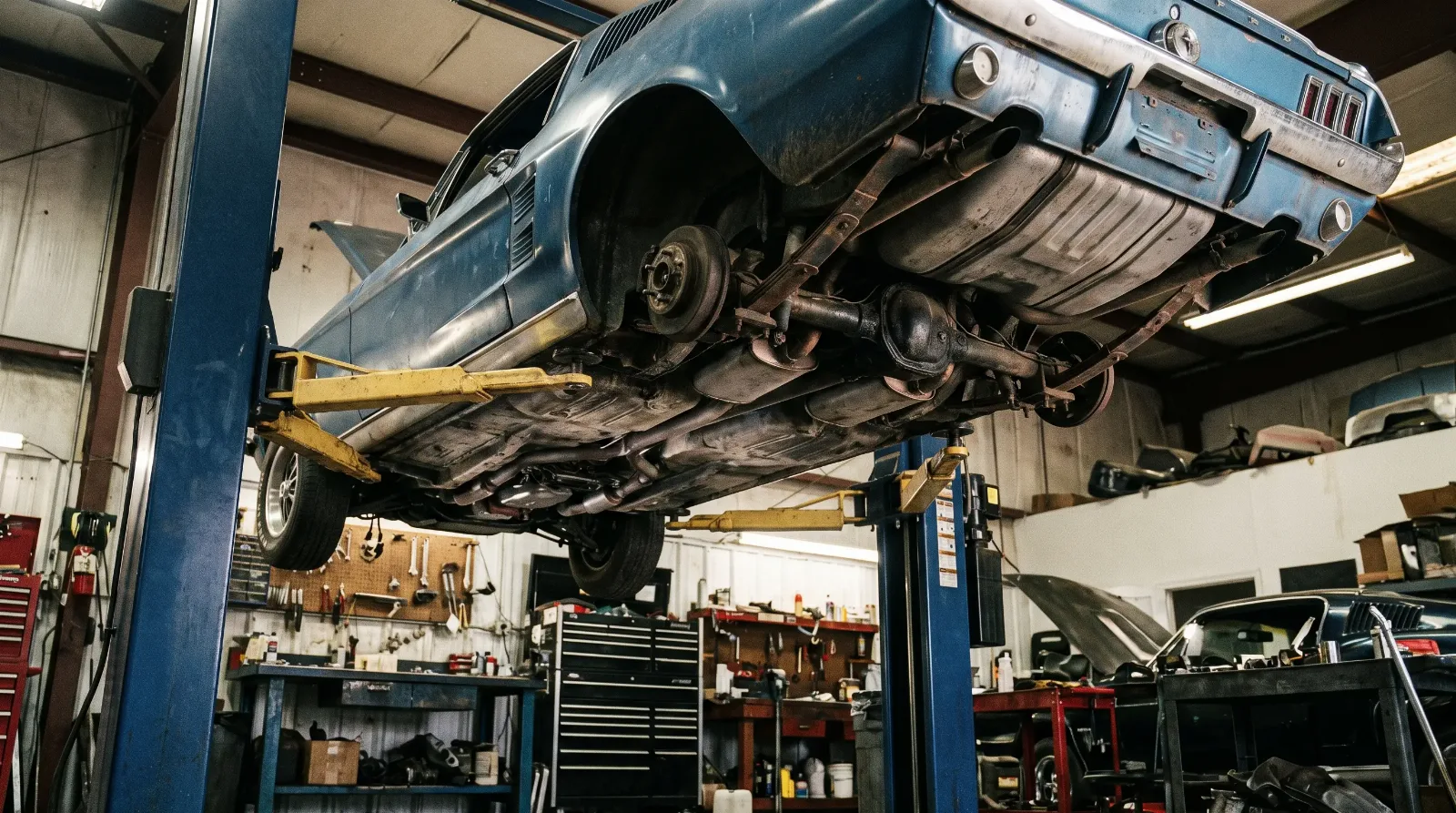
- Floor pans, trunk pan and frame rails. Lift the carpet, lift the trunk mat, get a light under the car. Structural rust in the rails or torque boxes is the single most expensive thing to fix right, easily 8,000 to 15,000 dollars in a shop before paint. A magnet and a screwdriver tell you more than the seller will.
- Quarter panels, wheel wells and lower fenders. These trap moisture and bubble from the inside out. Bad quarters mean cutting and welding, roughly 2,000 to 4,000 dollars per side done properly, more if the reproduction panels do not fit the way the ads promise.
- The engine and its numbers. Check the block casting and stamp against the VIN and trim tag if the car is sold as numbers matching. A non-original engine is not the end of the world, but it changes the value, so do not pay a matching-numbers price for a car that is not one.
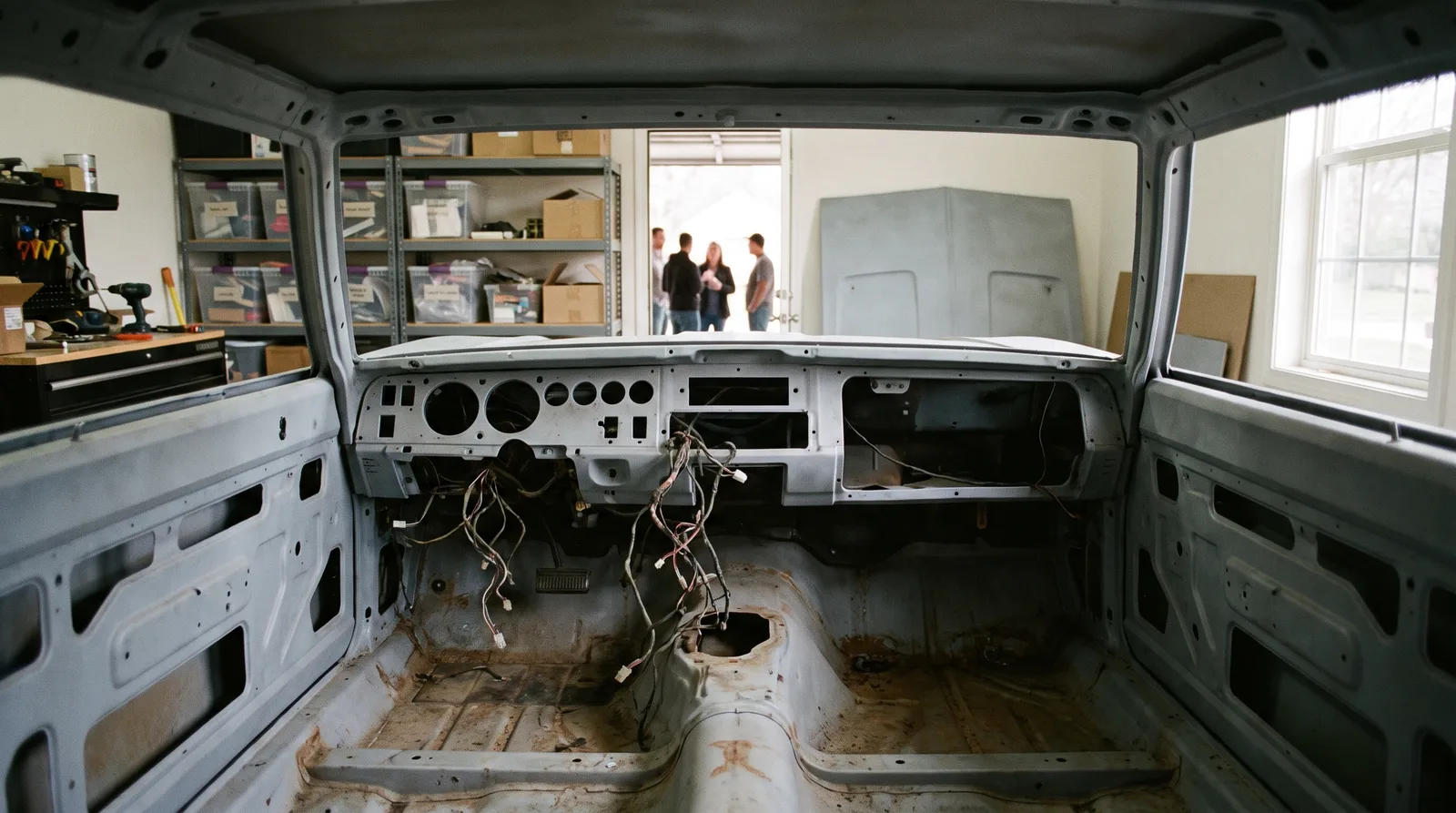
- Cowl and window channels. The cowl area rots where you cannot see it and leaks onto the floors, which is often why the floors went in the first place. Fixing a cowl means pulling the windshield and dash. It is miserable and it adds up.
- Prior collision and hidden filler. Run a magnet along the panels and sight down the body in raking light. Thick filler and wavy reflections mean an old repair that will telegraph through fresh paint within a year.
Numbers matching and why it matters
People throw the phrase around like it means one thing. It does not. On most of these cars, numbers matching means the engine block casting date and the partial VIN stamped on the block agree with the car's VIN and build documentation. On some brands the transmission and rear axle carry date codes too. It matters because a documented, original-drivetrain car is worth real money over a car with a correct-but-not-original engine, sometimes double for the desirable variants.
Here is where buyers get burned. A block can be restamped. A casting number tells you what family the engine is from, not that it is the engine that left the factory in that car. If you are paying the premium for originality, you want the paperwork to back it: the build sheet, the window sticker, the protect-o-plate or its brand equivalent. No paper, no premium. I have watched people pay 40,000 dollars extra for a story, and a story is not a document.
The rust that costs the most
Every one of these cars rusts. The question is where, and how much of it is structural. Surface rust on a floor is a Saturday and a wire wheel. Rust in the frame rails, the torque boxes, the shock towers, or the cowl is a different animal, because now you are dealing with the parts that hold the car together and hold the panels in alignment. Fix those wrong and every gap on the car will be off forever.
Northern cars saw road salt and rust from the bottom. Southern and western cars often have better metal but sun-cooked interiors and dried-out seals. Neither is automatically better. What you want is a car where the expensive metal is honest, even if the cosmetics need work. I would take a faded, solid car over a shiny one with mystery undersides every single time. You can always paint a straight car. You cannot un-ruin a body that was welded together crooked.
Budgeting a full restoration
Let me give you real numbers, and let me be honest that they are ranges, because a Mustang and a Hemi car do not cost the same to restore. A full, correct, body-off restoration on a common muscle car done at a competent shop runs well into six figures once you count everything. People do not believe that until they add it up. The mistake is looking at the buy-in and ignoring the build. Here is roughly how the money splits on a driver-to-nice restoration, assuming you are paying shop labor.
| Area of work | Typical cost range | Notes |
|---|---|---|
| Bodywork and rust repair | $8,000 - $25,000+ | Depends entirely on how much steel is bad |
| Paint (correct, single stage or base/clear) | $8,000 - $20,000 | Prep is most of the bill, not the spraying |
| Engine rebuild (correct) | $6,000 - $15,000 | Big-blocks and rare cores cost more |
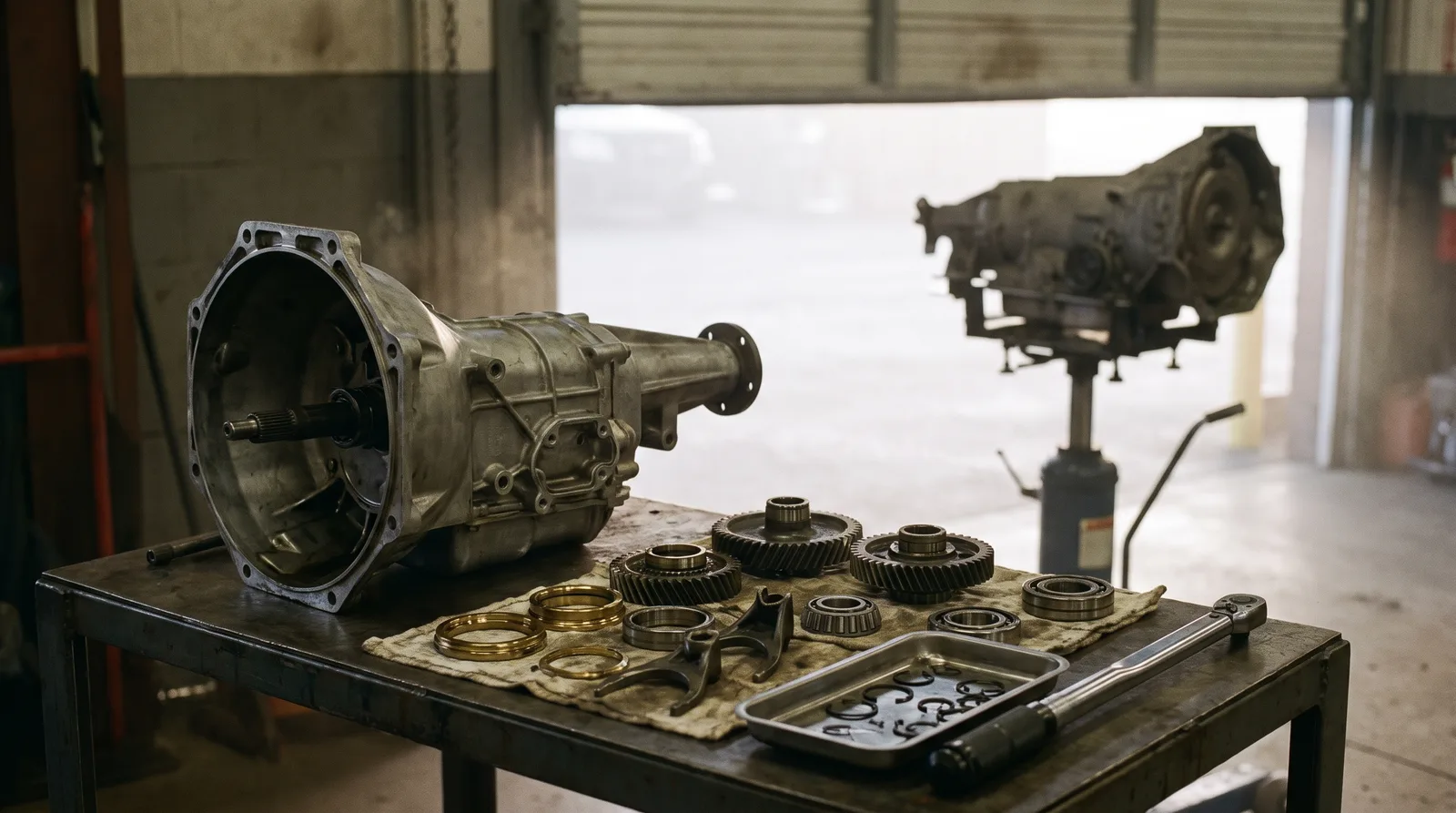
| Transmission and rear axle | $2,000 - $6,000 | Manual and Dana rears at the top end |
| Interior (seats, carpet, trim, glass) | $4,000 - $10,000 | Reproduction quality varies a lot |
| Chrome, trim and brightwork | $2,000 - $8,000 | Re-chroming bumpers is not cheap |
Add it up and you see why so many restorations stall halfway. The math only works if you buy the car right, or if you love it enough that the math does not matter. Both are fine reasons. Just know which one you are running on before you start.
Doing it yourself versus paying a shop
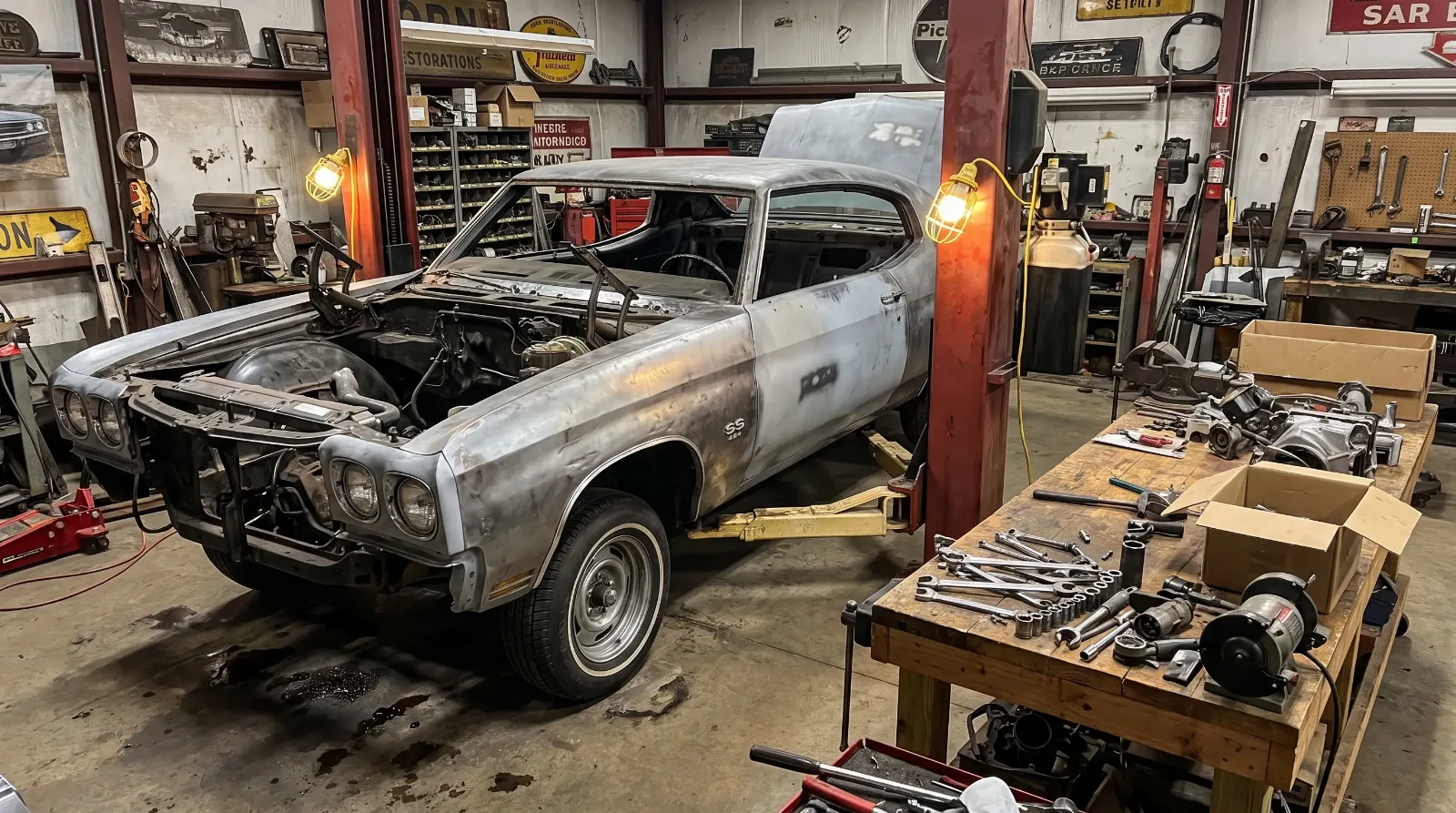
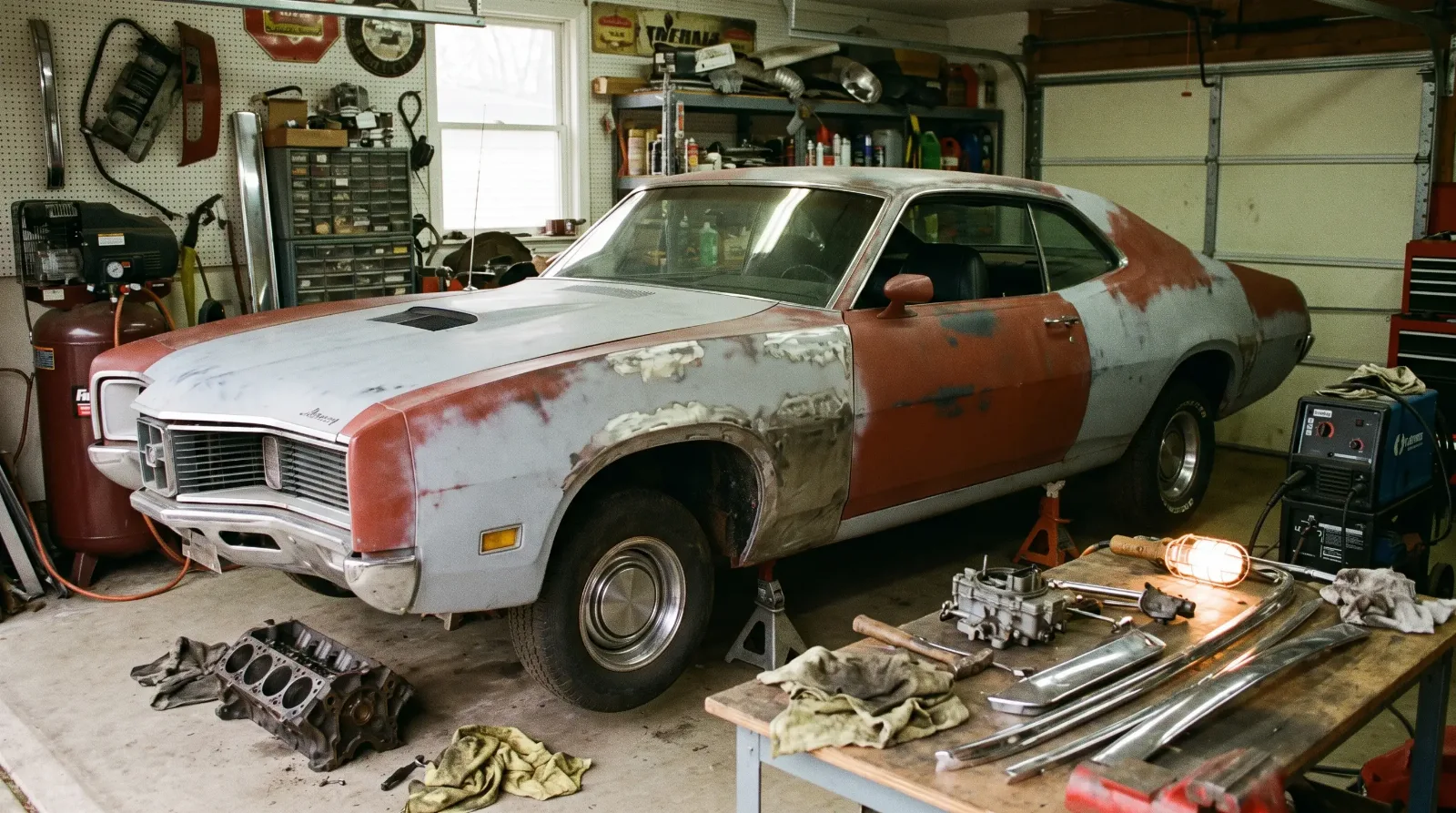
If you have the skills, a home restoration saves you the labor, which is most of the cost. That is the good news. The bad news is that labor is most of the cost because it is most of the work. A body-off build is a two-to-four-year project in a home garage for someone with a job and a family, and the cars that never get finished vastly outnumber the ones that do. I have bought more than one abandoned project for the price of the parts already in the boxes.
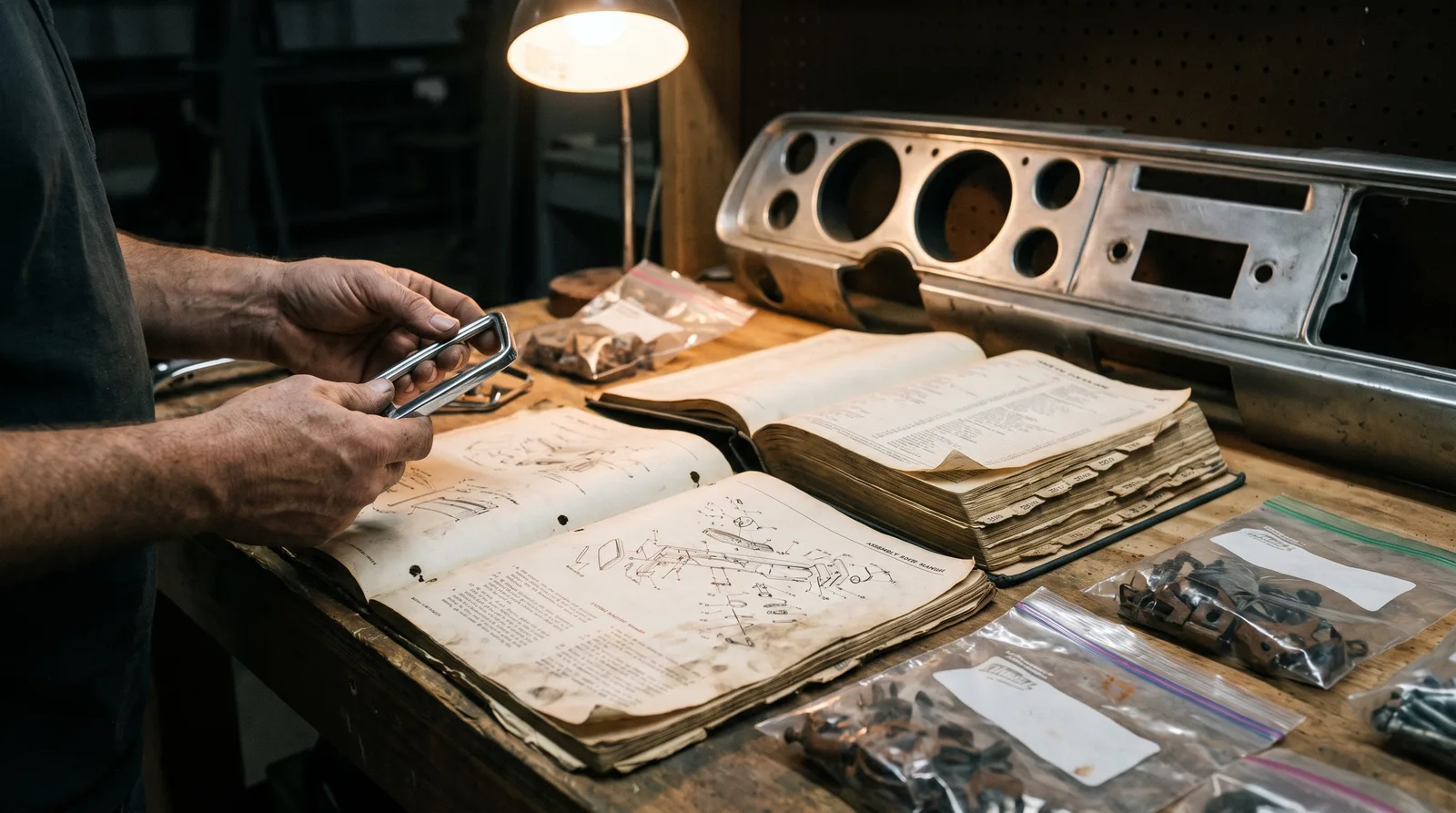
My honest advice is to split it. Do the work you can actually do, the teardown, the assembly, the sourcing, the mechanical, and farm out the two things amateurs rarely get right: structural welding and final paint. A crooked weld and a bad paint job are both expensive to undo. Everything else you can learn, and the learning is half of why people own these cars in the first place.
Living with a finished car
A restored muscle car is not a modern car, and owning one means accepting that. These engines want to be driven and warmed up, not stored cold for months and cranked twice a year. Points ignition, carburetors and old rubber all need attention. Drive it, and it will mostly behave. Park it, and every seal in the car will start to dry out and leak. The best-kept cars I know are the ones that get used.
Storage matters, insurance matters, and knowing what you have is worth real money if you ever sell. Values track condition and documentation closely, and the gap between a nice example and a great one is wider than most owners expect. If you want the market side of ownership, how rarity and paperwork move the numbers, that is worth a full read and you can read the full story on values. And when you are ready to shop, take the inspection order above with you and go browse muscle cars up for grabs with your eyes open. Buy the body. The rest you can fix.
Related Reading
Article
The Classic American Muscle Car Story
Article
Muscle Car Culture, Media & Legacy
Article
Rarity, Collectibility & Muscle Car Values
Article
Original Restoration vs Restomod: Two Philosophies
Article
What a Muscle Car Restoration Actually Costs
Article
How to Build a Realistic Restoration Budget
Article
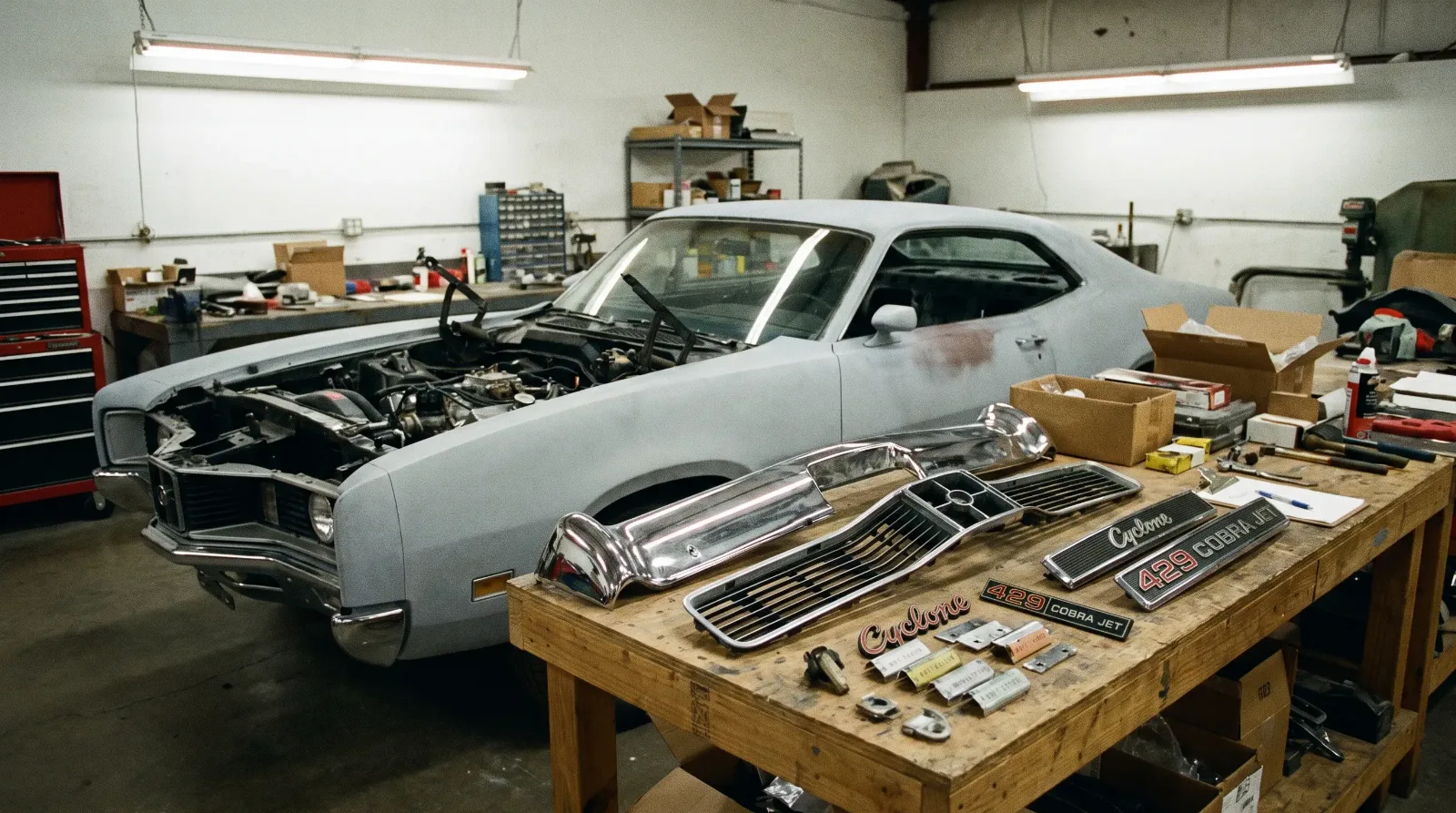
The Hardest Muscle Car Parts to Find Today
Article
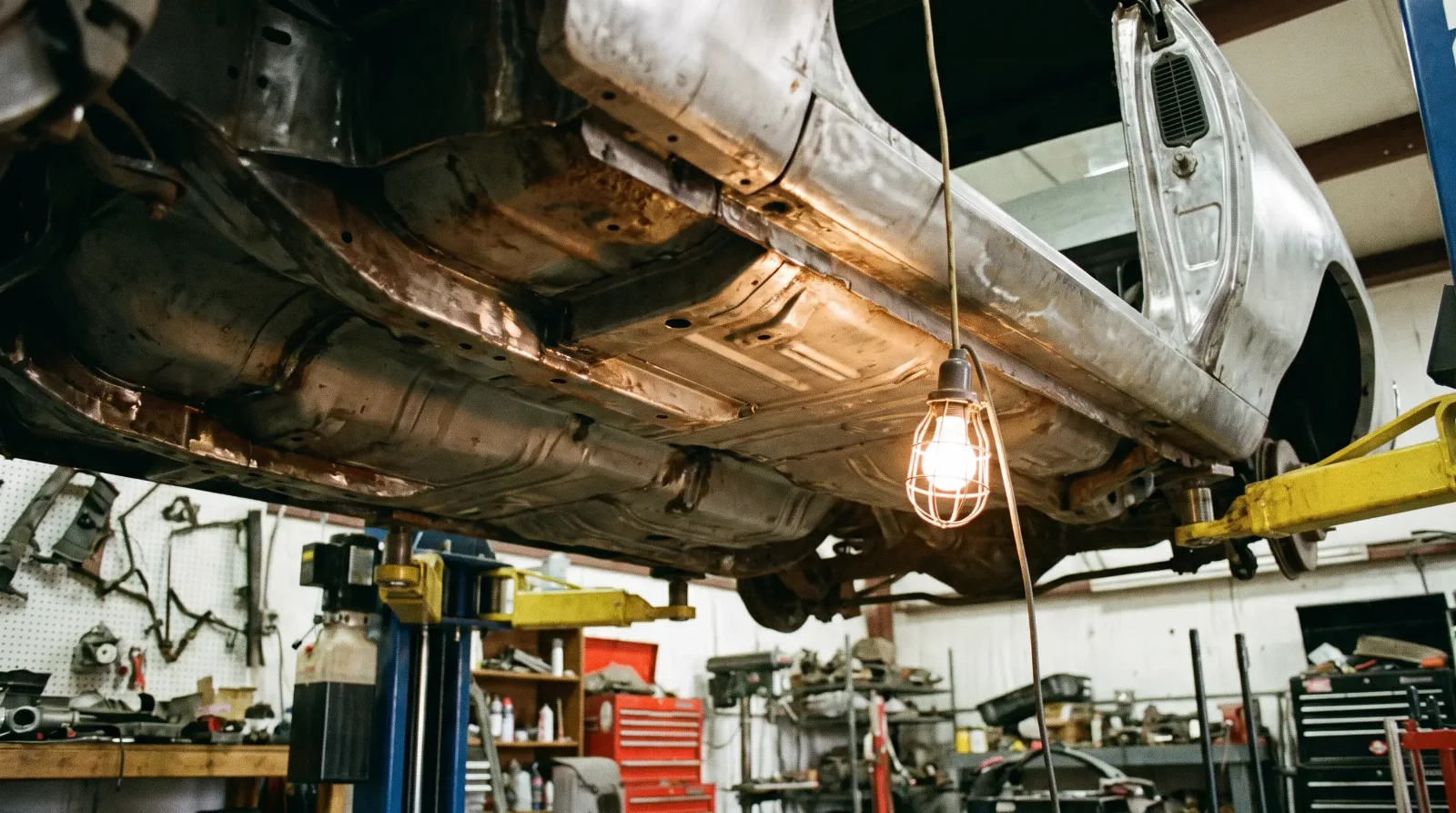
Common Rust Areas on Classic Muscle Cars
Article
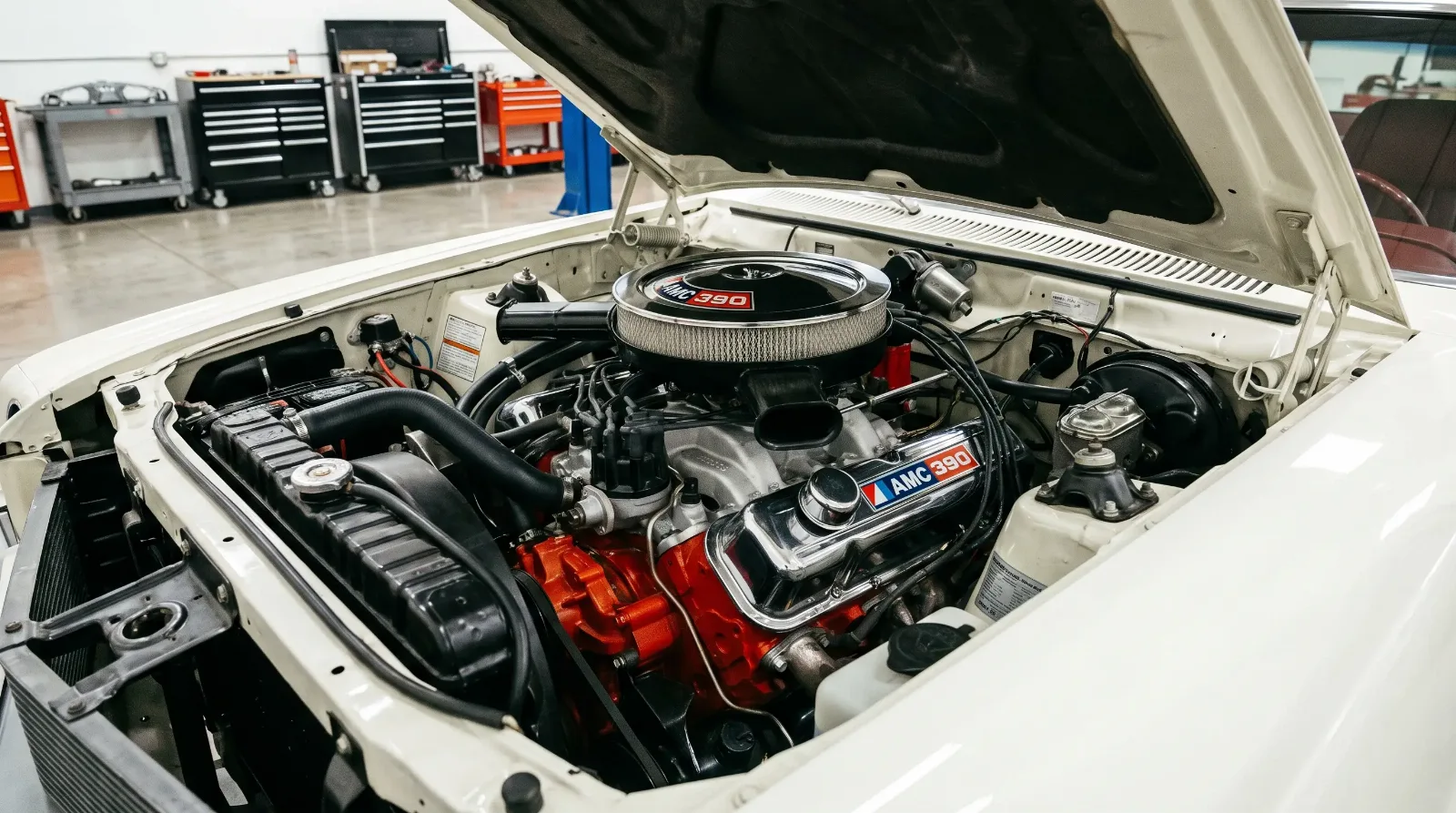
Numbers-Matching: What It Means and Why It Matters
Article
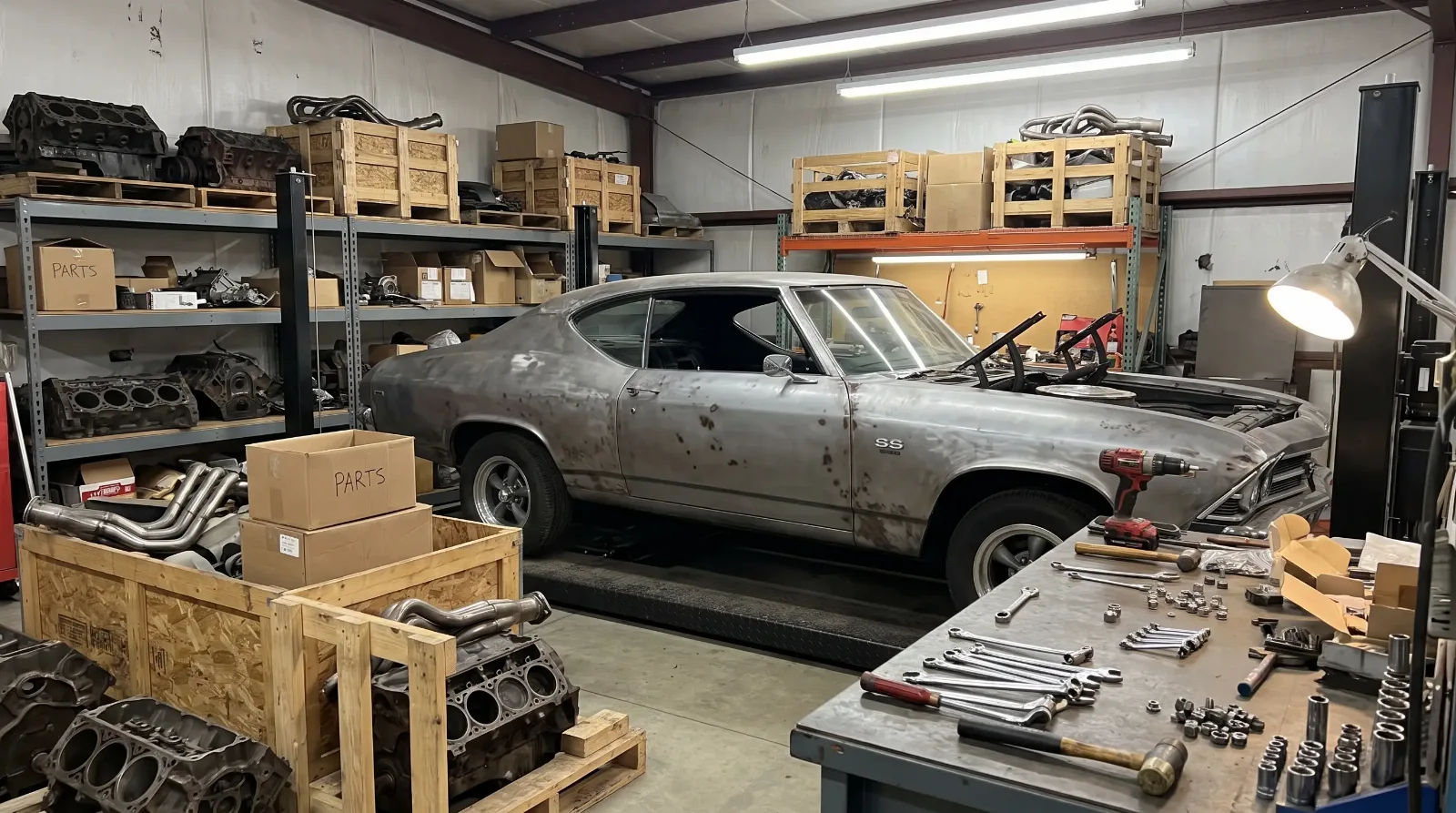
Reproduction vs NOS vs Original Parts
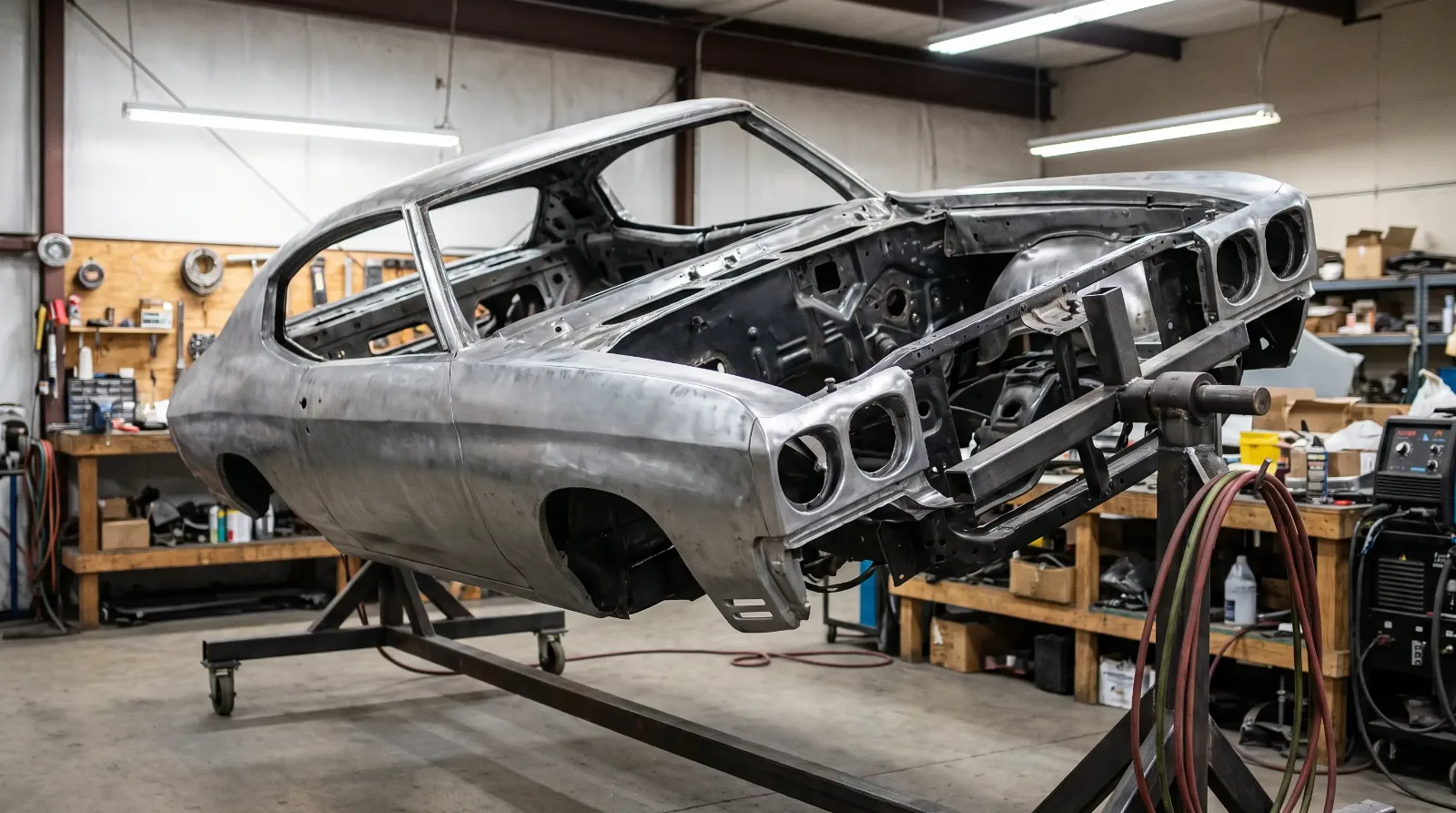
Article
Frame-Off vs Frame-On Restoration
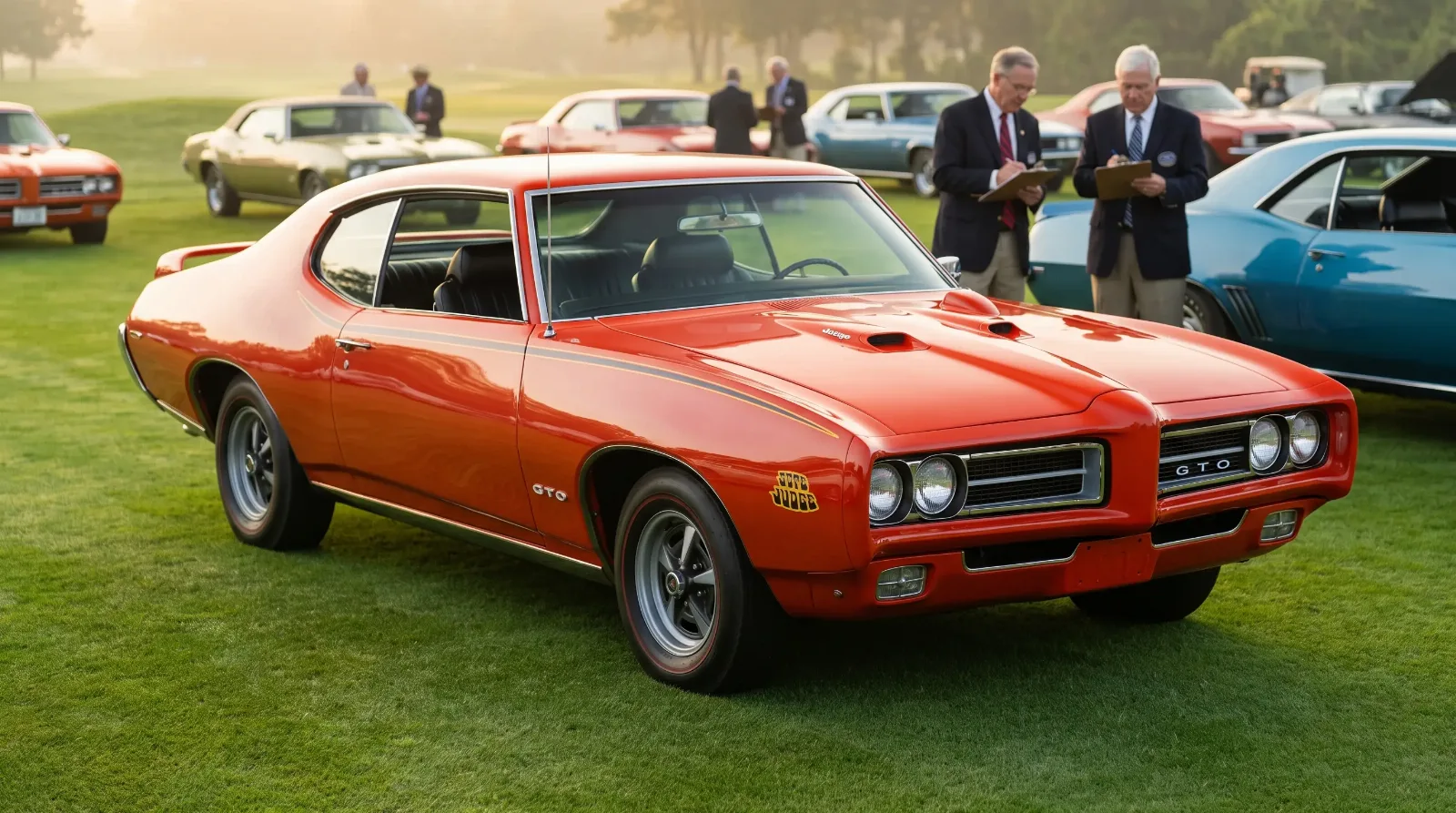
Article
Concours vs Driver-Quality: Choosing Your Level
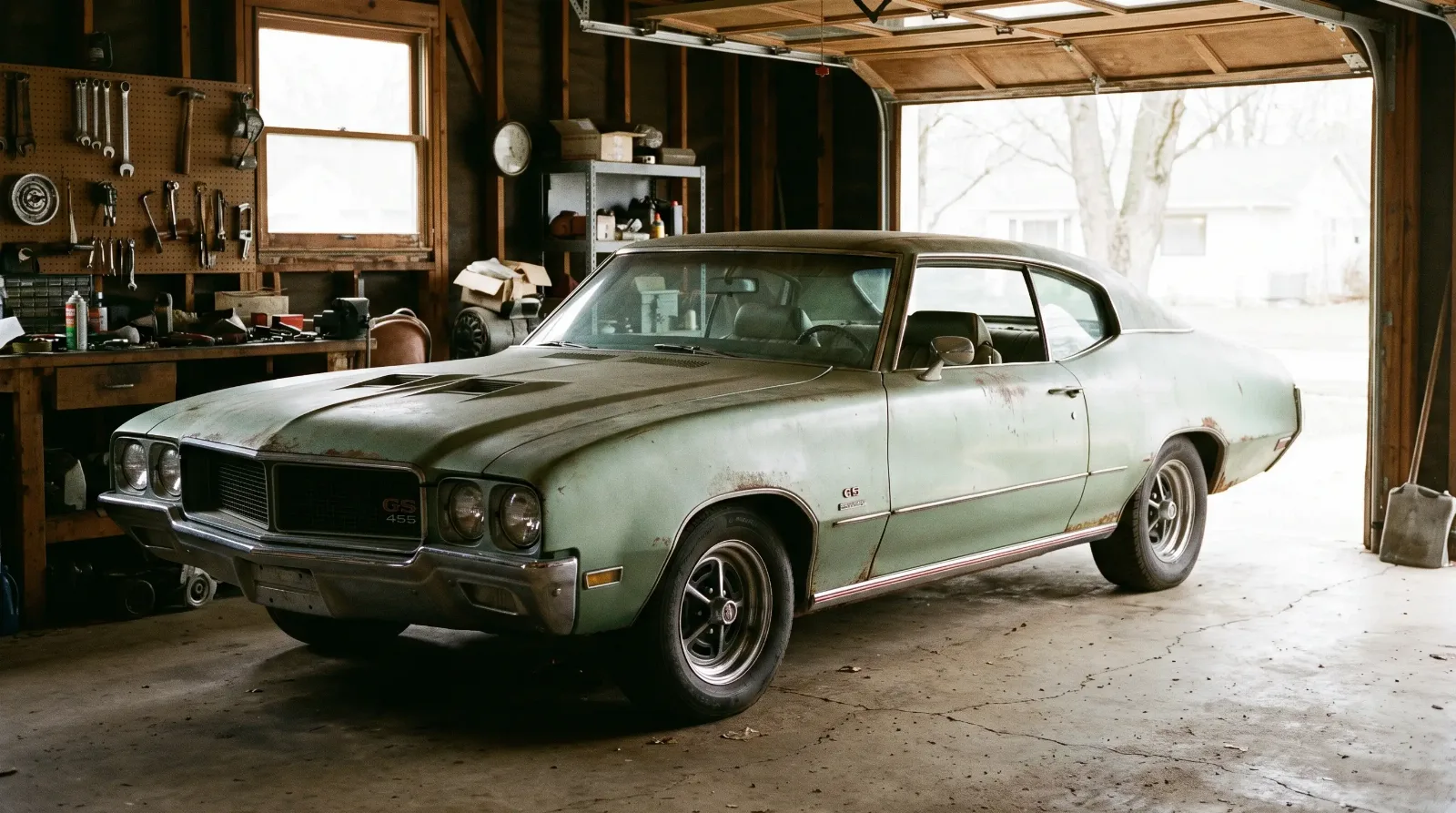
Article
Preservation vs Restoration: When to Leave It Alone
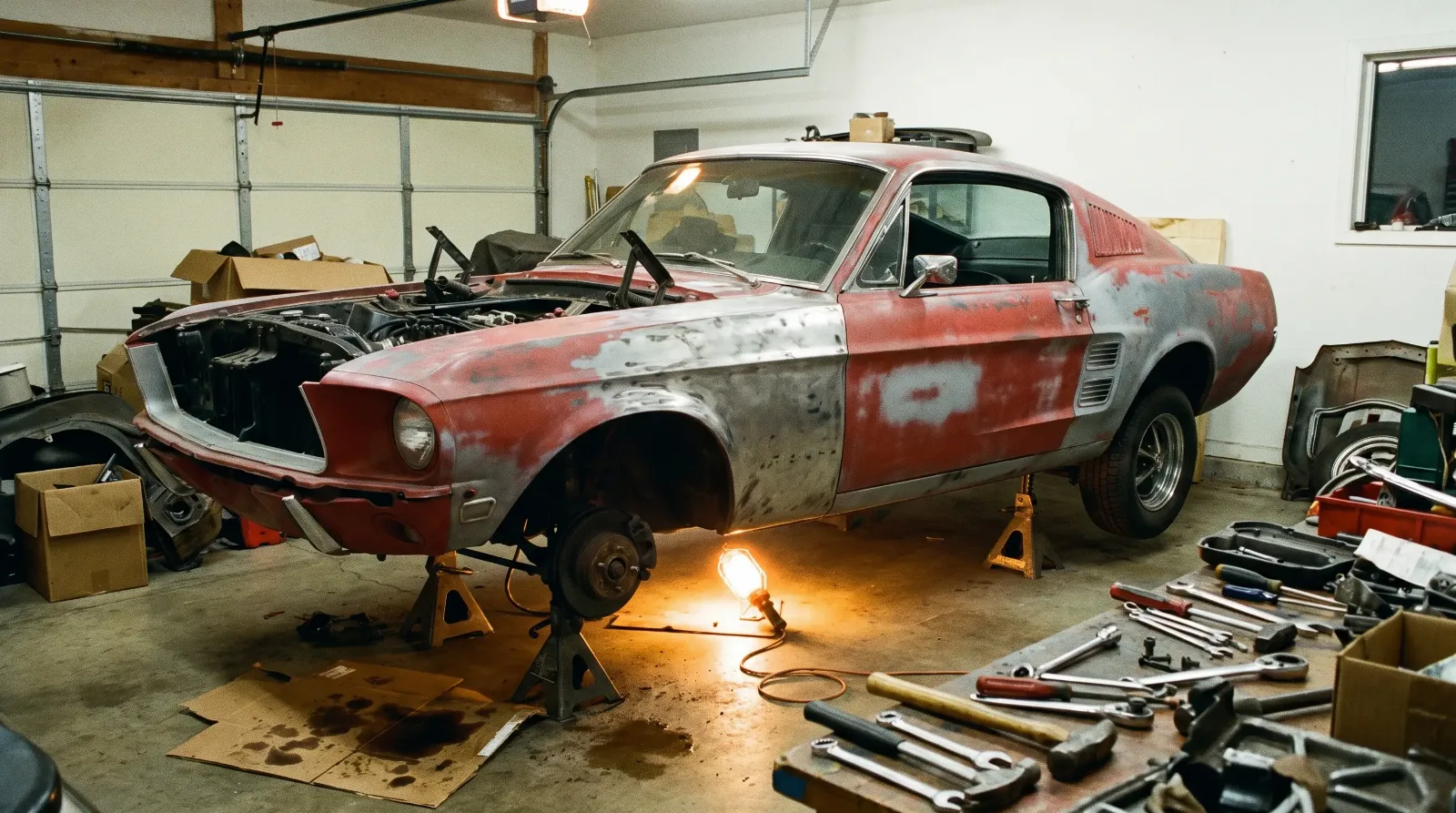
Article
Best Muscle Cars for a First Restoration
Article
Common First-Time Restoration Mistakes
Article
How to Document a Restoration Project
Article
How a Restoration Affects Value
Article
Storing a Classic Muscle Car Properly
Article
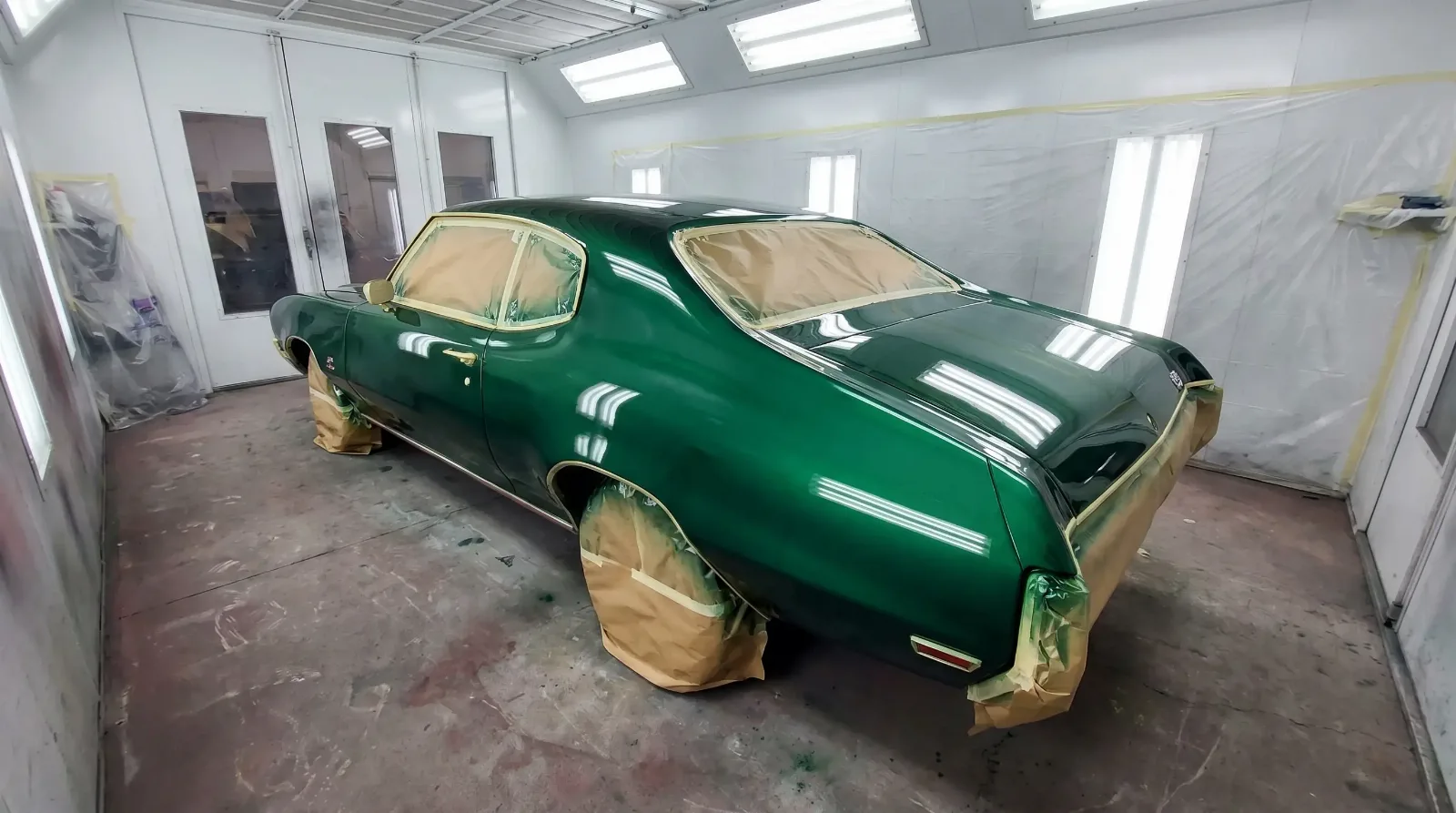
Restoring Factory Paint and Finishes
Article
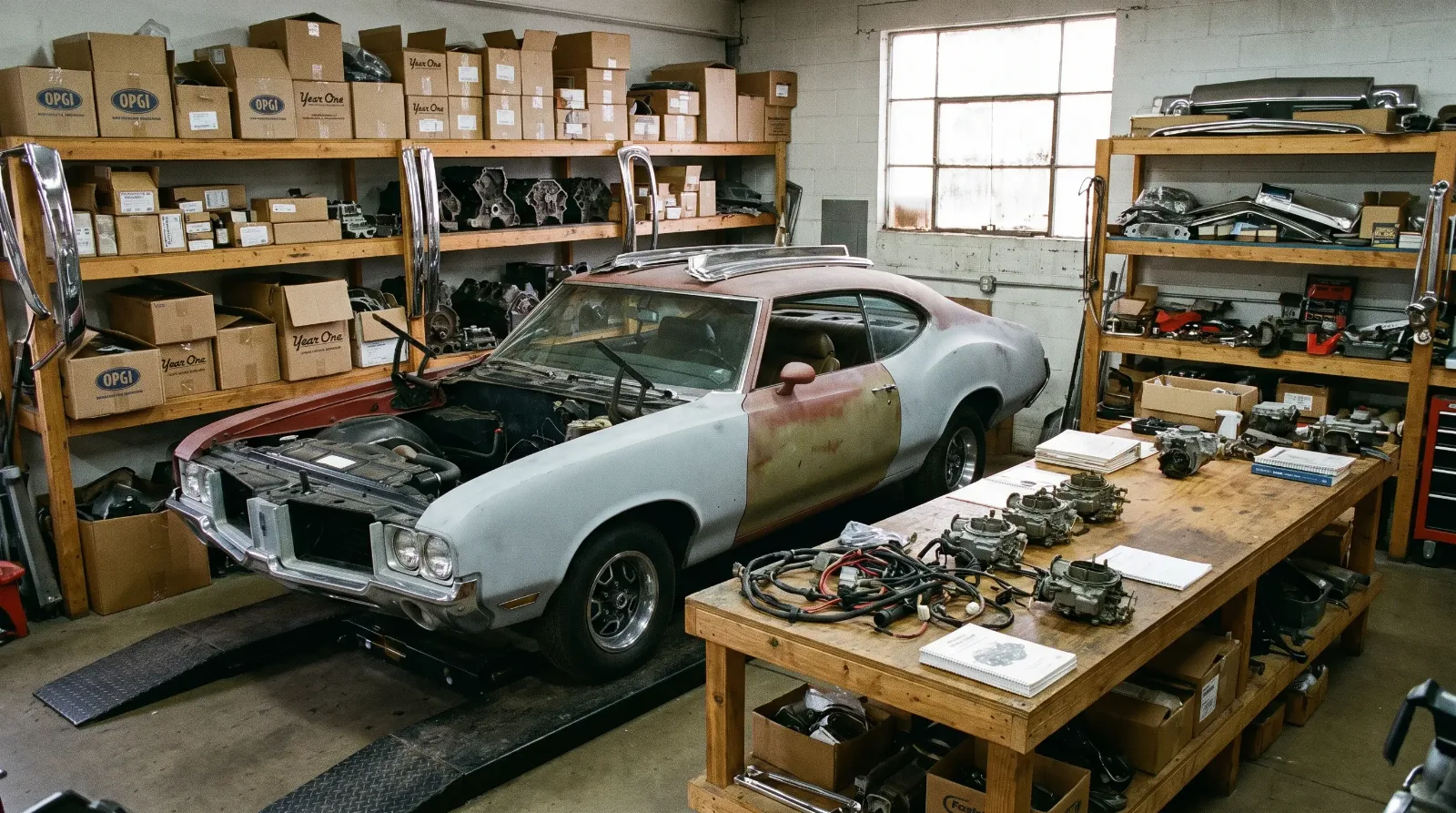
Finding Muscle Car Parts and Marque Specialists
Article
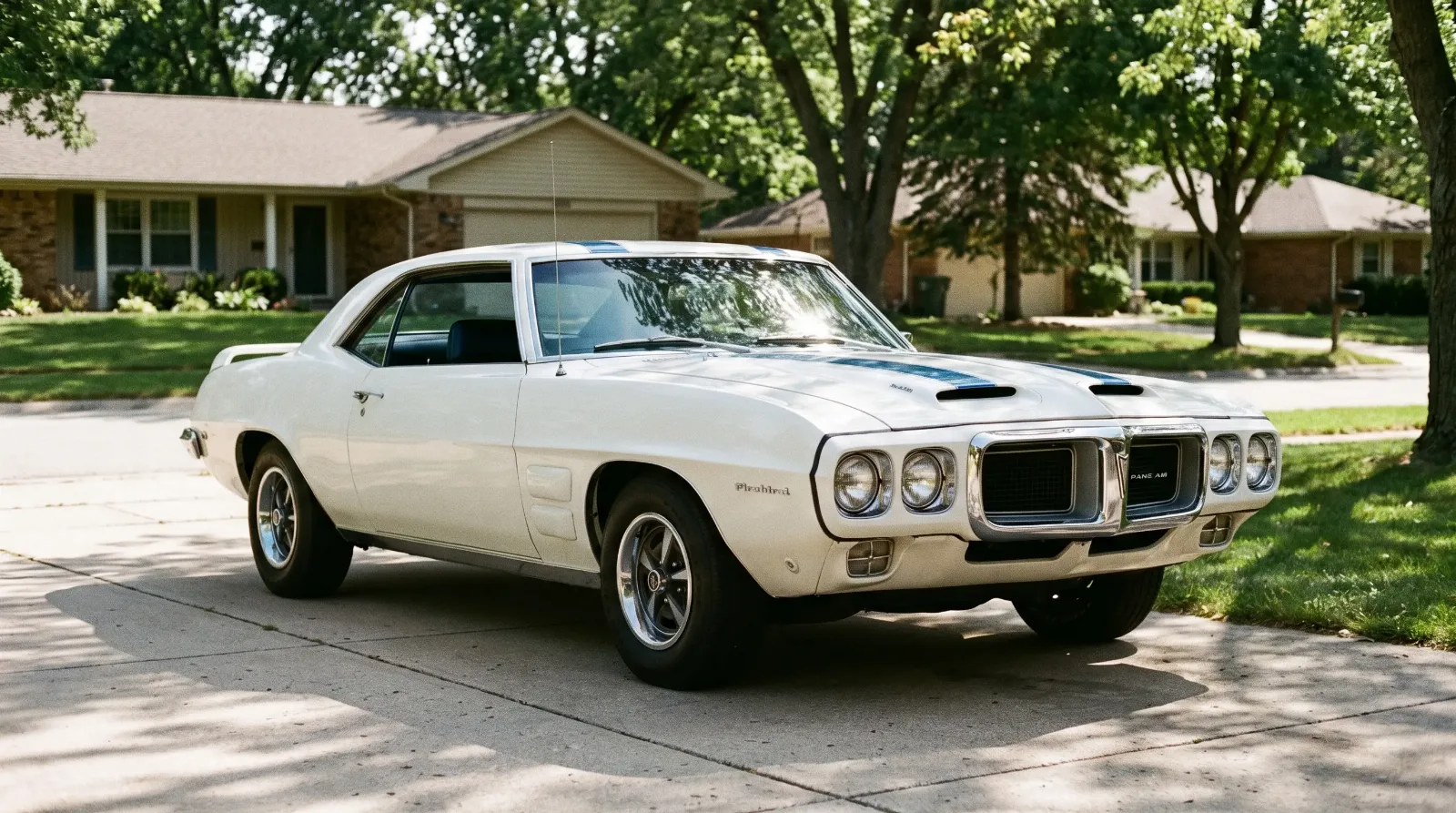
Insuring a Classic Muscle Car
Article
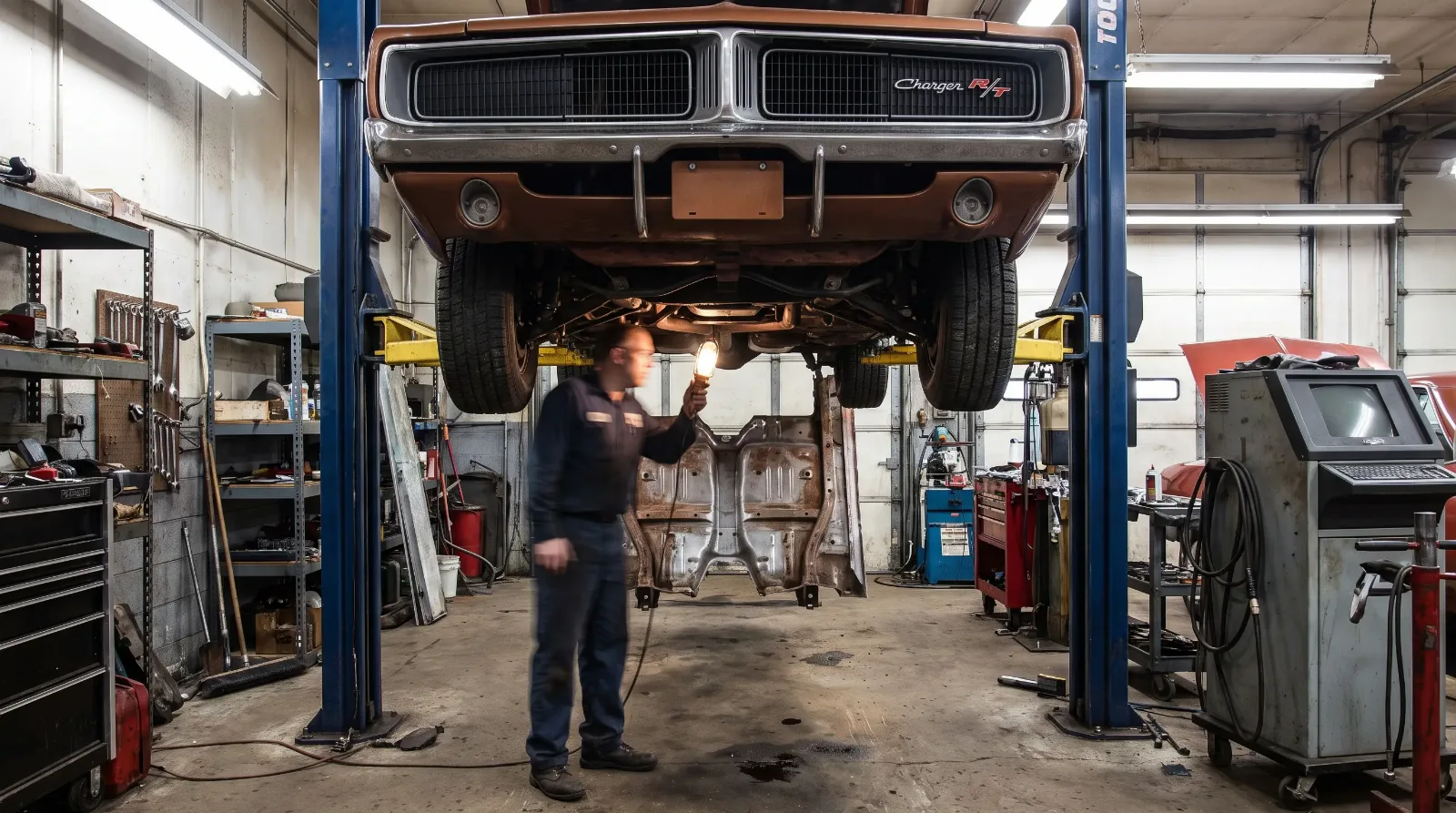
What to Check Before Buying a Muscle Car
Article
How to Spot a Cloned or Faked Muscle Car
Article
Pre-Purchase Inspection for a Muscle Car
Article
DIY vs Professional Muscle Car Restoration
Have a
Classic Car
for Sale?
Reach thousands of serious classic car collectors across the US.
Sell It Here →
Are You a Classic Car Dealer?
List your full inventory and connect with targeted classic car buyers.
Join as a Dealer →

About the author
Mike Sullivan
Detroit-area muscle car enthusiast and restoration specialist with three decades of hands-on experience working on American iron.
More in Restoration & Tech
Comments
Be the first to comment on this article.