
A Stepside bed with the wood strips rotted out, or painted over with a coat of thick black bedliner, is one of the most common shortcuts you'll find on a C10 that's been "restored" in a hurry. Wood floors were never meant to be permanent. They were a working surface, replaced when they wore out, and most trucks that spent real years hauling feed or lumber went through at least one set before they ever left the farm. If you're bringing a bed back to how it left the factory, or just want something that looks right and holds up, the wood is worth doing properly instead of covering it with a mat and calling it finished.
Restoration & Tech
7 min read
Restoring the Wood Bed Strips on a Classic C10 Stepside
A practical walkthrough of replacing worn wood bed strips on a C10 Stepside, from checking the steel underneath to finishing and installing new oak.
What's actually holding those strips down
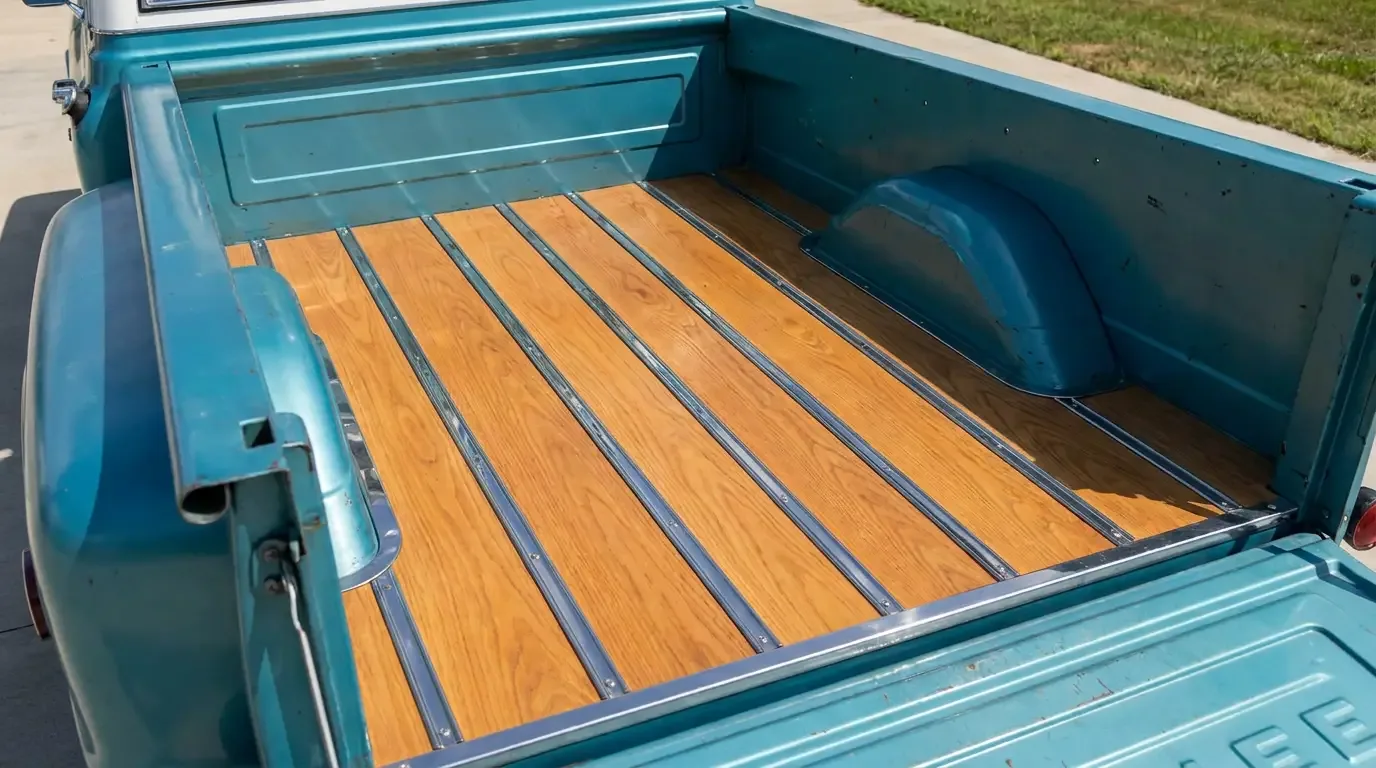
Underneath the wood, a Stepside bed floor sits on steel bed strip supports, sometimes called sills, that run the length of the bed and cross members that tie into the frame. That steel is what actually carries the load. The wood strips are a wear surface bolted through the steel with strip caps at the visible edge, usually chrome or stainless depending on the trim level. If the wood has been rotted for years, water has been sitting against that steel the whole time, and that's where the real problem usually is. I've pulled up wood that looked merely tired and found the steel underneath eaten through in spots nobody could see from on top. Check the steel before you spend a dime on wood. New oak on top of rusted-through steel is a truck that looks right in pictures and fails you the first time you load anything heavy in the back.
If you're following the C10 restoration guide step by step, this is the stage where a lot of guys are tempted to skip straight to the wood because it's the visible part. Don't. The steel decides how long the wood lasts.
Picking wood and hardware that hold up
Factory strips were actually pine, not oak or ash: GM ran the wood painted to match the truck's exterior color rather than clear-finished to show the grain, so a bare-wood bed floor is a modern restoration look, not an original one. That said, oak and ash are the standard upgrade for good reason: either one will outlast pine by a wide margin if it's finished right, which is why most quality reproduction kits and serious restorers use them instead of trying to match the original material exactly. Buy rough oak from a lumber yard rather than a home center if you can, because the moisture content is usually more consistent and it won't cup on you six months after install. You want strips close to factory thickness (most original and reproduction boards run a nominal 1 inch, which measures out to about 3/4 inch actual, the same sizing convention as common framing lumber) though it's worth measuring your originals or a good reference set before you order, since board width and count changed across the model years.
| Wood | Durability | Where used |
|---|---|---|
| Pine | Least rot-resistant of the three, needs paint or a strong finish to last | Factory-original material on these trucks |
| White oak | Best rot resistance, heavy | Most common reproduction upgrade, not original |
| Ash | Lighter weight, good strength | Reproduction option, less common than oak |
Hardware is where guys cut corners and regret it. The strip caps take a beating from the weather and from whatever gets dragged across them, and reusing pitted originals when new stainless or chrome reproductions are available for not much money doesn't make sense. Same with the carriage bolts. Stainless costs a little more up front and never gives you a rust streak bleeding into the new wood two years down the road.
Pulling the old wood and fixing what's underneath
Getting the old strips out is simple. It's what you find after that takes time. Wire wheel the steel supports down to bare metal, and don't stop at "looks okay." Rust that's just started eating from the underside doesn't always show on top. Any spot that's thin enough to flex, or that shows pinholes, needs a patch, not paint over the top of it. This is the part of the job that separates a bed that lasts another fifty years from one that needs the same repair again in ten.
Once the steel is solid, prime it and finish it before the wood ever goes back down. You don't get another clean shot at that steel once the strips are bolted in place.
Cutting, finishing, and installing new strips
Cut your strips to length, round the edges to match the originals, a router with a roundover bit gets close enough for anyone who isn't chasing concours points, and finish before you install, not after. Spar varnish or a marine-grade exterior oil finish both hold up fine, and either one needs multiple coats with time to cure between them. Don't rush this part because the truck's almost done and you want to drive it. A finish applied too thin or too fast fails at the first hard rain, and then you're sanding it all back off.
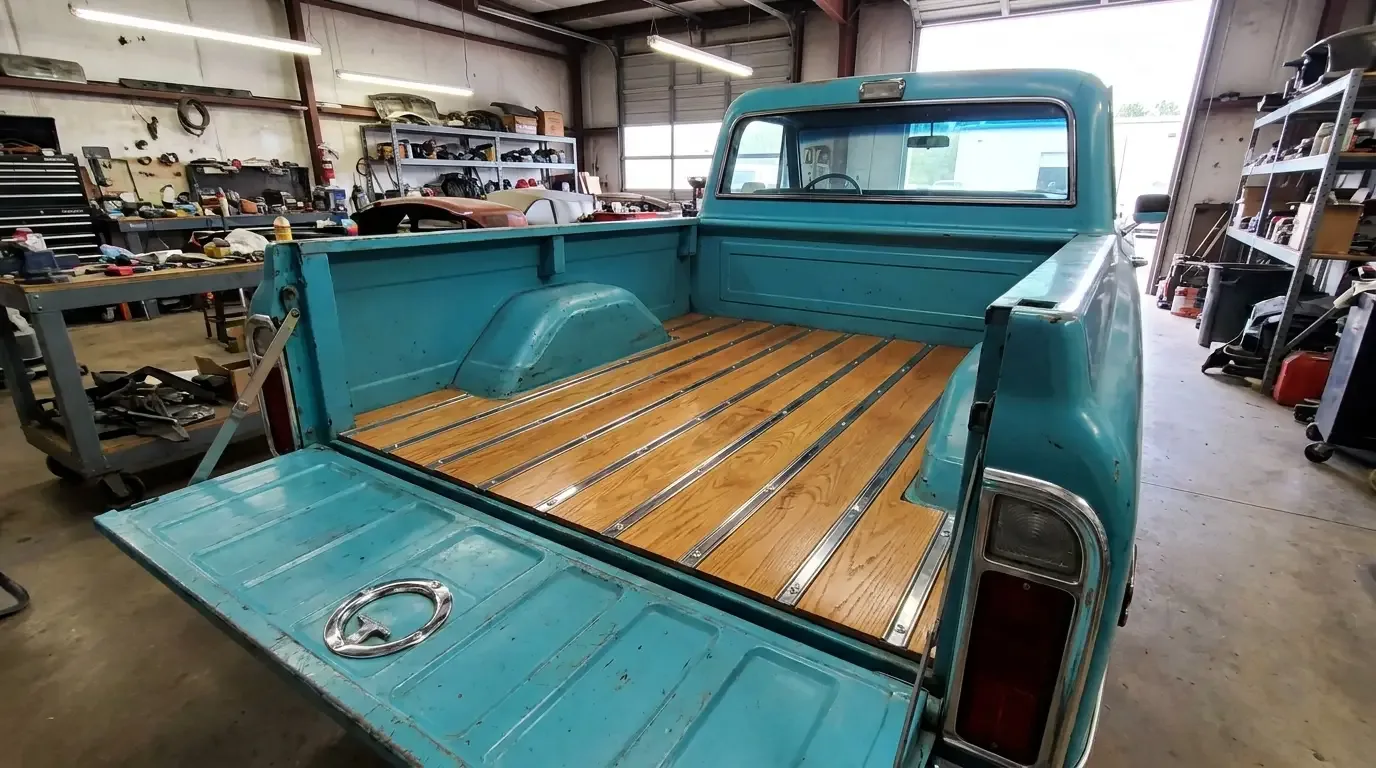
Bolt the strips down through the original hole pattern where the steel allows it, snug but not so tight you crush the wood fibers around the bolt. Leave a hair of expansion gap between strips, because wood moves with humidity, and a bed installed bone dry in a shop will tell you about it later if you don't plan for it.
What it costs and what it's worth
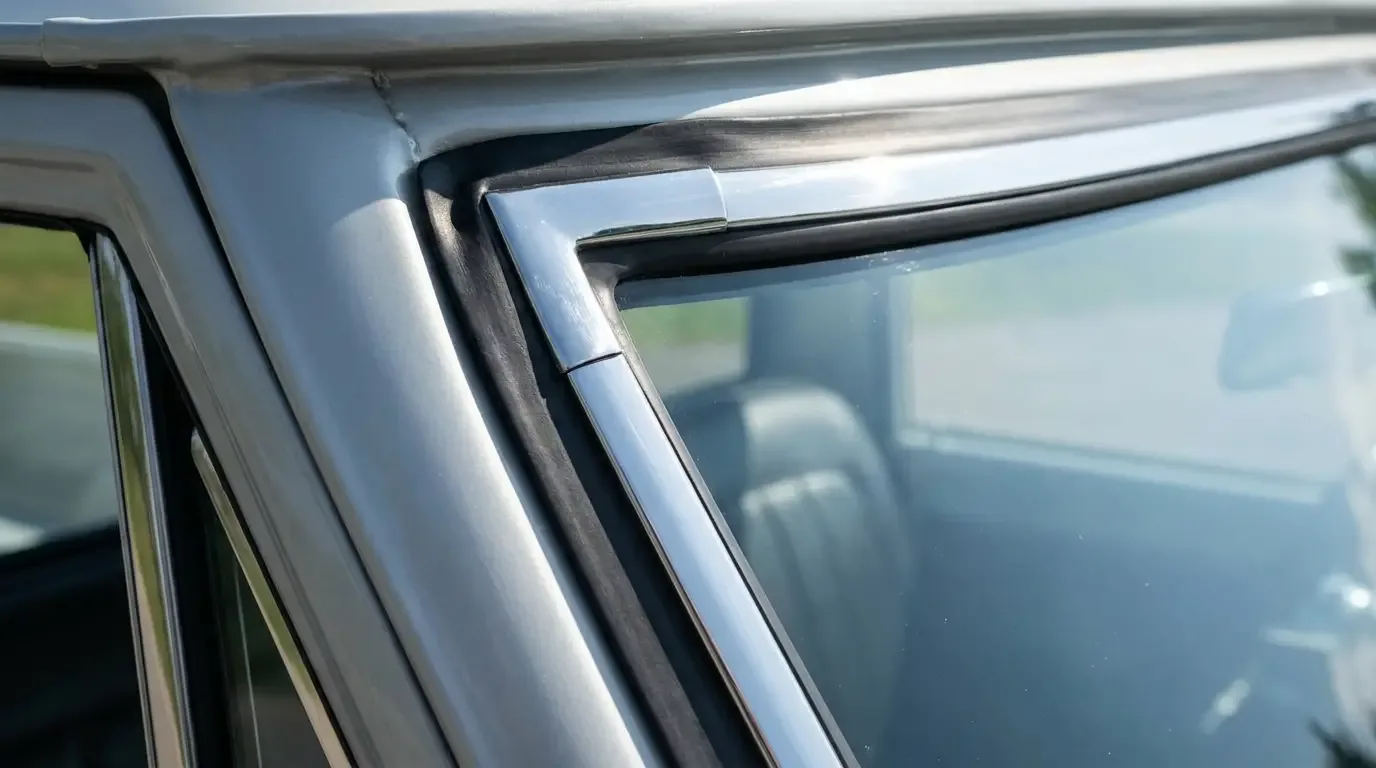
A full set of strips, hardware, and finish for a short bed runs somewhere in the range of five hundred to nine hundred dollars in materials if you're doing the labor yourself, more if you step up to a premium hardwood or polished stainless trim, plus a full day to do it right including the steel prep underneath. That's cheap compared to what a shop charges, and it rewards patience more than skill. Once the bed's done and sealed, the next logical stop before you call the cab finished is sealing the cab back up once the bed's done, so water stops finding its way into the doors the same way it was finding its way into that wood.
"The wood's not the hard part. Getting honest about what's underneath the wood is the hard part. Everybody wants to talk about the strips. Nobody wants to talk about the steel."
Robert Halloran
Do the steel first, buy wood that's actually going to hold up, and finish it properly before it ever gets bolted down. None of that is complicated. It's just work most guys skip because the wood on top hides it for a while.
Sources and notes
- Factory bed wood species, finish, and thickness reference, GMCPaul's Truck Parts
- 1967-72 stepside BedWood kit pricing and species options, BedWood.com
- Red oak bed wood deluxe kit, CJ Pony Parts
- Complete short bed kit with oak wood floor, Carolina Classic Trucks
- Complete oak bed wood kit, 1960-1972 stepside, Classic Truck Beds
Related Reading
Have a
Chevrolet C10
for Sale?
Reach thousands of serious classic car collectors across the US.
Sell It Here →
Are You a Classic Car Dealer?
List your full inventory and connect with targeted classic car buyers.
Join as a Dealer →

About the author
Robert Halloran
Texas-based classic truck enthusiast with decades of experience buying, restoring, and writing about American pickups from the 1940s through the 1980s.
Related Listings - Chevrolet C10
More in Restoration & Tech
Comments
Be the first to comment on this article.