
Column shift works fine right up until you put a different transmission behind the engine, and then it usually stops working at all. That's the honest starting point for this job. A four-on-the-tree or a column-shifted automatic was matched to a specific linkage geometry, a specific shift pattern, and in a lot of cases a specific transmission case. Drop in an overdrive automatic or a different manual as part of a bigger swap like the one covered in the LS swap guide, and the column linkage either doesn't reach the new shift lever, doesn't move it through the right pattern, or fights the transmission's internal detents hard enough to damage something. A floor shifter isn't just a style choice on most of these builds. It's the only linkage that actually works with the new transmission.
Converting a C10 Column Shift to a Floor-Mounted Shifter
Why a transmission swap often kills column shift linkage, and how to pick, install, and cable up a floor shifter that actually works with the new gearbox.
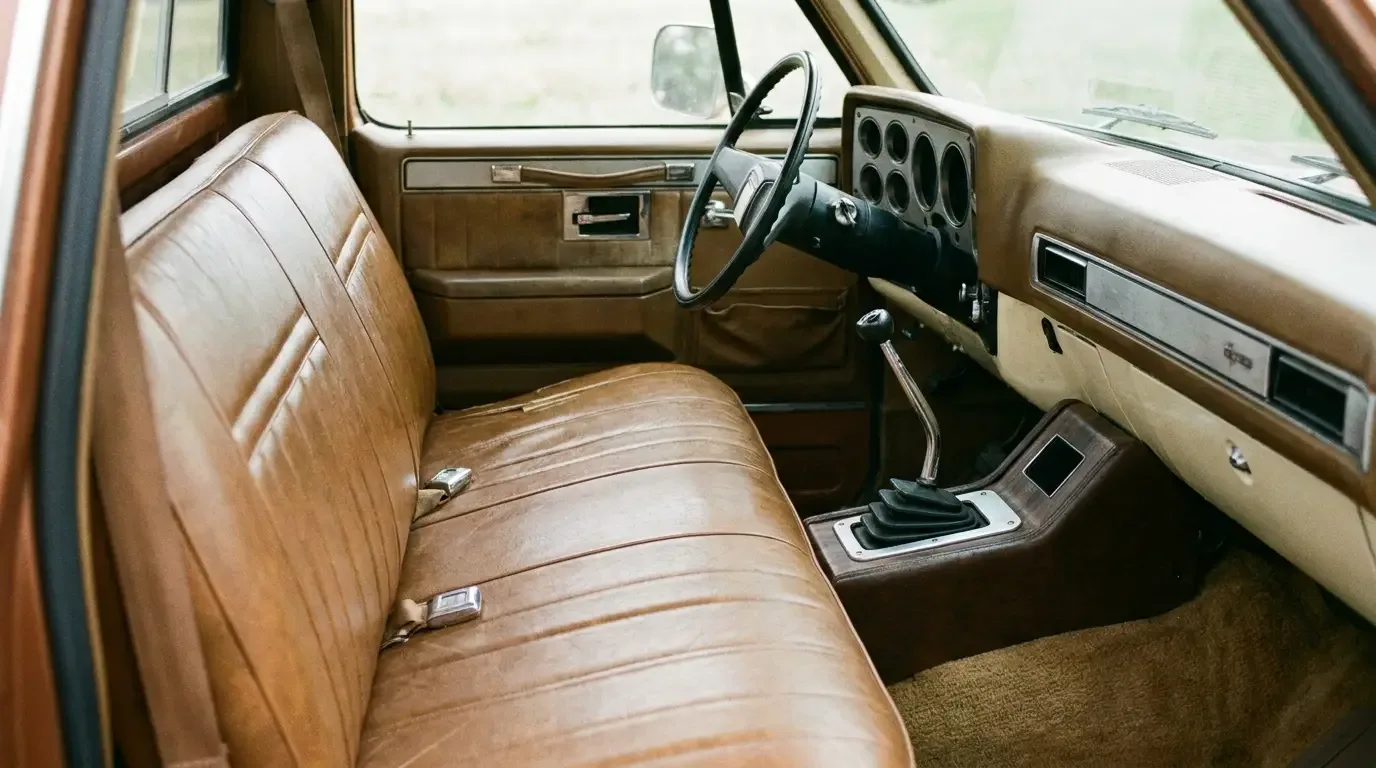
Why column shift stops working after a swap
The factory column shift linkage is a set of rods and levers tuned in length and angle to a specific transmission's shift lever position and travel. Change the transmission case, even to another GM automatic from a later model, and that lever sits in a different spot and moves through a different arc. The column rods either won't reach, or they reach but bind partway through the shift pattern, which shows up as a transmission that won't fully engage a gear or occasionally slips between two of them. Guys chase this as a transmission problem for weeks before somebody points out the linkage geometry was never right for the case it's bolted to.
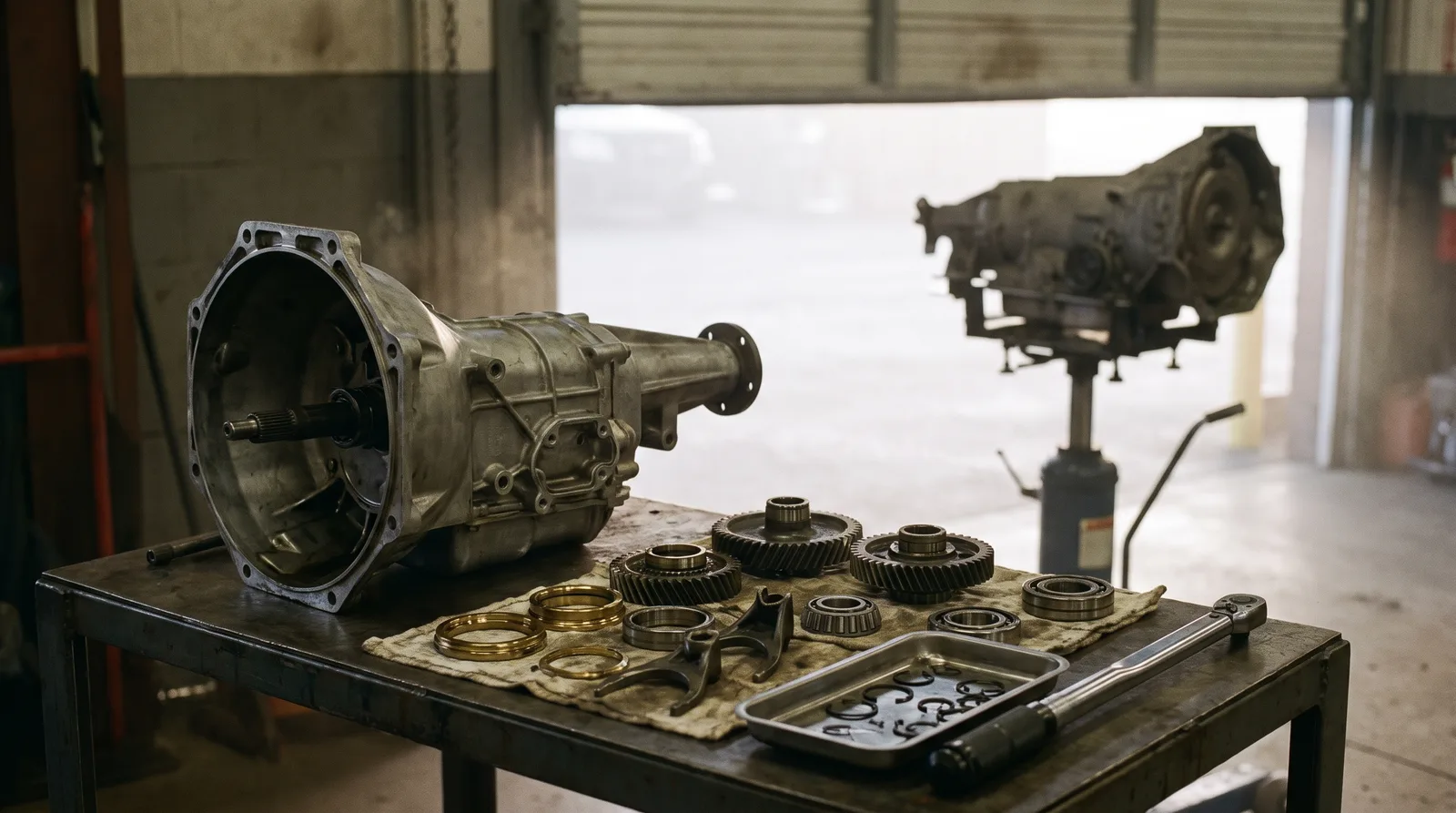
Manual columns have a similar problem, worse in some ways. A four-speed column shift relies on a set of levers stacked on the steering column itself, each one moving a specific shift rod. Swap to a different manual transmission, particularly one with a floor-shift-only shifter design, and there's no column linkage that connects to it at all. At that point the conversion isn't optional. It's the only path forward.
Picking a shifter and console setup that fits the cab
Aftermarket floor shifters for these trucks come in a few basic categories: a simple stick with an exposed boot, a shifter with a small trim plate, and a full console setup that also picks up gauges or storage. The floor space in a C10 cab is generous compared to a lot of muscle cars from the same era, which gives real room to work with, but the transmission tunnel hump position still dictates where the shifter can physically land. Measure the tunnel's centerline and height before ordering anything, because a shifter designed for a different tunnel profile sits crooked or too far forward to reach comfortably from the seat.
| Setup type | Best fit for | Trade-off |
|---|---|---|
| Basic stick and boot | Budget builds, work-truck aesthetic | Cheapest, least finished look |
| Shifter with trim plate | Daily drivers wanting a clean look without a full console | Mid-cost, still simple to install |
| Full console conversion | Show trucks and higher-end restomods | Most labor, best finished appearance |
Linkage, cable, and TV cable hookup specifics
An automatic conversion needs the shift cable or rod matched to the actual transmission, not the shifter kit's generic hardware, and the throttle valve cable on transmissions that use one is not optional equipment. Skip the TV cable hookup or set it wrong, and the transmission either shifts too early, too late, or burns up internally from incorrect line pressure in short order -- an improperly adjusted TV cable on transmissions like the 700R4 or 200-4R can cause real internal damage quickly, since the cable directly controls line pressure on those units rather than just triggering a kickdown. This is the single most common mistake in a shifter conversion, because it's invisible day to day until the transmission fails, and by then nobody remembers the TV cable was never adjusted after the swap.
Manual conversions need the shift linkage rebushed with fresh nylon bushings at every pivot point, because worn bushings translate directly into sloppy shift feel that gets blamed on the shifter itself when the real problem is a worn joint two feet away. Adjust the linkage with the transmission in neutral and the shifter centered, then run through every gear checking for full engagement before the console goes on and hides everything.
Floor cutting and mounting without wrecking the trans tunnel
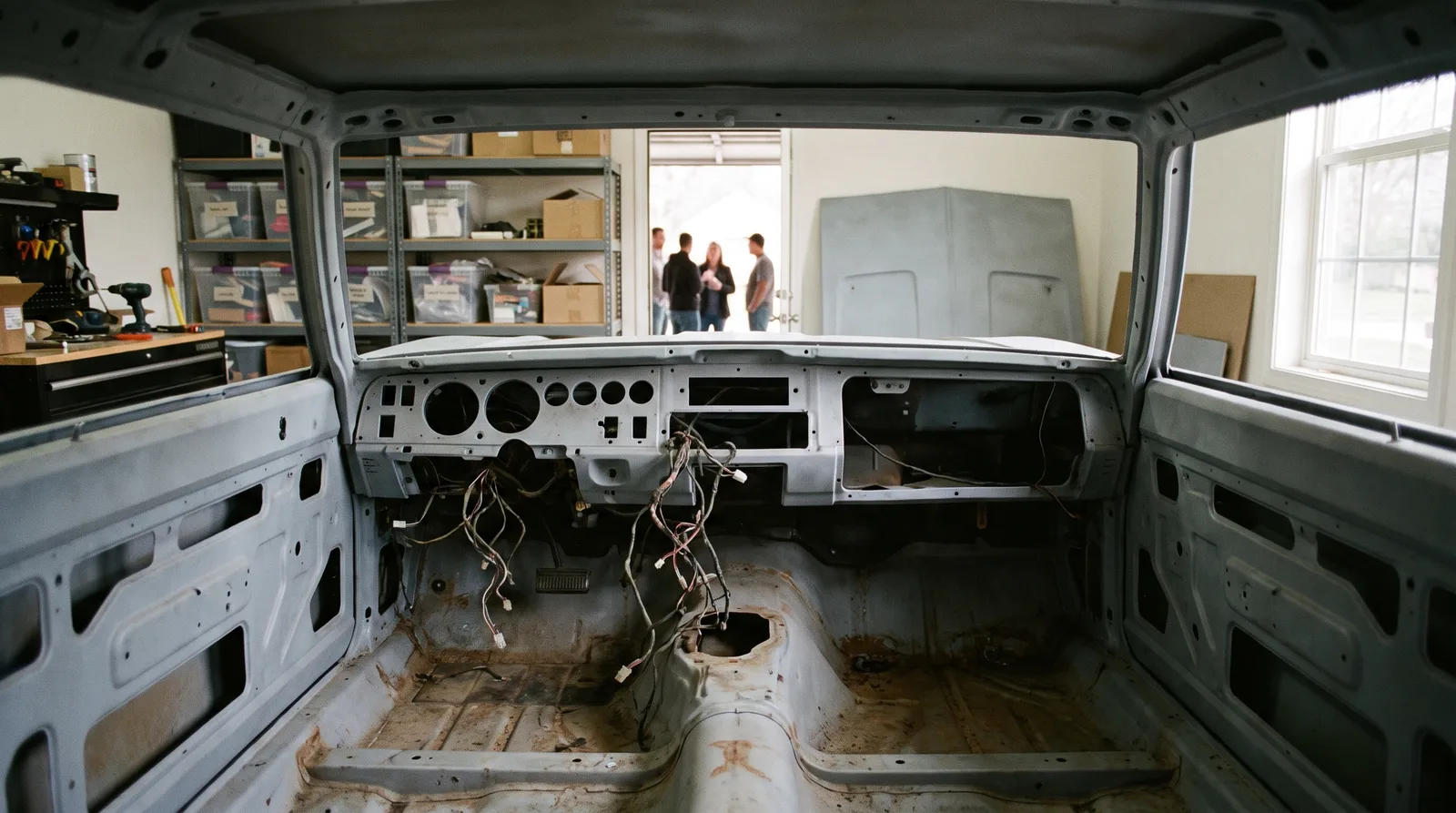
Most shifter kits need a hole cut in the factory floor pan for the shifter shaft and mounting plate. Mark the location twice before cutting once, checking clearance against the transmission tunnel, the seat mounting bolts, and the shifter's full range of travel including reverse. Cutting too far forward puts the shifter under the dash bezel. Cutting too far back puts it under the seat cushion. Neither is fixable without a second hole and a patch panel over the first mistake.
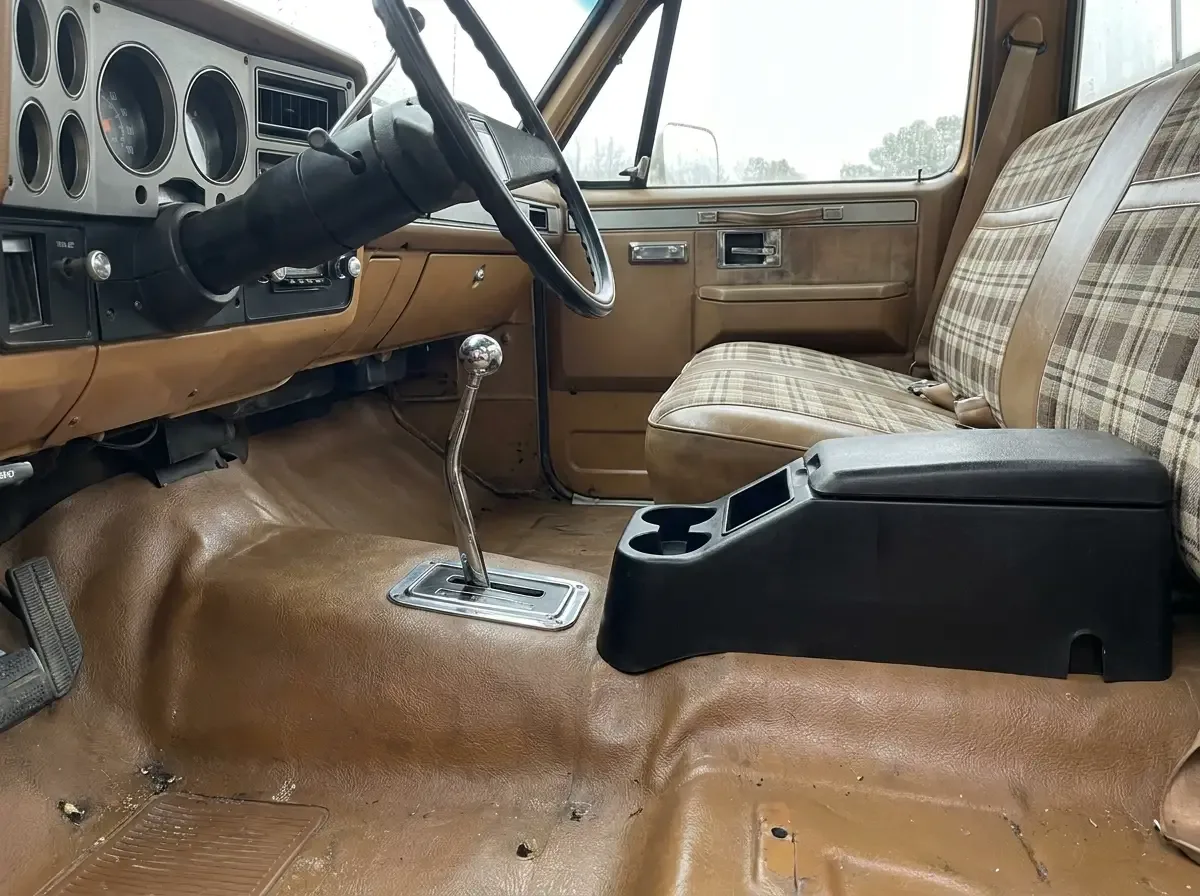
Seal the cut edge with the mounting plate's factory gasket or a bead of seam sealer before final install. An unsealed floor cut is a direct path for exhaust fumes and road noise into the cab, and it's a much smaller job to seal it now than to chase a mystery fume smell six months from now.
What breaks if you skip a step
Skip the TV cable adjustment and the transmission runs hot internally and shifts wrong long before it fails outright, which means the damage is done well before the symptom shows up. Skip fresh bushings on a manual linkage and every shift feels vague, which gets blamed on synchros that were actually fine. Skip careful floor cutting and you're stuck with a shifter position that's technically functional and permanently annoying every time you reach for it. None of these mistakes are expensive to avoid. All of them are expensive to fix after the fact.
"A sloppy shift almost never means what people think it means. Half the time it's a worn bushing two feet from the shifter, not the transmission itself. Chase the linkage before you touch the trans."
Dan Reeves
Get the linkage geometry right, adjust the TV cable if the transmission uses one, and cut the floor once with real measurements instead of a guess. Do that and the floor shifter conversion outlasts everything else you bolt on around it.
Sources and notes
- JEGS: How to Adjust a TV Cable on Your GM Overdrive Transmission
- Roadkill Customs: How to Set the Kickdown or TV Cable on GM Transmissions
- CJ Pony Parts: C10 Automatic Shift Linkage Kit, Original Style, 1967-1972
- Turbo Nasty: Automatic Shift Linkage Kit - SBC - 2WD - 1967-1972 C10
- Team Chevelle: TH350 kickdown cable and line pressure discussion
Related Reading

Performance engine builder from North Carolina's motorsports corridor, focused on swaps, forced induction and making real, repeatable power.
Related Listings - Chevrolet C10
More in Restoration & Tech
Comments
Be the first to comment on this article.