
An LS swap in a C10 is not a novelty anymore. It is the default plan for anyone who wants more power, better fuel economy, and an engine that starts every time in July heat or January cold. The factory small blocks and big blocks that came in these trucks were built to different standards, and the aftermarket has spent two decades closing every gap that used to make an LS swap a headache. If you want the background on how these trucks went from work rigs to swap platforms, the C10 story covers that ground. This is about the engine, the numbers, and what actually bolts in versus what gets sold as a bolt-in.
Restoration & Tech
9 min read
The Ultimate LS Swap Guide for Classic Chevrolet C10 Trucks
A numbers-first breakdown of which LS engine to run in a classic C10, what actually bolts in, and what the rest of the truck needs once it makes real power.
Why the LS is the default answer now
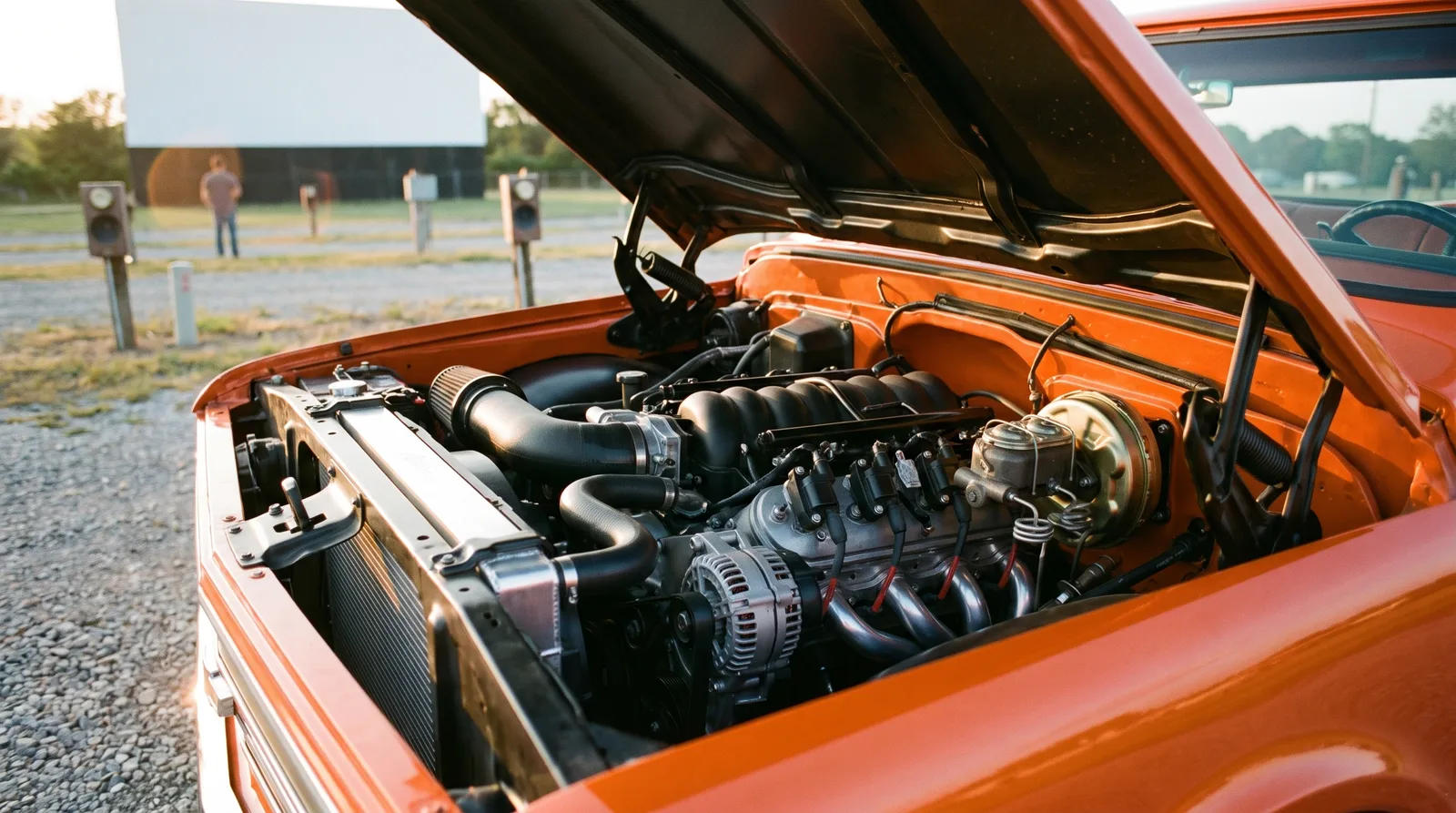
The math is simple. A tired 350 making maybe 200 horsepower on a good day, with a Q-jet that never quite idles right and a distributor that needs a timing light every spring, is not competing with a 5.3-liter truck LS that makes more power stock, runs on pump gas without complaint, and returns better fuel economy towing nothing. That is not opinion. That is what happens when you put both on a dyno.
The core reason the LS swap took over is the engine's physical footprint. GM designed the LS block to be compact and light relative to the power it makes, and because it originated in trucks and SUVs as much as it did in Corvettes, the accessory drives, oil pan geometry, and bellhousing pattern were never a mystery to the aftermarket. Every major swap parts maker has already solved the C10 fitment problem before you ever touch a wrench.
Which LS to actually run
This is where people waste money chasing a number instead of a plan. Not every LS is the same swap, and not every LS is worth the premium some sellers ask for it.
| Engine | Displacement | Typical stock output | Where it came from | Swap notes |
|---|---|---|---|---|
| 5.3L Vortec (LM7/LY5/LMG) | 5.3L / 325 ci | ~270-295 hp | Half-ton trucks, SUVs | Cheapest, most common, best parts availability |
| 6.0L Vortec (LQ4/LQ9) | 6.0L / 364 ci | ~300-345 hp | 3/4-ton trucks, SUVs | Stronger bottom end, iron block, more weight |
| LS1 | 5.7L / 346 ci | ~305-350 hp | Camaro, Firebird, C5 Corvette | Aluminum block, lighter, higher swap cost used |
| LS3 | 6.2L / 376 ci | ~426-430 hp | C6 Corvette, later Camaro SS | Best power-per-dollar new crate option |
| LS6 | 5.7L / 346 ci | ~385-405 hp | Z06 Corvette, CTS-V | Better heads than LS1, harder to find cheap |
For a truck that is going to see real miles and not just a burnout at the end of a build video, the 5.3L Vortec is still the right answer for most budgets. It is everywhere in salvage yards, the parts are cheap because a million of them were built, and a mild cam and headers on a 5.3 will outrun a stock small block by a margin that is not close. If the budget allows it, an LS3 crate engine skips the used-engine gamble entirely and starts you at a higher power number with a warranty.
Mounts, oil pan, and what actually clears
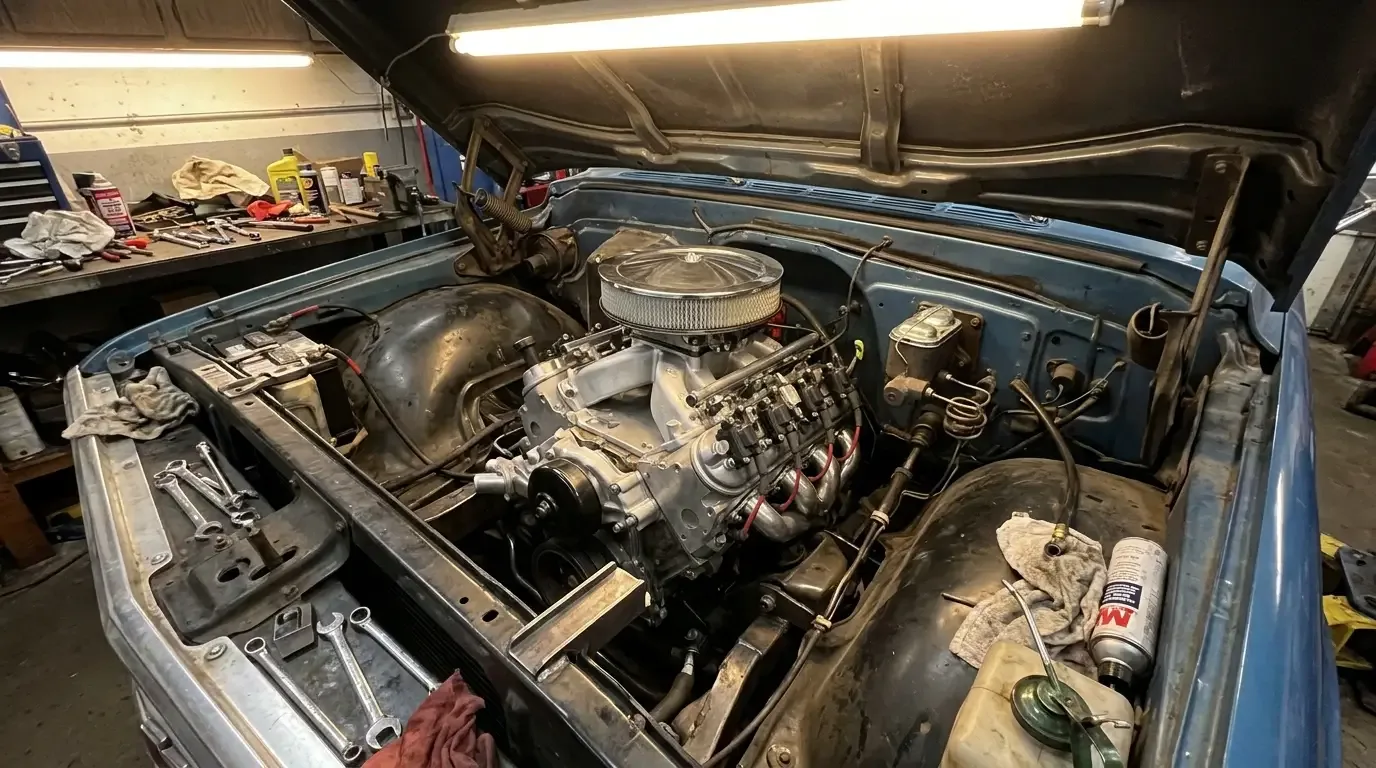
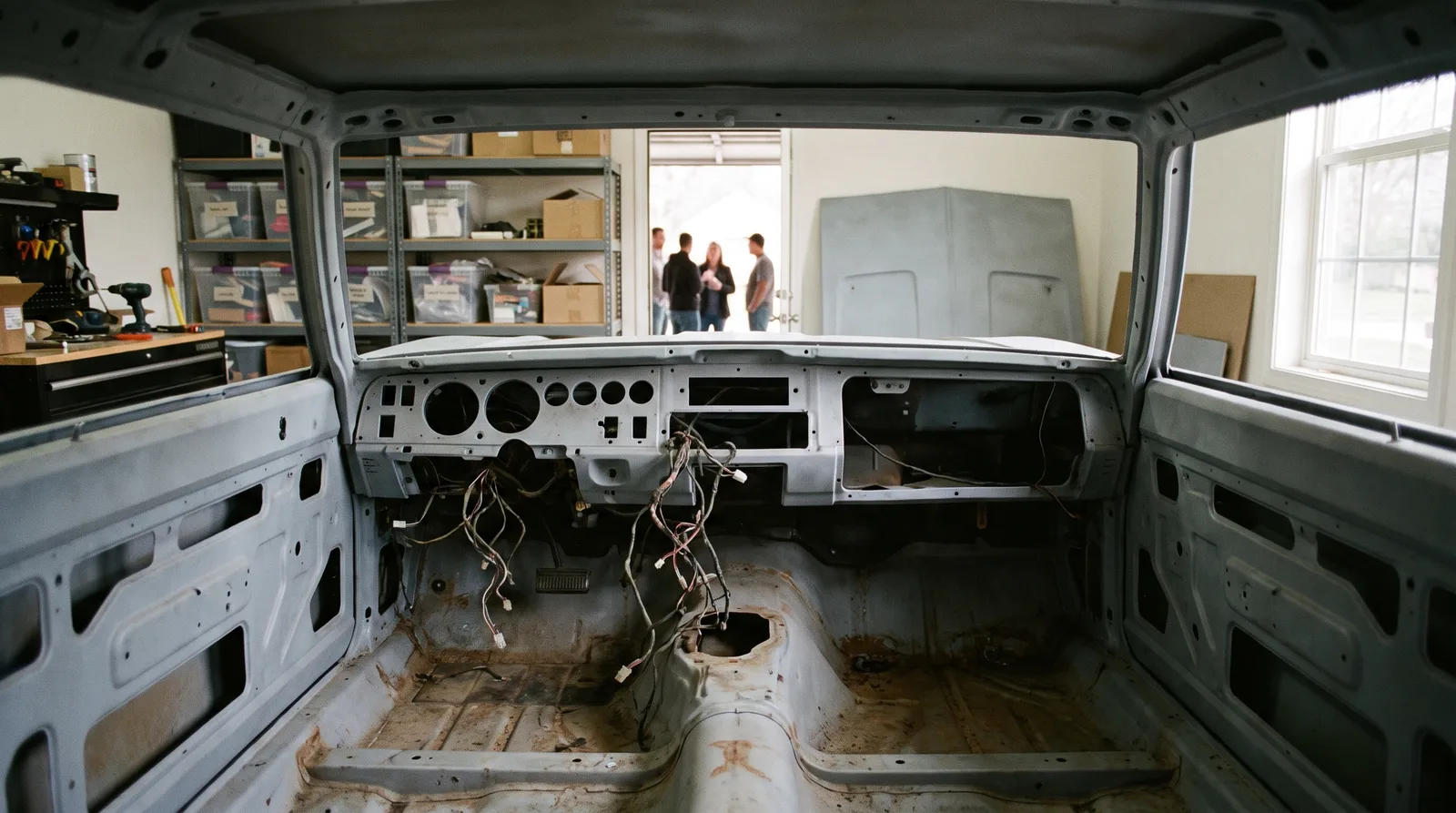
The generation of C10 you are starting with changes the swap in real ways. The 1967-1972 trucks and the 1973-1987 square body trucks have different frame widths, different steering box locations, and different firewall geometry, and a mount kit built for one will not drop into the other without modification. Buy the kit for your specific truck's chassis, not a generic "C10 LS mount kit" listing that does not specify the years.
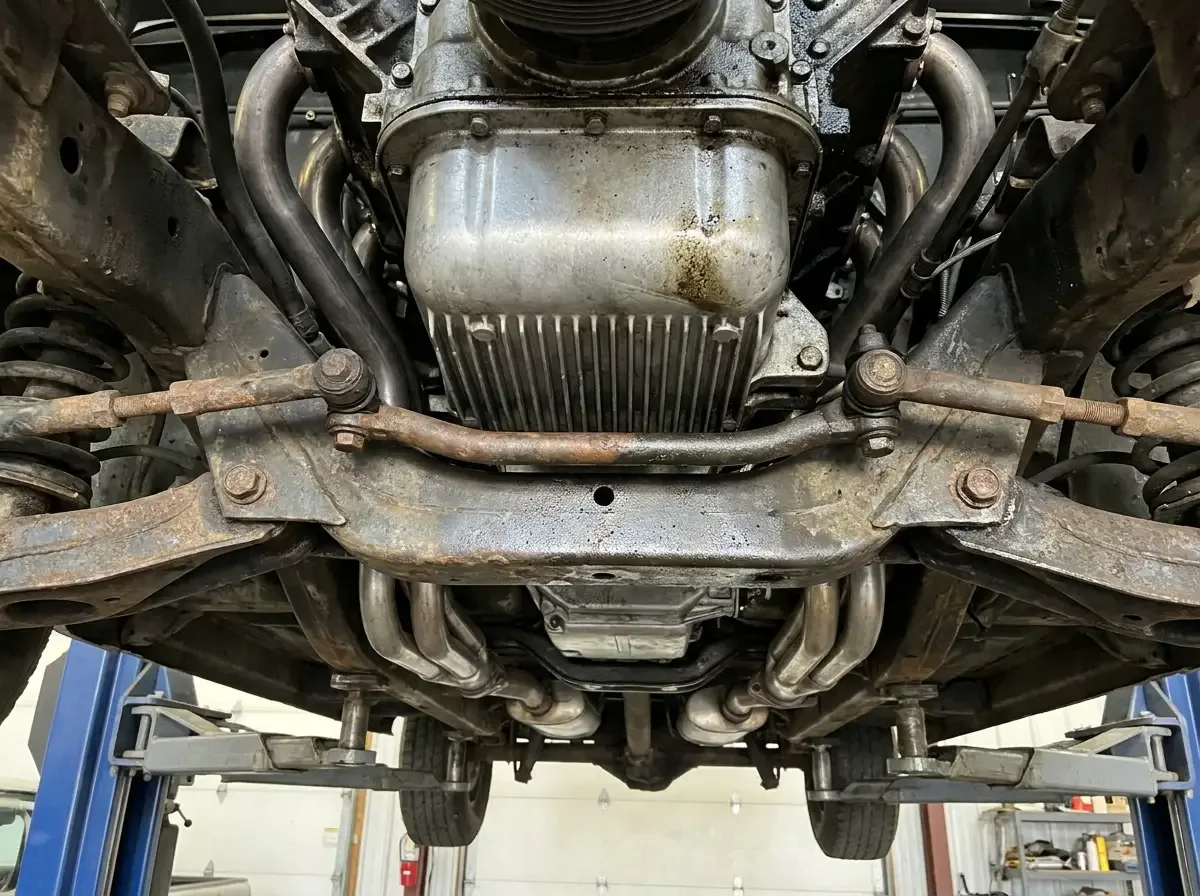
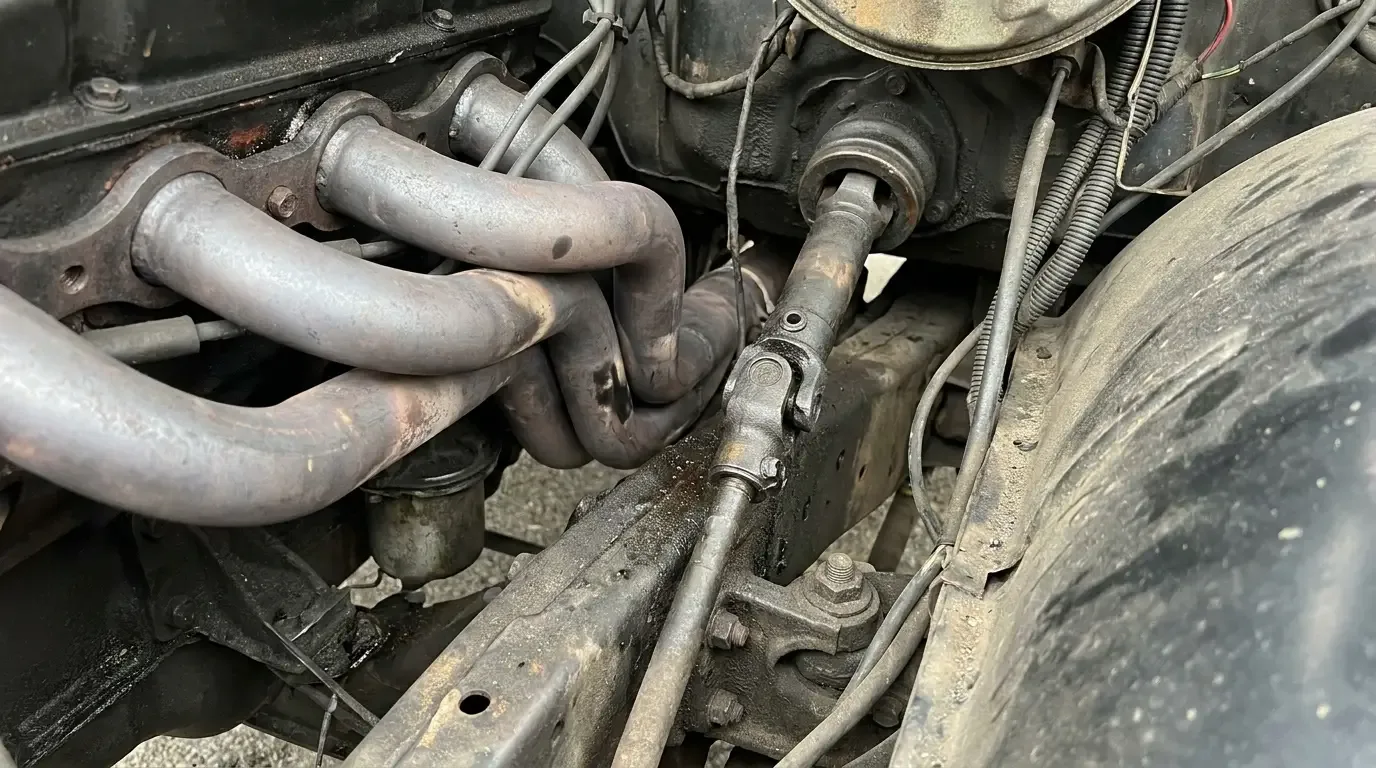
Oil pan clearance is the detail that catches people who skip the research. The stock LS truck pan hits the front crossmember and the steering linkage on most C10 applications. Swap companies sell a dedicated rear-sump or center-sump pan built for this exact swap, and that part is not optional. Headers are the second clearance fight, specifically around the steering shaft and the brake booster on manual steering versus power steering trucks. Long-tube headers that clear a 1971 truck do not automatically clear a 1985 truck with a different steering box.
Wiring and controls, the part people underestimate
An LS motor runs on its own computer, and that computer wants nearly every sensor talking to it correctly or it throws a code and runs poorly. You have two real paths here. A standalone harness and controller, built by a company that specializes in exactly this swap, strips out everything the truck's factory wiring does not need and gives you a harness with maybe a dozen connections instead of the spider's web GM originally ran. The other path is running the factory computer from the donor vehicle, which costs less up front but means dealing with anti-theft immobilizer systems on some model years that will not let the engine start without extra work.
For a truck that is a driver and not a track-only build, the standalone harness is worth the money. It is simpler to diagnose, simpler to tune, and it does not care what donor vehicle the engine came out of.
Transmission and driveshaft
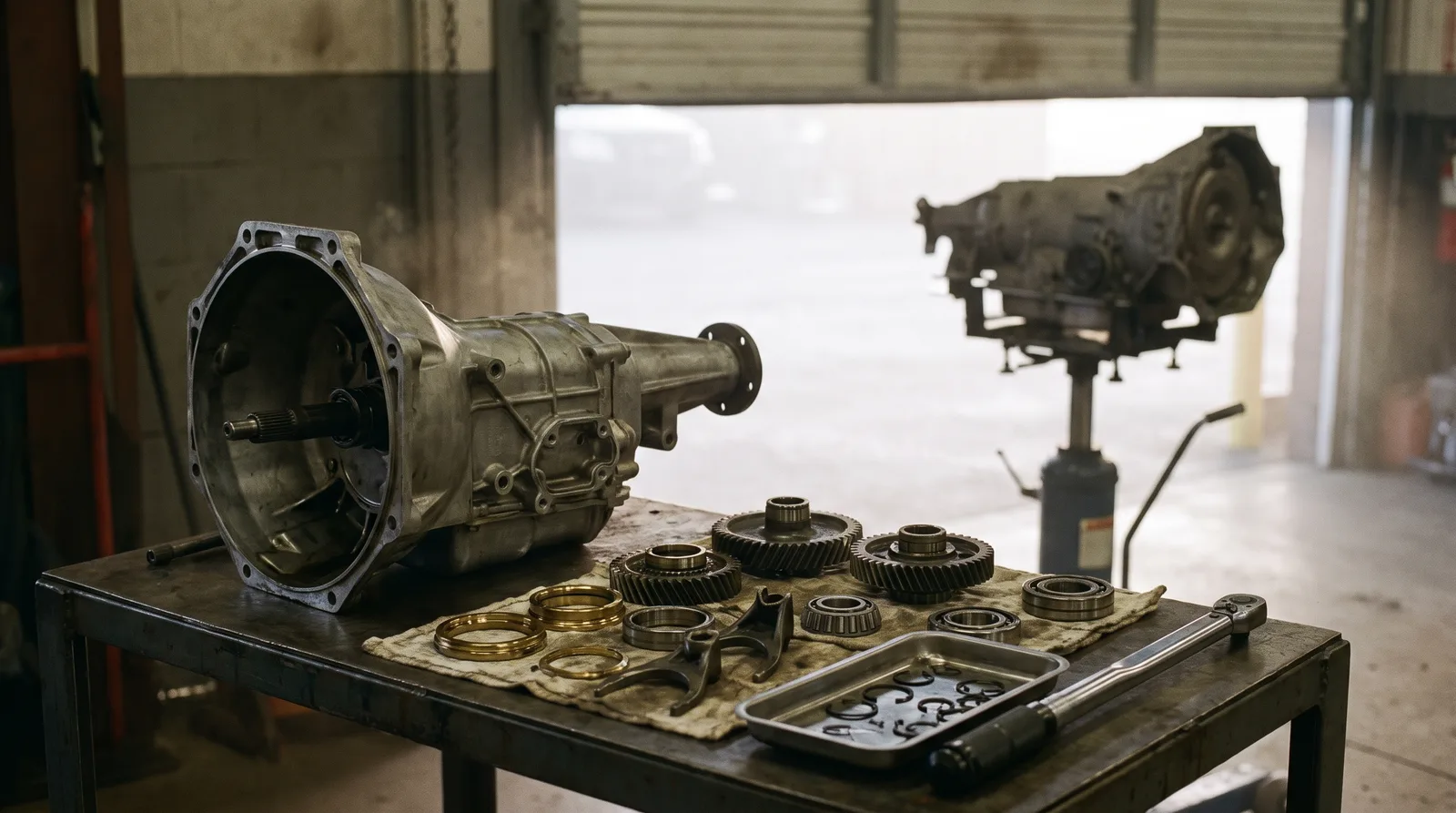
The LS makes power in a band that most factory C10 transmissions were never built to handle for long. A 4L60E is the common automatic pairing, cheap and plentiful, and it holds up fine behind a mild 5.3 or LS1. Push much past 400 rear-wheel horsepower and it starts to become the weak link, at which point a 4L80E or a built 4L60E is the honest answer, not a hope. For manual transmission builds, the T56 six-speed is the standard swap choice and it needs its own crossmember and shifter location work in most C10 chassis.
The driveshaft almost always needs to be shortened and re-balanced once the new transmission tailshaft length is known. This is not a guess-and-cut job. Measure after the engine and transmission are mounted and torqued, then send the shaft out.
Cooling, fuel, and exhaust
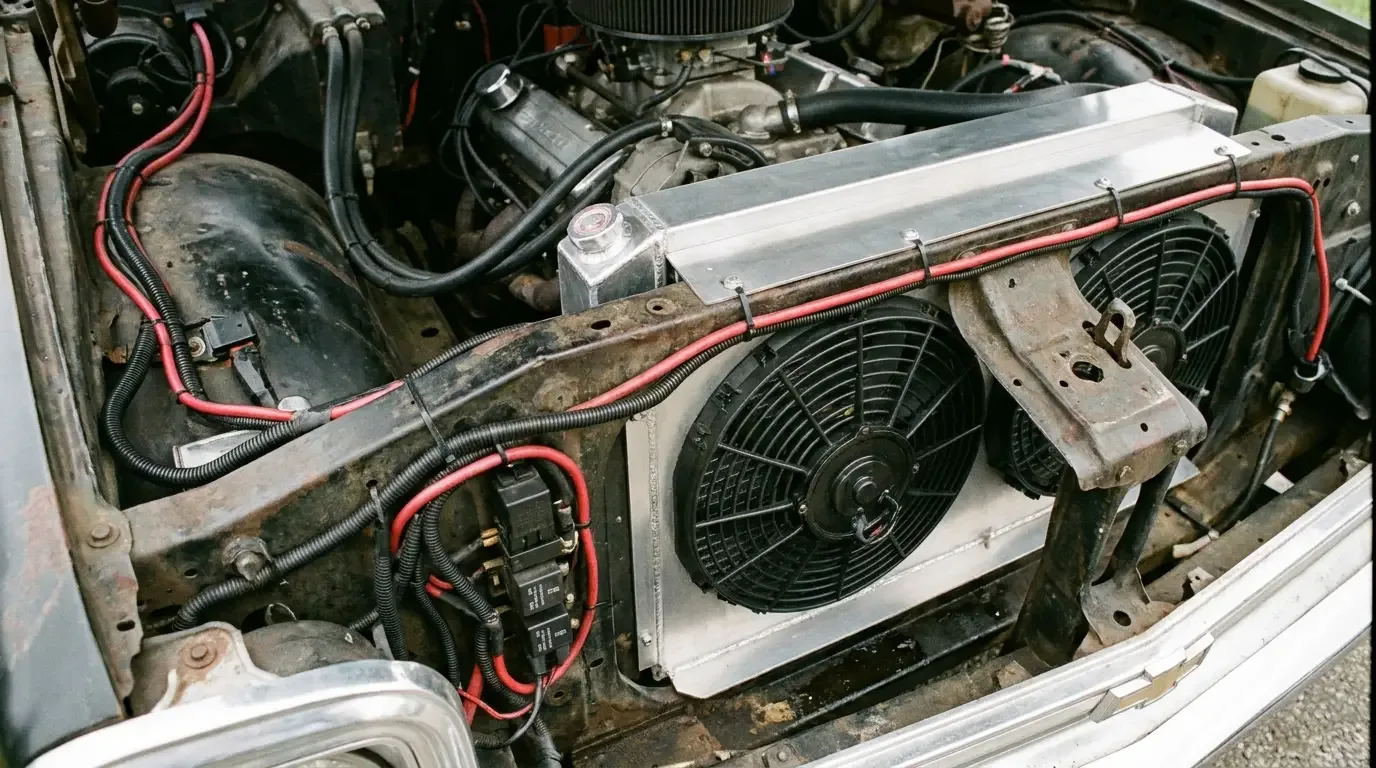
The factory C10 radiator was sized for a small block making a couple hundred horsepower, not an LS making 350 or more. A larger aluminum radiator with a dual-fan setup is close to mandatory, especially in a truck that will see traffic in summer heat. Fuel delivery matters just as much. The LS wants a return-style or returnless high-pressure fuel system depending on the specific engine controller, and the factory C10 in-tank mechanical pump setup does not deliver the pressure or volume an LS needs. Budget for a proper fuel system, not a splice into what is already there.
Exhaust is where the truck starts to sound like what it is. Long-tube headers into a 2.5-inch or 3-inch system, depending on the power level, clears most of the restriction the factory manifolds and small pipe never had a chance against.
"Guys ask me what LS to run like there's one right answer. There isn't. There's a right answer for your budget and your truck. A junkyard 5.3 with a cam and headers will outrun most factory big blocks these trucks ever came with, for less money than a fresh crate 350 costs today. That's the number that should end most of these arguments before they start."
Dan Reeves
What happens to the rest of the truck once it makes real power
An engine swap changes what the rest of the truck needs to do. A C10 that made 200 horsepower for fifty years rode on suspension and geometry designed around that number, and doubling the power without touching anything else exposes weaknesses that never mattered before. Braking distance gets worse before it gets better, and the stance and handling that felt fine at stock power levels start to feel loose once torque shows up sooner and stays longer. It is worth reading what to do about the suspension once it makes real power before the engine goes in, not after the first hard stop reminds you why.
What it costs and what it is worth
A budget 5.3L swap with a used engine, a mount kit, a standalone harness, headers, and a fuel system upgrade typically runs from around $4,000 to $6,000 for a DIY build, with full-shop builds commonly landing in the $8,000-$12,000 range depending on how much is done in-house versus paid out to a shop. A crate LS3 build with all new supporting parts runs considerably higher. Either way, the finished truck is more reliable, gets better fuel economy than the small block or big block it replaced, and holds its value better in the current market, where a well-documented LS swap is a selling point rather than something a buyer has to be talked into accepting.
If you are still shopping and want a truck that has not already had a rough home-garage swap done to it, look at C10s ready for a swap before committing to a project that already has someone else's wiring mistakes buried in it.
Sources and notes
Related Reading
Article
The Chevrolet C10 Story: America's Half-Ton Icon
Article
The Complete Chevrolet C10 Restoration Guide
Article
Converting a Classic C10 from Front Drum to Disc Brakes
Article
Small Block vs Big Block: Choosing the Right C10 Engine
Article
How to Convert a Classic C10 to Modern EFI
Article
Installing Hydroboost Brakes on a Chevrolet C10
Article
Swapping a 4L60E or 4L80E Transmission into a C10
Article
Upgrading C10 Steering to a Quick-Ratio Box
Article
Relocating and Plumbing a Fuel Cell in a C10
Article
Header Clearance and Fitment on a Small-Block C10
Article
Upgrading a C10 Cooling System with Dual Electric Fans
Article
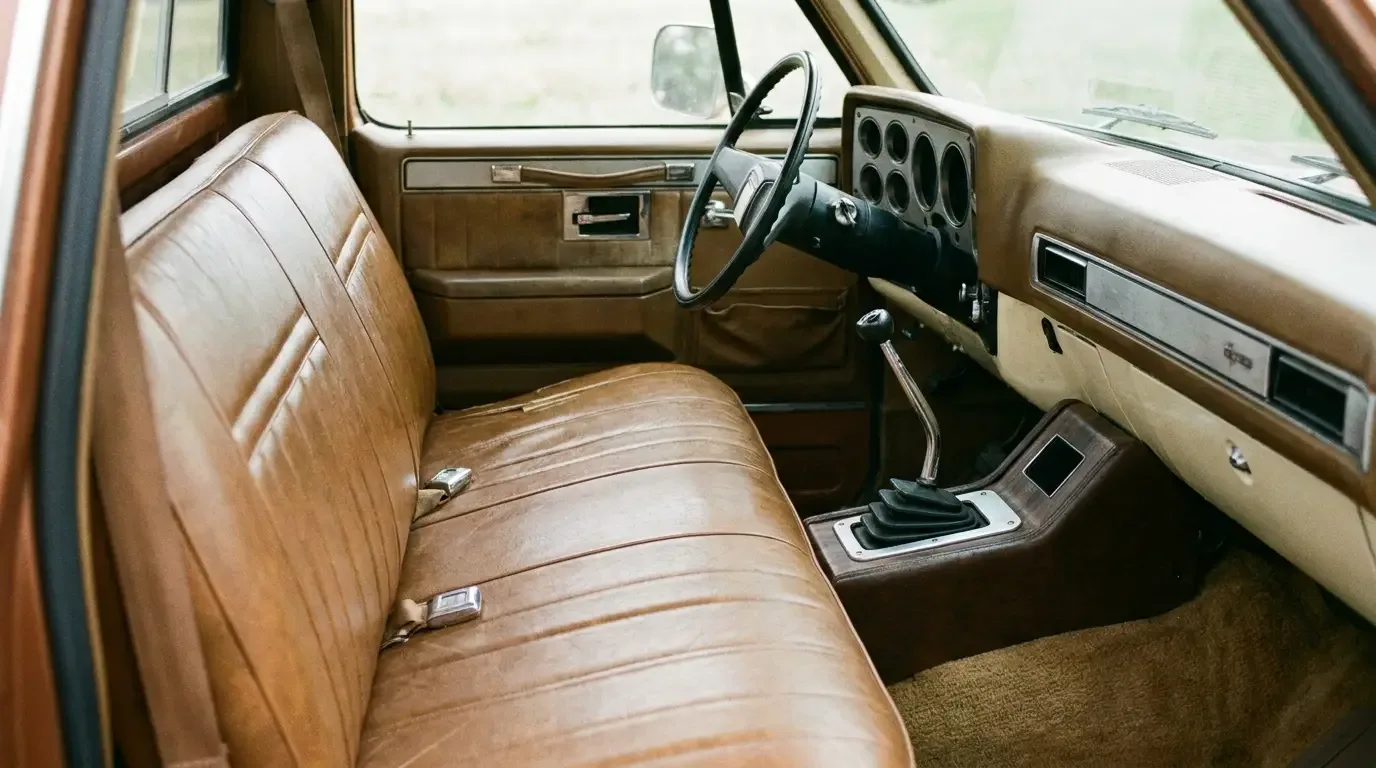
Converting a C10 Column Shift to a Floor-Mounted Shifter
Article
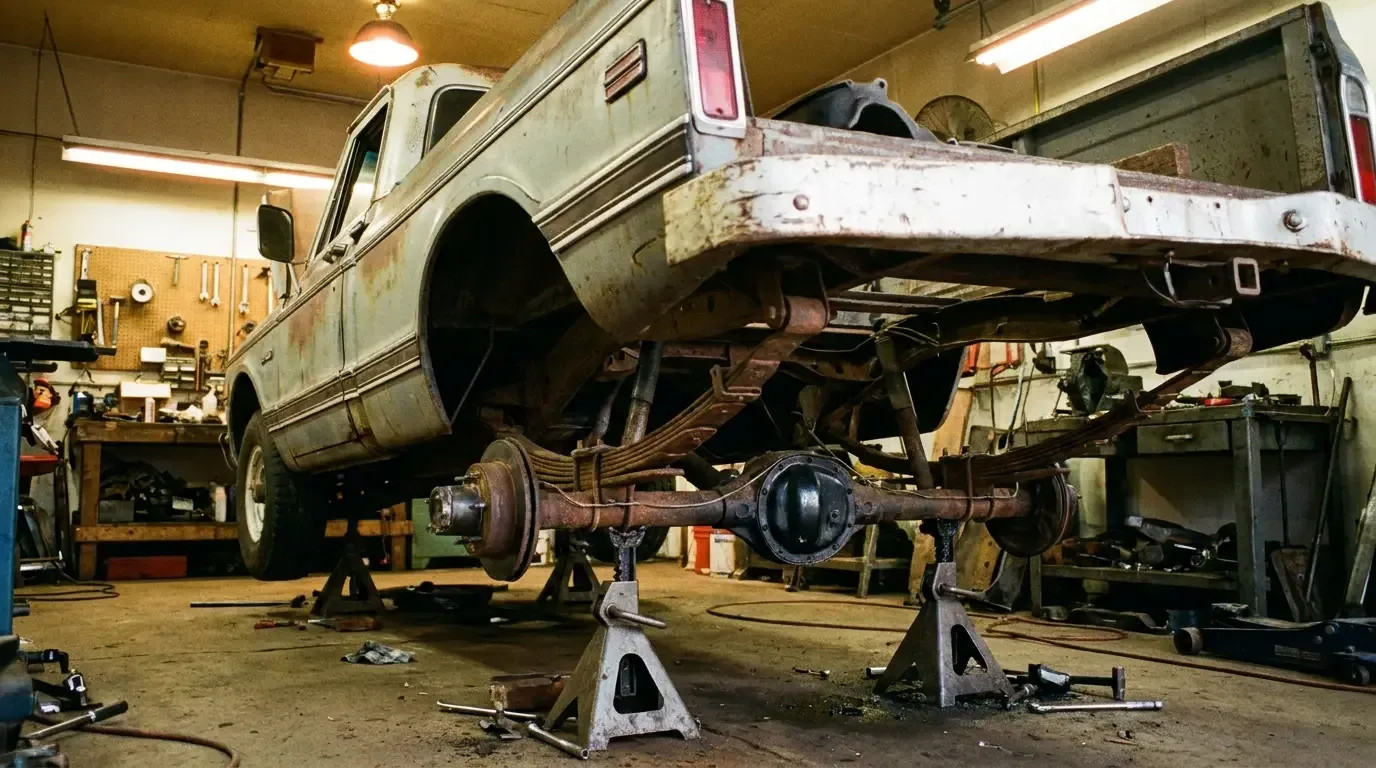
Swapping a 9-Inch Rear End into a C10
Article
Installing Power Steering on a Manual-Steering C10
Article
Tuning a Rochester Quadrajet on a Stock C10 350
Article
High-Output Alternator Upgrades for 12V C10 Systems
Article
Wiring an HEI Ignition Upgrade on a C10
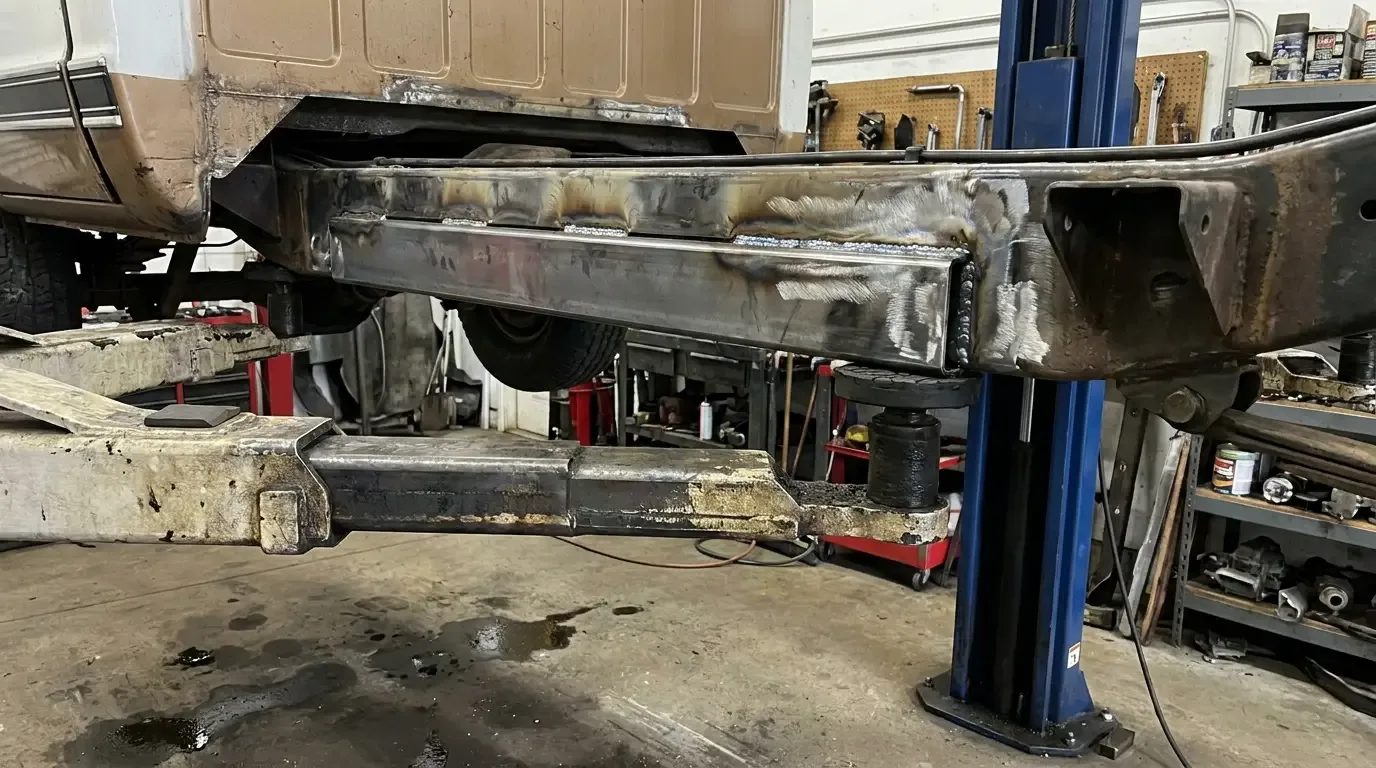
Article
Installing Subframe Connectors on a High-Horsepower C10
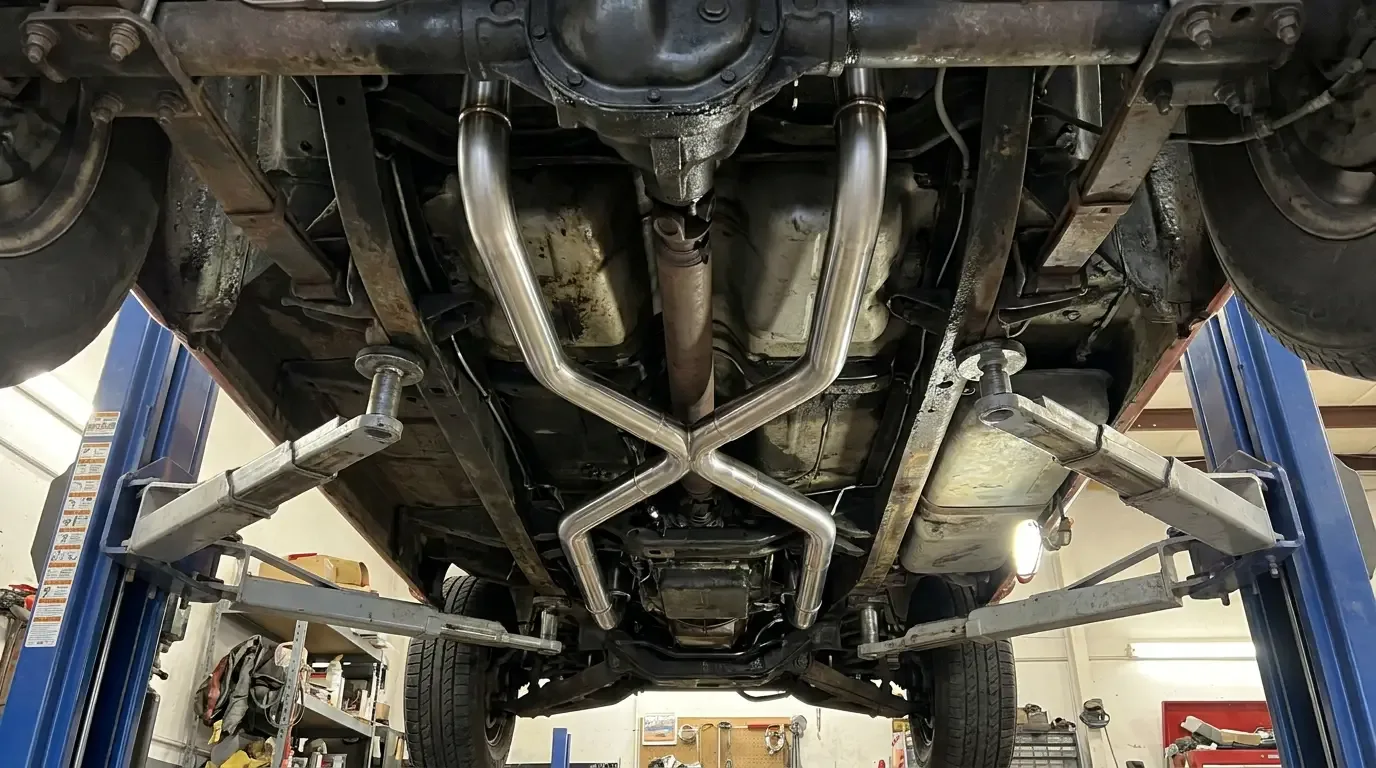
Article
X-Pipe vs H-Pipe: C10 Exhaust Sound Compared
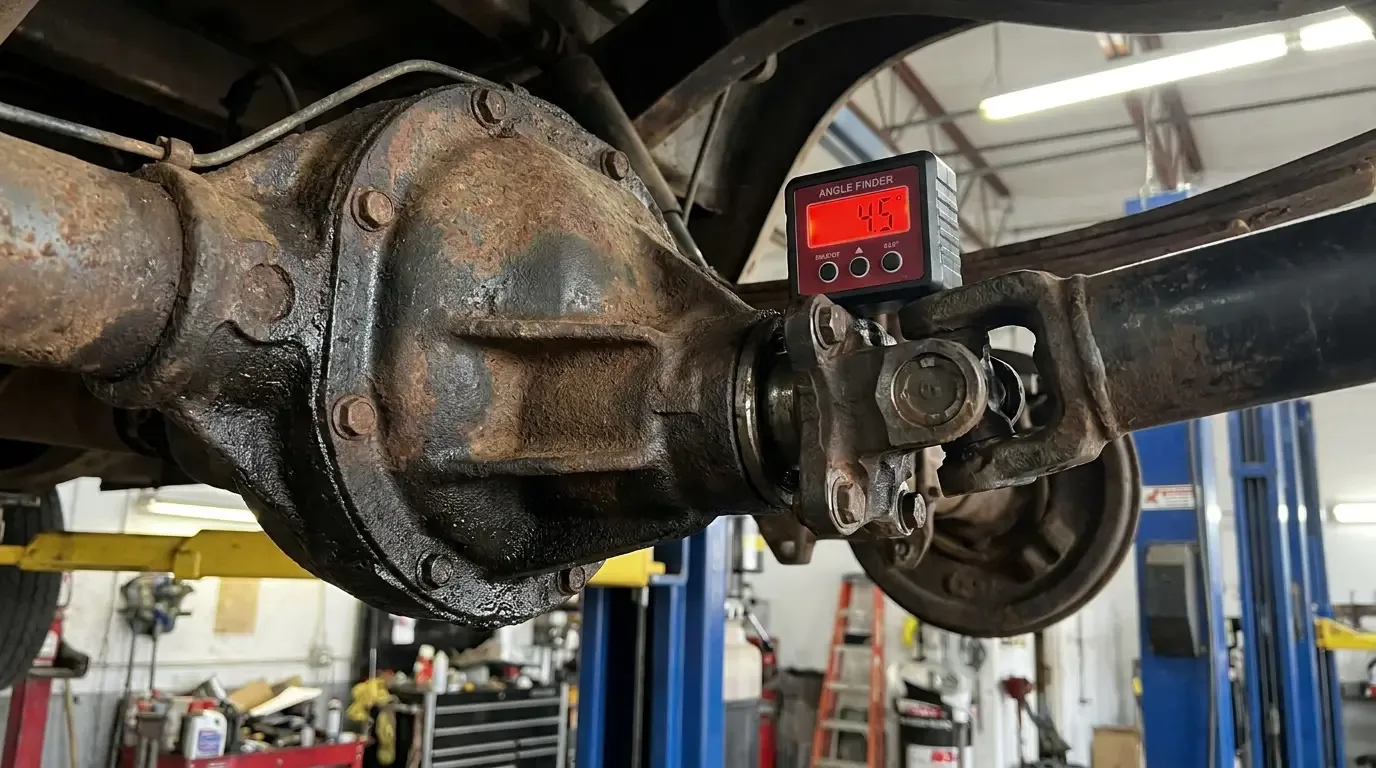
Article
Calculating Driveshaft Angle After an Engine Swap
Article
The Complete Guide to Lowering a Classic Chevrolet C10
Have a
Chevrolet C10
for Sale?
Reach thousands of serious classic car collectors across the US.
Sell It Here →
Are You a Classic Car Dealer?
List your full inventory and connect with targeted classic car buyers.
Join as a Dealer →

About the author
Dan Reeves
Performance engine builder from North Carolina's motorsports corridor, focused on swaps, forced induction and making real, repeatable power.
Related Listings - Chevrolet C10
More in Restoration & Tech
Comments
Be the first to comment on this article.