
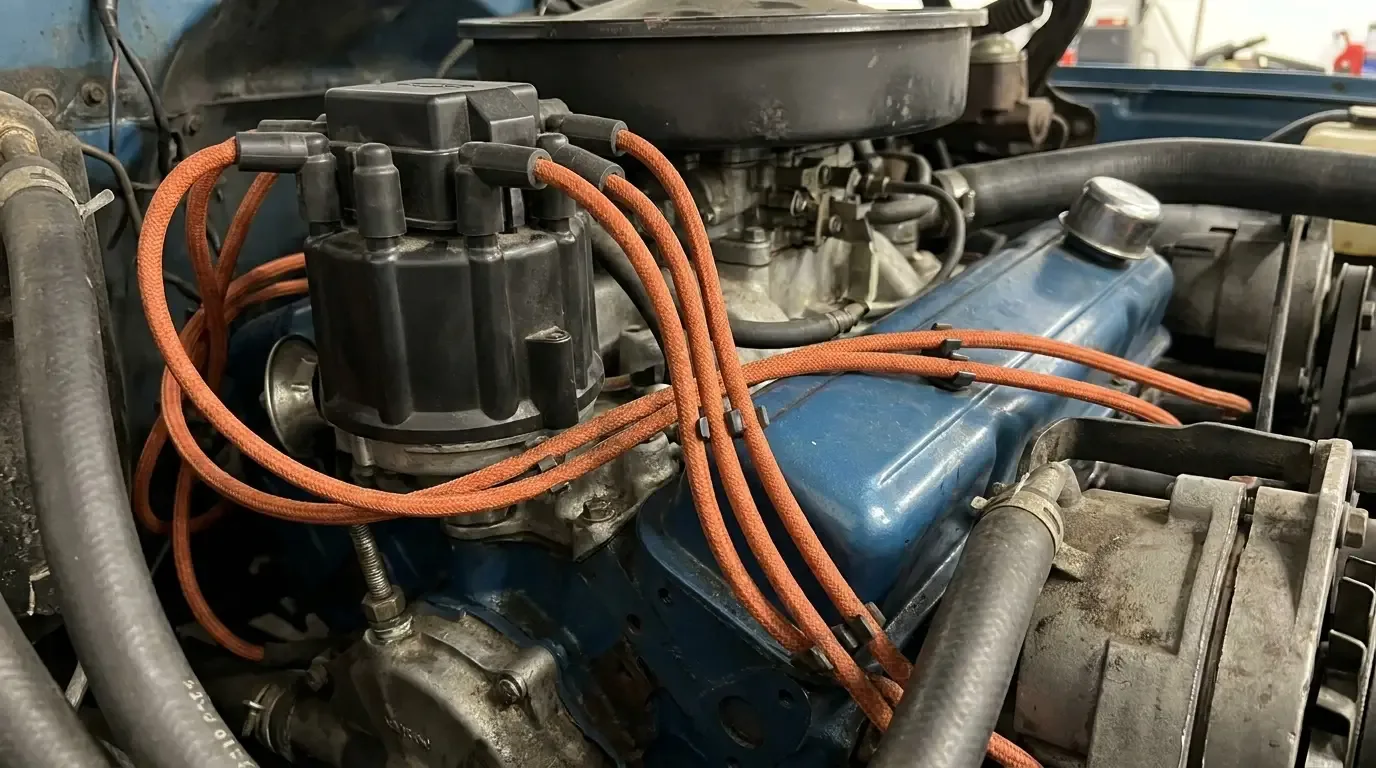
Factory Delco 10SI alternators on these trucks were rated somewhere between 37 and 63 amps depending on the option box checked back in the day, and that number was fine for a truck running points ignition, a heater fan, and headlights. It's not fine for a truck that's picked up an electric fuel pump, aftermarket gauges, a stereo, driving lights, and an HEI distributor since then. Add up the draw on a modified truck and the factory alternator is often running near its ceiling just idling in traffic with the headlights on.
Restoration & Tech
6 min read
High-Output Alternator Upgrades for 12V C10 Systems
How to size, wire, and install a high-output alternator on a modified C10, and why undersized charge wire is the most common reason the upgrade doesn't fix the actual voltage problem.
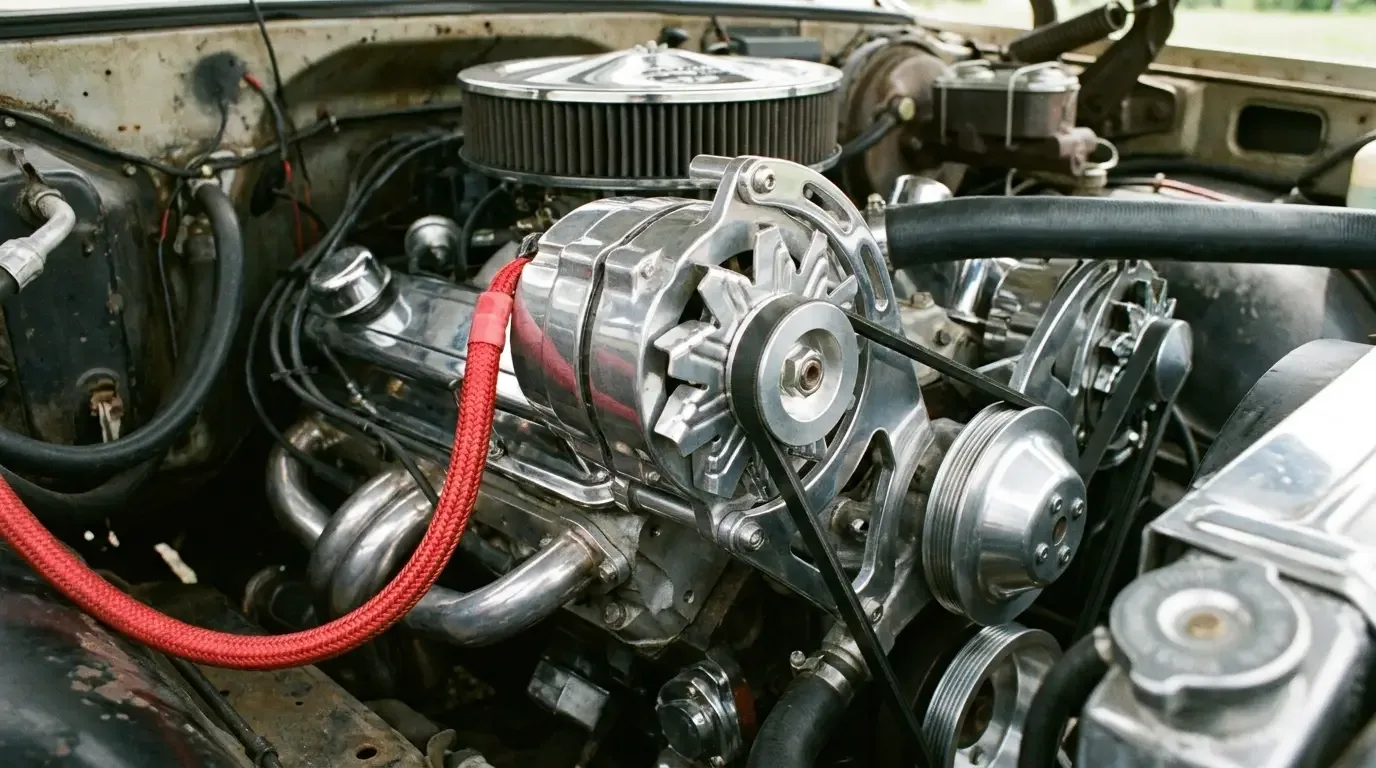
The fix is a high-output alternator, and the part itself is cheap relative to the diagnostic time people burn chasing a "mystery" dead battery or dim gauges that's actually just an alternator that can't keep up with the load. The install is straightforward on most of these trucks. The part where people get it wrong is wiring gauge and pulley ratio, not the alternator itself.
How much amperage you actually need
Add up your accessories before buying a number bigger than you need for the sake of it. An electric fuel pump can pull 10-15 amps under load. An electric fan pulls similar or more. A stereo with an amp, driving lights, and aftermarket gauges add up fast, and none of that shows up until you're sitting at idle with everything running and the voltage starts sagging. A 100-140 amp alternator covers most modified street trucks with real headroom. Going bigger than that only matters if you're running serious audio or multiple electric fans.
Don't oversize just because a bigger number sounds better. A high-output alternator that's way beyond what the truck actually draws doesn't hurt anything mechanically, but it costs more, and the pulley ratio and belt load calculations that keep the unit spinning at the right RPM range still have to be right regardless of rated output. Bigger isn't automatically better tuned to your combination.
| Setup | Typical alternator output | Notes |
|---|---|---|
| Stock, unmodified truck | 37-63 amps | Fine for factory accessory load |
| Mild upgrades (HEI, electric fuel pump) | 100 amps | Covers most street-driven modified trucks |
| Heavy accessory load (audio, lighting, dual fans) | 140+ amps | Confirm wiring gauge supports the increase |
One-wire versus three-wire, and why it matters
A one-wire alternator is simpler to install because it self-excites and doesn't need the factory excitation wire hooked up, which makes it popular for engine swaps and simplified wiring jobs. The tradeoff is that one-wire units typically need higher RPM to start charging fully, which can leave the battery under-charged if the engine spends a lot of time at low idle. A three-wire setup that uses the factory excitation and sense wiring charges sooner in the RPM range and tends to regulate voltage more precisely, at the cost of a slightly more involved wiring job.
For a truck that idles a lot, sits in traffic, or runs a lower idle speed for driveability reasons, three-wire is usually the better call. For a simplified swap where wiring complexity is what you're trying to avoid, one-wire gets the job done as long as you're aware of the low-RPM charging tradeoff and drive accordingly.
Wiring gauge is where people actually mess this up
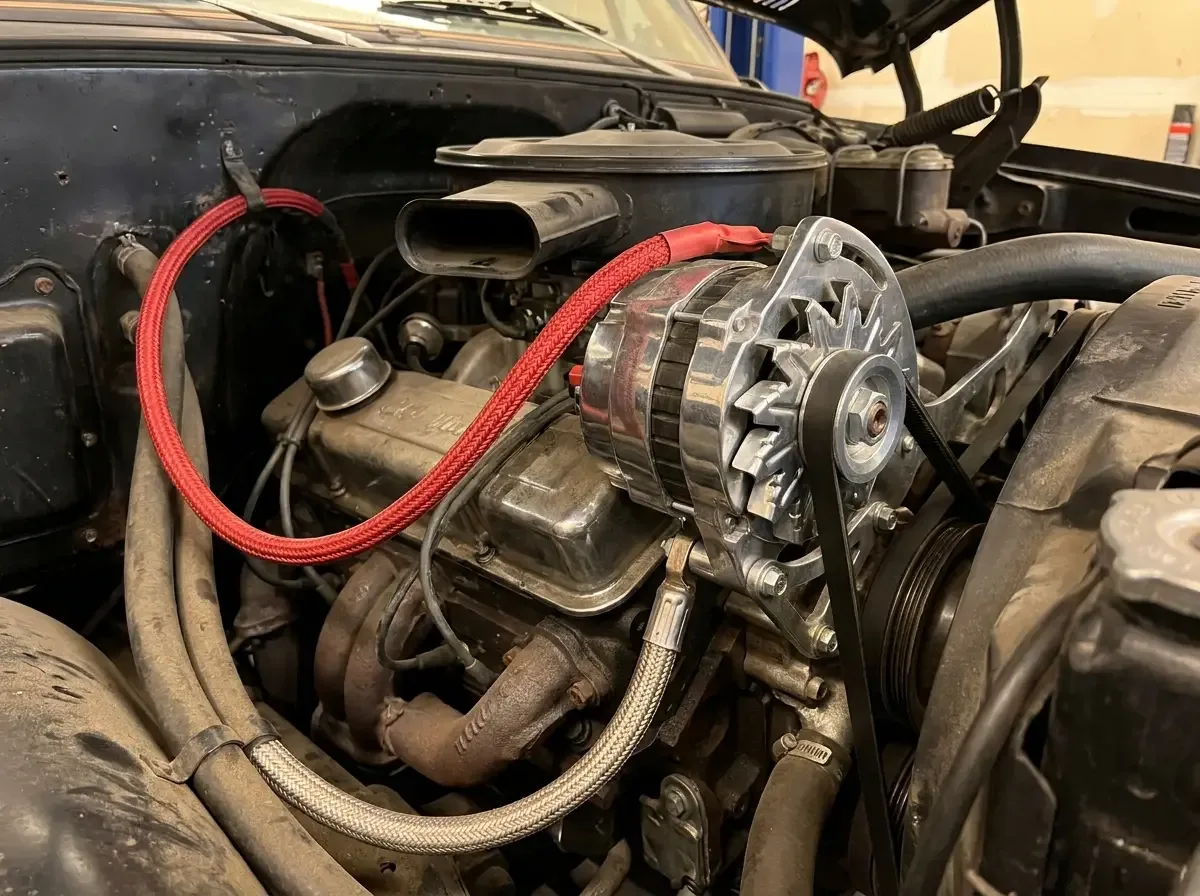
Bolting on a 140-amp alternator and connecting it with the factory charge wire designed for a 60-amp unit is the single most common mistake on this swap. The factory wire wasn't sized for the higher current a bigger unit can produce, and running it undersized causes voltage drop, heat at the connections, and in bad cases, a melted wire or connector. Upsize the main charge wire to match the alternator's rated output, and check every ground point in the charging circuit while you're in there, since a corroded ground undoes the benefit of a bigger alternator just as effectively as undersized wire does.
Confirm the specific wire gauge recommendation for your alternator's rated amperage and wire run length, since the correct gauge depends on both the current and the distance from alternator to battery, not amperage alone.
Testing after the install
Once it's wired up, test at the battery terminals with a multimeter, not at the alternator. Idle should show something above 13 volts with accessories off, climbing toward 14 to 14.5 with the engine at a moderate RPM. If voltage sags under load with everything running, either the alternator's undersized for the actual draw, the wiring's still a bottleneck, or a ground somewhere in the circuit is bad. Isolate one variable at a time instead of guessing.
A properly sized and wired high-output alternator should hold steady voltage with the headlights, blower fan, and electric fuel pump all running simultaneously at idle. If it can't do that, something in the install is wrong, not the concept of the upgrade itself.
🔧 Inspection Priorities
- Charge wire gauge. Undersized wire on a high-output unit causes voltage drop and heat, and it's the most common install mistake.
- Ground strap condition. A corroded or loose ground anywhere in the charging circuit undoes the benefit of the upgrade entirely.
- Pulley ratio. Wrong ratio keeps the alternator from reaching full output at the idle speeds where you actually need it.
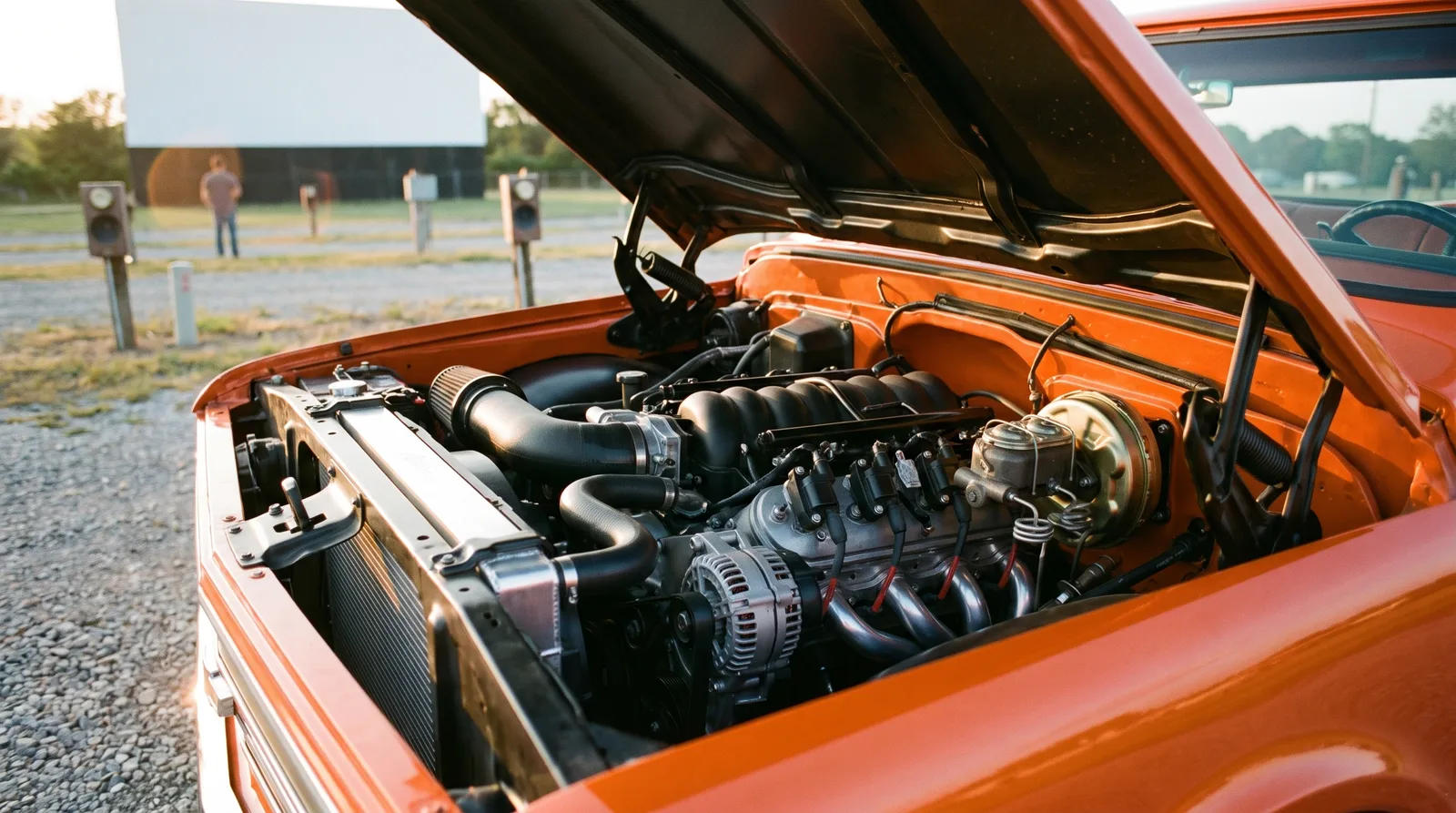
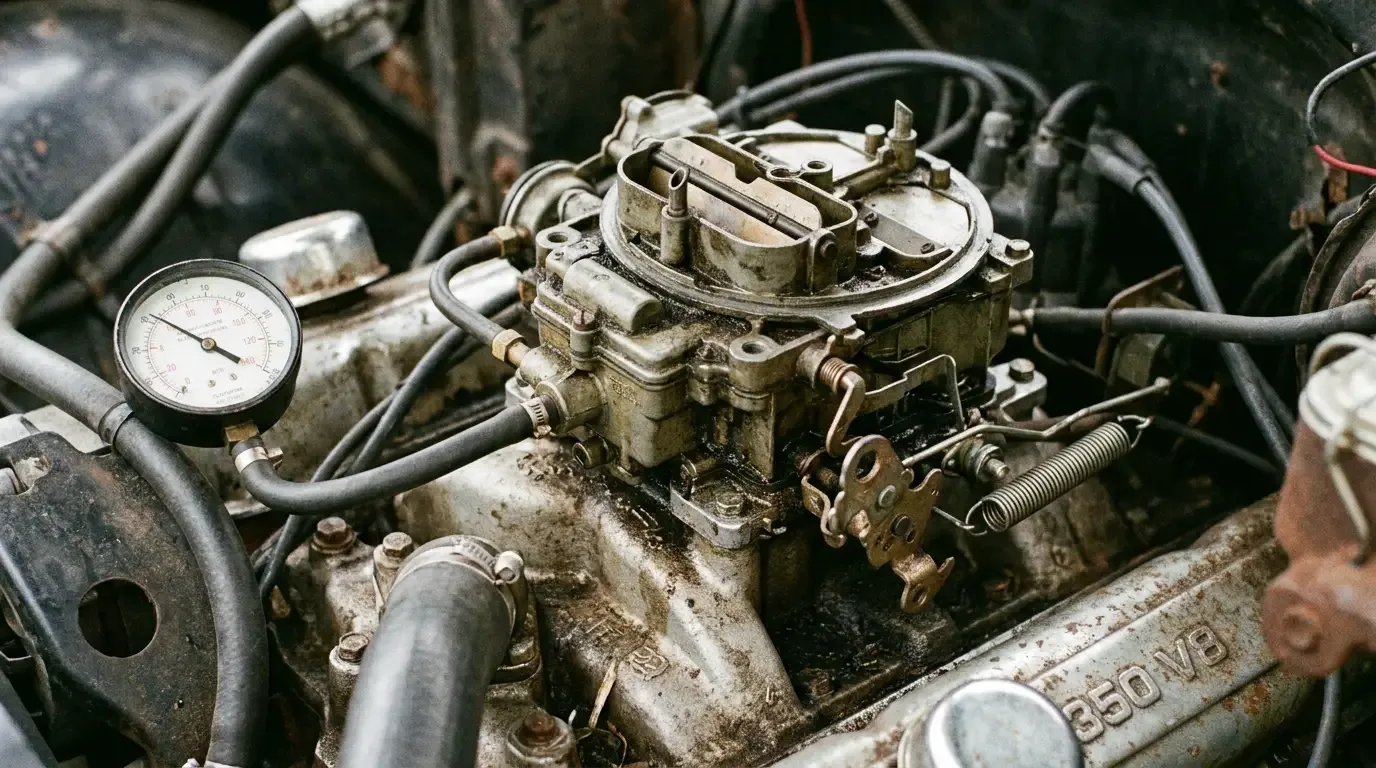
This upgrade is one half of a pair that gets done together more often than not. The other half is usually the LS swap guide, since a swapped engine almost always changes accessory drive and electrical draw enough to make the stock charging system obsolete anyway. And once the charging system can actually keep up, it's worth confirming the HEI ignition it usually feeds is getting clean, stable voltage, since a marginal charging system causes ignition symptoms that get misdiagnosed as distributor problems more often than people expect.
"Guys buy a 200-amp alternator, wire it with the factory 10-gauge charge wire, and wonder why it runs hot and the voltage still sags. The alternator was never the bottleneck. The wire was."
Dan Reeves
Done right, this is a one-afternoon fix that eliminates an entire category of electrical gremlins on a modified truck. Done wrong, it's a bigger alternator bolted to the same undersized wiring that was already marginal, which solves nothing.
Sources and notes
Related Reading
Have a
Chevrolet C10
for Sale?
Reach thousands of serious classic car collectors across the US.
Sell It Here →
Are You a Classic Car Dealer?
List your full inventory and connect with targeted classic car buyers.
Join as a Dealer →

About the author
Dan Reeves
Performance engine builder from North Carolina's motorsports corridor, focused on swaps, forced induction and making real, repeatable power.
Related Listings - Chevrolet C10
More in Restoration & Tech

Comments (1)
L
Linda Kowalski
3 months ago
Took three years to find the right one. Patience is a genuine skill in this hobby and it pays off.