
A stock Quadrajet on a 350 is a good carburetor with a bad reputation. Most of what people call a bad Quadrajet is actually a worn one, running on a float that's dropped out of spec, an idle circuit clogged with twenty years of varnish, and a choke pull-off nobody's touched since the truck last had a warranty. Fix those three things and the carburetor most guys wanted to rip off the truck and replace works the way Rochester designed it to.
Restoration & Tech
7 min read
Tuning a Rochester Quadrajet on a Stock C10 350
How to correctly tune a Rochester Quadrajet on a stock C10 350, from float level and metering rods to choke pull-off function and secondary spring tension.
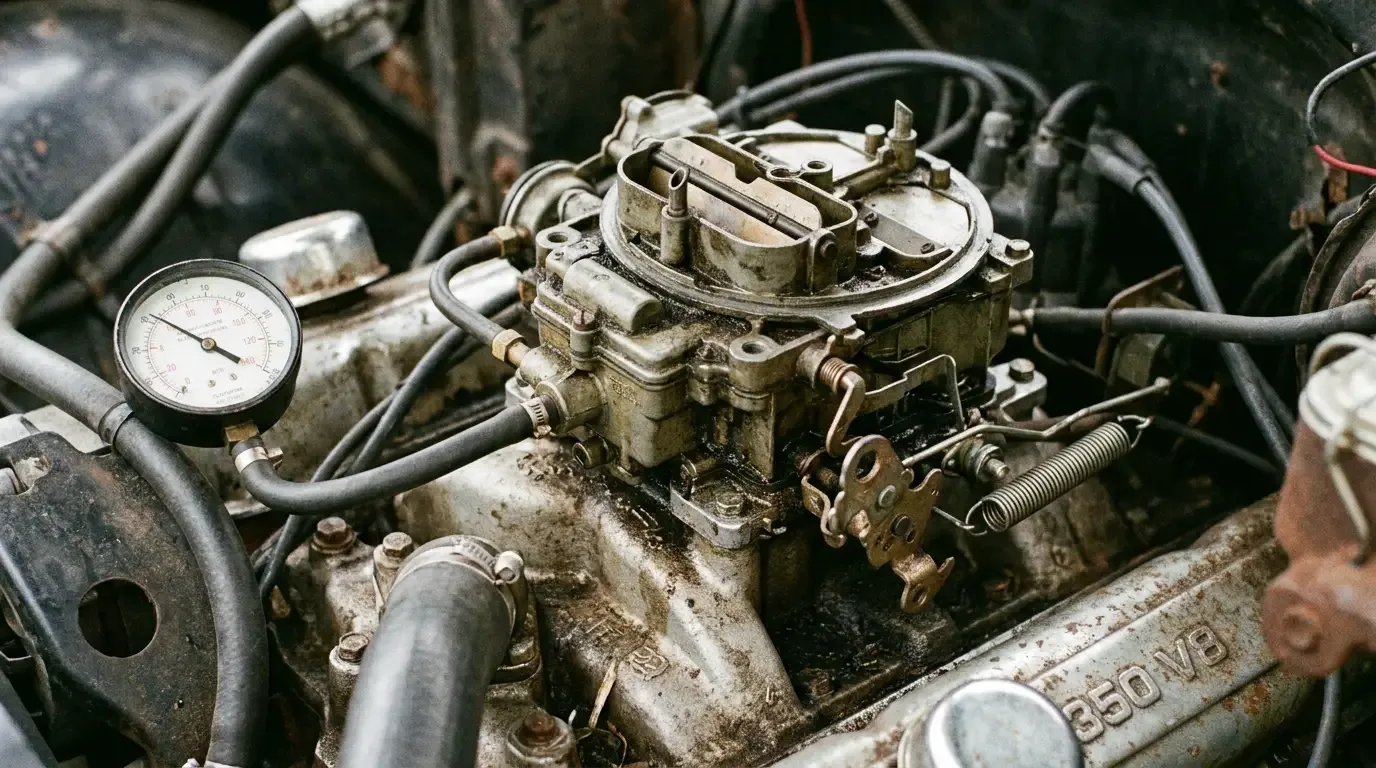
I get why people distrust it. Small primaries, big secondaries, and a vacuum-operated secondary air valve is more complexity than a Holley double pumper, and complexity scares people who just want the truck to run. But the Quadrajet's small primaries are exactly why it gets better part-throttle mileage than a big square-bore carb on the same 350, and once it's actually tuned instead of just bolted on, it drives better than most people expect.
What actually goes wrong with a tired Quadrajet
The float is the first thing to check and the thing almost nobody checks. A worn needle and seat, or a float that's absorbed fuel over decades and sits low, drops fuel level in the bowl and shows up as a lean stumble on acceleration and hesitation at part throttle. Set float level to spec with the carburetor off the truck, on a bench, with the gasket in place. Guessing at it with the carb bolted on gets you close. Close isn't the number.
Second is the plastic secondary metering rods and the primary metering rods, both of which wear over high mileage and change the fuel curve without you doing anything to cause it. A worn rod means more fuel flows at a given air velocity than the calibration intended, which reads as rich cruise and poor mileage even though nothing was changed since the last time it ran fine. Rebuild kits include new rods for a reason. Use them.
Idle mixture and idle speed, done correctly
The idle mixture screws on a Quadrajet are set for smoothest idle, not richest and not leanest, and the way to find that point is with a vacuum gauge, not by ear. Turn each screw in until vacuum drops, then back it out until vacuum peaks and starts to fall again, then split the difference. Do both screws, then recheck idle speed and adjust the idle speed screw to spec, since mixture and speed interact and changing one moves the other slightly.
Confirm the exact idle vacuum target for your specific 350 application, since cam profile and rear gear both shift the number the gauge should read at a correct idle. A stock cam 350 in good tune typically reads somewhere between 15 and 20 inches of mercury at idle, often close to 18, but that's a starting point for diagnosis, not a number to chase blindly if your particular combination runs differently.
| Adjustment | What it affects | How to set it |
|---|---|---|
| Float level | Fuel level in bowl, part-throttle response | Bench-set to spec with gasket in place |
| Idle mixture screws | Smoothness and emissions at idle | Vacuum gauge, peak-then-split method |
| Choke pull-off | Cold-start stumble and stalling | Vacuum-tested, adjusted to spec gap |
| Secondary air valve spring | How aggressively secondaries open | Tensioned to combination, not stock default |
The choke, and why cold starts are usually the real complaint
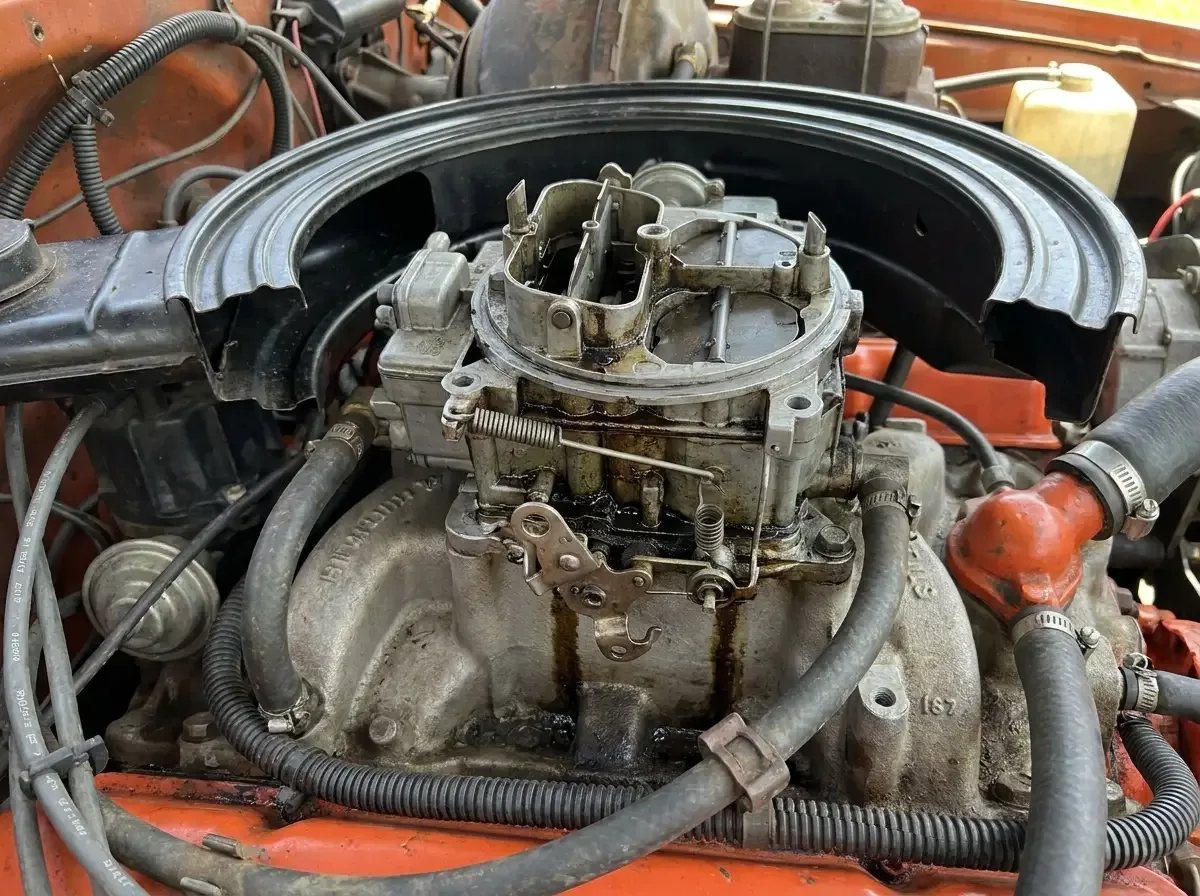
Most of the complaints I hear about a Quadrajet running badly aren't about how it drives once it's warm. They're about how it acts for the first five minutes. A choke pull-off that's weak or leaking lets the choke plate stay closed too long, flooding the engine on a cold start and creating exactly the black-smoke, won't-idle behavior people blame on the carburetor's design instead of its condition. Test the pull-off with a vacuum source and confirm it pulls the choke open to the correct gap. If it doesn't hold vacuum, replace it. It's a cheap part relative to the diagnosis time it saves.
Choke spring tension matters too, and it's adjustable on most Quadrajets by rotating the housing. Too loose and the choke opens too fast, causing a stumble before the engine's actually warm enough to run without help. Too tight and it runs rich and smells like it for the first mile of every drive. Set it to the factory index mark first, then adjust from there based on how the truck actually behaves in your climate.
Secondaries, and getting them to open when you actually want them
The vacuum-operated secondary air valve is the part of the Quadrajet that confuses people coming from a mechanical secondary carburetor. The valve opens based on airflow signal, not a linear mechanical link to the throttle, and the spring inside it controls how quickly that happens. Too stiff a spring and the secondaries barely open under normal driving, leaving power on the table that the carburetor's actually capable of delivering. Too soft and they open too fast, causing a bog as the engine gets more air than fuel can immediately match.
Matching spring tension to your actual combination, not the stock spec, is where a tuned Quadrajet starts to feel like a different carburetor than the stock one everyone complains about. On a mostly stock 350 with stock exhaust, the factory spring is usually close to correct. Add headers, a bigger cam, or open up the exhaust, and the stock spring is almost always too stiff for what the engine can now use. That mismatch is a bigger factor in perceived Quadrajet performance than most of the other adjustments combined.
🔧 Inspection Priorities
- Float level and condition. A saturated or low float is the single most common cause of a Quadrajet that runs lean under acceleration.
- Metering rod wear. Worn rods change the fuel curve without any visible symptom until the truck's already running rich or lean.
- Choke pull-off function. A dead pull-off causes cold-start problems that get misdiagnosed as a carburetor that needs replacing entirely.
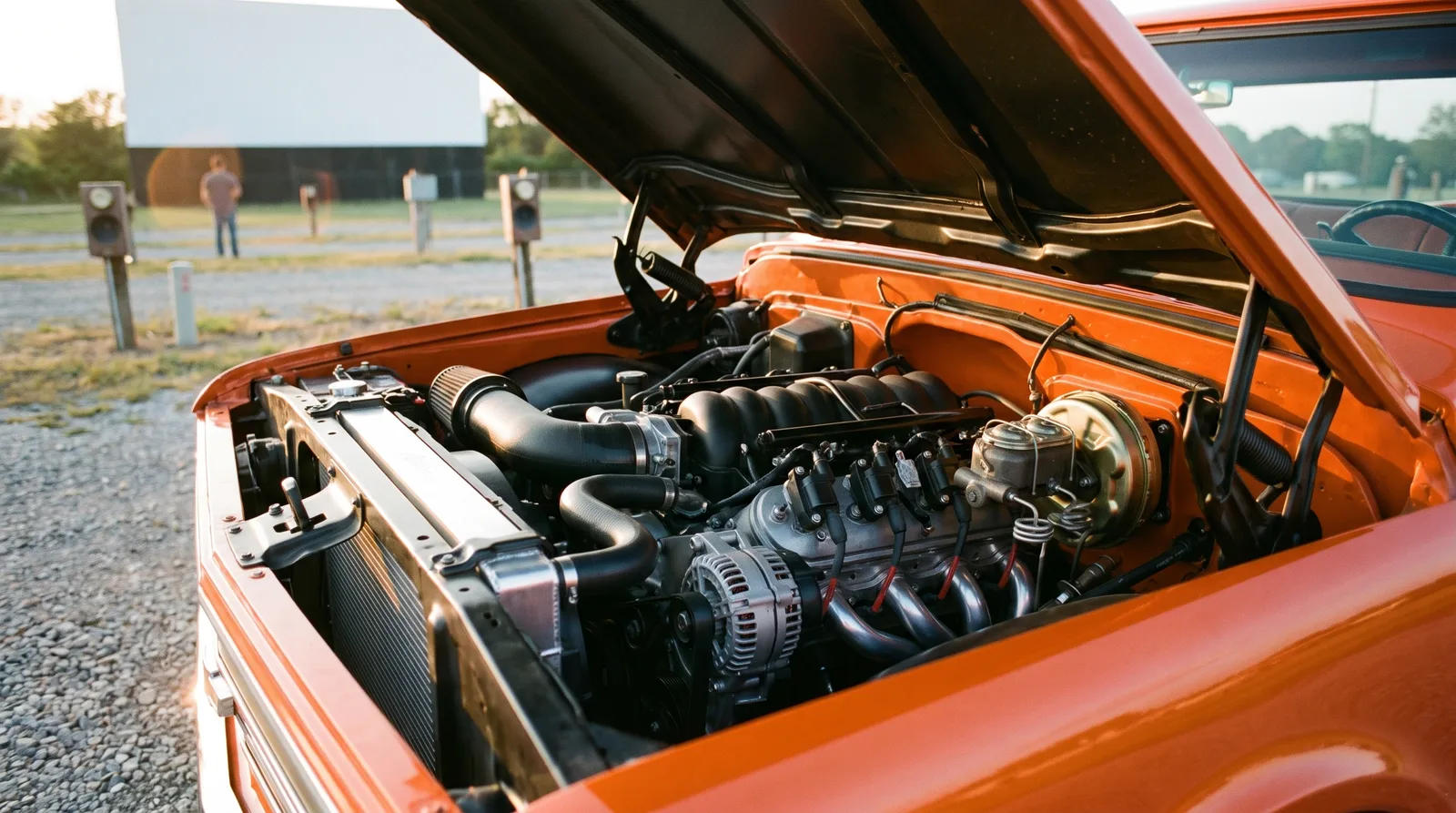
A tuned Quadrajet doesn't need to become a Holley to run well. It needs the float set correctly, the metering rods fresh, the choke functioning, and the secondary spring matched to the actual combination under the hood, whether that's a stock 350 or one that's been through the LS swap guide and doesn't need a Quadrajet at all anymore. For trucks staying carbureted, the payoff is real: correct idle, clean part-throttle response, and secondaries that open when the engine's actually asking for them.
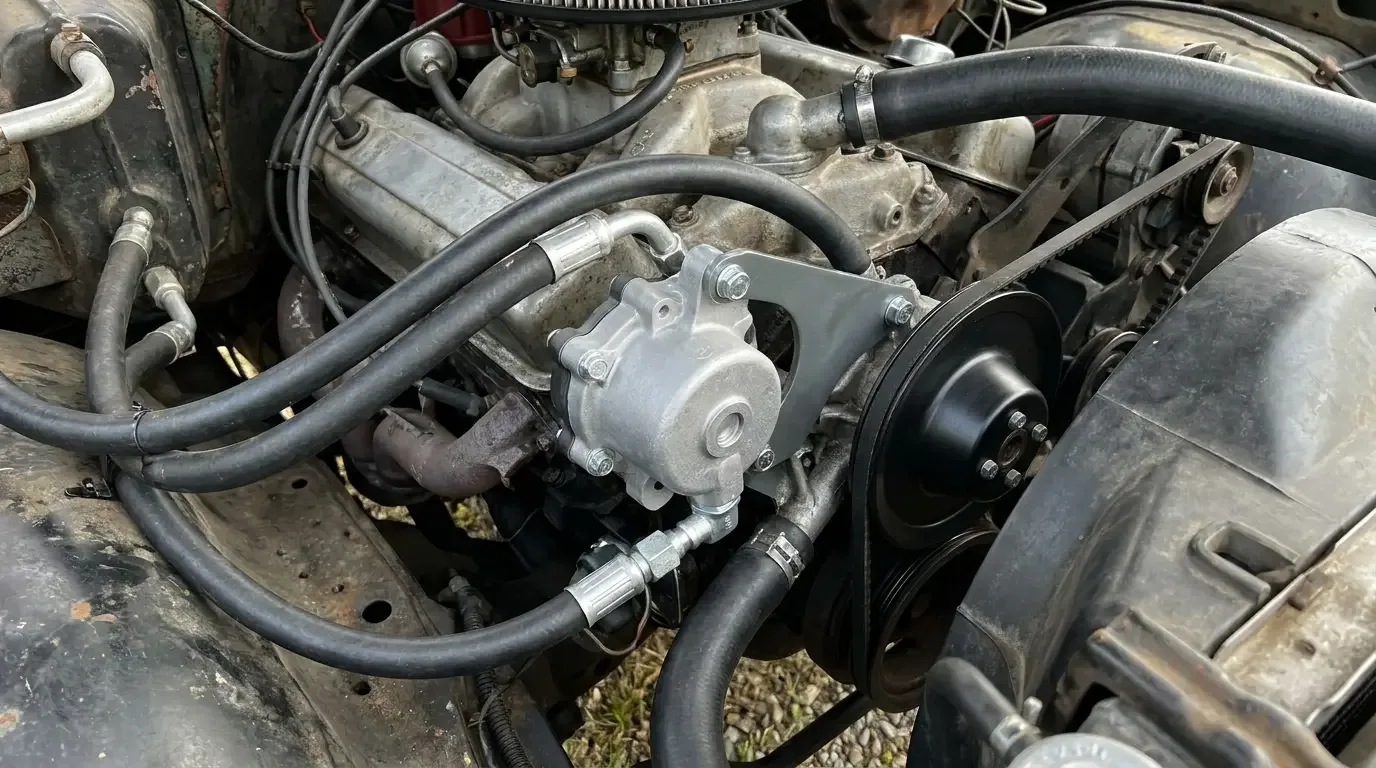
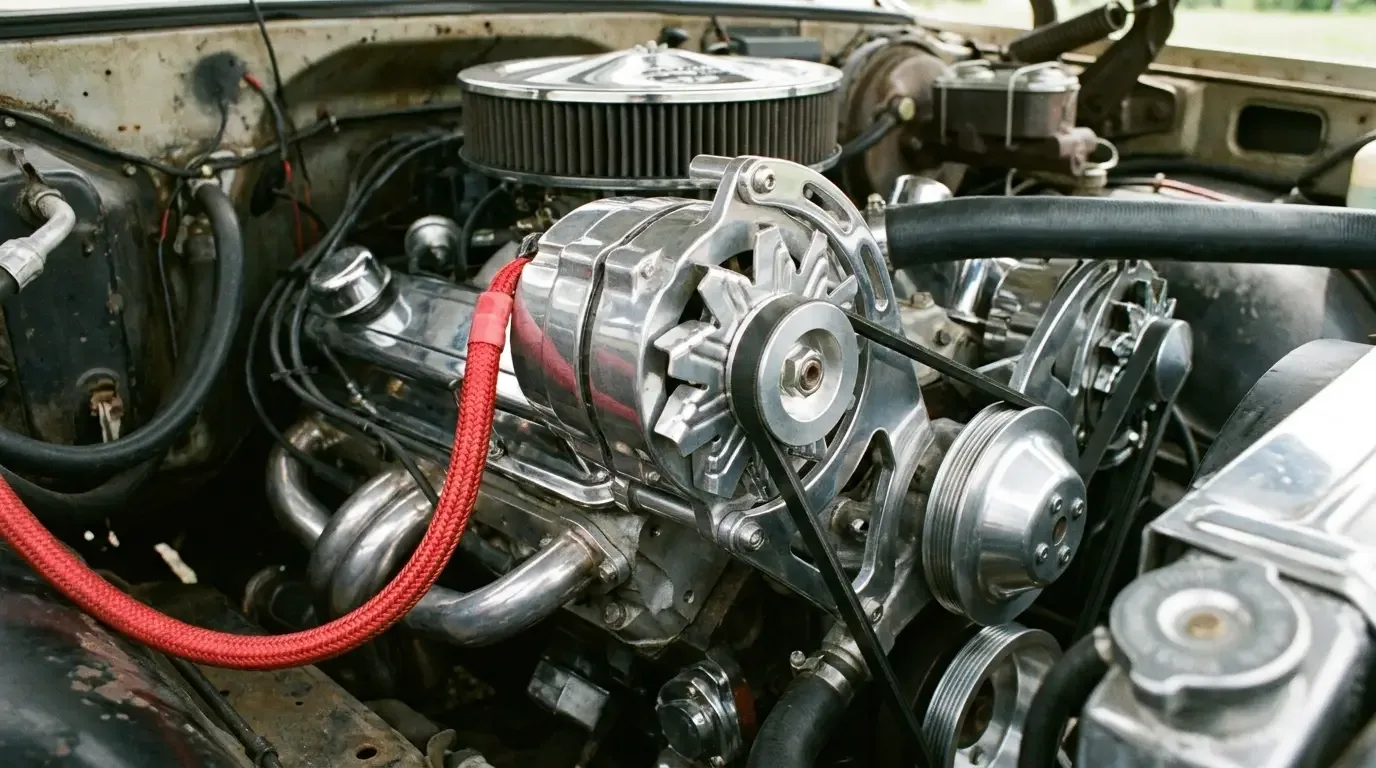
None of this tuning matters if the electrical system that has to keep up isn't holding voltage steady, since a weak charging system causes ignition and fuel delivery symptoms that get blamed on the carburetor more often than people expect. Rule that out before you spend another weekend chasing a tune that was never the actual problem.
"Guys rebuild the carb, put it back on, and it still runs like garbage, so they blame the Quadrajet and go buy an aftermarket carb. Nine times out of ten the float was never set on a bench and the choke pull-off was dead the whole time. Fix the actual problem before you spend money solving the wrong one."
Dan Reeves
This is a car whose reputation ties directly back to Chevrolet's half-ton legacy, a truck built to work, not to be finicky, and a correctly tuned Quadrajet is part of getting it back to that baseline instead of fighting it every cold morning.
Sources and notes
- Quadrajet tuning: adjusting the idle mixture screws
- Idle solenoid and idle vacuum discussion, CorvetteForum
- Rochester Quadrajet vacuum port questions, Team Chevelle
- Rochester Quadrajet idle vacuum reading discussion
- Quadrajet fast idle cams reference, Quadrajet Parts
- Rochester Quadrajet 4-barrel carburetor diagram
Related Reading
Have a
Chevrolet C10
for Sale?
Reach thousands of serious classic car collectors across the US.
Sell It Here →
Are You a Classic Car Dealer?
List your full inventory and connect with targeted classic car buyers.
Join as a Dealer →

About the author
Dan Reeves
Performance engine builder from North Carolina's motorsports corridor, focused on swaps, forced induction and making real, repeatable power.
Related Listings - Chevrolet C10

More in Restoration & Tech
Comments
Be the first to comment on this article.