
A points distributor needs adjustment every few thousand miles, and the gap changes as the rubbing block wears, which means the timing drifts right along with it whether you're paying attention or not. An HEI distributor gets rid of that entirely. No points, no condenser, no gap to set. A magnetic pickup and an internal module do the job instead, and the timing stays where you set it until something actually fails, not until the rubbing block wears down another thousandth of an inch.
Restoration & Tech
7 min read
Wiring an HEI Ignition Upgrade on a C10
How to wire an HEI distributor into a points-equipped C10, including the resistor-wire mistake that causes most post-swap complaints, and how to set a timing curve that matches the actual engine.
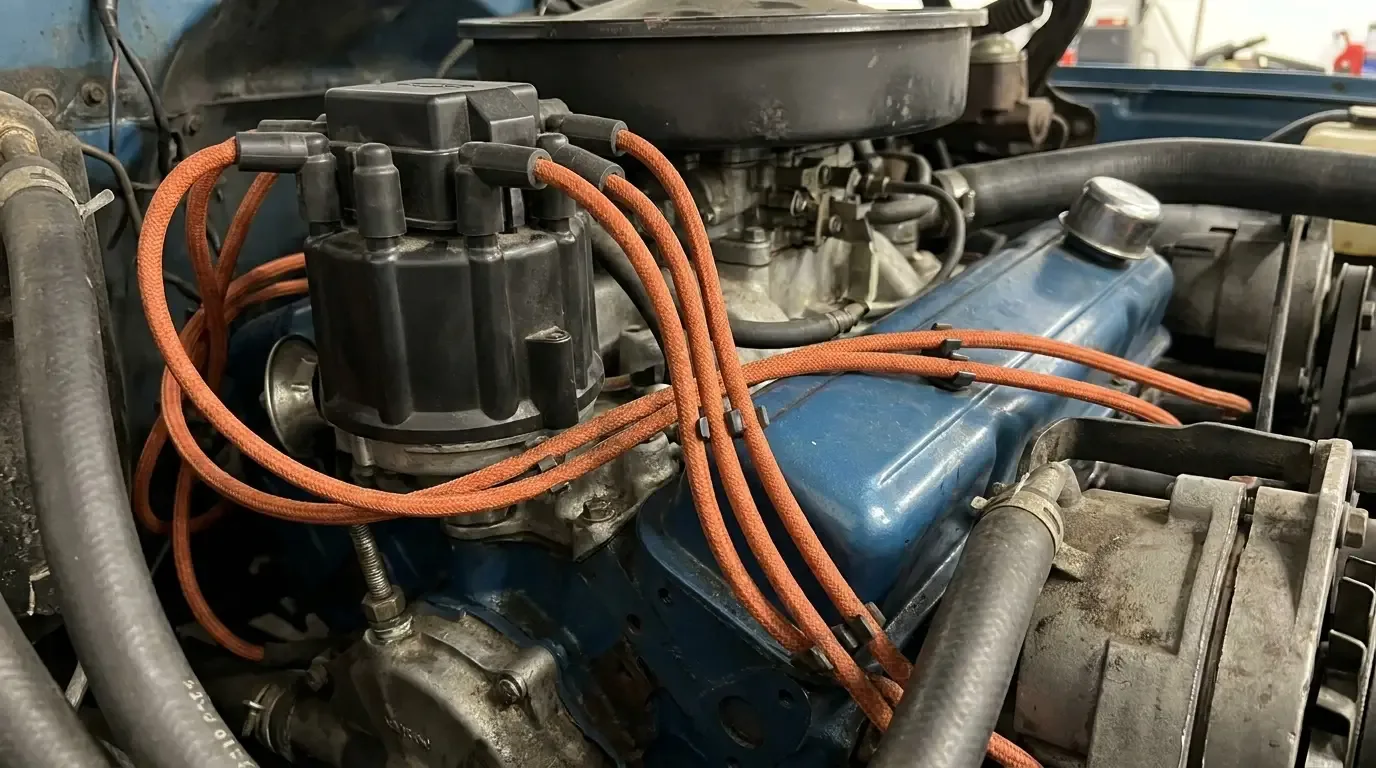
The other reason people make this swap is spark energy. HEI puts out a noticeably hotter spark than a points system, especially at higher RPM where points systems start to lose their edge as dwell time shrinks. That matters more on a built engine than a stock one, but even a stock 350 starts easier and idles more consistently on HEI than it does on tired points. This is a wiring and timing job, not an engine-out job, and most of it happens in an afternoon.
What HEI actually changes under the cap
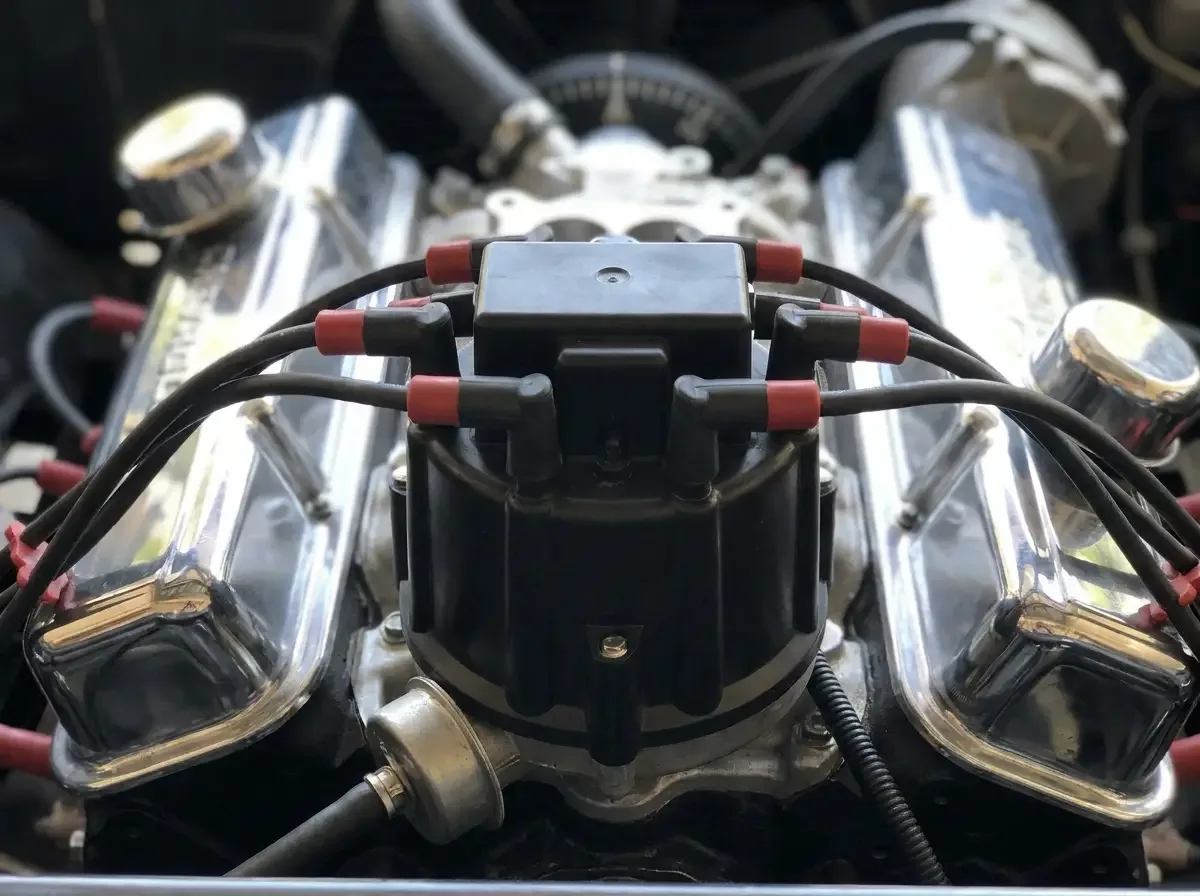
The factory HEI distributor puts the ignition coil inside the distributor cap itself, which is why the cap on an HEI unit is noticeably bigger than a points-style cap. Inside, a magnetic pickup replaces the points and condenser, sending a signal to an ignition module that switches the coil. There's no mechanical contact wearing against a cam lobe anymore, which is the entire reason the timing stays stable over the long haul instead of drifting the way a points gap does.
Wiring is simpler than people expect walking in. HEI needs one wire, a full 12 volts, direct from the ignition switch, not run through a resistor wire the way some points systems were fed. Running HEI through an old resistor wire starves the module of voltage and causes exactly the hard-starting, misfire-at-high-RPM symptoms people blame on a bad HEI unit when the actual problem is voltage supply.
The wiring swap, step by step
Remove the old points distributor and pull the old coil if you're converting a factory setup, since HEI doesn't use an external coil the way points systems typically did. Confirm the ignition feed wire going to the distributor is a full 12-volt circuit, not a resistor-reduced one. If it's a resistor wire, bypass it or run a new dedicated 12-volt feed from the ignition switch, because the HEI module needs full voltage to fire correctly, especially at higher RPM where the demand on the module goes up.
Connect the tach signal wire if you're running a tachometer, since HEI provides a different signal characteristic than points did and some aftermarket tachs need a resistor inline to read correctly off an HEI tach terminal. Confirm the specific resistor value your tachometer needs before assuming it'll read correctly straight off the HEI signal wire, since this varies by tach manufacturer.
| Wire | Points system | HEI system |
|---|---|---|
| Ignition feed | Often through resistor wire | Full 12 volts, direct |
| Coil | External, separate unit | Internal, inside distributor cap |
| Points/condenser | Present, wears over time | Not present |
| Tach signal | Standard points signal | May need inline resistor for some tachs |
Setting timing on a fresh HEI install
Base timing gets set the same way it did with points, with a timing light at idle against the balancer marks, but confirm the distributor's mechanical and vacuum advance curves match what the engine actually needs rather than assuming a stock HEI advance curve is correct for a built engine. A stock advance curve on a mildly built 350 often brings in timing too aggressively for the compression and cam combination, which shows up as light pinging under load that people chase with fuel octane before realizing the advance curve is the actual issue.
Confirm your specific total timing target before setting it, since compression ratio, cam duration, and fuel octane all shift what number is correct for a given combination. A stock low-compression 350 on pump gas typically wants less total advance than a built engine with more compression, and running one engine's timing number on a different combination invites detonation.
What goes wrong after the swap
Most complaints after an HEI install trace back to the same handful of causes. Voltage starvation from a resistor wire that never got bypassed is the most common. Poor ground between the distributor housing and the engine block is second, and it causes an intermittent miss that's maddening to chase because it doesn't happen every time. A module mounted where it heat-soaks off the exhaust manifold is third, and it causes hot-start problems and intermittent stalling that people mistake for a fuel issue.
Check the ground path first if something's acting up after the install, since it's the cheapest thing to fix and the most commonly overlooked. A dedicated ground strap from the distributor housing to a clean chassis ground solves more mystery misfires than any other single fix on this system.
🔧 Inspection Priorities
- Full 12-volt feed, no resistor wire. The single most common cause of a poorly running HEI system.
- Distributor housing ground. A weak ground path causes intermittent misfires that are hard to diagnose after the fact.
- Module heat exposure. A module mounted too close to exhaust heat fails intermittently and gets blamed on the wrong system.
An HEI swap on its own is a reliability and drivability upgrade, not a power upgrade, but it clears the way for everything that comes after it. If the plan includes real horsepower, HEI is step one before the engine and performance guide territory, since a stable, hot-spark ignition base is what lets a built engine actually use the timing curve it needs without fighting a marginal points system underneath it.
"I get calls about HEI units that are 'defective' three times a month. It's never the module. It's a resistor wire somebody forgot to bypass, feeding the thing eight volts instead of twelve and wondering why it misfires at 4,000 RPM."
Dan Reeves
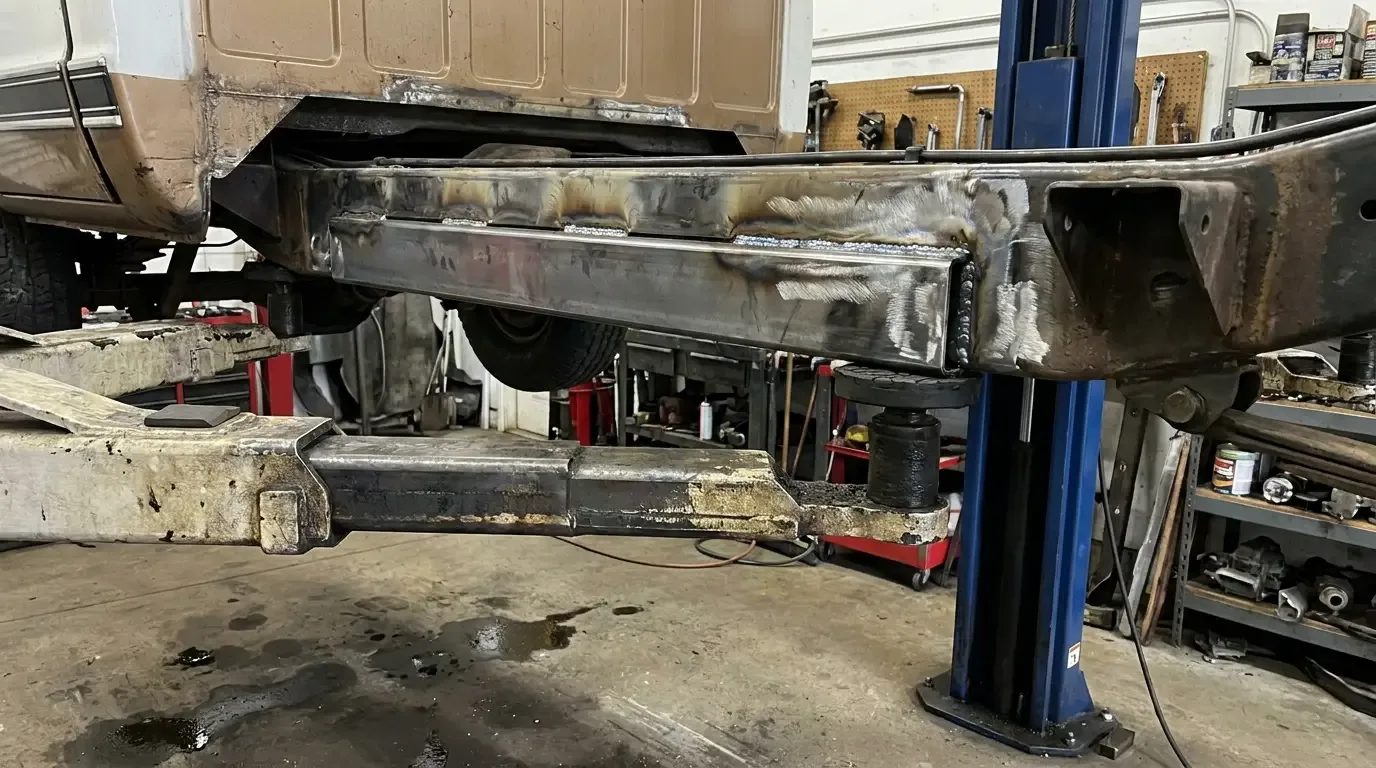
Power without a chassis that can handle it just moves the problem somewhere else. Once the ignition and the engine underneath it are sorted, it's worth looking at stiffening the chassis under all that new power, since a truck that suddenly makes real power through a frame that was never braced for it will find the weak point for you, usually at the worst possible time.
Sources and notes
Related Reading
Have a
Chevrolet C10
for Sale?
Reach thousands of serious classic car collectors across the US.
Sell It Here →
Are You a Classic Car Dealer?
List your full inventory and connect with targeted classic car buyers.
Join as a Dealer →

About the author
Dan Reeves
Performance engine builder from North Carolina's motorsports corridor, focused on swaps, forced induction and making real, repeatable power.
Related Listings - Chevrolet C10

More in Restoration & Tech
Comments
Be the first to comment on this article.