
Stamped steel control arms did the job for a stock ride height on a work truck, and they'll keep doing it fine if that's all you're asking of them. Lower the front end, add a bigger sway bar, or just want more room in the wheel well without the upper arm hitting the coil spring pocket, and the stock arms start running out of clearance and geometry range at the same time. That's the point where a tubular arm swap earns its keep.
Restoration & Tech
6 min read
Installing Front Tubular Control Arms on a C10
Tubular control arms fix the clearance and geometry problems stock stamped arms run into on a lowered C10, and the swap is straightforward if you control the coil spring safely and follow through with an alignment.
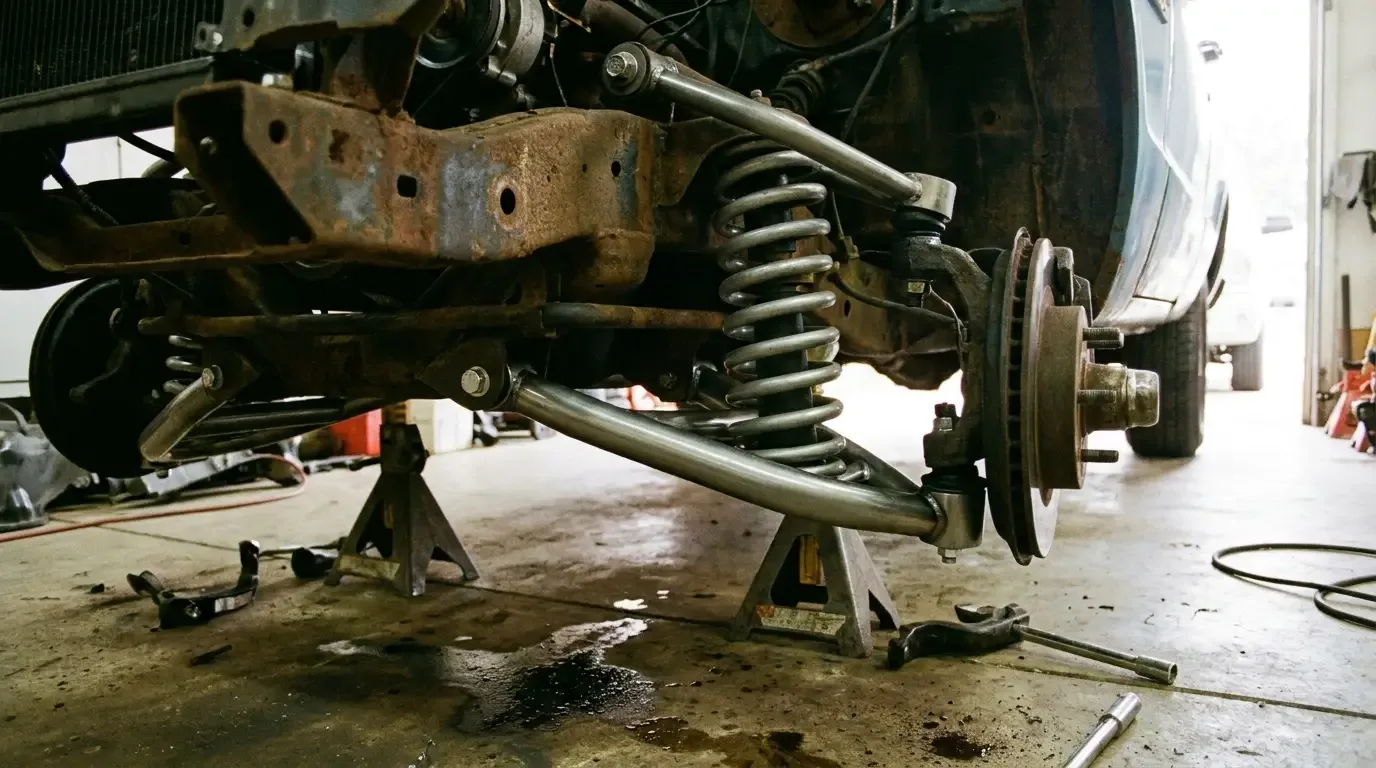
This is a bolt-in job on paper, and mostly a bolt-in job in practice, but there's a sequence to it and a few places where guys cut a corner they'll regret at the alignment shop.
Why swap the stock stamped arms for tubular
The factory upper and lower control arms on a C10 are stamped steel boxed sections, strong enough for the truck's original ride height and spring rates, but they're shaped around stock geometry. Lower the front end and the upper arm in particular starts running out of room, the ball joint angle gets steeper than it was designed for, and you lose usable suspension travel before you've gained anything in ride quality. Tubular arms are built with a different shape from the start, usually with more clearance around the spring pocket and a ball joint mount positioned to correct the geometry a lowered ride height throws off.
There's a weight argument too, tubular arms are lighter than the stamped stock pieces, which helps unsprung weight, but on a street-driven C10 the bigger win is almost always the clearance and geometry correction, not the few pounds saved.
What's in a quality tubular control arm kit
A full kit typically includes new upper and lower arms, ball joints already pressed in or sold separately depending on the brand, bushings, and the hardware to bolt it all back to the factory crossmember and spindle. Some kits are a direct stock replacement shape, others use an offset ball joint mount specifically designed to correct bump steer and camber curve changes that come from lowering the truck. Know which one you're buying before you order, because they're not interchangeable in what they fix.
Check ball joint taper and stud length against your spindle before you assume fitment. Spindle changes across C10 production years and between half-ton and heavier trucks mean not every kit fits every combination, and a mismatched taper is a return-shipping headache you can avoid by checking the fitment chart instead of assuming your truck is "the standard one."
| Component | Stock stamped arm | Tubular replacement |
|---|---|---|
| Construction | Boxed stamped steel | Round or DOM tubing, welded |
| Clearance at lowered ride height | Limited, contacts spring pocket | Increased, built around drop geometry |
| Ball joint mount | Fixed stock position | Often offset to correct camber/bump steer |
| Weight | Heavier | Lighter |
Removing the factory upper and lower arms
Support the frame on stands and let the front suspension hang free, or use a jack under the lower arm to control spring pressure as you disconnect it. This isn't optional if you're running the factory coil spring setup. Compress or safely control the spring before you pull the lower arm loose, because an uncontrolled coil spring under load has put people in the hospital, and it takes the same care whether you're a first-timer or you've done a hundred of these.
Pull the cotter pins and castellated nuts off the ball joints, separate them with a proper pickle fork or a press tool rather than beating on the spindle with a hammer, and unbolt the arms from the crossmember. Note the shim pack on the upper arm bolts if your truck has factory alignment shims there, you'll want a reference point even though the new geometry may call for a different stack.
Installing tubular arms and setting alignment specs
Bolt the new arms to the crossmember finger tight until the truck's weight is back on the suspension, then torque everything to spec once the ride height is settled and the bushings aren't loaded at an odd angle. Reconnect the ball joints to the spindle, torque to spec, and use new cotter pins, not the old ones bent back into shape.
Get the truck to an alignment shop before you put real miles on it. Camber, caster, and toe all shift with a control arm swap, and if the kit uses an offset ball joint mount, the alignment range itself has changed from stock, sometimes enough that the shop needs to know ahead of time rather than fight the stock spec sheet. Mention the swap specifically when you drop it off.
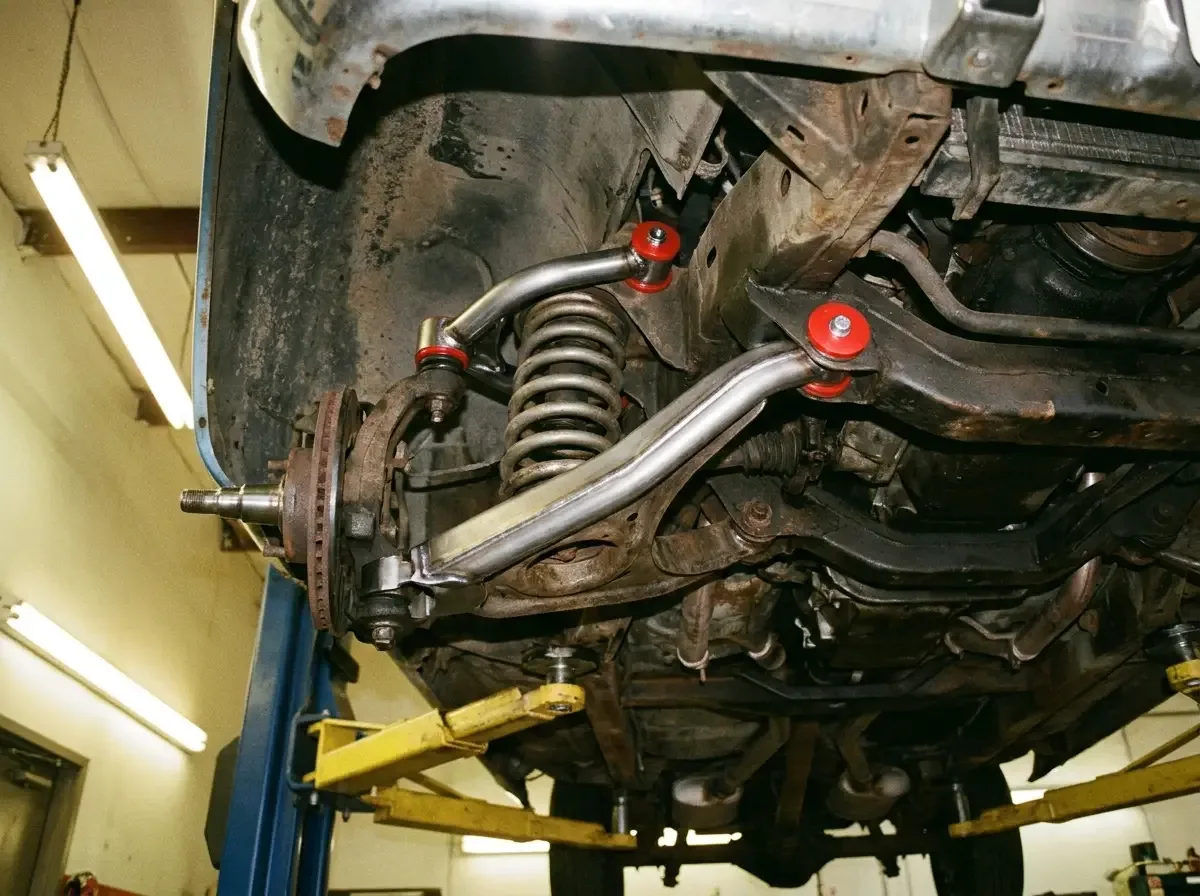
Ride height and geometry considerations
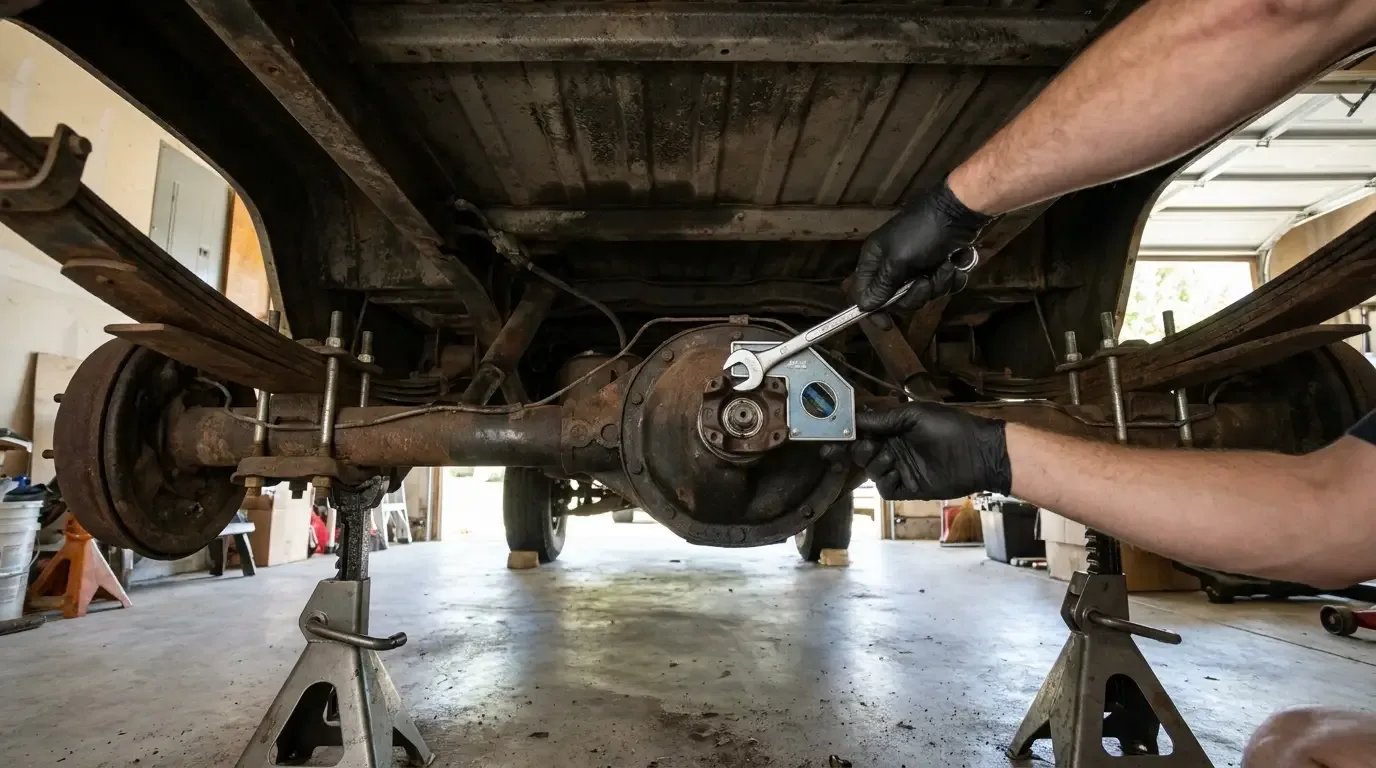
How far you've dropped the front changes which kit makes sense, and the geometry math isn't the same across every configuration. If the truck's a long bed versus a short bed, how bed length changes the geometry math is worth understanding before you settle on drop height and arm offset, since wheelbase and weight distribution differ enough between the two to matter for how the front end settles and how much correction the arms actually need to provide.
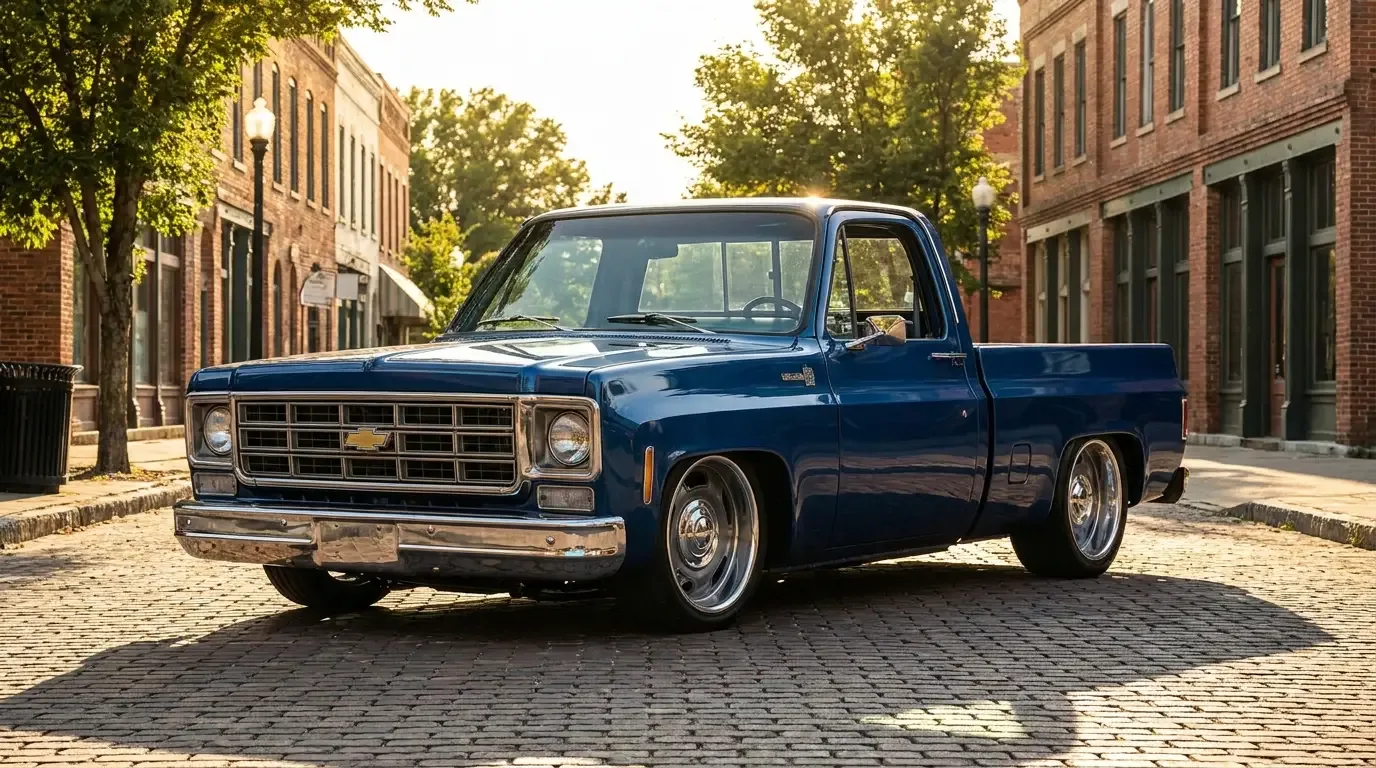
If you followed the lowering guide for spring selection, tubular arms are usually the piece that lets the geometry actually work at that ride height instead of just looking the part. Getting the drop and the arms sorted together, rather than one after the other with no plan, saves a second trip to the alignment shop.
"A tubular arm swap looks like a bolt-in job because it mostly is one. Where guys get in trouble is skipping the alignment afterward because the truck 'drives fine' in the driveway. Fine in the driveway and correct on the highway are two different things."
Ray Delgado
Tubular control arms are one of the more straightforward upgrades on a lowered C10, mechanically simple, well documented, and widely available. The job rewards patience at two points, controlling the spring safely on the way out and getting a proper alignment on the way back in. Skip either one and you've done half a job.
Sources and notes
- Western Chassis, 1963-70 C10 tubular control arm set, upper and lower
- Performance Online, 1963-70 C10/GMC C15 tubular upper control arms
- Ridetech, Front StrongArm System for 1973-1987 C10
- In The Garage Media, C10 suspension upgrade: tubular control arms, coilover shocks, big brake kit
- Western Chassis, 1973-87 C10 tubular control arm set, upper and lower
- Western Chassis, 1971-72 C10 tubular control arm set, upper and lower
Related Reading
Have a
Chevrolet C10
for Sale?
Reach thousands of serious classic car collectors across the US.
Sell It Here →
Are You a Classic Car Dealer?
List your full inventory and connect with targeted classic car buyers.
Join as a Dealer →

About the author
Ray Delgado
Metal fabricator and chassis builder who has spent 25 years turning flat sheet and mild steel into hot rods, gassers and restomod underpinnings.
Related Listings - Chevrolet C10
More in Restoration & Tech
Comments
Be the first to comment on this article.