
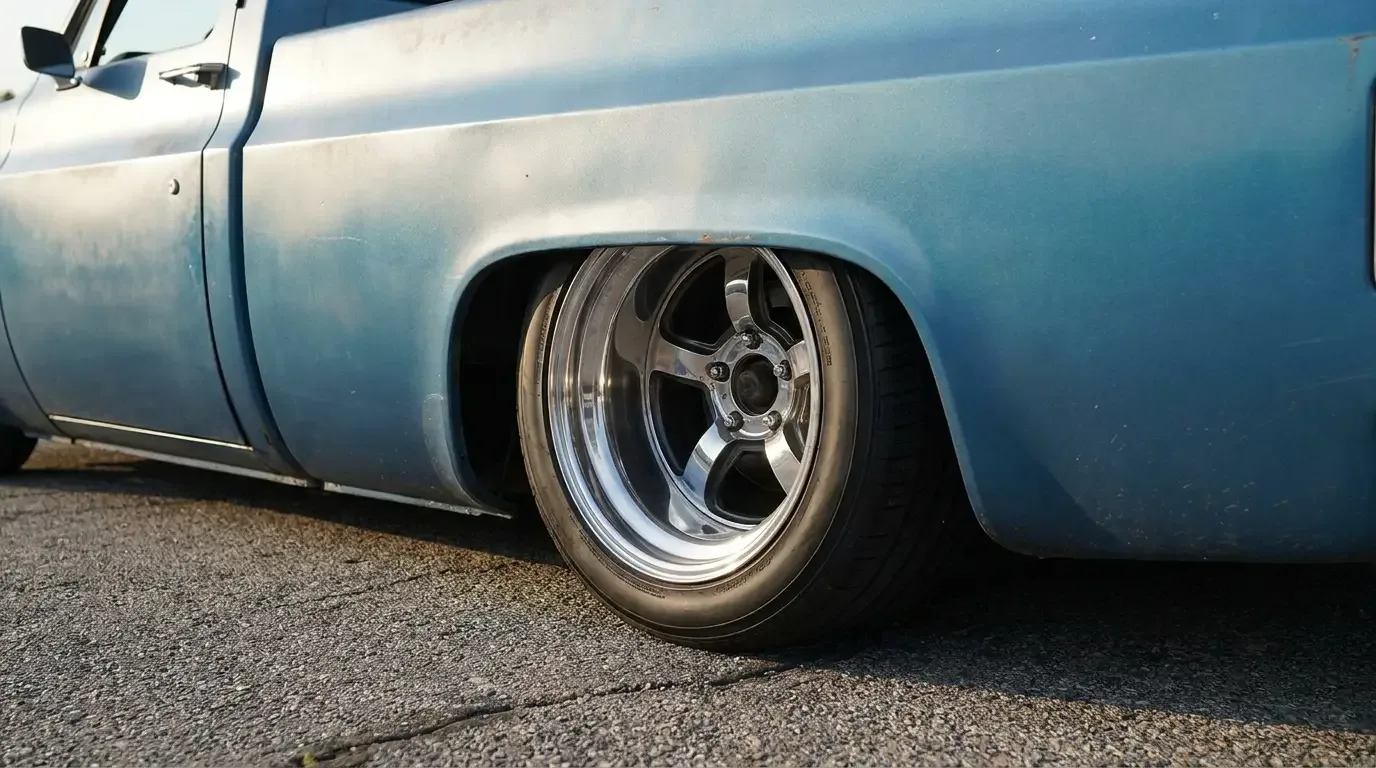
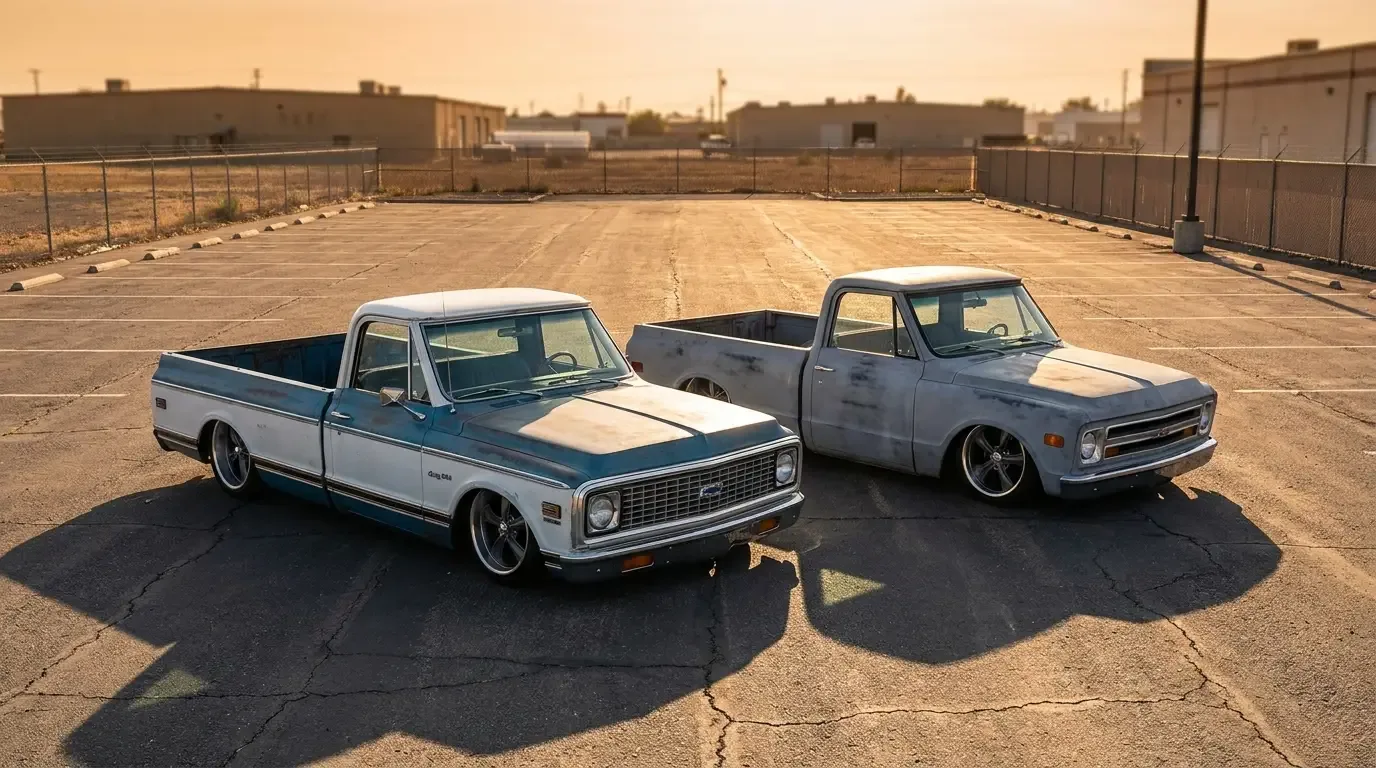
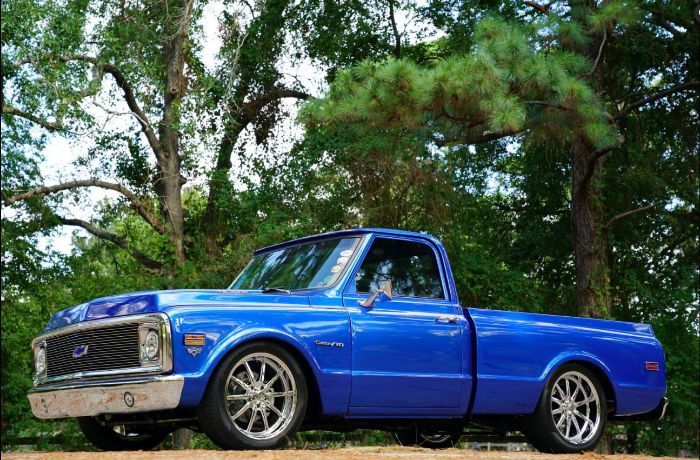
I've pulled apart enough of these to tell you the stance question comes up on almost every C10 build before the engine question does. People want it low before they want it fast. Nothing wrong with that, a C10 sitting right does more for how a truck reads at fifteen feet than another fifty horsepower ever will. But lowering one of these trucks is not one job, it's four or five different jobs depending on how low you actually want to go, and picking the wrong one for your budget or your daily use is how a stance build turns into a truck nobody wants to drive. If you want the background on how these trucks went from work rigs to the platform everybody wants low now, the C10 story covers that ground. This is about getting one down there without wrecking how it drives.
The Complete Guide to Lowering a Classic Chevrolet C10
A hands-on breakdown of every way to lower a classic C10, from drop spindles to air ride, what each one costs, and what breaks if the geometry isn't corrected along with it.
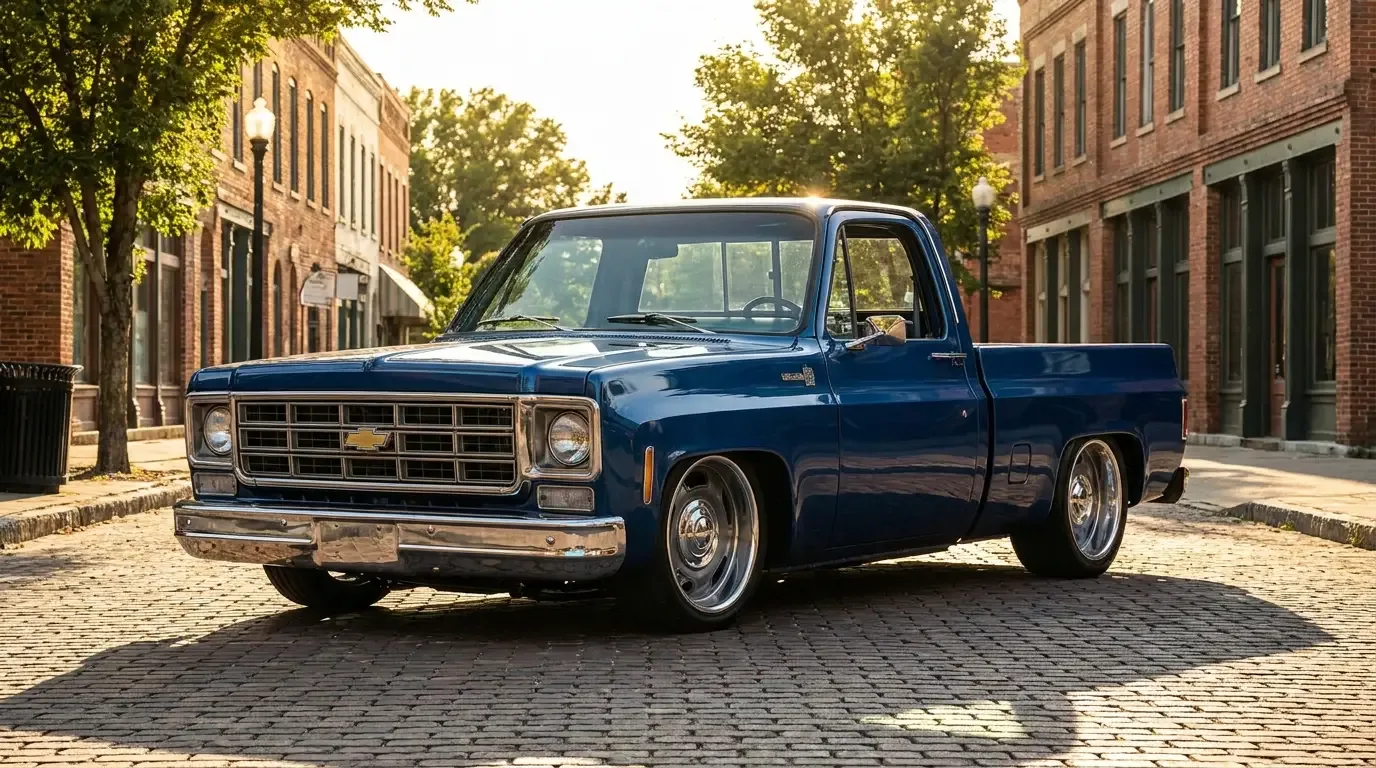
What "lowering a C10" actually involves
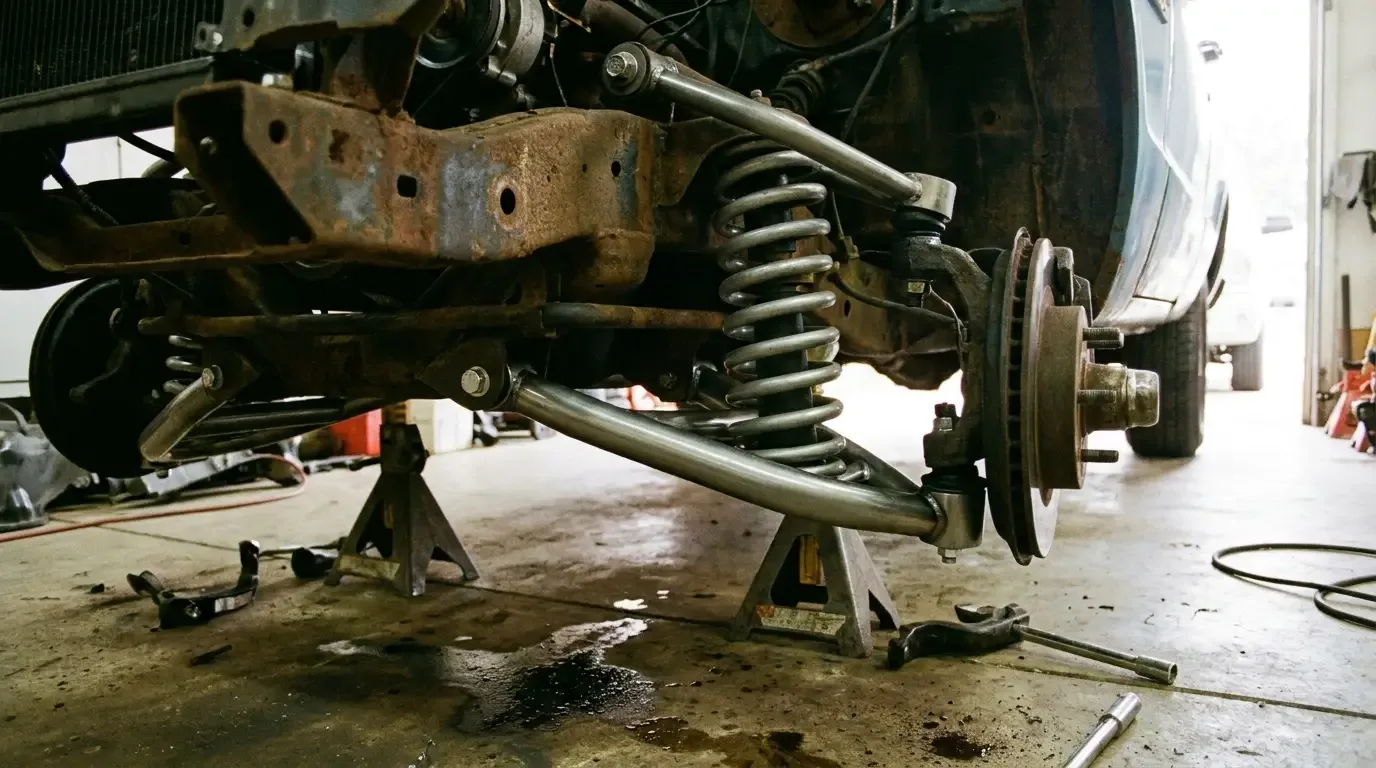
The front and rear of a C10 lower through completely different mechanisms, and that matters because most of the mistakes I see happen when someone treats the truck as one system instead of two. Up front, you're either changing the spindle geometry with drop spindles, cutting coils, or swapping to a different spring rate that sits lower under the same load. In back, on the leaf-spring trucks, you're either running de-arched or shorter leaf packs, flipping the axle above the springs instead of below them, or notching the frame to let the axle travel up into space that used to be solid steel.
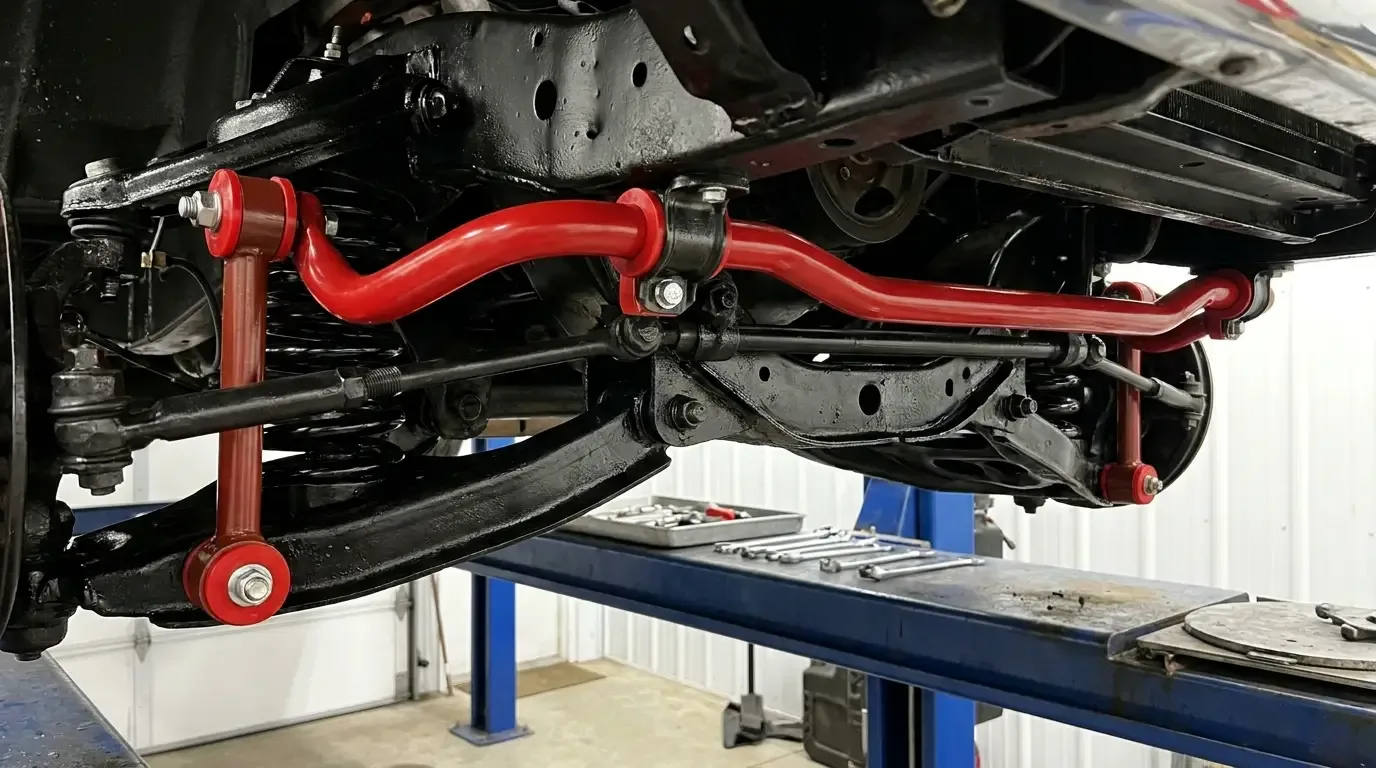
Every one of those changes something besides ride height. Suspension geometry, roll center, bump steer, ground clearance, even brake line length. A truck that drops four inches and rides worse than it did stock did not get a bad set of springs, it got a mismatched set of changes that nobody thought through as a system.
Drop spindles and lowered springs, the budget path
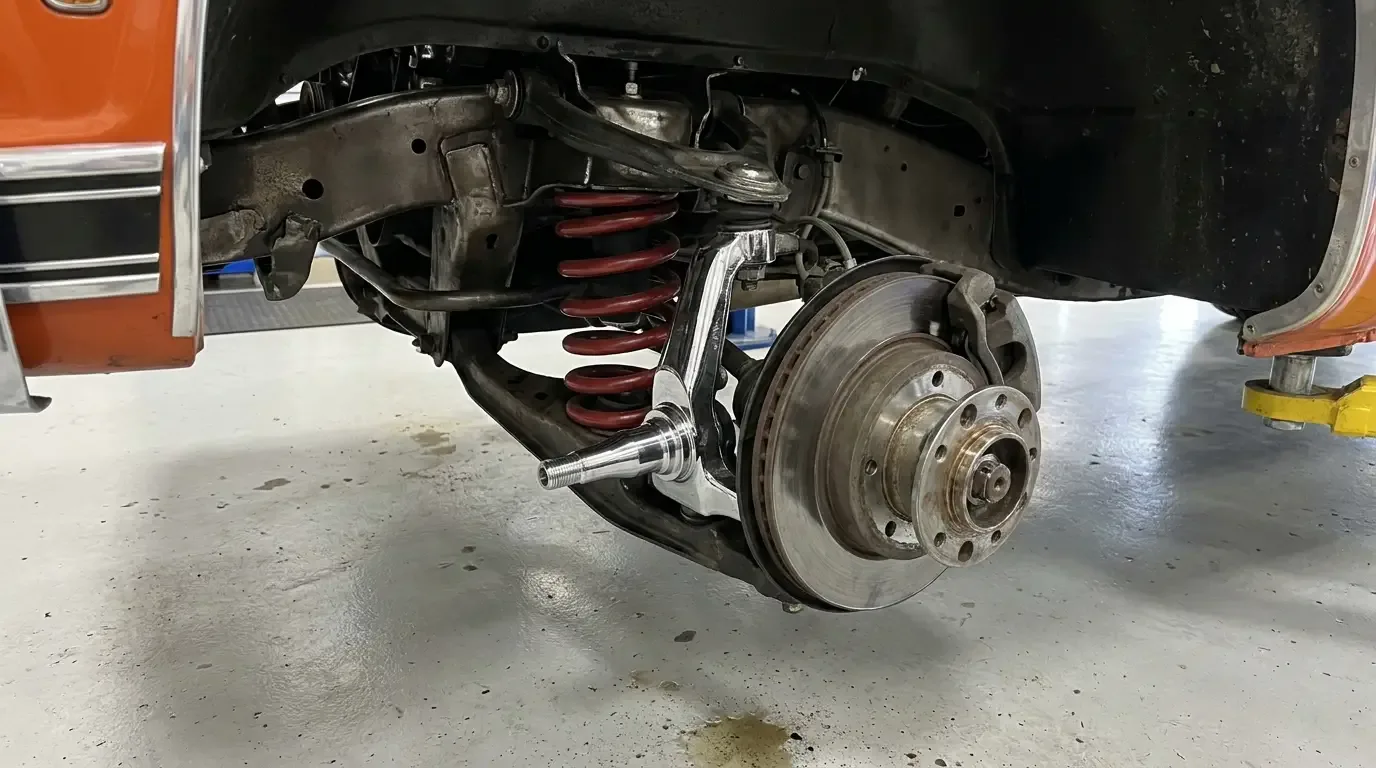
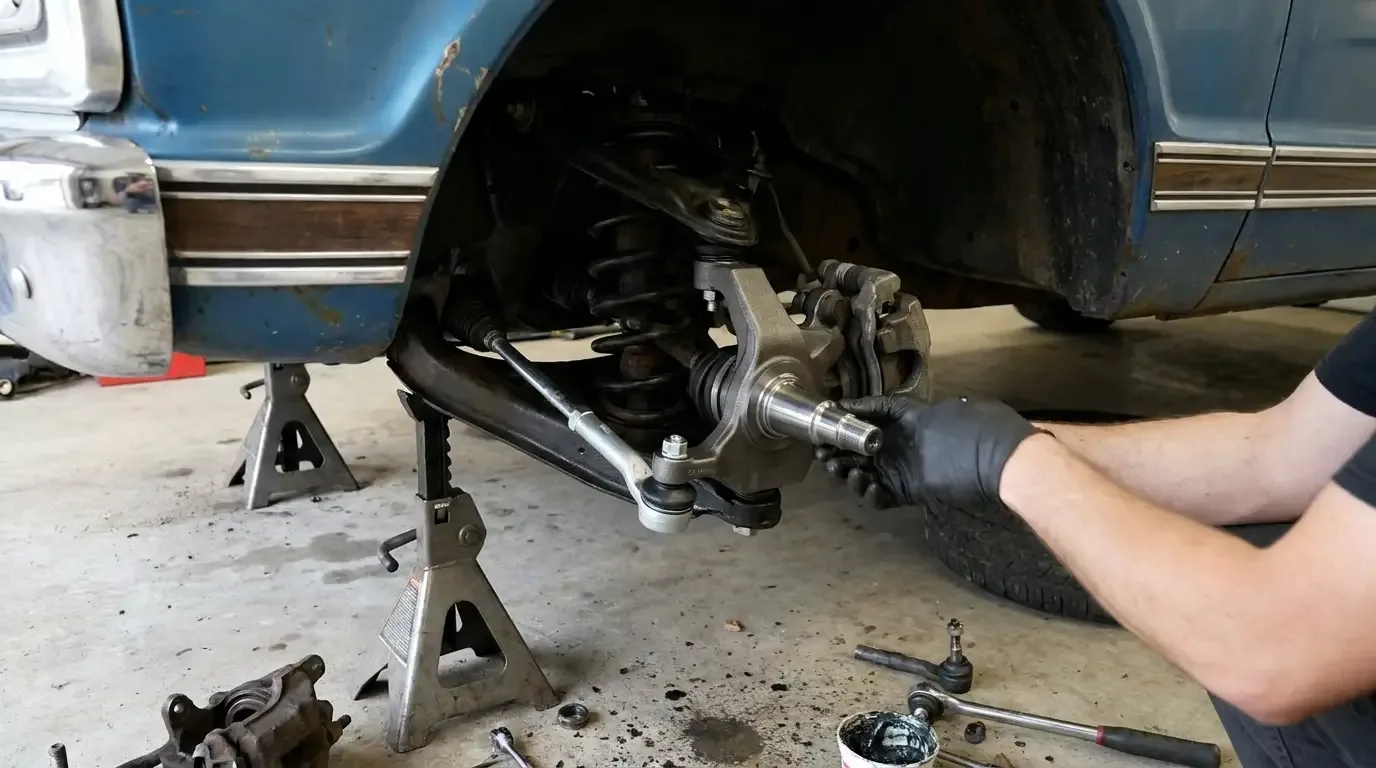
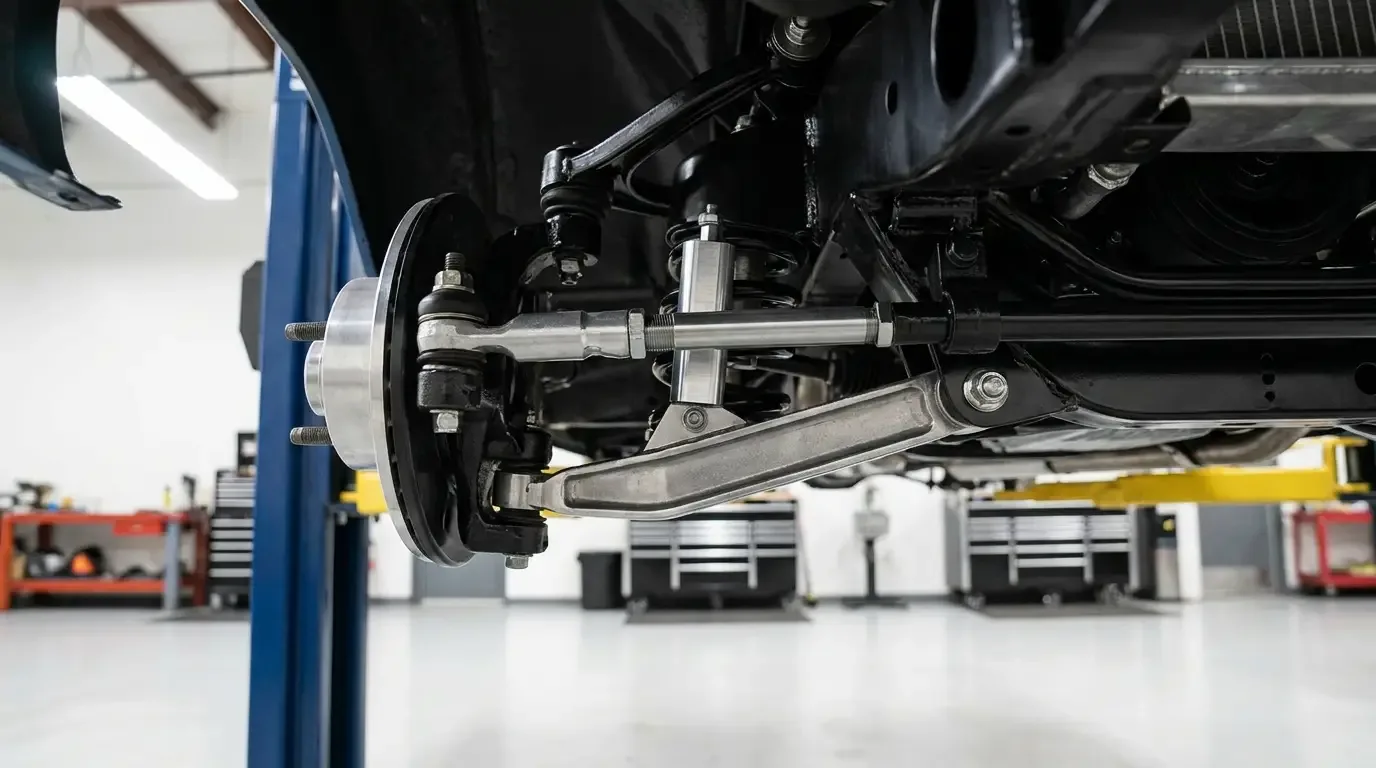
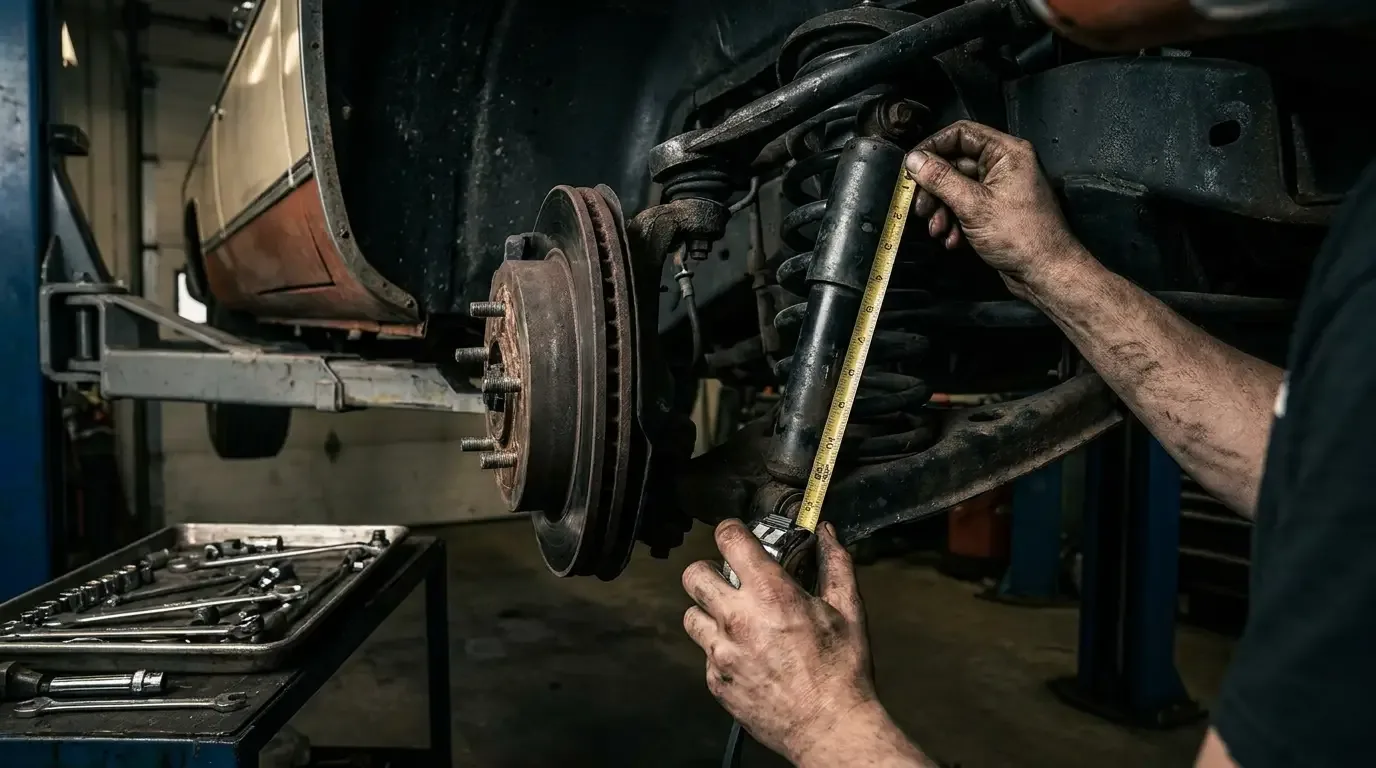
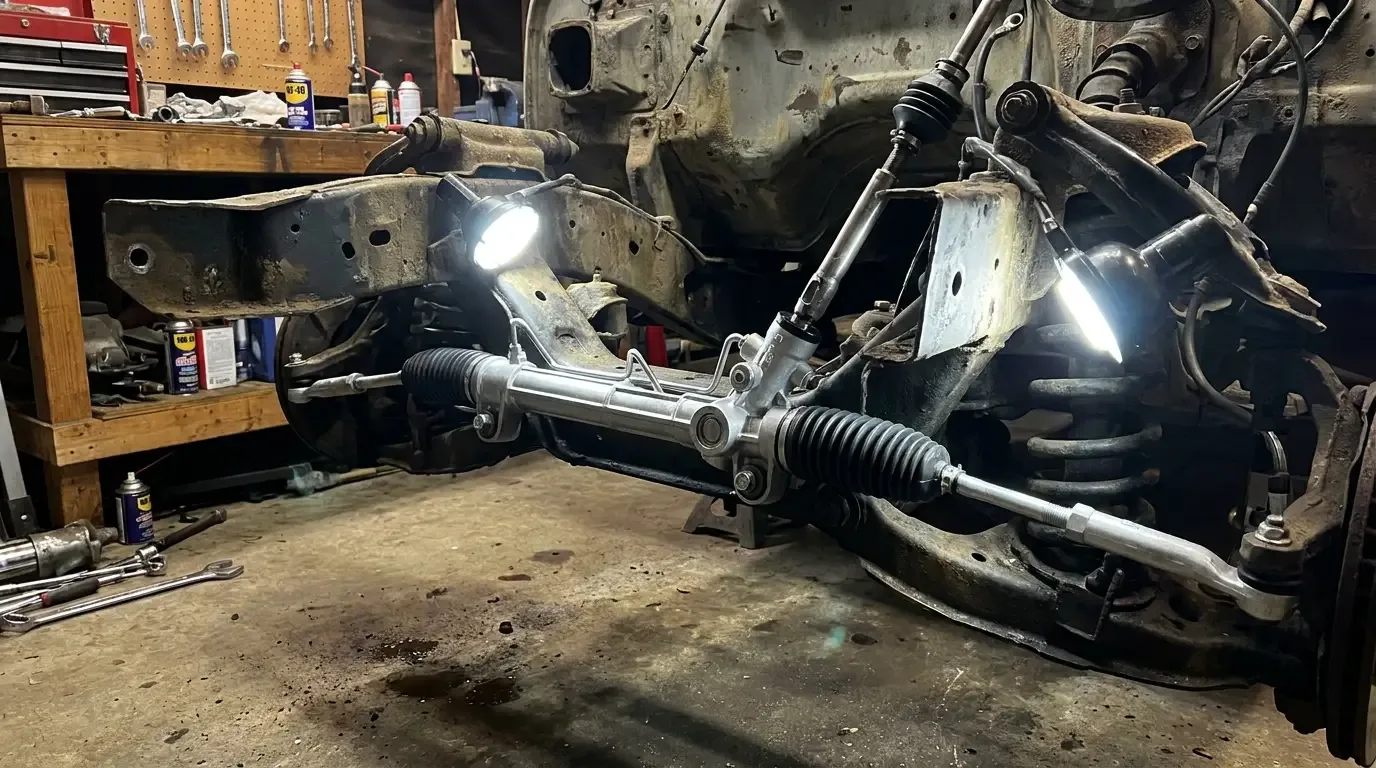
For most guys building a driver, this is where the money should go first. Drop spindles relocate the front spindle relative to the control arm mounting points, which drops the truck without touching spring rate or compressing anything that was designed to sit at a certain height. A two to three inch drop spindle is the most common starting point, and paired with a shorter front coil it gets a C10 sitting noticeably lower without touching spring rate the way cutting coils does -- though it does shift scrub radius somewhat, which is exactly why the bump steer check further down matters.
Cutting stock coils is the version of this job done wrong. I've seen it plenty. It's cheap, it drops the truck, and it also changes the spring rate in a way the factory never engineered for, which shows up as a harsh, bouncy ride and uneven wear on the front tires within a year. If the budget only stretches to cut coils, the budget needs to stretch a little further. This is not the corner to cut.
C-notch and flip kits, how low you can actually go
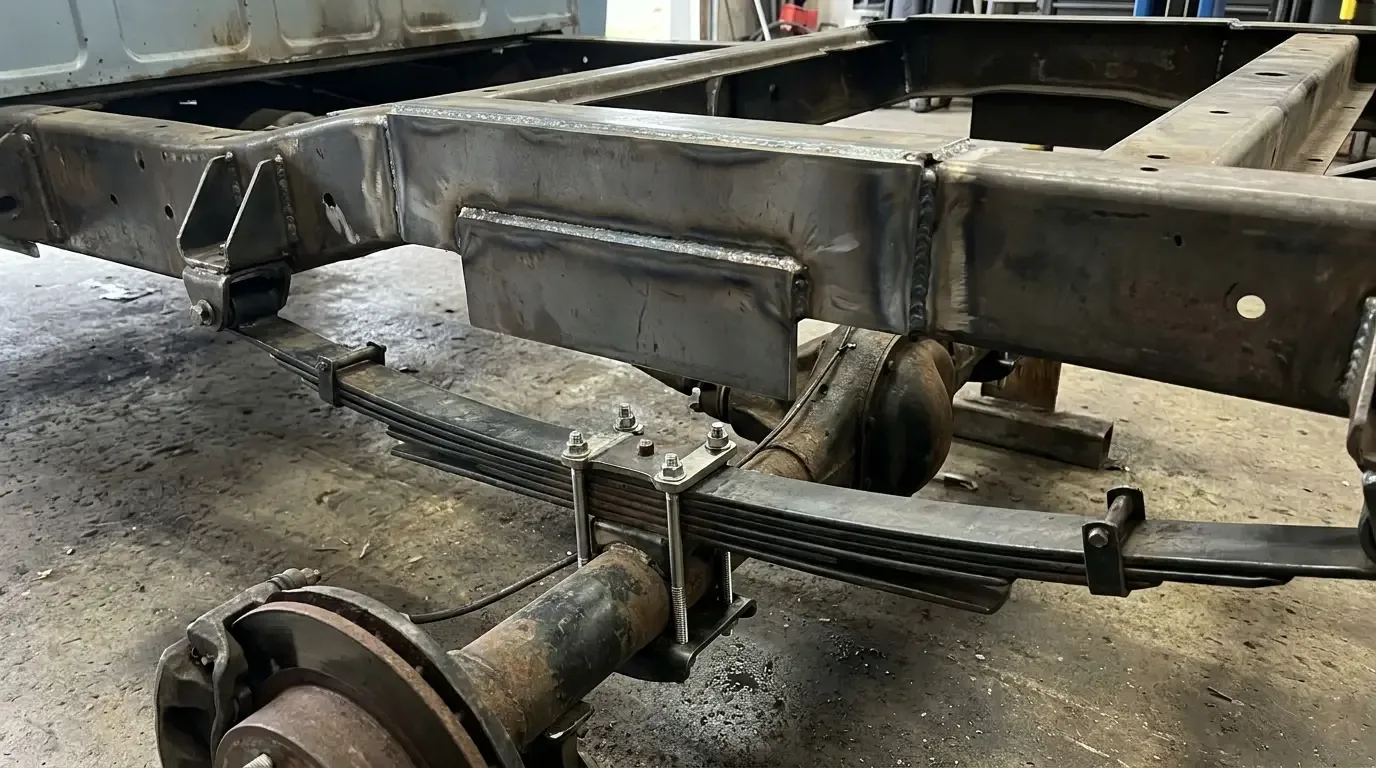
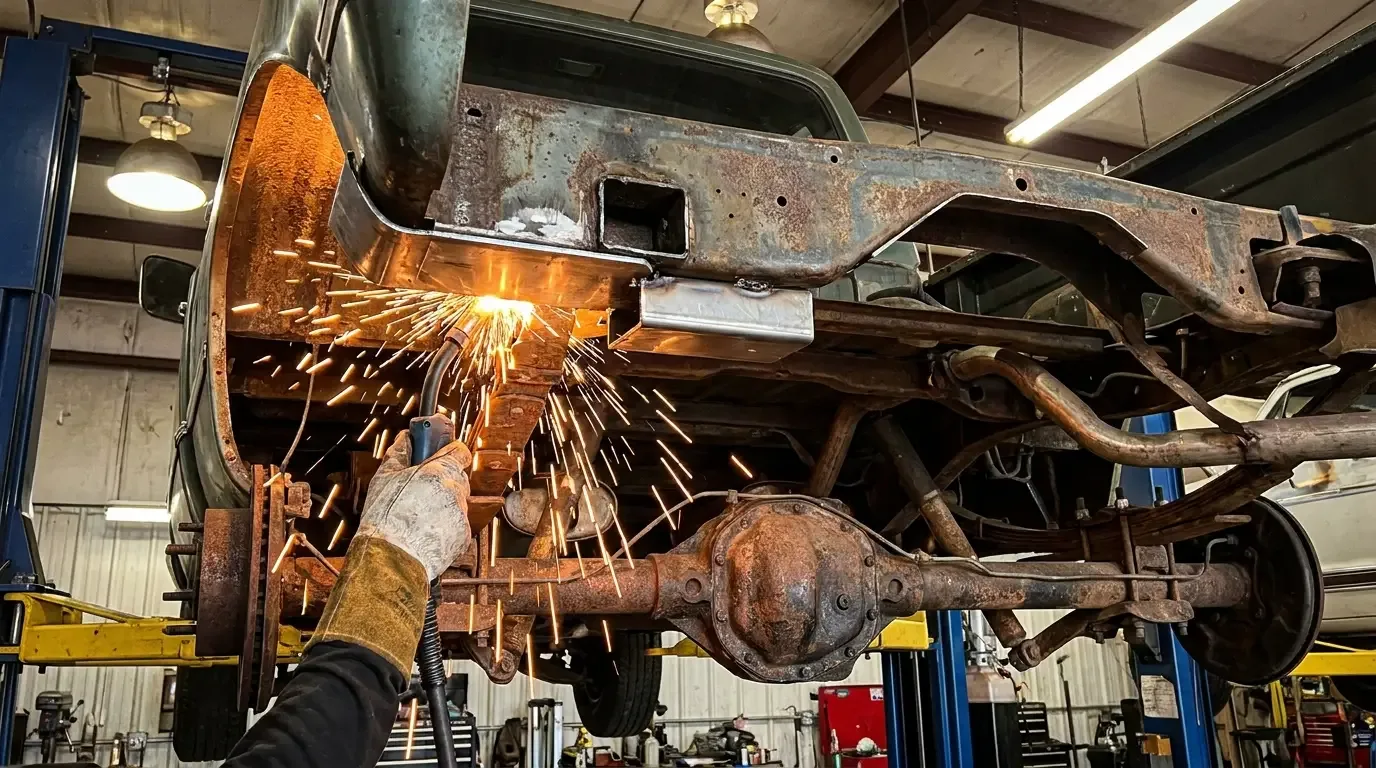
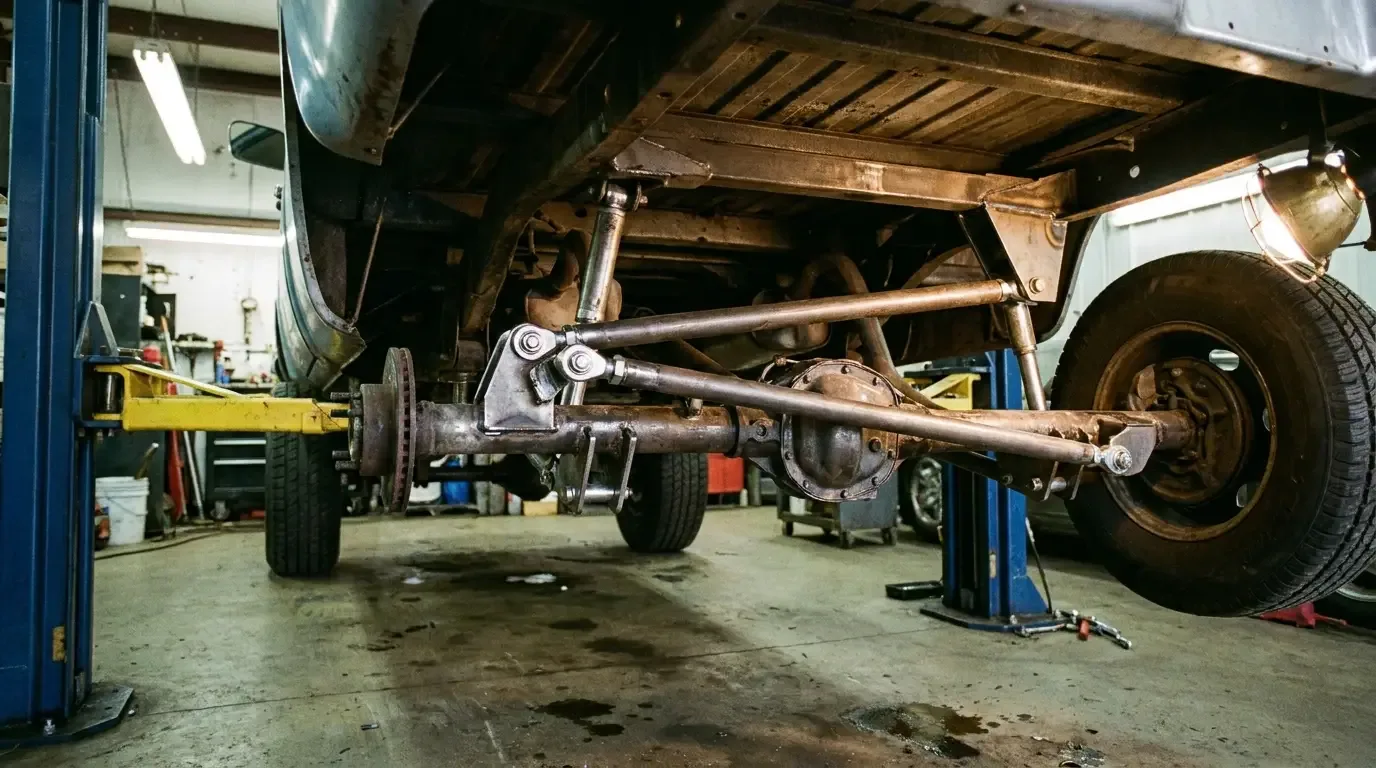
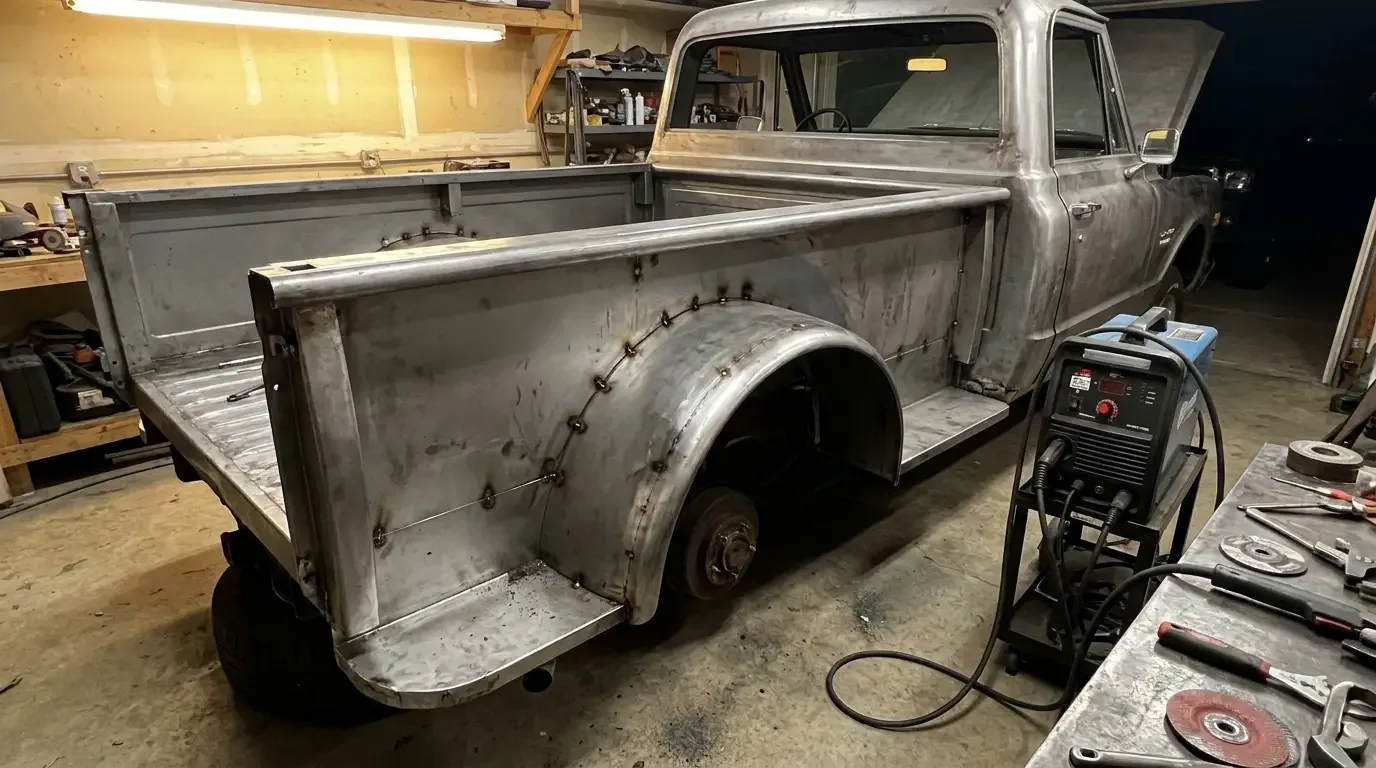
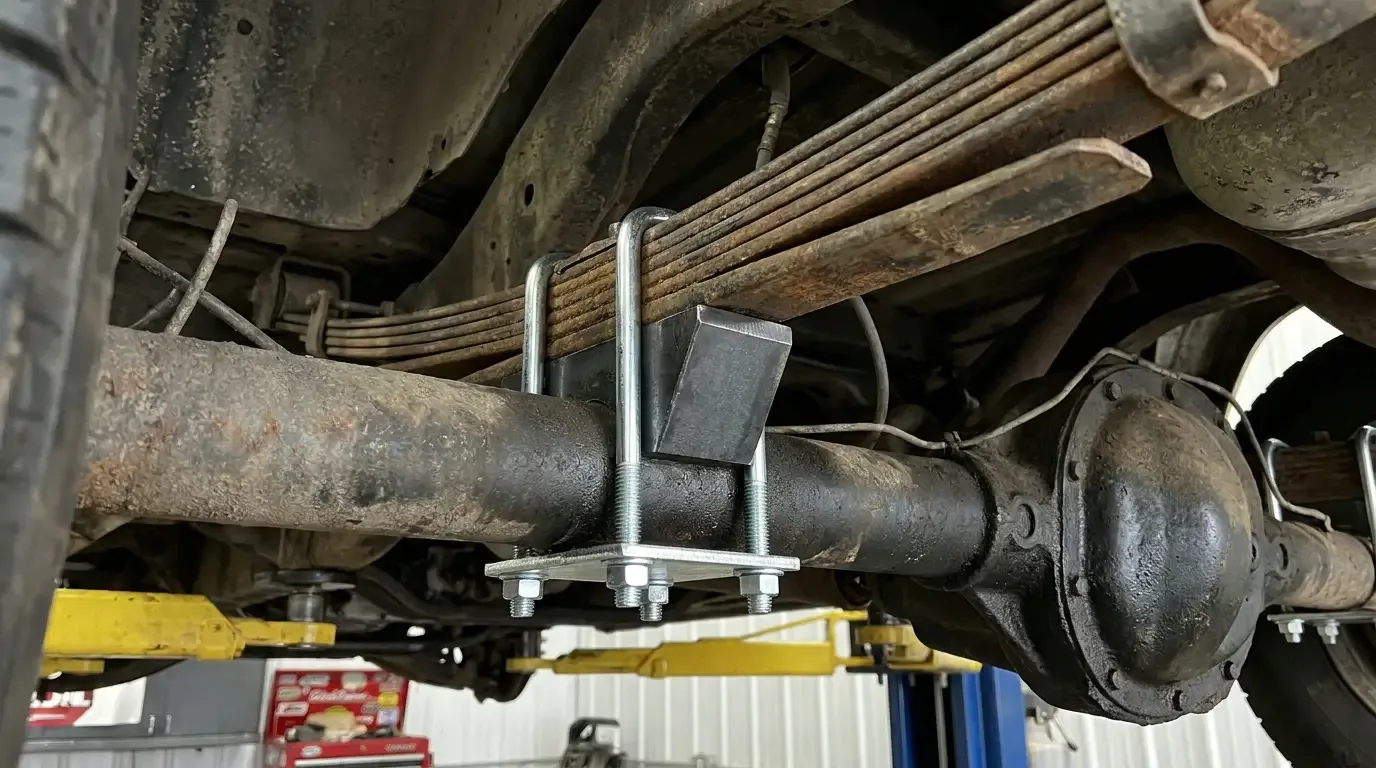
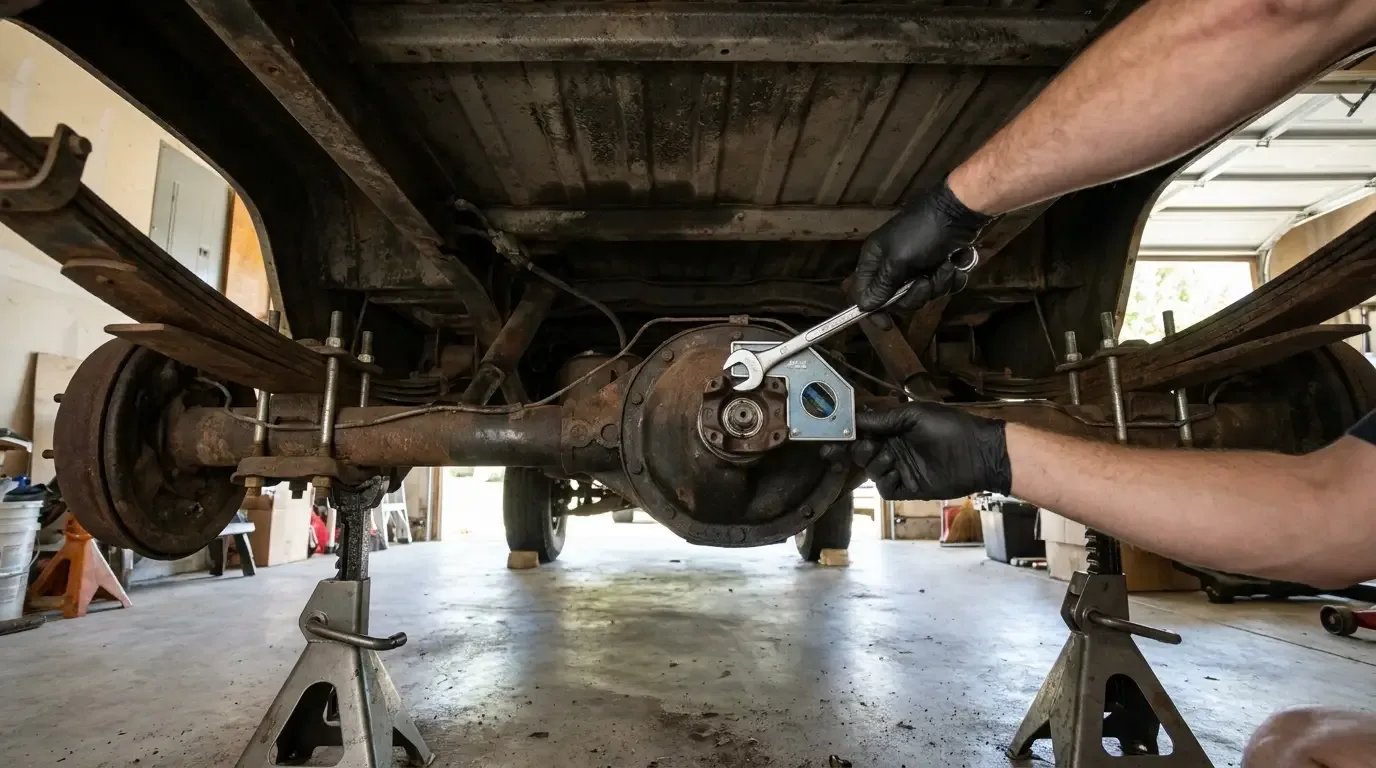
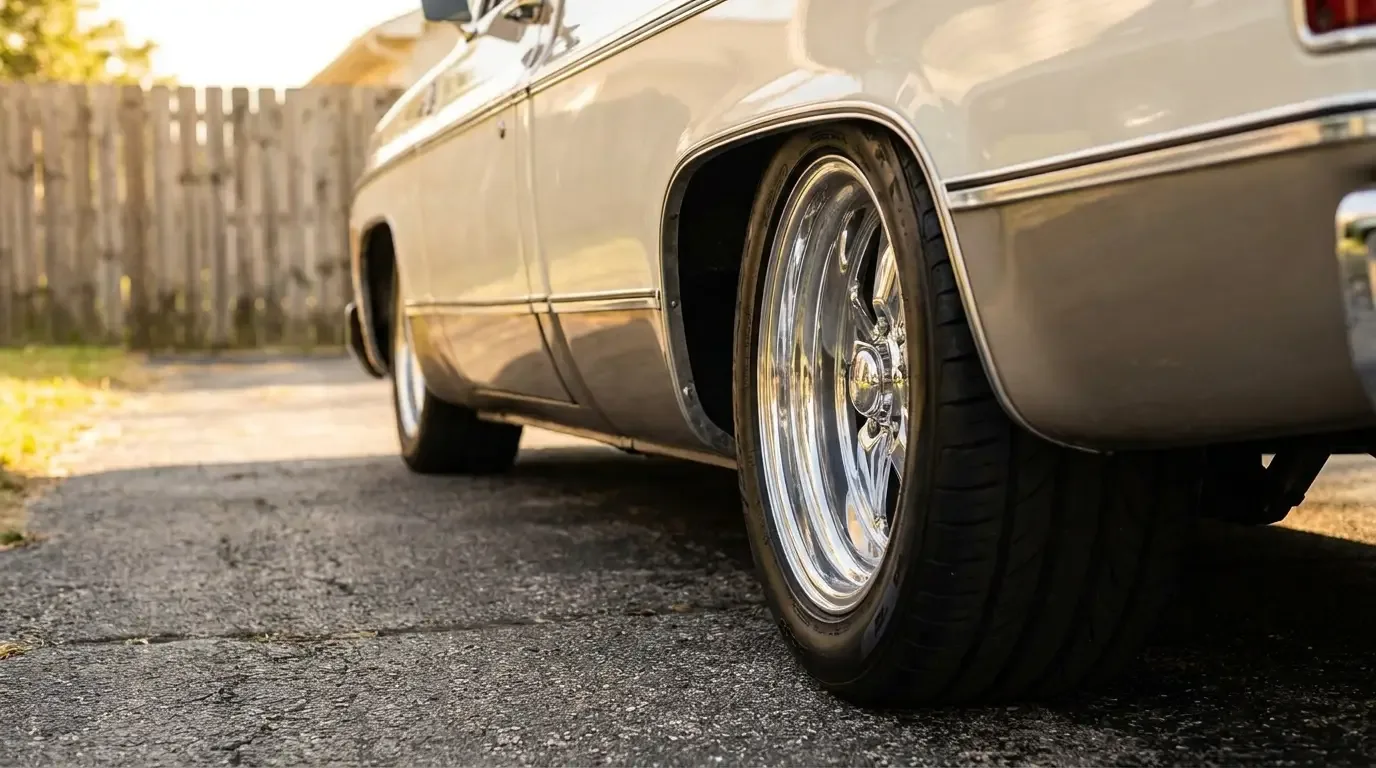
Once you're past what drop spindles and shorter springs can do up front, the rear becomes the limiting factor, and that's where a C-notch or a flip kit comes in. A flip kit relocates the rear axle from underneath the leaf springs to on top of them, which alone gets a few inches of drop without touching the frame. A C-notch goes further, cutting a section out of the frame rail above the axle so the axle has room to travel upward without hitting the frame on every bump.
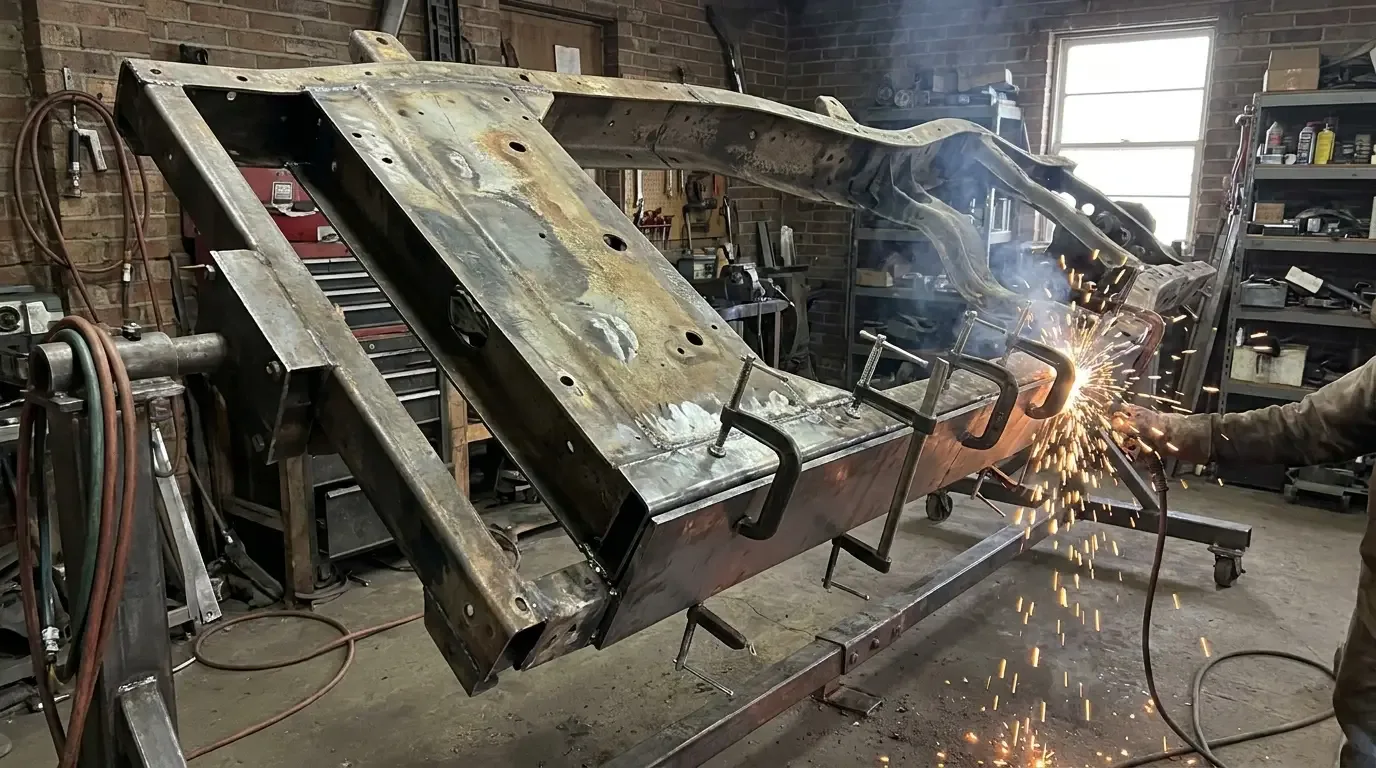
This is fabrication work, not a bolt-on kit, and it needs to be done by somebody who understands what a notch does to frame strength in that section. A notch done without reinforcing the cut is a weak point exactly where the frame needs to handle load every time the truck hits a dip. Box it, gusset it, do it right the first time. This is not a job to save fifty dollars on labor.
| Method | Typical drop | Ride quality impact | Reversibility |
|---|---|---|---|
| Drop spindles + shorter springs | 2-3 in. front | Minimal if done correctly | Fully reversible |
| De-arched leaf springs | 2-3 in. rear | Slightly firmer ride | Reversible |
| Flip kit | 3-4 in. rear | Firmer, more road feedback | Reversible |
| C-notch | 4-6 in. combined with flip | Depends on execution quality | Not practical to reverse |
| Air ride | Adjustable, ground to stock | Best of both when tuned right | Reversible, expensive to remove |
Air ride, the expensive adjustable path
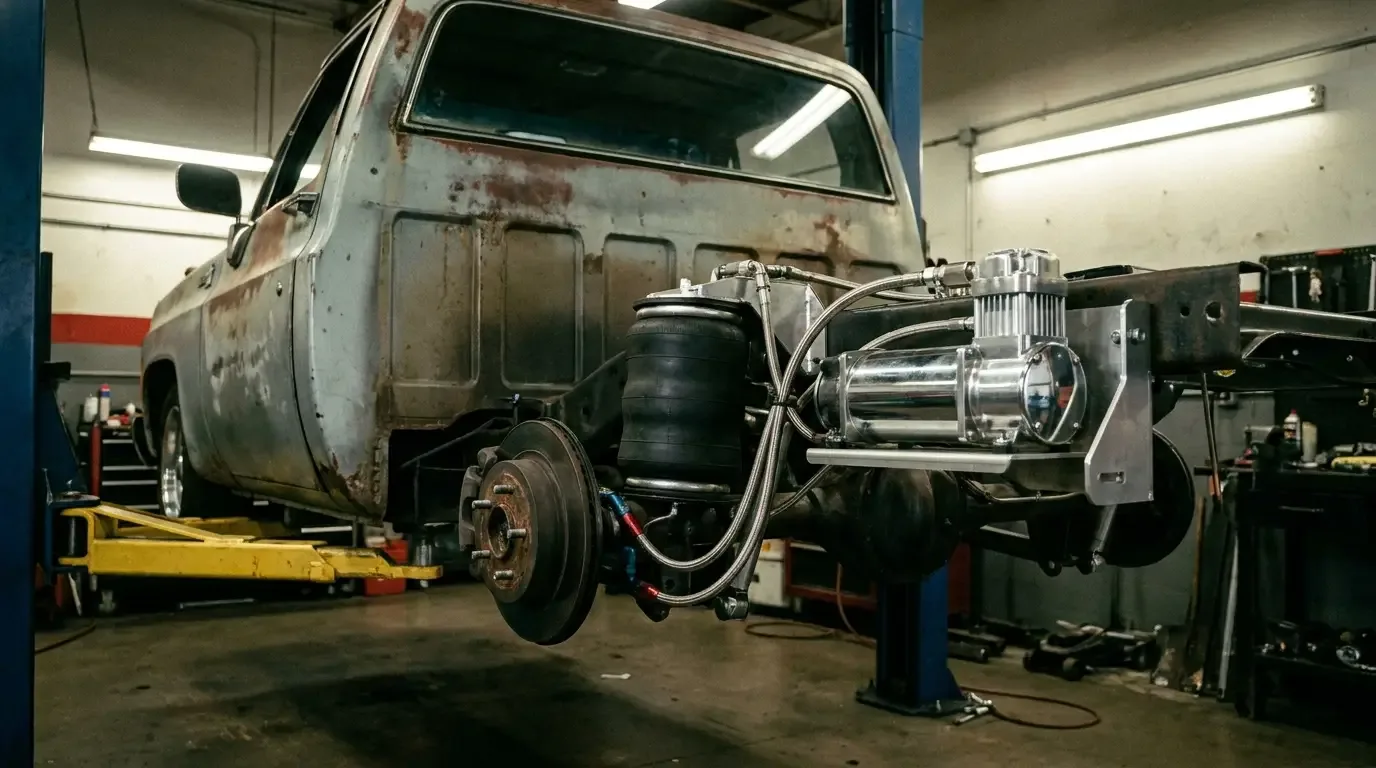
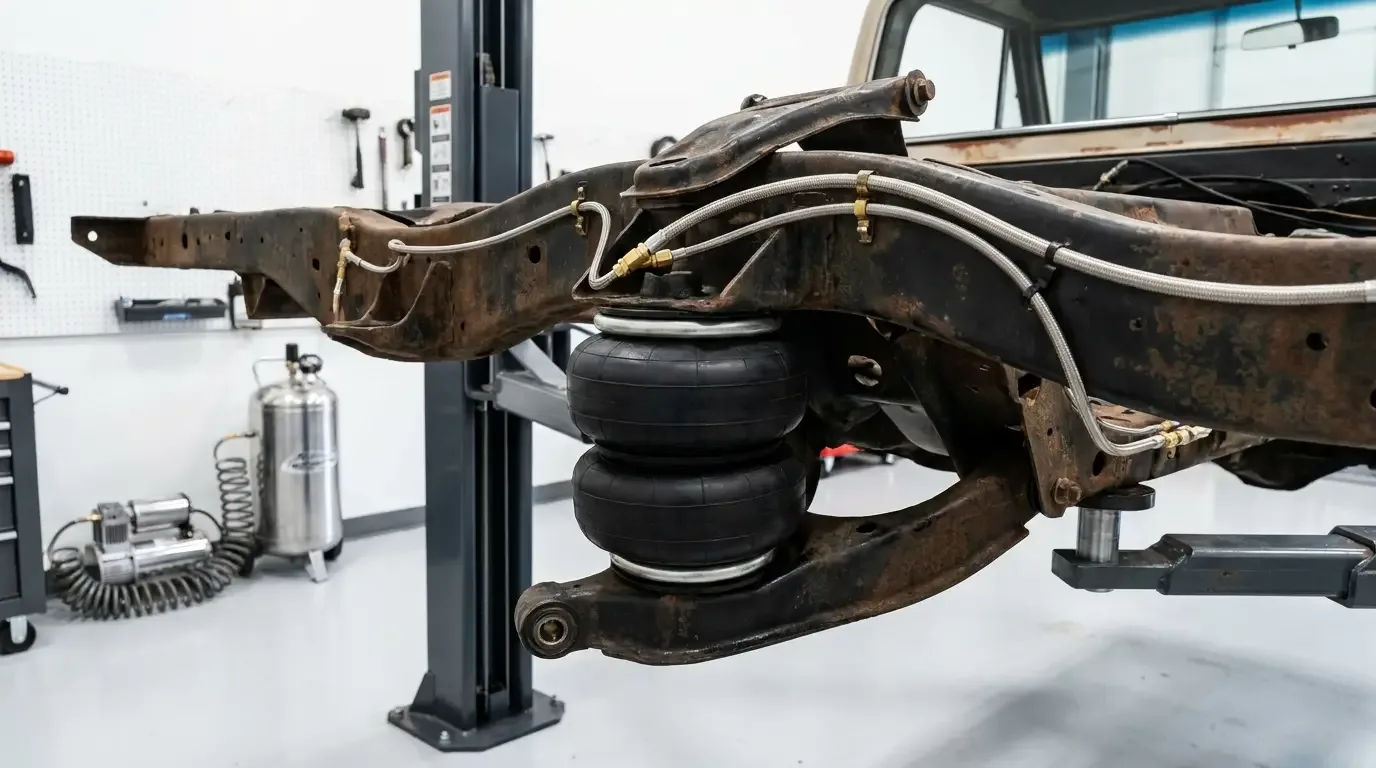
Air suspension is the answer for guys who want it slammed at a show and drivable on the way home. Air bags replace the coil or leaf springs entirely, controlled by a compressor and a management system that lets you dial in ride height on the fly, low enough to drag the frame in a parking lot and high enough to clear a speed bump ten minutes later. The tradeoff is cost and complexity. You're adding a compressor, an air tank, lines, and an electronic controller to a truck that came from the factory with none of that, and every one of those components is something that can eventually need attention.
Done right, with a quality management system and enough tank capacity, air ride gives you genuinely good ride quality at a comfortable height and a show stance at the push of a button. Done cheap, with an undersized compressor and bargain bags, you get a truck that sags overnight and rides rough at any height because the system is fighting a load it wasn't sized for.
What breaks once it's low
A lowered truck exposes weaknesses that never mattered at stock height. Ground clearance drops, obviously, and that means driveways, speed bumps, and steep parking ramps all become things you think about instead of ignore. Bump steer gets worse the more the front end drops past what the factory geometry was designed around, which means the truck can start darting under hard braking if the tie rod angle isn't corrected along with the ride height. Exhaust and driveshaft clearance both tighten up in back, especially on a truck that's also had a flip kit or a C-notch done.
None of this means don't lower the truck. It means go in knowing the drop changes more than the number on a tape measure, and budget for the corrections, not just the parts that make it go down.
What to pay by drop level
A budget drop spindle and shorter spring setup up front, paired with de-arched leafs in back, typically lands in the $800 to $2,000 range done at a shop for parts and labor combined, less than half that if you're doing the work yourself and just buying the parts. Add a flip kit and it climbs from there, with a full show-level drop of 4 inches or more running $2,000 to $4,500 at a shop. A proper C-notch with reinforcement, done by somebody who fabricates for a living, adds a few hundred dollars for the kit itself plus several hundred more in shop labor for the cutting, boxing, and gusseting, more if the bracing needs to be custom-fabricated. Air ride is the expensive end of this list. A basic quality four-corner kit with installation lands in the $3,000 to $6,000 range, and a comprehensive setup with upgraded control arms, real tank capacity, and a full digital management system sized for the truck's actual weight can climb well past $10,000 once everything is installed and tuned.
"Guys ask me how low they should go before they've even asked how they're going to drive the thing. That's backwards. Figure out if this is a daily driver or a trailer queen first, then pick the drop that matches. A truck that drags its frame in every driveway on the way to work is a truck somebody's going to hate in six months."
Mike Sullivan
Verdict, the right stance for how you'll drive it
If this truck is going to see daily miles, drop spindles, shorter springs, and de-arched leafs get you a real stance improvement without turning every parking lot into an obstacle course, and keeping a lowered daily driver running right is worth reading once the drop is done, because a lowered truck needs a slightly different maintenance eye than a stock one. If this truck is a show build or a weekend cruiser that trailers to events, a C-notch or air ride opens up a stance that a daily driver setup can't touch, and the tradeoffs are worth it because you're not living with them five days a week.
Either way, get the geometry corrected along with the drop, not after somebody notices the truck darts under braking. If you're still shopping instead of building, clean stance C10s for sale is a faster path to the truck you actually want than starting from a stock one and fighting a bad prior lowering job somebody else already did wrong.
Sources and notes
- Trekline Motorsports cost breakdown for lowering a truck by drop level
- GSI Machine and Fabrication C10 air ride suspension pricing
- Performance Online C10 C-notch kit pricing
- UMI Performance C10 frame notch kit
- GMT400 forum discussion on drop spindles, scrub radius, and bump steer
- Speedway Motors guide to C-notching a C10 frame
Related Reading

Detroit-area muscle car enthusiast and restoration specialist with three decades of hands-on experience working on American iron.
Related Listings - Chevrolet C10
More in Restoration & Tech
Comments
Be the first to comment on this article.