
I have pulled apart enough of these trucks to tell you the expensive part is never the part people worry about first. Everybody wants to talk about paint and chrome and which wheels to run. Fine. We will get there. But a C10 restoration lives or dies on decisions made in the first two weeks, before a single panel gets sanded, and most of those decisions come down to being honest about what you are actually looking at.
Restoration & Tech
8 min read
The Complete Chevrolet C10 Restoration Guide
Restoring a Chevrolet C10 starts with an honest inspection, not a parts order. Here is what actually drives the cost and how to avoid the mistakes that sink most projects.
Start with what the truck actually is, not what the ad says
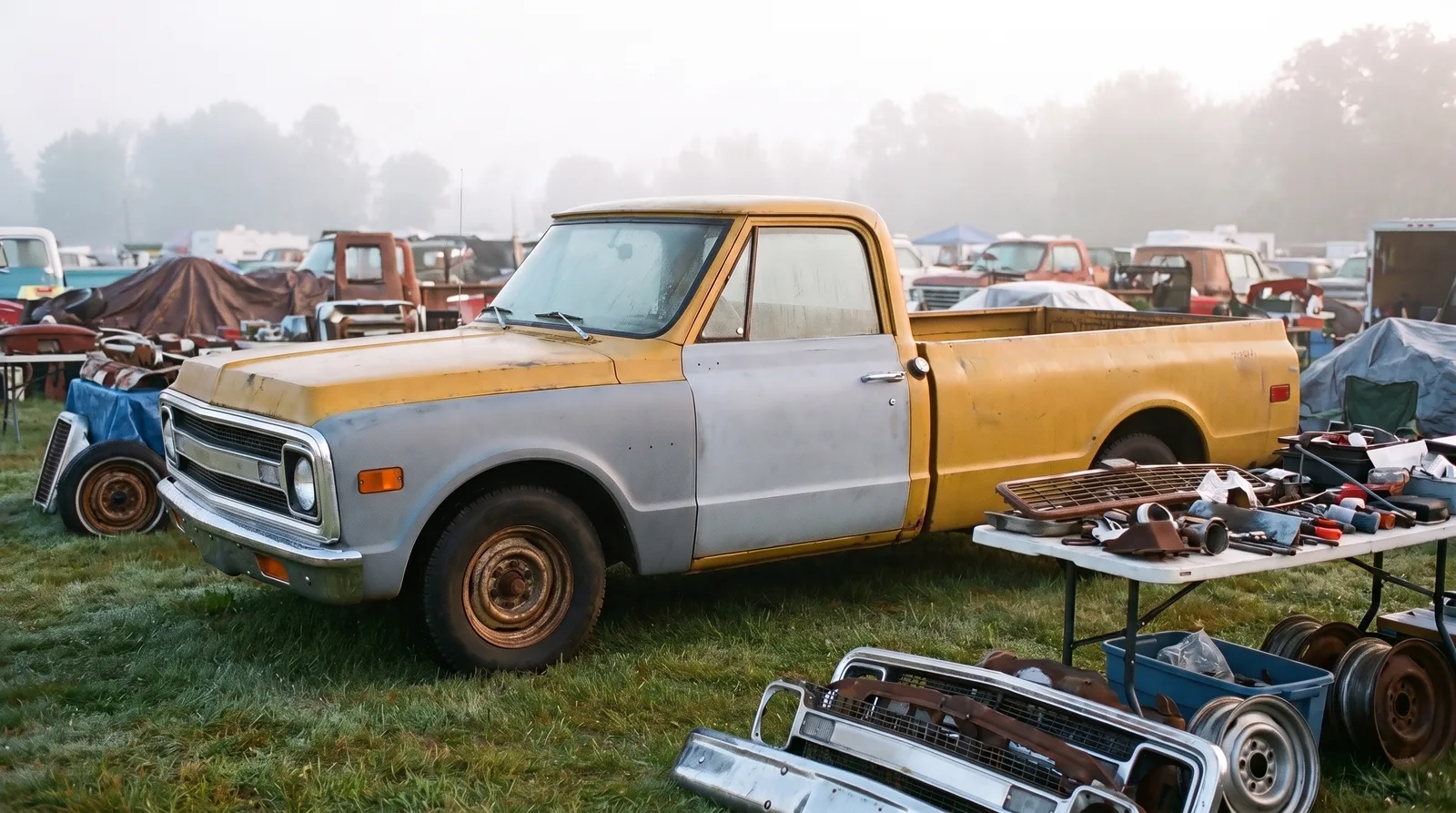
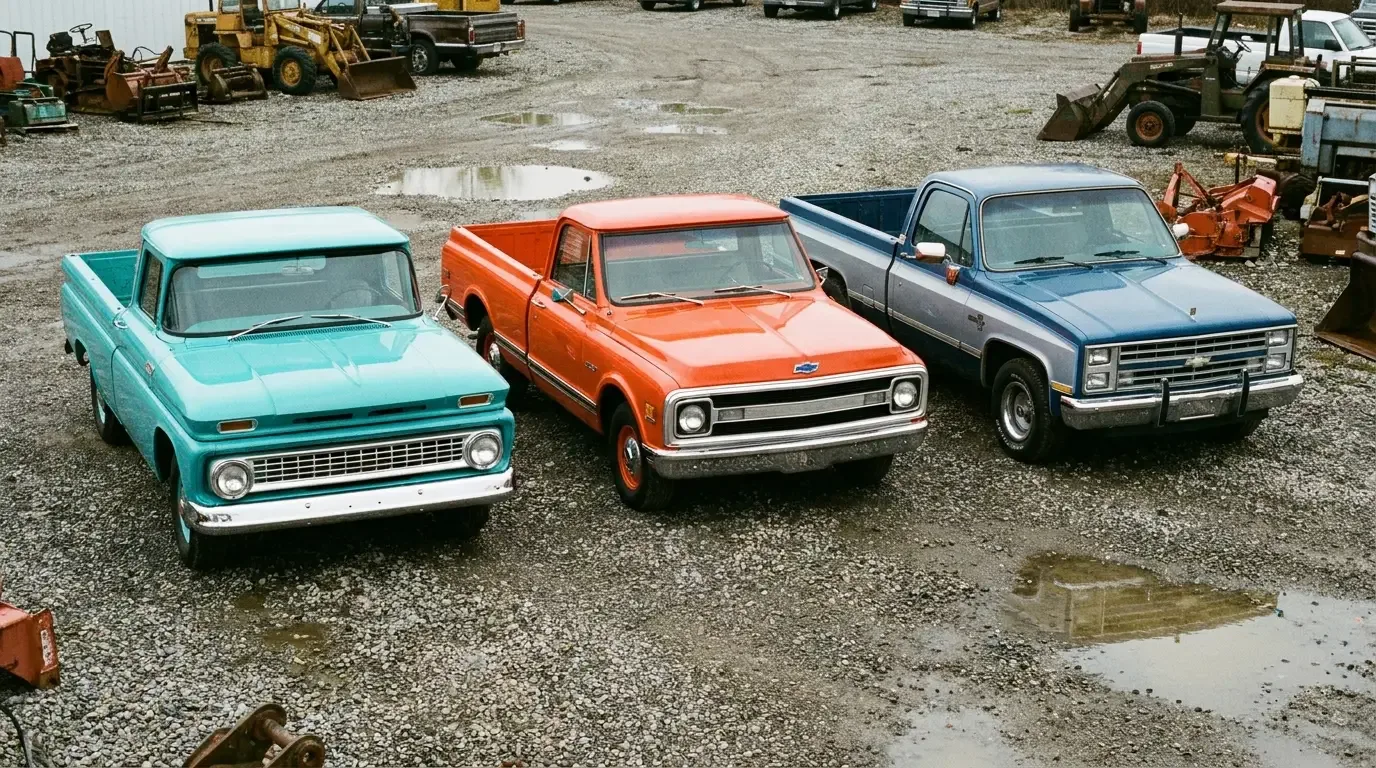
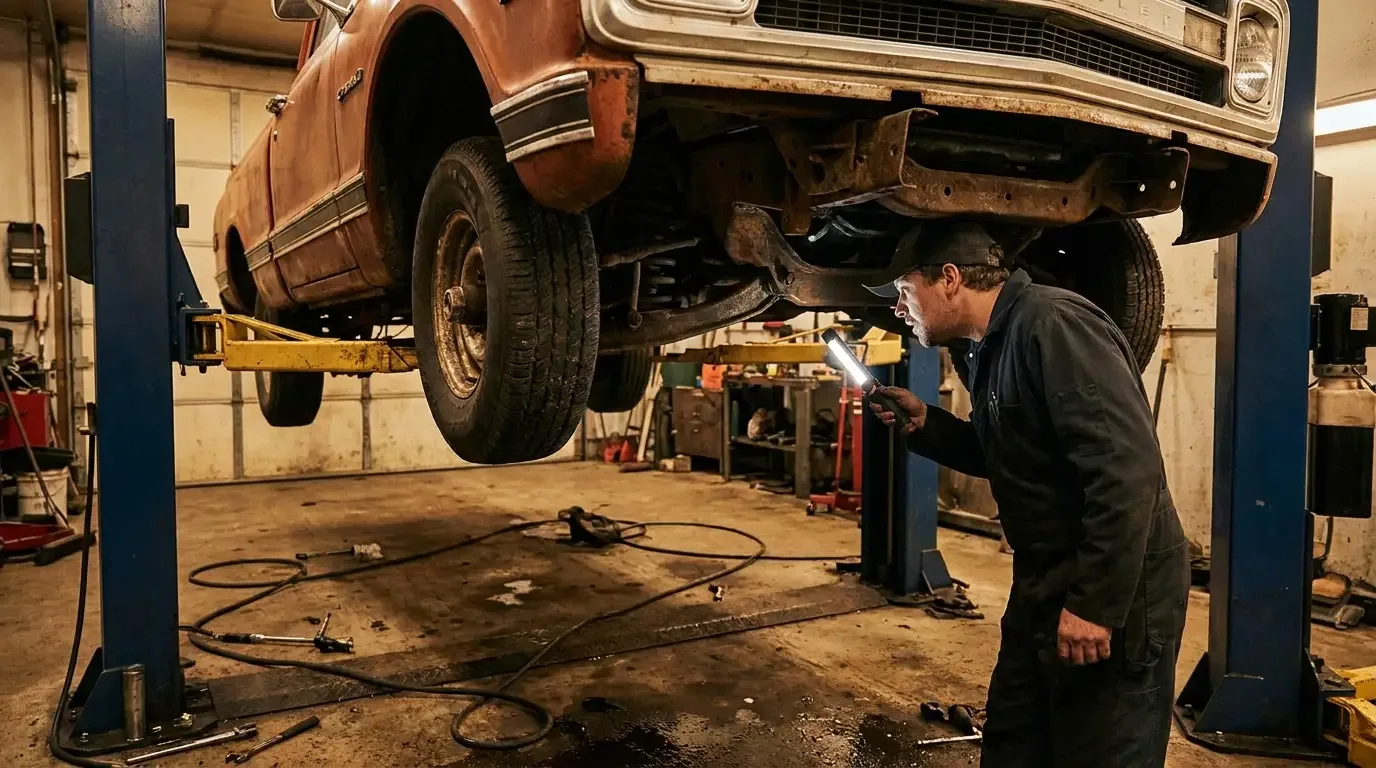
Every C10 for sale gets described as "solid" by somebody who has never crawled underneath it with a flashlight and a screwdriver. Solid is not a fact. Solid is a feeling the seller has about a truck he wants to sell. Before you spend a dollar on parts, get the truck up on stands, poke every seam with something pointed, and find out what you actually bought. Chevrolet built this truck across three distinct generations over almost thirty years as part of Chevrolet's half-ton legacy, and the differences between those generations matter more than most first-time buyers realize when they start pricing parts.
Write down every problem you find before you fix anything. Not because you need a spreadsheet to feel official, but because that list is the only thing standing between you and the classic mistake: fixing the fun stuff first and running out of money before the frame gets addressed properly.
The frame and floors come before anything cosmetic
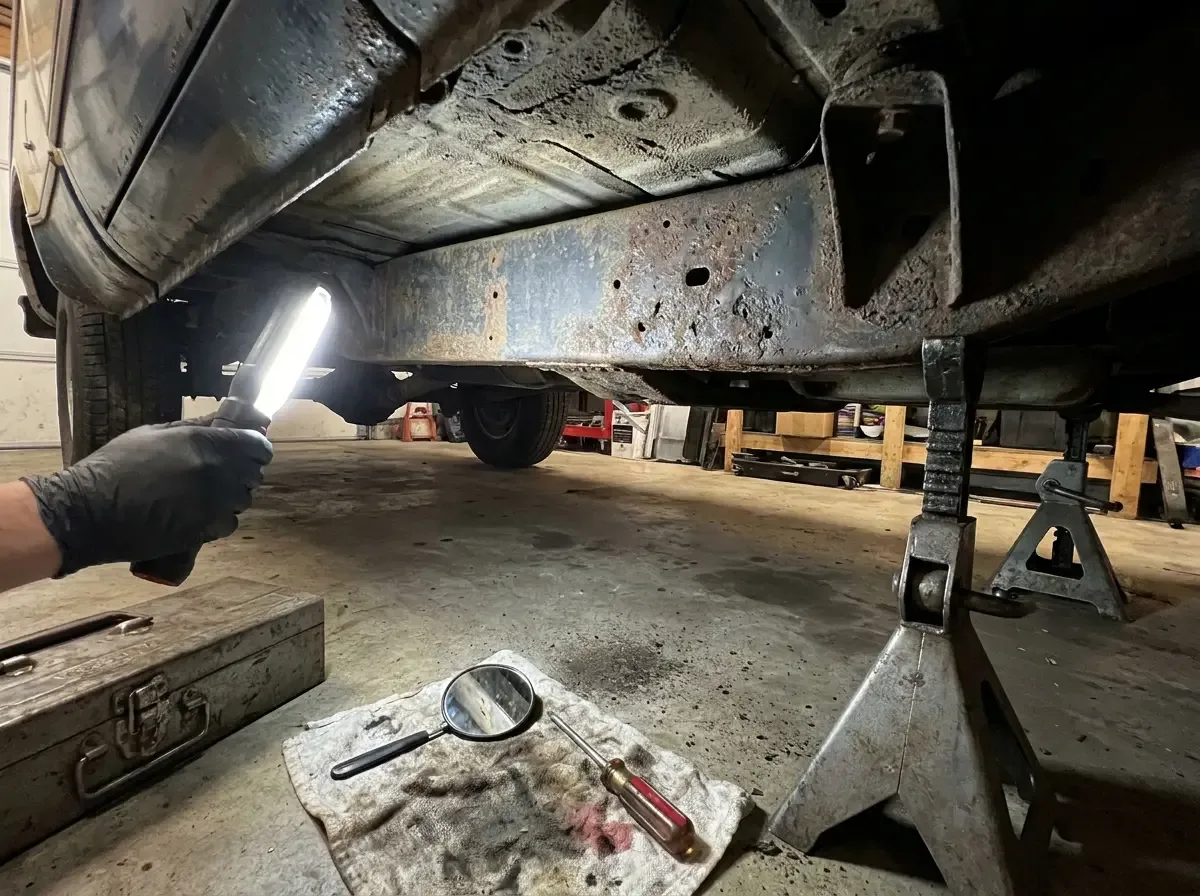
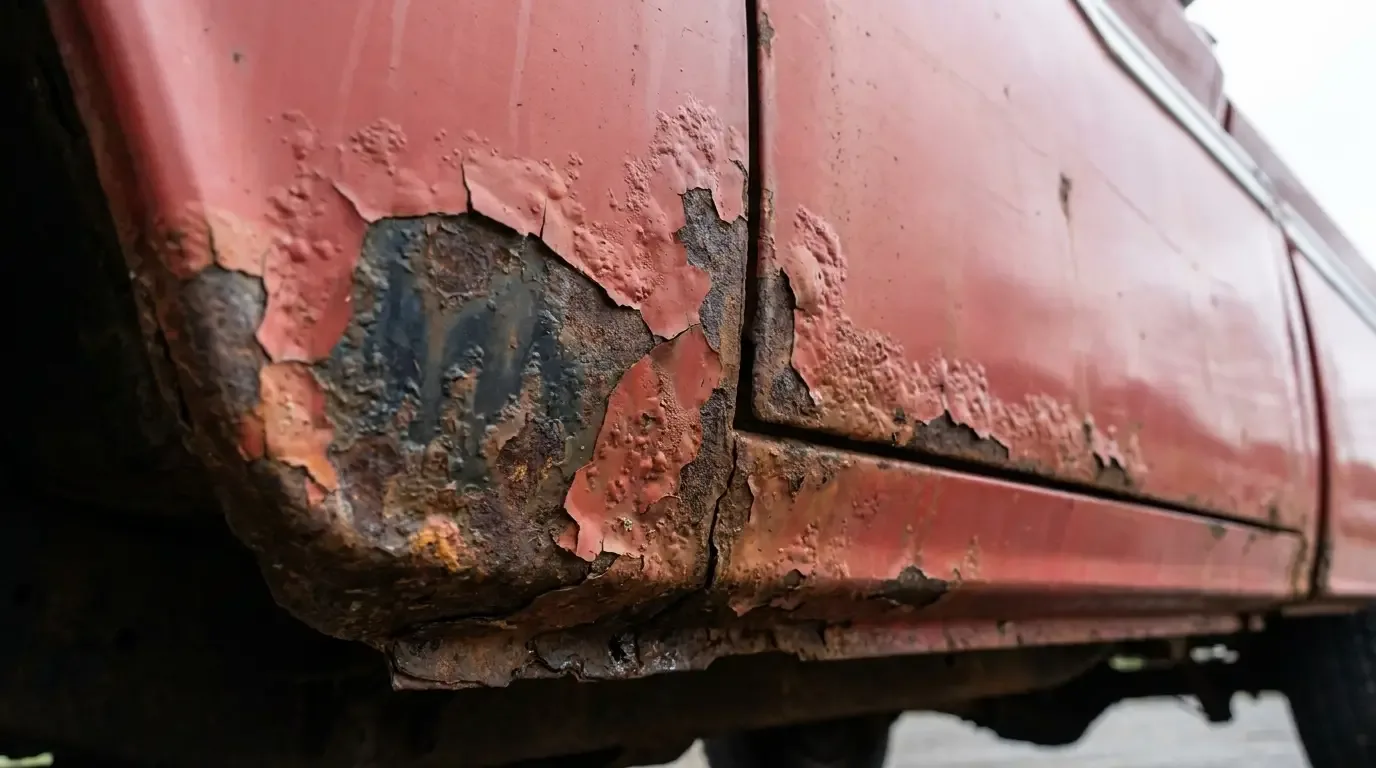
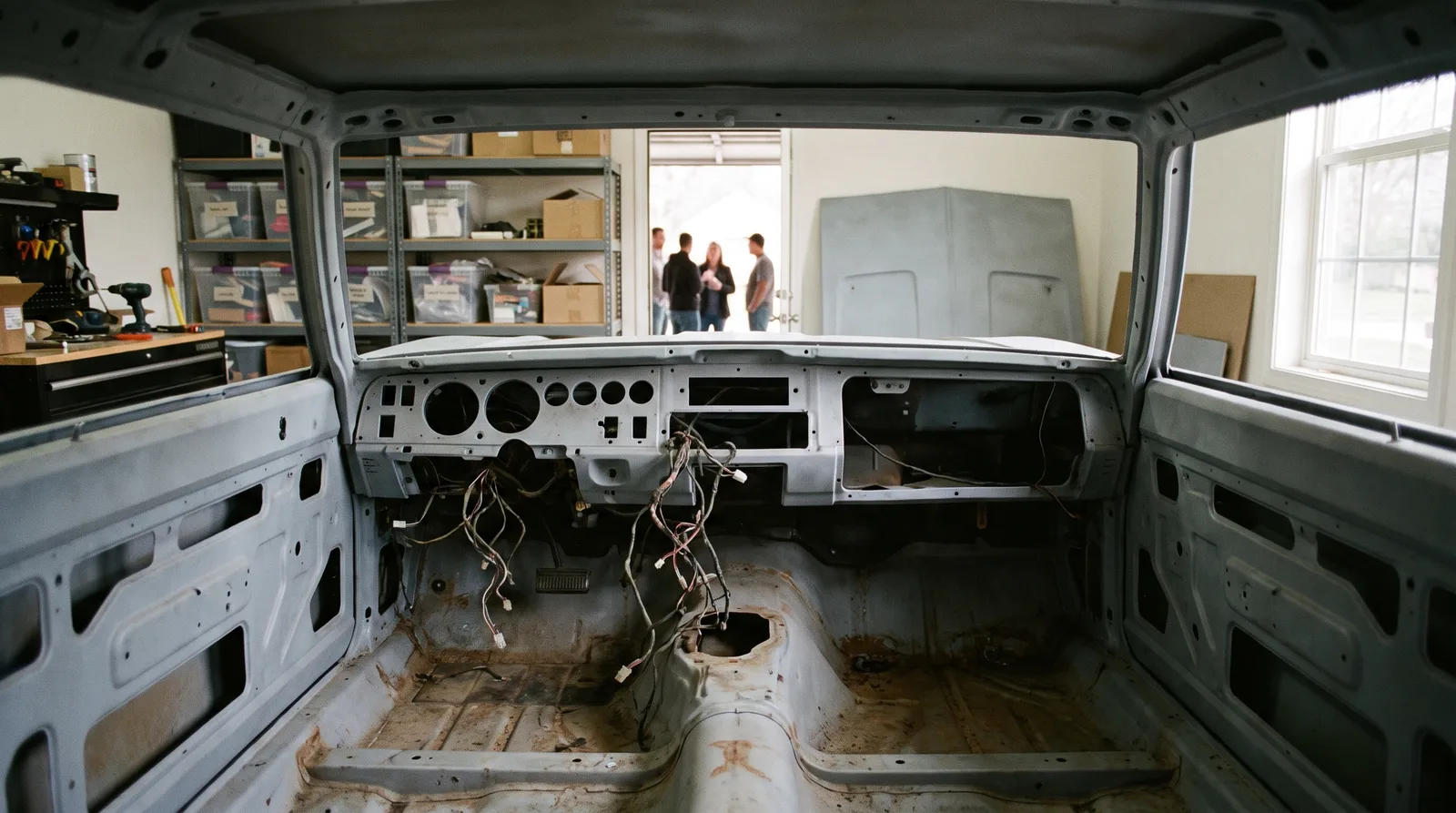
I do not care how good the paint looks. If the frame is compromised or the floors are more filler than steel, none of the rest of it matters, and I have watched grown men argue with me about this while standing on a floor pan that flexed under their own boots. Rust does not announce itself politely. It starts on the inside of a box section and works its way out, so a frame that looks clean on the outer face can be tissue paper on the inside where you cannot see it without a mirror or a grinder.
🔧 Inspection Priorities
- Frame rails, especially behind the front wheels and around the rear spring hangers. This is where road salt and years of flex do the most damage, and frame repair or replacement is the single most expensive surprise in this hobby.
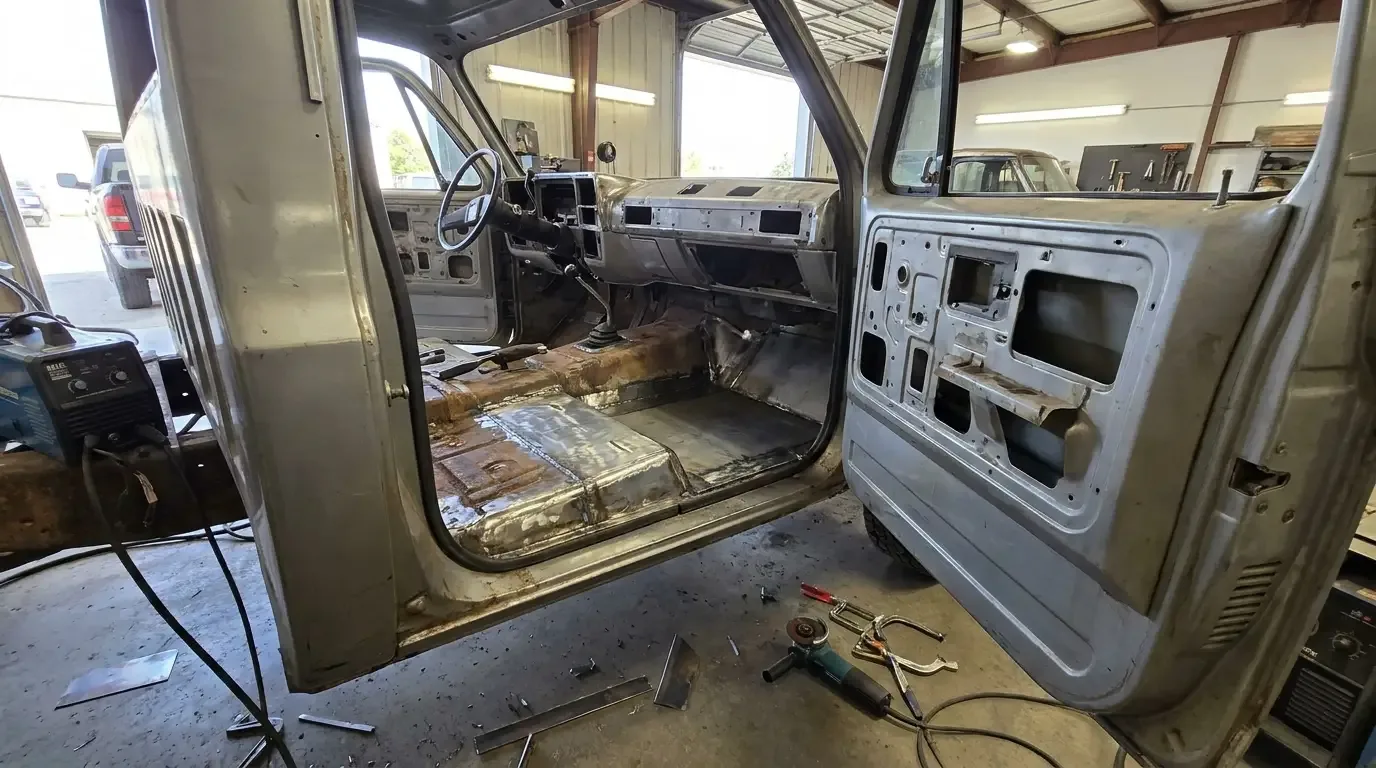
- Cab corners and floor pans. Cheap to fix individually, expensive if you discover them after the cab is already painted and mounted back on the frame.
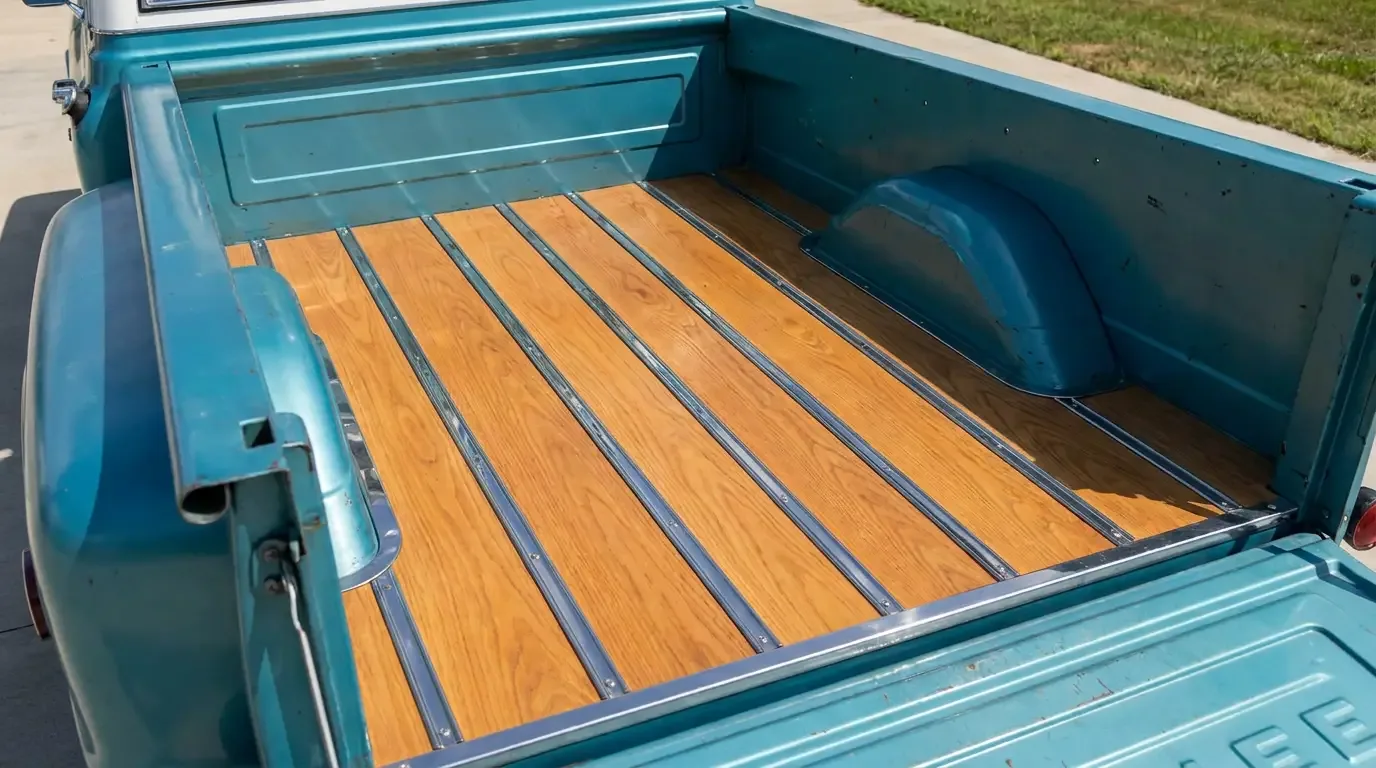
- Bed wood and bed floor supports. Cosmetic on the surface, but rot here often means the mounting points underneath have gone soft too.
- Brake and fuel lines. Nobody budgets for this. Everybody should. Steel line that has been sitting since Carter was president is not line you drive on.
Bodywork is a math problem before it's a metal problem
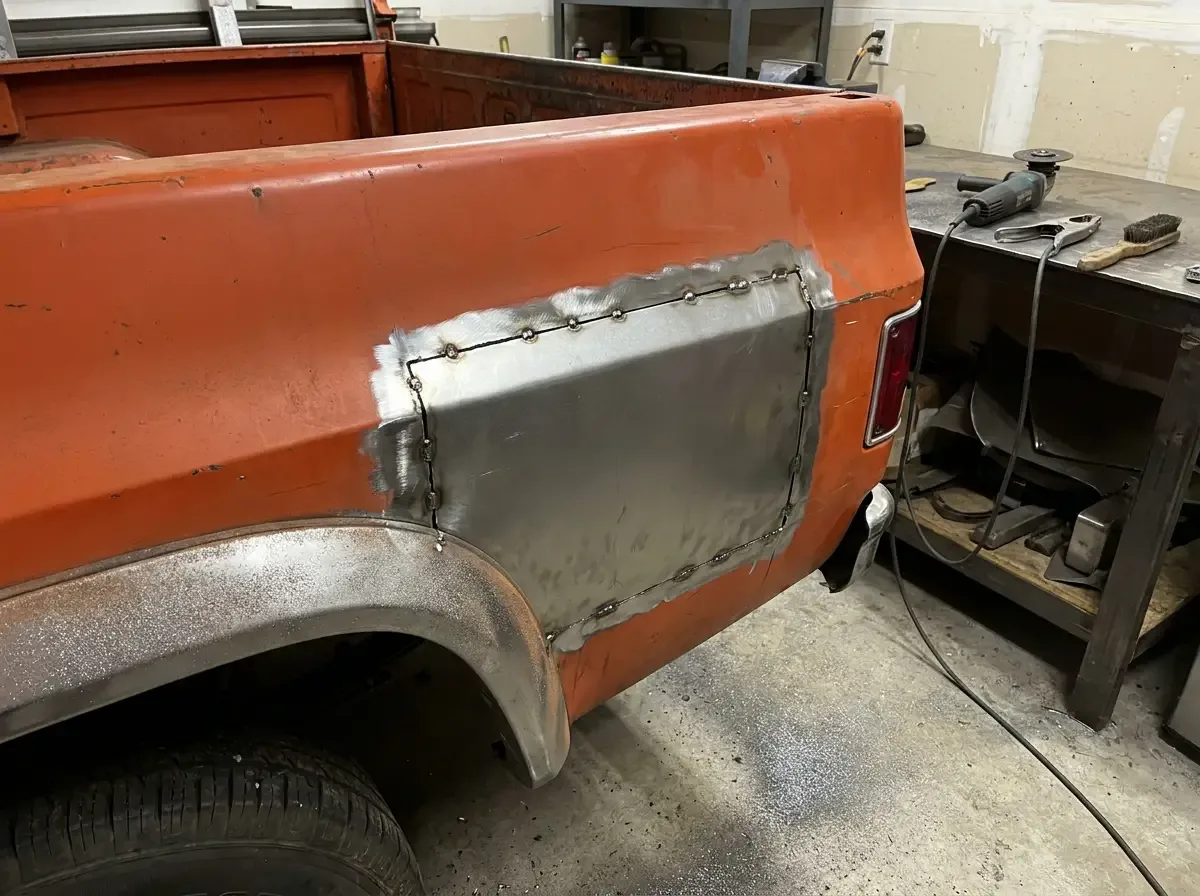
Every dent, every rust hole, every mismatched panel gets a number next to it before you start cutting anything. Patch panels are cheap. Labor is not. A shop charging by the hour on a truck with rust in six places will eat a budget alive, and I have seen guys sink more money into bodywork alone than the finished truck was worth, then wonder why the math never worked out in the end. If you are doing the metal work yourself, budget triple the time you think it will take. If you are paying someone else, get a real number in writing before the truck goes on the rack, not an estimate that grows every time you check on progress.
Mechanical condition decides how much truck you actually have
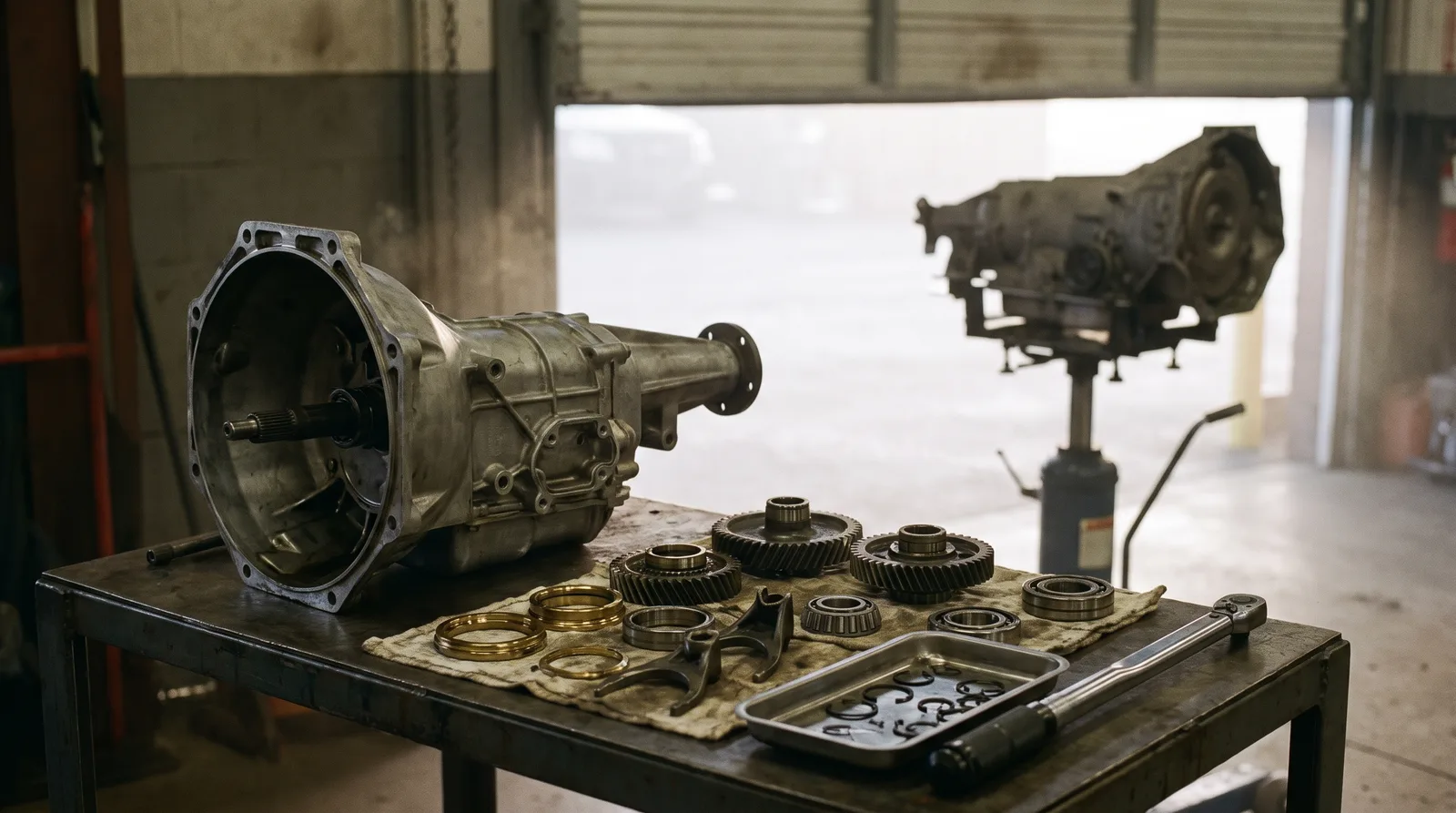
A C10 that runs rough is not necessarily a C10 with a bad engine. Half the tired trucks I have looked at just needed fuel system work and a tune-up done properly instead of guessed at. Pull the valve covers before you assume anything. Check compression across all cylinders before you order a single part. The number of trucks that get a full engine swap because nobody bothered to check compression first is higher than it should be, and it is an expensive way to learn a lesson a cheap gauge would have taught you for free.
Once the truck actually runs the way it should on the original combination, you will know soon enough whether you want more than that. That is a separate decision, and once it runs, what to do about power is a question worth answering on its own terms rather than folding into the restoration budget from day one.
What a realistic restoration actually costs
Nobody wants to hear real numbers, but real numbers are the only thing that keeps a project from turning into a truck sitting on jack stands for six years while the owner avoids looking at it. These are rough tiers based on trucks I have seen come together, not a formula, and your specific truck will move the numbers depending on what you found when you got underneath it.
| Restoration tier | What it covers | Approximate cost (rough, national averages) |
|---|---|---|
| Mechanical freshening | Fluids, brakes, fuel system, tune-up, minor rust patches | $3,000-$7,000 |
| Driver-quality restoration | Paint, interior refresh, mechanical rebuild, some sheetmetal | $15,000-$30,000 |
| Full frame-off restoration | Complete disassembly, frame repair or replacement, new sheetmetal, full interior, drivetrain rebuild | $40,000-$80,000+ |
The gap between those tiers is where most projects get derailed. People budget for a driver-quality build and discover frame damage that pushes them into full frame-off territory without ever meaning to. That is why the inspection at the start of this whole process matters more than any decision that comes after it.
Interior, glass, and trim take longer than sheetmetal
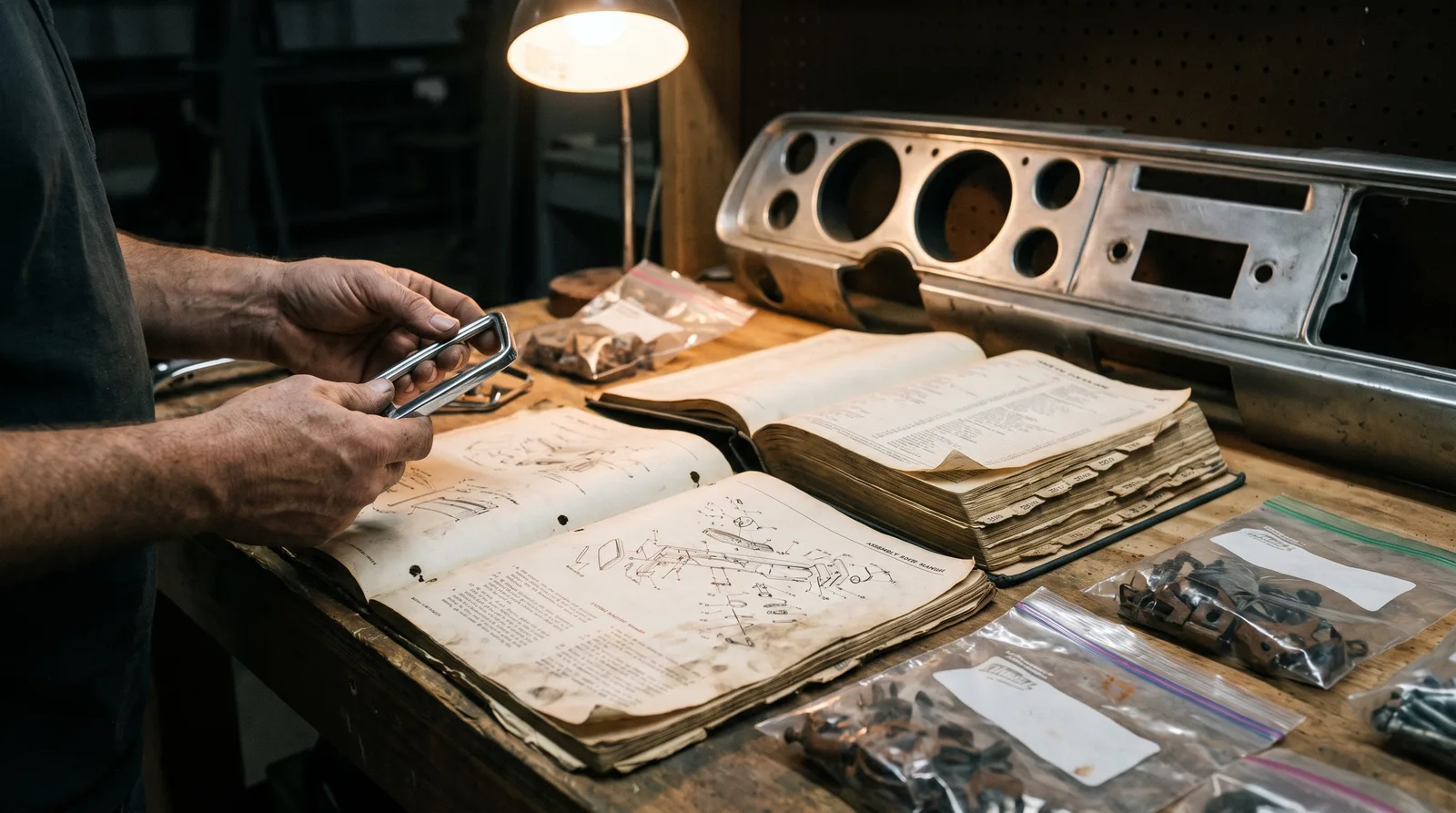
Everybody plans the mechanical work and the paint schedule down to the week, and then the truck sits for four extra months waiting on a windshield gasket or a dash pad that stopped being reproduced years ago. Interior trim, glass seals, and small brightwork pieces are the parts of this hobby nobody plans around, and they should be the first things you go looking for, not the last. A door panel or a heater control cable can hold up a finished truck longer than a whole quarter panel ever will, simply because there is only one supplier making it and that supplier is backordered.
Start a running list the same week you start the inspection. Glass, weatherstripping, dash components, seat upholstery, headliner material. Order what is available now even if the truck will not need it for a year, because prices on reproduction trim only move in one direction and the good vendors run out of the popular colors and patterns first. I have watched a nearly finished truck sit on a lift for a season because the only seat cover left in the right pattern was in a color nobody wanted, and by the time a proper batch came back in stock the owner had lost most of his enthusiasm for the project.
Finding the right truck to start with
Half the restoration headaches I get asked about could have been avoided by starting with a better truck. If you are still shopping, spend the time up front looking at project-ready C10s for sale instead of grabbing the first cheap listing that shows up near you. A truck with a clean title, a straight frame, and honest rust in only one or two spots is worth more money up front and considerably less money over the life of the project than a truck that is cheap because everybody who looked at it before you already walked away.
"The most expensive truck in this hobby is the free one somebody talked you into, because there is always a reason it was free, and you find out what it is about four months into the project."
Mike Sullivan
Do the inspection first. Be honest about the number it gives you. Then decide how much truck you are actually building, because that decision only gets more expensive the longer you put it off. Every truck that comes into my shop half finished got there the same way, somebody skipped the boring part at the start because they wanted to see progress right away, and progress on the wrong things is still a truck sitting unfinished five years later.
Sources and notes
- Chevrolet C/K generation history, including the 1973-1987 square-body years
- Hagerty on why the square-body is the most popular classic truck platform in America
- Squarebody Headquarters, builder of all-new reproduction 1973-1987 truck cabs
- Classic car restoration cost guide and what drives the price
- Breakdown of truck restoration cost tiers
- The true cost of a professional restoration, including shop labor rates
Related Reading
Article
The Chevrolet C10 Story: America's Half-Ton Icon
Article
The Chevrolet C10 Through the Generations
Article
How to Inspect a Classic C10 Frame for Straightness
Article
Fixing the Most Common Rust Hotspots on a C10
Article
Replacing Rusted C10 Floor Pans: A Step-by-Step Guide
Article
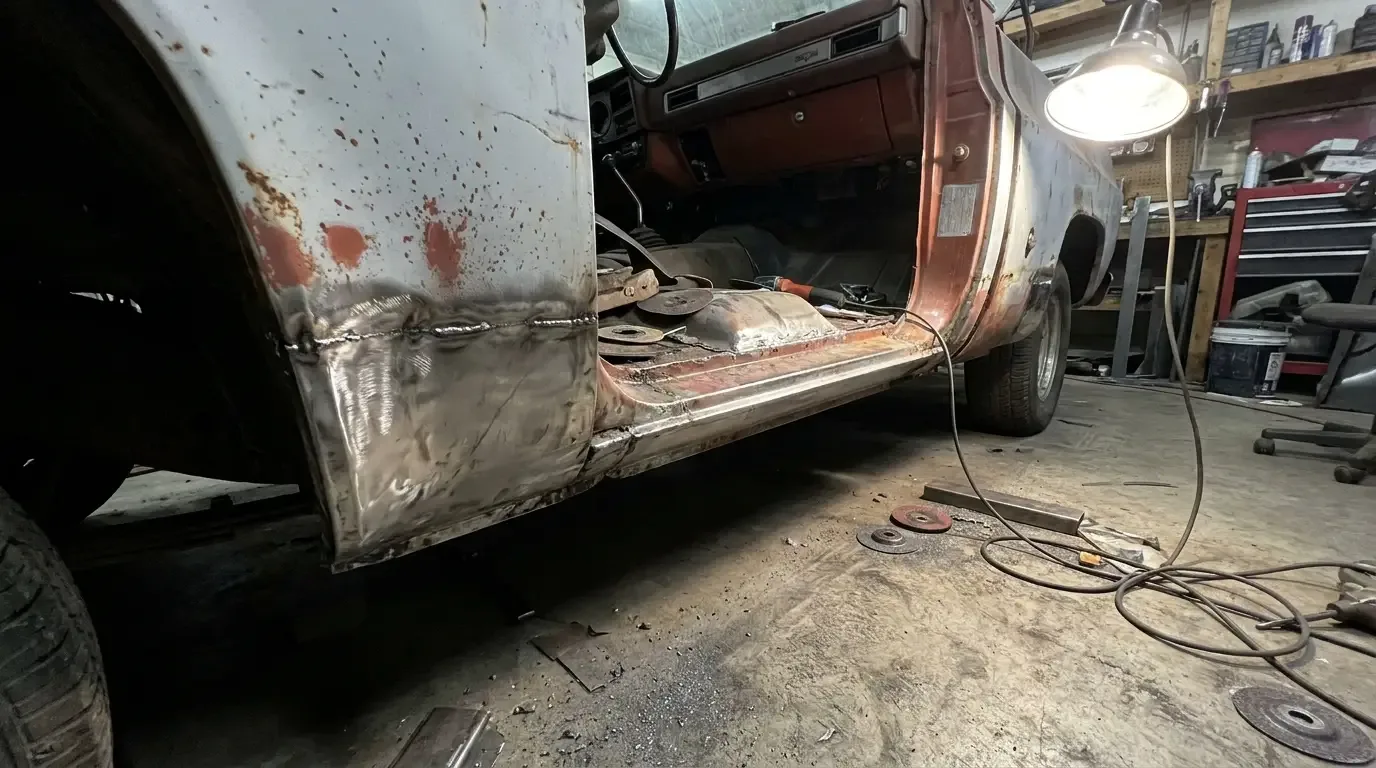
Replacing C10 Cab Corners and Rocker Panels
Article
How to Align C10 Hoods and Fenders for Consistent Panel Gaps
Article
Replacing C10 Door Hinges and Fixing Door Sag
Article
How to Rebuild a C10 Vent Window Assembly
Article
Restoring the Wood Bed Strips on a Classic C10 Stepside
Article
How to Install Weatherstripping and Glass Seals on a C10
Article
Rebuilding a C10 Steering Column at Home
Article
Restoring and Polishing Original C10 Aluminum Trim
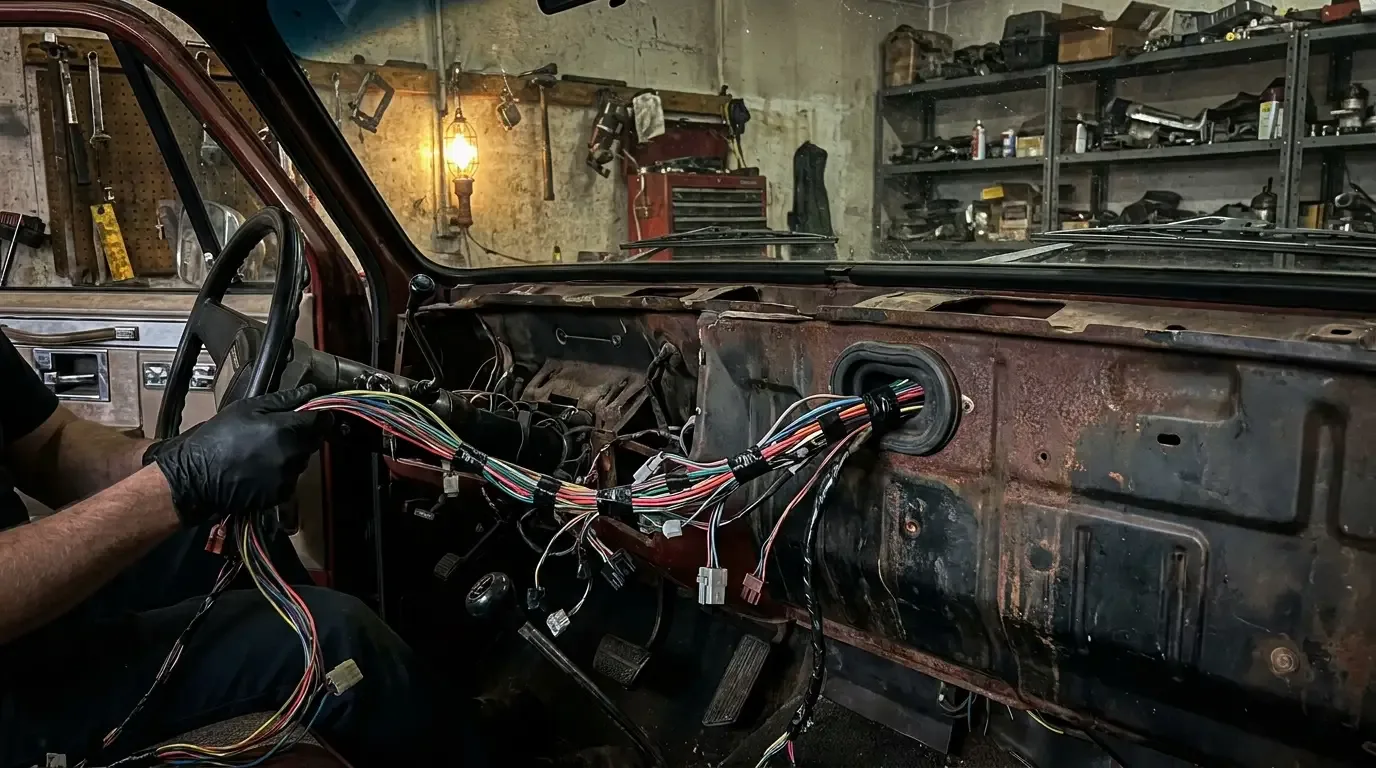
Article
How to Install a New Wiring Harness in a Classic C10
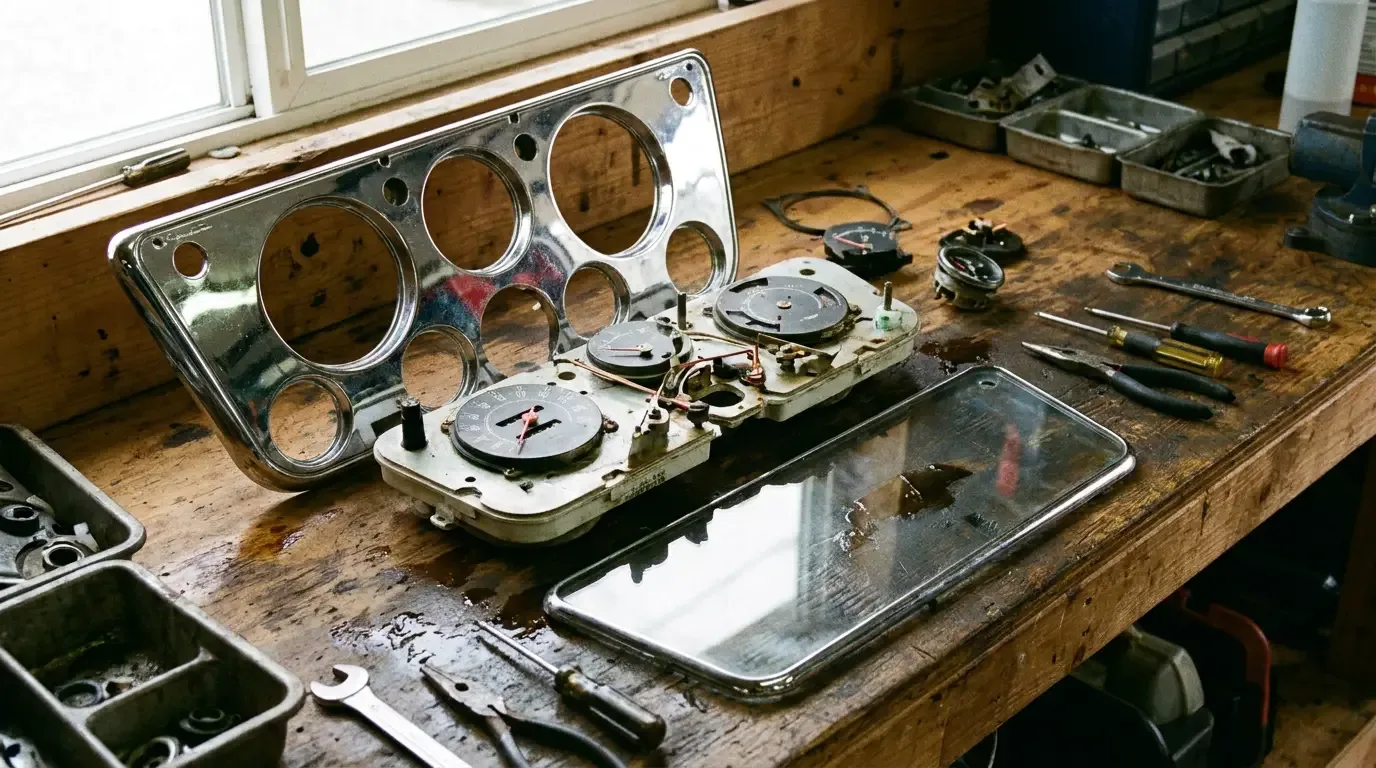
Article
Restoring C10 Gauges and Instrument Clusters
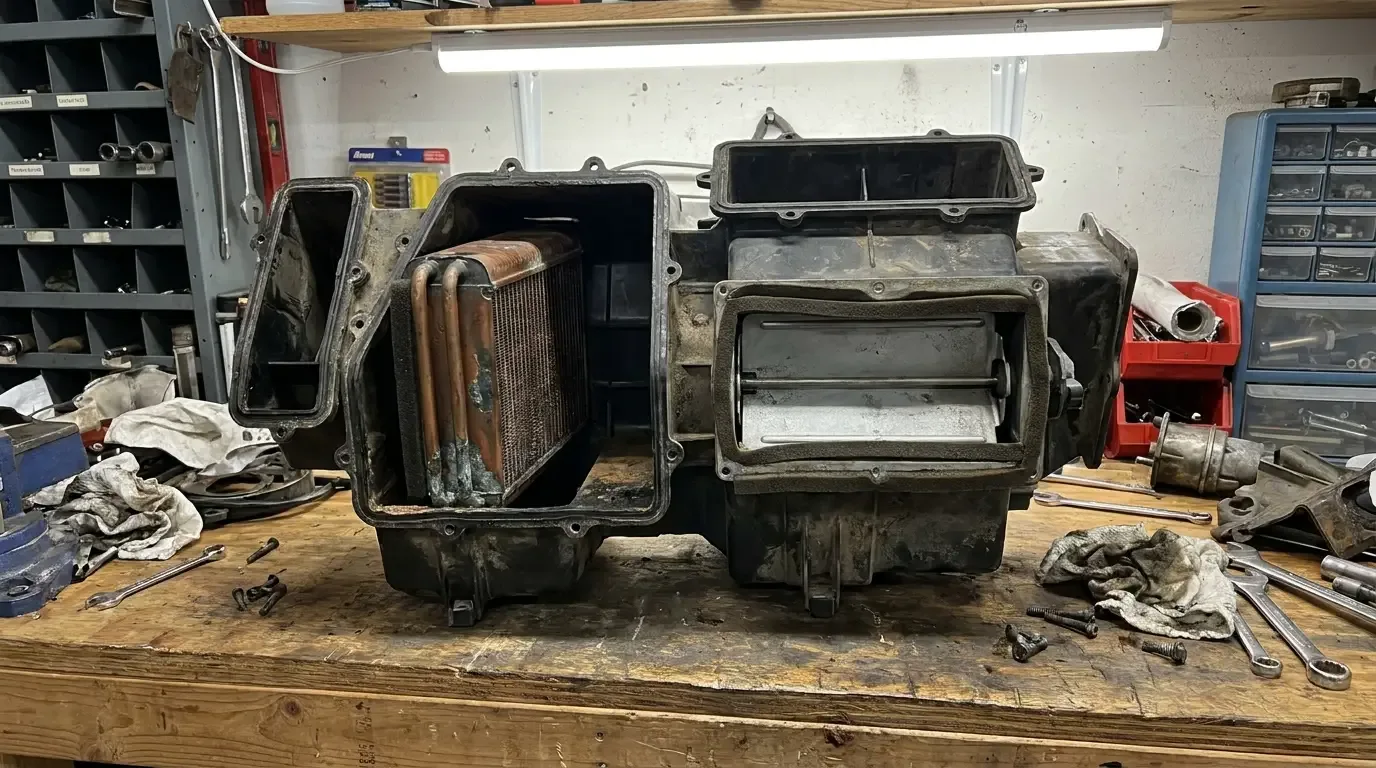
Article
Rebuilding the Heater Box in a Square Body C10
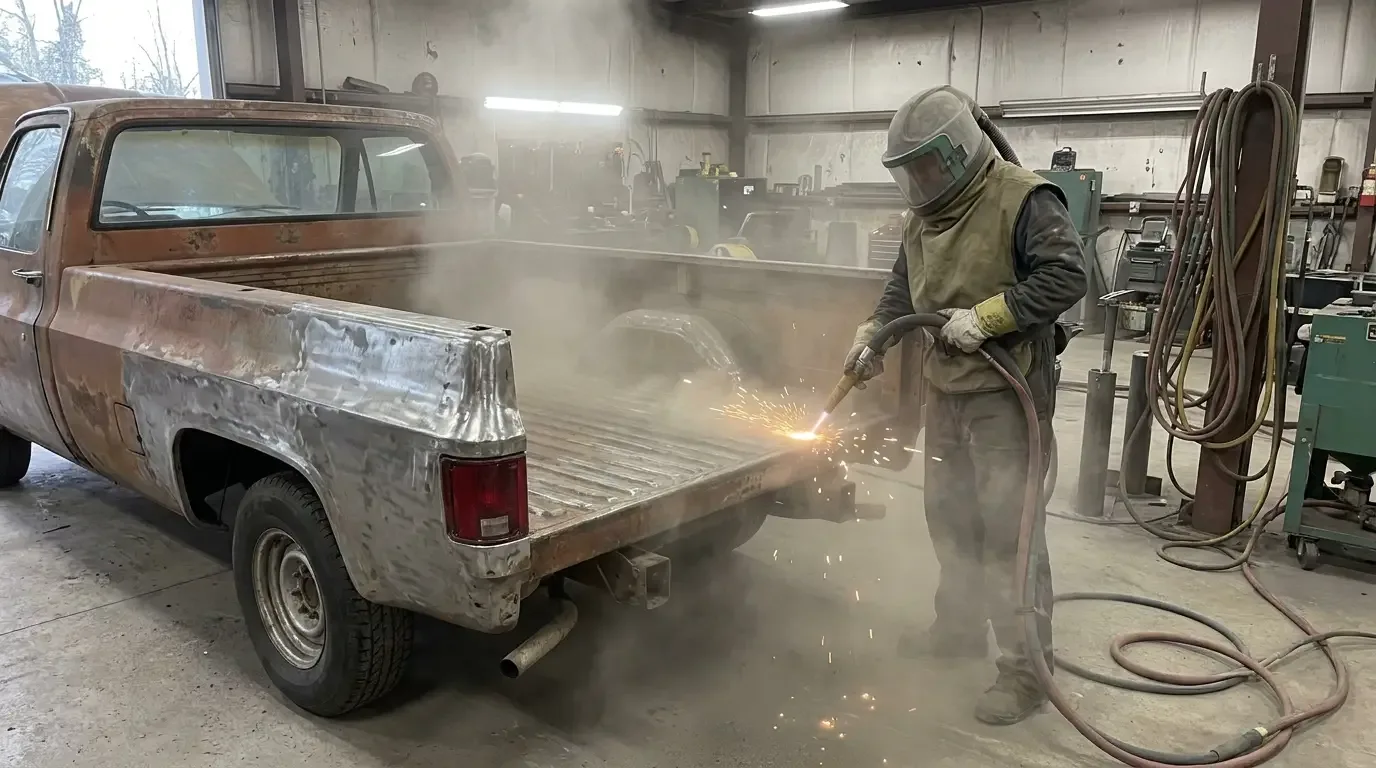
Article
How to Sandblast and Prep a C10 Bed for Primer
Article
Fixing Loose C10 Tailgate Hinges and Latch Mechanisms
Article
Restoring the Original Steering Wheel on a Classic C10
Article
How to Prep and Paint a Classic C10 Frame
Article
The Ultimate LS Swap Guide for Classic Chevrolet C10 Trucks
Have a
Chevrolet C10
for Sale?
Reach thousands of serious classic car collectors across the US.
Sell It Here →
Are You a Classic Car Dealer?
List your full inventory and connect with targeted classic car buyers.
Join as a Dealer →

About the author
Mike Sullivan
Detroit-area muscle car enthusiast and restoration specialist with three decades of hands-on experience working on American iron.
Related Listings - Chevrolet C10
More in Restoration & Tech
Comments
Be the first to comment on this article.