
The small block versus big block argument in a classic C10 is not really about horsepower. Both families of Chevy V8 have made plenty of power over the decades, in both stock and built form. The real question is what you are asking the truck to do, and what you are willing to carry around every time you drive it, whether the engine is working or just sitting there being heavy.
Restoration & Tech
6 min read
Small Block vs Big Block: Choosing the Right C10 Engine
Small block versus big block in a classic C10 is not about horsepower, it is about what job the truck actually needs to do, weighed against weight, economy, and cost.
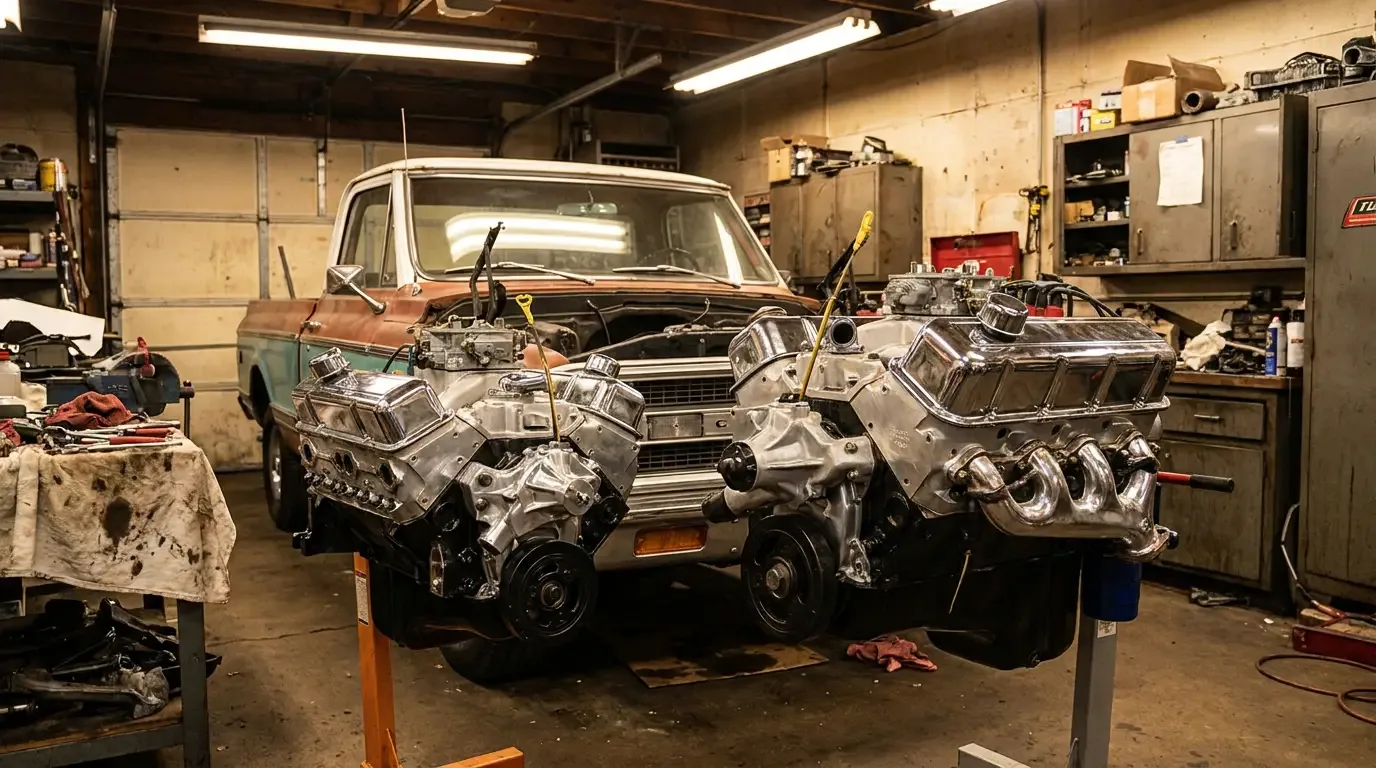
The real difference is not horsepower
A small block Chevy, whether it is a 283, 327, 350, or 400, is built around a shorter deck height and a lighter overall package than the big block family. A big block, the 396, 402, 427, or 454, is a physically larger engine with more iron in the block and heads on most versions, and that weight sits over the front axle of a truck that was never light to begin with. The small block gets you a lighter nose, easier steering feel, and better fuel economy. The big block gets you torque low in the rev range, the kind that matters when the bed is loaded or the truck is pulling a trailer up a grade.
Neither answer is wrong. The mistake is picking one because it sounds tougher on paper instead of picking based on what the truck actually does most weekends.
What the small block gets you
| Engine | Displacement | Typical factory output | Weight vs big block | Best for |
|---|---|---|---|---|
| 283 | 4.6L / 283 ci | ~170-195 hp | Lighter | Early truck originality, mild driver |
| 327 | 5.4L / 327 ci | ~210-300 hp | Lighter | Balanced power and economy |
| 350 | 5.7L / 350 ci | ~145-255 hp depending on year and carb/EFI | Lighter | Most common swap and rebuild target |
| 400 | 6.6L / 400 ci | ~150-265 hp (gross pre-1972, net after) | Lighter, taller deck | Torque without big block weight |
The 350 is the default for a reason. Parts are everywhere, machine shops know it cold, and a mild cam and a decent set of heads turn a tired 350 into a truck that drives noticeably better without touching the suspension or the brakes to compensate for extra weight over the front wheels. Fuel economy on a well-tuned small block beats a big block by a real margin, not a marginal one, and that adds up on a truck you actually drive rather than trailer to shows.
What the big block gets you
A 454 in a C10 was built for exactly what these trucks did for a living, hauling and towing. Torque numbers on a stock big block are not close to what a comparable small block makes, and that shows up the moment the truck has weight behind it. The tradeoff is real and it does not go away once you like the sound of it. A big block is heavier over the front axle, which changes steering feel and puts more load on front suspension components that were not upgraded to match. Fuel economy drops, sometimes by a wide margin depending on how the truck is driven, and parts, while available, are not as cheap or as universally stocked as small block parts.
None of that makes the big block the wrong choice. If the truck's job is towing or hauling real weight regularly, the torque curve of a 454 does something a small block cannot replicate without forced induction or a lot more displacement than a small block naturally offers.
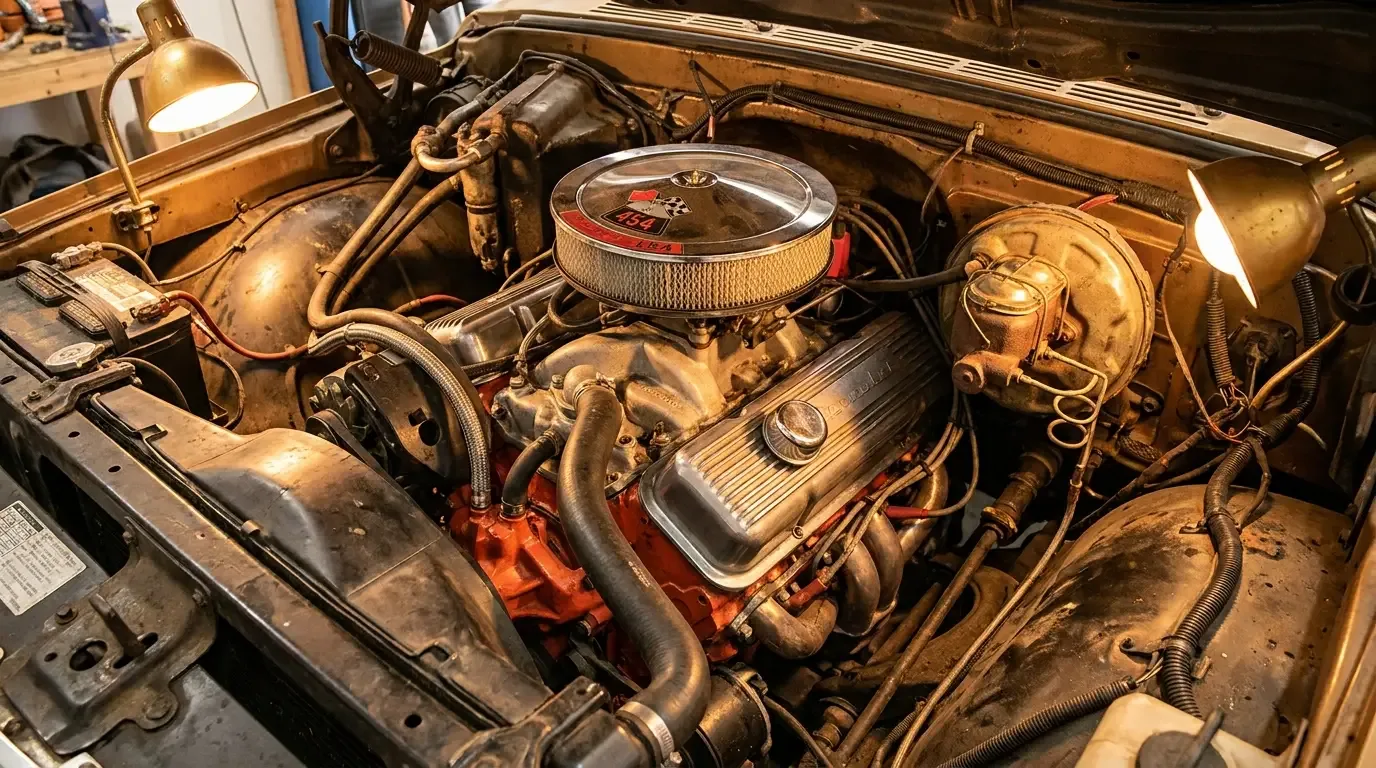
"Guys ask which one makes more power, and that's the wrong question. Ask which one does the job you actually need done. A built 350 will out-drive a tired 454 every day of the week, and a healthy 454 will out-tow a small block every single time. Pick the job first."
Dan Reeves
Which one to actually put in your truck
If the truck is a daily driver or a weekend cruiser that rarely tows anything heavier than a small trailer, the small block wins on every practical measure: weight, fuel economy, parts cost, and ease of finding a shop that knows how to build one right. If the truck regularly hauls a loaded bed or tows something with real weight, the big block's torque curve earns its keep and the fuel economy penalty is the cost of doing that job properly instead of asking a small block to do work it was not built for.
Budget matters here too. A quality big block rebuild costs more than an equivalent small block rebuild in most cases, simply because there is more iron to machine and the parts, while available, carry a premium over small block equivalents.
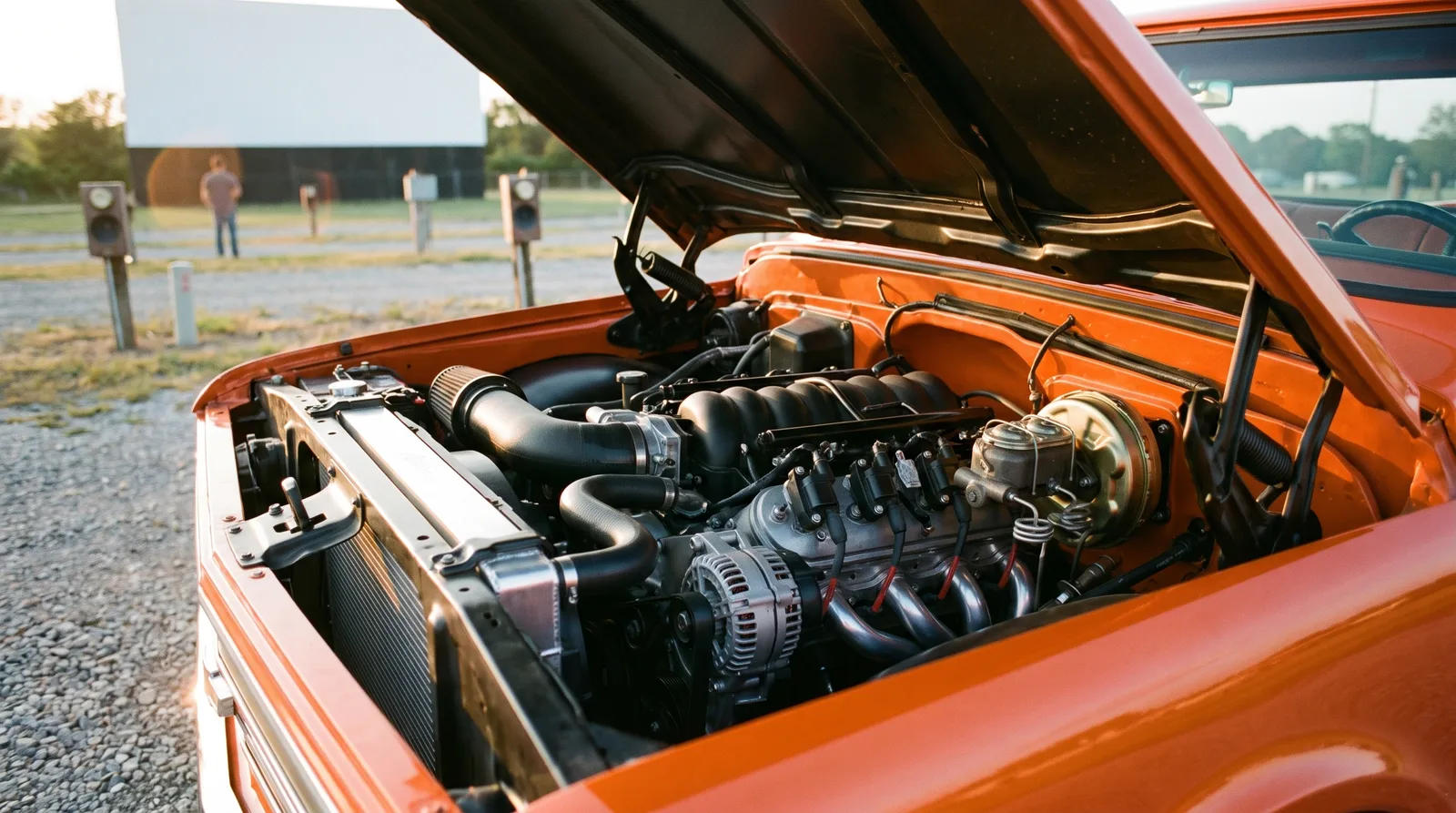
There is a third option that sidesteps this whole argument, and it is worth mentioning before you commit to rebuilding either family. Anyone open to it should at least read the LS swap guide before spending rebuild money on a tired small block or big block, since the math on a modern LS swap changes the weight, power, and economy comparison entirely.
Where this leads if you want more
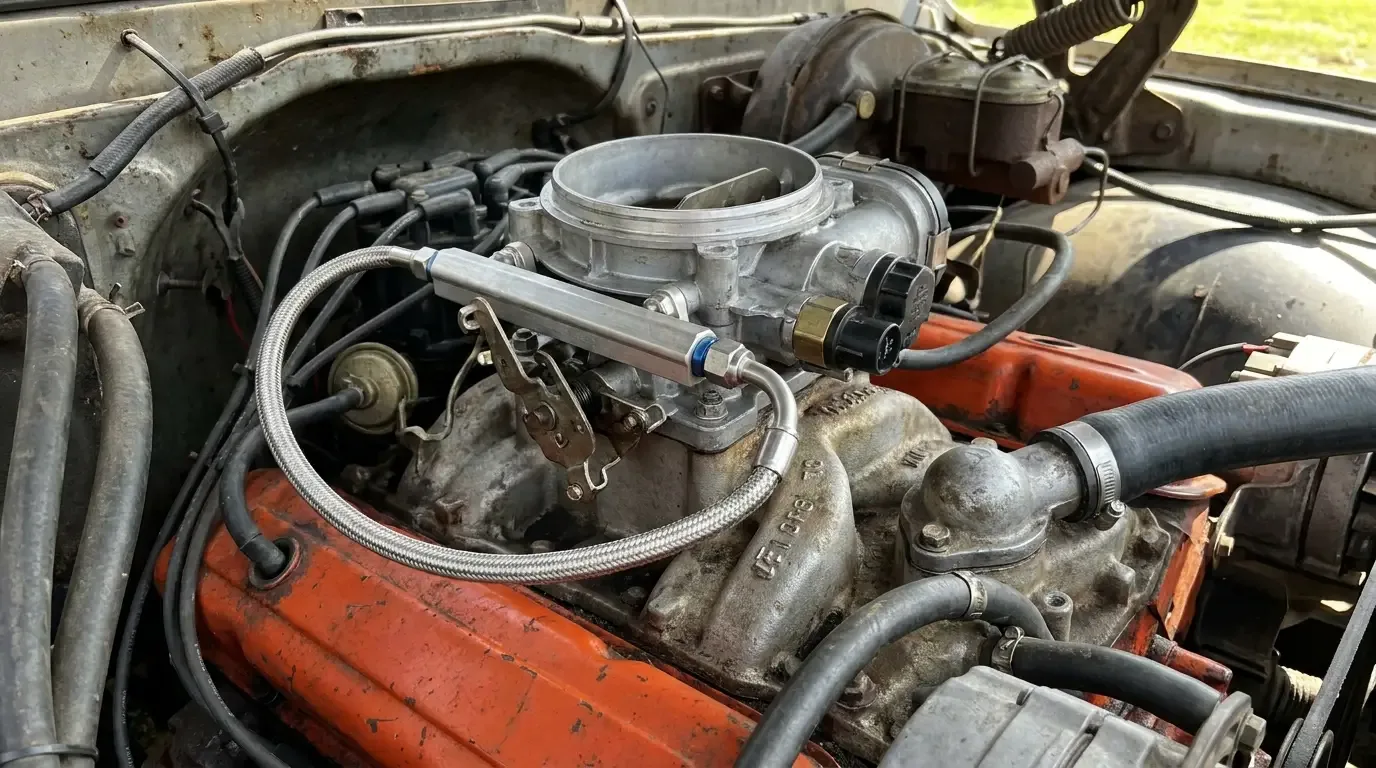
Whichever engine family you land on, the next real upgrade for either one is fuel delivery. A carbureted small block or big block leaves real driveability and economy on the table compared to getting either one onto EFI, and that upgrade path works the same way regardless of which side of this argument you land on. It is worth planning for before you finish the engine build, not after you have already bolted a carburetor on and moved on to the next project.
Sources and notes
Related Reading
Have a
Chevrolet C10
for Sale?
Reach thousands of serious classic car collectors across the US.
Sell It Here →
Are You a Classic Car Dealer?
List your full inventory and connect with targeted classic car buyers.
Join as a Dealer →

About the author
Dan Reeves
Performance engine builder from North Carolina's motorsports corridor, focused on swaps, forced induction and making real, repeatable power.
Related Listings - Chevrolet C10
More in Restoration & Tech
Comments
Be the first to comment on this article.