
Ask ten builders to name the one car that defines the whole hobby and nine of them will tell you the same thing over a cup of gas-station coffee: the 1932 Ford. We call it the Deuce around here, and it has been the reference point for street rodding since the first kid dropped a flathead into one and cut the top. Ford built the 1932 model with a stamped-steel frame and, for the first time in a low-priced car, a V8 you could actually buy. That combination is why the Deuce became the icon and stayed the icon.
Restoration & Tech
8 min read
The 1932 Ford Street Rod
Highboy or fenders, roadster or coupe, steel or fiberglass: why the 1932 Ford Deuce is the definitive street rod and the blue chip of the hobby.
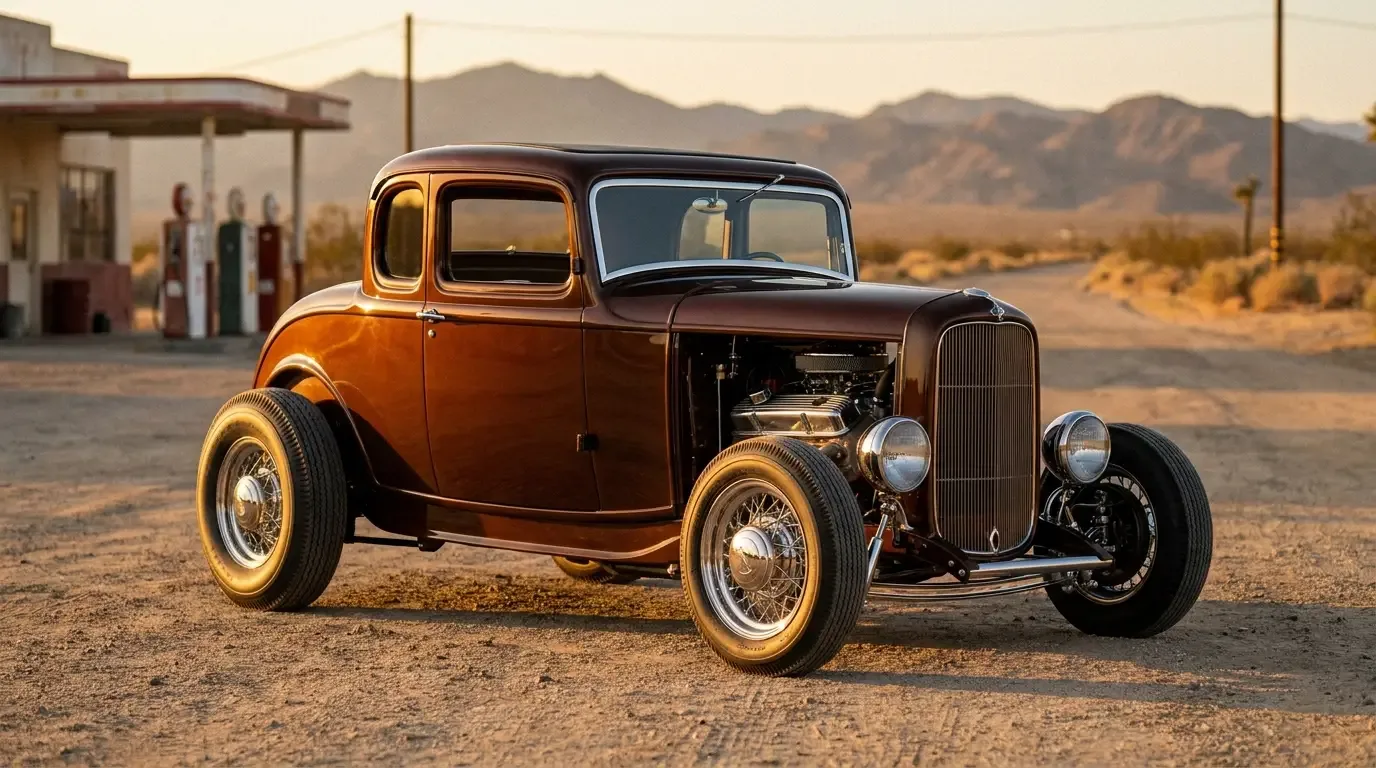
I have built plenty of other platforms over the years, out of a garage in Milwaukee where the winters make you appreciate a good heater core, and they all get measured against this one. A '32 done right is the standard everyone else is chasing. So let me walk you through what makes it work, the choices you face when you build one, and why the market still treats a good Deuce as the blue chip of the whole world of street rod cars.
Why the Deuce became the icon
Two things happened in 1932 that mattered. Ford put a proper stamped frame under the car, which gave it clean rail lines a rodder could work with, and Ford introduced the flathead V8 at a price ordinary people could reach. Before that, cheap cars had four-cylinder engines. After that, a working guy could own eight cylinders. When the postwar hot rod scene took off in Southern California, the '32 was already out there, already cheap, and already fast enough to build on.
The look sealed it. The '32 grille shell, with its slight peak and the tall radiator, is the most copied shape in the hobby. Companies stamp and cast that shell in steel, brass, and stainless to this day. The proportions are right. The wheelbase, the cowl height, the way the body sits over the frame rails all read as correct to the eye. You can strip a Deuce down to almost nothing and it still looks like a car that means business.
Highboy or fenders: the choice that sets the whole build
The first real decision is fenders. A highboy is a '32 with the fenders removed and the body sitting up on top of the frame rails, so you see the full painted or chromed rail down the side of the car. It is lean, aggressive, and it shows off the frame. It also rides higher and shows more mechanical hardware, which some people love and some people do not.
Run the fenders and you get a fuller, more finished shape. Fendered Deuces look closer to how the car left the factory, and a fendered roadster or coupe reads as more of a boulevard cruiser than a track terror. Neither is more correct. They are two different statements built on the same body.
There is a related choice underneath: channeling. Channeling means dropping the body down over the frame so the whole car sits lower, and it is a separate move from removing fenders. A channeled highboy sits low and mean. A fendered, unchanneled car sits at a more usable height. Decide these two things first, because they drive everything else, from steering geometry to how you get in and out.
"Folks think the engine is the first decision. It is not. Fenders on or off, channeled or not, that is the first decision. Get that wrong and you will spend the rest of the build fighting the car instead of finishing it."
Gary Nowak
Roadster, coupe, or sedan: pick your body
Ford offered the '32 in several body styles, and each one has its own following. The roadster is the classic. No fixed roof, cut-down windshield, and the purest hot rod shape there is. It is also the most expensive to buy and the least practical if you actually want to drive in bad weather.
The coupe splits into two: the three-window and the five-window. The three-window has a smoother, more expensive-looking roofline and commands more money. The five-window is the everyman coupe, plentiful in its day and still the value pick for a lot of builders. Both chop beautifully. A chopped '32 coupe is one of the great silhouettes in American car culture.
Then there are the sedans, the Tudor and the more formal Fordor, plus the phaeton and the cabriolet. Sedans give you back seats and doors that a family can use, and for years they were the affordable way into a real Deuce. Prices on clean sedans have climbed as the roadsters and three-windows priced people out.
| Body style | Character | Relative value (steel) |
|---|---|---|
| Roadster | Purest hot rod shape, open top | Highest |
| 3-window coupe | Smooth roofline, premium look | High |
| 5-window coupe | Everyman coupe, great chopped | Mid to high |
| Cabriolet / phaeton | Open air with more structure | Mid |
| Tudor / Fordor sedan | Usable doors and rear seat | Entry to mid |
Steel or fiberglass: the body question
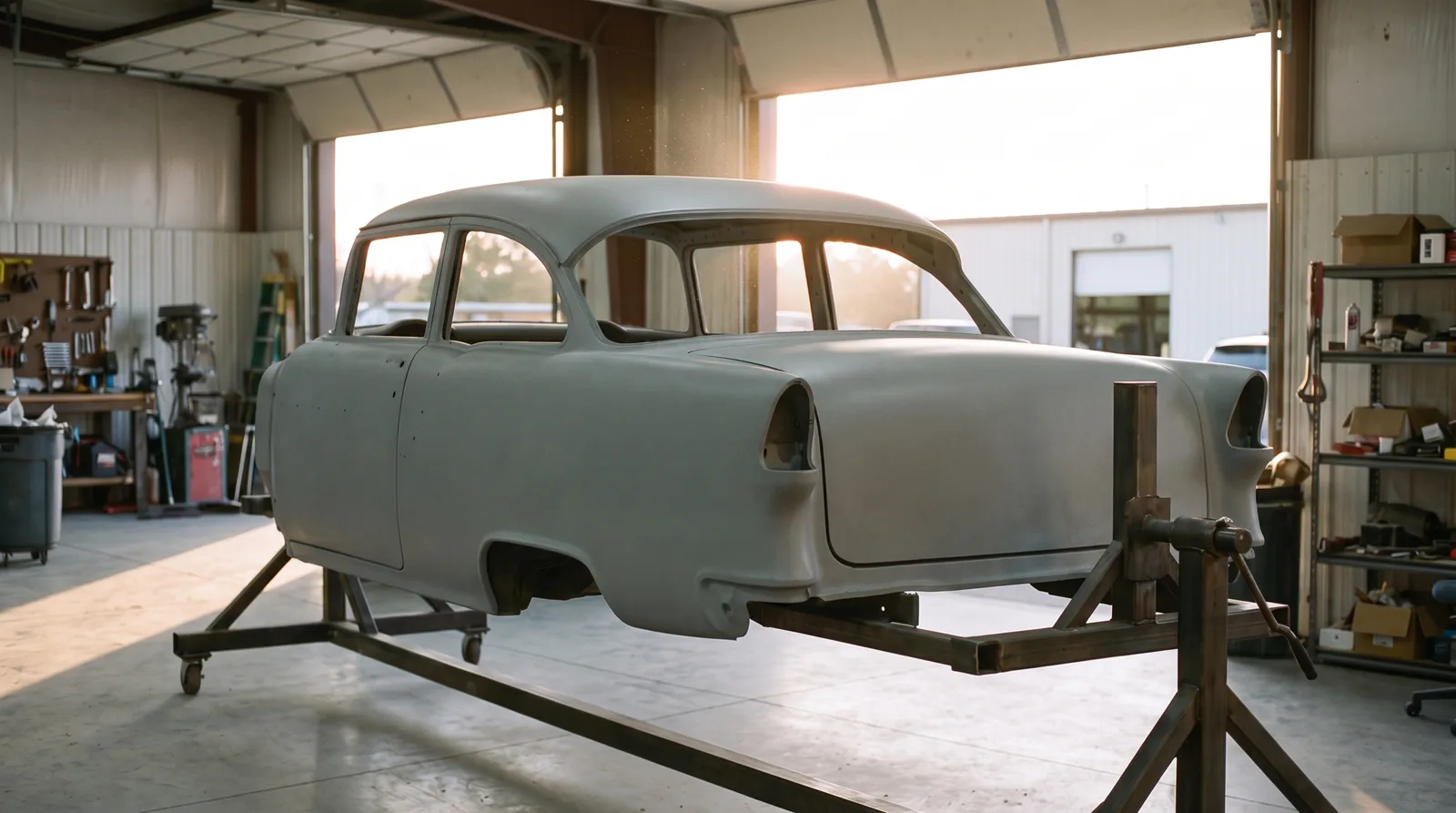
Original 1932 Ford steel is finite. They made a lot of cars, but that was more than ninety years ago, and rust, wrecks, and decades of rodding thinned the herd. Genuine Henry Ford steel bodies carry a premium, and a solid original coupe or roadster body by itself can cost real money before you have a rolling car.
That is why the reproduction market exists. You can buy a brand-new '32 body two ways. Steel reproductions from established manufacturers give you fresh, rust-free metal in the correct shape, and they are welcomed in most judging and club settings. Fiberglass bodies are lighter and cheaper, they will never rust, and for a driver you build to enjoy rather than to sell, glass makes a lot of sense.
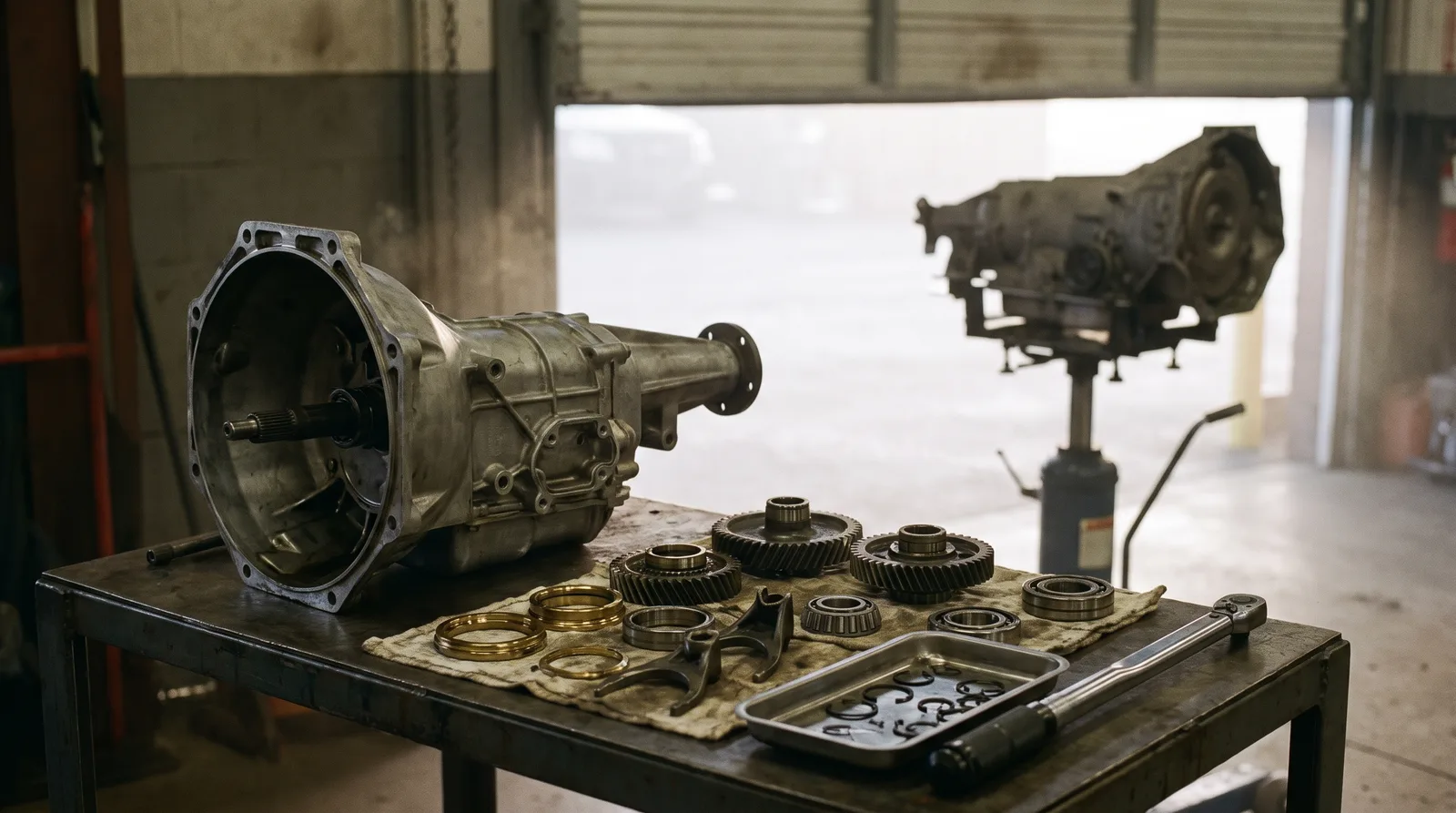
Whichever body you land on, the running gear is now largely a catalog exercise. Independent front suspension, disc brakes, a small-block crate engine, and an overdrive automatic or five-speed turn a '32 into a car you can drive across the country. That is the modern street rod recipe, and the Deuce wears it as well as any car ever built. If you want the fuller-bodied look that came a decade later, the Fat-Fender Street Rods of the 1940s are the natural next step, but the '32 remains where most people start and where many finish.
What a Deuce is worth, and why it holds
The 1932 Ford holds value better than almost anything else in the hobby, and the reason is simple. Demand never really leaves. New builders discover the car every year, the aftermarket supports it completely, and the shape is burned into the culture through decades of magazines, movies, and shows. A well-sorted steel roadster or three-window sits at the top of the market. A clean fiberglass sedan built to drive sits at the sensible end. Both are Deuces, and both sell.
If you are shopping, know exactly which version you are looking at before you talk price, then compare it against real cars, not asking prices. You will find the full range of street rods for sale spans everything from budget glass drivers to six-figure steel show cars, and the Deuce covers that entire spread by itself. That is the mark of an icon. It works at every level of the hobby at once.
Sources and notes
- Period hot rod press and retrospective features on the 1932 Ford and early street rodding.
- Ford factory model references for 1932 body styles, engine offerings, and the flathead V8 introduction.
- Reproduction body manufacturer catalogs (steel and fiberglass) for current construction options.
- Club and registry material on street rod definitions and judging practices.
- Collector-car auction and market records for relative body-style values.
- Builder interviews on platform selection and build sequencing.
Related Reading
Have a
Classic Car
for Sale?
Reach thousands of serious classic car collectors across the US.
Sell It Here →
Are You a Classic Car Dealer?
List your full inventory and connect with targeted classic car buyers.
Join as a Dealer →

About the author
Gary Nowak
Lifelong Midwest rodder who has been building and driving traditional pre-war hot rods since the 1970s.
More in Restoration & Tech
Comments
Be the first to comment on this article.