
My uncle used to tell a story about a fella he knew back in the thirties who walked away from a wreck that should have killed him, and the thing he credited wasn't the car's speed or its brakes. It was the windshield. Before safety glass came along, a busted windshield meant a spray of jagged shards right at face height, and plenty of folks got cut up bad, or worse, from glass that had no business breaking that way. Safety glass changed that, and it happened quieter than most of the big automotive stories, but it mattered just as much.
Car Features
6 min read
Safety Glass Goes Mainstream
Laminated safety glass quietly made 1930s cars far safer, trading dangerous shattering plate glass for a windshield that held itself together.
What was wrong with the old glass
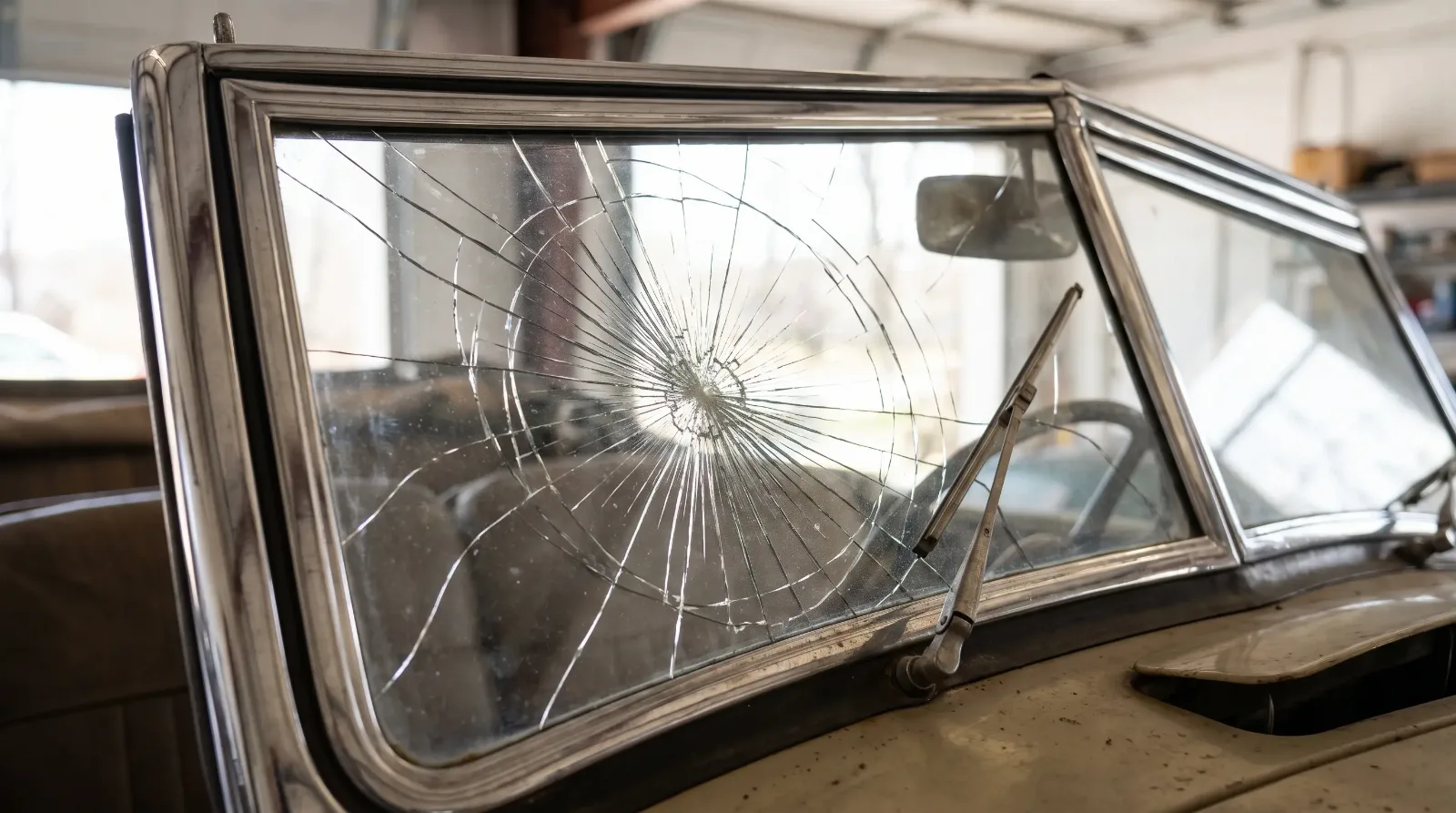
Regular plate glass, the stuff in most car windows through the twenties, shattered the way you would expect glass to shatter. Big sharp pieces, flying every direction, no give to it at all. In a crash, or even just a rock kicked up off a gravel road, that glass could do more damage than the impact itself. Drivers and passengers took cuts to the face and neck from windshields that failed exactly the way regular window glass fails.
It is easy to forget now, when every car on the road has glass engineered specifically to fail safely, that this was not always true. For a long stretch of early motoring, the windshield was one of the more dangerous parts of the car.
How safety glass actually worked
The fix was laminated glass, two layers of glass bonded around a thin sheet of plastic interlayer in between. When laminated glass breaks, the plastic layer holds the pieces together instead of letting them fly loose. You get a spiderweb of cracks instead of a shower of blades. The glass still fails under enough force, but it fails in a way a person can survive.
The idea had been around since before cars existed, credited to French chemist Edouard Benedictus, who patented a laminated glass process in the early 1900s after noticing how a cracked flask coated in dried film held its shape instead of shattering. Automakers were slow to adopt it, partly on cost, and it took years of pressure and a few well-publicized crashes before the industry treated safety glass as something other than an option for the wealthy.
The slow march to standard equipment
Through the early 1930s, safety glass was still something manufacturers charged extra for, or reserved for higher trim levels. It cost more to produce than plain glass, and in a Depression economy every added dollar on the sticker mattered to a buyer. But public pressure kept building, driven by insurance companies who understood the injury numbers, and by a public that was reading more about crash injuries in the papers than they had in the previous decade.
By the back half of the 1930s, safety glass windshields had become standard, or close to standard, across most American manufacturers, with side and rear windows following at varying paces depending on the maker and the model. It is one of those changes that happened gradually enough that no single year gets remembered as "the year safety glass arrived," but by 1940 a car without it felt genuinely old-fashioned.
| Glass type | Break pattern | When common in cars |
|---|---|---|
| Plate glass | Large jagged shards | Common through the 1920s |
| Laminated safety glass | Cracks held by plastic interlayer | Optional early 1930s, standard by late 1930s |
What it means for old car folks today
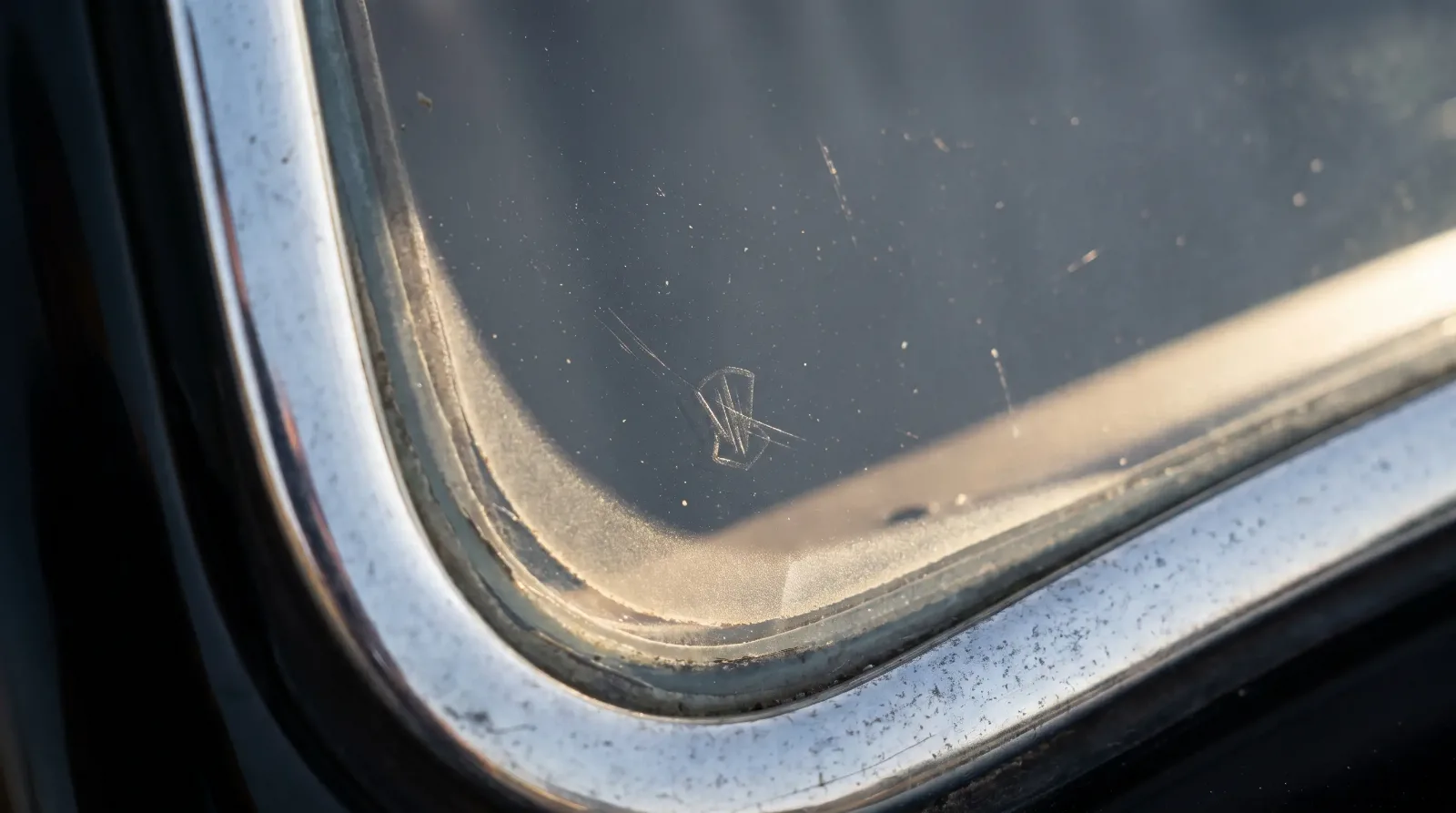
If you own or are thinking about buying a car from this window, the windshield is worth a look. A lot of these cars have had their glass replaced over the decades with modern reproduction laminated glass, which is generally the safer and more sensible choice for a driver, but it is not always period-correct in terms of tinting, thickness, or the maker's mark etched in the corner. If originality matters to you and the car in question, ask about the glass specifically. It is a detail plenty of buyers skip right past.
For a car you actually plan to drive, I would never fault anybody for running modern safety glass regardless of originality. There is a real difference between chasing a numbers-correct trophy and wanting to come home in one piece if a rock ever comes through the windshield at highway speed.
"Folks get all worked up about horsepower and chrome, and I get it, I do too. But safety glass is one of those changes that quietly saved more people than any styling trend ever did. It doesn't get talked about at the car shows, but it should."
Gary Nowak
This whole shift ties into the broader safety and engineering story of the decade, one covered more fully in the 1930s safety glass story, where the bigger picture of how cars grew up mechanically gets laid out.
Insurance money did what advertising couldn't
What finally pushed safety glass from a luxury option to a near-universal fitting wasn't a marketing campaign, it was the insurance industry running its own numbers. Injury claims tied to shattered windshields were expensive and well-documented, and insurers had every financial incentive to push manufacturers toward glass that reduced those payouts. That kind of pressure moves an industry faster than any amount of goodwill ever could, and it is a pattern that shows up again and again in automotive safety history, right through seatbelts and airbags decades later.
There was a legal angle too, quieter than the insurance pressure but still real. A few states began looking at safety glass requirements for new vehicles as the decade wore on, and manufacturers who wanted to sell nationally had every reason to get ahead of a patchwork of state rules rather than build different specifications for different markets. Standardizing on safety glass everywhere was simpler and cheaper than fighting a state-by-state battle, and it meant the change locked in faster than it might have otherwise.
A quiet legacy
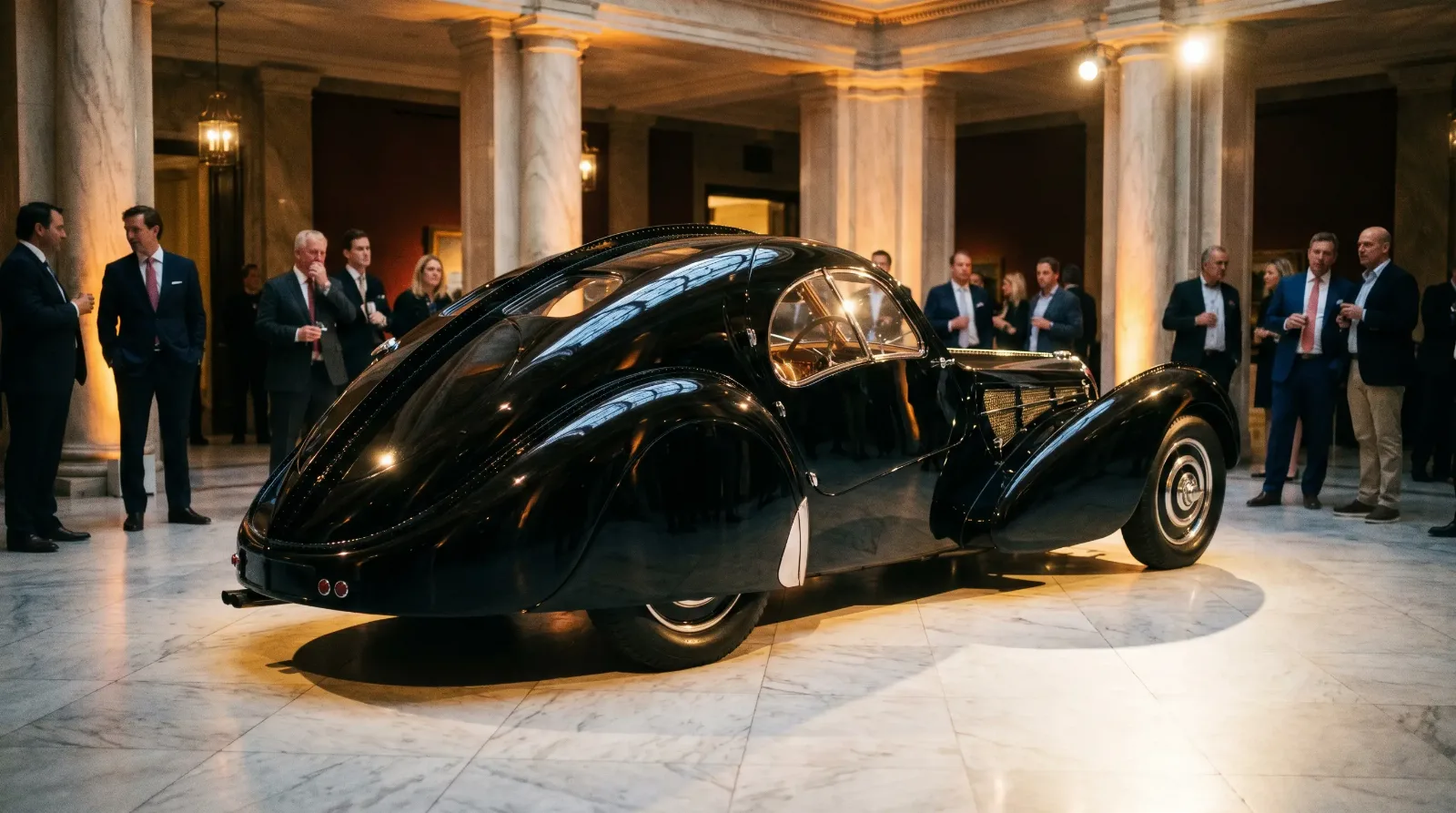
Safety glass never got the fanfare that a new engine or a swoopy fender line got in the period press. It was not something you could show off at a stoplight. But it is a good reminder that the 1930s were not just about looking fast, they were also the decade cars started getting genuinely safer in ways that stuck around for good. That is a legacy worth as much respect as anything with chrome on it, and if you are curious what that kind of engineering money bought at the very top of the market, read on.
Sources and notes
- Wikipedia: Edouard Benedictus and the invention of laminated glass
- Business History - the history of safety glass
- Today I Found Out - laminated safety glass was invented by accident
- ChemPlusChem - Edouard Benedictus and the invention of laminated safety glass
- Wikipedia - laminated glass, automotive adoption history
Related Reading
Have a
Classic Car
for Sale?
Reach thousands of serious classic car collectors across the US.
Sell It Here →
Are You a Classic Car Dealer?
List your full inventory and connect with targeted classic car buyers.
Join as a Dealer →
#pre-war classics
#1930s safety glass
#laminated glass
#vintage car safety
#windshield history
#car glass

About the author
Gary Nowak
Lifelong Midwest rodder who has been building and driving traditional pre-war hot rods since the 1970s.




Comments
Be the first to comment on this article.