
The 1930s are usually remembered as a decade of breadlines and shuttered factories, and that is fair enough. But the same ten years produced some of the most advanced 1930s cars the American industry had ever built. The Depression thinned the field of automakers dramatically. What survived came out leaner, better engineered, and far better looking than the boxy machines that rolled off the lines in 1929.
Car Features
8 min read
1930s Cars: Streamline Style Through the Depression Era
The Depression thinned the ranks of American automakers, but the survivors came out leaner and far better looking. Inside the streamlined 1930s.
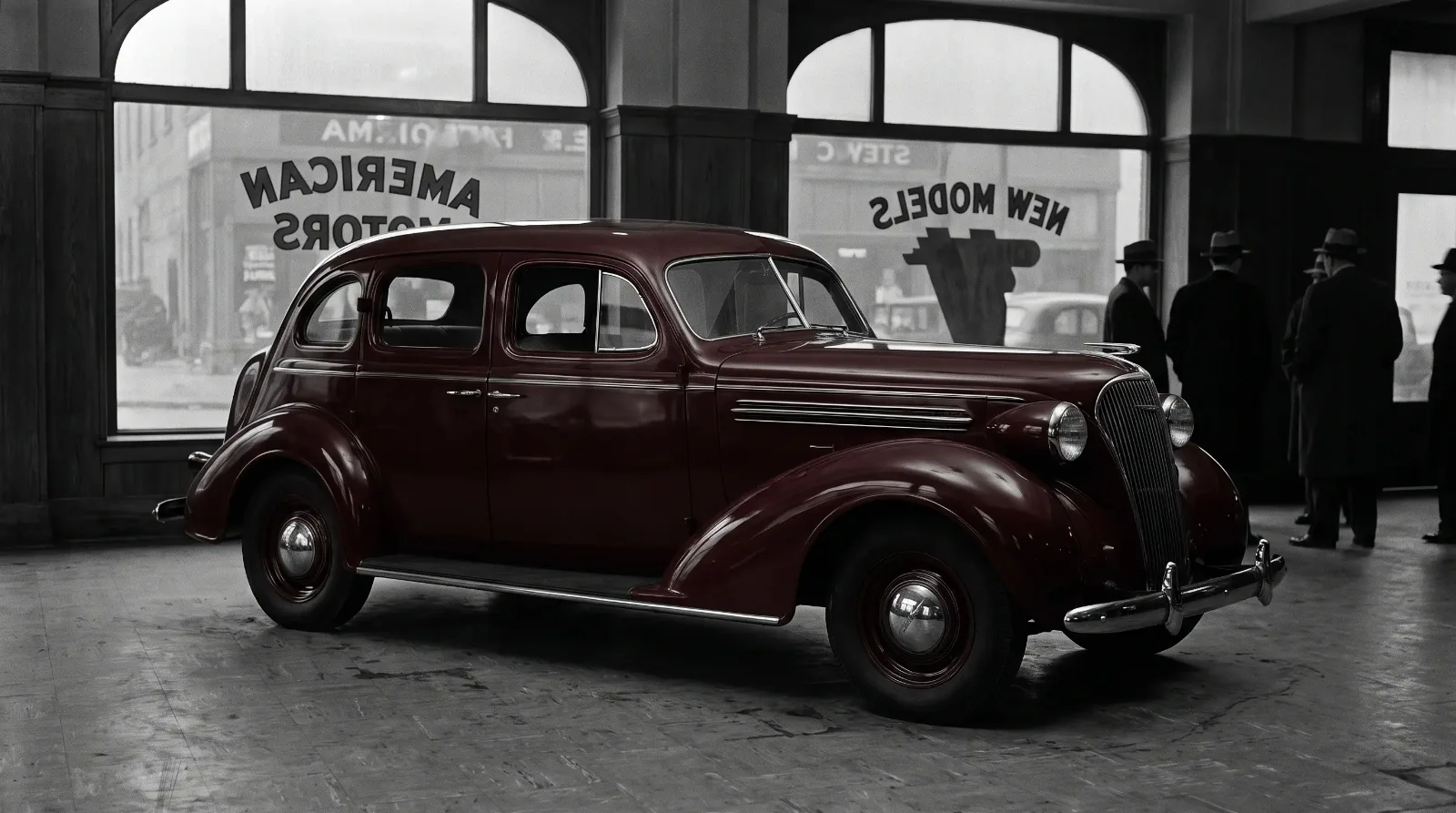
That is the part people get wrong. They assume hard times froze progress. The records show the opposite. Engineers had fewer buyers to chase, so they chased them harder, and styling became a selling tool in a way it had never been before.
How the Depression reshaped the industry
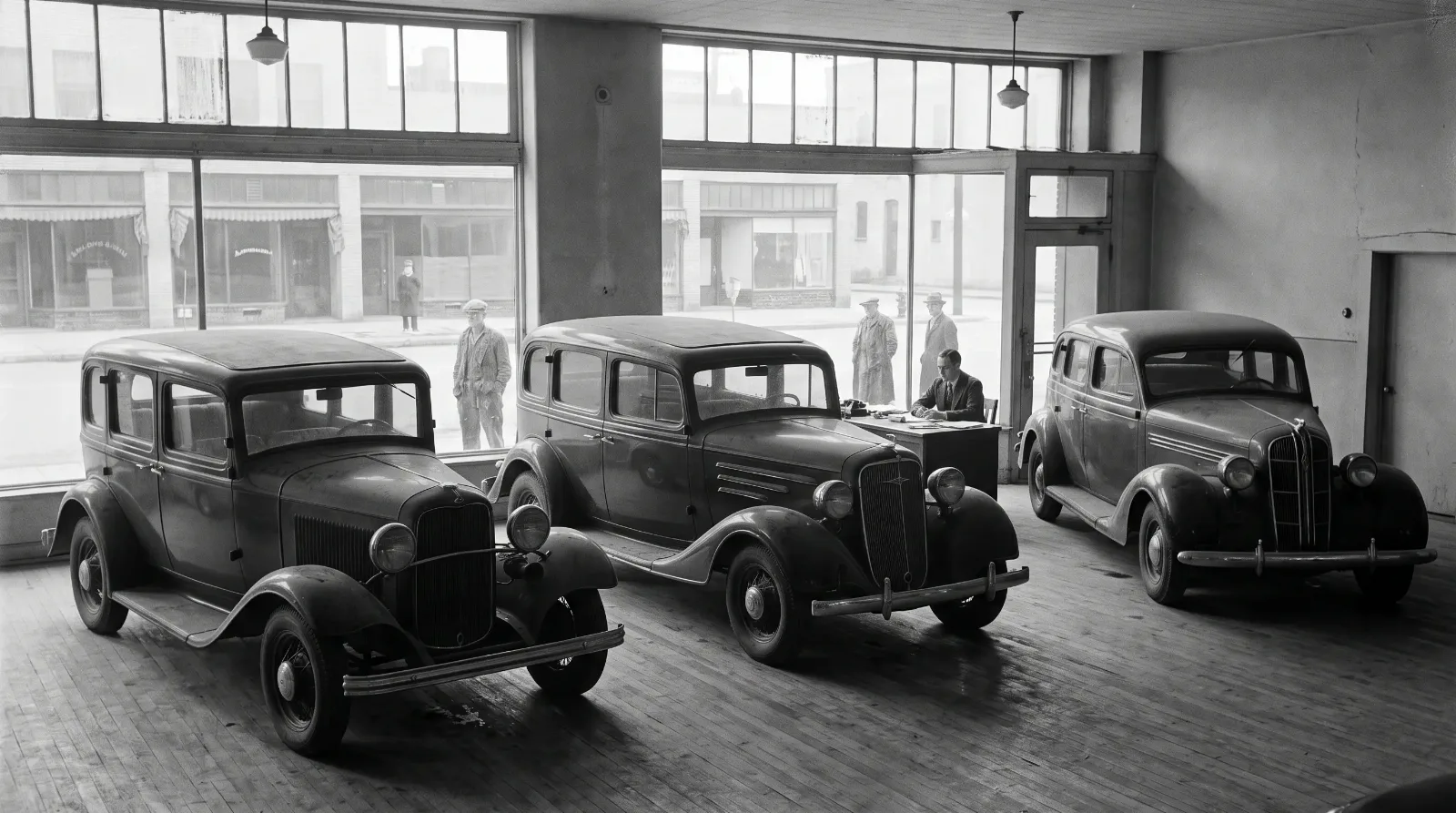
When the market collapsed after 1929, the shakeout was brutal. Roughly forty-four companies were building cars in America before the crash, and fewer than a dozen were still standing by the end of the decade. Independents with thin cash reserves went first. Names that had looked solid in the boom years, Franklin, Peerless, Marmon, could not carry their tooling costs through years of low volume.
The companies that made it through tended to share a few traits. They had a low-price model to keep the lines running, they had access to credit, and they were willing to spend on the one thing that still moved metal: a fresh look. Ford, Chevrolet, and Plymouth fought over the bottom of the market while Cadillac, Lincoln, and Packard held the top. The middle is where most of the casualties happened.
Volume tells the story better than any obituary list. New car sales in the United States fell hard after 1929, dropping from more than 5.6 million cars and trucks that year to roughly 1.3 million by the low point of 1932, then clawing back through the second half of the decade. A company that had been comfortable selling forty or fifty thousand cars a year suddenly could not move ten thousand. Fixed costs did not shrink to match. Tooling had to be paid for whether you sold cars or not, and that is what killed the independents. They were not badly run. They simply ran out of buyers before they ran out of ideas.
If you want the wider context on where this decade sits, our sister piece covers the full pre-war story from the first horseless carriages to the wartime shutdown.
Streamlining arrives on the showroom floor
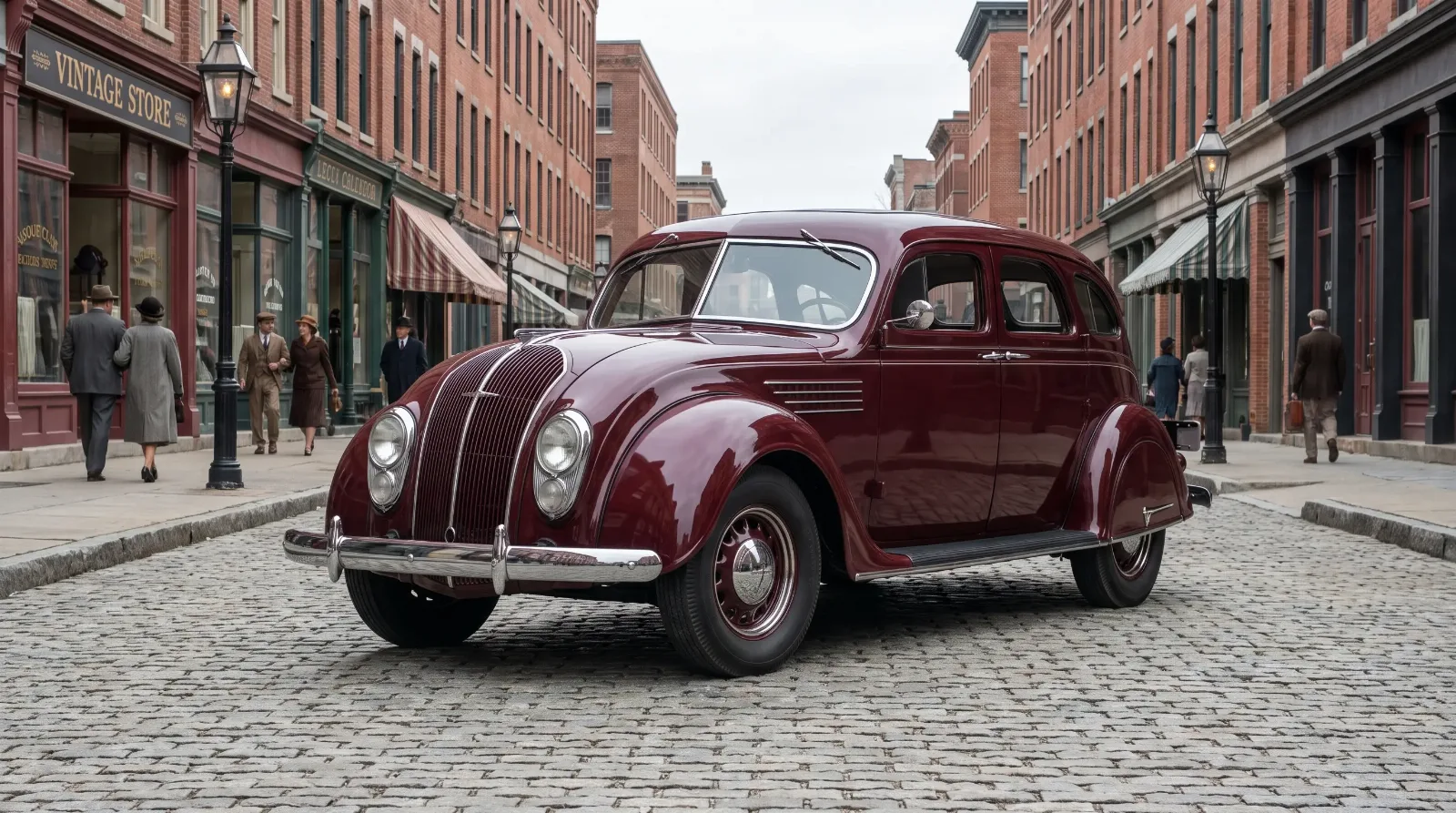
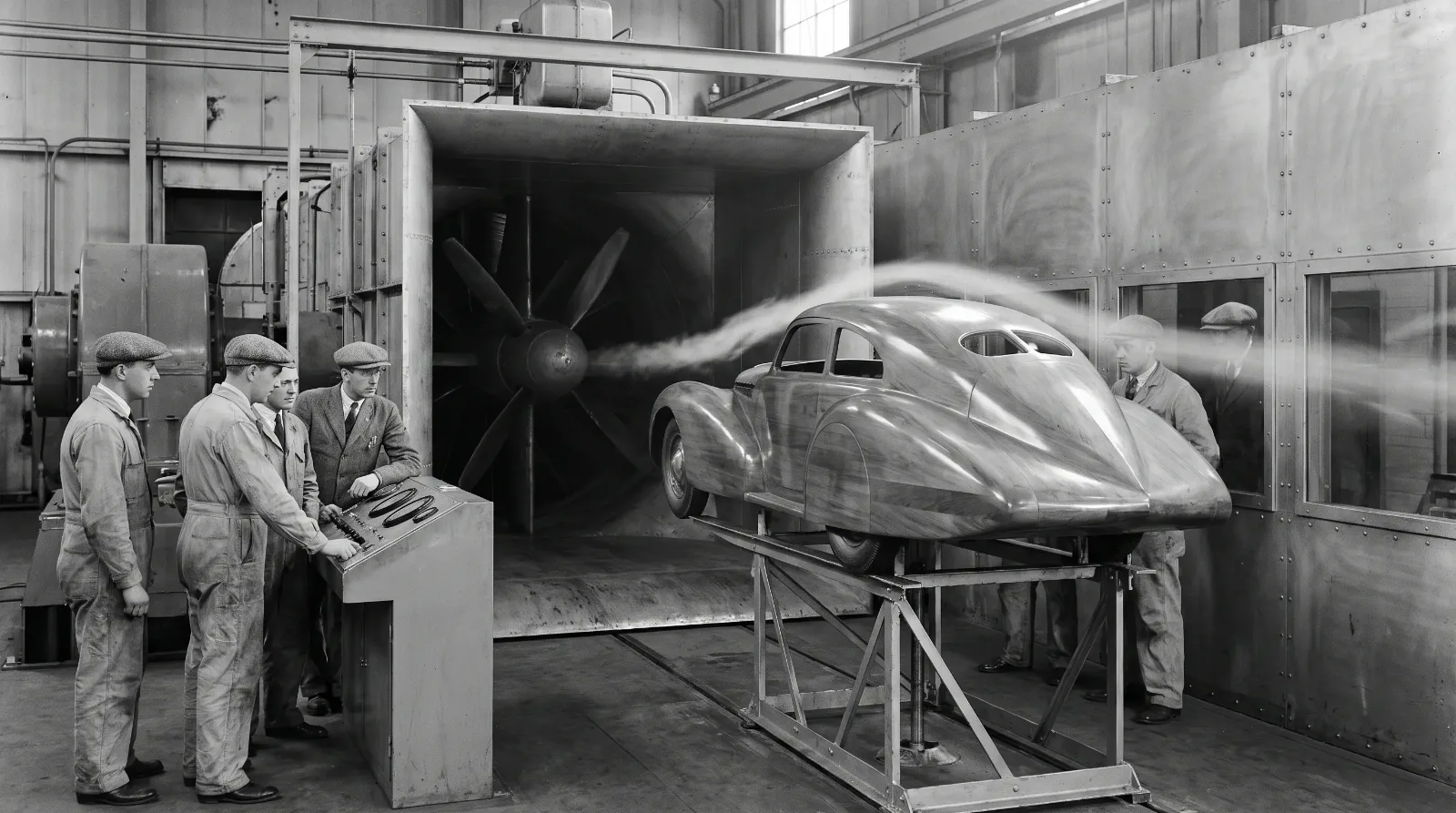
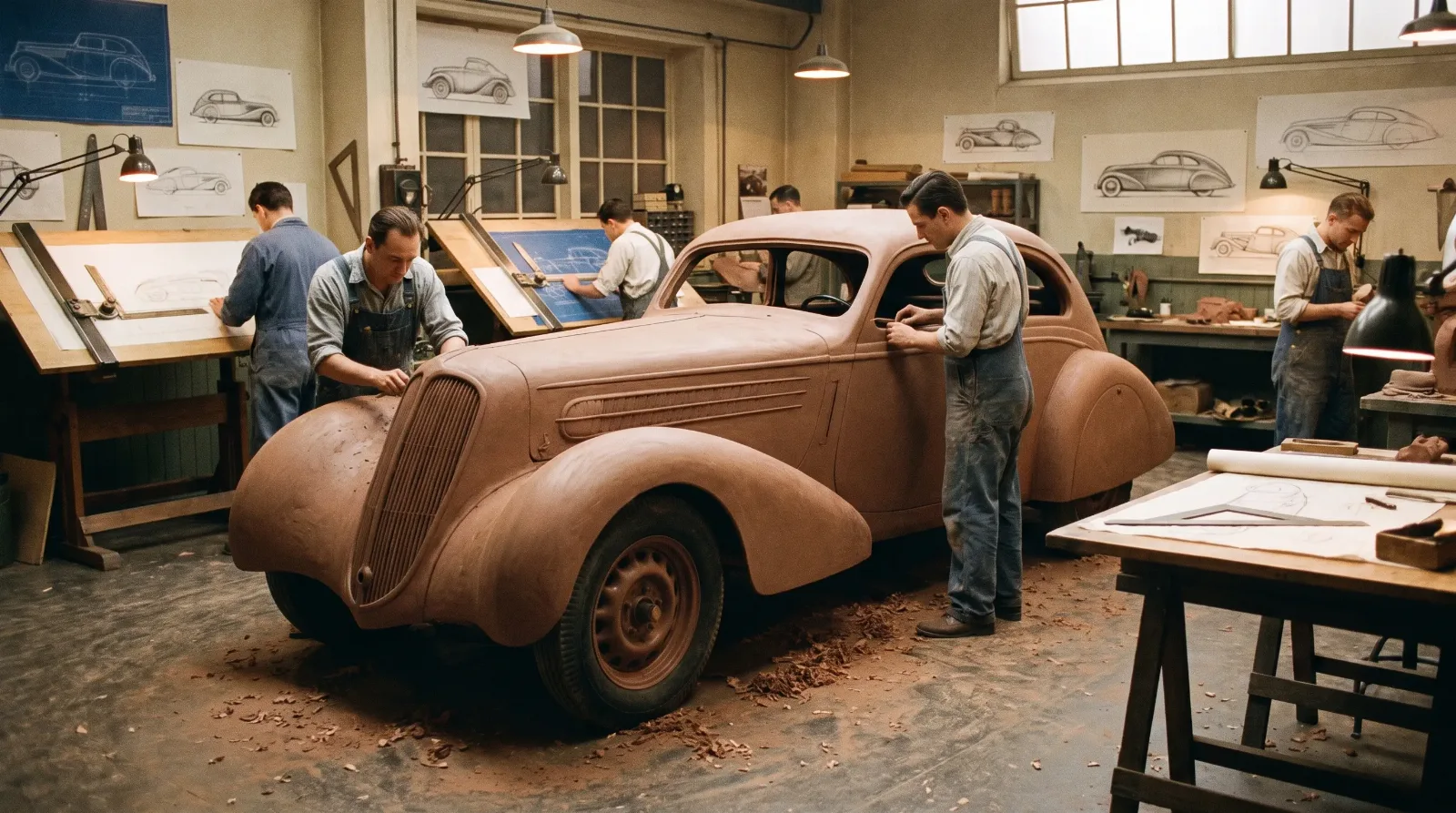
The early 1930s car still looked a lot like a 1920s car: upright radiator, separate fenders, headlamps standing out on their own stalks. By the middle of the decade that had changed. Designers began pulling everything into a single flowing shape, partly for looks and partly because wind resistance had become a talking point.
The Chrysler Airflow of 1934 is the machine everyone points to. It moved the engine forward over the front axle, smoothed the body into a rounded whole, and used a stiffer welded structure. It was genuinely advanced. It also sold poorly, which is the detail the legend usually skips. Buyers found it strange to look at, and Chrysler backed away from the design within a few years.
So the Airflow gets credited as a revolution, but the truth is more useful than that. It proved the engineering worked and the marketing did not, and the rest of the industry learned to introduce streamlined shapes gradually rather than all at once.
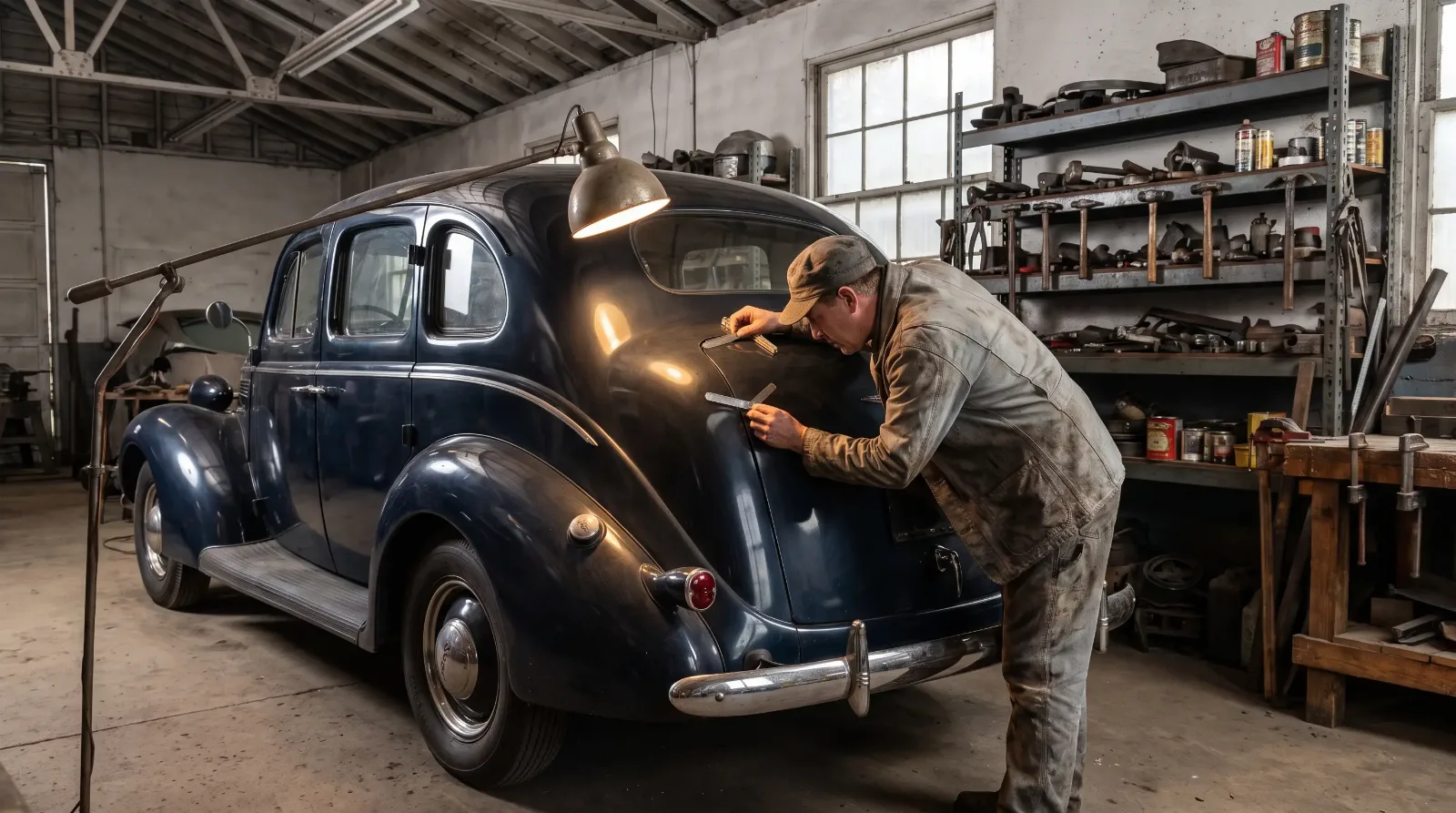
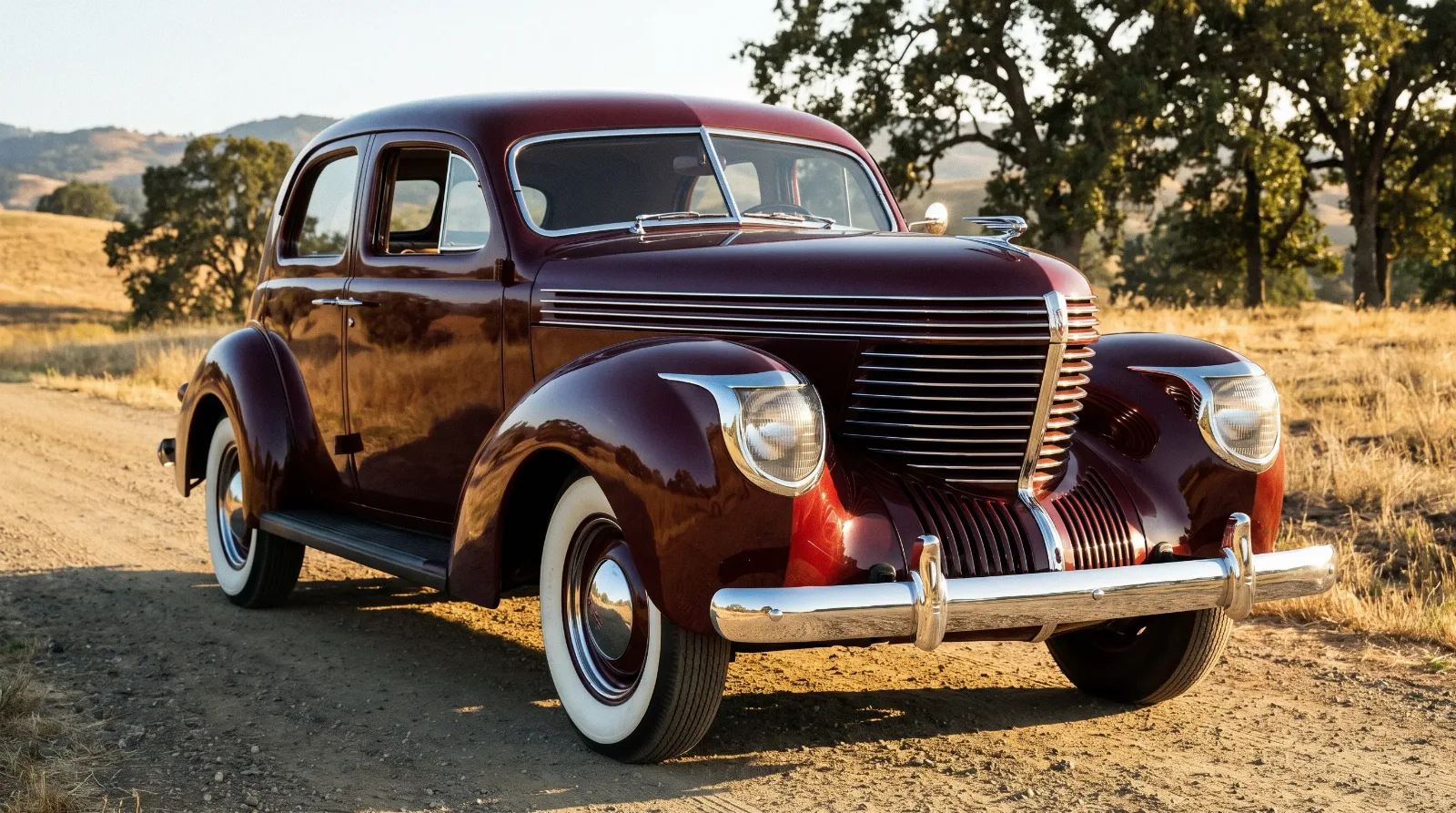
You can watch that lesson play out across the late-decade catalogs. Fenders grew fuller and blended into the body. Headlamps crept off their stalks and settled into the sheet metal. Running boards shrank. Trunks stopped being a strapped-on box and became part of the body itself. Each change was small enough that a nervous buyer did not balk, and by 1940 the ordinary sedan had quietly become a streamlined car without anyone calling it radical. That gradual approach, not the Airflow's big swing, is how streamlining actually reached the American driveway.
What was under the hood
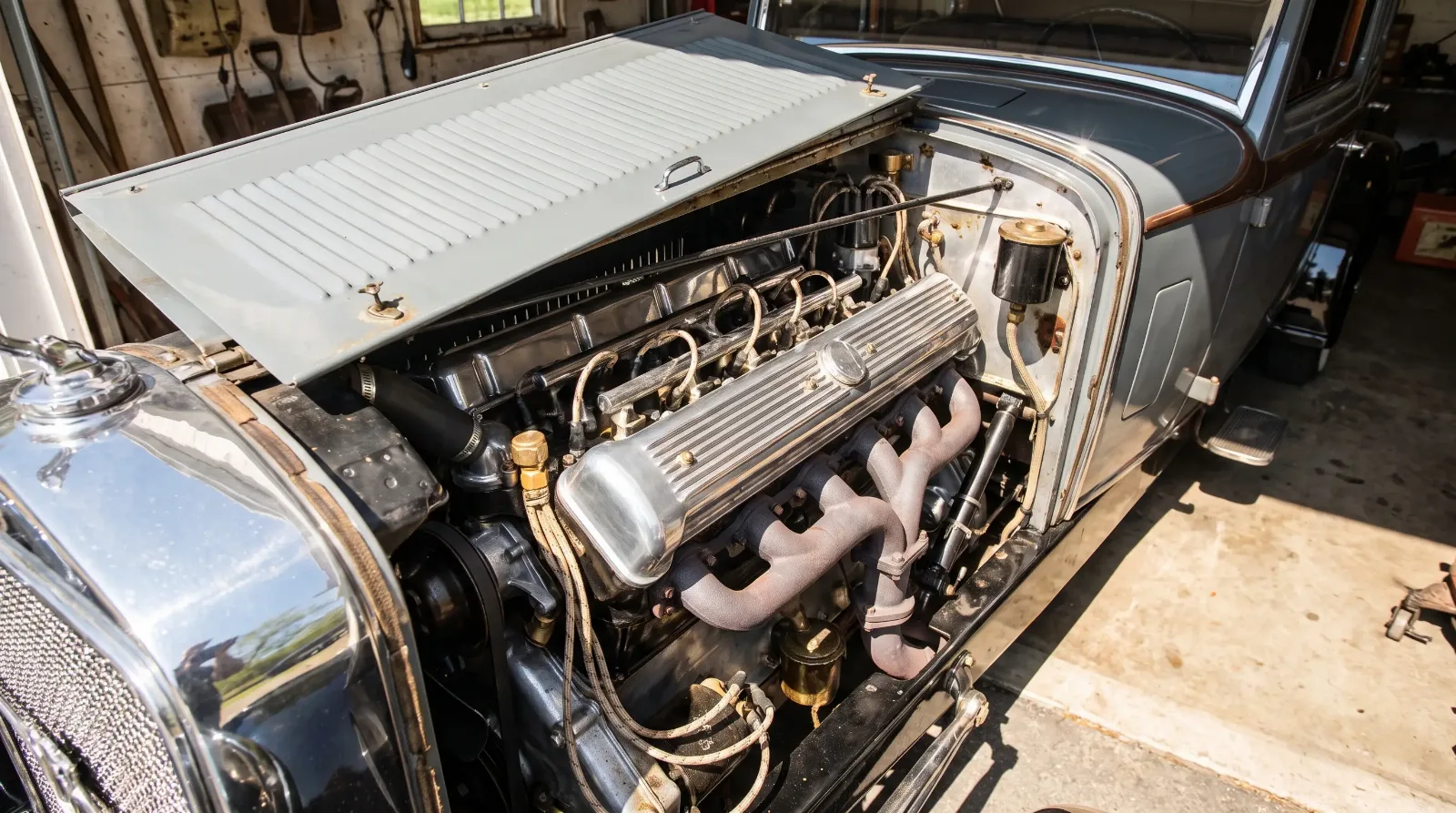
Engine choices in the 1930s split along price lines. At the top, the multi-cylinder wars produced V12s and V16s from Cadillac, Lincoln, Packard, and Marmon. These were smooth, expensive, and built in small numbers. In the middle and at the bottom, the straight-eight and the flathead V8 did the real work.
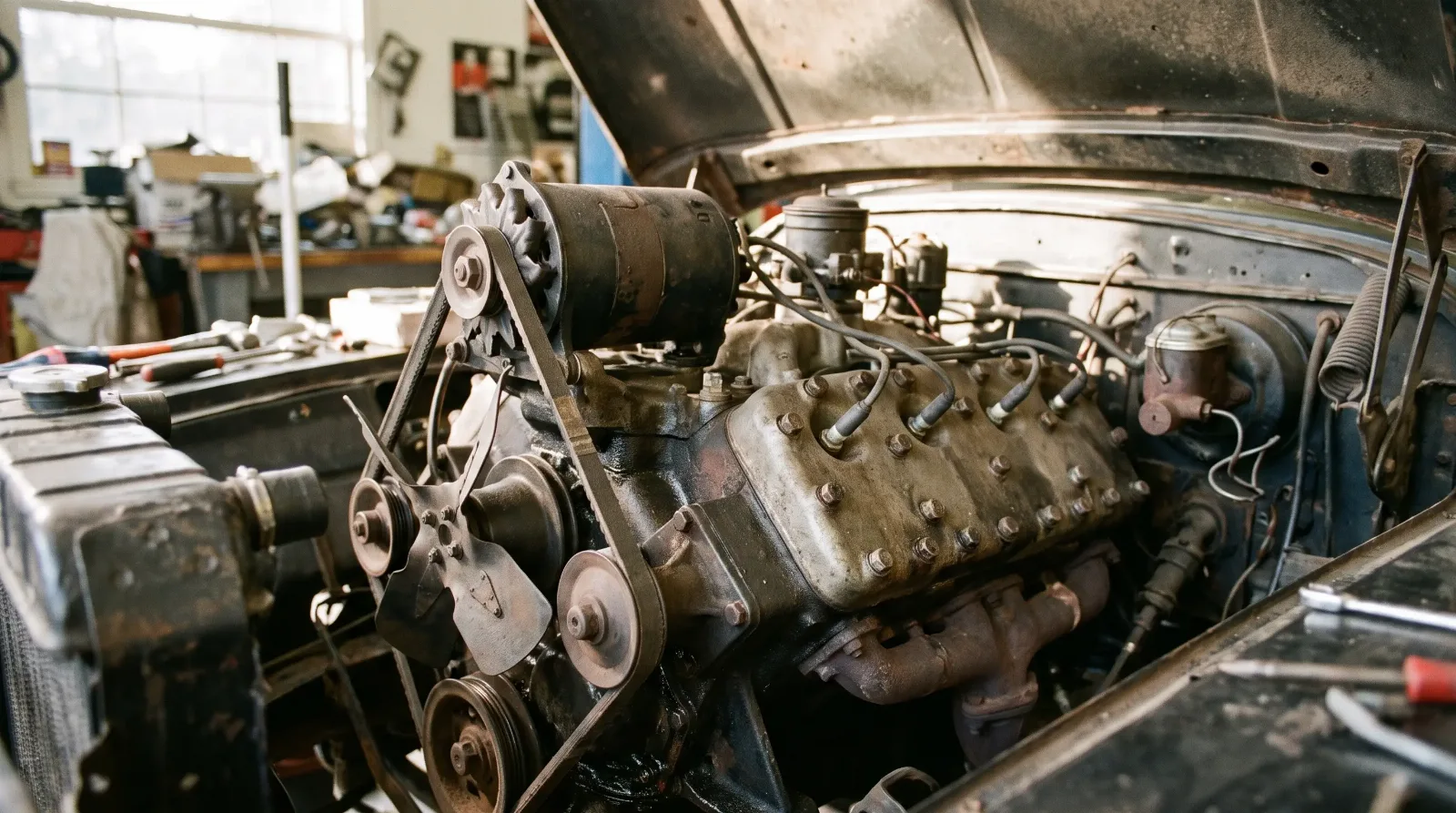
Ford's flathead V8, introduced for 1932, is the one that mattered most for ordinary buyers. It put eight cylinders in a car a working family could almost afford. Early versions produced 65 horsepower, and output climbed through the decade as Ford refined the castings and cooling. It gave Ford a genuine performance edge over Chevrolet's six for years.
| Feature | Early 1930s (1930-1933) | Late 1930s (1937-1940) |
|---|---|---|
| Body style | Upright, separate fenders | Streamlined, integrated fenders |
| Headlamps | Freestanding on stalks | Faired into the fenders |
| Common engine | Inline six, some straight-eights | Flathead V8 widespread |
| Brakes | Mechanical, moving to hydraulic | Hydraulic on most makes |
| Transmission | Three-speed manual | Three-speed, first automatics appearing |
| Body construction | Wood-framed on many makes | All-steel roofs common |
The engineering that stuck around
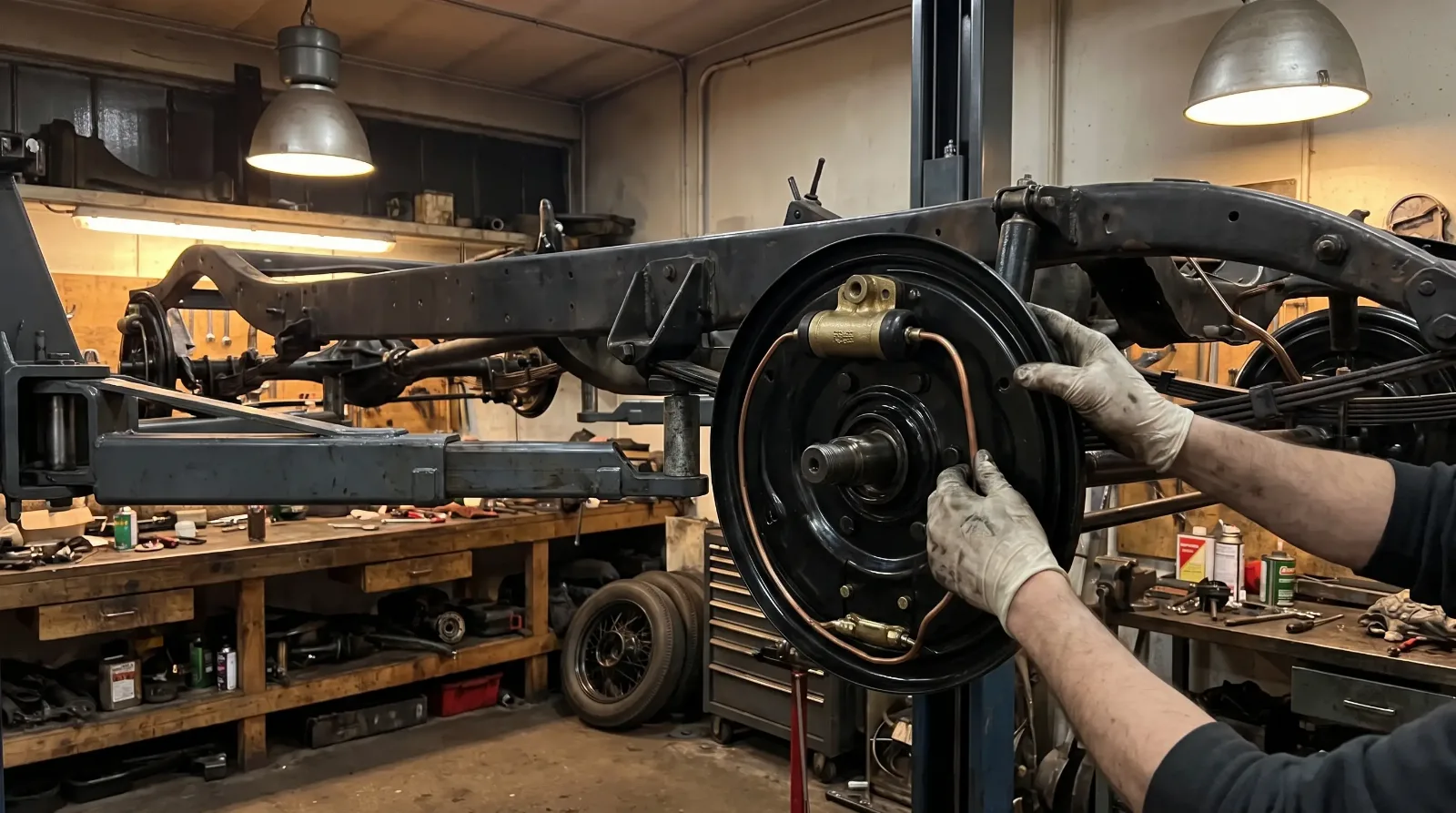
Styling gets the attention, but the 1930s delivered mechanical changes that outlived every fashion trend. Hydraulic brakes spread across the industry, replacing the mechanical rods and cables that had been the norm. Ford held out on mechanical brakes longer than most, into the late 1930s, which is another myth worth correcting: Ford was not always the technical leader it is remembered as.
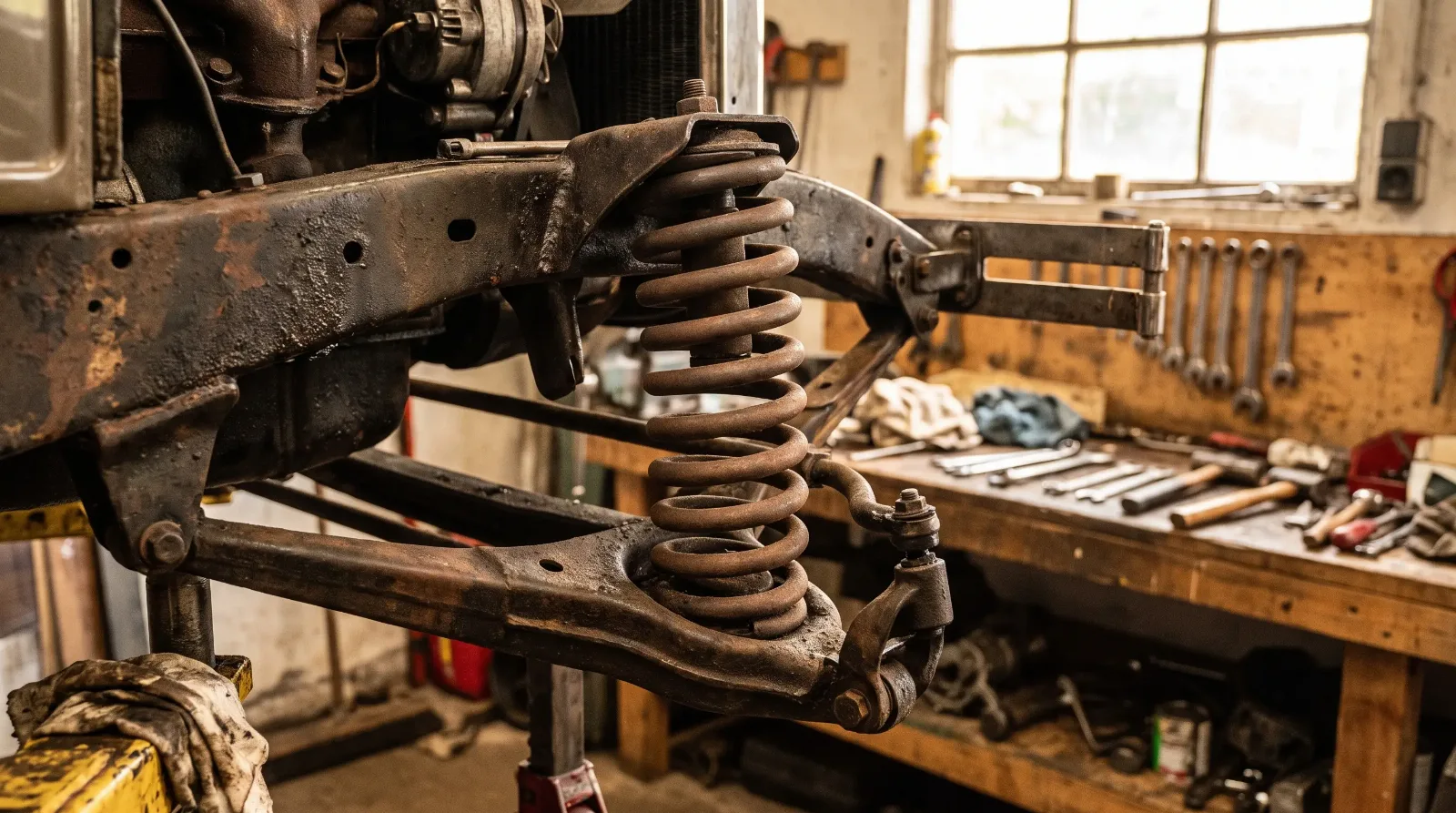
Independent front suspension arrived on mainstream cars in the mid-1930s and transformed the ride. All-steel bodies replaced wood framing, safety glass became standard rather than optional, and the first factory radios turned the car into something you did not just drive but sat inside comfortably. None of these were flashy. All of them defined what a car would be for the next thirty years.
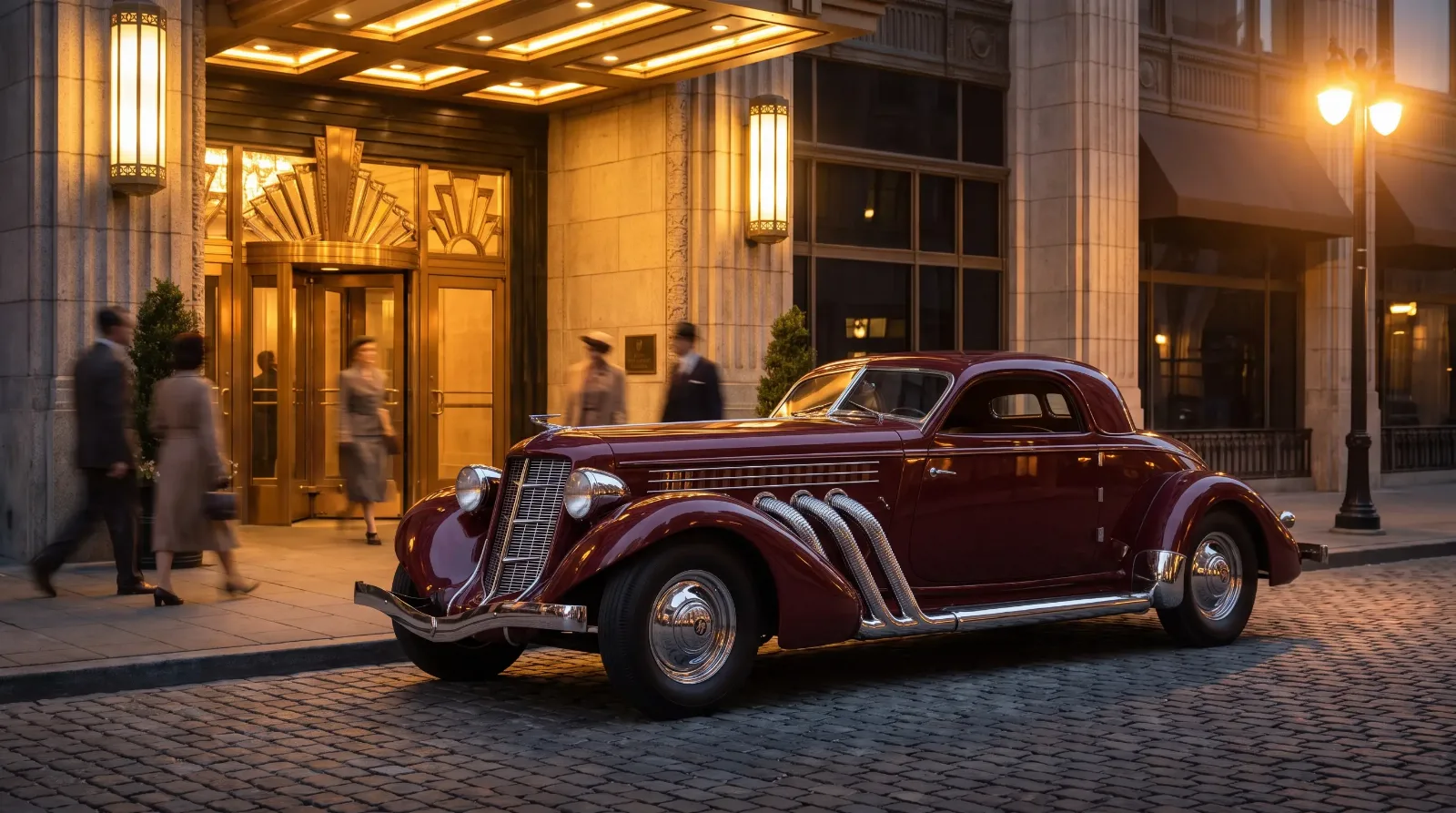
Superchargers belong on that list too, though they stayed rare. A handful of makers, Duesenberg and Auburn among them, used forced induction to pull real power out of the straight-eight. It was expensive and it was mostly a top-end feature, but it showed where performance engineering was headed. The point is that the decade advanced across the whole car at once. Frame, suspension, brakes, glass, and body all moved forward together, which is why a 1939 car feels like a different animal from a 1930 one even before you notice the styling.
Luxury at the top of a broke market
It seems strange that the Depression produced some of the finest luxury cars ever built in America, but the numbers explain it. The very rich stayed rich. Packard, Duesenberg, and Cadillac kept building enormous, coachbuilt machines for a buyer who never felt the crash. The Duesenberg Model J, with its supercharged straight-eight, is still one of the most valuable American cars at auction.
The problem was volume. You cannot run a company on a few hundred hand-built cars a year. Packard understood this and moved down-market with the cheaper One Twenty in 1935, which almost certainly saved the company for another decade. Duesenberg did not have a cheap car to fall back on, and it did not survive the decade.
These grand machines lead naturally into the next chapter of the pre-war world, where the story of American motoring actually begins, decades before the streamlined 1930s.
Collecting 1930s cars today
For collectors, the 1930s offer an unusually wide range. A late-decade Ford or Chevrolet sedan remains affordable and easy to service, with strong parts support and a big community behind it. Move up to a CCCA Full Classic, a Packard Super Eight or a Cadillac V12, and you are into serious money and serious originality questions.
The things to watch are consistent across the decade. Wood framing in earlier bodies rots and is expensive to rebuild properly. Mechanical brakes on early cars need setting up by someone who understands them. Engine numbers and body tags matter enormously on the high-end cars, where a genuine coachbuilt body can be worth many times a replacement.
"People tell me the Depression stopped the car industry cold. The build records say otherwise. Fewer companies survived, but the ones that did came out with hydraulic brakes, steel bodies, and eight-cylinder engines the average buyer could reach. That is progress under pressure, not a pause."
Tom Ramirez
If you are shopping, the field is deep and the values are documented. You can browse the vintage listings to see where the survivors are trading and what condition your money buys.
Why the decade still matters
The 1930s took the car from a tall, upright machine to something close to the shape we still recognize. It did that during the worst economic stretch the country had seen, which is exactly why the achievement holds up. Every streamlined fender and hydraulic brake line was a bet placed by a company that could not afford to be wrong. Enough of those bets paid off that the survivors defined the industry for a generation.
Sources and notes
Related Reading
Article
Pre-War Classic Cars: The Golden Age of the American Automobile (1900-1942)
Article
Cars of the Roaring Twenties: America's 1920s Automobile Boom
Article
Brass Era Cars: The Dawn of the Automobile (1896-1915)
Article
Streamlining & Aerodynamics: The 1930s Revolution
Article
The Multi-Cylinder Race: V12s & V16s
Article
Independent Front Suspension
Article
How Automakers Survived the Great Depression
Article
The First Factory Car Radios
Article
Built-In Trunks & Interlocking Body Panels
Article
The Low-Cost Ford Flathead V8
Article
Hydraulic Brakes Arrive
Article
Superchargers: Pre-War Forced Induction
Article
Art Deco Dashboards
Article
Headlights Move Into the Fenders
Article
Rare 1930s Concept Cars & Prototypes
Article
Safety Glass Goes Mainstream
Article
The Most Expensive Pre-War Masterpieces
Article
The Great Luxury Cars of the 1930s
Article
Why the 1930s Were the Golden Age of Styling
Have a
Classic Car
for Sale?
Reach thousands of serious classic car collectors across the US.
Sell It Here →
Are You a Classic Car Dealer?
List your full inventory and connect with targeted classic car buyers.
Join as a Dealer →

About the author
Tom Ramirez
Corvette researcher and historian based in Bowling Green, Kentucky. Two decades documenting Corvette production history from original factory records.




Comments (1)
G
Gene Przybylski
1 month ago
This is the kind of article you send to someone thinking about their first classic car. Covers the right basics without being condescending.