
The number that gets thrown around for a top-tier 1930s Duesenberg or Bugatti these days sits well into eight figures. That is the headline. The caveat, and there is always a caveat, is that almost none of the buyers paying that price are buying a car. They are buying a specific chassis with a specific coachbuilt body and a documented history, and the difference between that and a generic example of the same model can be a factor of ten or more.
Car Features
6 min read
The Most Expensive Pre-War Masterpieces
The most expensive 1930s cars trade on coachwork and paperwork as much as mechanicals. A look at what actually drives pre-war prices this high.
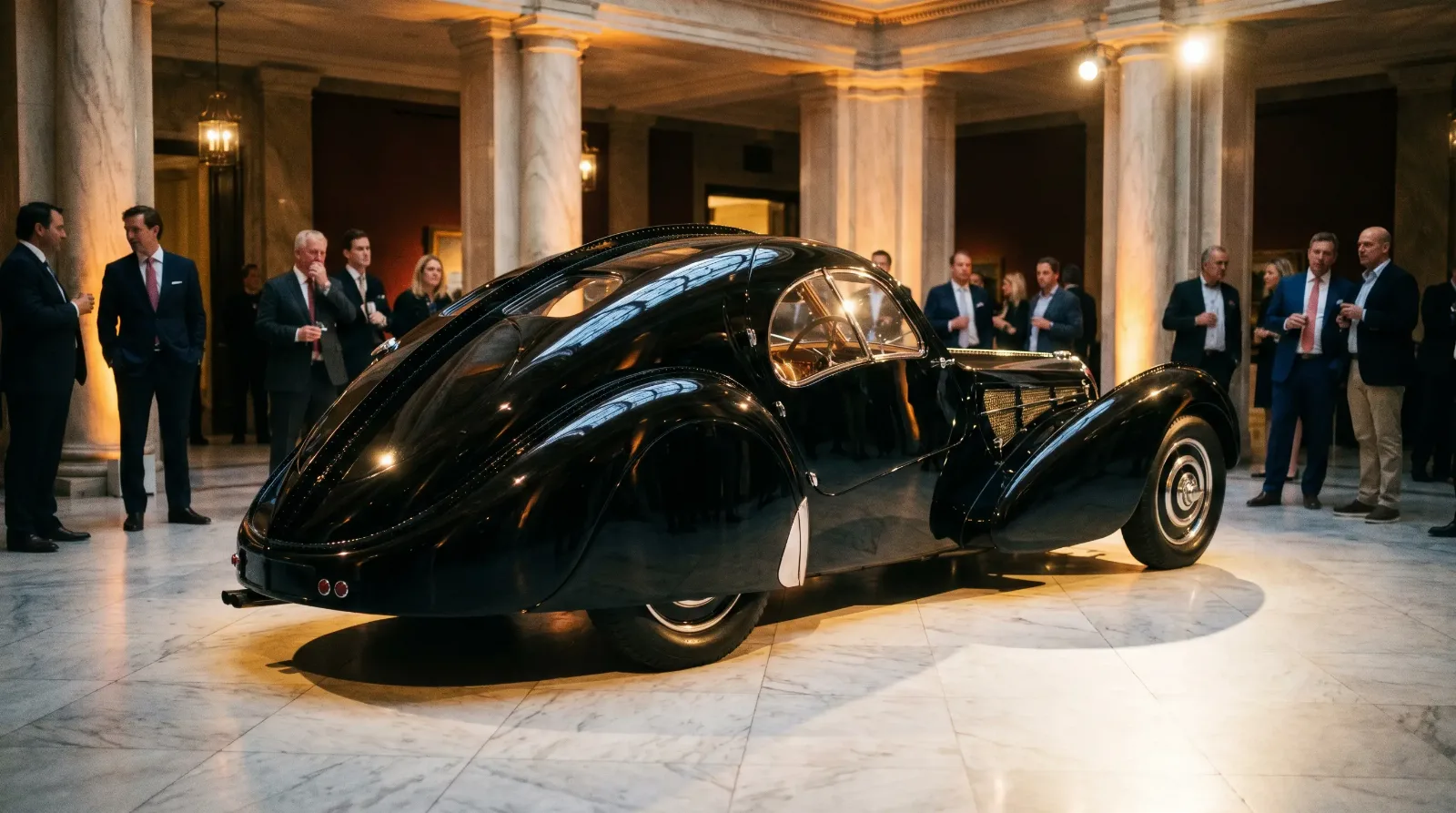
What actually drives these prices
Four things determine whether a pre-war car trades for six figures or eight: condition, documentation, coachwork, and provenance. Condition is the obvious one, but at this level it usually means originality more than shine, a car that has not been over-restored and stripped of the details that prove what it actually is. Documentation means a paper trail, factory records, known ownership history, race results if applicable, anything that removes doubt about the car's identity.
Coachwork is where the real separation happens in the pre-war market specifically. Many of the most expensive chassis of this era, Duesenberg Model J and SJ, Bugatti Type 57, Mercedes-Benz 540K, were sold as bare rolling chassis and bodied separately by coachbuilders like Figoni et Falaschi, Saoutchik, or LeBaron. The same mechanical chassis with a plain body might bring a fraction of what it brings with a documented, one-off coachbuilt body from a name collectors chase.
The cars that anchor the top of the market
The Bugatti Type 57SC Atlantic sits at the very top of pre-war values. Only three were built, and one, the ex-Williamson car, changed hands in a private treaty sale handled by Gooding & Company for a reported $30 to $40 million, a figure widely cited as the highest ever paid for a car at the time. The Duesenberg SJ, particularly examples with coachwork by Walker LaGrande or similar coachbuilders, regularly brings seven figures at auction, and the rarer two-off SSJ variant set the record for the most expensive pre-war car ever sold at auction when Gary Cooper's 1935 example brought $22 million at Gooding & Company's 2018 Pebble Beach sale.
Mercedes-Benz 540K Special Roadsters, when they come to market with matching numbers and clean history, land in the high seven figures, with the finest documented example, the ex-Baroness von Krieger car, setting an auction record near $11.8 million at Pebble Beach in 2012. These are not cars that trade often. A meaningful chunk of the surviving population sits in museums or long-term private collections, which keeps supply tight and keeps the prices for the ones that do sell under real competitive pressure.
| Model | Typical top-tier auction range | Key value driver |
|---|---|---|
| Bugatti Type 57SC Atlantic | Rarely sold publicly, one reported at $30-40 million | Extreme rarity, coachwork |
| Duesenberg SJ / SSJ (coachbuilt) | Seven figures and up, record SSJ sale at $22 million | Coachwork, documentation |
| Mercedes-Benz 540K Special Roadster | High seven figures, record near $11.8 million | Matching numbers, originality |
Where I would put my money, and where I would not
If you are buying at this level, the honest advice is to pay for the paperwork before you pay for the paint. I have watched buyers fall for a beautiful restoration and skip past thin documentation, and that decision comes back to bite them when it is time to sell. A car with a gap in its ownership history, or coachwork that cannot be fully verified against factory or coachbuilder records, will always trade at a discount to an equivalent car with a clean paper trail, no matter how good it looks in photos.
The downside risk in this segment is real too. These cars require specialist maintenance, storage, and insurance that ordinary collector cars do not, and liquidity is thin. You are not selling a top-tier Duesenberg on short notice at a fair price. You are waiting for the right buyer, which can take longer than most people expect.
"Value at this level is not really about the car anymore. It is about condition, documentation, coachwork, and liquidity, in that order, and I tell every buyer the same thing. State the value, then state the caveat. There is always a caveat."
Marcus Feld
For the full context behind why pre-war coachwork commands this kind of premium, the expensive 1930s cars guide lays out the mechanics of the market in more depth.
How auction houses handle this segment
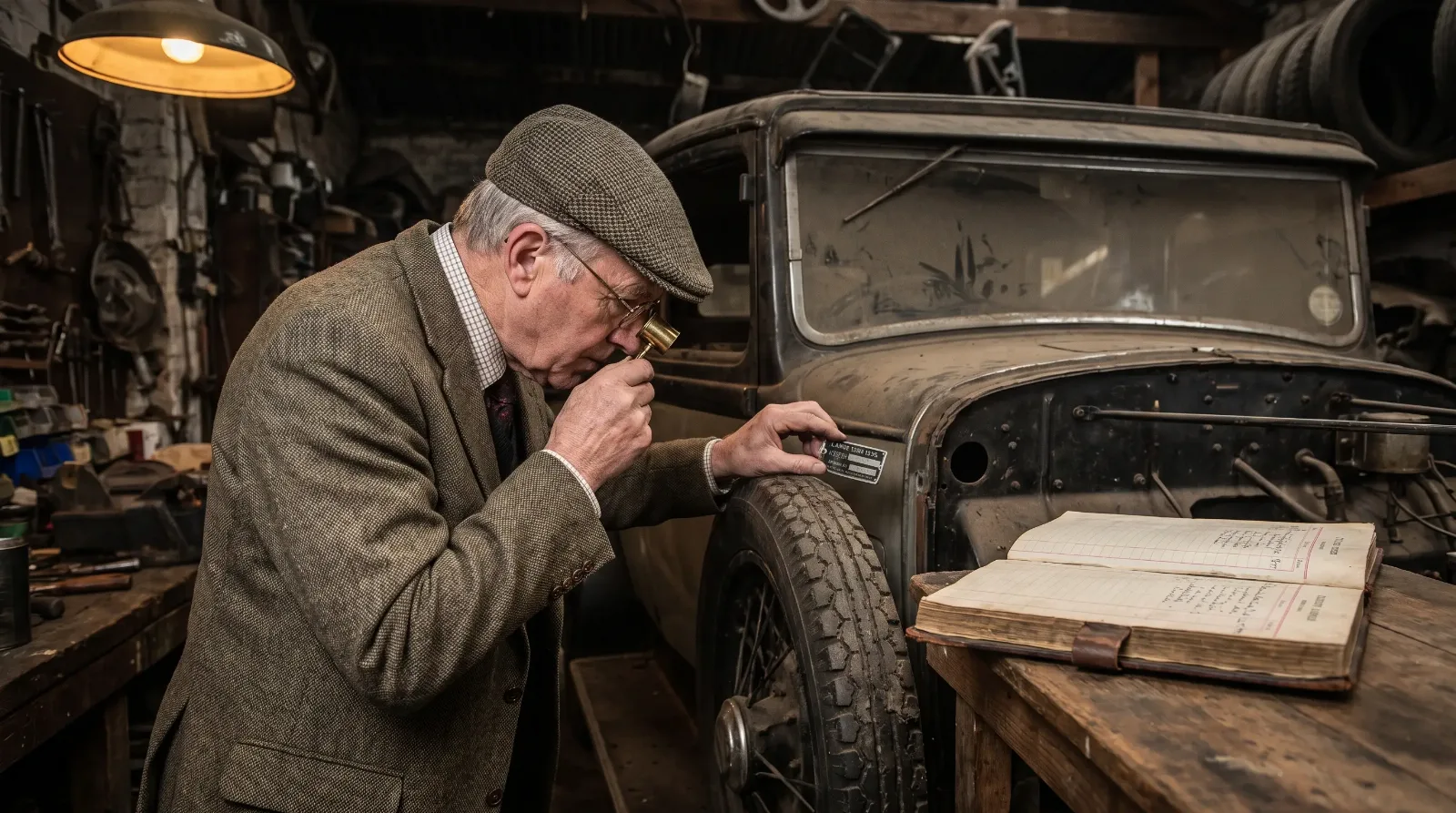
Cars at this level rarely move through a standard consignment process. The major auction houses run dedicated pre-war and coachbuilt specialists whose job is largely research, verifying chassis numbers against factory ledgers, cross-referencing coachbuilder invoices where they still exist, and tracking ownership chains back as far as records allow. That research shows up in the catalog description, and serious bidders read it as closely as they look at the car itself. A thin catalog entry is itself a signal, even if nobody says so out loud.
Private sales are common at the very top of this market too, arranged through dealers who specialize in pre-war coachbuilt cars and who often know exactly which handful of collectors would want a specific chassis before it ever reaches a public sale. That privacy suits sellers who don't want a public price attached to a family car, and it suits buyers who would rather negotiate quietly than bid against a room. Either way, the paperwork discipline is the same. Nobody spends seven or eight figures on a pre-war chassis without a specialist's opinion in hand first.
Beyond the headline names
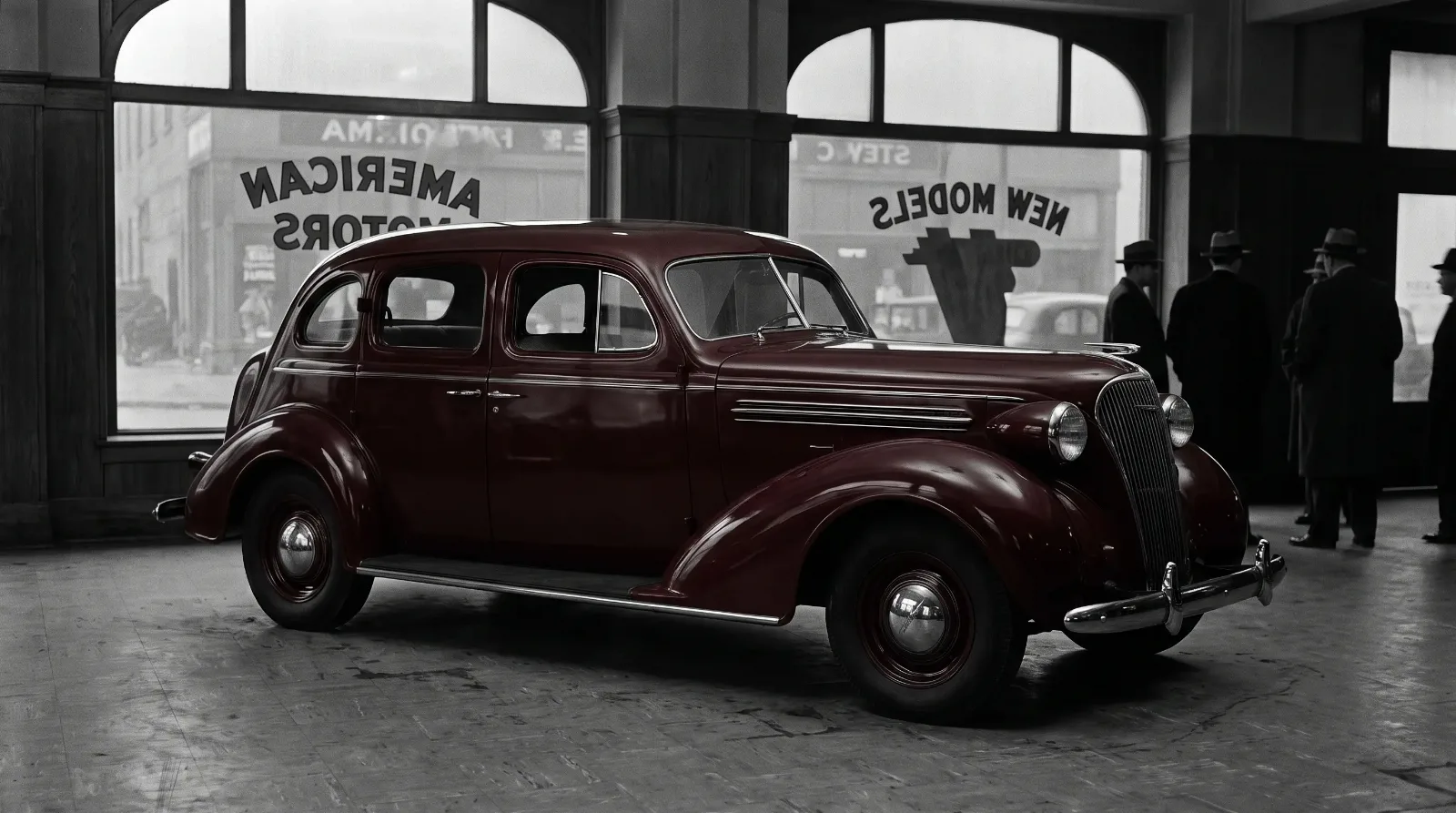
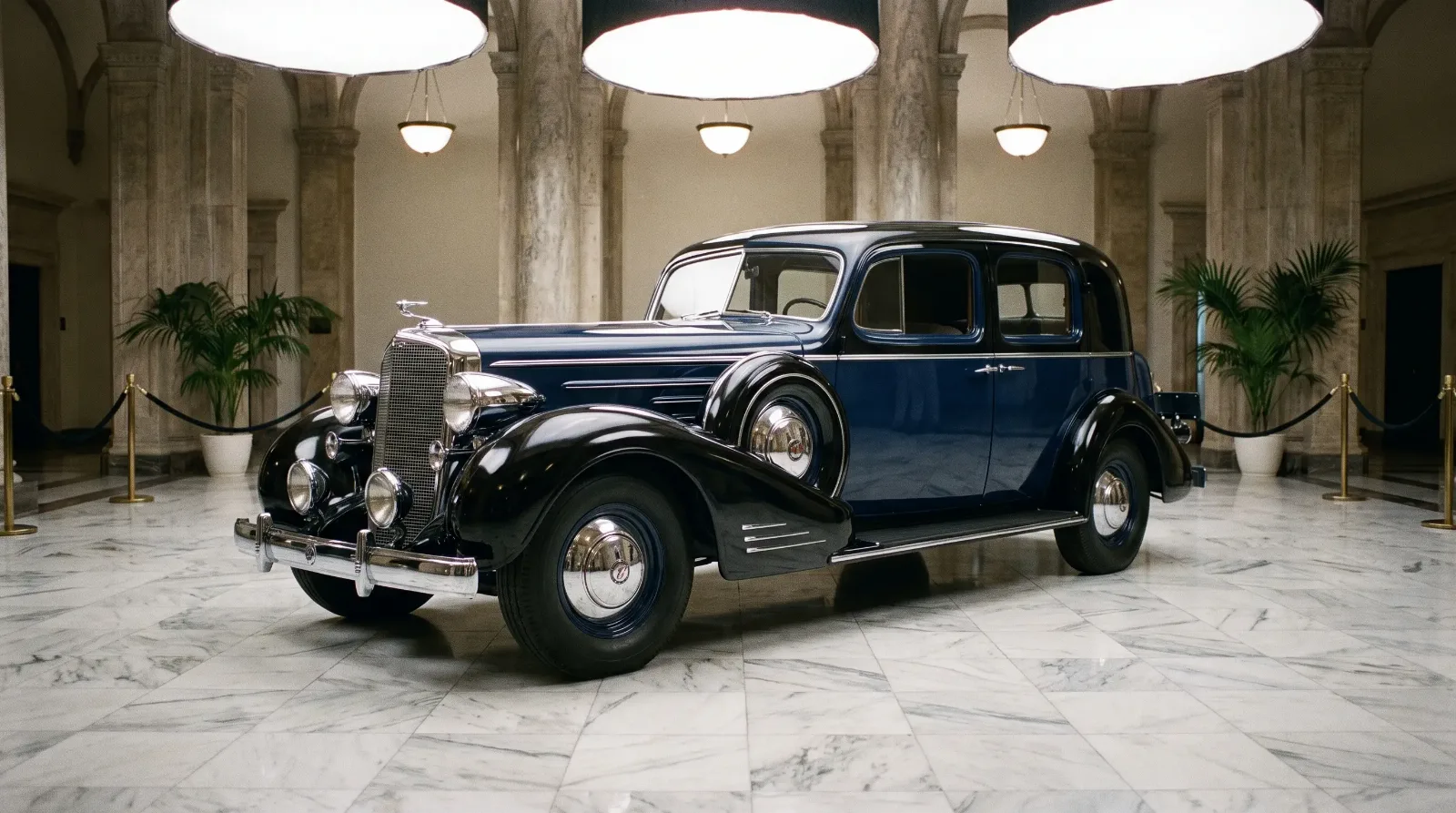
It is worth remembering that most 1930s cars, even good ones, are not trading anywhere near these numbers. The eight-figure sales get the headlines because they are rare and newsworthy, but the broader pre-war market has plenty of entry points well below that, honest, driveable, historically significant cars that will never see an auction stage under bright lights. A well-documented mid-tier senior sedan from a respected marque, without the coachbuilt provenance that pushes the flagship cars into eight figures, can still be a genuinely satisfying car to own and a far more sensible entry into the pre-war hobby for most buyers. Keep reading for a look at that broader luxury segment, and for the full pre-war picture, the full pre-war story ties the market together end to end. If you are shopping rather than just reading, you can browse pre-war classics for sale to see what is actually moving right now.
Sources and notes
Related Reading
Have a
Classic Car
for Sale?
Reach thousands of serious classic car collectors across the US.
Sell It Here →
Are You a Classic Car Dealer?
List your full inventory and connect with targeted classic car buyers.
Join as a Dealer →
#pre-war classics
#coachbuilt cars
#duesenberg sj
#expensive 1930s cars
#bugatti type 57sc atlantic
#classic car values

About the author
Marcus Feld
Accredited collector-car appraiser who reads the market through hammer prices, condition tiers and risk.
Comments
Be the first to comment on this article.