A sculptor's studio, not a parts bin
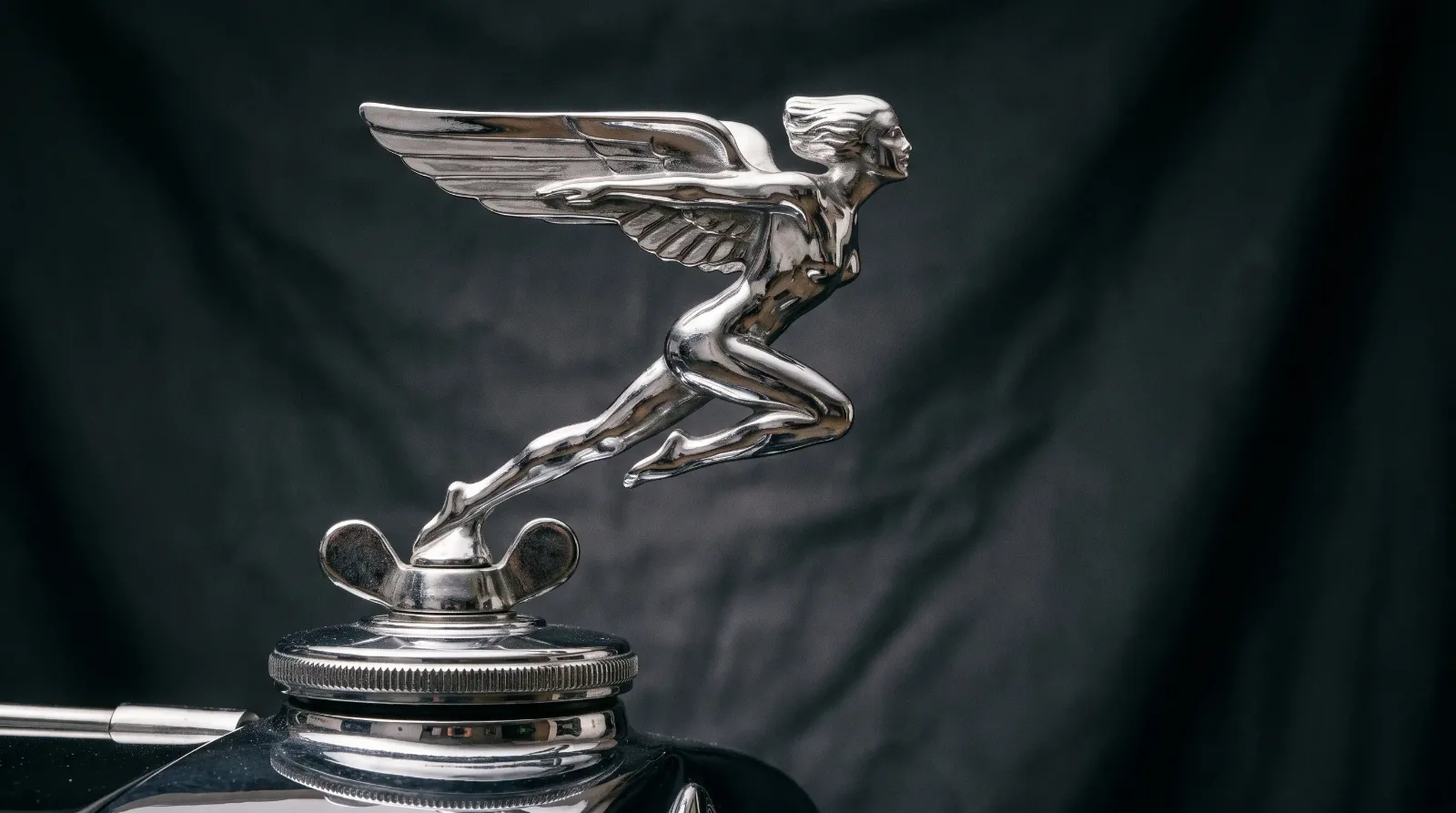
Somewhere in a design studio in the early 1930s, a sculptor who had trained on bronze figures and museum commissions sat down to shape a piece of metal meant to sit on the front of a car and be seen for a fraction of a second by people it passed on the street. That was the job. Not jewelry, not decoration exactly, something closer to a figurehead on a ship, small enough to hold in two hands and important enough that entire design departments argued over its posture. The result, on the best cars of the era, was genuine sculpture bolted to a radiator cap. For the wider design movement these ornaments grew out of, our deep dive on art deco hood ornaments covers the full picture.
Leaping figures, birds with wings swept flat against the wind, streamlined animals caught mid-stride, the recurring theme across manufacturers was motion frozen at its most graceful instant. It is easy to miss, walking past a parked car today, how deliberately that instant was chosen.
Glass, chrome, and the material that mattered most

Not every ornament was metal. Some of the most striking examples were cast or molded in glass, catching and refracting light in a way polished chrome never could. The glass ones are also, unsurprisingly, the ones that survive least often. A hairline crack, a bad parking lot bump, decades in a box in someone's garage, and the piece is gone in a way a dented chrome figure never quite is. Collectors who specialize in ornaments will tell you, quietly, that the glass pieces are where the real scarcity lives now, more than in the cars they once rode on.
Chrome-plated pieces had their own vulnerabilities. Plating wears, pits, and dulls with decades of weather, and a re-chromed ornament, however carefully done, is not the same object it was when it left the factory. The surface has been stripped and redone. Something small but real has been lost in that process, even if the shape underneath is identical.
"You can tell a lot about how a decade wanted to see itself by looking at what it chose to put on the front of a car. This one wanted to fly."
Nora Beckett
The people who never got their names on anything
Most of the sculptors who designed these figures worked anonymously, employees or contractors whose names never appeared on the finished car, the advertising, or the patent filings that sometimes protected the design. A handful are known today because collectors and historians went looking, cross-referencing patent records and old design-department memos, but for most ornaments the hand that shaped them is simply lost. What remains is the object itself, still catching light on a fender that has outlived everyone who built it.
That anonymity gives these small objects a strange kind of quiet dignity. Nobody signed them expecting fame. They were made to do a job, sit on a radiator cap and look graceful doing it, and the ones that succeeded at that job are still doing it, on the handful of original cars that kept their original figures rather than swapping them for later reproductions.
What to look for if you care about the original piece
Reproduction ornaments are common enough now that an untrained eye can be fooled easily. Look at the base first, original mounting hardware and thread patterns are hard to replicate exactly, and a mismatch there is often the clearest tell. Weight matters too. Reproductions cast in modern alloys frequently feel lighter or heavier than the original material, a difference you can feel the moment you pick one up even if you cannot always explain why. If a seller cannot tell you where the ornament came from, treat the attribution as unconfirmed rather than assume the best.
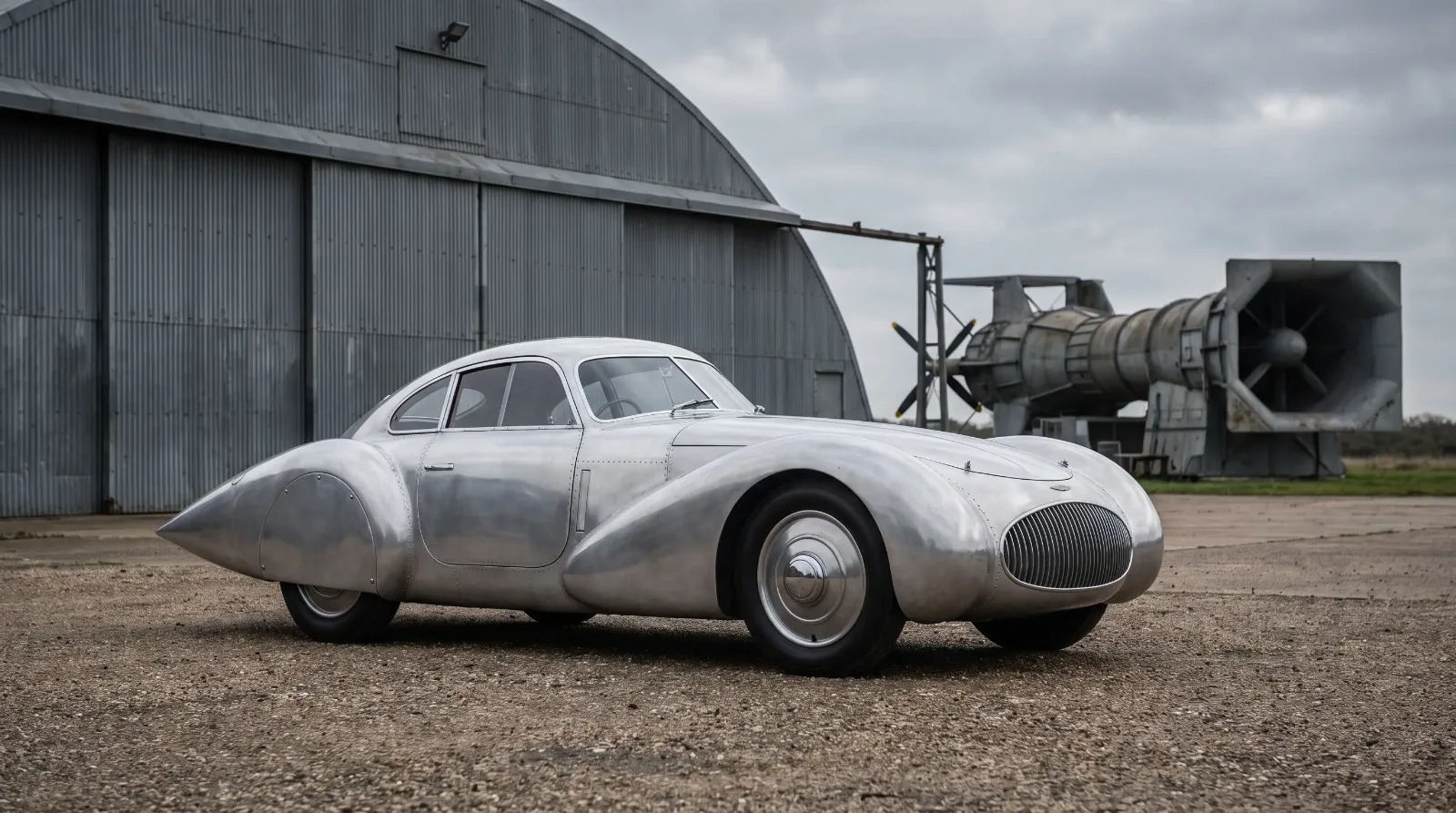
The same instinct that shaped these small figures, chasing a frozen moment of motion, drove some of the era's boldest full-body designs as well. The next story follows that idea from the hood ornament out to the entire shape of the car.
The quiet market that has grown up around them
A small, patient community of collectors buys and sells nothing but hood ornaments, separate from the cars they once rode on. Some pieces have been separated from their original vehicle for decades, sold off individually when a car was scrapped for parts long before anyone thought to preserve it whole. There's something a little melancholy in that, a figure designed to sit atop a specific car, built to move with it, now living in a display case with no memory of where it came from. Collectors in this world care about condition and originality with the same intensity as car collectors, sometimes more, since a single small ornament carries none of the redundancy a full car has. Damage to one section of the piece can be damage to the whole thing.
Provenance for an individual ornament is harder to establish than for a whole car, since there's rarely a chassis number or build sheet attached to a standalone piece. What buyers rely on instead is closer study, casting marks, patent numbers stamped into the base, material composition, and comparison against documented factory examples. It is slower, quieter work than researching a car, and it rewards patience over urgency.
There's a practical side to all this too, one worth mentioning plainly. Original ornaments from desirable models are targeted by thieves precisely because they're small, valuable, and easy to remove in seconds from a parked car. Owners who care about keeping their car intact should know this and plan for it, whether that means a locking mount, careful thought about where a car is parked at a show, or simply insurance coverage that accounts for the ornament's value separately from the vehicle as a whole. It's an unglamorous detail next to everything else about these small sculptures, but it's the detail that determines whether the piece survives to be admired another ninety years.
Sources and notes
- The Henry Ford: Lalique Victoire hood ornament, 1928-1930
- PBS Antiques Roadshow - Rene Lalique Faucon hood ornament appraisal
- The JBS Collection - Lalique crystal hood ornaments
- Hood Ornaments of Classic Cars - reference archive
- Hagerty: coachbuilding and period ornamentation history
- Wikipedia: Rene Lalique