What "teardrop" actually meant to engineers
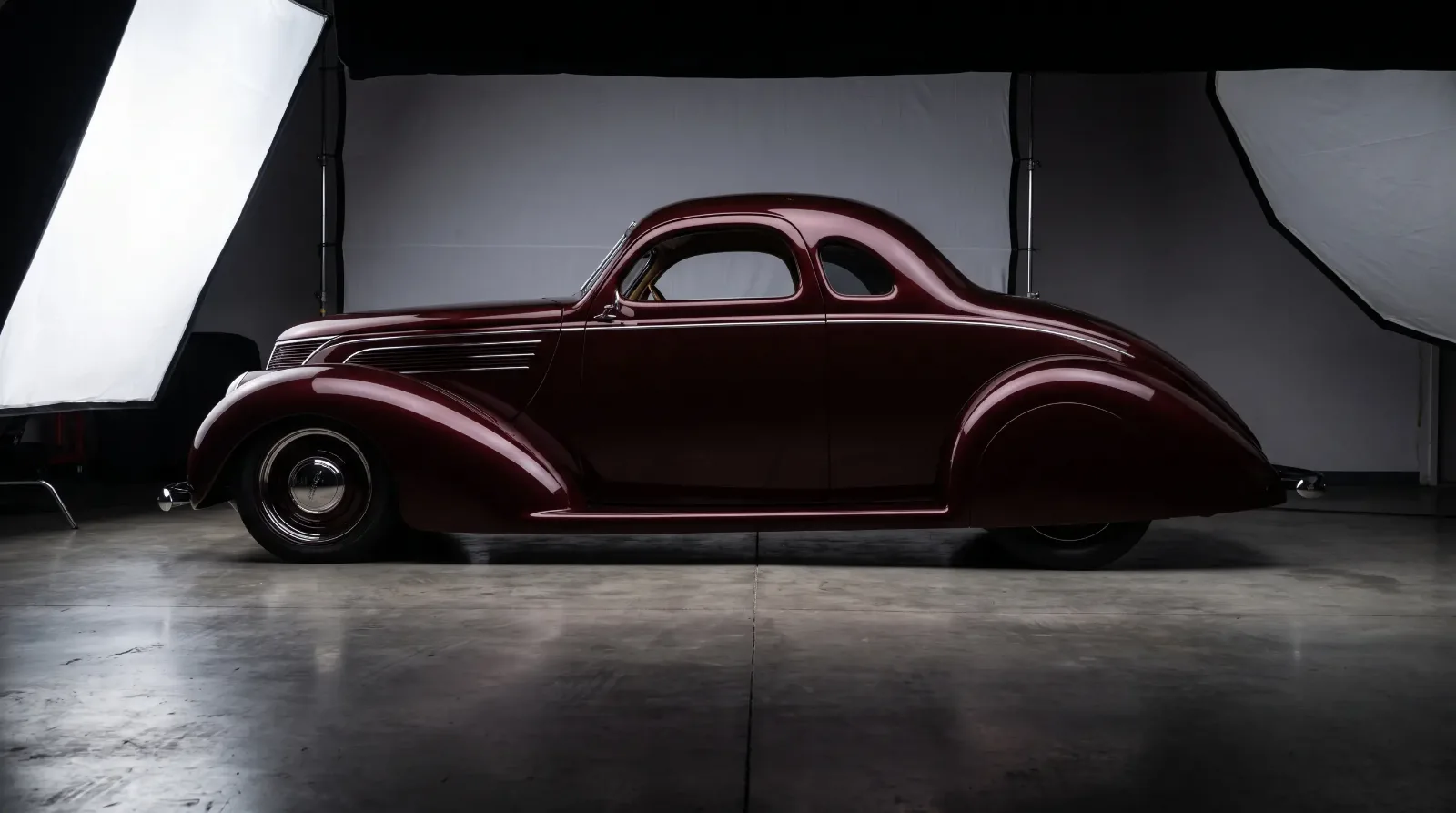
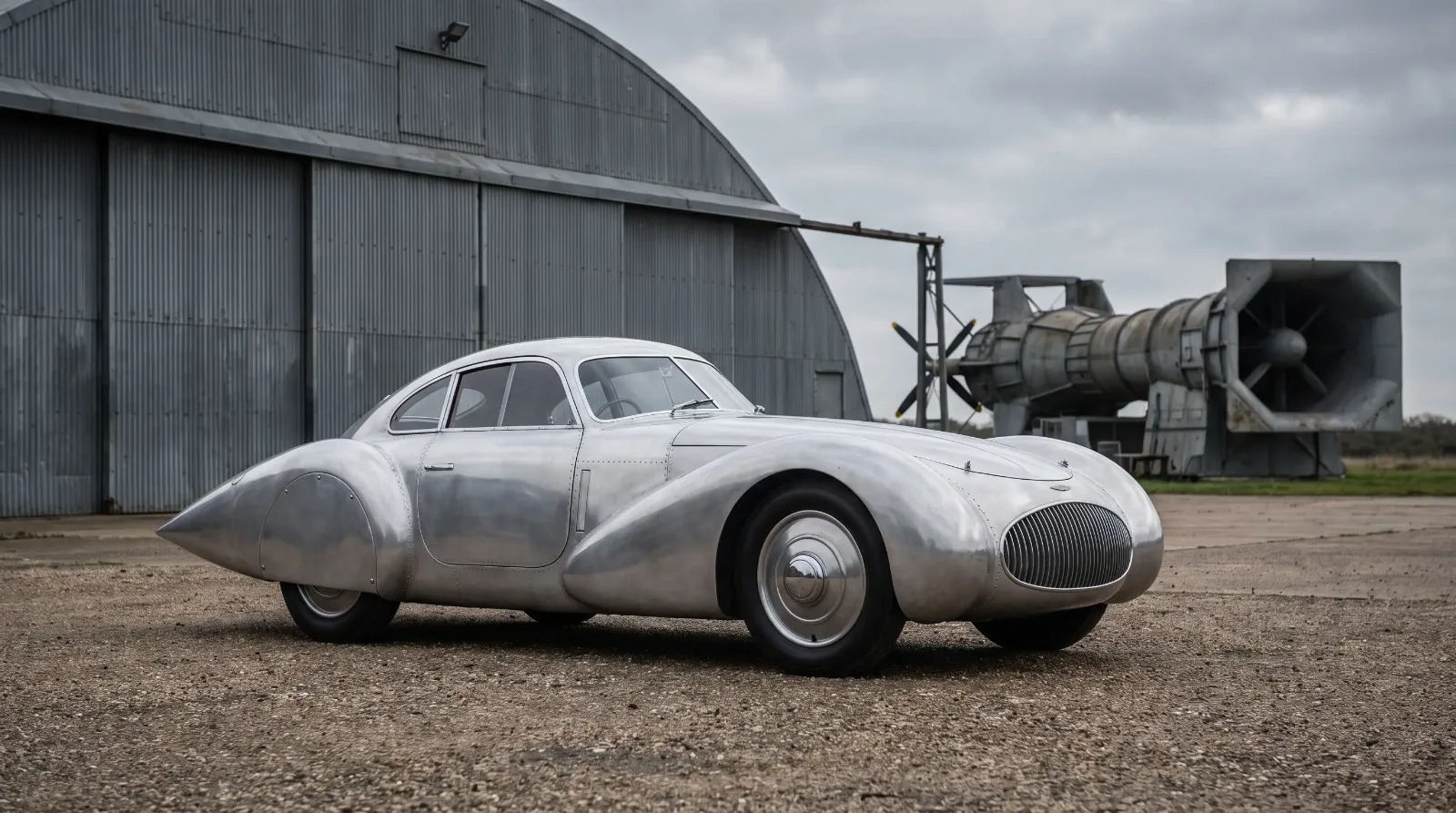
The teardrop shape gets tossed around loosely in car conversations today, but it had a specific meaning to the engineers and designers who used it in the 1930s. A true teardrop form is wide and rounded at the front, tapering to a narrow point at the rear, the shape a drop of water makes falling through air. It was, at the time, understood as close to aerodynamically ideal based on the wind tunnel work being done for aircraft. Applying that logic to an automobile meant rethinking the whole car from the ground up, not just adding curved fenders to an existing box. For the broader movement this thinking grew out of, more on teardrop cars 1930s covers the wider design context.
Very few production cars actually achieved a true teardrop profile. It's worth being precise about that, because the phrase gets applied loosely today to almost any streamlined 1930s car with skirted fenders. The genuine article, tapering rear end and all, was mostly confined to concept and show cars, plus a handful of low-production specials built by engineers chasing the idea to its logical end.
The primary-source record versus the popular myth
A common myth holds that teardrop styling was primarily a marketing gimmick with no real engineering behind it. The factory record tells a more complicated story. Internal engineering memos and patent filings from several manufacturers show real wind-resistance testing behind at least some of these designs, even if the production compromises, cost, tooling, and the practical need for rear seating and trunk space, meant the final shipped car rarely matched the purity of the original concept sketch. The gap between concept car and showroom car in this category is usually a matter of manufacturing reality winning out over aerodynamic idealism, not designers making things up.
Production numbers on the most extreme teardrop-styled cars were, unsurprisingly, small. Anything approaching the true shape was expensive to tool and awkward to package for passengers and luggage, which kept these designs mostly in the concept-car and limited-run categories rather than mainstream production.
"The engineering memos survive even when the cars don't. Read them and you find real wind-resistance numbers behind these shapes, not just a stylist's sketch."
Tom Ramirez
Why the shape never fully reached the mainstream
Passenger comfort and cargo space were the practical limits that kept true teardrop styling from becoming a mass-market default. A narrow, tapering rear end leaves little room for rear-seat headroom or a usable trunk, both things a buying public expected even from a stylish car. Manufacturers who flirted with the shape in show cars routinely widened and squared off the rear end for the production version, trading some aerodynamic purity for a car people could actually live with. That compromise produced the more familiar streamlined-but-practical shapes that defined mainstream 1930s styling, related to the teardrop idea but not a literal execution of it.
Option codes and factory records from this period, where they survive, are useful for confirming exactly which cars received which streamlined trim packages, since manufacturers sometimes offered the more extreme aerodynamic bodywork as a specific ordering option rather than a standard configuration. Buyers researching a specific car should track down the original build sheet where possible rather than relying on body style alone.
What survives today and how to verify it
Genuine, documented examples of true teardrop-bodied cars from this era are rare enough that most serious buyers should assume a claimed example needs verification against factory or engineering records before the attribution is taken at face value. Chassis numbers, coachbuilder tags, and surviving factory correspondence are the strongest evidence. Family history and word of mouth, while often accurate, should be treated as a starting point for research rather than proof on their own.
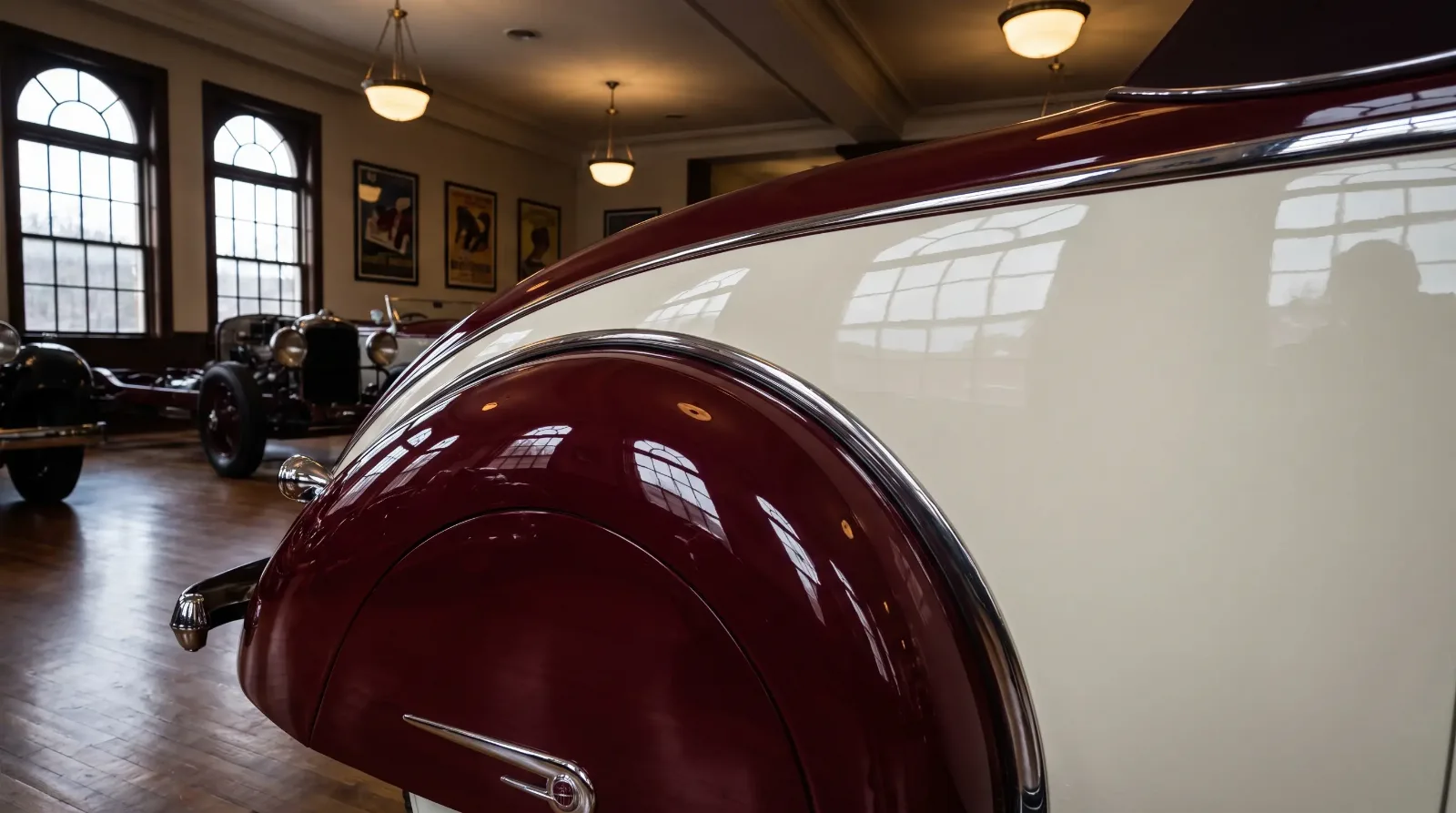
For a closer look at how this design thinking fit into the wider decade of streamlined styling, a related read is worth your time. And because color treatment on these bodies followed its own set of period conventions, the next installment covers how two-tone paint schemes were applied to exactly this kind of streamlined body.
A note on the engineers behind the numbers
It is worth naming, at least in general terms, who was doing this work. Independent engineers and academics with backgrounds in aeronautics were often the ones pushing teardrop theory the hardest, sometimes with more enthusiasm than the manufacturing side could accommodate. Their reports and patent filings, where they survive in university archives or manufacturer records, read less like marketing copy and more like technical papers, full of specific claims about drag coefficients and airflow that a modern reader can check against later, more rigorous wind tunnel data. Some of those early claims held up reasonably well. Others were optimistic, a byproduct of measurement techniques that were still being refined at the time. Treating these documents as historical evidence rather than settled science is the more accurate way to use them.
For a researcher or buyer working with an actual surviving example, the safest approach is to build a paper trail from multiple independent sources, factory correspondence, contemporary press coverage, and later restoration or ownership records, rather than relying on any single account. Where those sources disagree, and they sometimes do, the discrepancy itself is often more informative than either version taken alone, since it usually points to where a car's history genuinely gets murky.
It's also fair to say the popular imagination has done these cars a disservice in one specific way, by treating "teardrop" as a marketing word rather than an engineering claim with real testing behind at least some of it. That reframing matters for how these cars get valued and researched today. A show car with genuine wind-resistance data behind its shape deserves to be discussed differently than a styling exercise that borrowed the look without the underlying testing. Both are worth preserving. They are not, however, the same kind of historical object, and conflating them does a disservice to the engineers who did the harder, less photogenic work.