Why the coachbuilder's name matters more than the chassis brand
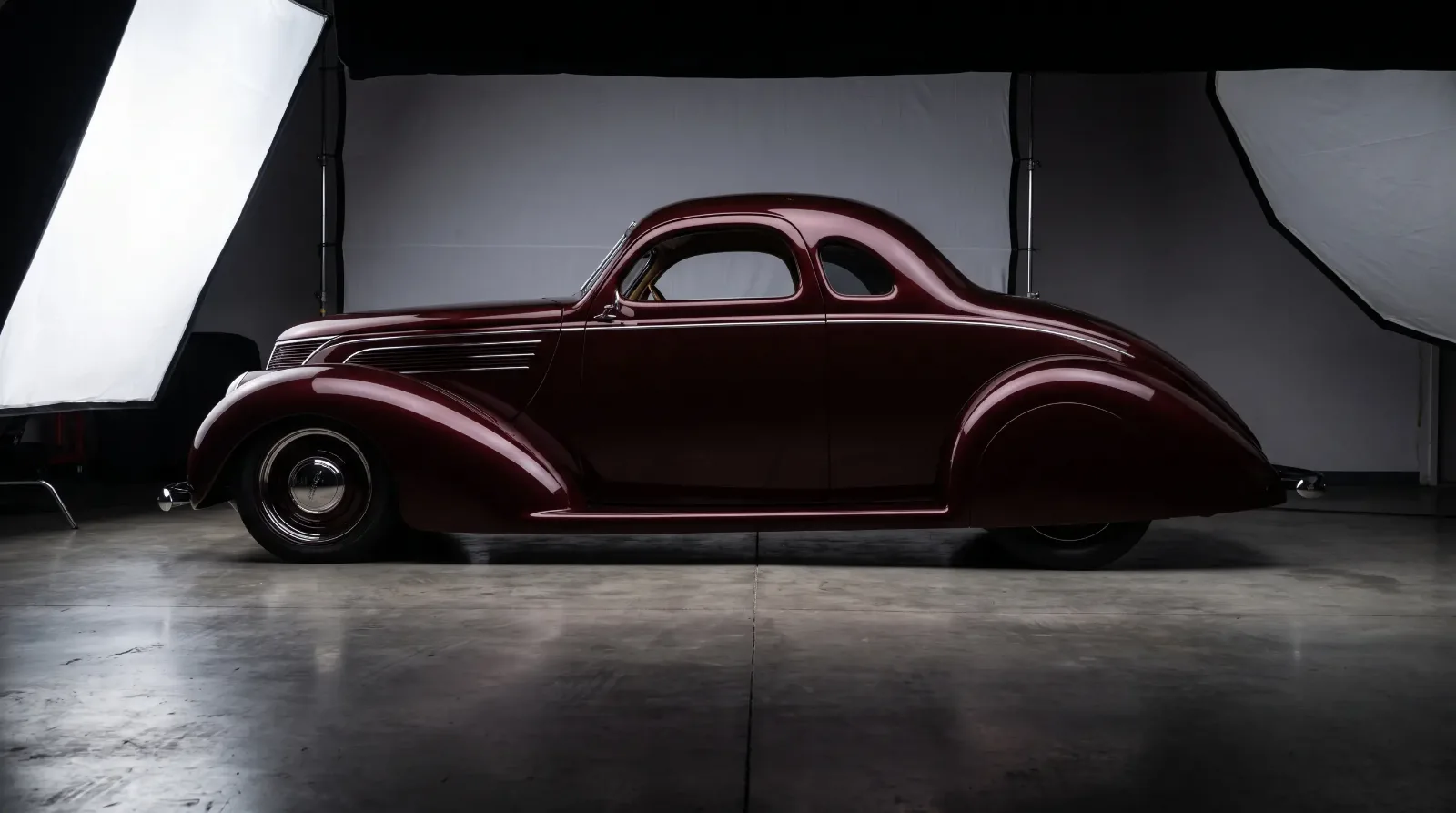
Buyers new to this category tend to focus on the chassis maker and treat the body as an afterthought. That's backward for cars from this era. In the art deco period, a wealthy customer bought a rolling chassis from one company and then commissioned an independent coachbuilder to design and hand-build the actual body. The name on the radiator got you the mechanicals. The name on the coachbuilder's plate, usually a small badge on the door sill or firewall, is what actually determines value. Two cars on the identical chassis can sit a full tier apart in price depending on which coachbuilder's hands shaped the panels. For the fuller picture of the movement these builders were working within, our deep dive on art deco coachbuilders lays out the broader design context.
What documentation actually does for value
A coachbuilt body without paperwork is a nice-looking guess. A coachbuilt body with an original build sheet, coachbuilder's ledger entry, or continuous ownership chain is a documented artifact, and the price gap between those two cars is not small, it is often the difference between a strong six-figure result and a mid five-figure one. I have watched auction rooms go quiet over a single confirmed ledger page. Before you get attached to a car's provenance story, ask for the paper. If the seller can't produce it, price the car as if the story doesn't exist yet, because for underwriting purposes, it doesn't.
A rough tiering of what drives the numbers
| Tier | What it typically means | Value impact |
|---|---|---|
| Tier 1 | Documented one-off body, original chassis and coachbuilder plate, continuous ownership history | Commands the strongest premium in the category |
| Tier 2 | Correct coachbuilder body, matching chassis, gaps in ownership records but no red flags | Solid value, some discount versus a fully documented car |
| Tier 3 | Coachbuilt body reunited with a chassis, or a well-executed recreation on a period chassis | Meaningful discount, buyers should confirm what was original versus recreated |
| Tier 4 | Replica or heavily altered body with no coachbuilder documentation | Priced as a driver or display piece, not as an original coachbuilt artifact |
"The chassis tells you what the car can do. The coachbuilder's plate tells you what someone will pay for it."
Marcus Feld
Liquidity: the part collectors underestimate
A documented, top-tier coachbuilt car from this era is not a liquid asset. The buyer pool for six-figure and up pre-war coachbuilt cars is small and specific, and a sale can take a full auction season or longer to find the right bidder. That's not a reason to avoid the category, it's a reason to buy for the long hold and not for a quick flip. If you need to convert to cash inside a year, this segment carries real downside risk regardless of how good the paperwork looks. Budget for that reality before you bid, not after.
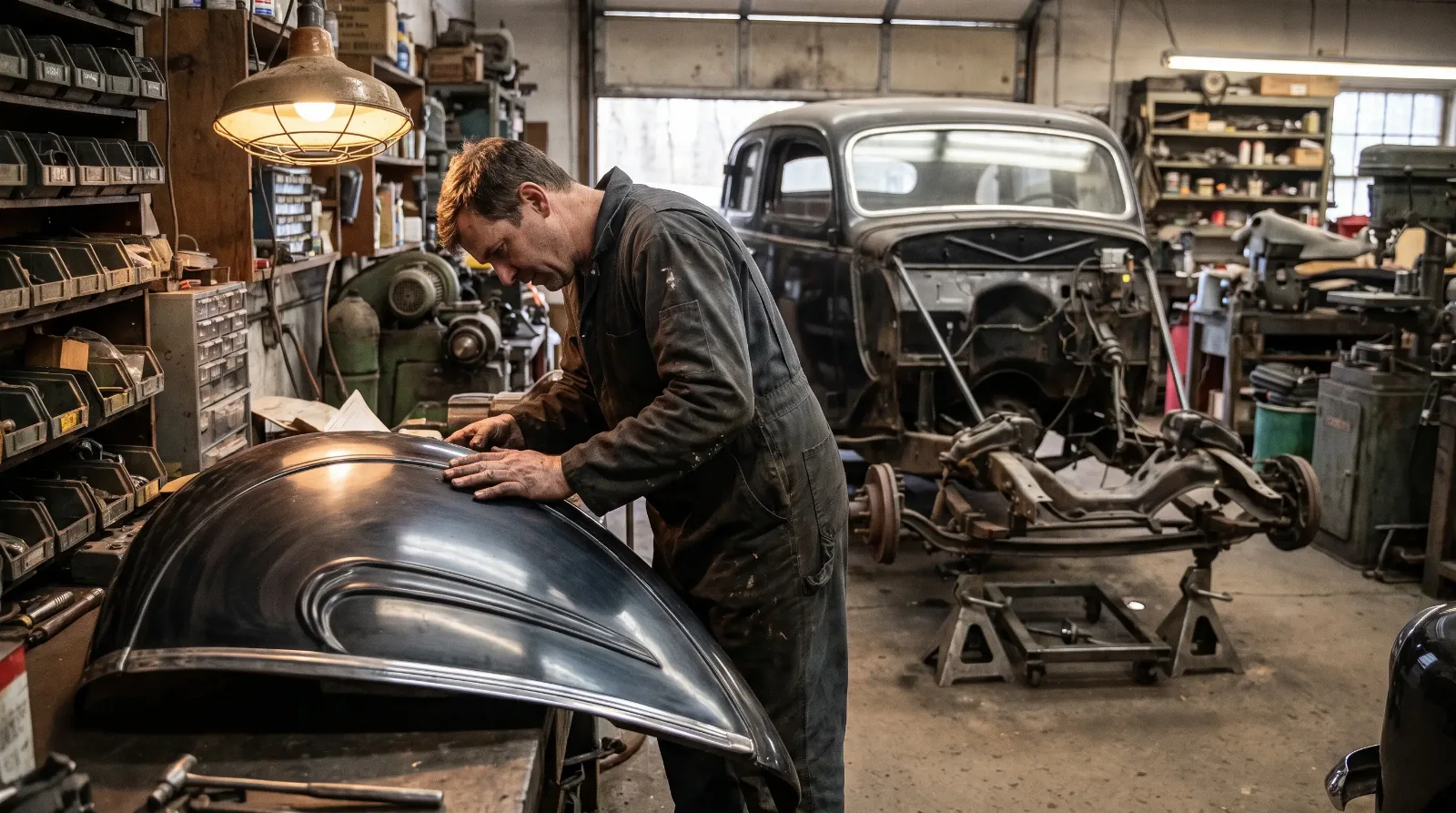
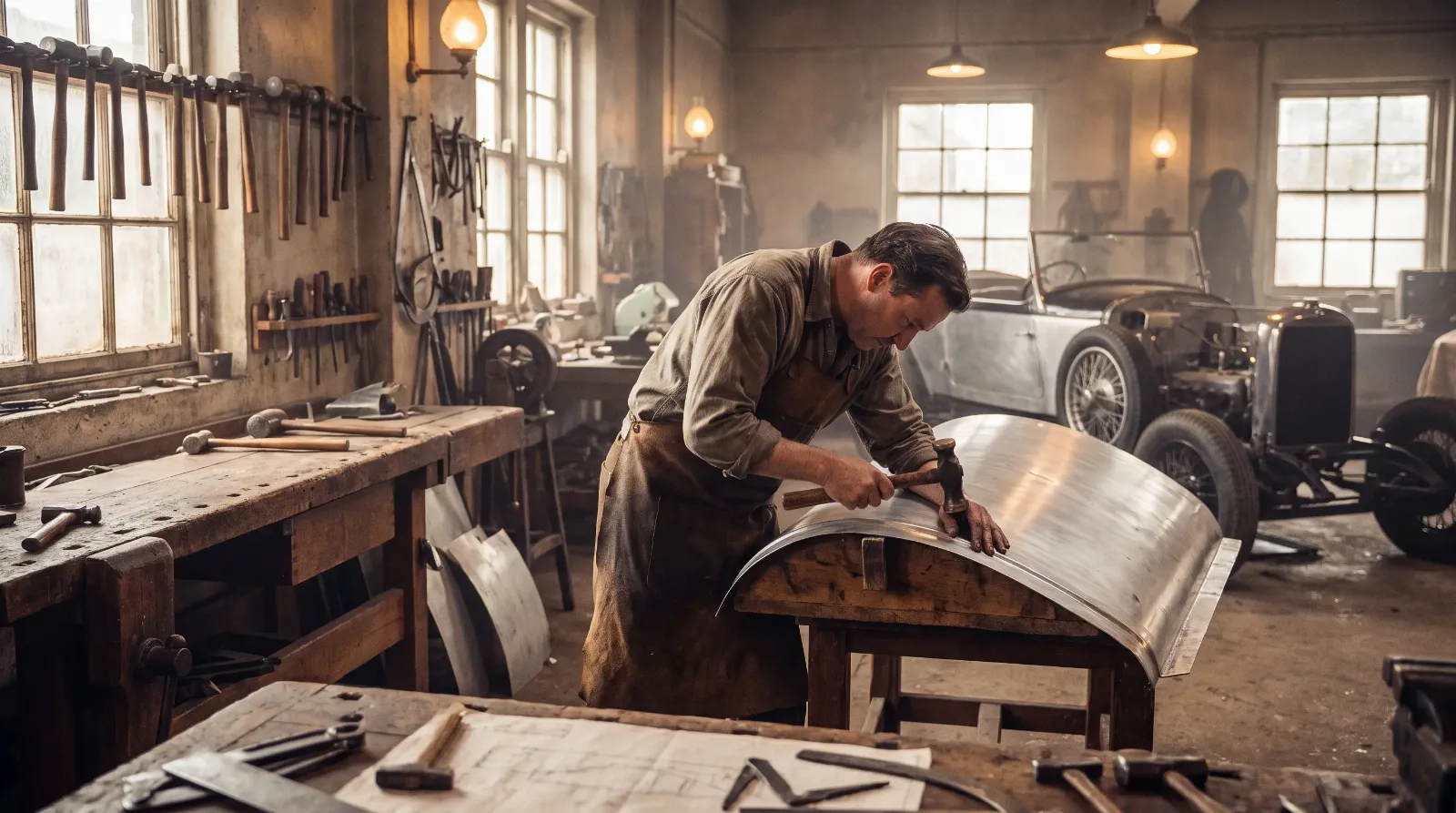
The other underappreciated risk is restoration cost blowing past the eventual sale price. A neglected coachbuilt body with hand-formed aluminum panels can run restoration costs that exceed a completed car's market value, especially on lesser-known coachbuilder names. Get a real estimate from a shop experienced with hand-built pre-war bodies before you assume a "project car" price reflects what it will actually cost to finish.
Reading the details that separate the great shops from the rest
The strongest coachbuilders of the period distinguished themselves through panel fit, hand-formed aluminum work with almost invisible seams, and design details, hood louvers, beltline moldings, door handle placement, that were consistent across a builder's output even when the underlying chassis varied. Learning to recognize a specific shop's habits by eye, before you even check the plate, is one of the more useful skills a serious buyer in this category can develop. It also happens to be one of the best defenses against a misattributed or dressed-up body being sold at a price that doesn't match its actual origin.
Regional differences matter here too. European coachbuilders and American custom-body shops developed distinct habits, in panel gauge, in how door gaps were finished, in the specific hardware used for window mechanisms, and a buyer who has handled enough cars from both traditions starts to recognize which continent a body came from before ever checking the plate. This is not a substitute for documentation, but it is a useful cross-check. A car whose construction details don't match its claimed coachbuilder of origin is a car that deserves closer scrutiny before any money changes hands.
Insurance and appraisal work in this category also depends heavily on comparable sales, and comps for coachbuilt cars are thinner than most collectors assume. A single well-documented sale of a comparable body can end up anchoring the market for an entire coachbuilder's output for years, which means a buyer or seller relying on outdated comps can be working from numbers that no longer reflect current demand. Pull recent auction results specific to the coachbuilder in question, not just the chassis maker, before agreeing to a number either way.
One more downside worth stating plainly: repair and restoration on a coachbuilt body almost always costs more than the same work on a mass-produced car of the same era, because the parts don't exist off the shelf. A dented fender on a factory-bodied sedan is a known quantity for a competent metal shop. The equivalent damage on a hand-formed, one-off coachbuilt panel requires someone who can work from the original curvature with no template to reference, and there are fewer of those craftsmen every year. Factor that scarcity into any purchase decision, not just the headline price of the car itself.
If you want to go deeper on coachbuilt cars beyond just this era's art deco output, keep reading for the broader category. And because ornament design was often handled by the same studios doing the body work, a related read covers how those small sculptural details factor into value as well. For the full sweep of what defines America's antique automobiles in this period, the pillar guide ties coachbuilt cars back into the wider pre-war landscape.