
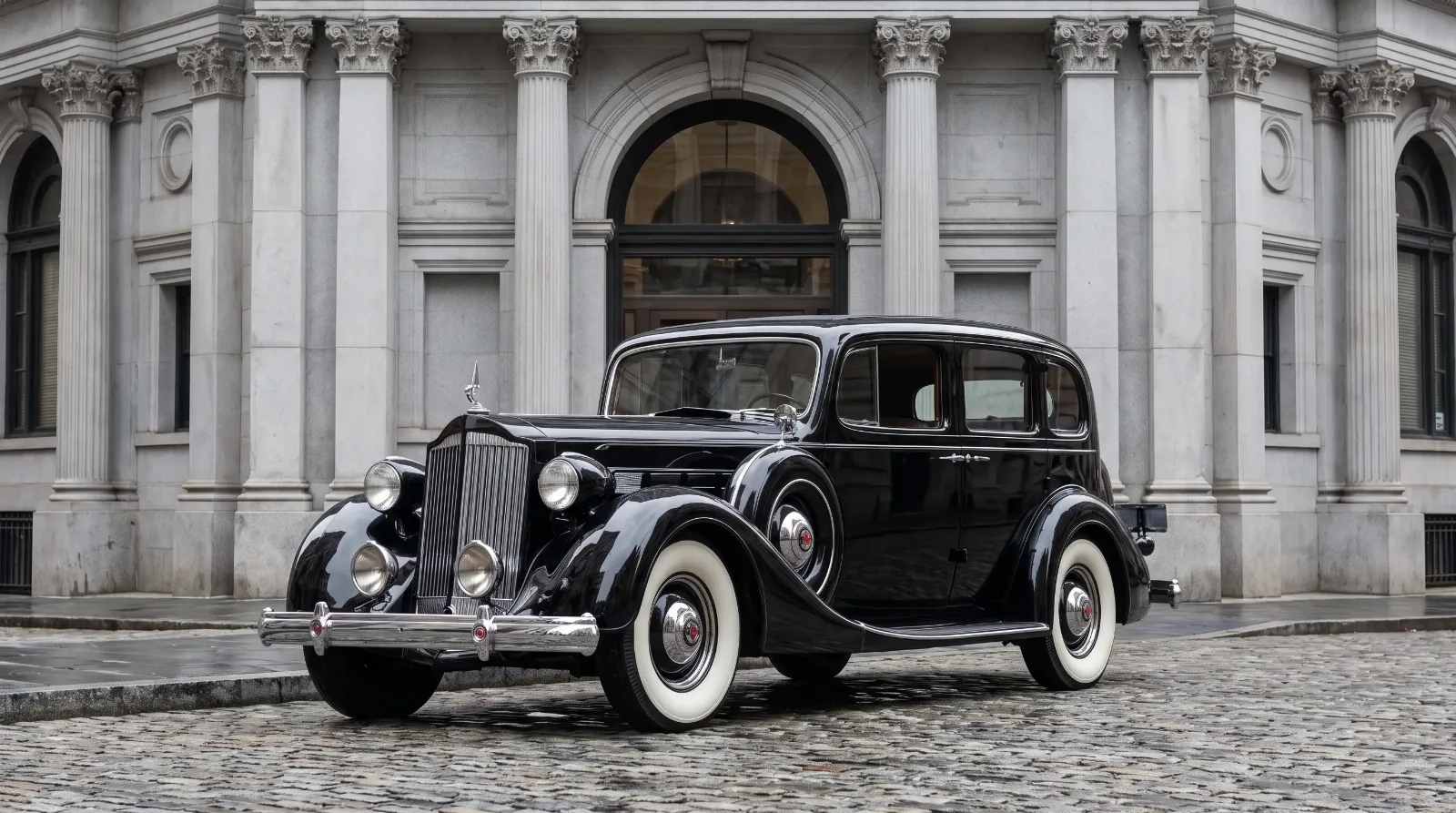
When a pre-war car breaks a major auction record, the headline focuses on the number. I focus on why that number is defensible. The cars that command the highest prices in this category share a specific combination: documented coachbuilt bodies from a top-tier house, exceptional originality or documented restoration, and a chassis maker whose reputation was already at the top of the market when the car was new.
Car Features
6 min read
The World's Most Expensive Pre-War Cars
Rarity alone does not set an auction record. Here is what really separates the most expensive pre-war cars from the rest of the market.
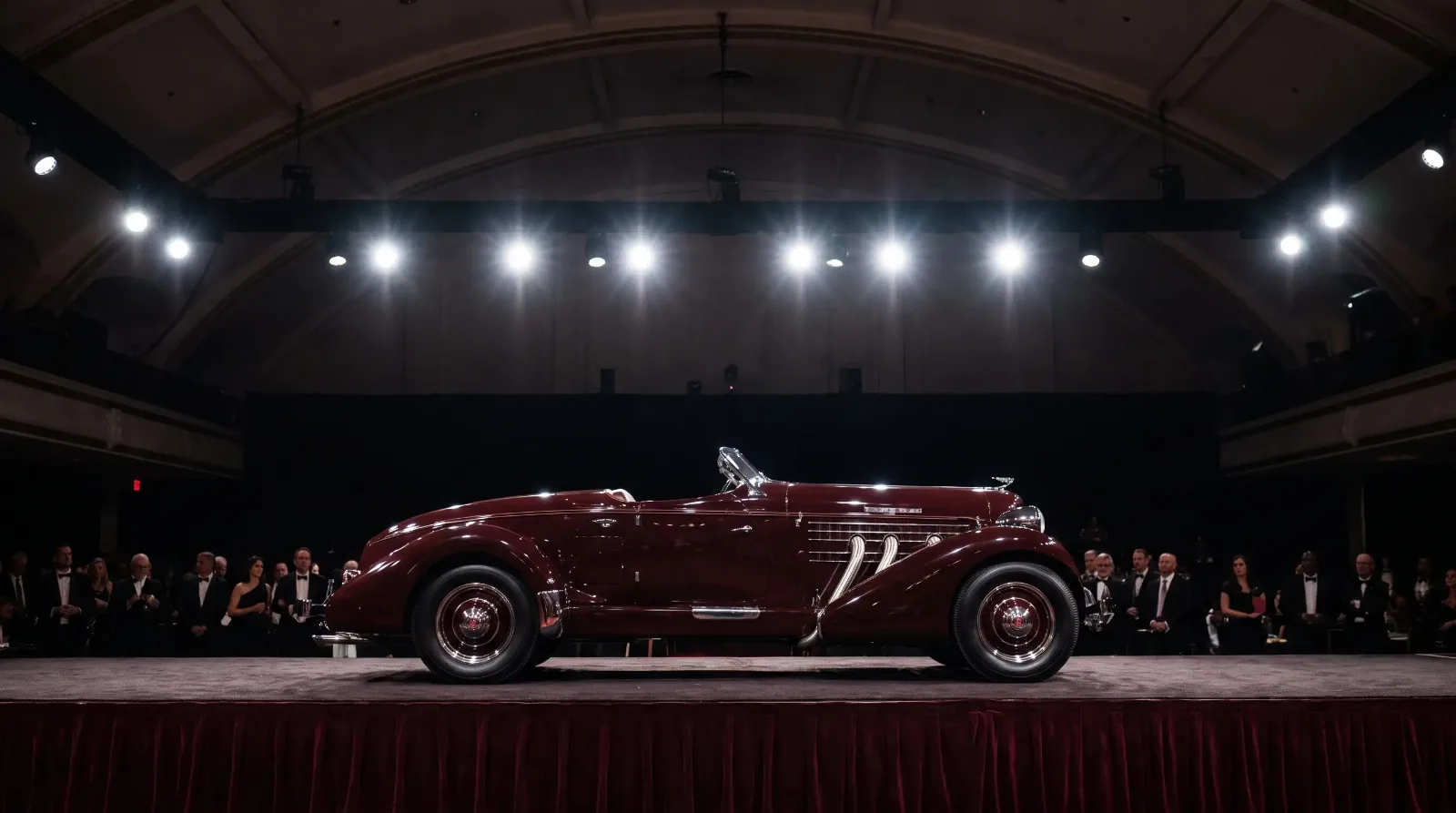
What actually drives price at the top of this market
Rarity alone does not set a record. A rare car with a muddy ownership history, a replaced body, or unresolved provenance questions will underperform against a less rare car with a clean, documented past. The cars that reach the highest prices at auction typically check every box: original coachwork intact, matching numbers where applicable, a continuous ownership chain, and often a design that was already considered exceptional when new, not just old.
Duesenberg SJ models, particularly those bodied by top houses like Murphy or LeBaron, sit near the top of nearly every list of the most valuable pre-war American cars. The supercharged SJ was already the fastest and most expensive American production chassis of its day, and surviving examples with original coachwork are genuinely few in number.
American versus European price ceilings
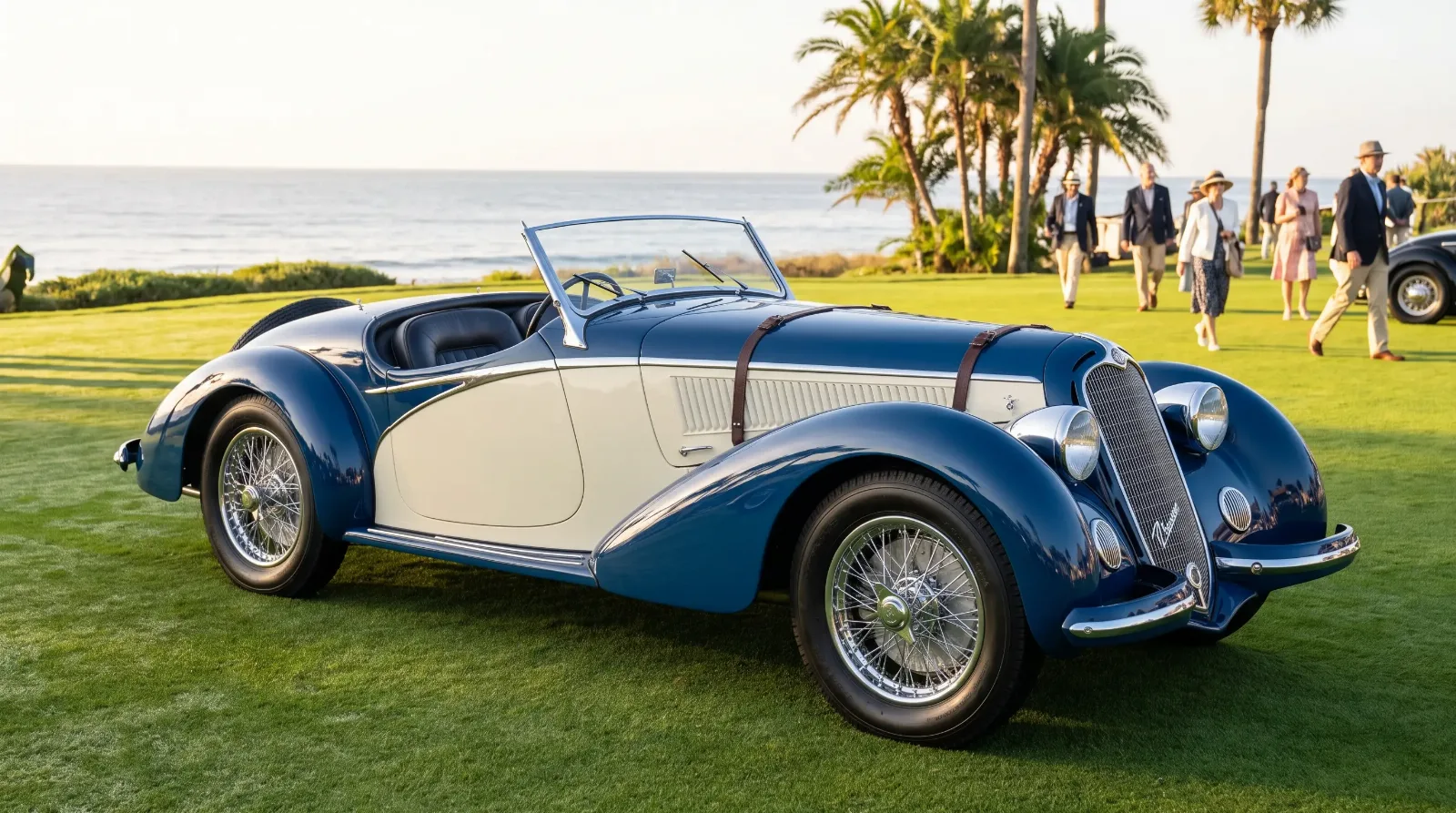
European coachbuilt cars, particularly from French and Italian houses working on Bugatti, Mercedes-Benz, and Alfa Romeo chassis, have in recent decades reached the same rarefied territory as the strongest American results at major auctions. A 1939 Alfa Romeo 8C 2900B Lungo Spider by Touring sold for $19.8 million at RM Sotheby's Monterey in 2016, at the time the highest price ever paid for a pre-war car at public auction. That record did not hold long, though: a 1935 Duesenberg SSJ, one of only two built and originally delivered to Gary Cooper, sold for $22 million at Gooding's Pebble Beach sale in 2018, putting an American coachbuilt car back on top of the pre-war public auction ledger. The two markets now trade blows near the same ceiling rather than one clearly outrunning the other, and the exact figures shift year to year depending on which specific car and sale you're looking at.
Why condition assessments differ from newer cars
Grading a pre-war coachbuilt car is not the same exercise as grading a postwar collector car, and I tell newer clients this often. Originality carries more weight here than it does almost anywhere else in the hobby, because a sympathetic, well-executed restoration on a coachbuilt body can still lose real value against an original, unrestored example in genuinely sound condition, even one showing honest wear. That's the reverse of how most people intuitively think about condition. A hard-driven, honestly aged original car with intact wood framing and its first paint underneath later coats can outvalue a beautifully restored car that replaced structural wood or reshaped panels during the work, because the original hand-built structure itself is part of what's being valued, not just the surface presentation.
The role of concours results
A car that has won or placed well at a major concours, Pebble Beach chief among them for this category, often carries a price premium beyond what condition alone would explain. That premium reflects a kind of independent verification: a panel of judges familiar with these marques examined the car closely and confirmed it met a certain standard of originality and presentation. Buyers at the top of this market treat a strong concours record the way a bond buyer treats a credit rating, not a guarantee, but a meaningful signal that reduces the due diligence they'd otherwise have to do themselves.
I would caution against over-weighting a single result, though. Concours judging standards and panels change from year to year, and a strong showing at one event does not automatically transfer to every future sale. What matters more over time is a consistent pattern: multiple strong showings, consistent expert opinion, and documentation that holds up under repeated scrutiny rather than a single high mark.
Reading a high price correctly
| Factor | Effect on price ceiling |
|---|---|
| Original coachbuilt body, documented | Highest positive impact, hardest to fake or replicate |
| Continuous, traceable ownership history | Removes buyer uncertainty, supports top-end bidding |
| Known competition or design pedigree | Adds a story beyond the object itself |
| Replaced or re-bodied at any point | Meaningful discount even if craftsmanship is excellent |
Buyers new to this tier sometimes assume a lower estimate signals a lesser car, but estimates are often set conservatively on purpose, to encourage active bidding rather than to predict the final result. I tell clients not to chase a headline number without asking what specifically produced it. A record sale on one exceptional Duesenberg SJ does not mean every SJ is worth that figure, it means that particular car cleared every hurdle a buyer at that level cares about. Condition, documentation, and originality separate a strong six-figure car from an eight-figure one far more than the model name alone.
"The number people remember is the hammer price. The number that actually matters is what got that car there: the paperwork, the body plate, the fact that nobody has to take your word for any of it. Take away the documentation and the same car is worth a fraction, no matter how good it looks in photographs."
Marcus Feld
Where this fits in the broader pre-war market
These headline results sit at the extreme top of a much larger market. Most coachbuilt pre-war cars, including genuinely well-documented ones, sell for a fraction of record-setting figures, and that broader middle tier is where most collectors actually transact. For more on why documentation moves the needle so heavily in this category, the expensive pre war cars story covers how coachbuilder provenance is verified in the first place.
American coachbuilt luxury makes up a large share of this top tier, and the next installment looks closely at the three marques, Duesenberg, Packard, and Pierce-Arrow, that defined it. For the wider context of the era these values are rooted in, see the pre-war classics story. If you're browsing rather than researching, you can also look at vintage cars for sale to see where current listings sit relative to these auction benchmarks.
Sources and notes
Related Reading
Have a
Classic Car
for Sale?
Reach thousands of serious classic car collectors across the US.
Sell It Here →
Are You a Classic Car Dealer?
List your full inventory and connect with targeted classic car buyers.
Join as a Dealer →

About the author
Marcus Feld
Accredited collector-car appraiser who reads the market through hammer prices, condition tiers and risk.




Comments
Be the first to comment on this article.