
Three years into its run, Plymouth finally gave the Barracuda a chance to stand on its own. The 1967 barracuda redesign scrapped the Valiant-derived body that had defined the car since 1964 and replaced it with sheet metal built specifically for the Barracuda nameplate, a shift that changed both how the car looked and how it competed against the rivals that had multiplied around it since launch.
Car Features
7 min read
The 1967 Barracuda Redesign: Its Own Car at Last
The 1967 redesign gave the Barracuda its own body for the first time, widening the engine bay and adding notchback and convertible styles that set up its muscle car future.
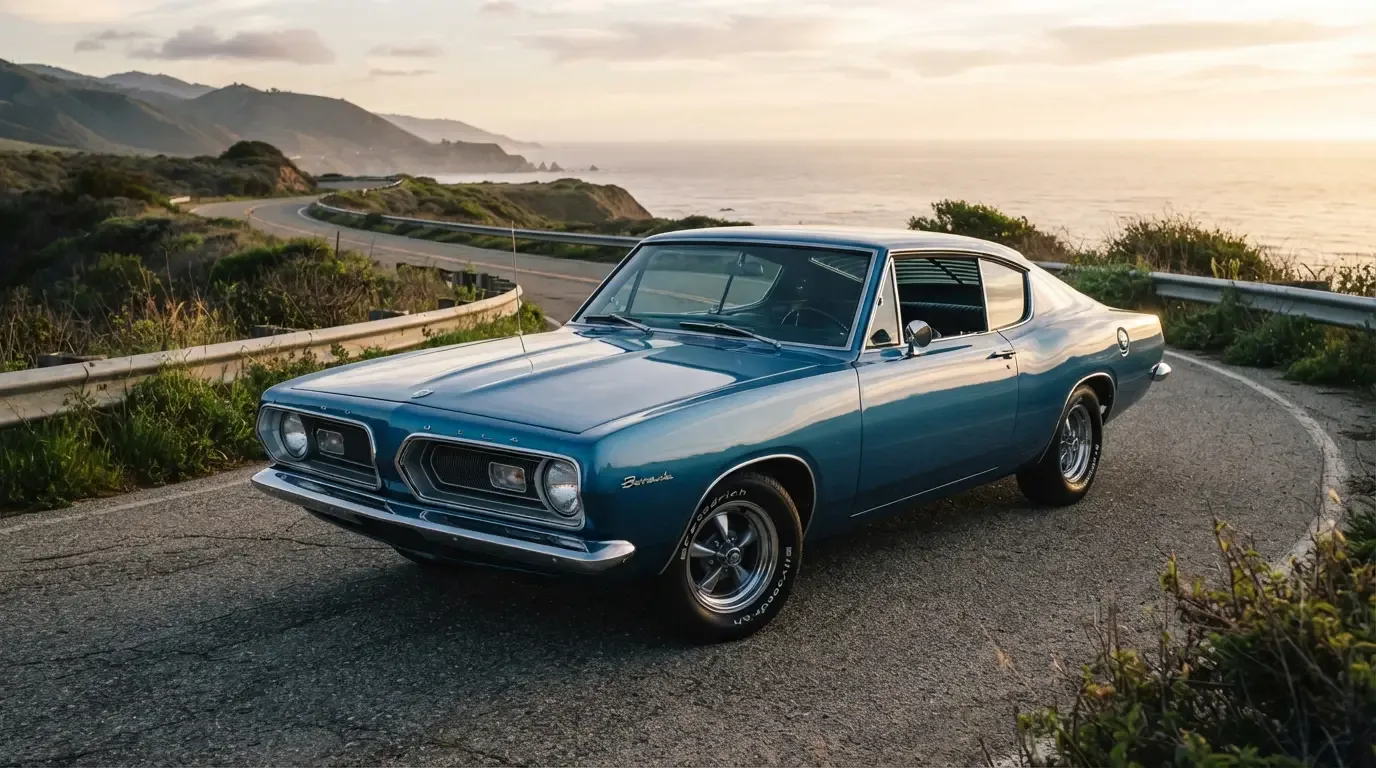
Why Plymouth finally cut the Valiant ties
The first-generation Barracuda's biggest structural limitation had never been a secret. Sharing doors, floor pan, and cowl with the Valiant kept development costs down at launch, but it also meant the car could never fully escape being read as a dressed-up economy compact, no matter how dramatic the fastback glass looked. By 1966, with the Mustang selling in huge numbers and Chevrolet preparing to launch the Camaro, Plymouth's leadership understood that a car built on genuinely shared bones with an economy sedan could not keep competing credibly at the top of the pony car segment.
The redesign gave Plymouth's engineers and stylists a real budget and a real mandate to build a body specifically for this car rather than adapting one designed for something else. The result was a Barracuda that finally looked like its own model from every angle, not just from the fastback glass back.
What actually changed under the new sheet metal
The 1967 redesign widened the car, lowered it, and gave it a wheelbase and track dimensions distinct from the Valiant it had shared with for three model years. This was not a cosmetic refresh. It was a genuine platform update that allowed for a wider engine bay, which mattered enormously because it opened the door to bigger V8 options than the first generation could accommodate. Where the original Barracuda had topped out with the 273 cubic inch V8 as its performance option, the redesigned car could eventually house engines the earlier chassis simply had no room for.
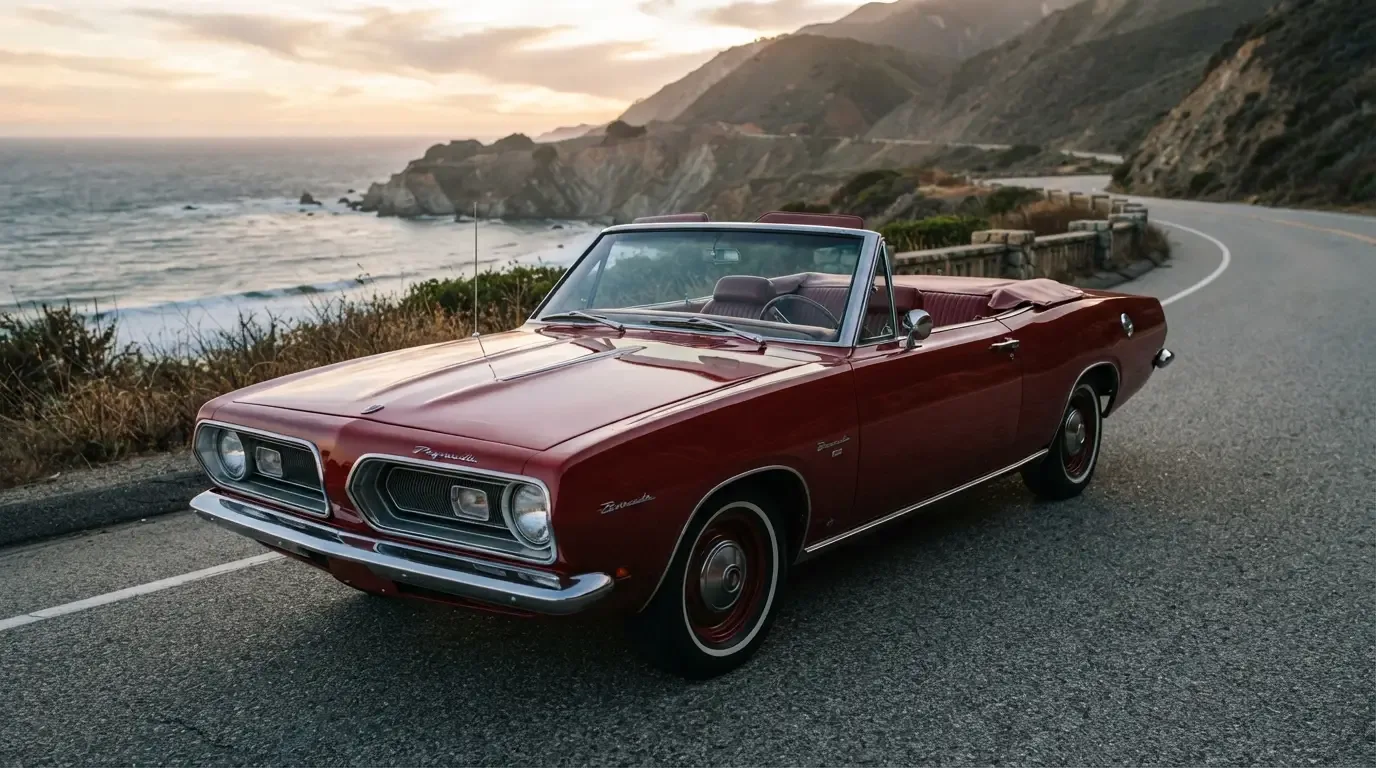
Plymouth also expanded the body style lineup with this redesign, adding a notchback coupe and a convertible alongside the fastback that had defined the nameplate since 1964. That expansion mattered commercially, since not every buyer wanted the fastback's dramatic roofline, and offering more conventional body styles opened the Barracuda up to a broader slice of the pony car market that had been buying Mustangs and would soon be shopping Camaros as well.
"The 1967 car is where the Barracuda stopped apologizing for its origins. Everything before that year was Plymouth working around a Valiant. Everything after is Plymouth building its own car."
- Tom Ramirez
How the market received the new car
Buyers and the automotive press generally recognized the 1967 redesign as a significant step forward, since the car finally photographed and drove as its own distinct model rather than an obvious variant. Sales responded positively compared to the tail end of the first generation, helped along by the broader body style lineup and the improved competitiveness the wider engine bay provided against Mustang and Camaro's own expanding options lists.
The redesign also positioned the Barracuda for the direction it would take over the following two model years, as bigger engine options continued to arrive and the car increasingly competed directly as a genuine muscle car rather than simply a sporty compact. That trajectory would eventually lead to the 426 Hemi option later in the second generation, a development that would have been structurally impossible under the original 1964 architecture.
Placing 1967 within the full Barracuda story
Understanding this redesign in context matters for anyone trying to make sense of how differently the three body styles and various engine options within second generation barracuda history compare to the more limited first-generation lineup that preceded them. The gap between what a 1966 Barracuda could offer and what a 1967 model could offer is one of the largest single-year jumps in the nameplate's entire run.
For readers interested specifically in how the body style choices played out across this new platform, a related story breaks down the fastback, notchback, and convertible options that arrived alongside this redesign in more detail.
The styling choices that carried the new platform
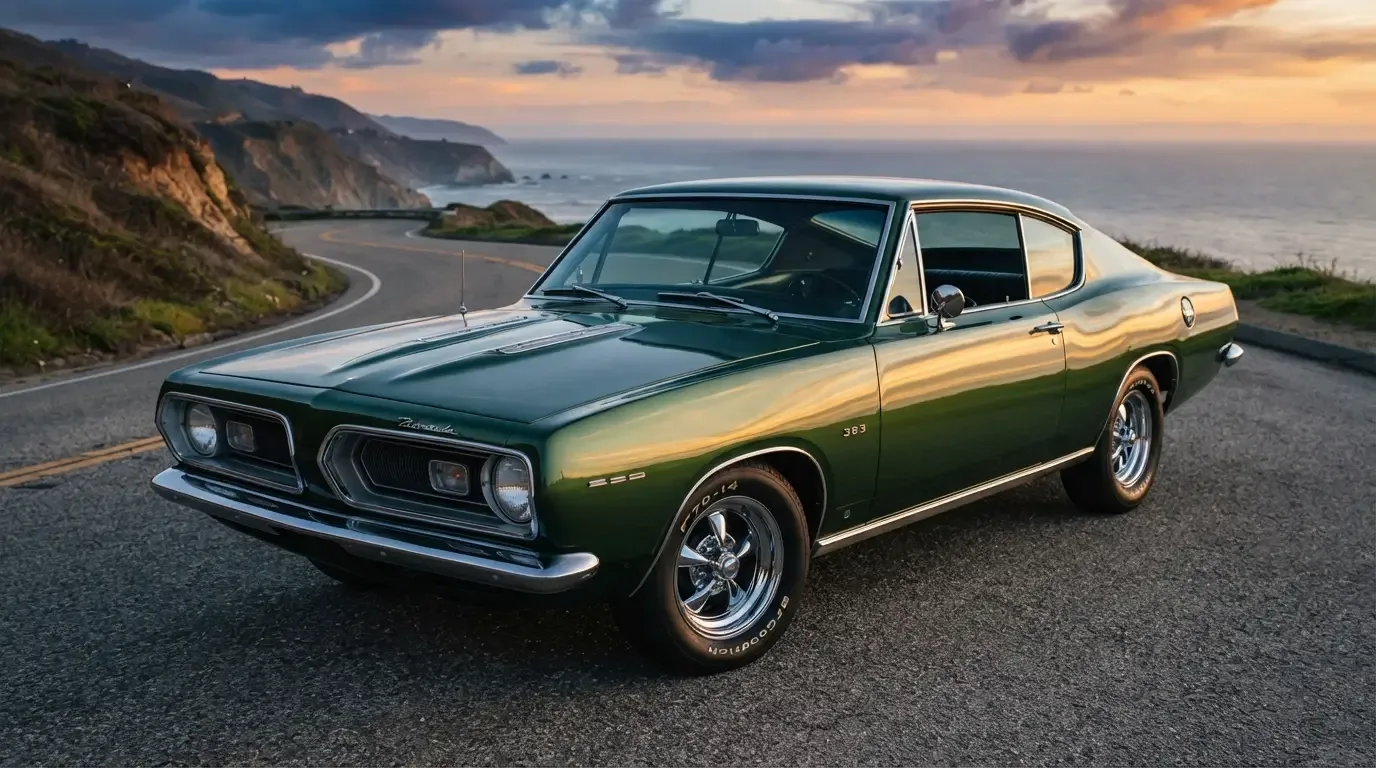
Plymouth's designers used the freedom of an all-new body to give the 1967 Barracuda a more sculpted, purposeful look than the outgoing car had managed. The fastback retained its signature glass but wrapped it into a lower, wider body with a more pronounced character line down the flank, and the new notchback and convertible variants gave the nameplate a visual range it had never had before. Where the 1964 through 1966 cars had essentially one silhouette to work with, the redesigned lineup let a buyer choose the sportier fastback, the more formal notchback, or open-air convertible motoring, all sharing the same underlying platform and drivetrain choices.
Inside, the redesign brought a genuinely new dashboard and instrument layout, replacing the Valiant-adjacent cabin of the first generation with a cockpit that looked and felt purpose-built for a performance car. Deep-set gauges, a more aggressive console design on cars so equipped, and a wider range of interior trim and color combinations all helped the cabin match the ambition of the new sheet metal outside. None of it would have mattered as much without the wider engine bay underneath, but the combination of a genuinely new body, a genuinely new cabin, and genuinely new power made the 1967 car feel like a clean break rather than an evolution.
Why this year matters to collectors today
The 1967 redesign represents a genuine dividing line in Barracuda history, and cars from this year onward tend to draw a different kind of collector interest than the earlier Valiant-based models, since the wider body and expanded engine options connect more directly to the muscle car identity the nameplate eventually built. If this transitional year has caught your attention, you can check out Barracudas for sale now to compare how the final first-generation cars stack up against the redesigned models that followed.
Restoration and collector interest in the 1967 model specifically has grown as buyers have come to understand it as the true origin point of the Barracuda that most enthusiasts picture, the wide-bodied, big-engine muscle car rather than the compact fastback that launched the nameplate three years earlier. A well-documented 1967 car, particularly one with an early big-block option or a rare notchback body style, occupies an interesting middle position in the market, carrying more historical significance than a plain first-generation coupe while still trading well below the prices commanded by the later Hemi-equipped cars that the redesign eventually made possible.
That middle position is exactly what makes the year appealing to a certain kind of buyer. Someone who wants to own a genuine turning point in American automotive design, rather than either the modest original or the seven-figure Hemi endpoint, finds a natural home in a 1967 car. It offers the wider stance, the new platform, and the first taste of the bigger engines to come, all without asking a buyer to compete for the same handful of documented Hemi cars that dominate headline auction results. For a collector who values the story of how the Barracuda became a genuine muscle car as much as the destination it eventually reached, the 1967 redesign is arguably the single most important model year in the nameplate's history to own and understand.
Sources and notes
Related Reading

About the author
Tom Ramirez
Corvette researcher and historian based in Bowling Green, Kentucky. Two decades documenting Corvette production history from original factory records.
Related Listings - Plymouth Barracuda
Comments
Be the first to comment on this article.