
The 1967 Barracuda arrived as an entirely new animal, and for the first time Plymouth offered it in three distinct body styles instead of one. The 1967 Barracuda body styles, fastback, notchback, and convertible, were not a marketing gimmick tacked onto a leftover Valiant. They were the point of the redesign. Plymouth had watched the Mustang eat into pony car sales for two full seasons and answered with a car that finally looked like it wanted the fight.
Car Features
7 min read
Fastback, Notchback and Convertible: 1967 Body Styles
In 1967 Plymouth split the Barracuda into three body styles for the first time. Here is how the fastback, notchback, and convertible each earned their place in the lineup.
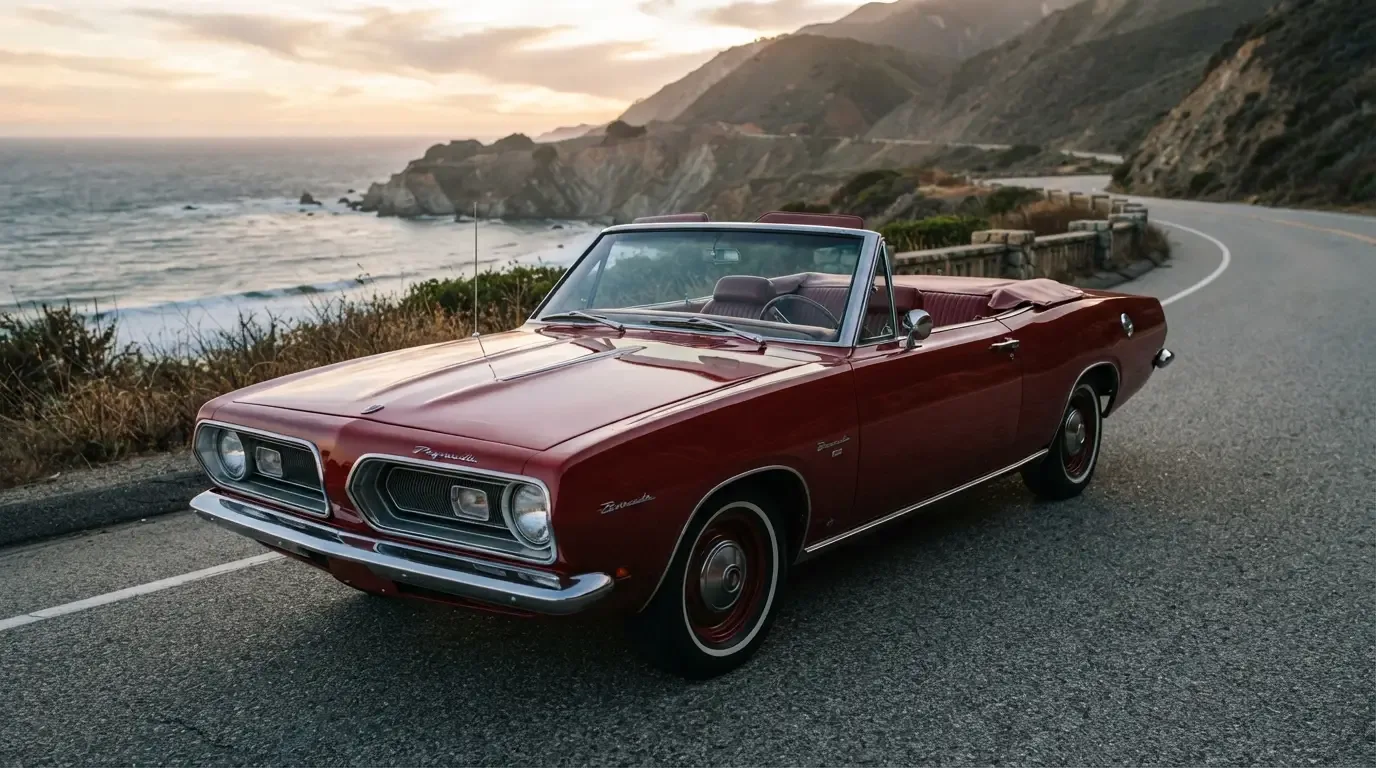
Three roofs, one intention
Before 1967, the 1966 Barracuda was a single fastback body grafted onto a Valiant, and buyers who wanted anything else simply did not have the option. The second generation ended that limitation. Plymouth engineers widened the car, gave it its own sheet metal from the cowl forward, and then split the lineup into a two door hardtop with a conventional trunk, a fastback with a sweeping rear window, and a convertible aimed squarely at buyers who wanted the pony car look with the top down.
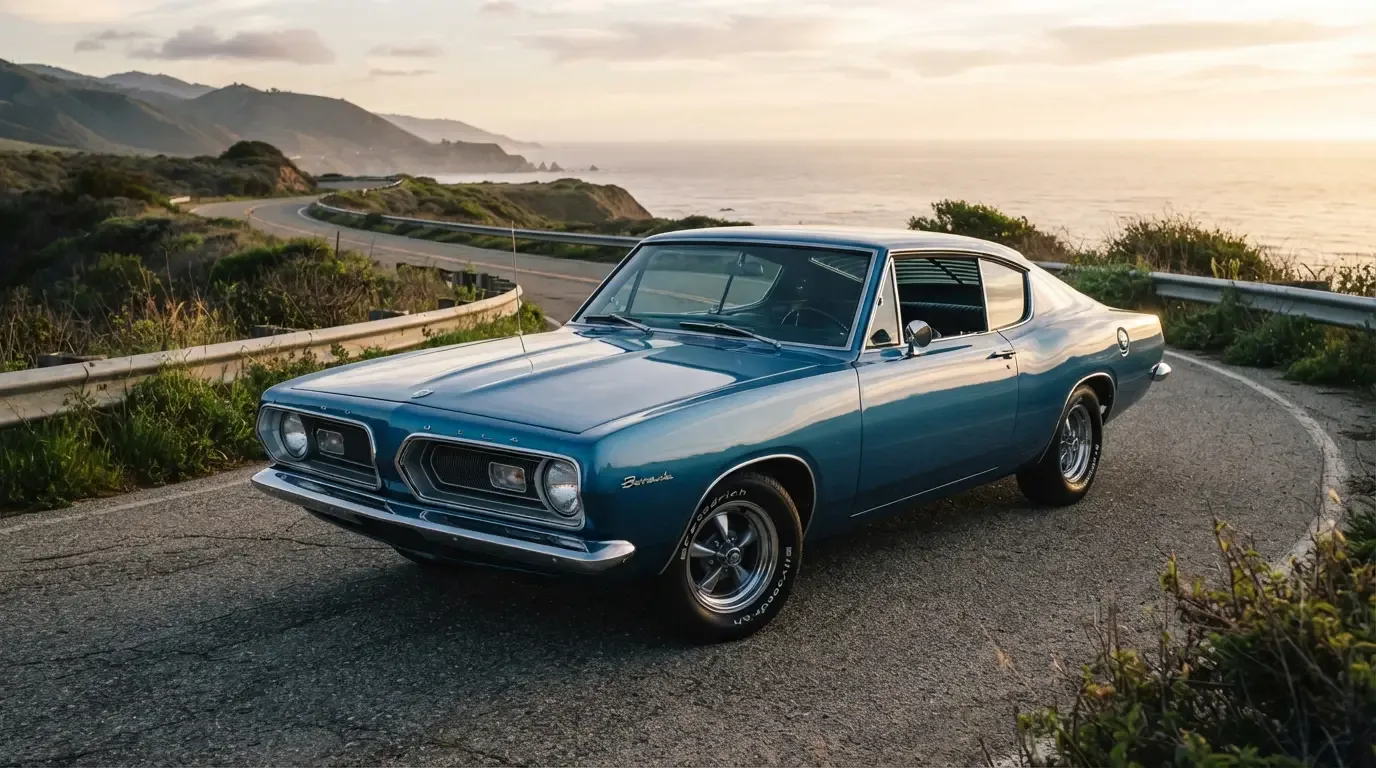
The notchback, often called the hardtop in factory literature, is the body most collectors overlook today. It carried none of the fastback's drama, but it offered better rear visibility and a more formal profile that some period buyers preferred outright. Plymouth was not chasing a single customer with this car. It was chasing three different ones at once.
Look at the sales brochures from that model year and the reasoning becomes obvious. Plymouth photographed all three bodies side by side, in the same colors, on the same page, as if daring the shopper to pick a favorite rather than settle for whatever happened to be on the lot. That was a deliberate change from the first generation, when the fastback was the only picture worth printing because it was the only car worth printing.
The wider stance mattered as much as the extra roof choices. The 1967 car rode on a chassis stretched two inches in wheelbase and widened enough to accept a genuine big block down the line, something the original Valiant based unibody never could have handled. Body style choice and mechanical ambition arrived together that year, not as separate decisions.
The fastback and its glass
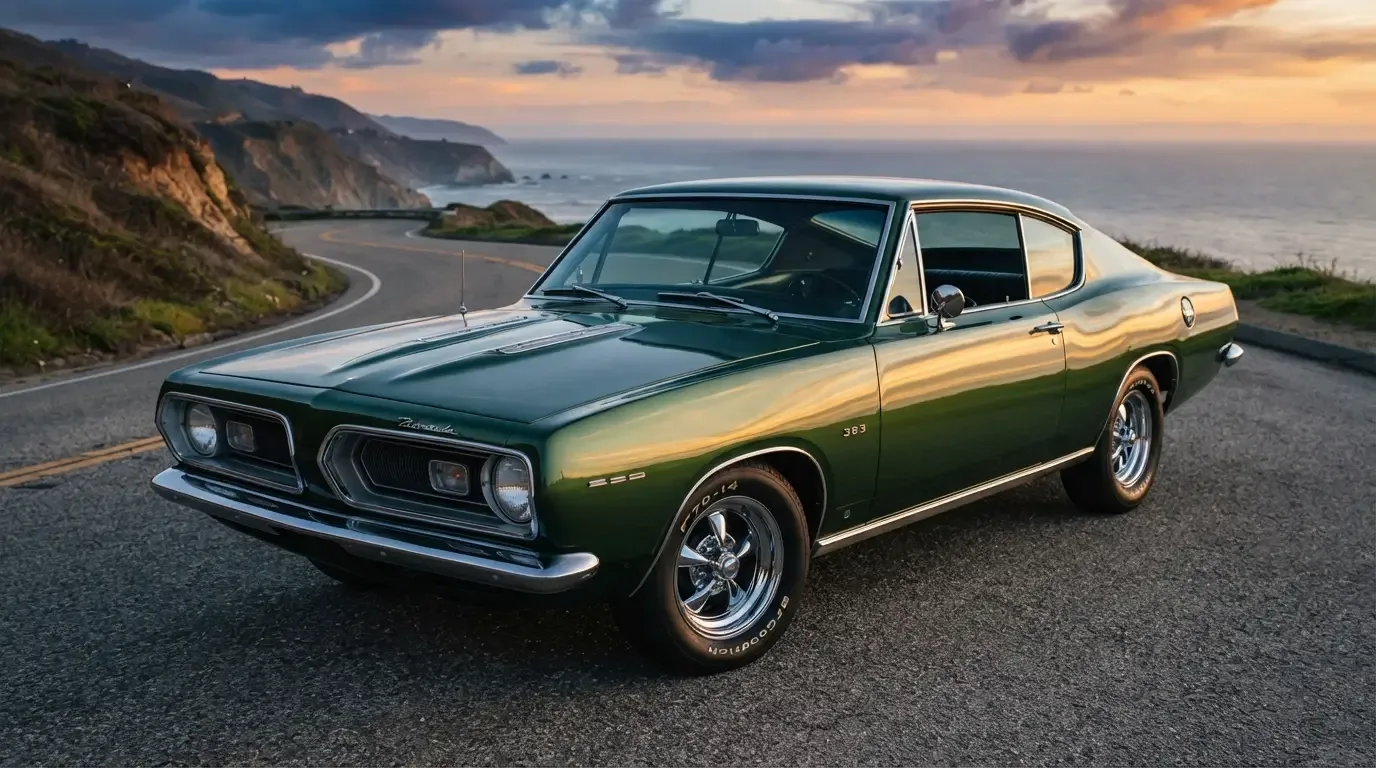
The fastback is the body most people picture when they hear the name Barracuda, and it earned that reputation honestly. Its rear window was a single curved piece of glass, a genuine engineering statement for a mid priced car in 1967. The effect from the rear three quarter view is still the strongest argument for the fastback over its two siblings, and it is the body style that appears most often in period advertising.
The fastback's proportions came with a real functional tradeoff. Rear headroom suffered next to the notchback, and the enormous glass area made the cabin considerably harder to keep cool in summer without factory air. None of that stopped it from becoming the signature shape of the generation.
Restorers who have replaced one of these rear windows will tell you it is not a casual undertaking, and that difficulty is exactly why so many fastbacks on the show circuit today still wear cracked or hazed original glass rather than risk a poor reproduction fit. The body style that looked the most dramatic in 1967 is often the one that costs an owner the most to keep looking that way five decades later.
Inside, the fastback's dash and rear seat area were shared with the notchback, so the difference between the two really did come down to the roofline and the glass behind the driver. Plymouth did not reinvent the interior for each body, it reinvented the silhouette, and that is a distinction worth keeping straight when a seller calls a notchback a fastback simply because both wear a Barracuda badge.
The convertible's short window
The convertible occupied an odd position in the lineup. It shared none of the fastback's visual drama and none of the notchback's practicality, but it offered something neither could: open air motoring in a genuine pony car body. Production numbers on the ragtop were modest next to the other two styles, which makes surviving factory original examples meaningfully harder to source today than either coupe variant.
Buyers cross-shopping a Mustang or Camaro convertible in 1967 had plenty of options, and the Barracuda convertible never captured the volume its coupe siblings did. That relative scarcity has worked in its favor with today's collectors, who tend to value the open cars at a premium over comparable fastbacks in similar condition.
The convertible also carried its own set of structural changes that most buyers never think about. Removing a fixed roof from a unibody car means adding reinforcement somewhere else, and Plymouth's engineers stiffened the rocker panels and floor to compensate. That extra structure adds weight the coupes never carried, a detail that shows up in period road tests whenever the convertible is compared directly against a fastback with the same engine.
| Body style | Roofline | Notable trait |
|---|---|---|
| Notchback | Formal hardtop | Best rear visibility, most overlooked today |
| Fastback | Sweeping one piece glass | Signature silhouette of the generation |
| Convertible | Folding soft top | Lowest production, strongest collector premium |
Choosing between them today
Anyone shopping the 1967 model year has to think about which body style actually fits how the car will be used and shown. The fastback draws the crowd at a cruise night. The notchback drives better in daily traffic and rides a little quieter. The convertible commands the strongest premium and the longest wait if you want a numbers matching example. None of the three is a wrong answer, but each one is a different ownership experience wearing the same badge.
For the full account of how this generation came together, including the engineering decisions behind the new unibody platform, see our complete history of the era. If you are ready to go look at real cars rather than just read about them, you can find a classic Barracuda through current listings.
"People assume the fastback was the only real Barracuda in 1967. Walk a car show and count the notchbacks still standing. Somebody bought those on purpose, and somebody is still driving them."
- Sarah Whitfield
The lesson from 1967 is simple enough. Plymouth stopped offering one shape and started offering a philosophy, three ways to wear the same new platform. That decision alone separates the 1967 Barracuda body styles conversation from anything the first generation car could claim, and it is why the year still gets argued over by people who were not even alive to see it happen the first time.
What to check before you buy
Documentation matters more with this generation than with almost any Plymouth that followed. Fender tags and broadcast sheets confirm which body a given car left the factory wearing, and that paperwork is worth chasing down before money changes hands. Sellers occasionally describe a notchback with a fastback style rear window swap as original, and only the factory codes settle the argument.
Rust is the other constant across all three bodies. The unibody construction that made the 1967 redesign possible also means corrosion in the trunk floor, rear frame rails, or rocker panels compromises structural integrity in a way a body on frame car would tolerate more gracefully. Any of the three body styles can hide serious rot behind a fresh coat of paint, so a magnet and a flashlight belong in every prospective buyer's toolkit regardless of which roofline they favor.
Sources and notes
Related Reading

About the author
Sarah Whitfield
Third-generation classic car collector specializing in pre-war American and European coachbuilt automobiles. Researcher and concours enthusiast.
Related Listings - Plymouth Barracuda
Comments
Be the first to comment on this article.