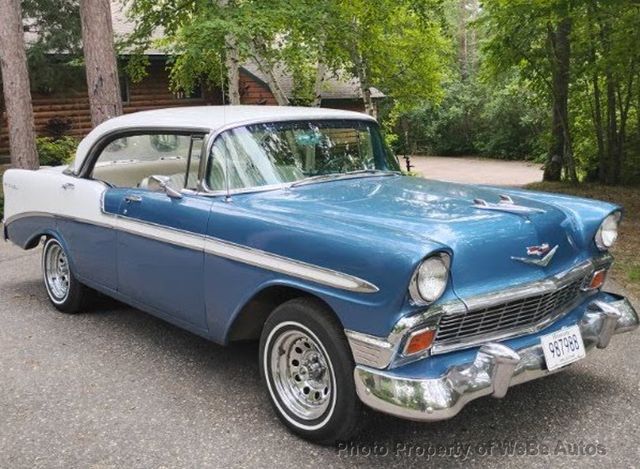
The 1957 Chevy Fuelie 283 gets talked about more than it was ever actually bought. That is the first thing to understand about it. Fuel injection was expensive, it was unfamiliar to most dealers and mechanics, and most 1957 Bel Air buyers walked past it for a four-barrel carburetor that did nearly as much for a lot less trouble. What survives in the collector world is a small, well-documented slice of that original run, and the gap between the legend and the actual production numbers is where most of the confusion about this engine comes from.
What Fuelie actually means
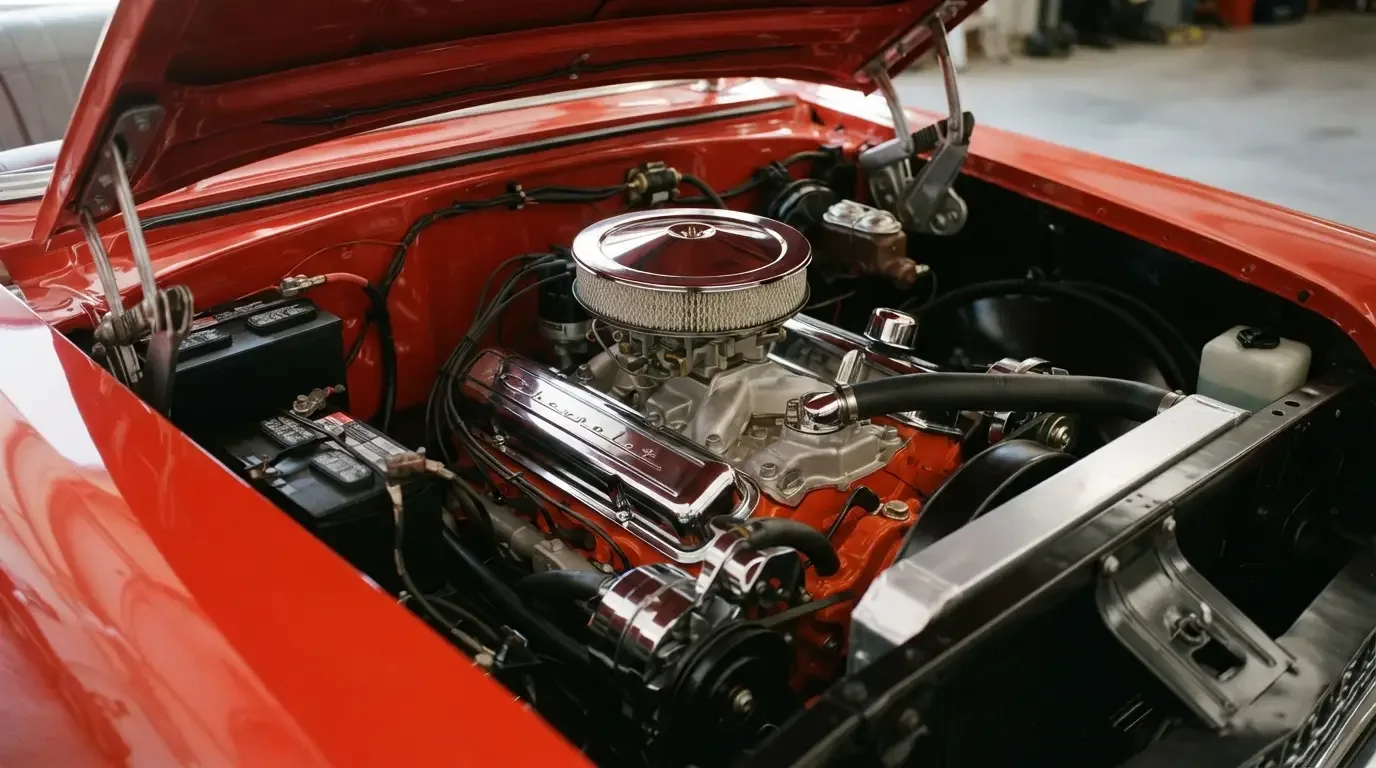
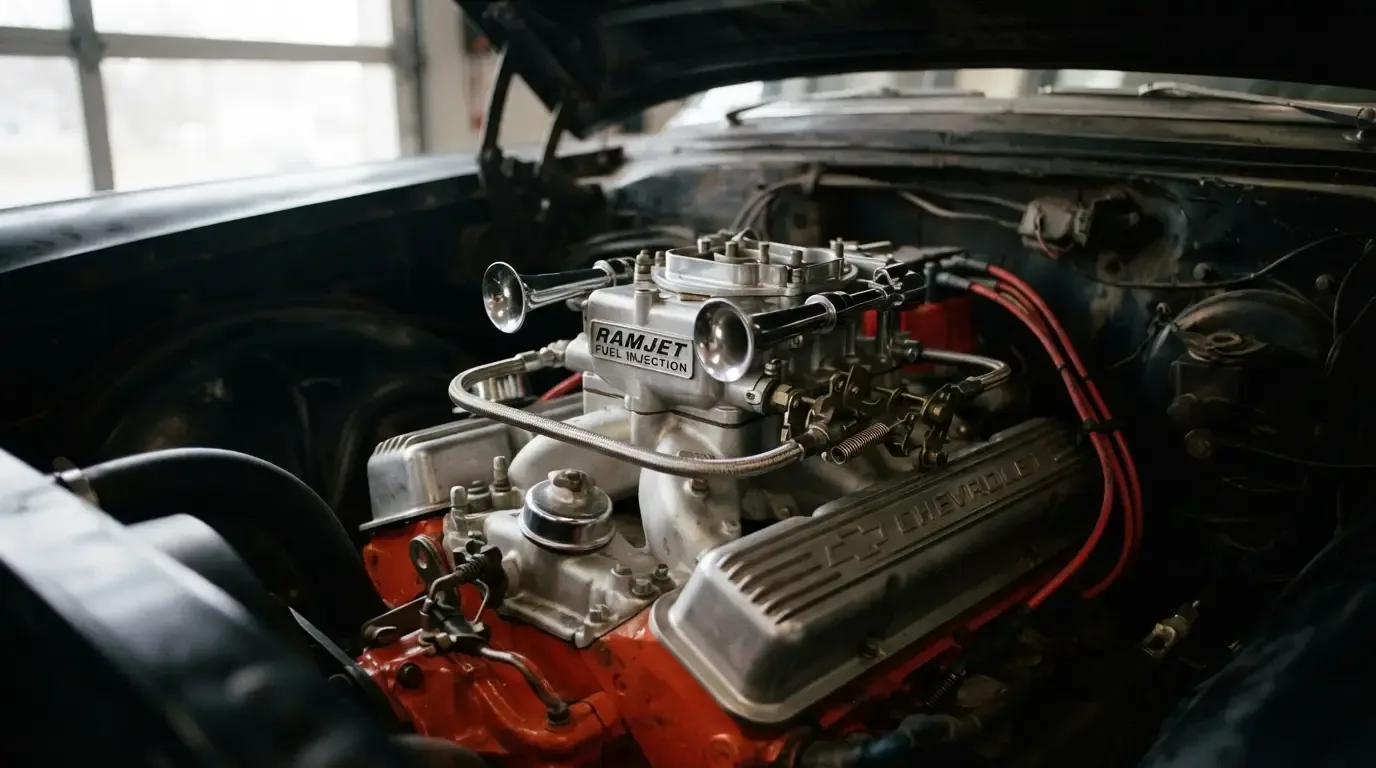
Fuelie is shop and enthusiast slang for the Rochester Ramjet mechanical fuel injection option Chevrolet offered on the 283 cubic inch V8 starting in 1957. It is not a separate engine block or a separate model. It is an induction system, bolted to the same small block architecture used across the 1957 Chevrolet passenger car line, replacing the carburetor with a mechanical injection unit that metered fuel more precisely across the engine's operating range. The top state of tune with fuel injection is the variant credited with reaching the one horsepower per cubic inch figure that defines the whole conversation around the 1957 283. Buyers who want the fuller story on how that milestone came together should read the engineering side of it directly, since the injection system alone does not explain the number without the compression and camshaft work that went with it.
Rochester built the injection unit. GM engineers, working under Ed Cole and the small block team, spent real development time solving a fuel distribution problem that carburetors of the era could not fully fix, and the result was an engine that ran cleaner and pulled harder across a wider band than the carbureted versions of the same displacement. That is the real engineering story. The marketing story, the one everyone remembers, is the ratio.
Why so few were built
Cost killed volume. The fuel injection option added a significant amount to the price of a car at a time when most Chevrolet buyers were shopping on monthly payment, not bragging rights. Dealer service networks were not set up to service mechanical fuel injection the way they were set up to service a carburetor, which made some dealers actively steer buyers away from the option rather than deal with warranty comebacks they were not equipped to diagnose. Exact totals vary by source and by how the count is drawn, but fuel-injected 1957 Chevrolet passenger cars are consistently described as numbering in the low thousands at most, with Bel Airs making up a modest share of that already small total, out of the more than 1.5 million Chevrolet passenger cars built that year. The result is a small surviving population relative to the total number of 283-powered Bel Airs built that year, and a small surviving population is exactly the condition that turns a real but modest engineering option into a collector legend decades later.
| Factor | Effect on Fuelie rarity |
|---|---|
| Option cost | Priced above four-barrel setups, discouraged casual buyers |
| Dealer service readiness | Limited familiarity, some active discouragement at point of sale |
| Buyer profile | Skewed toward performance-focused buyers, a minority of the total market |
| Survival rate | Lower base production means fewer surviving cars today |
What that means for value now
A documented, matching-numbers 1957 Bel Air with the Fuelie 283 sells for a real premium over an equivalent carbureted car, and the gap is wide enough that it has created a steady incentive for cars to be misrepresented. The fix for that is boring and effective: check the block casting numbers, check the injection unit's own numbers and date codes, and check for any factory paperwork or dealer invoice that ties the option to the specific car. A car with a Fuelie-correct block but a replacement or later injection unit is not the same car, financially, as one with both pieces original and matched. Buyers who skip that verification step and rely on a seller's word alone are the ones who end up overpaying for a story rather than a documented engine.
Parts availability plays into this too. Rebuilt and reproduction Ramjet units exist today, built to keep surviving injected engines running or to convert a carbureted 283 back to something resembling factory injection, and neither category should be confused with an untouched original unit still carrying its factory numbers. A rebuilt original unit is not automatically a red flag, since these systems are mechanically complex enough that most surviving examples have needed service work over sixty-plus years, but a buyer should know exactly what state of originality they are paying for. Asking a seller directly whether the injection unit has ever been replaced, rebuilt, or sourced from a donor car is a simple question that separates cautious sellers from ones hoping the buyer never thinks to ask.
Ongoing ownership of a Fuelie car carries its own reputation, deserved or not, for being harder to live with than a carbureted 283. The mechanical injection system does require more specialized knowledge to tune and service correctly than a carburetor does, and shops comfortable working on it are fewer and farther between than general small block specialists. That reputation is part of why some buyers who love the history choose to display rather than daily-drive a genuine Fuelie car, treating it as a documented piece of engineering history first and a driver second. None of that changes the underlying value case. It just means a buyer should go in knowing the ownership experience is different from a standard carbureted 283, not assume it will drive identically just because the displacement number is the same.
None of this means the carbureted 283 cars are lesser cars to own or drive. A well-tuned four-barrel 283 is a strong, reliable engine that most owners will never miss the injection system on in daily use. The Fuelie premium is a collector market phenomenon built on rarity and documentation, not a claim that the injected engine is dramatically better to actually live with.
"People ask me if the Fuelie is worth the premium. Wrong question. The right question is whether the specific car in front of you has the paperwork to prove it is what the seller says it is. If yes, pay the premium. If no, you are buying a story."
- Dan Reeves
Where to go from here
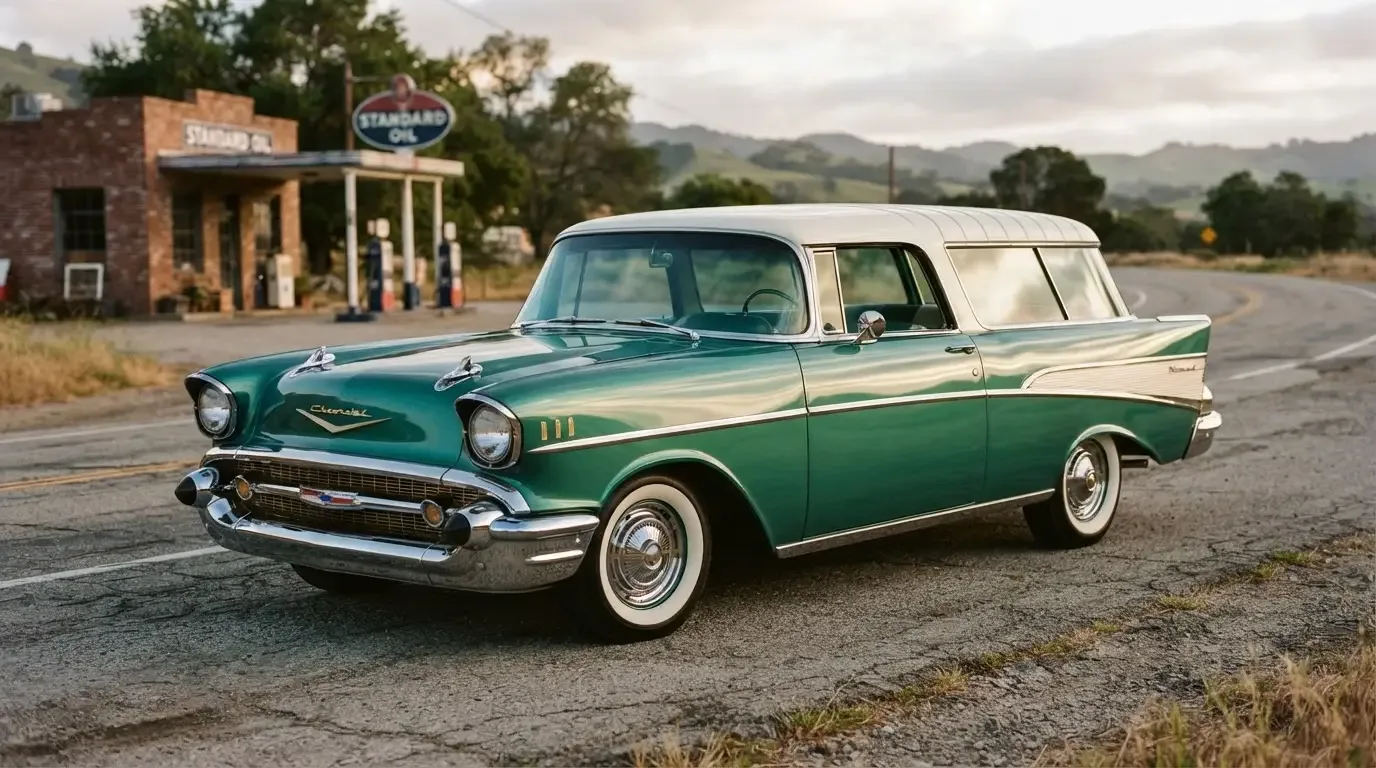
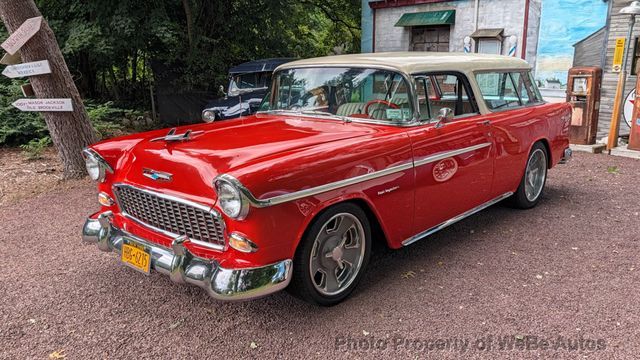
For the wider context on how the 1957 model year and its engine lineup fit together, our 1957 chevy bel air retrospective covers the full picture beyond just the fuel injection option. The Nomad wagon from the same year drew on a lot of the same engineering and trim philosophy, and a related story is worth reading if the Fuelie history has you curious about how far the top-tier engineering choices spread across the 1957 lineup. Buyers ready to move from research to an actual purchase should look at what Airs for sale now actually document about their engine numbers before assuming a listed Fuelie is a verified one.
The Fuelie 283 is a real, well-earned piece of Chevrolet engineering history. It is also a small production number wrapped in a large amount of retelling. Both things are true, and knowing the difference is what keeps a buyer from paying legend prices for an undocumented engine.