
Every club has that one member who owns the car nobody else can afford to argue with. In ours, it is a fellow named Ted who has hauled his 1956 Chevrolet Nomad wagon to more shows than I can count, and every single time somebody walks up and asks the same question: is that really a station wagon? It is, and it is not, and that contradiction is exactly why the Nomad has spent seventy years refusing to be filed away as just another grocery-getter.
Car Features
7 min read
The Chevrolet Nomad: The Hardtop Wagon Icon
The Nomad turned the family wagon into a hardtop coupe with a tailgate, and club owners are still arguing about which one it really is.
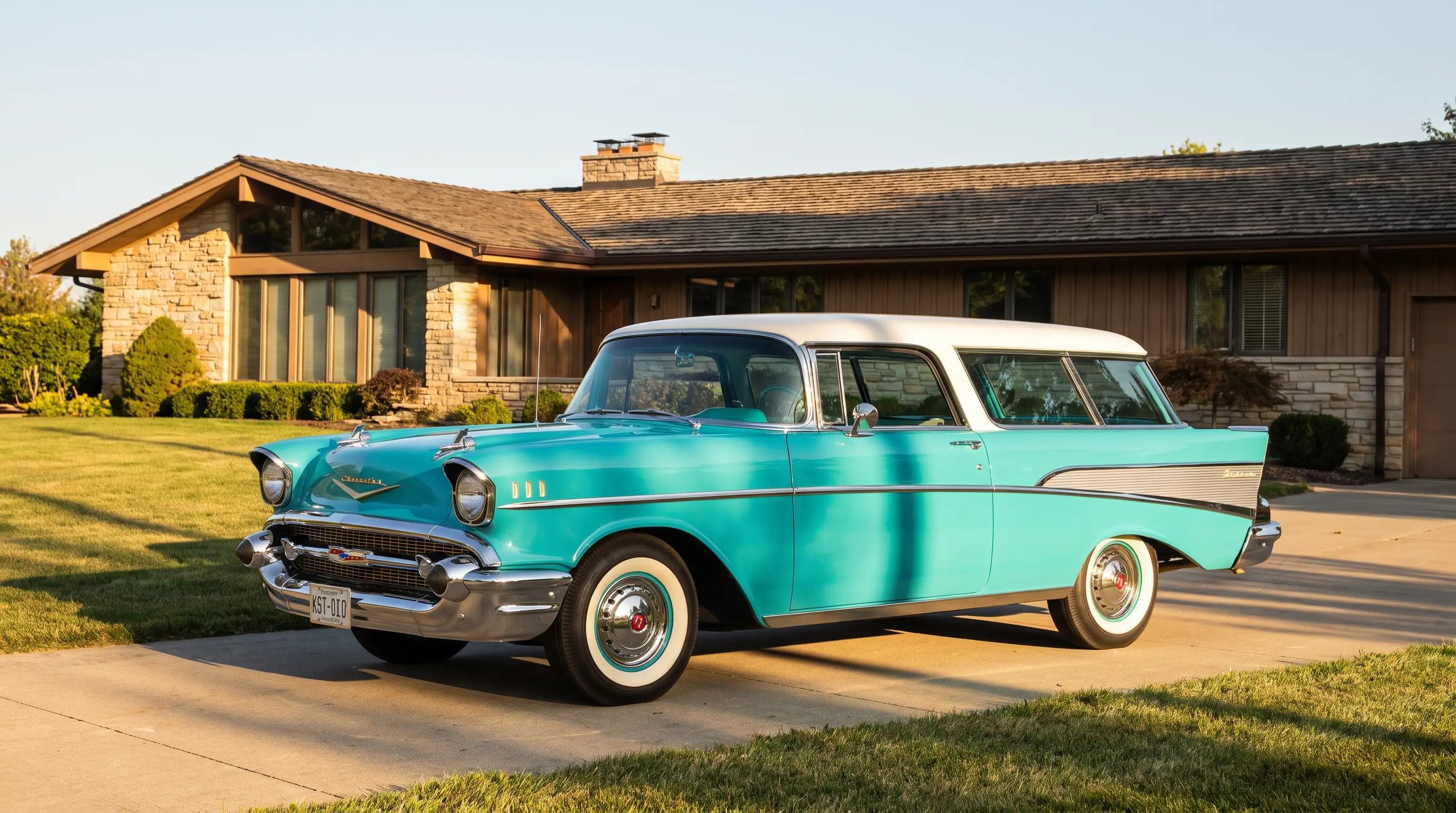
A wagon that forgot to act like one
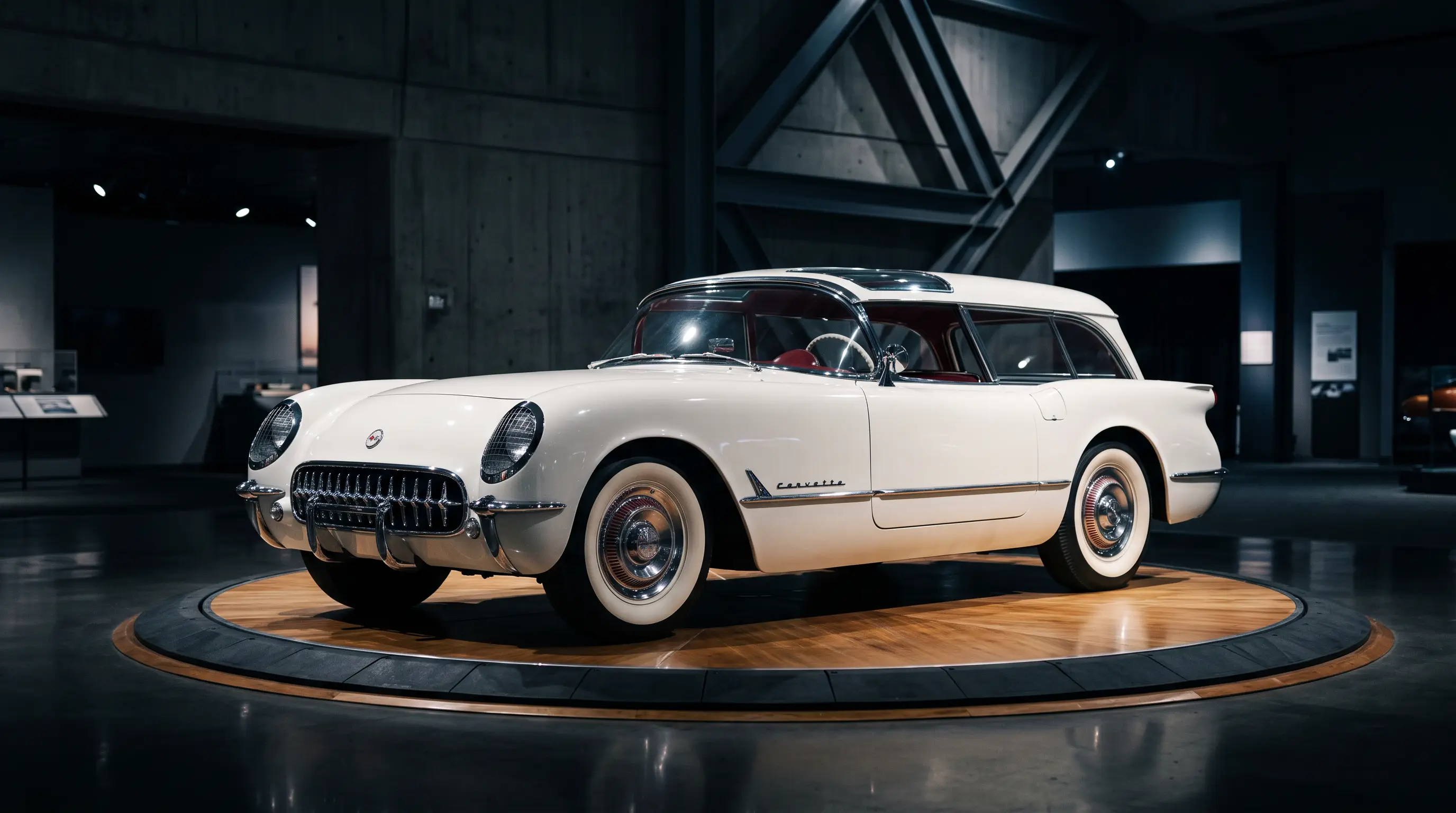
The Nomad arrived for the 1955 model year as the top of the line Bel Air wagon, but Chevrolet's designers treated the assignment like they were building a sports car that happened to have a cargo area. It got the two door hardtop roofline shared with the sportiest Bel Air coupes, a raked windshield, ribbed tailgate detailing borrowed from the Corvette-inspired show concept it grew out of, and none of the boxy, purely functional posture that defined every other wagon on the road. Chevrolet full size wagons of the era were built to haul the family and the groceries without complaint. The Nomad was built to do that while looking like it had somewhere more interesting to be afterward.
That tension between form and function is the whole personality of the car. Cargo space suffered slightly compared to the more conventional four door Chevrolet wagons sold alongside it, and rear seat access through those long doors was never as convenient as buyers with kids would have preferred. Chevrolet knew this going in. They built the Nomad anyway, because the point was never maximum practicality. The point was proving a hardtop wagon could exist at all.
Standing out in a crowded lineup
In our club, we spend a fair amount of time explaining to newer members why the Nomad commands the premium it does over other tri five wagons and even over plenty of Bel Air coupes. Production numbers are part of it. Chevrolet built the Nomad in far smaller volume than the standard wagons, since the higher price and the compromised practicality narrowed the buyer pool from the start. Fewer built means fewer survivors, and fewer survivors means a car that shows up at maybe one in every five events instead of every single one.
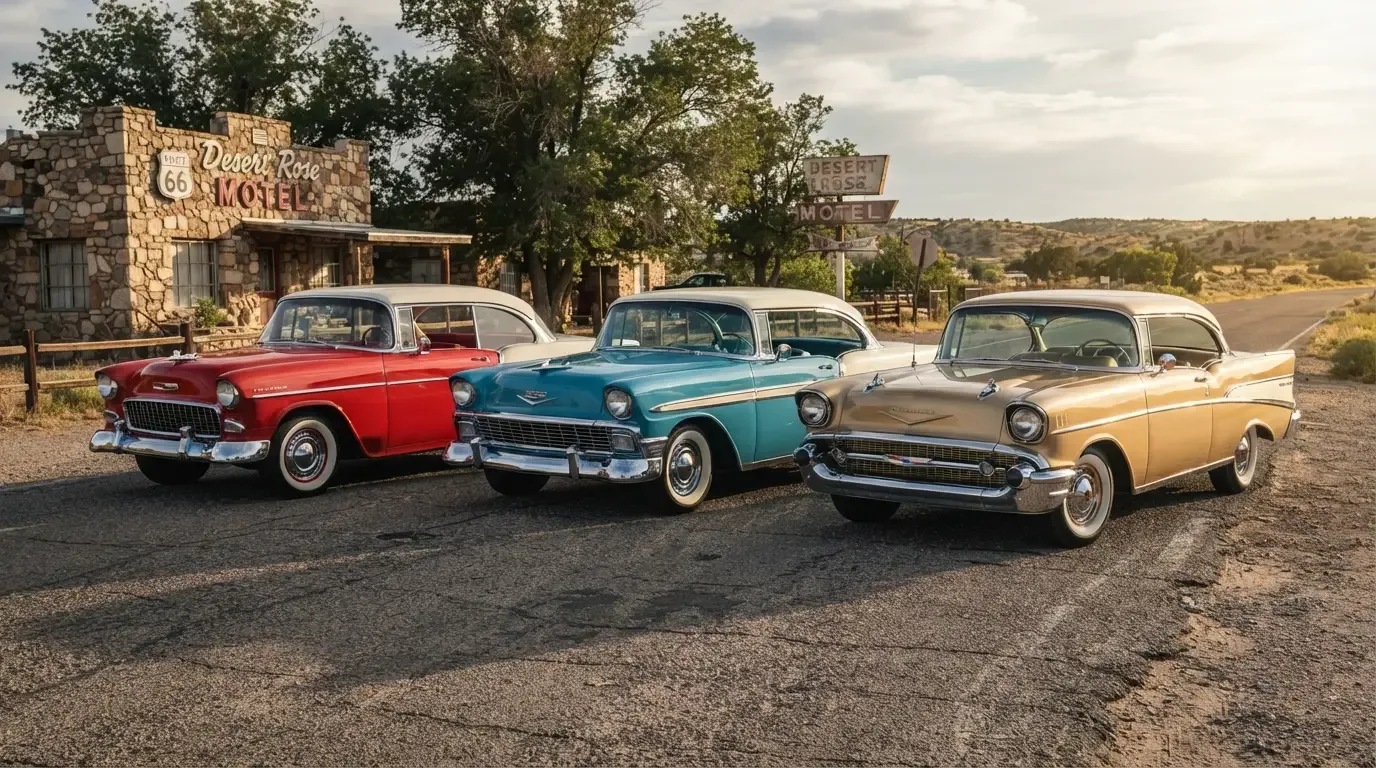
The other part is simpler. The Nomad just looks right sitting next to a Bel Air hardtop coupe in a parking lot, in a way that most period wagons never manage next to their sedan siblings. It shares the grille, the trim level details, and the general stance of the car everyone already associates with the era, then adds a shape nobody else was building. That combination of familiar and unusual is a hard thing to manufacture on purpose, and Chevrolet only really nailed it this once.
What owning one actually looks like
I have ridden shotgun in Ted's Nomad enough times to know the experience does not disappoint once you are inside it either. The dashboard and trim match whatever Bel Air coupe is parked next to it, so there is none of the stripped-down feeling you get from a lot of period wagons where the fancy stuff got left off to hit a price point. The rear cargo area, while smaller than a standard wagon's, still swallows a surprising amount when the second row folds, and the big single-piece tailgate glass makes backing up in traffic less of a guessing game than you would expect from a mid-1950s car.
Mechanically, a Nomad is just a Bel Air, which is good news for anyone worried about parts. The same small block V8 options, the same chassis, the same running gear underneath. That shared foundation means an owner is not chasing rare wagon-specific parts for the drivetrain, only for the body panels and trim that are unique to the roofline, and even those have gotten easier to source as more restoration shops specialize in this exact car. If you want the full mechanical and historical picture, our complete history walks through how the wagon fits into the broader tri five story from the 1955 launch through the redesign that ended the original run.
"You do not buy a Nomad because it is the most practical wagon on the lot. You buy it because Chevrolet, for one brief stretch, decided practical and interesting did not have to be opposites, and they were right."
- Wayne Coburn
Color, chrome, and the details that sold it
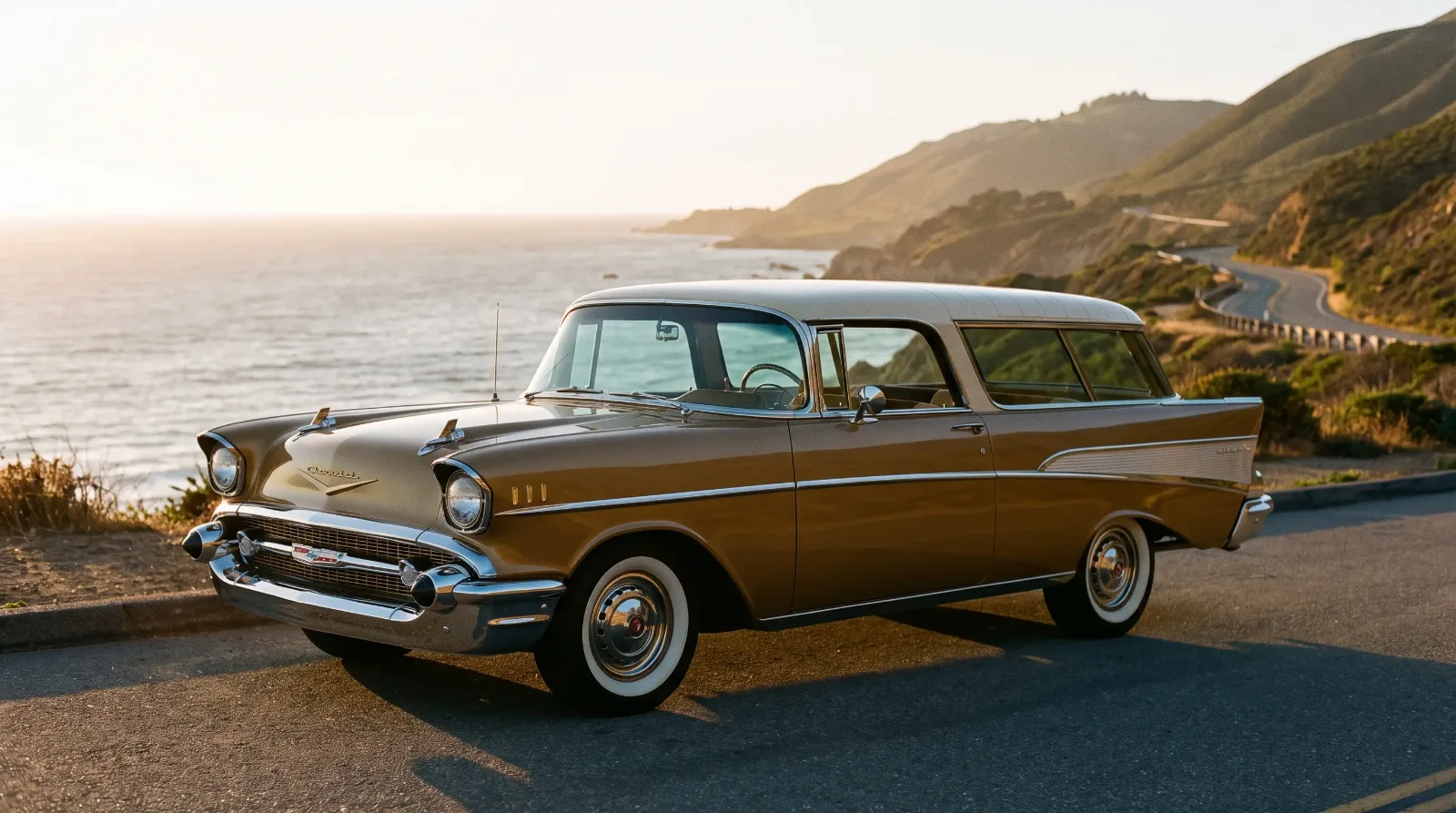
Talk to enough Nomad owners in our club and you notice a pattern in how they describe their cars. Nobody leads with the engine spec sheet. They lead with the two tone paint combination, or the way the tailgate chrome catches light at a show, or how a particular color pairing photographs against a summer sky. That is not an accident. Chevrolet marketed the Nomad heavily on its visual appeal, offering paint combinations that leaned into the car's sporty positioning rather than the more conservative choices buyers expected on a family wagon. Dealers displayed it prominently, sometimes as close to the showroom entrance as the Corvette itself, because it was the car most likely to make a walk-in customer stop and ask questions.
That marketing strategy meant the Nomad often carried a wider range of factory and dealer-installed options than the standard wagon lineup, from wheel covers to interior trim packages, giving buyers more ways to personalize a car that was already unusual to begin with. Ted's example wears a combination he says he would never have picked himself, and he loves telling people that story almost as much as he loves driving the car, because it captures exactly what Chevrolet was going for when they built it: a wagon confident enough to be a little showy about itself.
Why the design still gets debated at shows
Ask five people at a car show whether the Nomad is a wagon or a coupe with extra doors and you will get five different answers, usually delivered with real conviction. That argument has been running since 1955 and it is not close to settled, which honestly might be the best compliment a design can get. A car that still makes people stop and categorize it out loud, seventy years after it was built, did something right that most vehicles from any era never manage.
What keeps the debate alive is how deliberately Chevrolet blurred the line. Every proportion decision, from the roofline pitch to the placement of the chrome trim, was aimed at making the wagon body read as sporty rather than utilitarian. They mostly succeeded, and the result is a car that photographs like a coupe from three quarter angles and only reveals itself as a wagon once you notice the tailgate. For club members shopping the market, or anyone hoping to find a classic Air that turns heads in a way most period wagons simply cannot, the Nomad remains the answer, provided you can find one and are prepared to pay what its rarity demands.
Ted still gets asked the same question every show season, and he still gives the same answer, because the truth has not changed in seventy years. It is a wagon. It just never bothered acting like one.
Sources and notes
Related Reading

About the author
Wayne Coburn
Longtime Corvette owner, judge and club figure who knows the cars, the records and the people behind them.
Related Listings - Chevrolet Bel Air
Comments
Be the first to comment on this article.