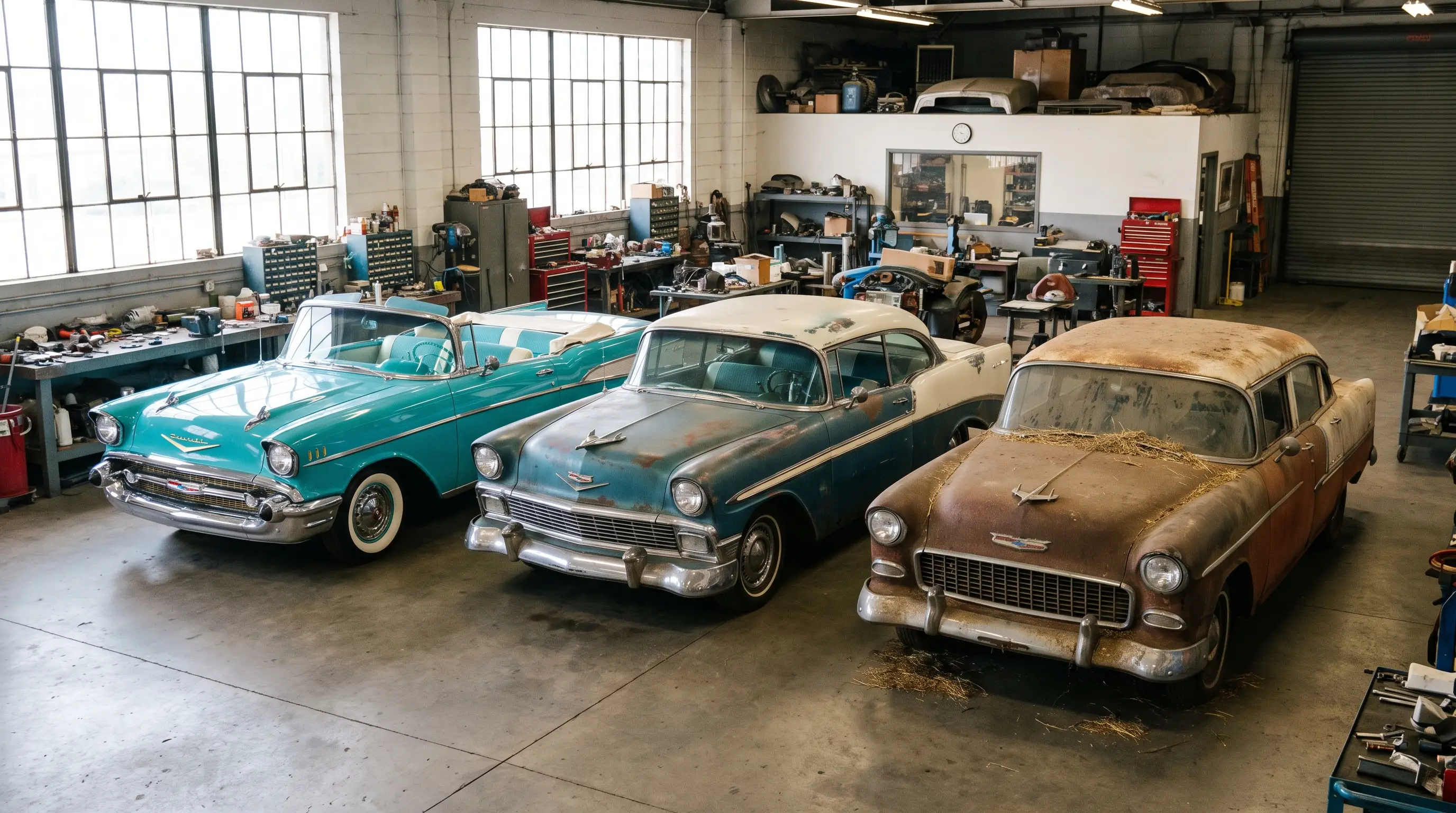
The tri five Chevy value conversation gets treated like a single number, and that is the first mistake anyone makes when they start pricing a 1955, 1956, or 1957 Bel Air. Three model years, one nameplate, three distinct markets. Anyone quoting you a flat "Bel Air money" figure without asking which year is guessing, and guessing is how people overpay or underinsure.
Why the three years do not trade the same
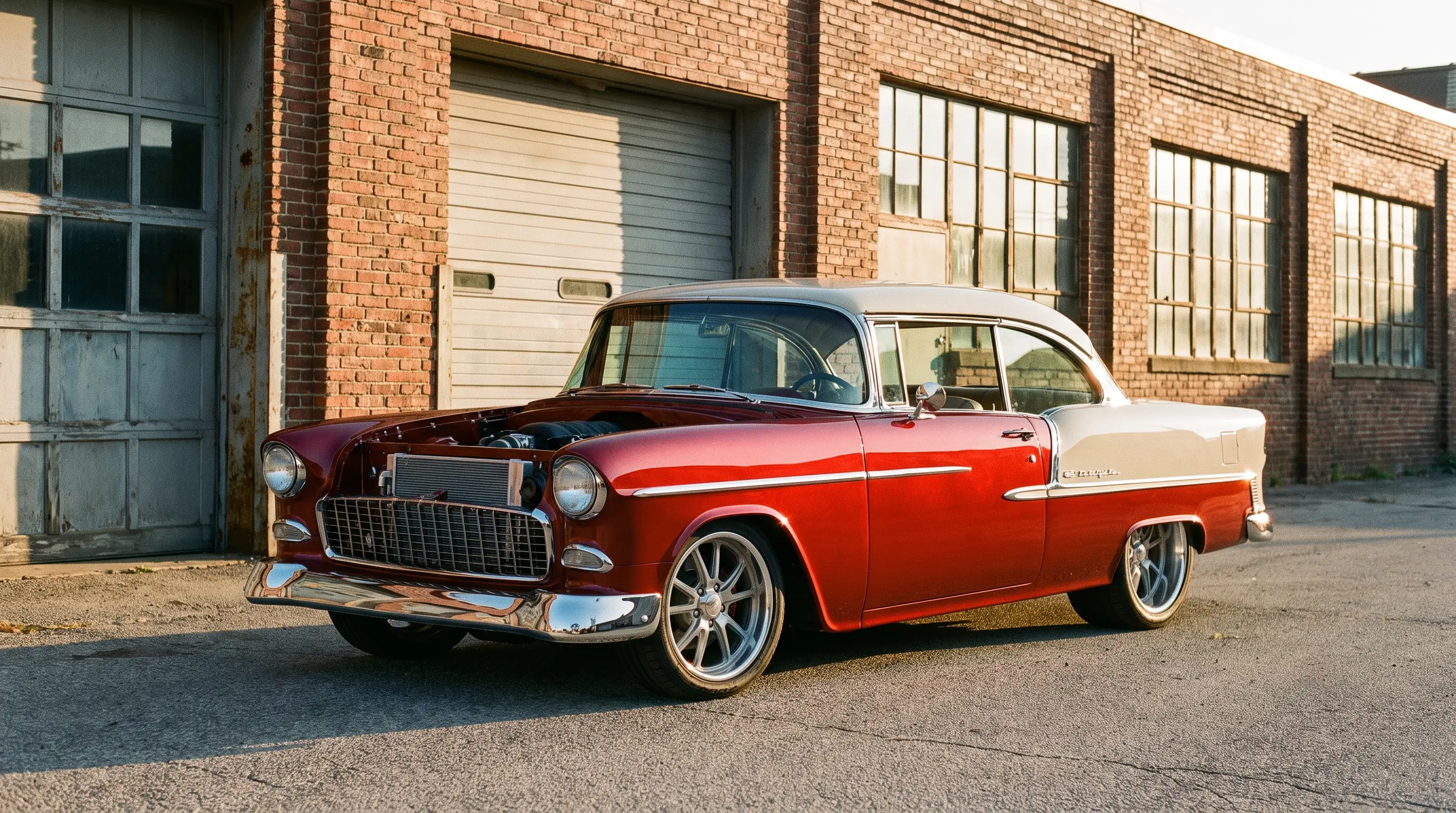
Start with 1955. It is the car that started the run, the first small block V8 Chevy, and it carries a premium for being first even when the 1957 outsells it in cultural recognition. A clean 1955 Bel Air hardtop with the 265 cubic inch V8 and a Powerglide sits in a price band that a base six cylinder sedan never touches, sometimes by a factor of two or three. Condition and drivetrain do more work on value than the badge alone.
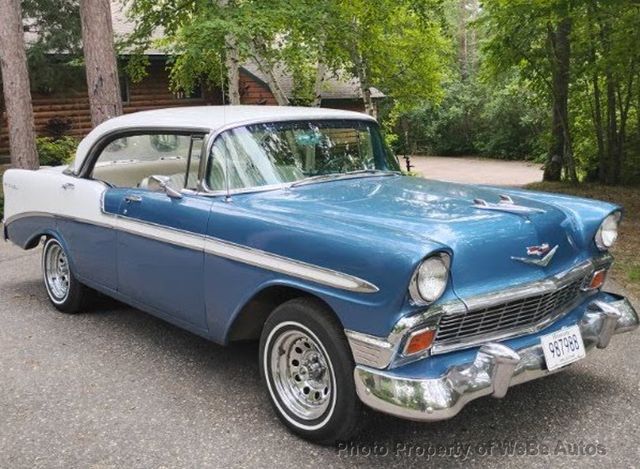
1956 is the year collectors call the sleeper of the three, and pricing reflects it. It gets fewer magazine covers than 1957 and less "first V8" mythology than 1955, so a comparable car in comparable condition often trades for less money. That gap has been closing for a decade as buyers who cannot afford a 1957 discover that a 1956 hardtop is the same basic car for less cash.
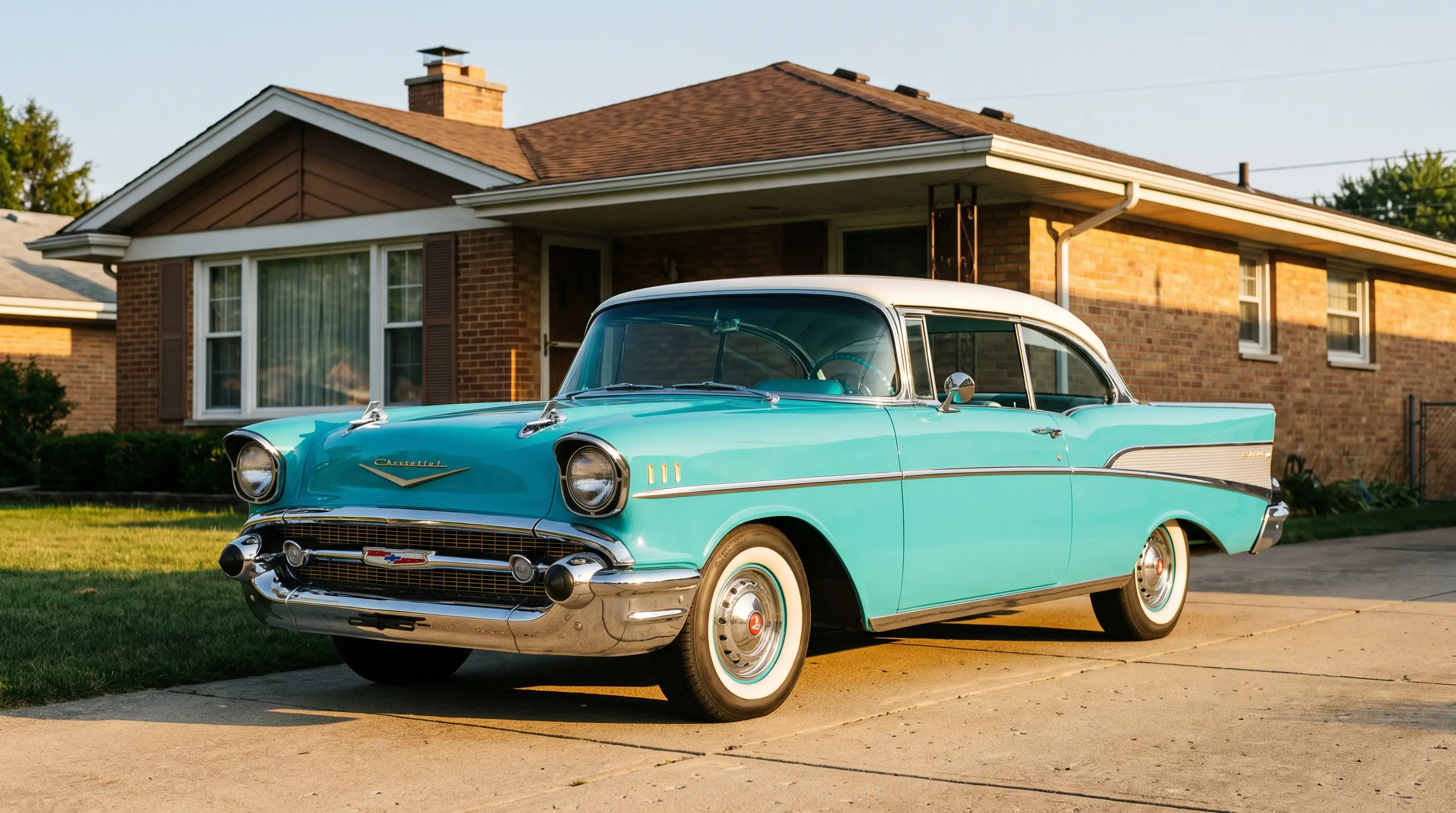
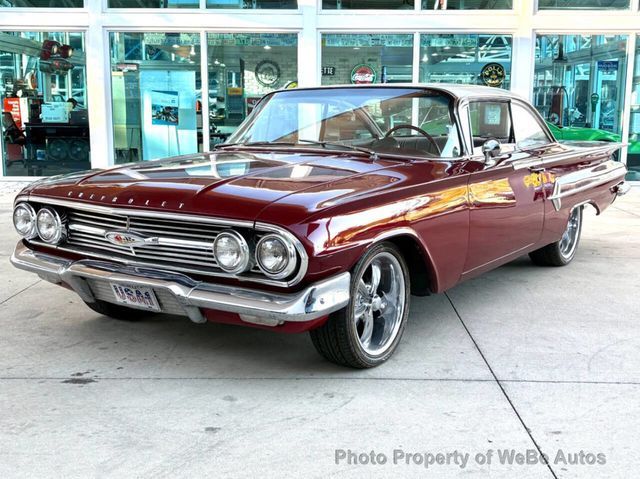
Then there is 1957, the year most people picture when someone says "tri five." The fins, the twin headlights, the fuel injected 283 option, all of it adds up to the highest average sale prices of the three years, and it is not close. A fuel injected 1957 Bel Air convertible in top condition can bring auction numbers that a 1956 six cylinder post sedan will never see, even though they share a platform and most of a chassis.
Body style moves the number more than the year does
Within any single year, body style is the bigger lever. Convertibles top the chart. Hardtops come next, with two door hardtops usually outpacing four door hardtops. Post sedans and wagons trail behind, with one notable exception that flips the whole hierarchy on its head.
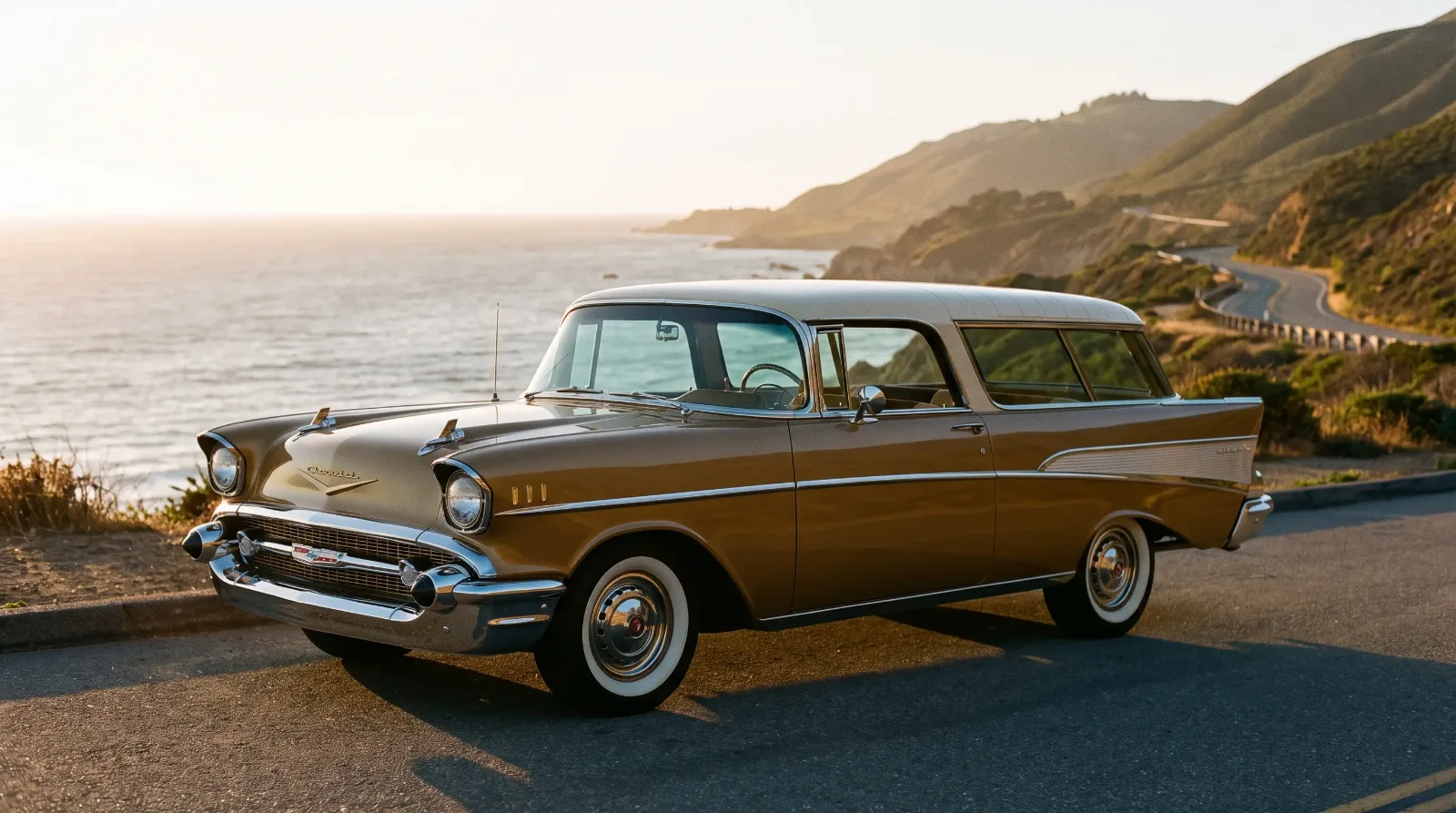
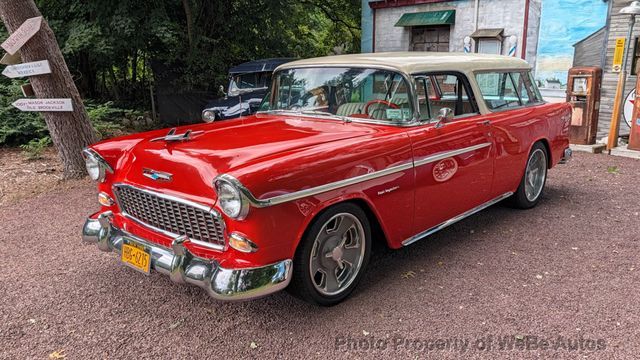
That exception is the Nomad. The two door wagon with the slanted rear pillar and the ribbed tailgate was a low volume model when new and it is a high value model now, often out-earning convertibles from the same year. Anyone trying to get the whole picture on why a wagon body outsells a convertible needs to understand that Nomad production numbers were tiny compared to the rest of the lineup, and scarcity plus design pedigree does the rest.
What actually moves a tri five Chevy value up or down
Engine and transmission combination matters more than most first time buyers expect. A numbers matching V8 car with the original transmission commands more than a car that has been re-engined, even if the replacement engine is period correct and mechanically sound. Documentation closes the gap between "probably original" and "provably original," and that gap is worth real money at auction.
Color matters too, though less predictably. Two tone paint combinations that were popular when new tend to photograph well and sell well now, but rare factory colors can go either way depending on whether a buyer wants unusual or wants familiar. Interior condition, factory options like power steering or air conditioning, and a documented ownership history all add incremental value on top of the base body style and engine numbers.
Rust and prior accident repair subtract faster than options add. A tri five with poor quarter panel work or a replaced frame section can lose a large percentage of its value compared to a comparable rust free car, regardless of how good the engine bay looks. Buyers who only check the shiny surfaces get burned here more than anywhere else in the tri five market.
"I have watched two nearly identical 1957 hardtops sell forty percent apart because one had a paper trail and the other had a story. The market pays for proof, not for promises."
- Marcus Feld
Reading the market instead of a single number
Auction results are useful but they are a snapshot, not a forecast. A single high sale for a fuel injected 1957 convertible does not mean every 1957 convertible is worth that much, and a single soft sale for a 1956 post sedan does not mean the whole year is soft. Look at a run of comparable sales over a year or two, weight for condition honestly, and discount the outlier at both ends.
Insurance replacement value and market value are also not the same figure, and buyers who confuse the two either overpay at purchase or underinsure after the fact. A realistic appraisal separates what a car would cost to replace in kind from what it would actually bring on an open market on a given weekend, and the tri five field has enough transaction volume now that both figures can be estimated with reasonable confidence if you look at recent, comparable sales rather than one headline number from a marquee auction.
For buyers ready to compare real inventory against these patterns rather than auction headlines, it helps to shop classic Air listings and see how year, body style, and documentation actually stack up against asking price in the current market. Numbers on a page only mean so much until you put them next to an actual car.
How the market has moved over the last decade
Ten years ago the gap between a 1957 fuel injected car and a base 1956 six cylinder post sedan was already wide, but it has widened further as the top end of the tri five market attracted serious money from buyers who treat these cars as investments rather than drivers. That has a side effect worth knowing about: it pulled the floor up too. Even rough, project grade tri five cars now trade for more than they did a decade ago, because the supply of complete, unmolested examples keeps shrinking as parts cars get harvested and driver grade cars get restored out of circulation.
Wagons outside the Nomad name, meaning the four door Two-Ten and One-Fifty wagons, have quietly gained ground too. They were work cars when new and cheap survivors for decades, but the same collector interest that pushed Nomad prices up has started to lift the humbler wagons, partly because buyers who cannot afford a six figure Nomad still want the wagon silhouette and the practicality that comes with it. It is a smaller move in dollar terms, but it shows the market rewarding body style scarcity even below the headline model.
The bottom line on tri five money
Treat "Bel Air value" as three separate markets stacked on top of a body style hierarchy, with the Nomad as the wild card that breaks the pattern. Documentation and originality carry more weight than most buyers assume walking in, and a single auction result is a data point, not a verdict. Do that math correctly and the tri five market is one of the more transparent corners of the classic Chevy world. Skip it, and you are just guessing with more zeros.