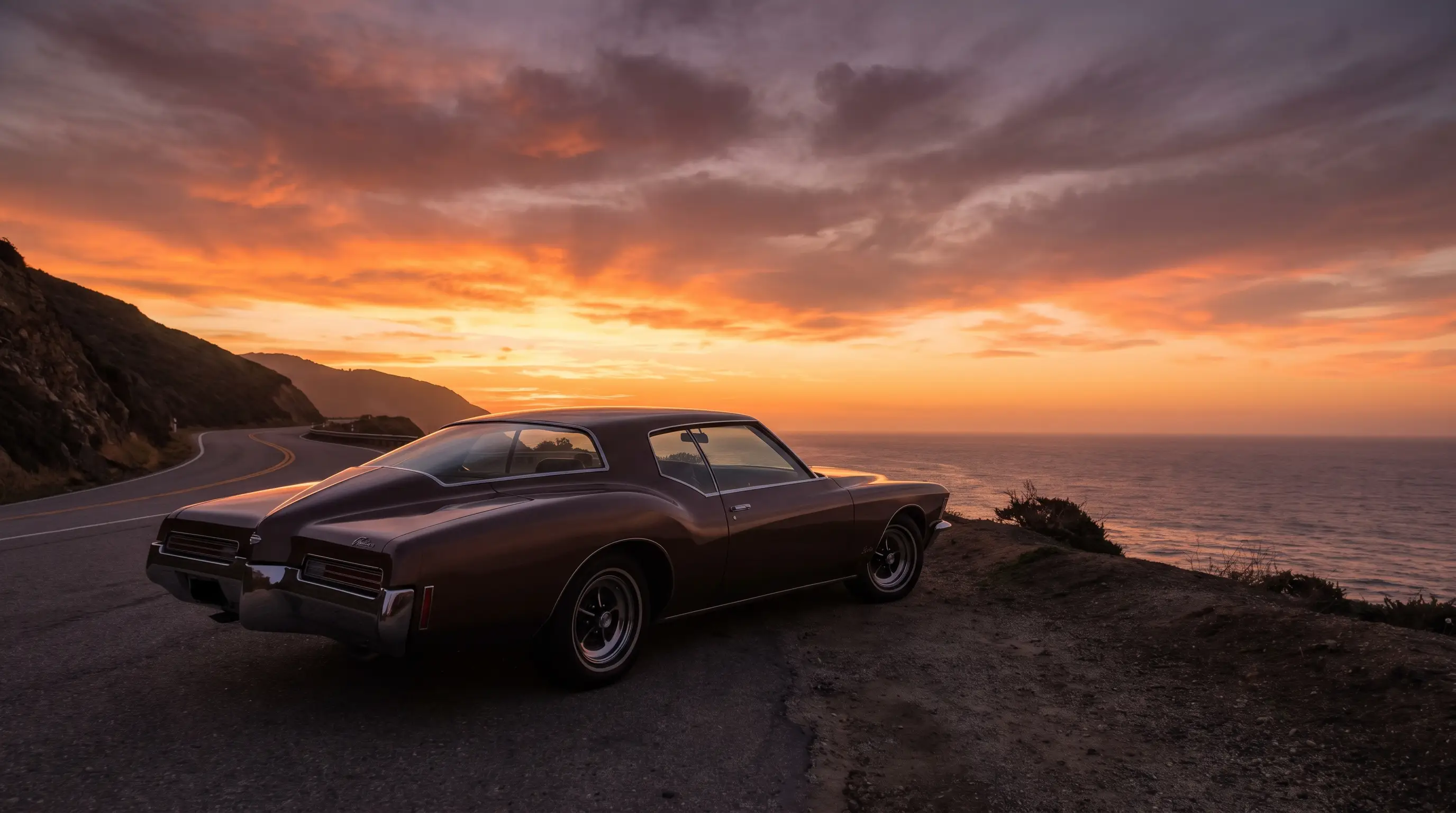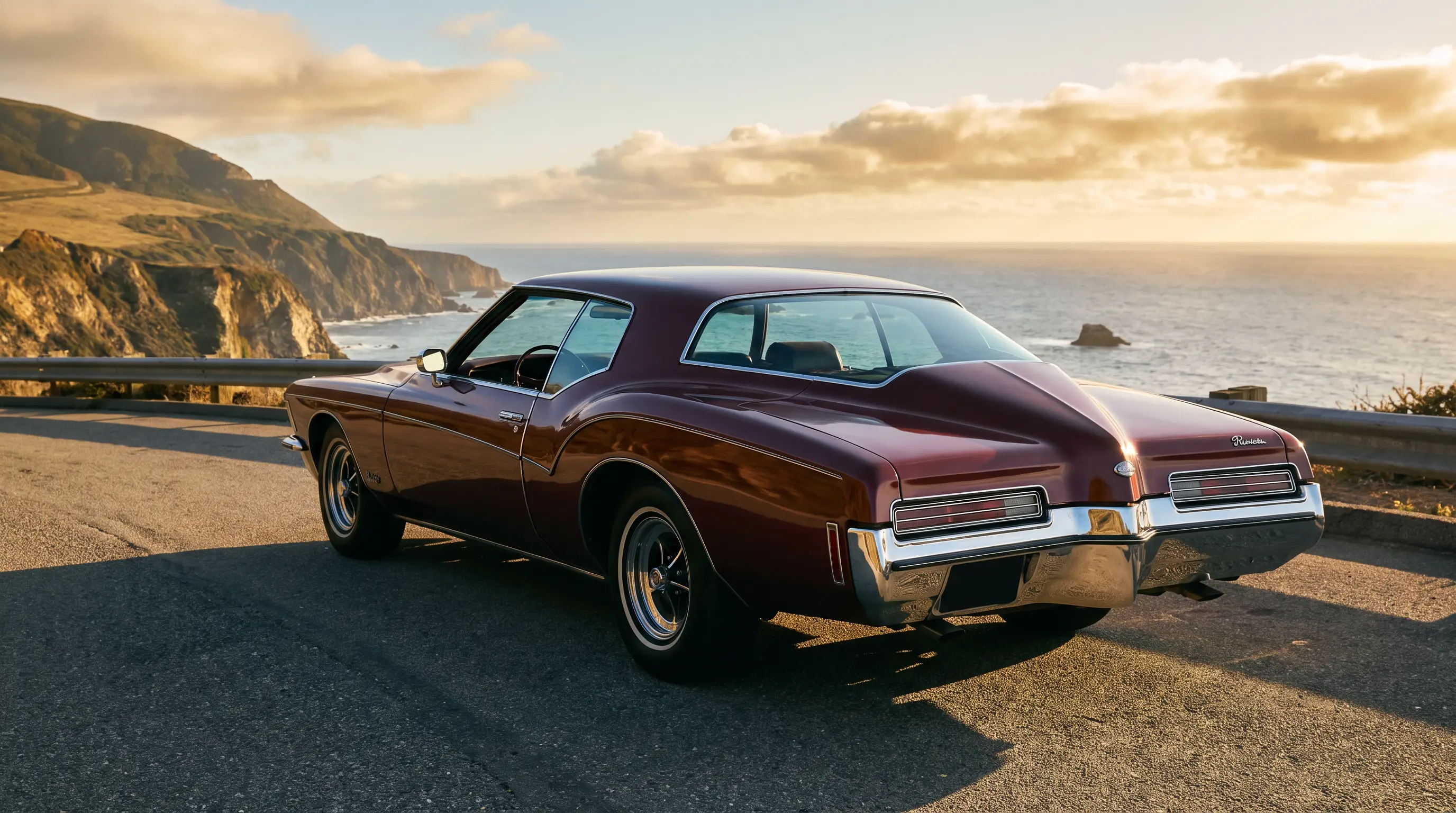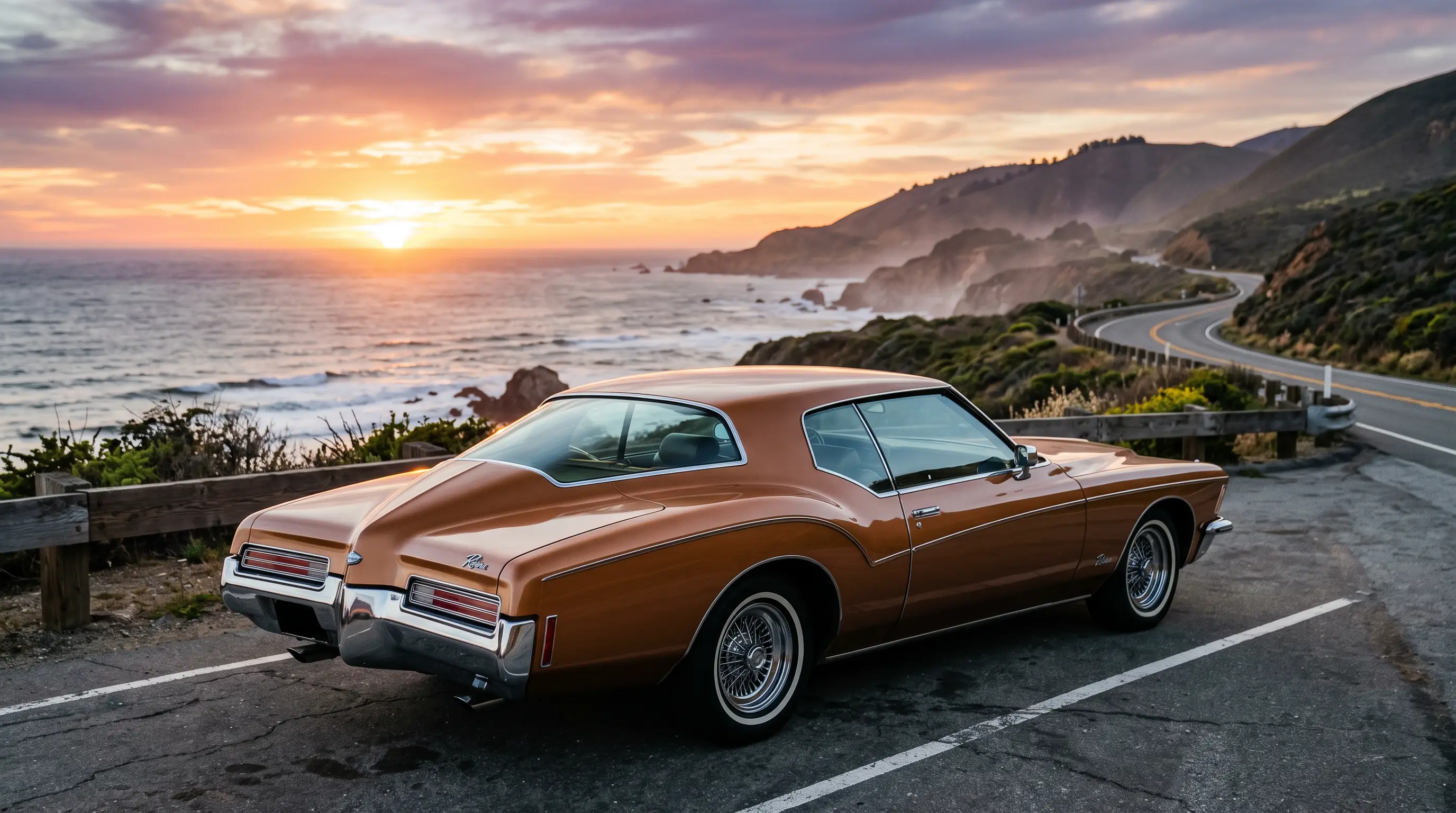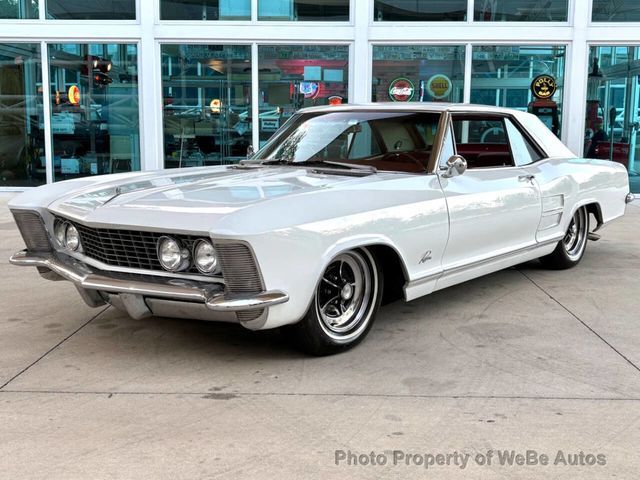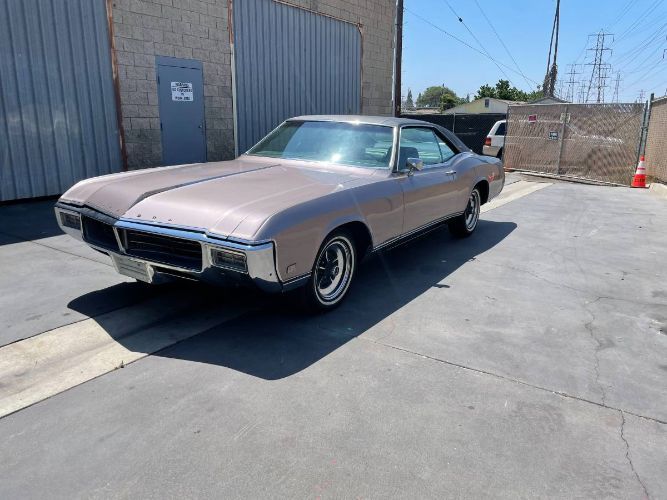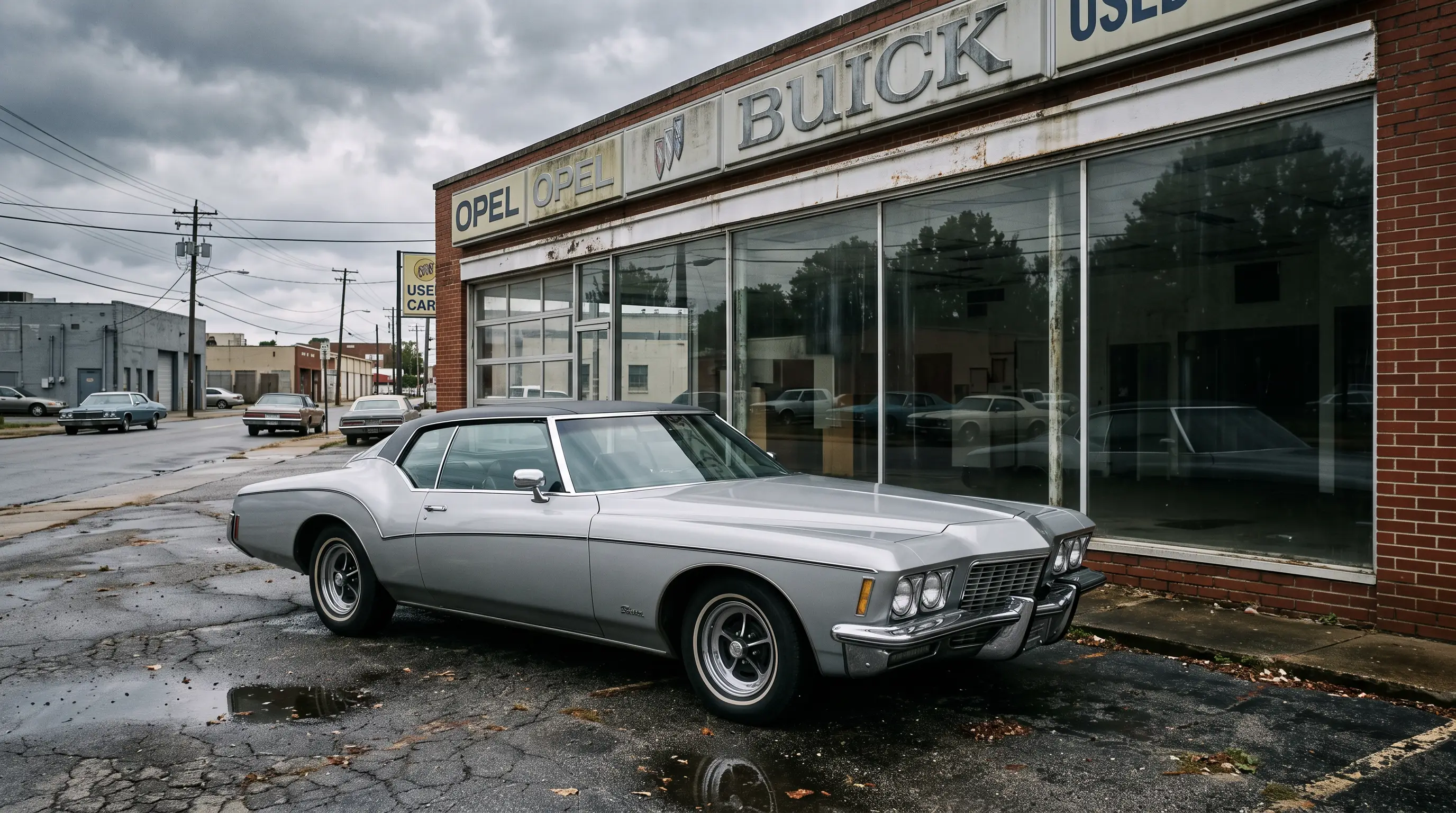
The buick riviera 1971 sales reception story gets retold as a simple flop narrative, and that version is not quite accurate. Production records and dealer reports from the period paint a more complicated picture: a car that impressed critics, divided customers, and sold in numbers that were disappointing relative to Buick's hopes without being a genuine failure. The distinction matters if you want to understand why Buick made the styling choices it did in the following two years.
What the sales figures actually show
Riviera volume had already been softening before the boat-tail arrived. The redesigned 1971 model, larger and more dramatically styled than its predecessor, moved 33,810 units in its debut year. That is a real number, not a rounding error, but it landed below what Buick's product planners had projected for a completely new design meant to reinvigorate the nameplate, and it was down roughly 10 percent from the outgoing 1970 model. Compare that against the more conservatively styled Riviera generation that came before it, and the story is not collapse, it is a plateau at a lower level than hoped.
Year over year, the boat-tail's production actually held remarkably steady rather than sliding off a cliff: 33,728 units in 1972, essentially flat against 1971, then a slight uptick to 34,080 for the final boat-tail year in 1973, before the more conventional restyle for 1974 changed the shape entirely. The real evidence behind "the boat-tail didn't sell" is less a three-year decline and more that the car never came close to the volumes Buick had hoped a bold new design would generate, even as it settled into a consistent plateau. For the full arc of how the shape came about before we get to how it sold, the whole picture lays out the design side of this story.
What dealers were actually telling Buick
Dealer feedback from the period, preserved in contemporary trade press and Buick's own internal correspondence that has surfaced in club archives over the decades, was consistent on one point: customers either loved the tapered rear deck immediately or found it genuinely strange. There was very little middle ground. That is a difficult reaction for a volume personal luxury car to generate, because a car in this segment is competing for a buyer who often wants to feel safe in their choice, not like they are making a styling statement their neighbors might question.
Buick's response, softening the shape for 1973 and then moving to a much more conventional design for 1974, is the clearest evidence that this dealer feedback reached the people who approved future model years. Companies do not spend money reshaping sheet metal on a whim.
Correcting the common misconception
The misconception worth retiring is that the boat-tail Riviera was a commercial disaster on the level of, say, a car that got pulled from the market early. It was not. Buick kept building it for three full model years and continued to sell tens of thousands of units annually even as the number trended down. What actually happened is closer to a strategic miscalculation about how broad an audience would embrace a dramatic personal luxury shape during a period when the segment overall was shifting toward broader, more conservative styling across the industry. The car did not fail. It underperformed a projection, and Buick corrected course.
That correction is worth remembering when modern collectors treat the 1971-73 boat-tail as some kind of forgotten underdog. It was visible, it was reviewed, and it was purchased by a real customer base. It simply was not the runaway hit Buick had budgeted for.
What critics said versus what buyers did
Contemporary automotive press coverage of the 1971 Riviera was often genuinely positive about the engineering and the ride quality, praising the full-size platform's comfort and the car's road manners at highway speed. Styling reviews split more evenly, with some writers calling the boat-tail treatment the most striking American design of the year and others finding the proportions awkward, particularly the reduced rear visibility from that tapered backlight. That gap between engineering praise and styling ambivalence in the press mirrored almost exactly what showroom traffic reported, which suggests the car's underlying quality was never really in question. The hesitation buyers felt was specifically about the look, not the car's competence.
This is an important distinction for anyone reading old road tests today. A glowing review of the driving experience did not always translate into a sale, because the customer standing in the showroom was reacting to the rear three-quarter view before they ever got behind the wheel.
How this compares to other bold GM designs of the era
The boat-tail Riviera was not the only genuinely daring shape General Motors put into production during this period, but it may be the one where the sales data most clearly tracks the design risk. Other bold GM designs from the surrounding years found their audience more consistently, while the Riviera's tapered rear treatment proved more polarizing than Buick's product planners anticipated going in. That makes the boat-tail generation a useful case study within GM's broader design history: proof that styling boldness alone does not guarantee commercial success, even when the underlying engineering and build quality are sound.
| Model year | Sales trend |
|---|---|
| 1971 | Debut year, 33,810 units |
| 1972 | 33,728 units, essentially flat |
| 1973 | 34,080 units, slight uptick, final boat-tail year |
| 1974 | Conventional restyle, new body shape |
"A car that sells in the tens of thousands for three straight years is not a flop. It is a projection Buick got wrong, corrected, and moved past."
- Tom Ramirez
How the discontinued shape shaped the used market for decades
The relatively flat production run across all three boat-tail years means surviving-population differences today come down more to attrition than to build numbers. Fewer examples of any given year entering the secondary market as these cars aged out of daily use through the late 1970s and into the 1980s came down to rust, accidents, and simple neglect rather than one year being inherently rarer than another from the factory. Early collectors in the 1980s and 1990s often overlooked the boat-tail generation entirely, chasing more established muscle car nameplates instead, which left a meaningful number of surviving boat-tail Rivieras sitting in barns and back lots at prices that look almost unbelievable by today's standards.
That slow-burn appreciation pattern is common for styling-forward personal luxury cars that did not fit neatly into the muscle car categories collectors prioritized early on. The boat-tail Riviera's current standing in the hobby is a relatively recent development, built on decades of quiet reassessment rather than sustained demand from day one.
Why this history matters to buyers today
Understanding the real sales trajectory helps explain the surviving population you see at shows and in listings today. Fewer 1973s exist in original show condition not because Buick built fewer of them, production actually ticked up slightly that year, but because the tamer shape got less enthusiast preservation attention for decades compared to the more dramatic 1971. If you are working through this era, shop classic Riviera listings with that production context in mind, since scarcity by year does not track cleanly with desirability by year in this particular generation.