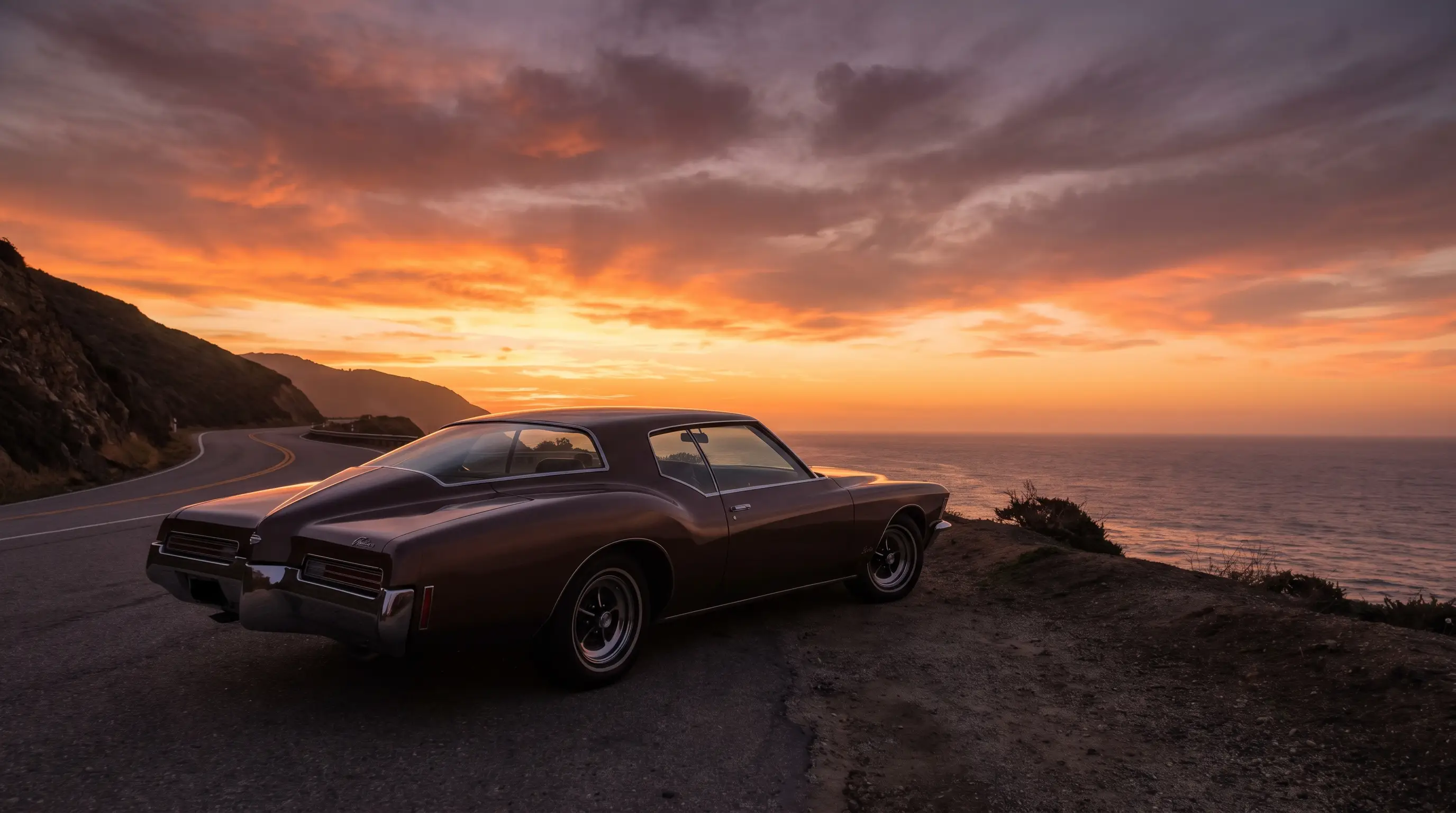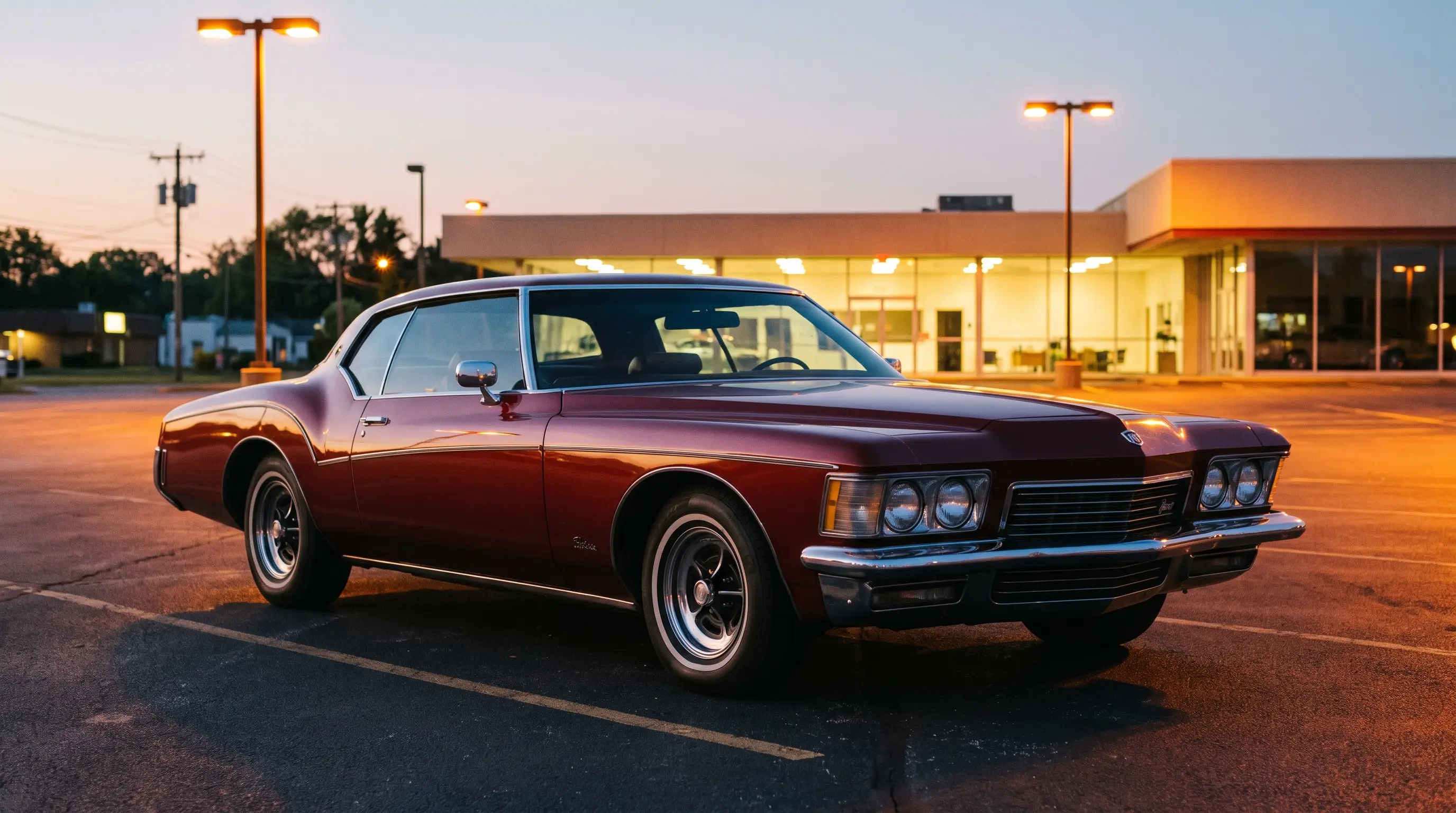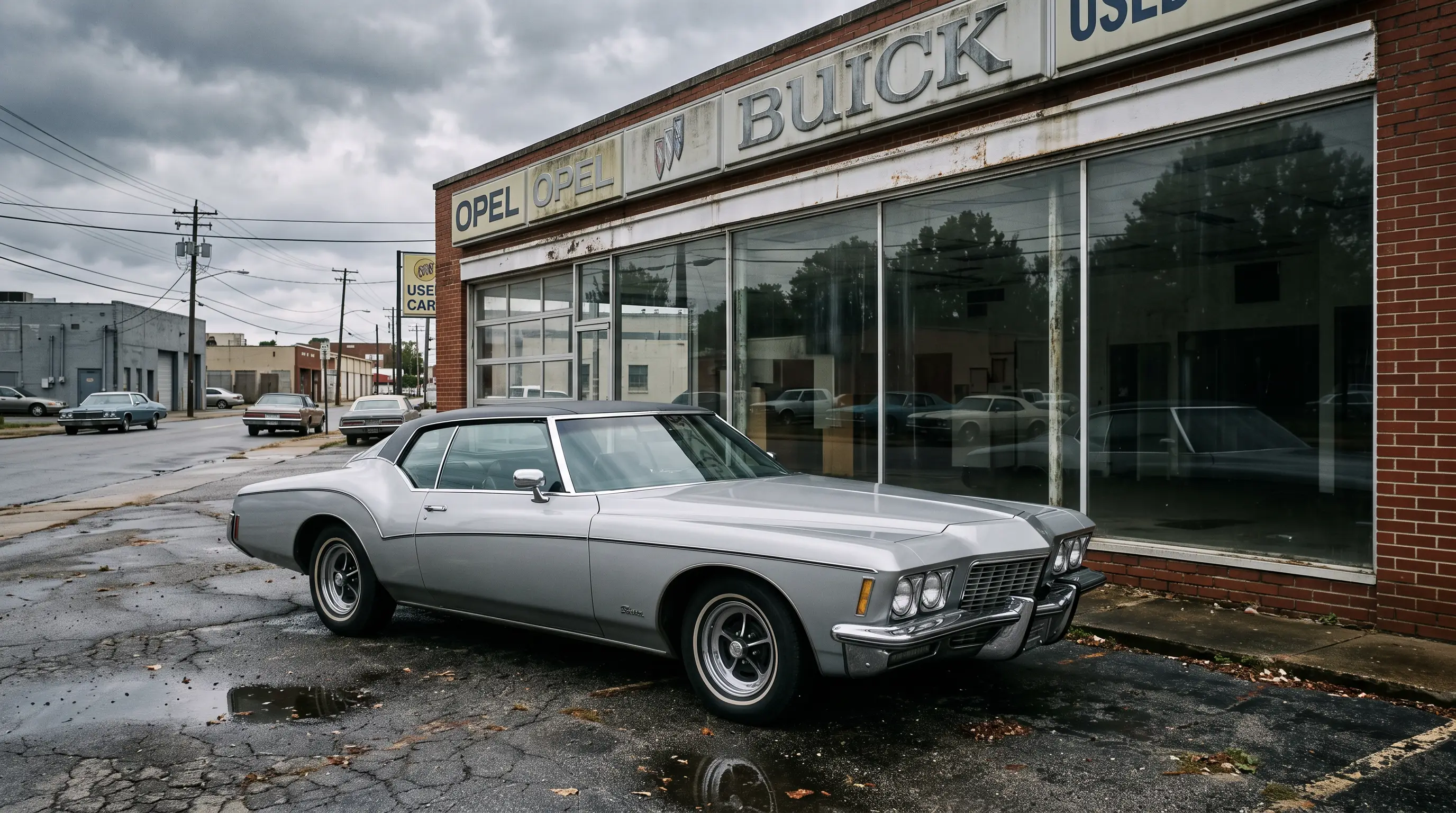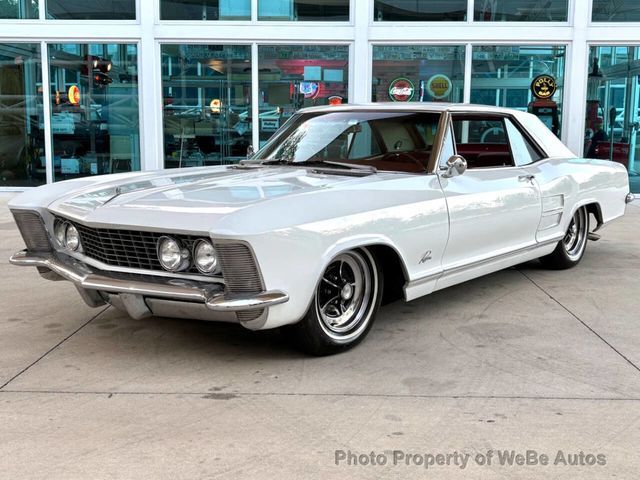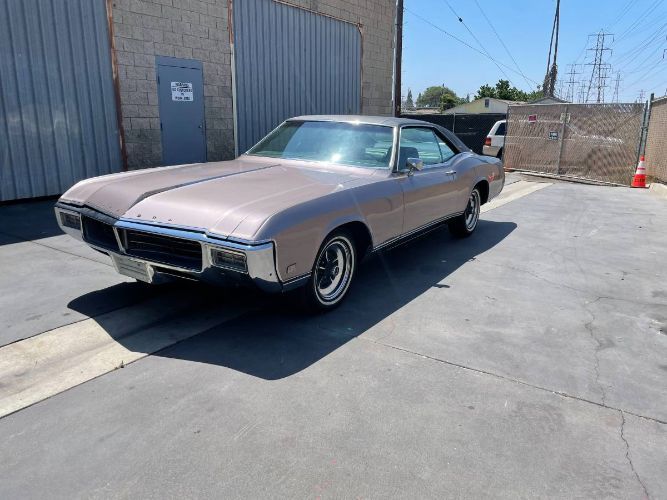
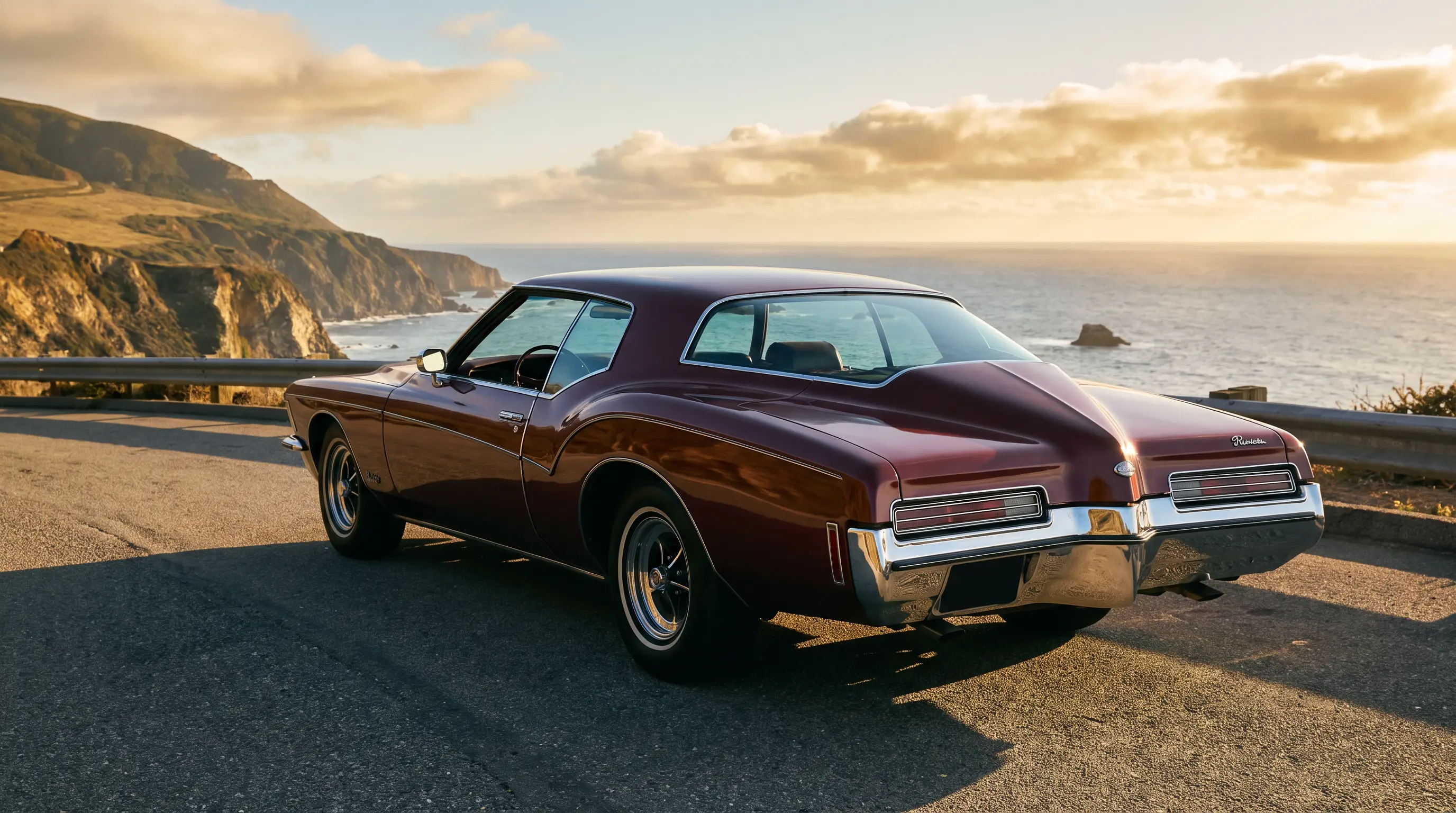
The buick riviera 1971 gs 455 in the boattail is a case study in what happens when a personal luxury car gets a performance option nobody quite knew whether to take seriously. Buick built the boat-tail Riviera as a driver's coupe with soft edges, and then the Gran Sport package showed up asking the same body to also behave like a bruiser. I want to walk through what the GS 455 actually added, what it did not, and why the numbers matter more than the badge.
What the GS package physically changed
The Gran Sport option on the 1971 Riviera was not a different engine so much as a different attitude bolted to the same platform. It brought a firmer suspension calibration, a rear stabilizer bar, and in most configurations, a GS-tuned version of the 455 with a slightly more aggressive camshaft and carburetion tune. Buick did not brand this as a "Stage 1" option on the Riviera in 1971; that specific label arrived as a distinct listing on the Riviera GS starting in 1973, though the GS-tuned engine underneath was already a real step up from the standard 455. Buick also included a functional dual exhaust setup and, depending on the model year and options ordered, a limited-slip differential. None of that changes the sheet metal. A GS 455 boat-tail looks identical to a standard 455 car apart from badging and maybe a stripe package, which is exactly why plenty of clones exist today wearing GS badges they never earned from the factory.
For the design and market context around the whole 1971 line, read the background on how the boat-tail shape came to be in the first place.
The numbers that actually separate GS from standard
GS-tuned cars picked up a documented bump in torque over the standard 455, and that torque, not horsepower, is the number that matters in a 4,300-pound personal luxury coupe. Under the old gross method, the GS-optioned 455 was rated at 330 hp gross, against 315 hp gross for the standard engine. Once the industry-wide move to SAE net ratings took hold the following year, the same GS engine read closer to 265 hp net and around 455 lb-ft of torque net, the published drop reflecting the measurement change more than a real loss of output. That transition confuses a lot of buyers comparing a 1971 spec sheet against a 1972 one, and it is worth remembering when you see a big number on an early car and a smaller one on a nearly identical later model.
Quarter mile performance on a Stage 1 boat-tail lands in the low 15s to high 14s depending on gearing and driver, which is respectable for a car this heavy and this long. It will not embarrass a proper mid-size muscle car, but it moves with real authority for something built to also carry four adults in leather comfort down a highway all day.
Rarity and how to actually verify one
GS-optioned boat-tail Rivieras were always a small slice of total production, since most buyers of a personal luxury coupe in this era wanted comfort over cornering grip. Buick built roughly 3,175 GS-optioned Rivieras in 1971 out of 33,810 total, a real number but still under ten percent of the model's output that year. What that means for a buyer today is simple: the badge alone proves nothing. Verification runs through the trim tag broadcast codes and the factory build sheet if one survives with the car, cross-checked against the option code for the Gran Sport package and Stage 1 engine. Anyone selling a "GS 455" on stripes and a hood scoop alone, with no documentation, is selling you a story rather than a car.
I have seen sellers get this wrong honestly, not maliciously, because decades of parts swapping and repainting muddy the trail. Ask for the tag numbers before you ask for anything else.
How the GS actually drove compared to a standard 455 car
Body control on a GS-equipped boat-tail is noticeably tighter through a sweeping corner, a direct result of the stiffer springs and the added rear stabilizer bar working against a chassis that was never designed as a sports coupe to begin with. Steering feel improved marginally with the package, though this remains a big, heavy car built around comfort as a primary goal, and no suspension option changes that fundamental character. What the GS package does is trim the worst of the body roll and float that a standard boat-tail exhibits when pushed, without turning the car into something it was never engineered to be.
Braking performance is the one area where I would flag a genuine concern for anyone planning to drive a GS 455 the way its output invites. Factory drum brakes on the rear and, depending on year and option, front disc brakes were adequate for the era but are outmatched by modern traffic conditions. Anyone building one of these for regular driving should budget for a brake system evaluation regardless of how original they want to keep the rest of the car, since stopping a 4,300-pound coupe with period-correct brakes in modern traffic is a real safety consideration, not just a nostalgia trade-off.
What the option cost new and what that tells you
The Gran Sport package carried a real price premium over a standard 455 Riviera when ordered new, on top of whatever other options a buyer selected. That premium, combined with the fact that this was already an expensive personal luxury coupe before adding a performance package, kept take rates modest. Buyers willing to pay extra for firmer suspension and more aggressive tuning in this segment were a narrower slice of the market than buyers who simply wanted the Riviera's styling and comfort without the added stiffness. That pricing reality is baked into why surviving, well-documented GS cars carry a genuine premium in today's market over an otherwise identical standard car, scarcity compounding with genuine performance credibility.
| Spec | 1971 Riviera GS 455 |
|---|---|
| Base engine | 455 cubic inch V8 |
| GS option | Firmer suspension, rear stabilizer bar, dual exhaust |
| Stage 1 | Revised cam and carburetion for added torque |
| Quarter mile (typical) | Roughly mid-15s to high-14s seconds |
| Verification method | Trim tag broadcast codes plus surviving build sheet |
"A GS badge tells you what someone bolted on. A broadcast code tells you what Buick actually built. Trust the code."
- Emily Chen
Documenting a GS today, step by step
If you are chasing verification on a car offered as a GS 455, start with the trim tag riveted to the cowl or firewall depending on the exact production run, since it carries the option codes tying the car to the Gran Sport package at the factory level. Cross-reference those codes against a published option code guide for the model year in question, since Buick's coding conventions shifted slightly across the three boat-tail years. A surviving broadcast sheet, the paper documentation that traveled with the car down the assembly line, is the gold standard when one exists, but a great many were discarded decades ago and their absence does not automatically disqualify a genuine car. It simply means you lean more heavily on the tag codes and casting numbers for confirmation.
Why the GS matters in the boat-tail story
The GS 455 proves the boat-tail Riviera was never meant to be a one-note luxury cruiser. Buick gave buyers a way to have the shape and the attitude in one package, even if relatively few checked that box. That duality, soft ride available alongside a genuinely quick drivetrain, is part of what makes the boat-tail generation interesting from an engineering standpoint rather than just a styling exercise. If you are cross-shopping the era, find a classic Riviera and ask specifically whether the car you are viewing carries verified GS documentation before you pay a premium for the name.