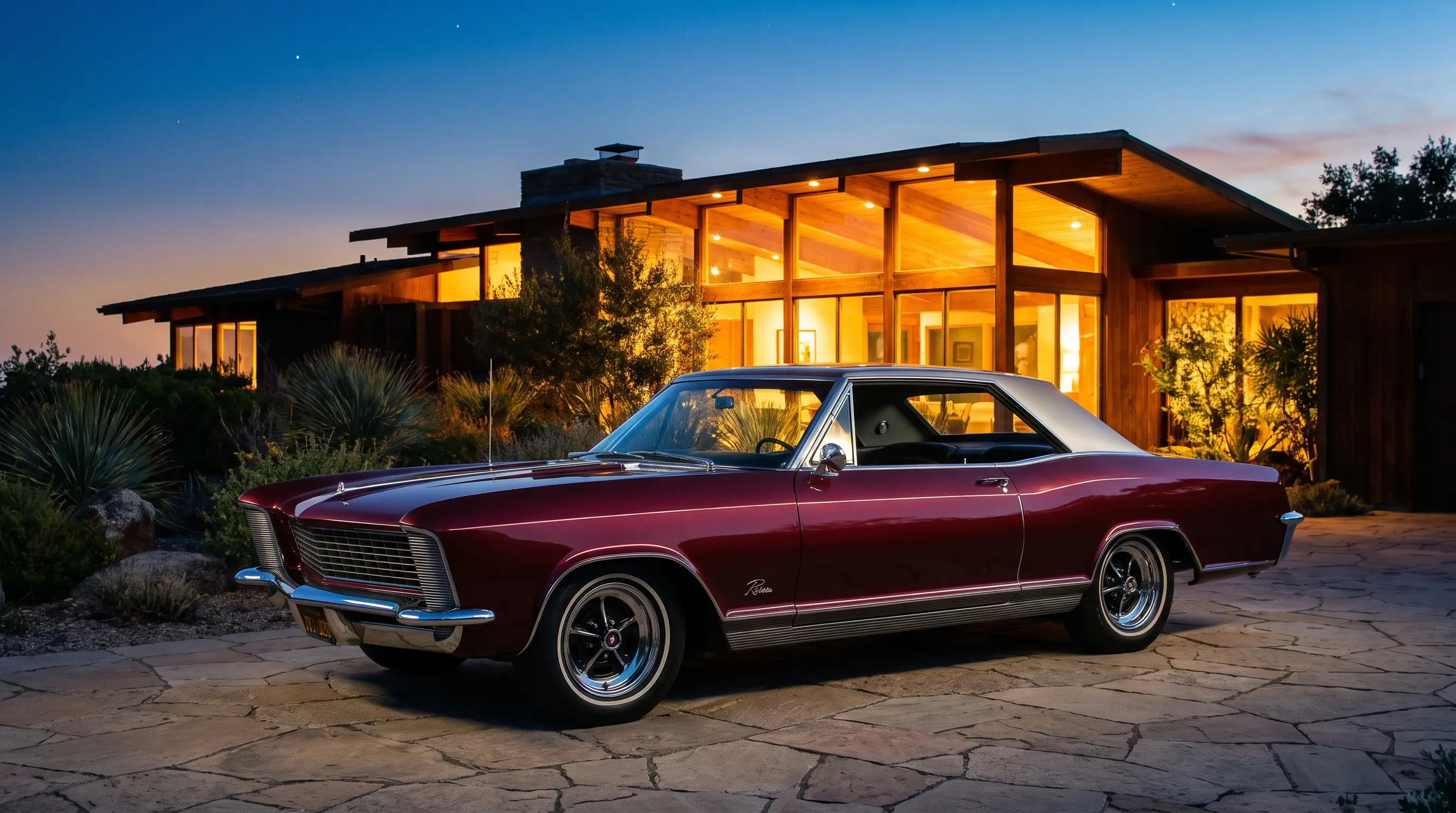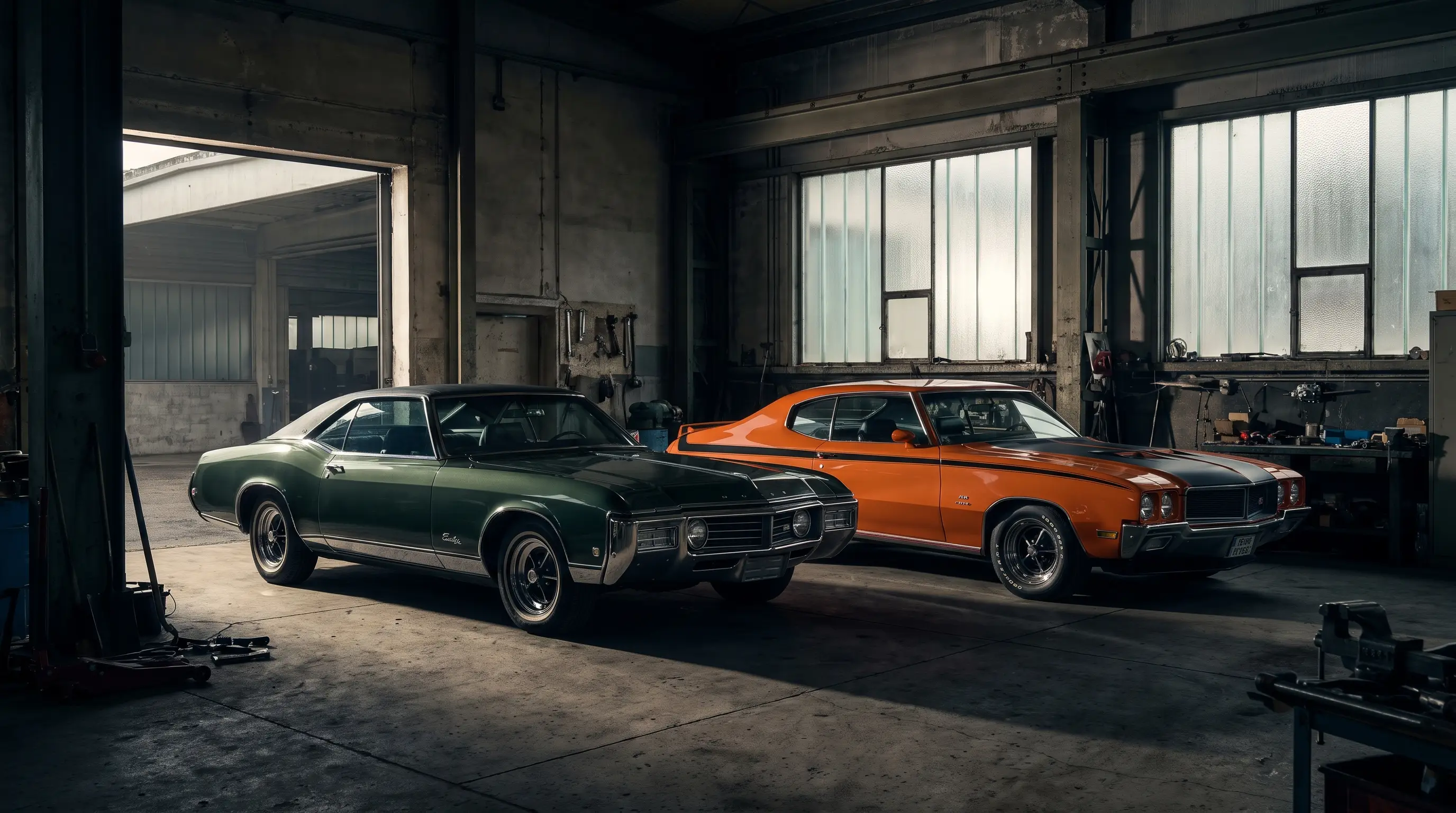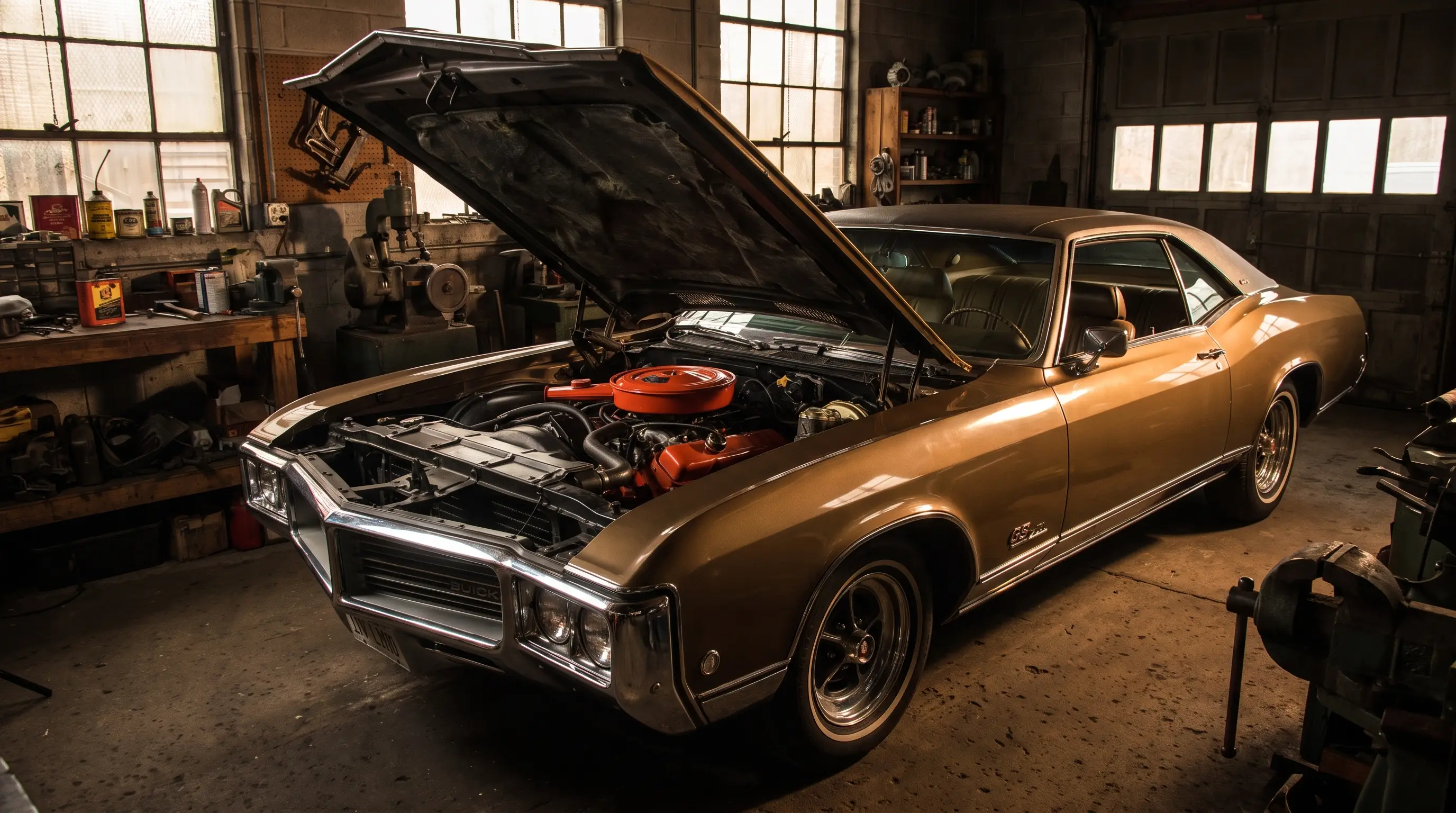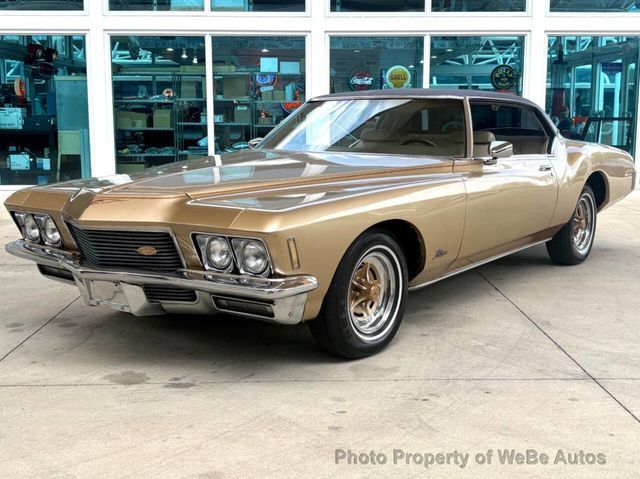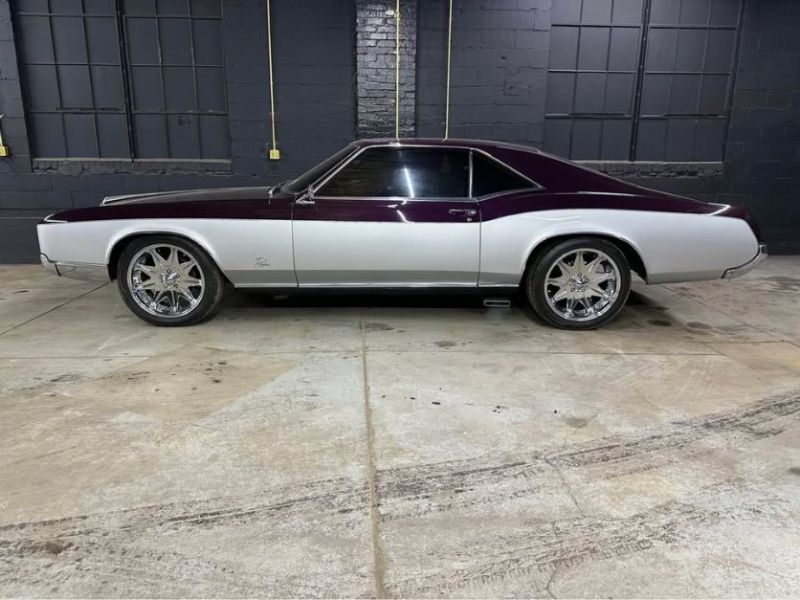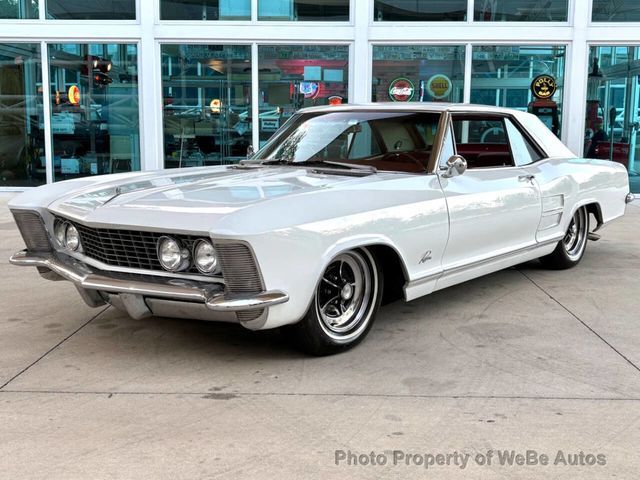
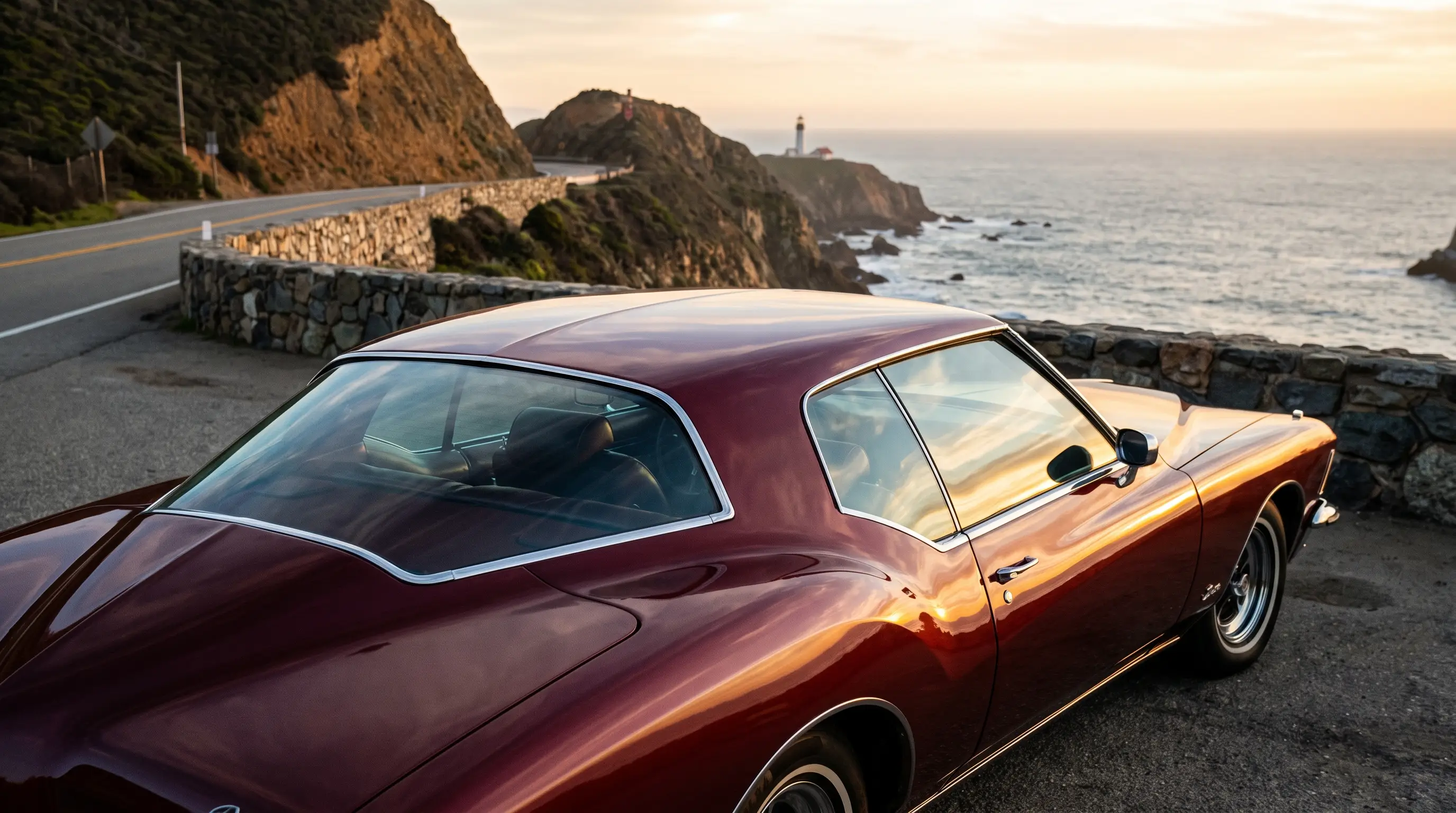
By the time Buick's designers had finished sculpting the boat tail Riviera, the car looked like nothing else on the road, a long sweeping fastback that seemed to belong more to a concept show floor than a suburban driveway. What is easy to miss under all that sheet metal drama is that the buick riviera gs in the boattail era did not disappear when the styling changed. It rode along inside that dramatic new shape, quieter than the design around it, still doing the job it had always done.
A new body, an old promise
The 1971 through 1973 Riviera represented one of the boldest styling swings in the car's history, a dramatic departure from the crisper lines of the second generation cars that came before it. Buick's designers wanted a shape that made a statement from every angle, and they got one. Underneath that theatrical bodywork, the GS package survived the transition largely intact in spirit, carrying forward the same commitment to strong torque and a driving experience that backed up the car's visual confidence with real substance.
That continuity mattered more than it might seem at first glance. Plenty of nameplates from this era saw their performance identity quietly diluted or dropped entirely once a major redesign shifted the car's focus toward comfort and styling exclusively. The Riviera GS avoided that fate, at least for a while, carrying the 455 cubic inch big block into the boat tail years and keeping the performance promise alive even as the car around it grew more theatrical and more focused on visual drama than outright handling.
What changed and what held on
The GS badge in this era rode on a car that had grown heavier and more style forward than its predecessors, and that shift inevitably changed the character of the driving experience somewhat. A boat tail Riviera GS felt like a grand statement piece first and a performance car second, a subtle reordering of priorities from the tighter, more overtly sporting second generation cars. The torque was still there. The presence behind the wheel was still there. But the whole package leaned further into spectacle than the earlier GS models had, a reflection of where American car design broadly was heading in the early 1970s.
Tightening emissions regulations and shifting insurance realities were already reshaping the entire performance car market by these years, and the Riviera GS was not immune to those pressures. Power figures across the industry began drifting downward as manufacturers adjusted to new measurement standards and stricter emissions equipment, and the boat tail era GS reflected that broader industry moment even as it kept the performance identity alive in name and in feel.
The end of an era, quietly
The Riviera GS did not vanish with a dramatic final announcement. It simply became harder to find as the 1970s wore on, folded into a broader lineup that increasingly prioritized comfort and styling over the performance identity that had defined the car's earlier decade. There was no farewell tour, no special final edition marking the moment the GS badge stepped back from the Riviera lineup. It just faded, the way a lot of genuine performance identities faded across the entire industry in this stretch of years, buried under regulation and shifting buyer priorities rather than a single deliberate decision.
That quiet ending is part of what makes the boat tail chapter feel poignant in hindsight. This was the car trying to hold onto something the entire industry was letting go of, and it held on longer than a lot of its competitors managed. Knowing how the story ends does not diminish the boat tail GS. If anything, it makes the attempt more worth noticing, a last stubborn stand for a performance identity that had defined an entire personal luxury nameplate for the better part of a decade.
Why this chapter deserves more attention
Collectors and writers tend to linger longest on the earlier GS years, the ones with cleaner lines and the more overtly muscular reputation, and the boat tail chapter of the story often gets treated as a footnote by comparison. That is a mistake. The boat tail GS represents a genuine attempt to carry a performance identity through a period when the entire industry was pulling in the opposite direction, toward softer, more comfort focused personal luxury cars with performance treated as an afterthought at best.
There is something quietly admirable about a car that kept trying to be both dramatic and capable at a moment when most of Detroit was choosing one or the other. The boat tail Riviera GS did not fully escape the era's pressures, no car built in this window fully did, but it did not surrender the performance identity without a fight either. That resilience, more than the styling alone, is what makes this chapter worth understanding rather than skipping past on the way to the more famous earlier years.
There is also a practical argument for paying attention to this chapter now. Boat tail era cars, and the GS variants among them specifically, have historically traded at a discount to the more celebrated second generation GS models, a gap that reflects the styling era's polarizing reputation more than any real difference in mechanical substance underneath. Collectors willing to look past the styling debate and focus on what the car actually delivers have often found real value in this overlooked window of the Riviera GS story.
Anyone tracing the full arc of this story should start further back, since the character that carried into the boat tail years was built in the earlier chapters of the Gran Sport story. You can read the background to see exactly what the boat tail GS was inheriting when it arrived.
"There is a quiet dignity in a car that keeps its promise even as the world around it changes. The boat tail GS kept trying long after it would have been easier to stop."
- Nora Beckett
If the quieter, later chapter of this story has you curious about seeing one in person, you can find a classic Riviera and look at what boat tail era examples are out there right now.