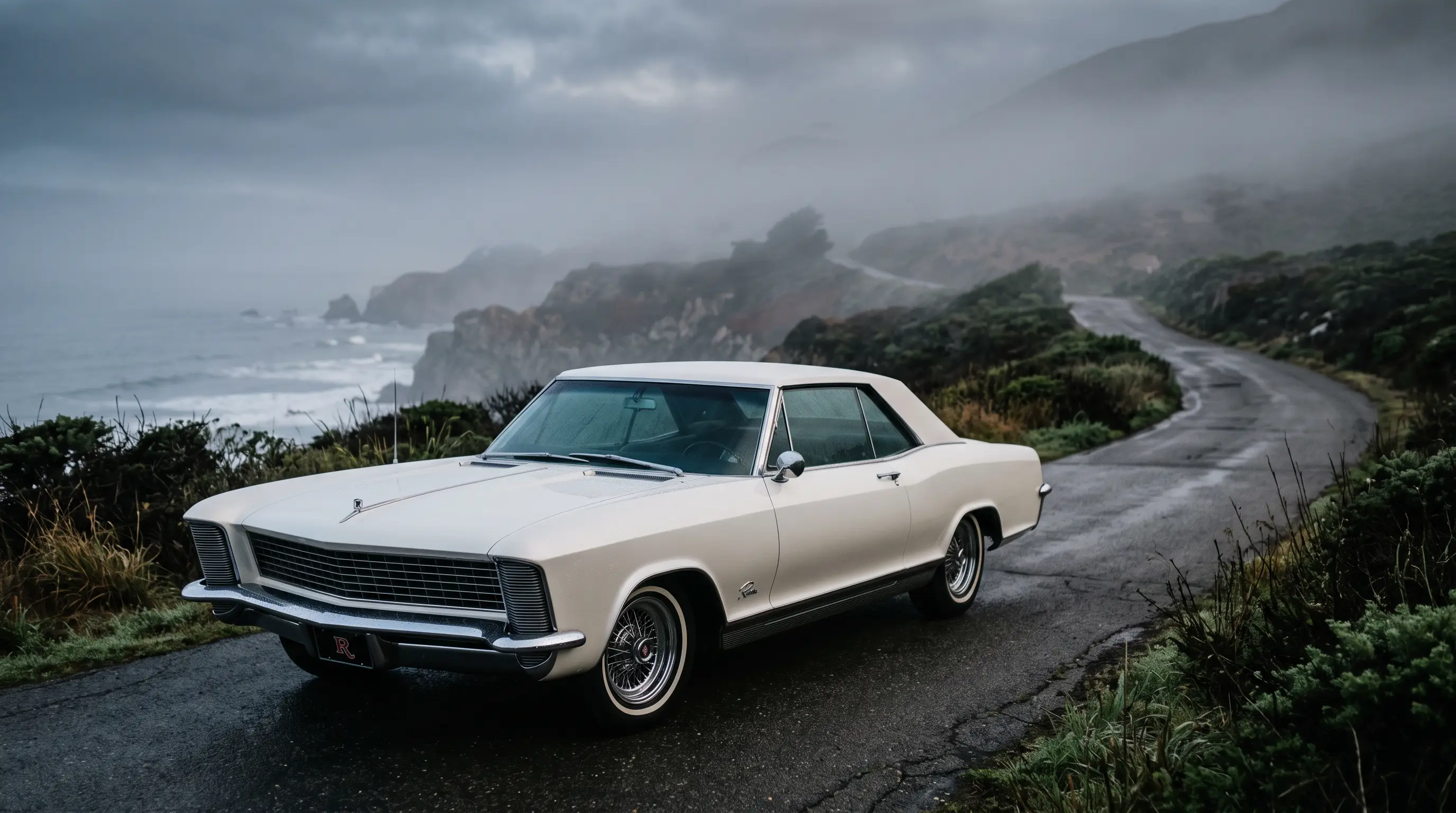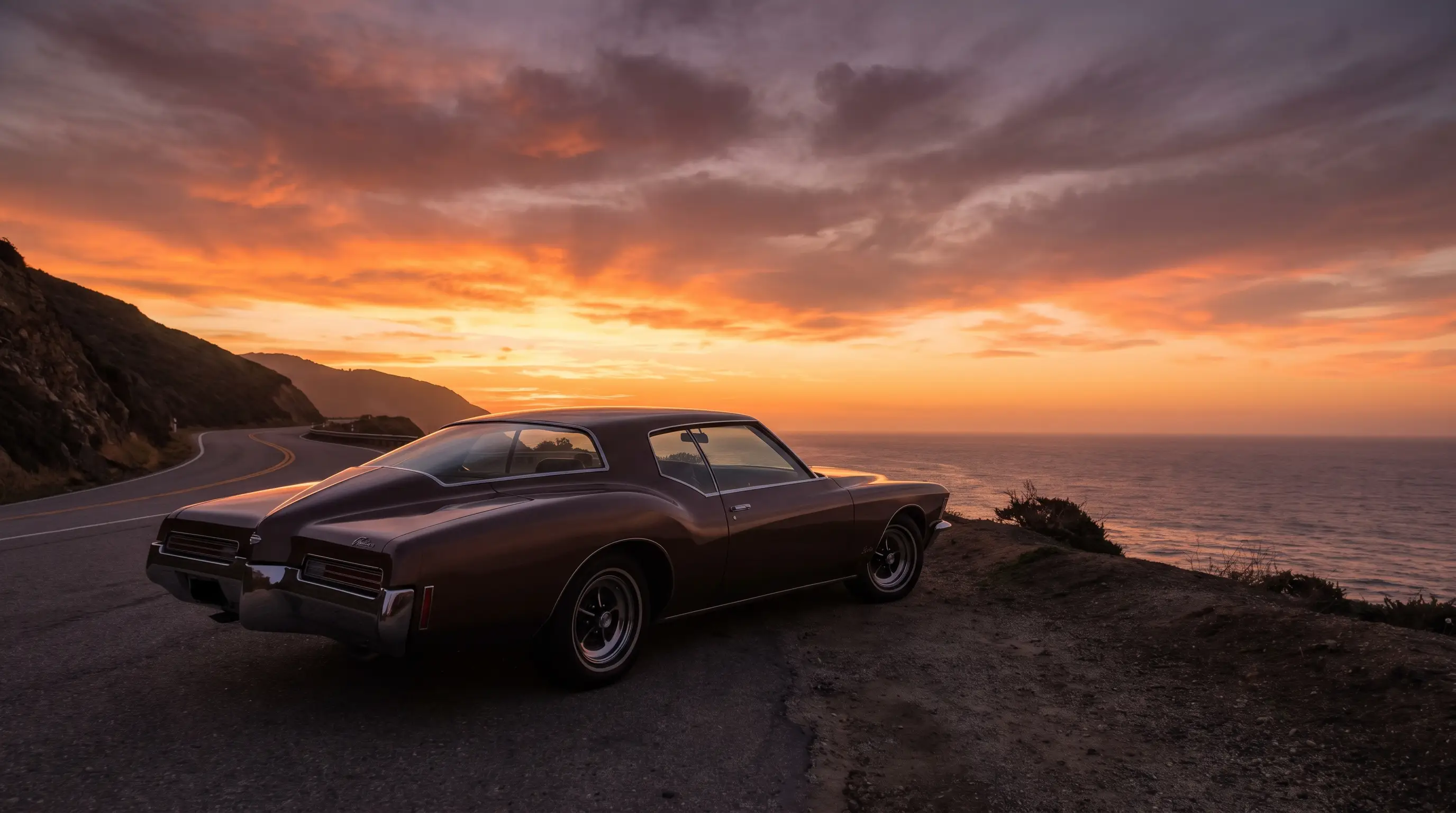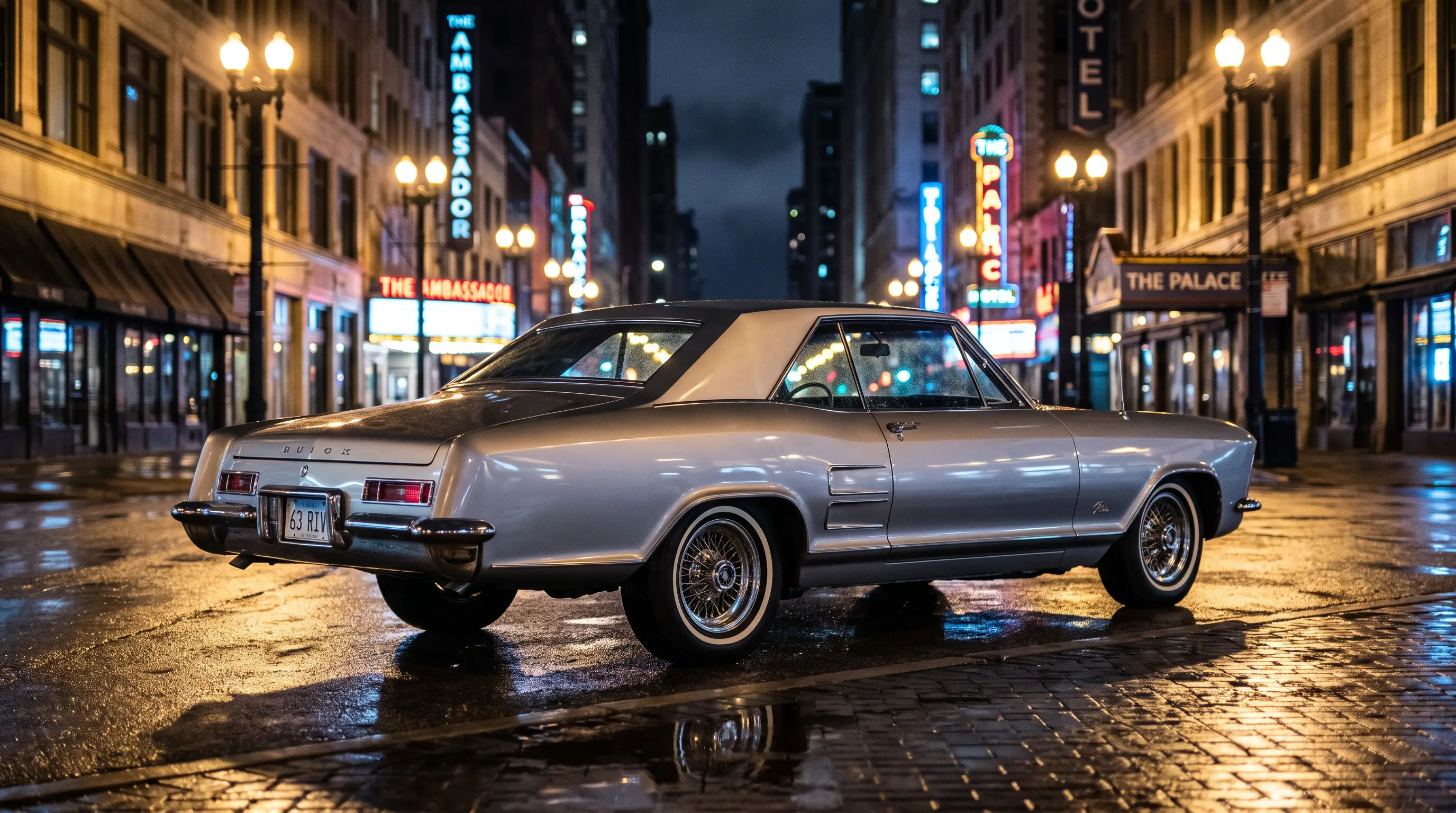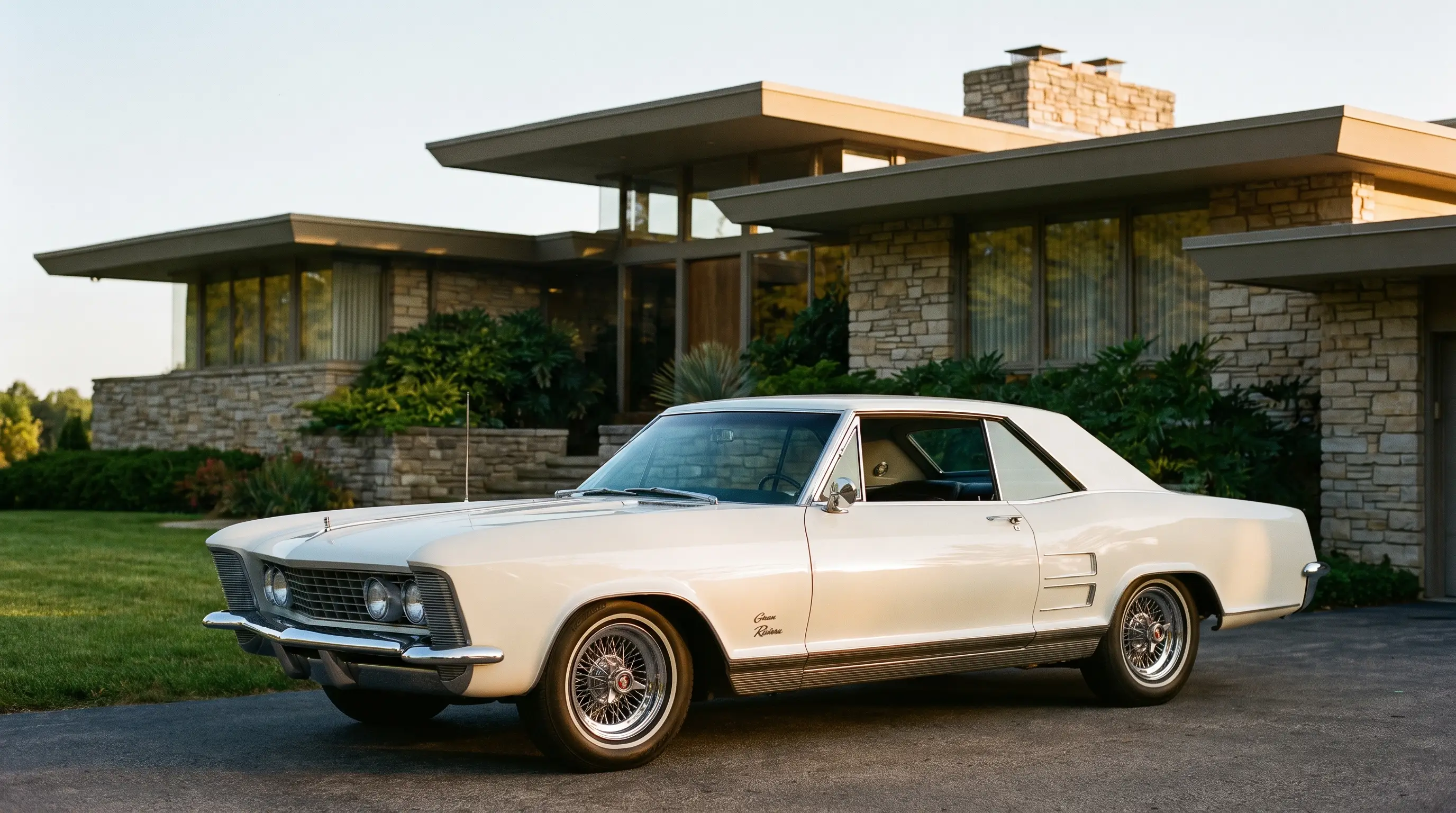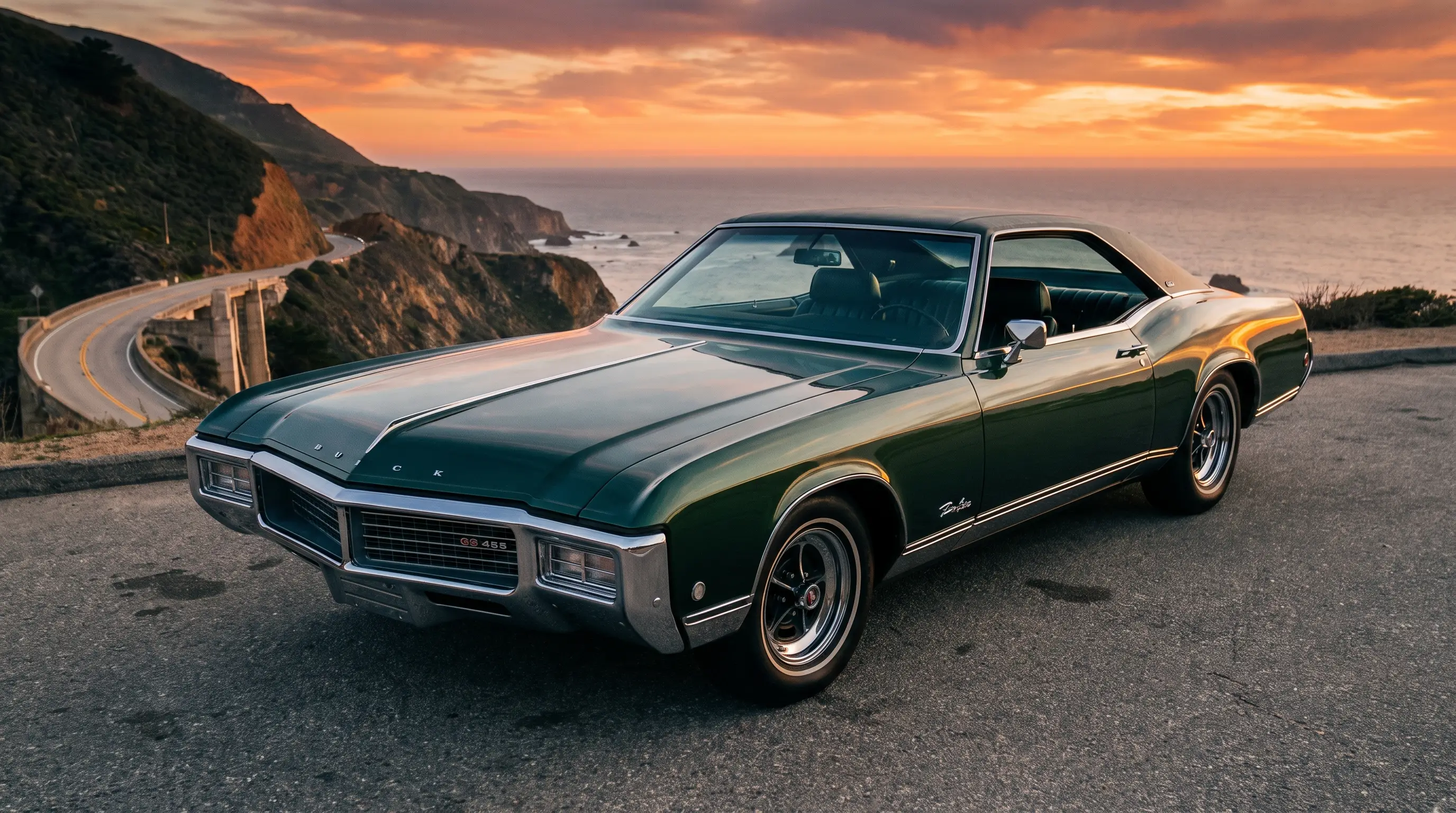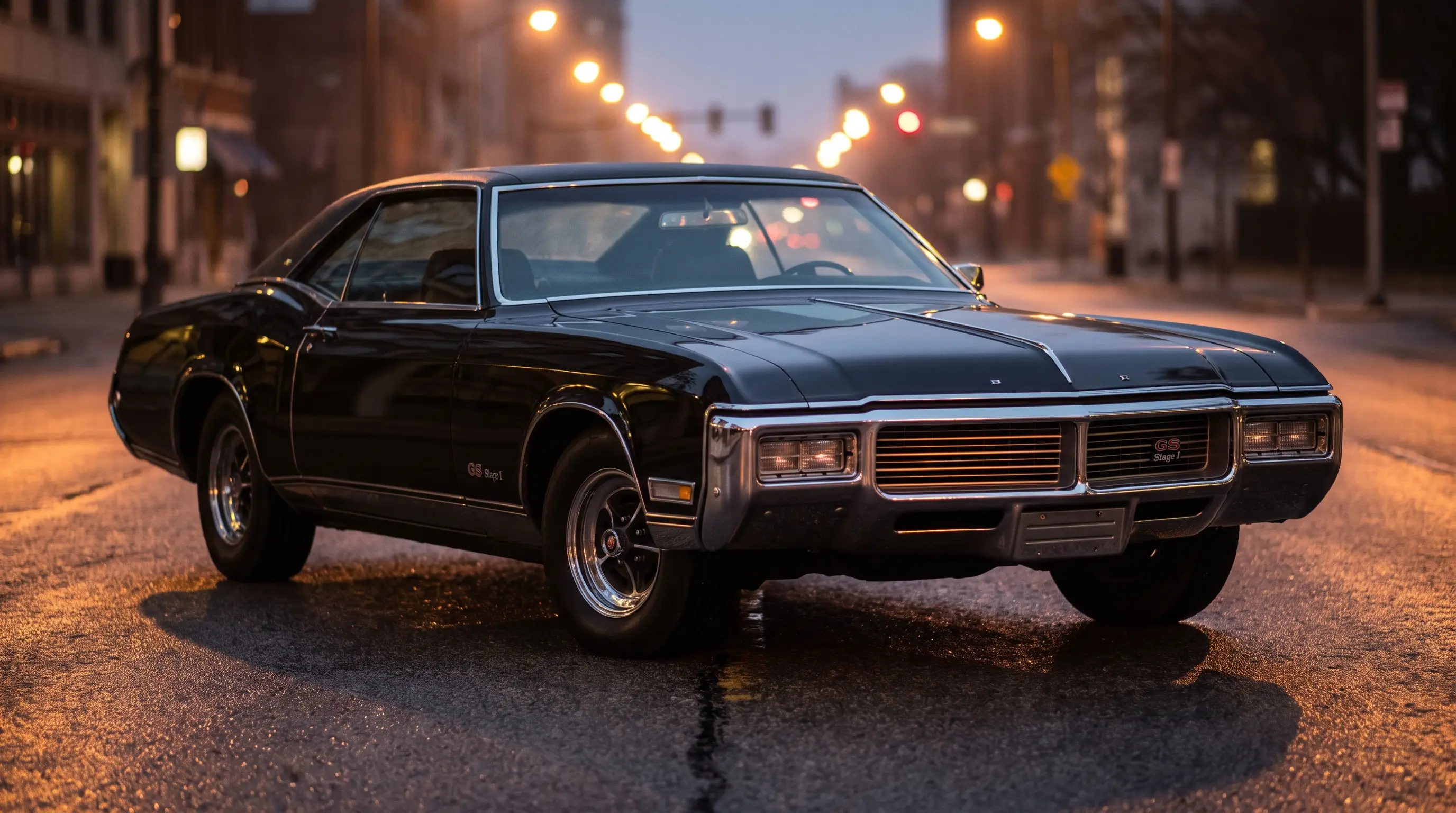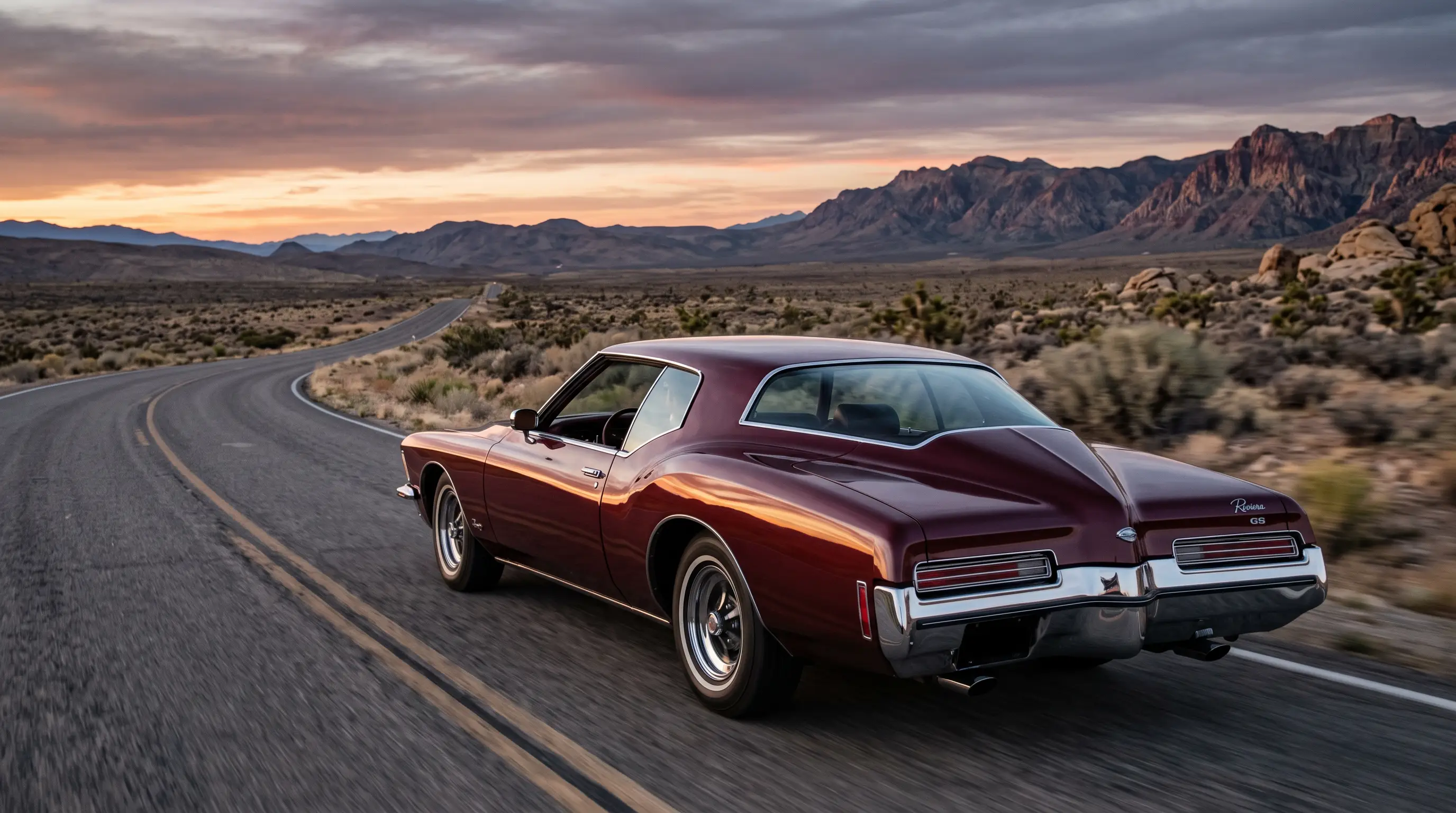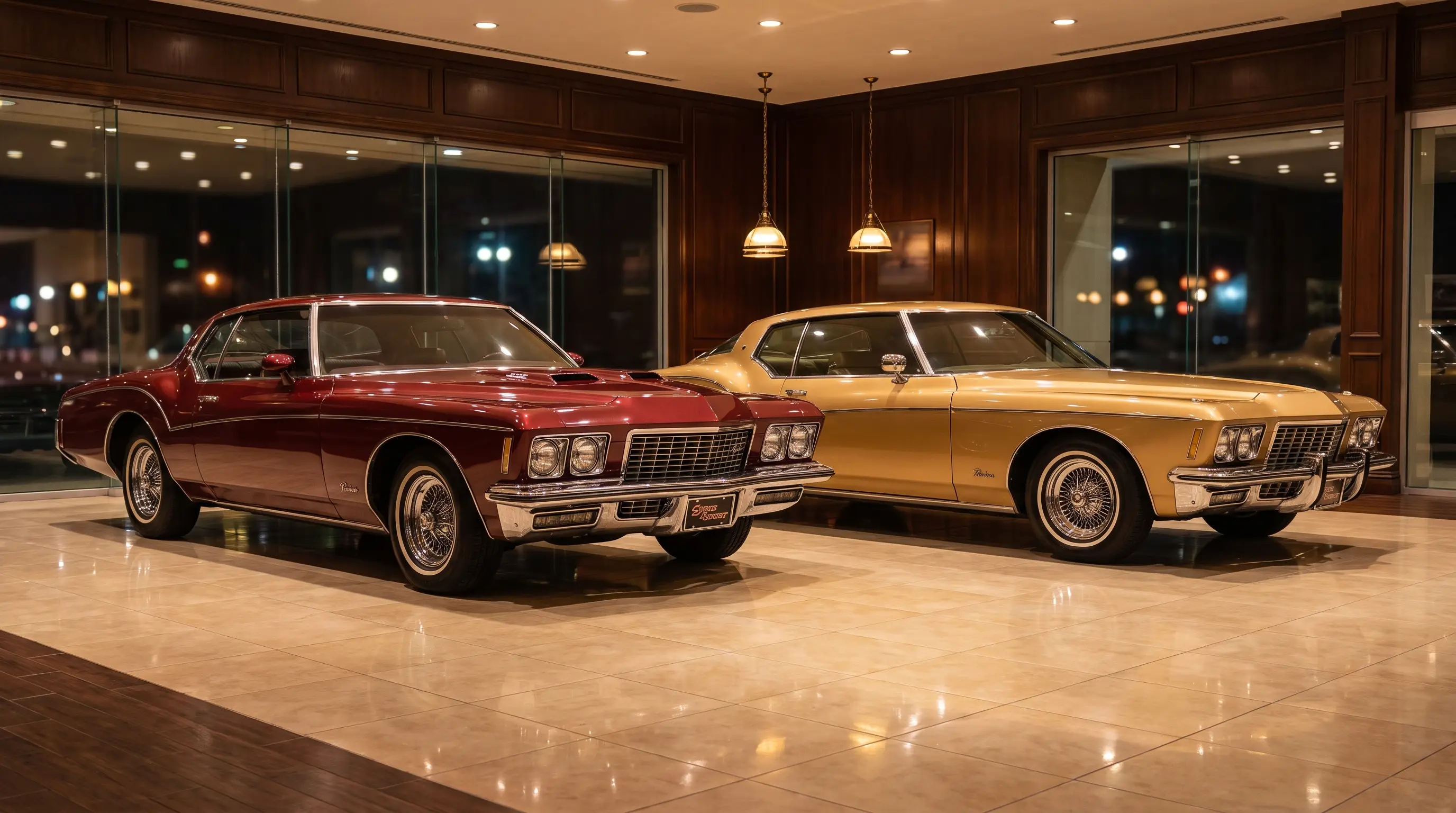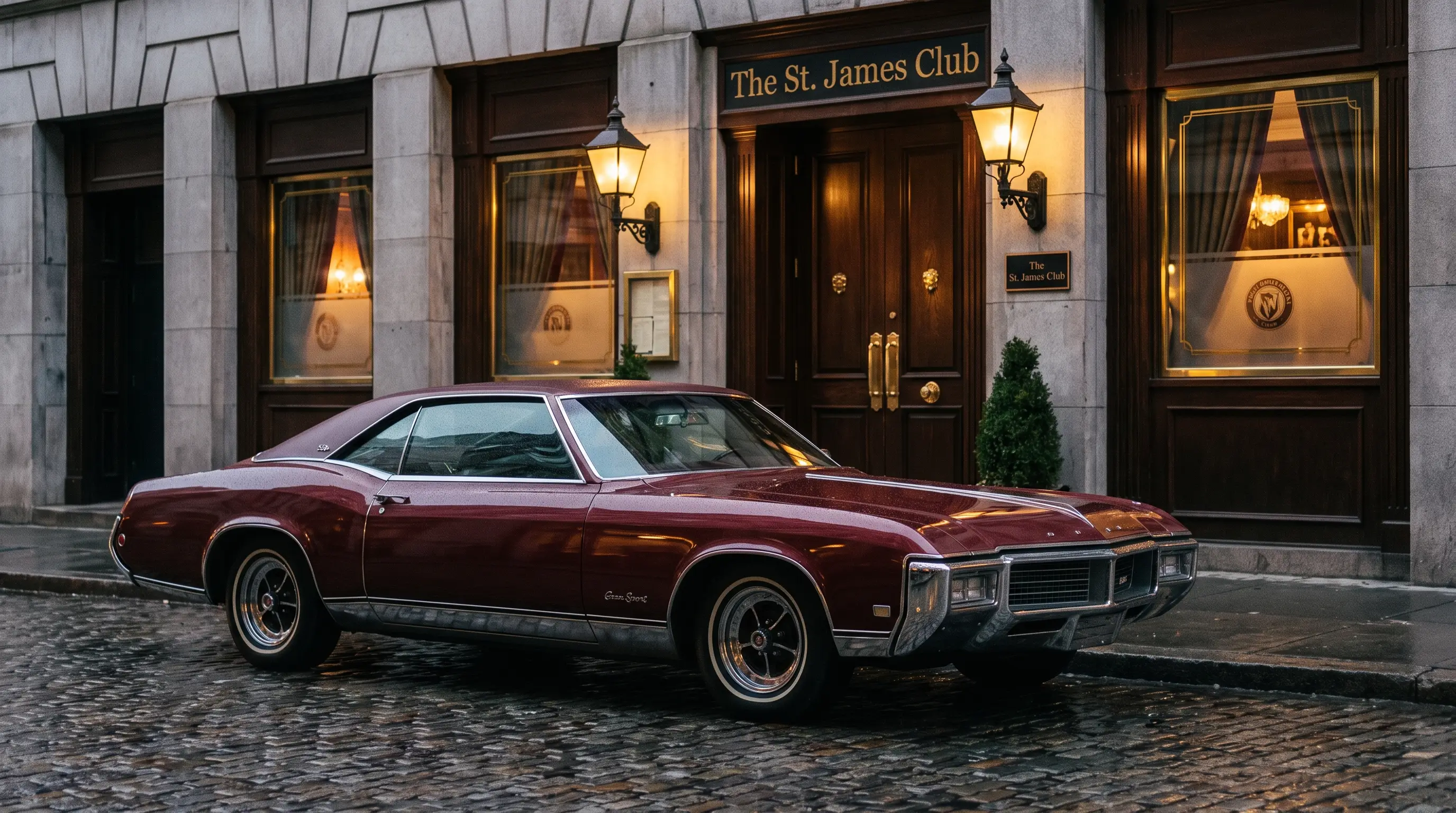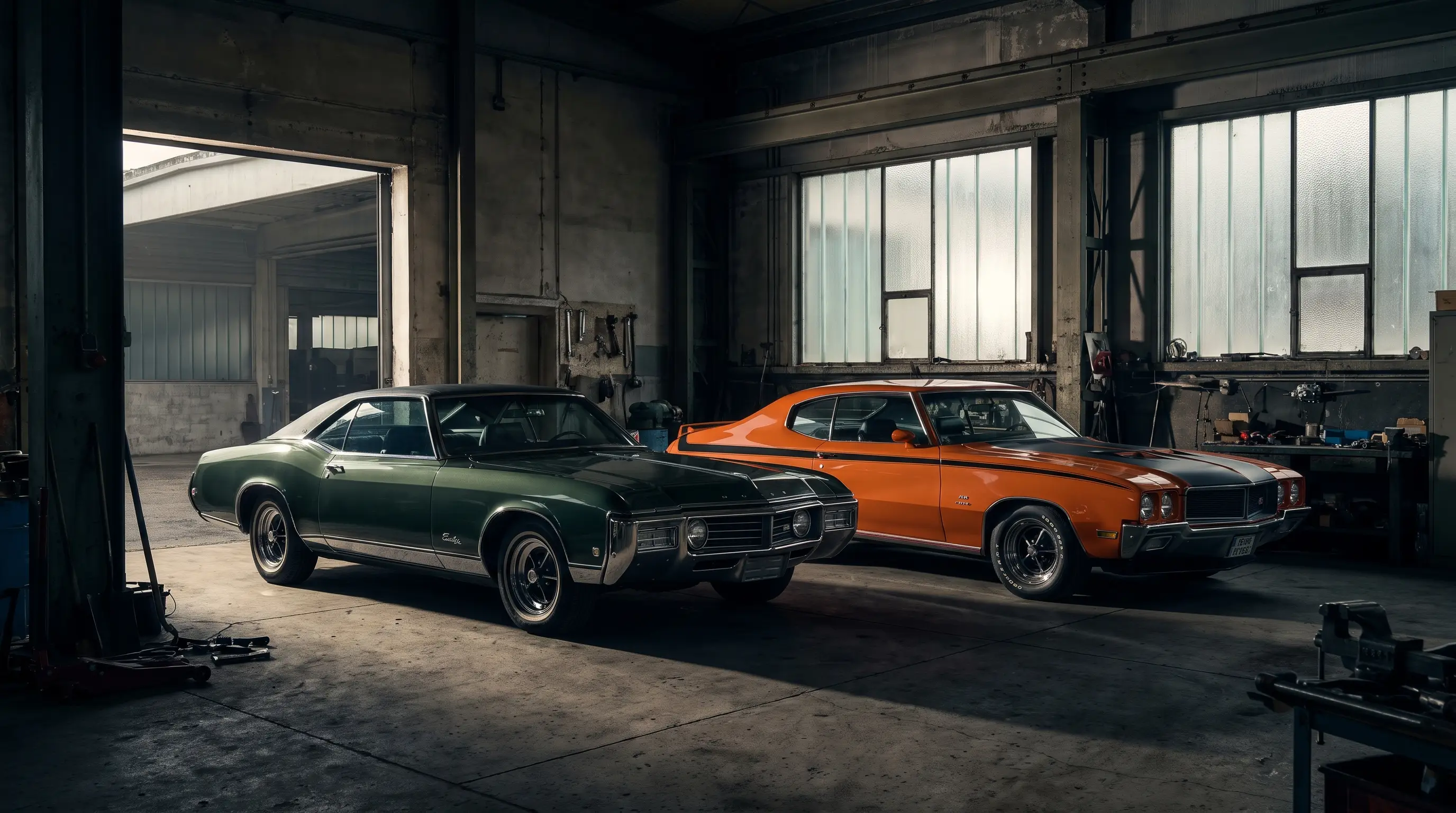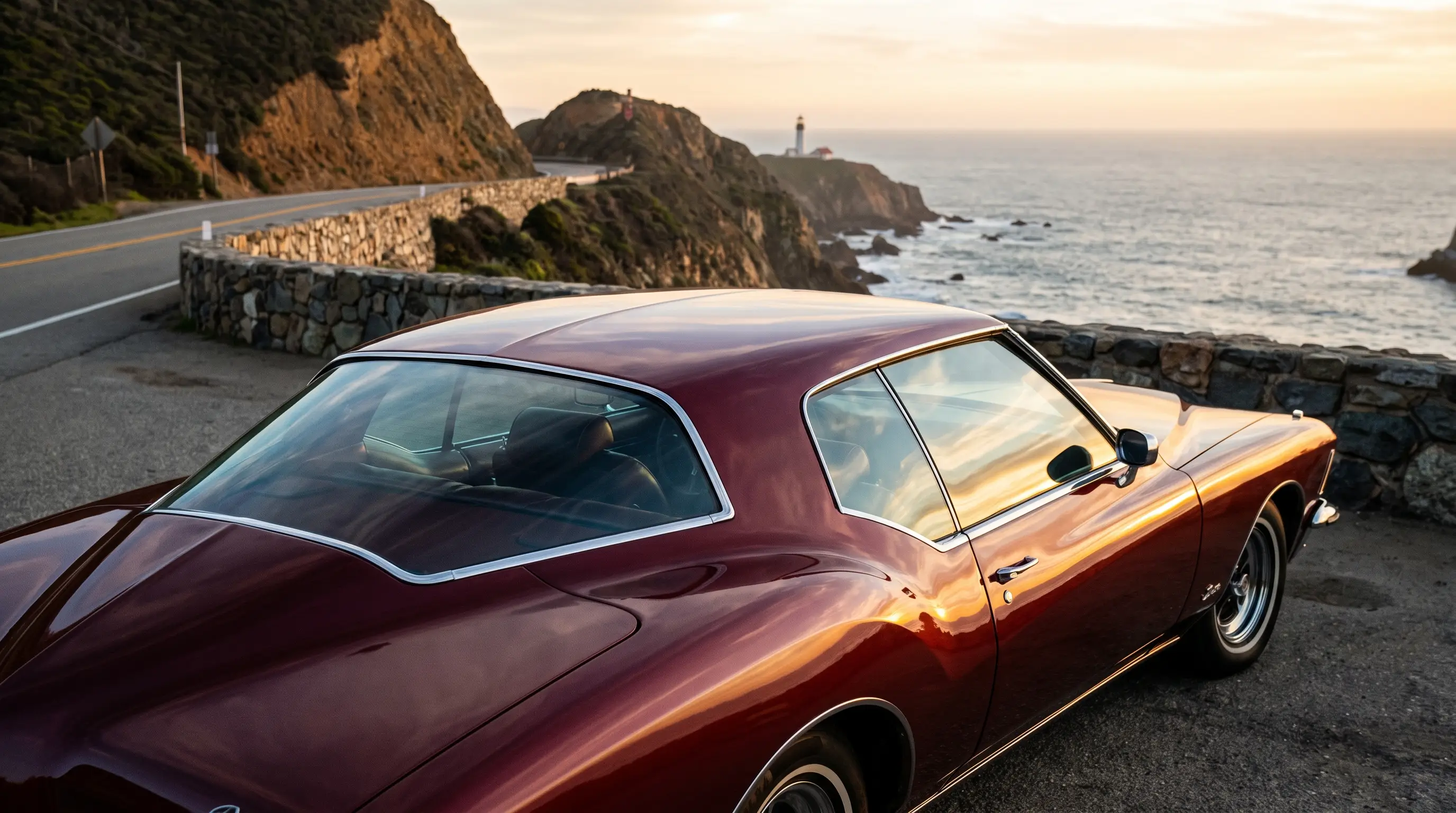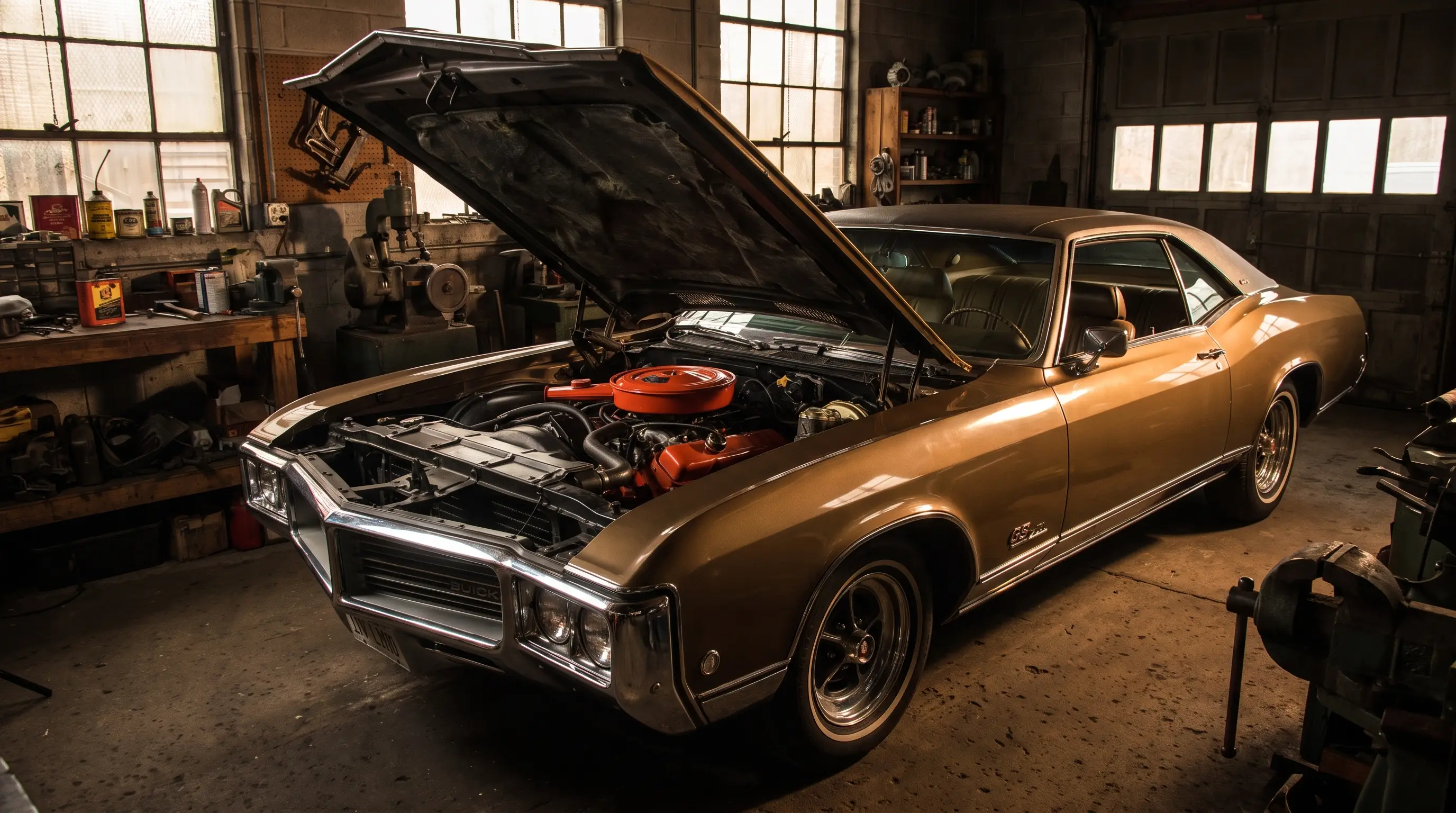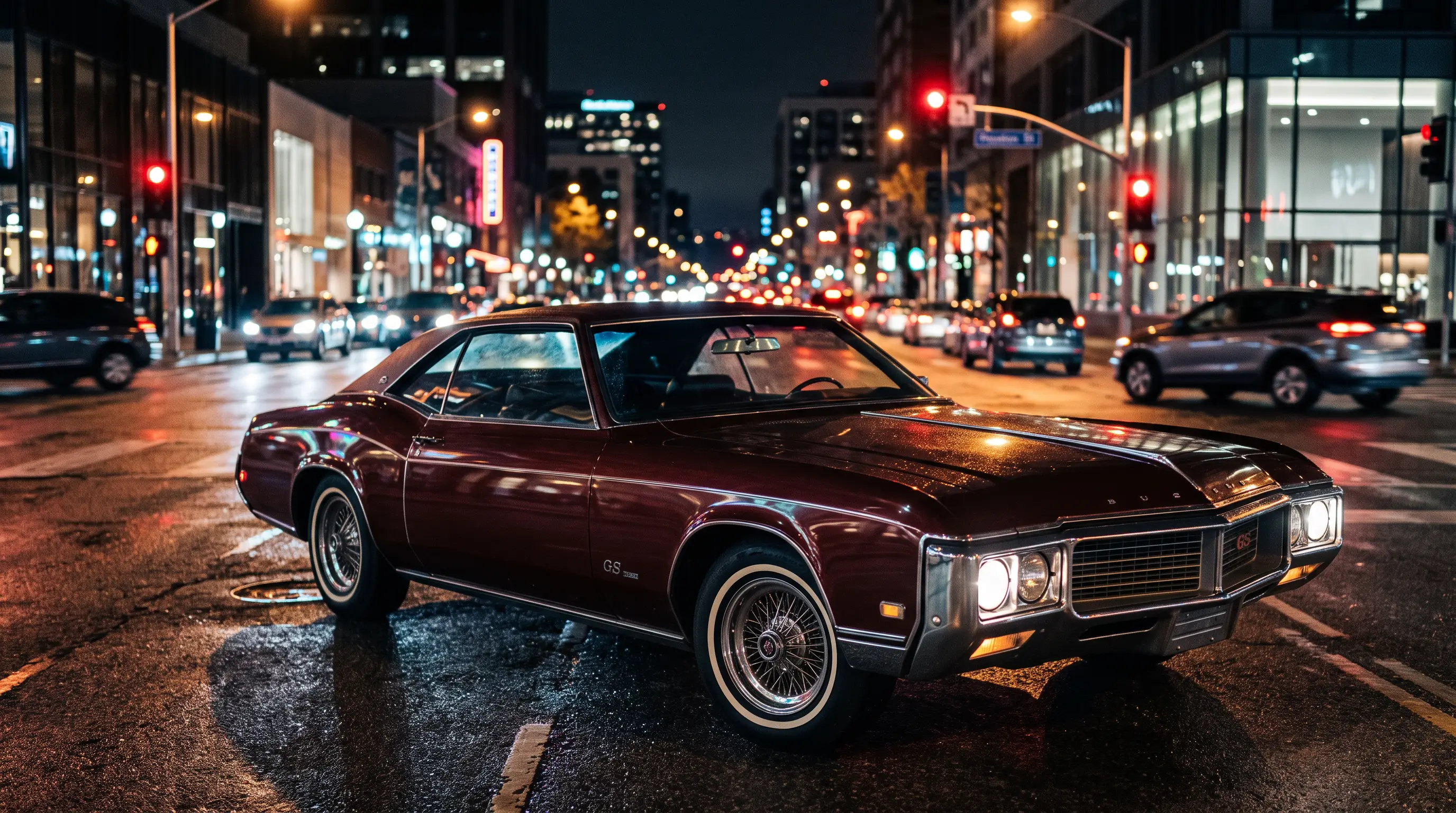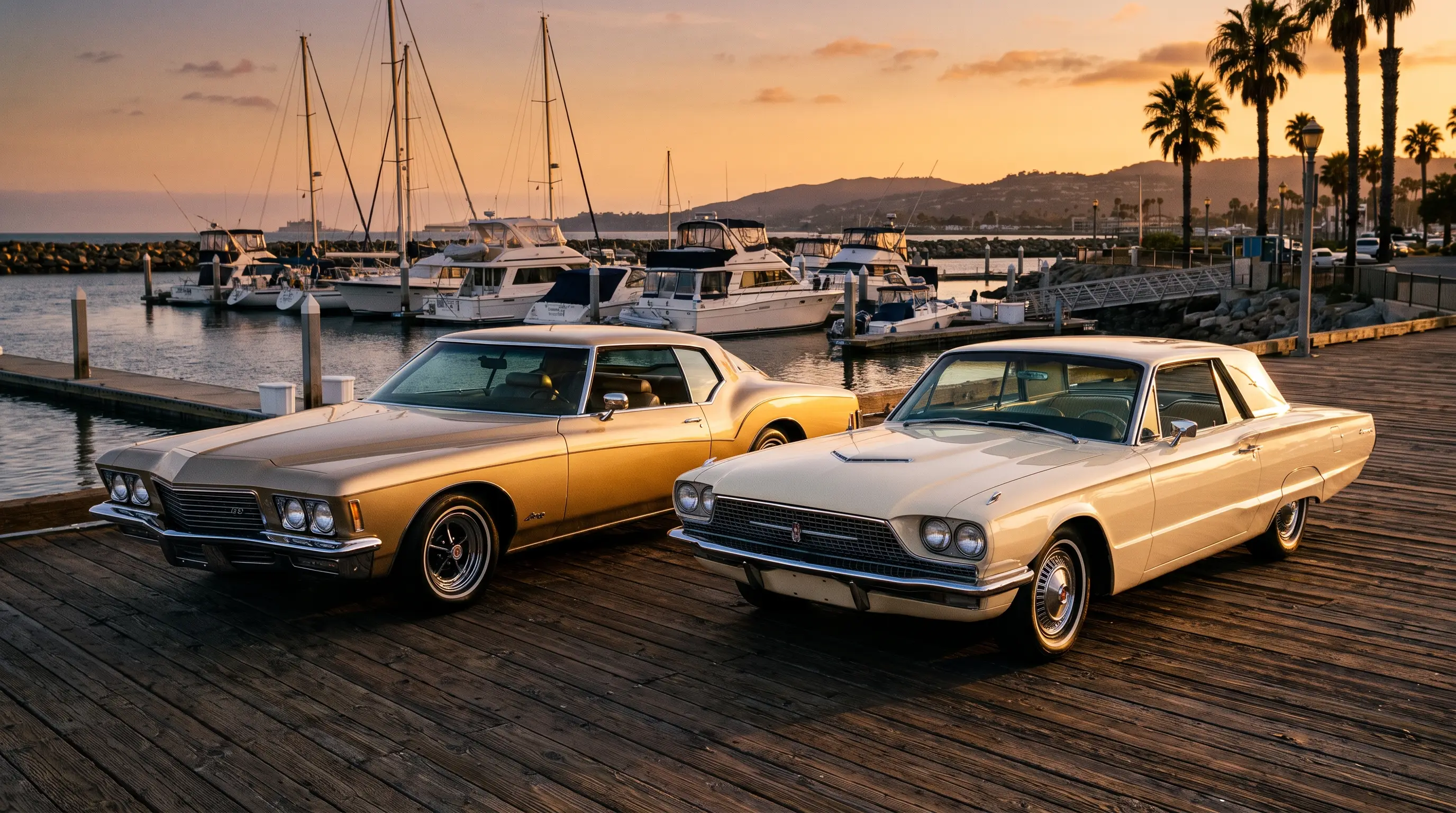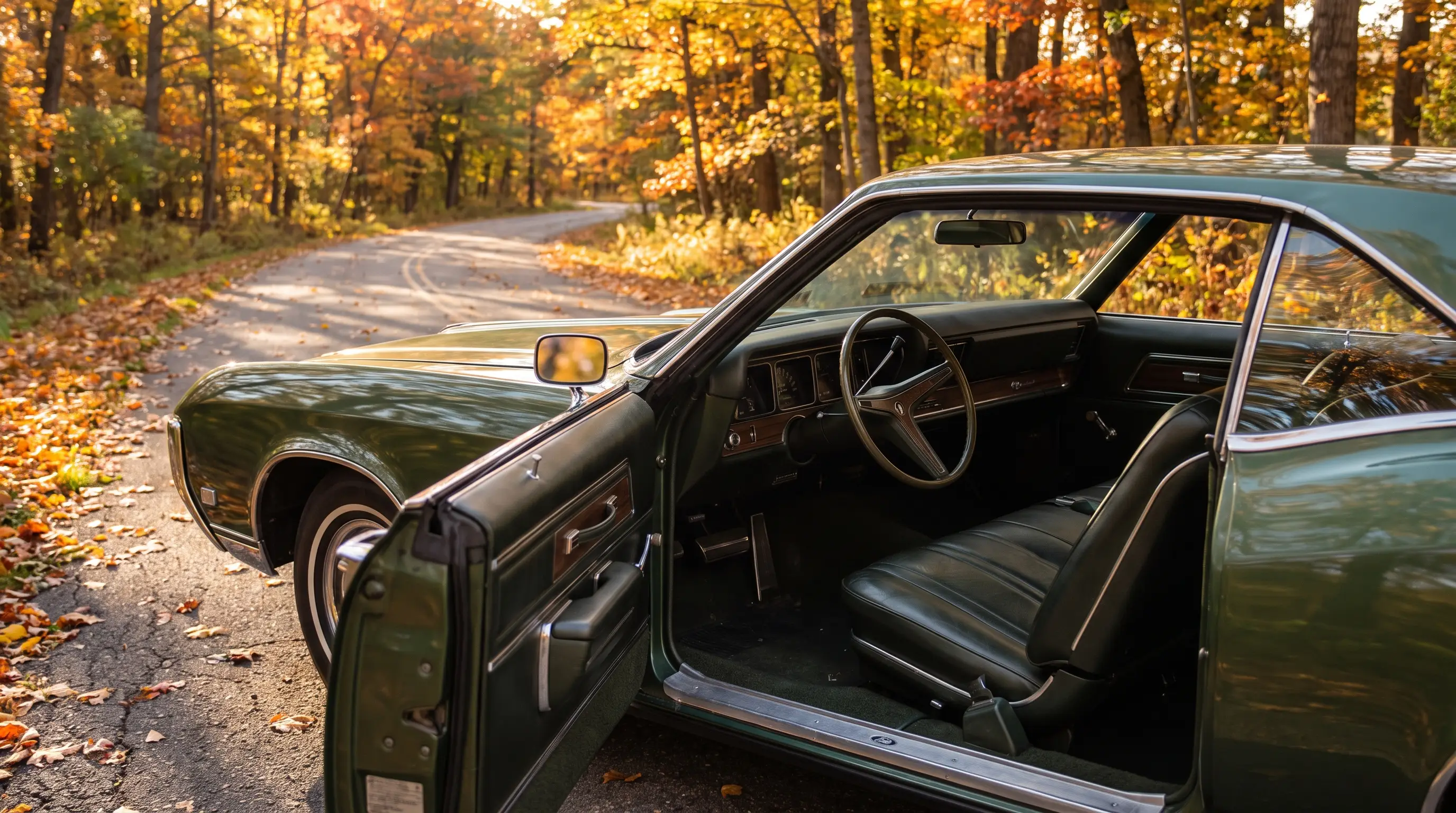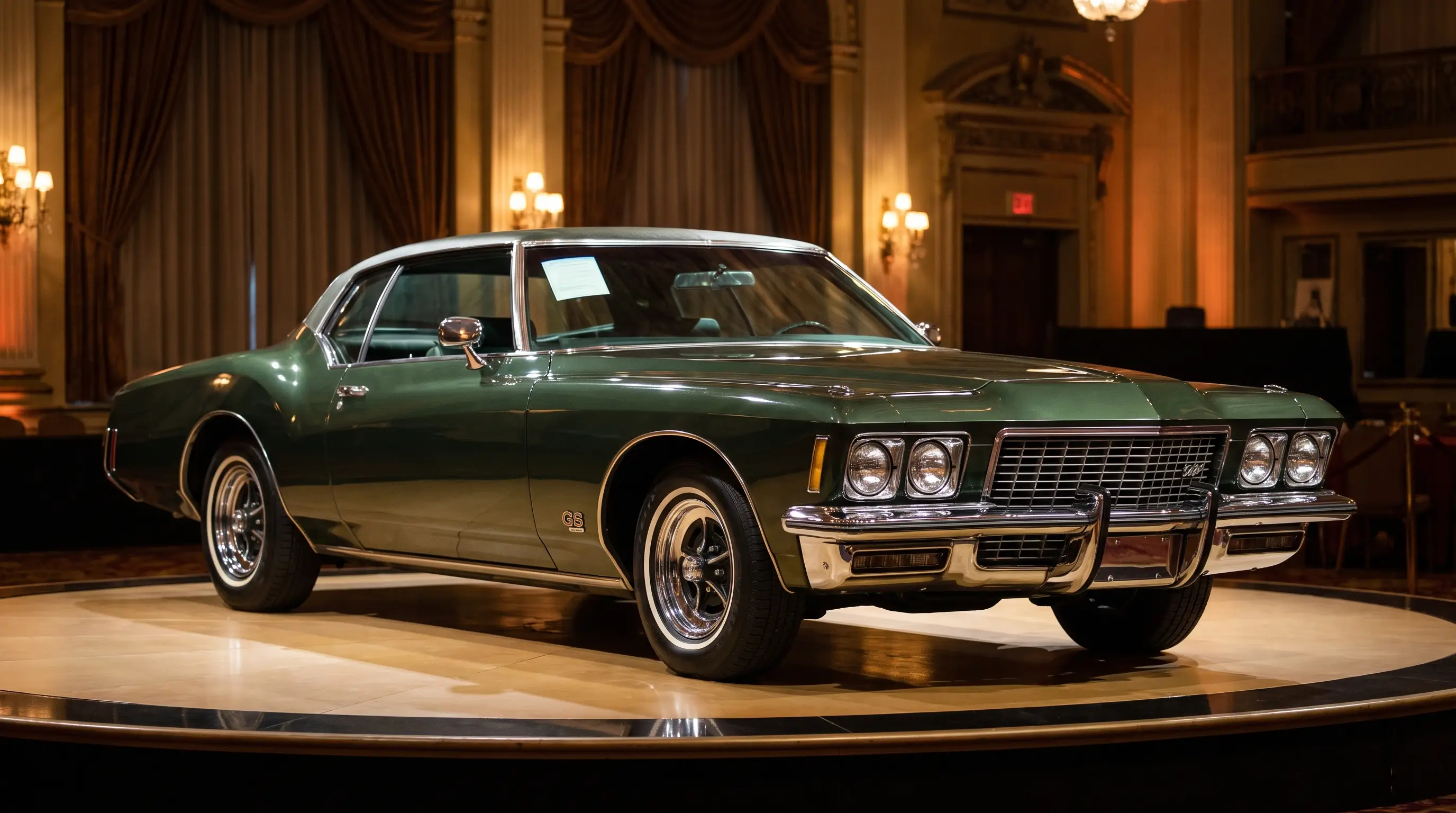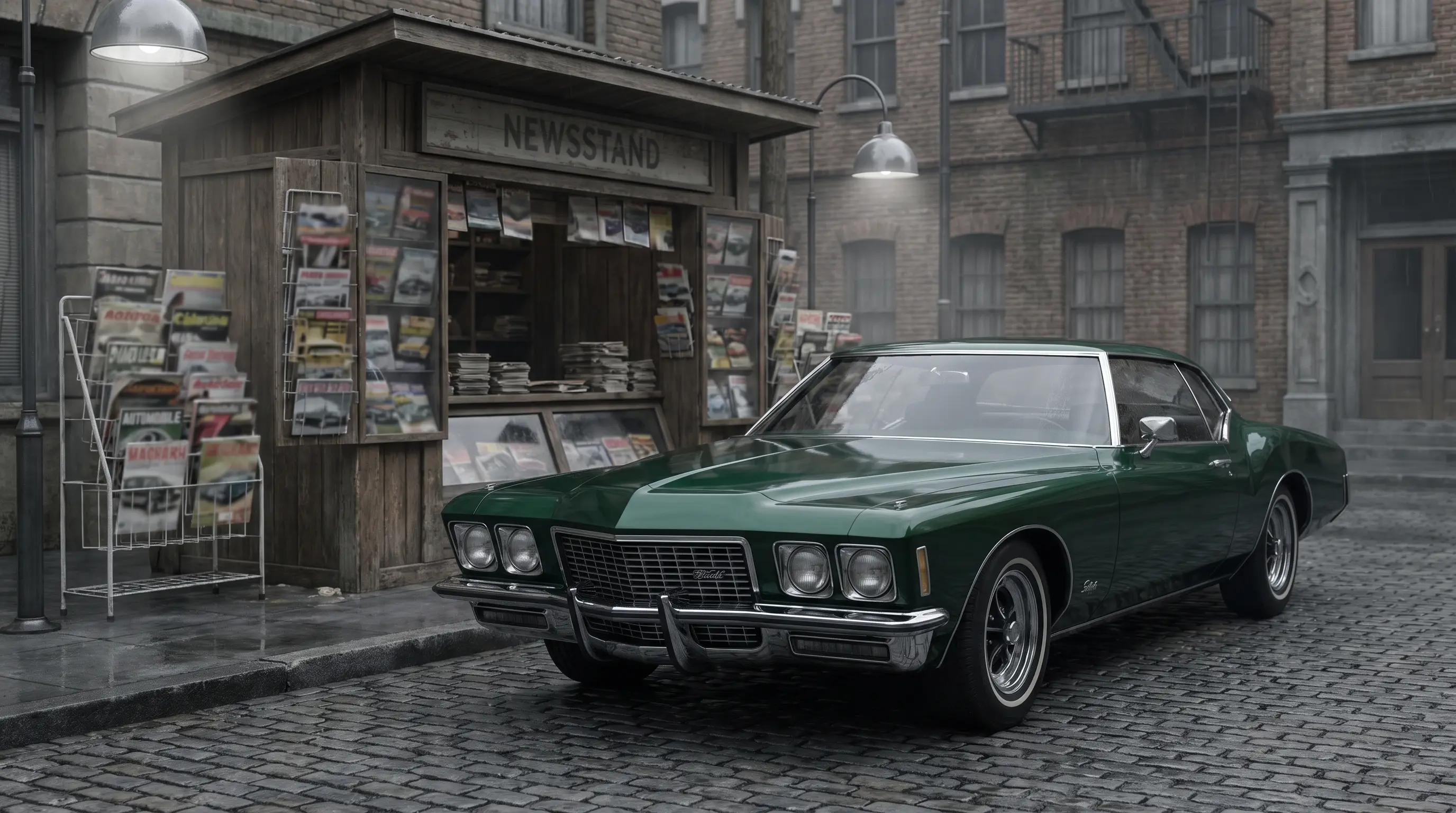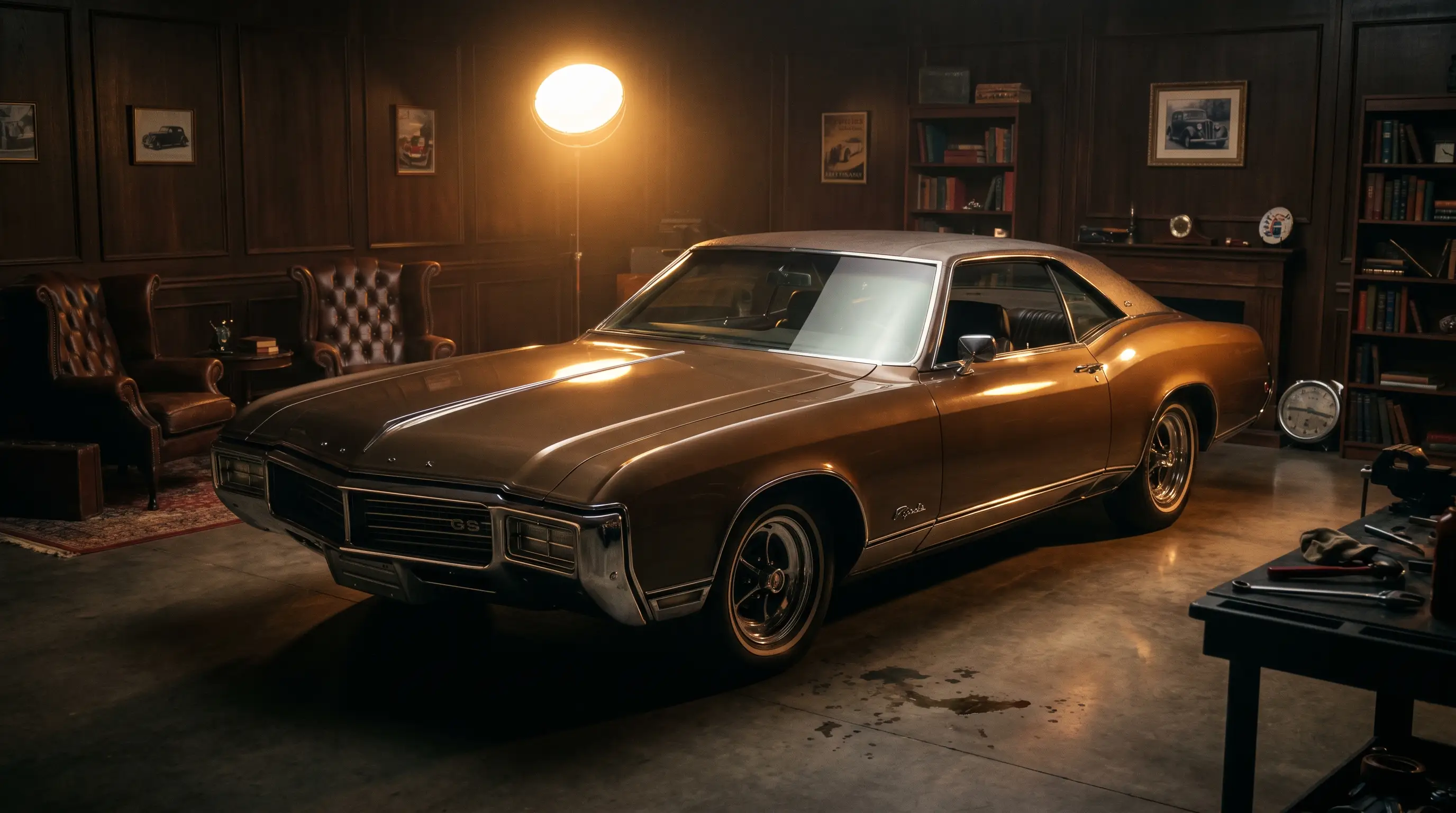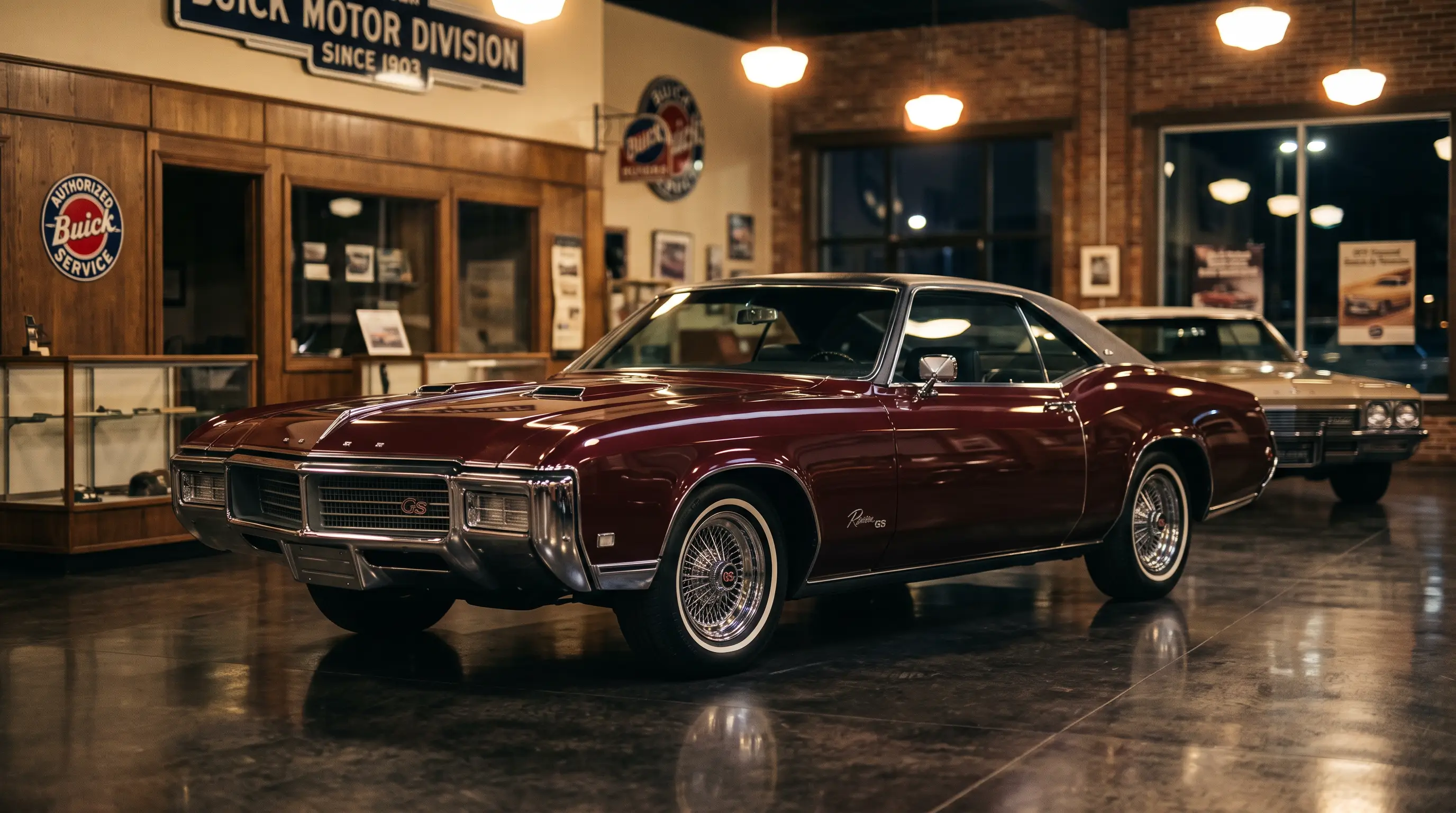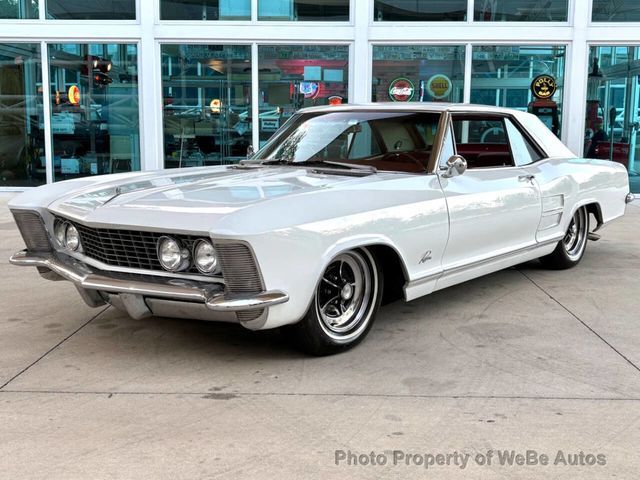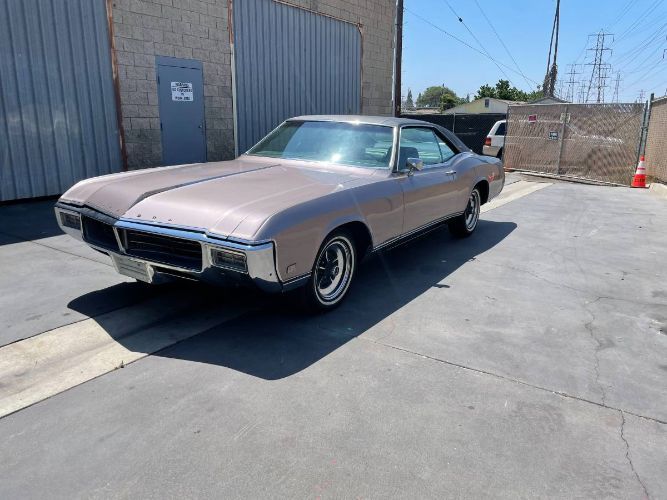
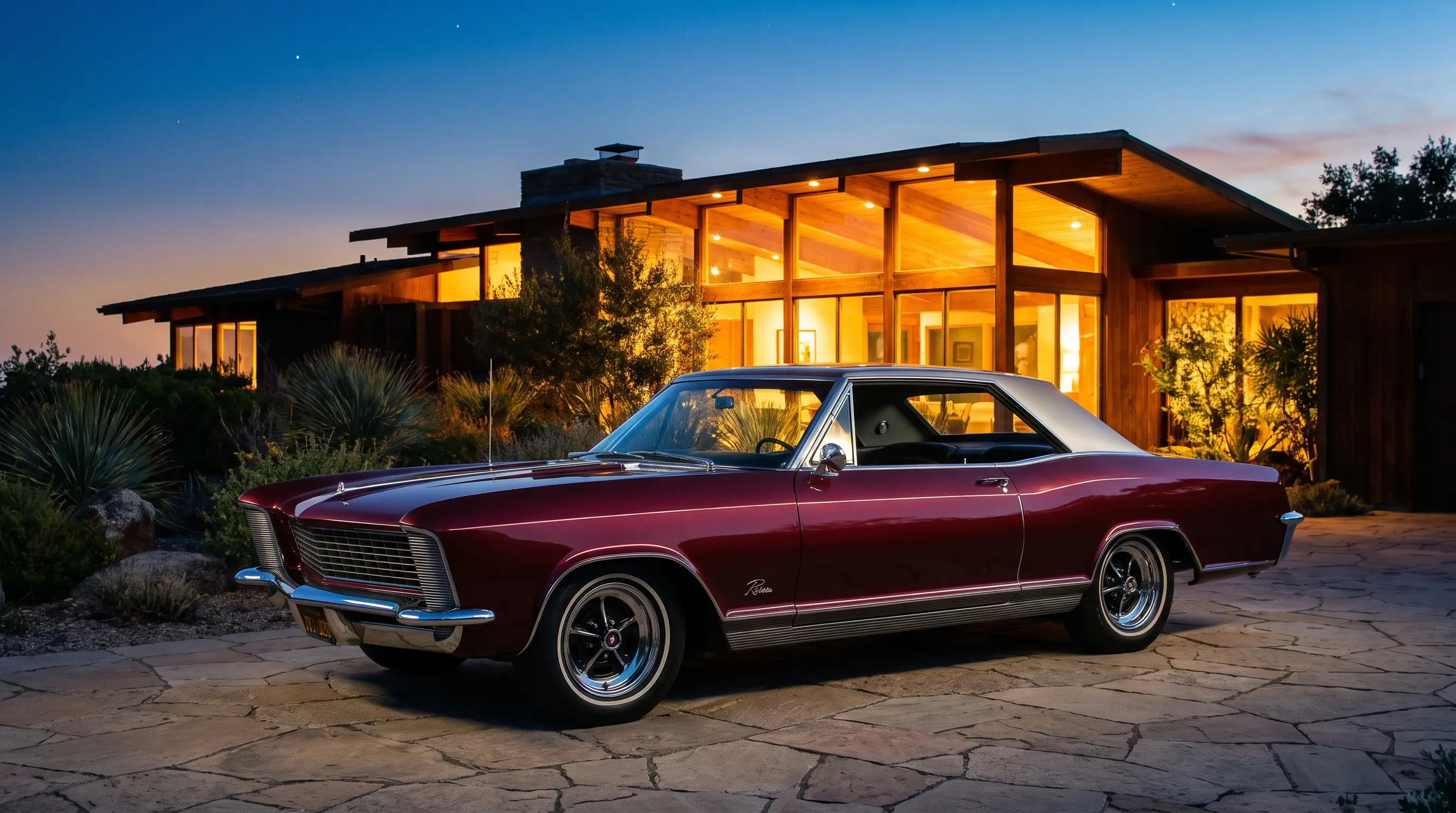
The Buick Gran Sport Riviera was fast and quiet, and that combination is rarer than people think. Buick built a personal-luxury coupe that weighed well over two tons and made it move like it was annoyed. No stripes screaming about it. No hood scoop begging for attention. Just a torque figure that embarrassed cars half its size. That is the whole appeal, and the numbers back it up.
People remember the muscle-car era as a contest of horsepower ratings. The Gran Sport Riviera says the number that mattered was torque, and it had more than almost anything else on the road. Here is how the car earned its nickname and why the hype around lighter, louder rivals misses the point.
Start with the weight problem, because everything about this car flows from it. A Riviera of this era weighed well over 4,000 pounds. That is a lot of car to move. A small revvy engine would have hated the job. Buick's answer was to throw displacement at it, and displacement is what the Gran Sport delivered. The badge did not promise you a lightweight. It promised you enough motor to make the weight irrelevant, and it kept that promise every year it existed.
What Gran Sport actually meant
Gran Sport was Buick's performance label. On the Riviera it meant a bigger or hotter engine, a firmer suspension, and a numerically higher rear axle ratio. It did not mean a stripped interior or a harsh ride. That was deliberate. Buick was not chasing the teenager with a paper route. It was selling to a buyer who wanted speed without giving up the leather and the silence.
The first Gran Sport Riviera arrived for 1965. It used the 425 cubic inch Nailhead V8 with two four-barrel carburetors and was rated at 360 horsepower. That was a serious number for a luxury coupe in 1965. The full context of how the model got there lives in our buick riviera retrospective, but the short version is that the Gran Sport was Buick admitting its flagship could be a performance car too.
That admission mattered more than the hardware. Buick had spent decades selling comfort and quiet to a conservative buyer, the kind of customer who wanted nothing to do with a stoplight contest. Offering a Gran Sport meant Buick had noticed that some of those buyers wanted both, the calm and the capability, and did not want to visit a rival showroom to get the second one. The package was a quiet strategic move dressed up as an option box. It let Buick keep its dignified image intact while still building something that would surprise the driver in the next lane.
The 455 and the Velvet Hammer
The Gran Sport story peaks in 1970. That year the Riviera GS ran Buick's 455 cubic inch V8. Buick quoted 370 horsepower. Nobody cared about that figure. The torque figure was 510 pound-feet, and that is the number that built the legend. Peak torque came in low, off idle, right where a heavy car needs it. The result was a coupe that did not rev to prove a point. It just left.
That is where the nickname comes from. The Velvet Hammer. Velvet for the ride and the interior, hammer for what happened when you buried the throttle. It is a marketing-friendly phrase, but for once the phrase is accurate. The car was genuinely quick and genuinely refined at the same time, and very few things from that era could claim both.
| Specification | Buick Gran Sport Riviera |
|---|---|
| Performance label | Buick Gran Sport (GS) |
| 1965 engine | Dual four-barrel 425 Nailhead, 360 hp |
| 1970 engine | 455 cubic inch V8, 370 hp |
| 1970 peak torque | 510 pound-feet |
| Character | Low-end torque, quiet ride, understated trim |
| Nickname | The Velvet Hammer |
How the Gran Sport grew up
The Gran Sport did not stay still. In 1965 the package leaned on the 425 cubic inch Nailhead with two four-barrel carburetors. Buick marketed that engine as the Wildcat 465, and the name was not random. It referred to the 465 pound-feet of torque made by the single four-barrel version of the 425. Buick was telling you, right there on the badge, that torque was the selling point years before anyone coined the Velvet Hammer nickname.
When the second-generation Riviera arrived for 1966, the Gran Sport equipment carried over onto the larger body. The Nailhead was in its final seasons by then, and Buick replaced it with a new big-block family, moving to a 430 cubic inch V8 later in the decade. Each step kept the same philosophy. Big engine, low-end muscle, quiet delivery, minimal shouting about it. The hardware changed. The character did not.
The 455 that defined the 1970 Gran Sport was the culmination of that thinking. It was the biggest and most muscular engine Buick had put in the car, and it landed just as the muscle era peaked and just before emissions rules pulled the whole industry back. That timing is part of why the 1970 GS is the one collectors fixate on. It sits at the exact high-water mark, the moment before the tide went out.
Torque beats horsepower, and here is why
Let me be blunt about the physics without turning this into a lecture. Horsepower sells magazine covers. Torque moves a heavy car. The Gran Sport Riviera weighed a lot. A high-strung small engine making its power at 6,000 rpm would have been miserable in a car like this. Buick did the opposite. It used a huge engine that made its muscle down low, so the car felt effortless everywhere a driver actually spends time.
That is why the Gran Sport never needed a tachometer drama. Roll onto the throttle at any speed and the torque was already there. No downshift ritual. No waiting for the engine to wake up. For a two-ton luxury coupe that is exactly the right engineering answer, and it is why these cars still feel strong on a modern road when a lot of period muscle cars feel peaky and nervous.
There is a second benefit that gets ignored. A big low-revving engine in a heavy car is a relaxed engine. It is not straining to make its numbers, so it tends to live a long life and behave itself in traffic. The Gran Sport was quick when you asked and docile when you did not. Compare that to a high-compression small engine tuned for the strip, which is thrilling for ten seconds and tiring for the other fifty-nine minutes of every hour. The Buick approach was the grown-up one, and it reads better with every passing decade.
The hype it deserves and the hype it does not
Here is where I puncture something. The Gran Sport Riviera is not a drag-strip legend, and anyone selling it as one is stretching. It was heavy. Quarter-mile times were respectable, not record-setting, and a lighter muscle car with the same engine would beat it in a straight line. That is just weight and physics. Pretending otherwise does the car no favors.
What the Gran Sport was, and remains, is the best-balanced fast Buick of its era. It gave up a little at the strip and won everywhere else. Comfort, quiet, torque, style, all in one package. That is a harder thing to build than a fast stripped-down coupe, and it has aged better. If you like the idea of the muscle era but not the compromises, this is the car. For the origin of the platform it rode on, there is a related story worth your time.
"Everyone quotes horsepower. Look at the torque. 510 pound-feet in a 1970 Gran Sport, and it arrived down low where it matters. That is why a two-ton Riviera felt quick and a stripped-out rival with the same rating just felt busy. The Velvet Hammer nickname is not marketing fluff. For once, the number backs it up."
- Dan Reeves
What a Gran Sport is worth watching for
Values reward the real thing and punish the fake. The Gran Sport package added specific hardware, and because a base Riviera and a GS look similar from ten feet away, the market has plenty of cars wearing badges they did not leave the factory with. A blunt rule applies here. Documentation is worth money. A claim is worth nothing.
The 1965 dual-quad cars and the 1970 455 cars are the two high points, and they carry the premium. Confirm the engine, confirm the axle, confirm the GS equipment against paperwork. If the seller cannot show it, treat the car as a base Riviera with a nice story and price it that way. That is not cynicism. That is arithmetic.
One more blunt point on value. The very quality that made the Gran Sport special, its restraint, is also what makes it easy to fake. There is no wild body kit to reproduce, no loud stripe package that has to match a factory pattern. A GS Riviera looked almost exactly like a regular one, which means the difference lives in the driveline and the documents, not the sheet metal. Buyers who understand that pay for the paperwork. Buyers who do not pay for a badge and a hunch. The market sorts them out eventually, usually at resale, and it is not gentle about it.
Why the Gran Sport still matters
The Buick Gran Sport Riviera is the argument for torque over noise, refinement over stripes, and balance over a single quarter-mile number. It did not win the horsepower war because it never entered it. It built something more useful instead, a big American coupe that was quick, quiet, and comfortable at the same time, and it did it with a nickname it actually earned. Fifty years later that recipe reads smarter than a lot of the louder cars it shared a showroom era with. The market has come around to it, slowly, the way markets do once the noise fades and the numbers are all that is left to argue about. If you want one, the good ones move fast, so keep an eye on Rivieras for sale now and be ready to pay for documented GS hardware rather than a hopeful badge.
Sources and notes
- Buick Riviera - Wikipedia
- Vintage Review: 1965 Buick Riviera GS - Curbside Classic
- Specifications for 400, 430 and 455 Cubic Inch Engines - Team Buick
- Buick's Biggest V8: The 1970-76 455 - Mac's Motor City Garage
- 322, 364, 401, 425 Nailhead Engine Specifications - Team Buick
- 1963-1965 Buick Riviera: Substance and Style - Hagerty Media