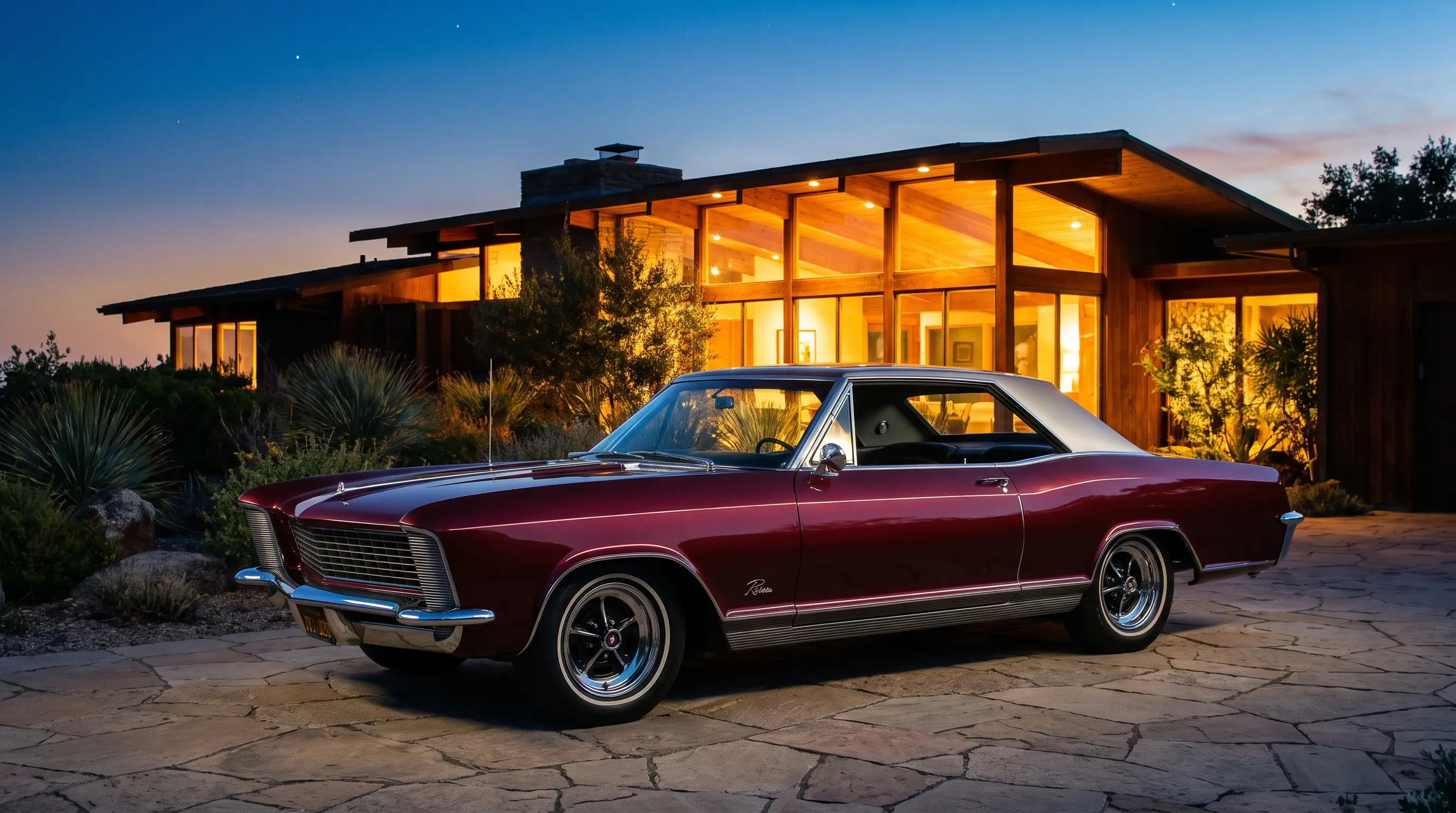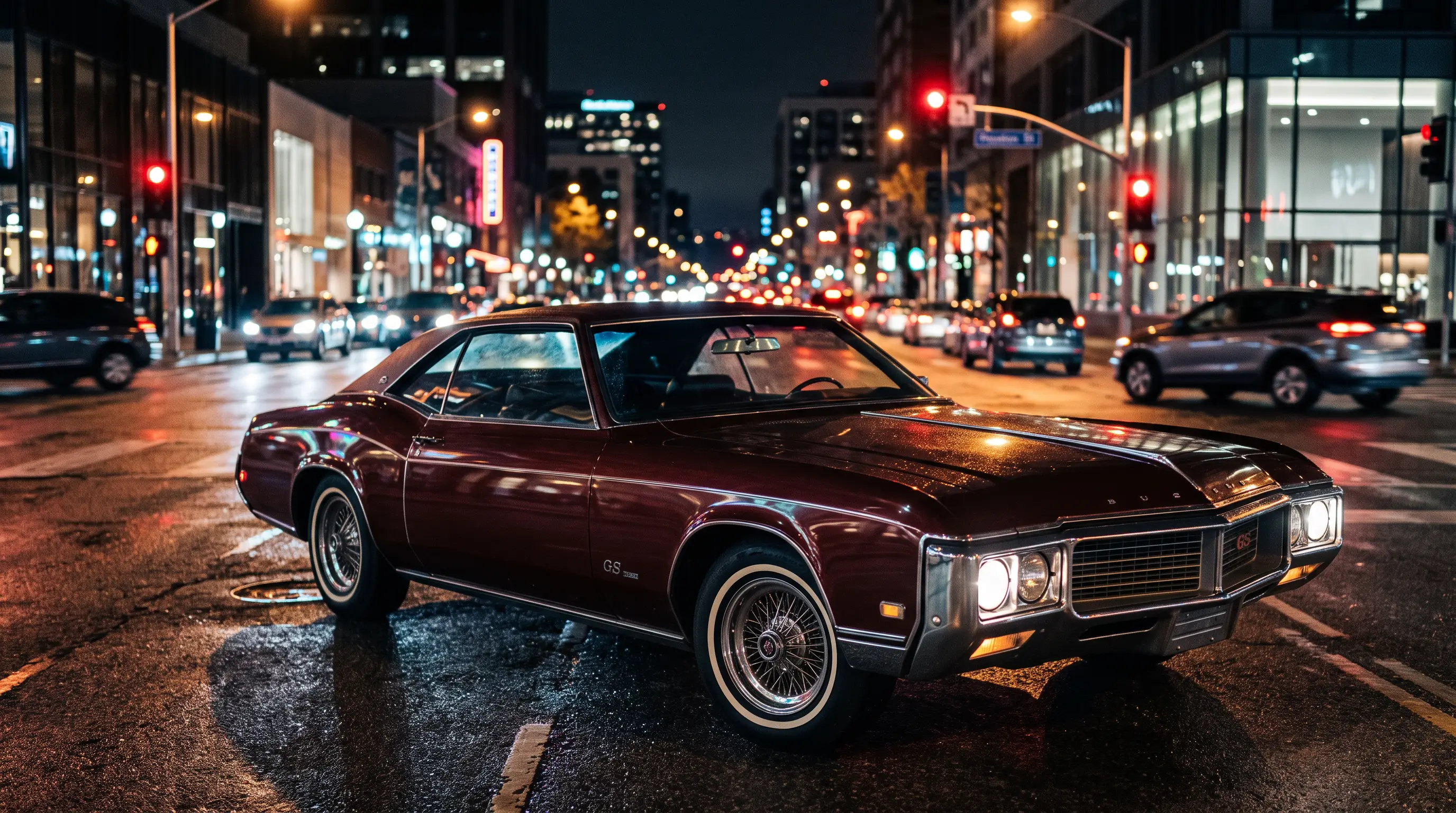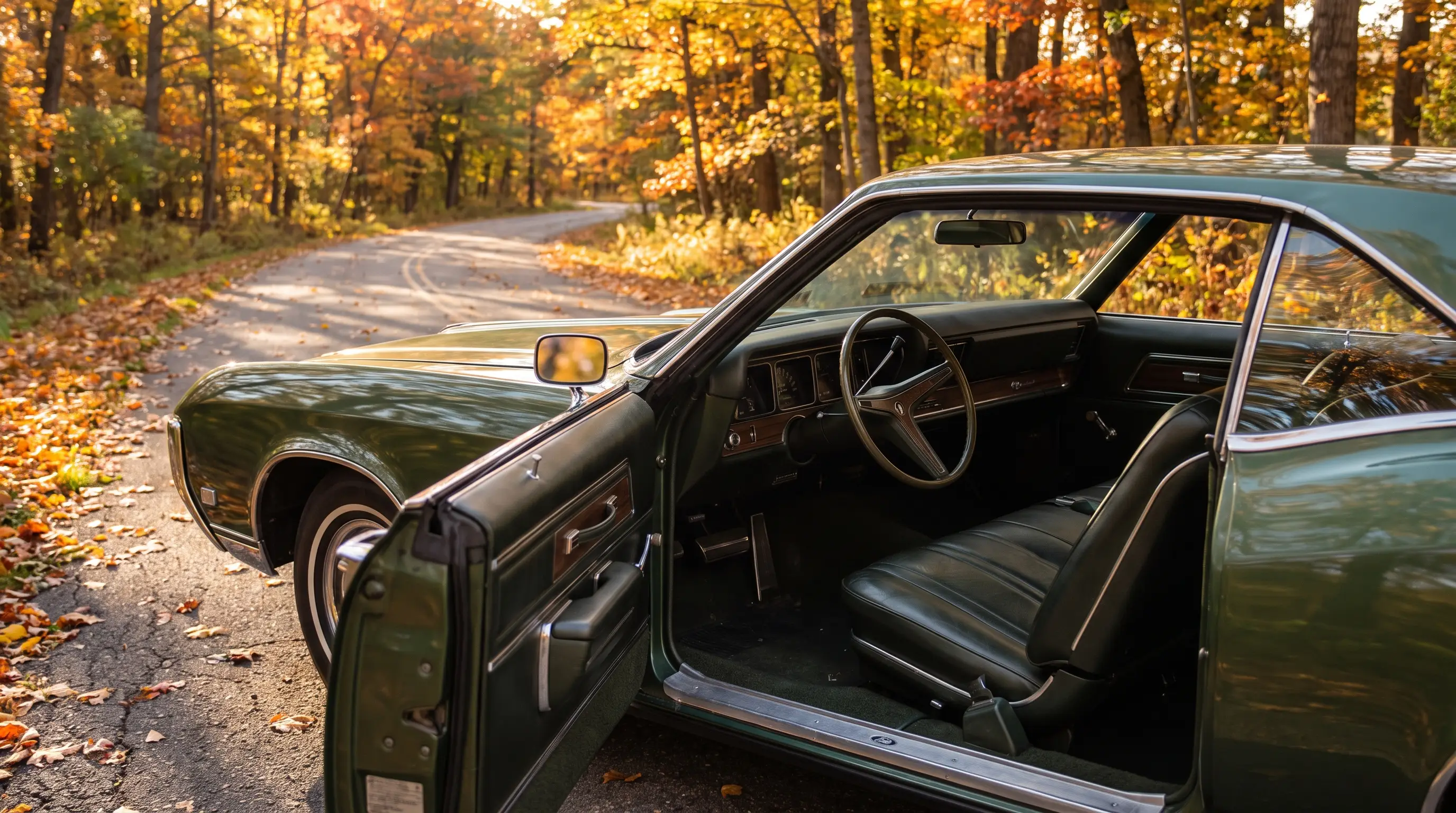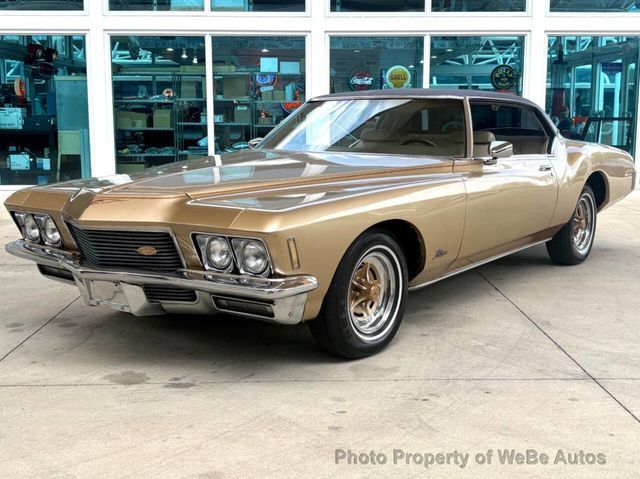
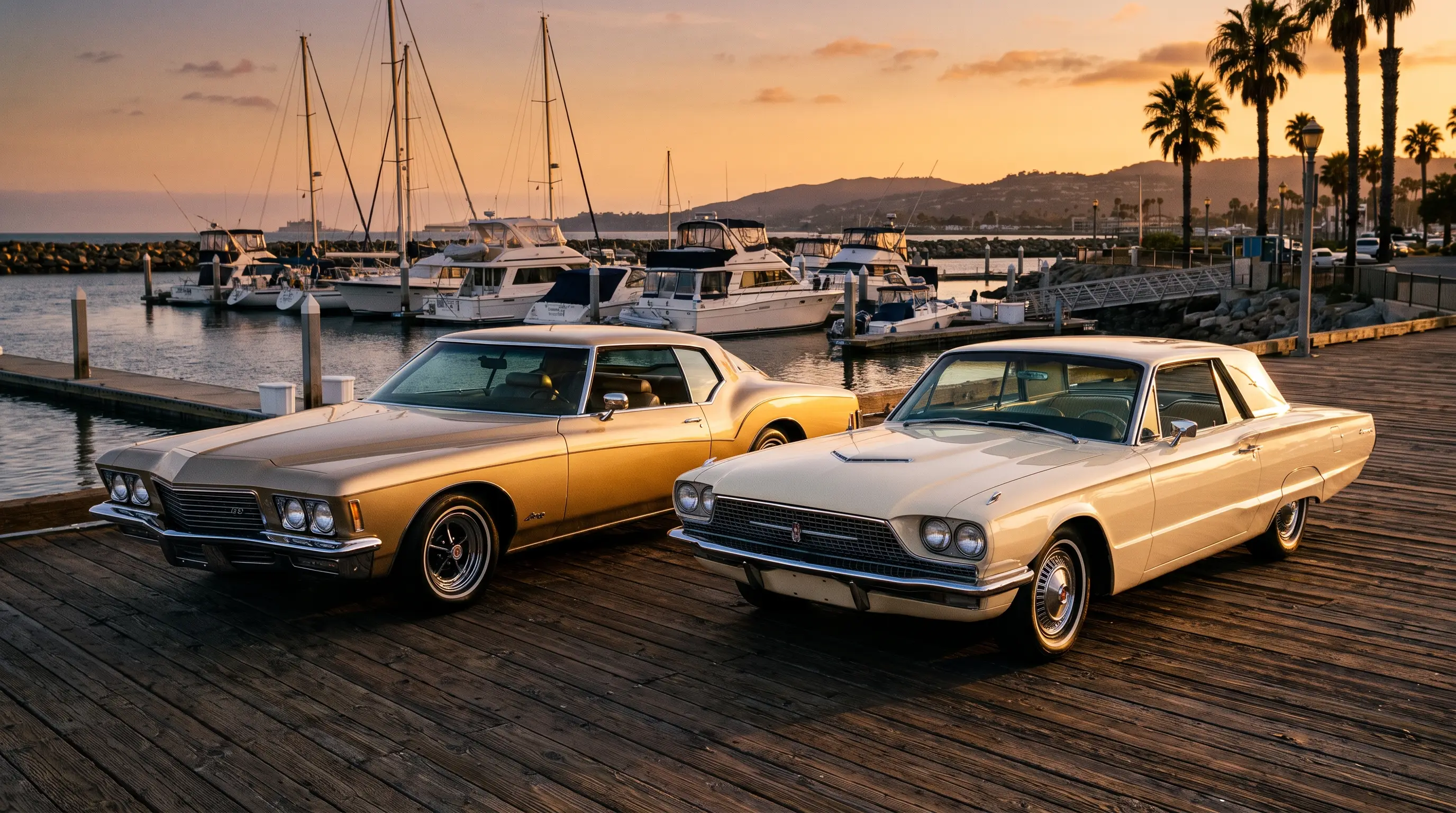
Ask a Buick guy which personal-luxury coupe of the mid-1960s actually moved when you stood on the pedal, and the buick riviera gs vs thunderbird performance question comes up before you finish the sentence. The Riviera Gran Sport and the Ford Thunderbird were built for the same buyer on paper, a professional who wanted comfort, style, and a badge that said he had done well for himself. Underneath, they solved that problem in very different ways, and the difference shows up the moment you put your foot down.
Two cars chasing the same customer
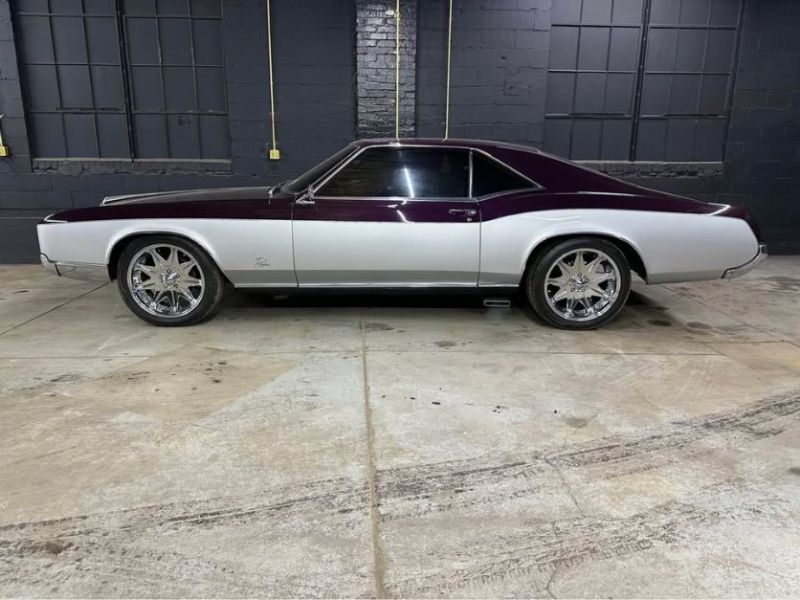
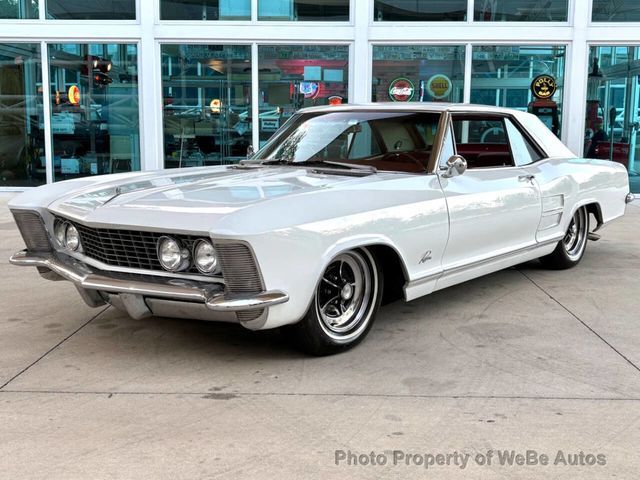
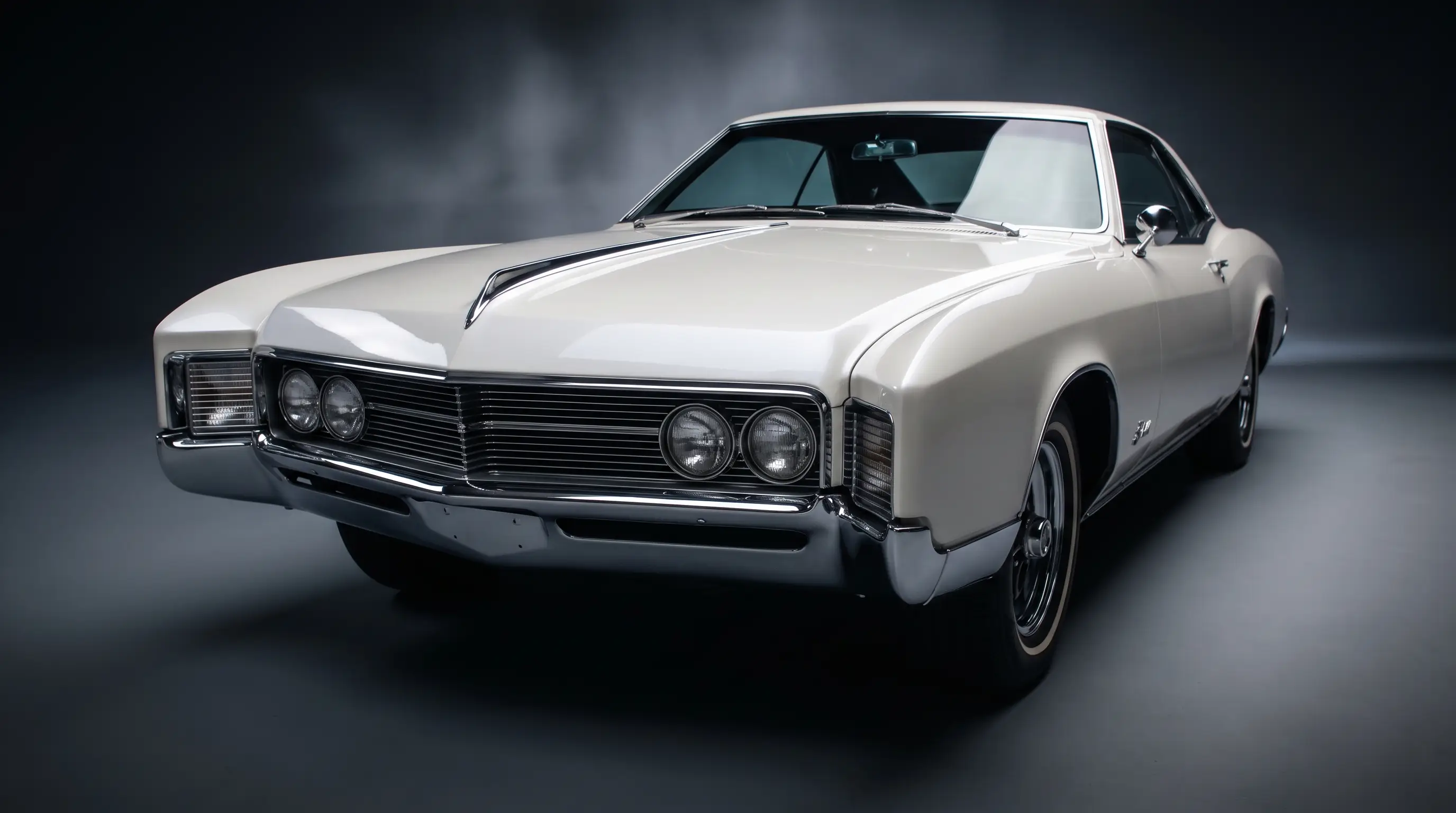
Buick rolled out the Riviera in 1963 as a shot across the bow of anything Ford or Cadillac was building, a low, close-coupled coupe with hidden headlamps on later cars and a stance that looked like it belonged in Turin, not Flint. Ford had gotten to the personal-luxury idea first with the Thunderbird, and by the mid-1960s the T-Bird had grown from its two-seat roots into a four-seat cruiser with a big FE-series V8 under the hood. Both companies understood the assignment. Both cars were about presence in the country club parking lot as much as anything under the hood.
Where they parted ways was intent. Buick built the Gran Sport package specifically to answer the accusation that the Riviera was all show. The GS option, introduced for 1965, took the standard 401 cubic inch Nailhead and swapped in the 425 cubic inch version breathing through dual four-barrel carburetors, a combination Buick marketed as the Super Wildcat. Ford, meanwhile, kept the Thunderbird's mission closer to boulevard comfort than back-road bravado, and its buyers mostly liked it that way.
What the Gran Sport actually changed
The GS package was not a badge and a stripe. It brought the dual-quad 425, rated at 360 horsepower and a factory-rated 465 lb-ft of torque, stiffer springs, a faster-ratio steering box, and in some years a limited-slip differential. That torque number matters more than the horsepower figure, because a Nailhead never made its case by spinning high. It made its case by shoving the car forward from a stoplight with the kind of low-end grunt that made the Riviera feel heavier off the line than it had any right to.
The Thunderbird's 390 and later 428 FE engines were competent, smooth, and quiet, exactly what Ford wanted for a car aimed at buyers who valued a hushed cabin over a rumble under the hood. Ford never built a factory Thunderbird performance package to rival the GS in this era. The T-Bird's engineering energy went into ride isolation, into the Swing-Away steering wheel, into gadgetry that made the car feel like a gentleman's study on wheels. Buick's energy, at least with the GS box checked, went into making sure the Riviera could back up its looks.
On the road, the difference was obvious
Take a Gran Sport Riviera and a same-year Thunderbird out on the same stretch of two-lane and the personalities separate fast. The Riviera GS turns in tighter, thanks to that quicker steering ratio and the stiffer suspension pieces, and it holds a line through a sweeper with more confidence than its size suggests. The Thunderbird floats. It is not a bad thing, it is what the car was built to do, but it means the T-Bird gives up composure the moment the road stops being straight.
Braking tells a similar story. Neither car was blessed with anything close to modern stopping power, drum brakes were still standard fare on both through most of this window, but the GS's firmer springs kept the nose from diving as hard under braking, which matters when you are hauling two tons of Detroit steel down from speed. None of this made the Riviera a sports car. It made it a heavier, more serious answer to the question the Thunderbird had been asking politely for a decade.
"People bought the Thunderbird to be seen arriving. They bought the Gran Sport to be seen leaving, and leaving quickly. That is the whole difference between these two cars in one sentence."
- Wayne Coburn
Side by side, on paper
Numbers only tell part of the story, but they are worth laying out plainly, because they explain why enthusiasts still argue about this matchup at car shows decades later.
| Spec | Riviera GS (mid-1960s) | Thunderbird (mid-1960s) |
|---|---|---|
| Engine | 425 cu in Nailhead, dual quad | 390 or 428 cu in FE V8 |
| Horsepower | 360 hp | 300 to 345 hp depending on year and engine |
| Transmission | Super Turbine 400 automatic | Cruise-O-Matic automatic |
| Suspension focus | Firmer springs, quicker steering | Comfort-tuned, isolated ride |
| Market position | Sport-luxury coupe | Personal-luxury cruiser |
Notice that the Thunderbird was never really outgunned on paper. Ford's FE engines made plenty of power in period. The gap was in how each company chose to spend that power, whether it went toward a hushed highway cruise or toward something with real bite when the driver wanted it.
Why the comparison still matters to collectors
Decades later, this rivalry shapes what each car is worth and who wants one. Thunderbird collectors tend to want the smoothest, most original, most gadget-laden example they can find, because that is what the car was always about. Riviera GS buyers want documentation of the dual-quad setup, the correct carburetors, and evidence the car has not been quietly detuned back to standard 401 spec over fifty years of ownership. A verified GS commands a real premium over a standard Riviera of the same year precisely because Buick did not build very many of them relative to the total run.
If you want the full story on how the Gran Sport package came together and evolved across the Riviera's first generation, that history explains a lot about why this particular Buick still draws crowds at shows fifty years on. And if this comparison has you leaning toward the Buick side of the argument, a classic Riviera for sale is usually not hard to track down, GS badge or not.
The bottom line
Neither car was wrong for its intended buyer. The Thunderbird delivered exactly what Ford promised, a quiet, gadget-filled cruiser that pampered its owner. The Riviera Gran Sport delivered something Buick's engineers clearly wanted to prove they could build, a personal-luxury coupe that could actually perform when asked. That difference, more than any spec sheet, is why the GS badge still means something to people who know what they are looking at.
There is also a generational argument buried in this comparison. Ford had a decade's head start selling the idea of a personal-luxury car to America, and by the time Buick answered with the Riviera in 1963, the segment already had an established customer base with established expectations. Buick could have played it safe and built a quieter, softer competitor. Instead, with the Gran Sport package two years later, Buick doubled down on the idea that a personal-luxury coupe did not have to apologize for being fast too. That was a real gamble for a division known more for isolation and comfort than for outright muscle.
It paid off in a specific, narrow way. The Gran Sport never outsold the standard Riviera by a wide margin, and it never threatened the Thunderbird's overall sales numbers either. What it did was carve out a reputation that outlasted its production run, a reputation collectors still chase today whenever a documented, numbers-matching GS comes up for sale. The Thunderbird, for its part, kept doing exactly what it had always done and never needed to prove anything to anyone. Both approaches worked. Only one of them still gets people arguing about horsepower at a cars and coffee meet fifty years later.
Sources and notes
- West Coast Classics: 1965 Buick Riviera Gran Sport 425/360HP listing
- Automobile Catalog: 1965 Buick Riviera 425 V-8 specifications
- Wikipedia: Buick Gran Sport
- Automobile Catalog: 1966 Ford Thunderbird 390 V-8 specifications
- Automobile Catalog: 1966 Ford Thunderbird 428 V-8 specifications
- Ate Up With Motor: A Brief History of the Buick Gran Sport