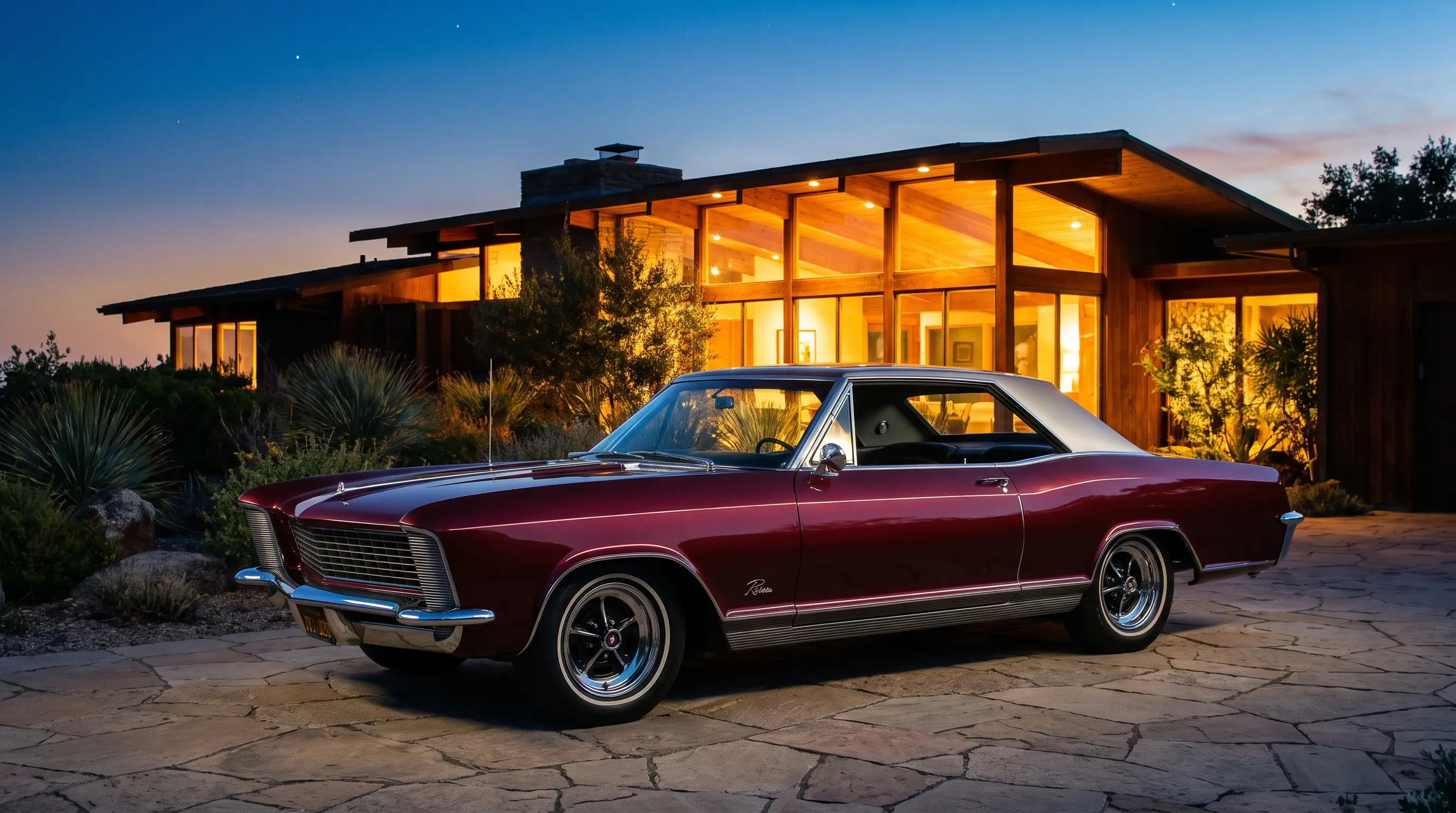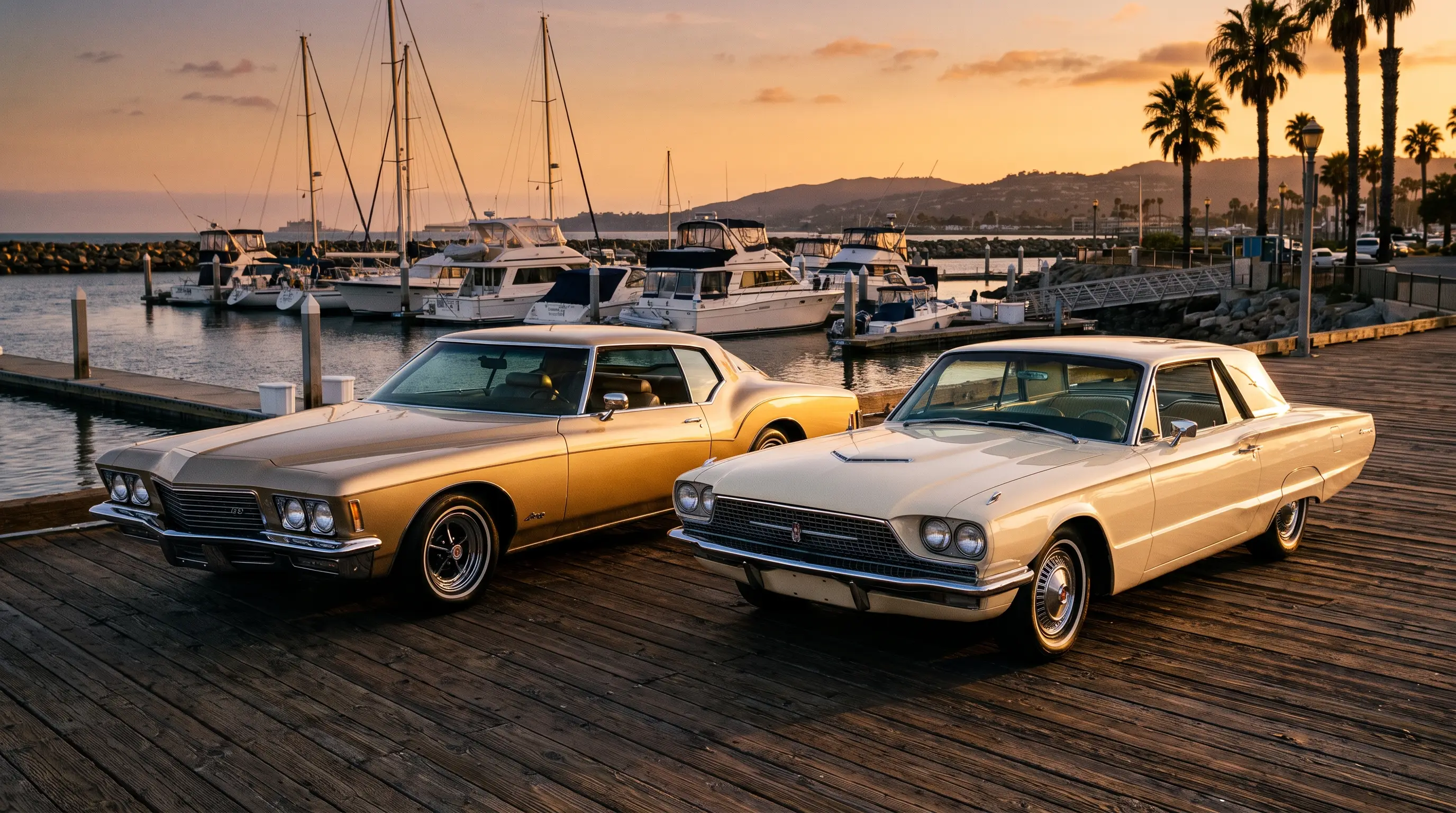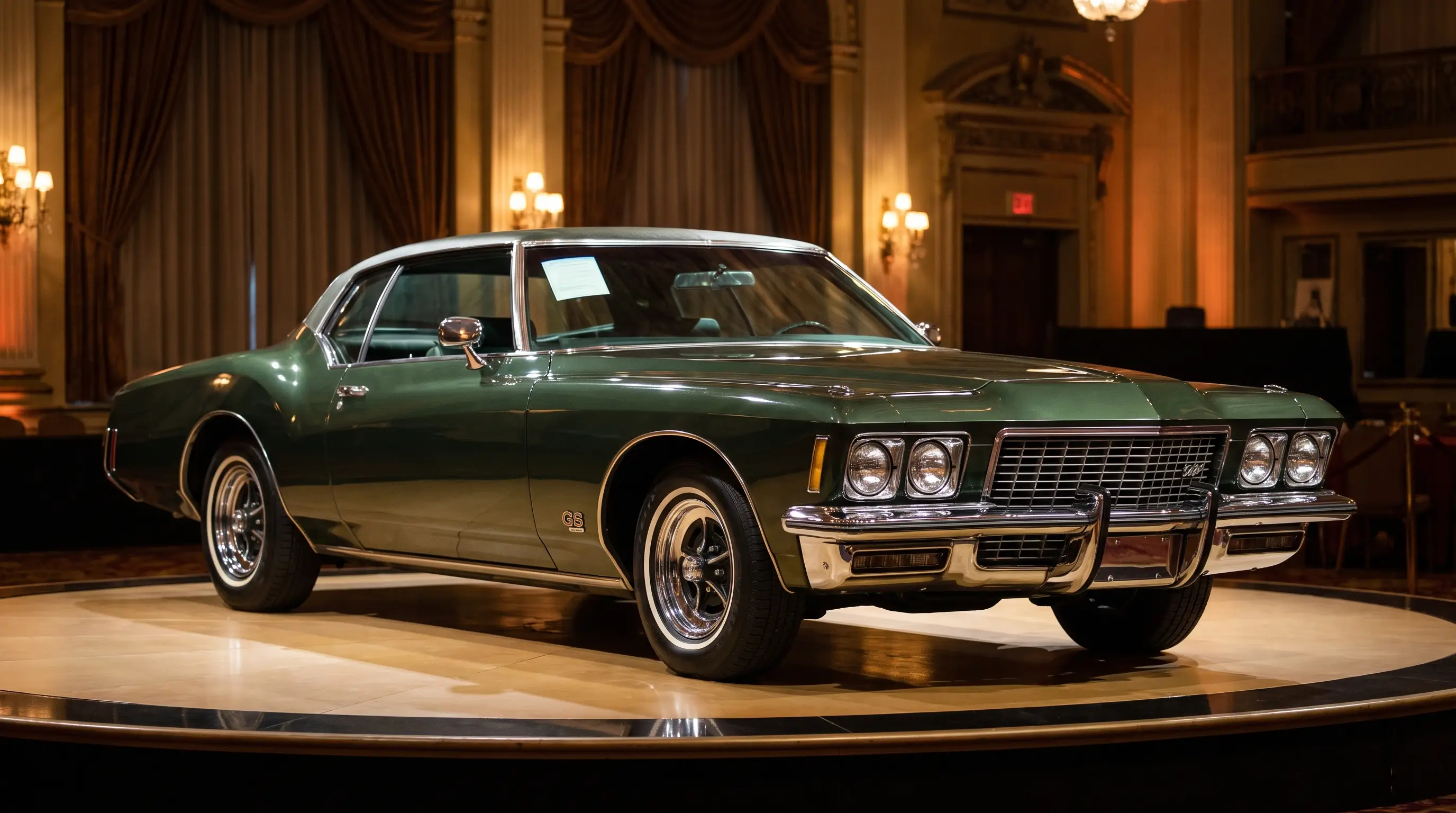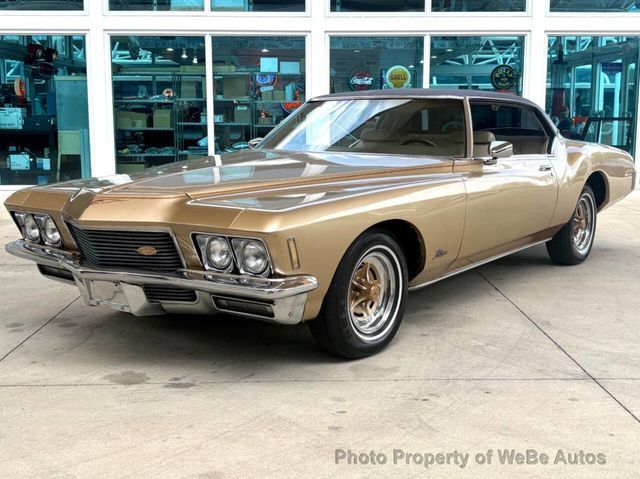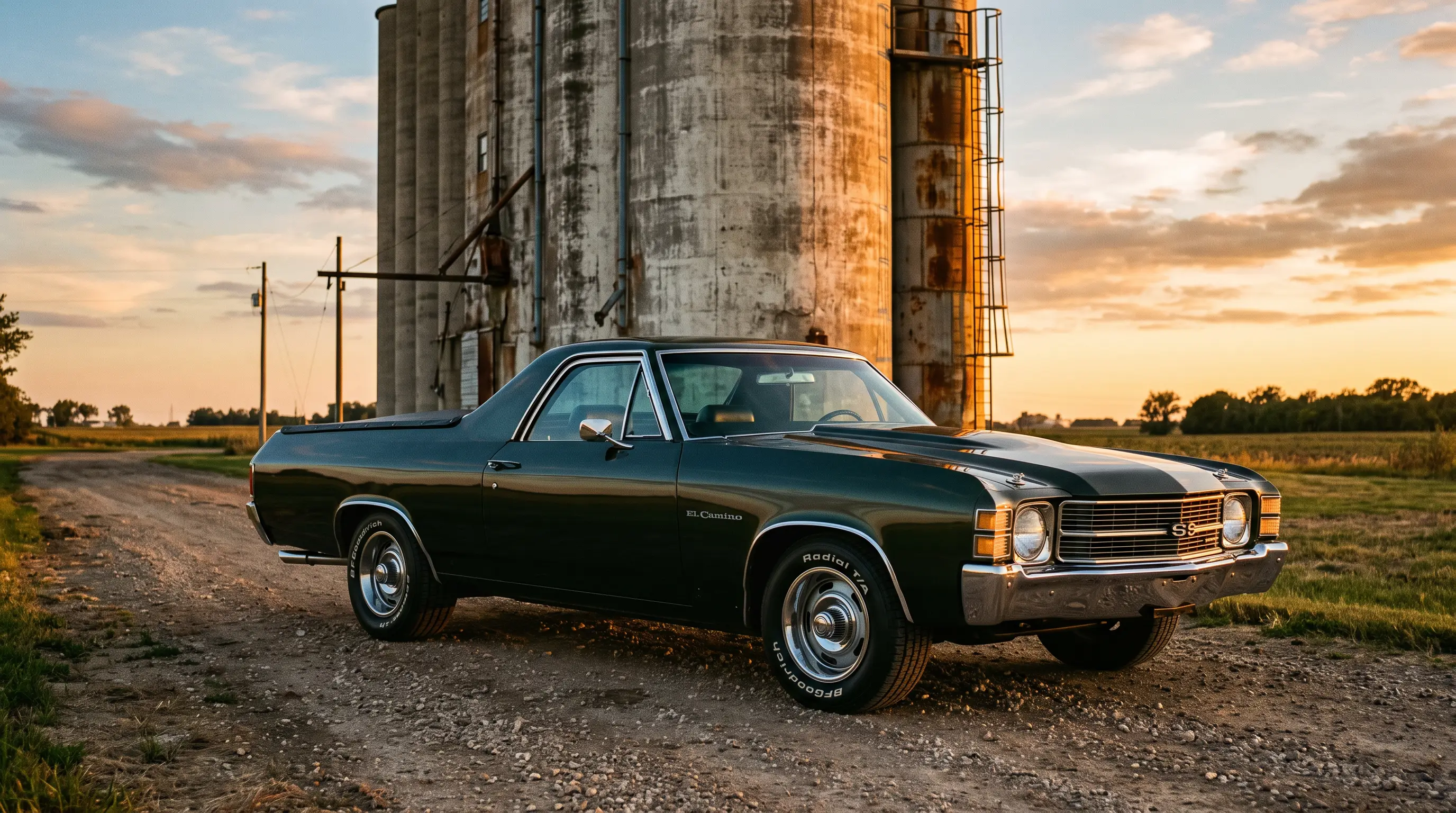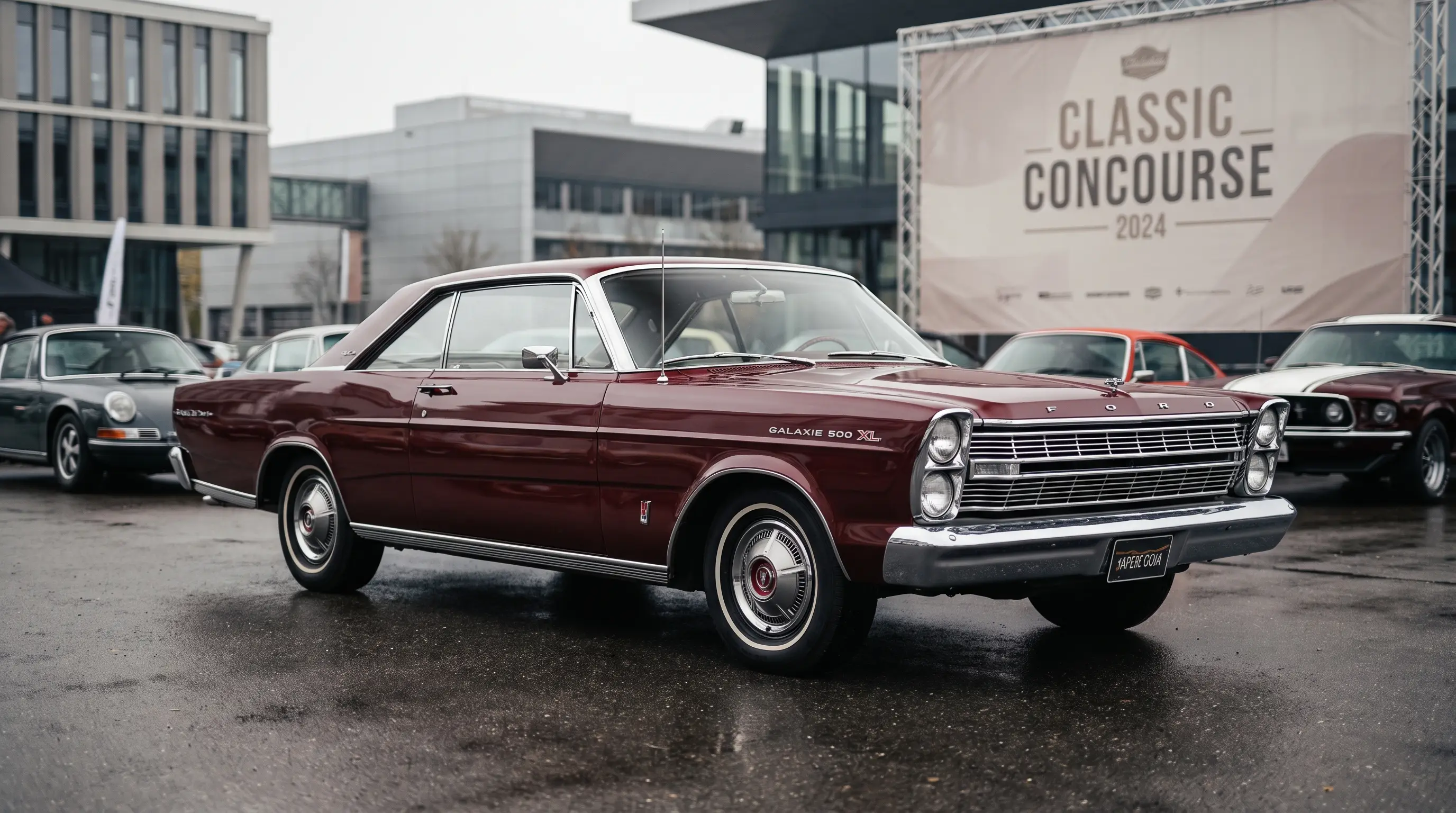
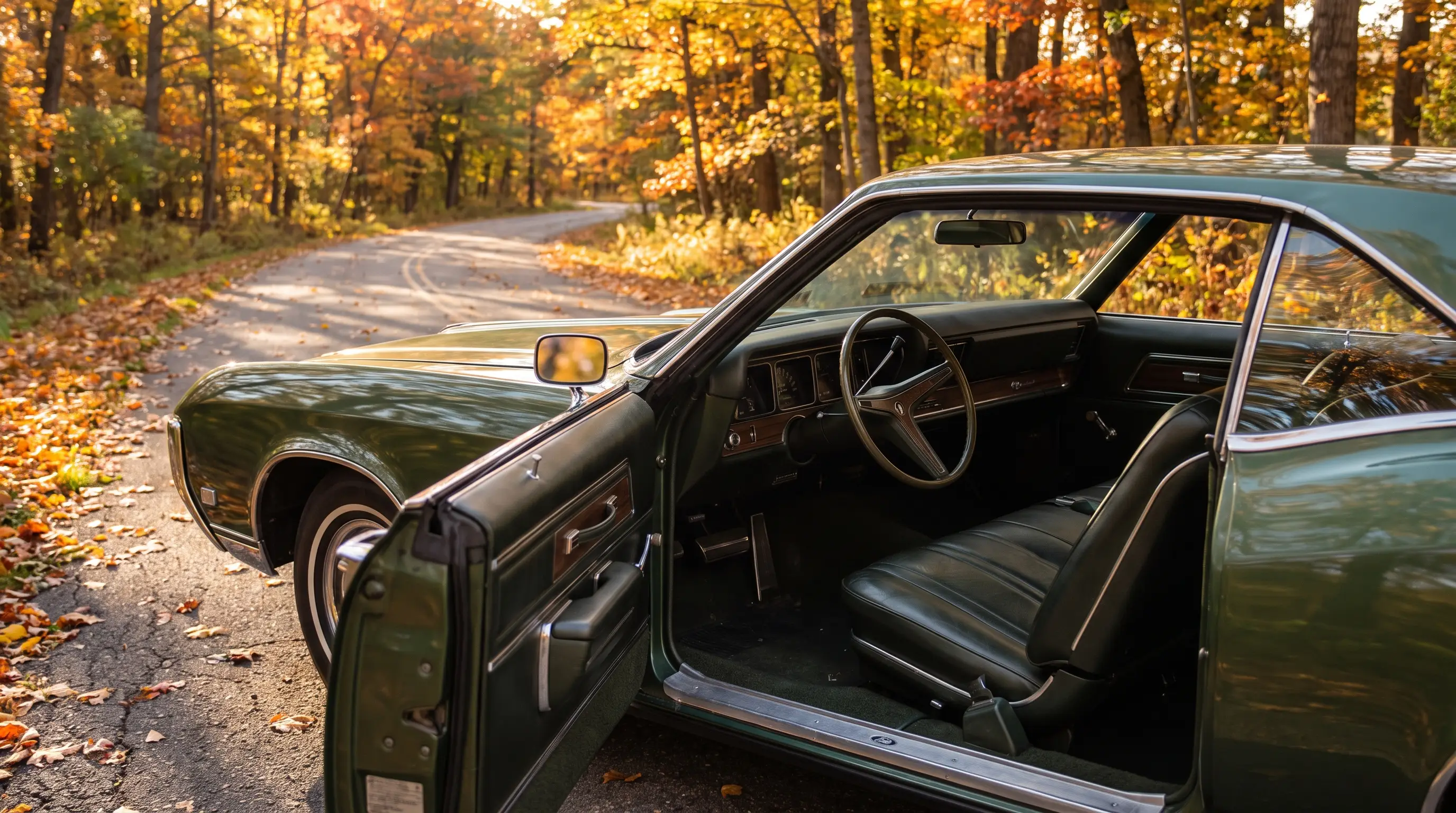
You do not get the full buick riviera gs driving experience from a spec sheet. You get it from sitting behind that big steering wheel, turning the key, and feeling a 425 cubic inch Nailhead settle into an idle that sounds like it means business. I have driven plenty of Buicks over the years, and the Gran Sport version of the Riviera still stands out as one that actually backs up the way it looks sitting still.
Starting it up tells you what you are dealing with
Turn the key on a Gran Sport and the first thing that hits you is the sound, a low, uneven burble at idle from that dual-quad setup that never quite settles into the smooth hum you get from a standard 401. The Nailhead was never a high-revving engine, its valve gear physically would not allow it, but at idle that limitation reads as character instead of a shortcoming. It sounds like a big engine loafing, patient, waiting for you to ask it for something.
Slide into the driver's seat and the car feels lower than you expect for something this long. Buick's designers chased a close-coupled, almost European stance with the original Riviera, and from behind the wheel that translates into a low beltline and a dash that wraps around you instead of standing off at a distance. It does not feel like a 1960s American luxury car from the driver's seat. It feels smaller and more purposeful than that, right up until you remember how much sheet metal is actually out in front of you.
Off the line, the torque does the talking
Put your foot into a Gran Sport Riviera and the horsepower number on paper, 360 by Buick's own rating, undersells the experience. What you actually feel is torque, a wave of it low in the rev range that shoves the car forward before you have even worked up to highway speed. That is the Nailhead's whole trick. It never wanted to rev, it wanted to grunt, and the dual-quad induction on the GS just gave it more air to grunt with.
The Super Turbine 400 automatic shifts smoothly enough that you barely notice the gear change, which fits the personality of the car. This was never meant to bang off shifts like a drag strip special. It was meant to gather speed with a kind of unhurried authority, the sensation of a car that is not working hard because it does not have to. On a two-lane on-ramp merging onto an interstate, that authority is exactly what you want.
Handling has limits, and the GS respects them honestly
Nobody should mistake a Gran Sport Riviera for a sports car, and the car itself does not pretend otherwise. It is a big, heavy coupe with a live rear axle and drum brakes for most of its run, and physics does not care how good the induction system sounds. What the GS package does well is manage that weight better than the standard car. The stiffer springs cut down on body roll through a sweeping curve, and the faster steering means you are not sawing at the wheel to get the nose pointed where you want it.
Braking is where you have to recalibrate your expectations the most. Drum brakes on a two-ton car mean you plan your stops well ahead of time, especially coming down off highway speed. This is not a car you drive like you stole it in traffic. It is a car you drive with a plan, and once you adjust to that rhythm, the GS rewards you with a ride that is composed rather than floaty, firm rather than harsh.
"A Gran Sport doesn't ask you to be gentle with it. It asks you to respect that it's heavy, powerful, and old, all three at the same time, and drive accordingly."
- Mike Sullivan
What surprises people the most
Everybody expects the power. What surprises first-time drivers is the ride quality on a rough road. Buick spent real engineering effort isolating the cabin from road imperfections even on the GS-tuned suspension, and the result is a car that soaks up expansion joints and frost heaves without rattling your teeth, even with the firmer spring rates. It manages to feel athletic and cushioned at the same time, which is a harder trick to pull off than most people give 1960s Detroit engineering credit for.
Interior ergonomics hold up better than expected too. The bucket seats in a Gran Sport are supportive enough for spirited driving without feeling like they were designed for a much smaller person, and the gauge cluster puts real information in front of the driver instead of just idiot lights. None of it feels like an afterthought bolted onto a luxury car. It feels like a package that was actually thought through.
Living with it day to day
A weekend cruise is one thing. Actually using a Gran Sport as regular transportation, even occasionally, is a different test entirely, and it is one the car mostly passes. The cabin is quiet at highway speed for a car this old, wind noise kept in check by a design that prioritized a smooth roofline over raw efficiency. Fuel economy is exactly what you expect from a dual-quad 425 doing its job, which is to say not good at all, but nobody buying a Gran Sport in 1965 cared about miles per gallon and nobody restoring one today cares much either.
Parking it is its own small adventure. Without power steering as standard equipment on early cars, a slow-speed maneuver takes real arm strength, enough that you understand quickly why the quicker GS steering ratio was appreciated even at parking lot speeds. Once you are rolling, though, that same ratio becomes an asset instead of a chore, and the car settles into a rhythm that feels more agile than its dimensions suggest it should.
Getting behind the wheel yourself
If you want our complete history of how this package came together across the Riviera's production run, that context makes the driving experience make more sense, because you understand what Buick was actually trying to prove with the GS badge. And if reading about it has you wanting to feel it for yourself, you can browse classic Riviera listings and see what is actually available on the market right now.
The verdict from behind the wheel
A Gran Sport Riviera drives like a car built by people who understood exactly what compromises they were making and made peace with all of them. It is not agile in the modern sense, it is not fast by any measurement that matters today, and it demands respect from anyone behind the wheel who has gotten used to power steering and power brakes doing all the work. What it delivers instead is a driving experience with real personality, torque you feel in your chest, a ride that manages weight instead of hiding from it, and a sound at idle that no amount of modern engineering has managed to replicate. That is worth something, and anyone who has spent real time behind the wheel of one understands exactly why these cars still have a following.