
A guy at a cruise-in in Ohio a few summers back had a 1970 Chevelle SS painted in a green so specific he could tell you the RPO code without looking it up. Cranberry Red, Fathom Blue, Forest Green, the paint chip names on these cars read like a memory somebody's still carrying around fifty years later, and half the conversations that happen around a parked Chevelle at a show aren't about the engine at all. They're about the color, and whether the black vinyl top on the roof is the one it left the factory with or one somebody added later because it just looks right on that car.
Car Features
6 min read
Vinyl Tops and Color Palettes
Why vinyl roof choices and bold factory colors like Hugger Orange and Fathom Blue still define how a Chevelle reads at a car show.
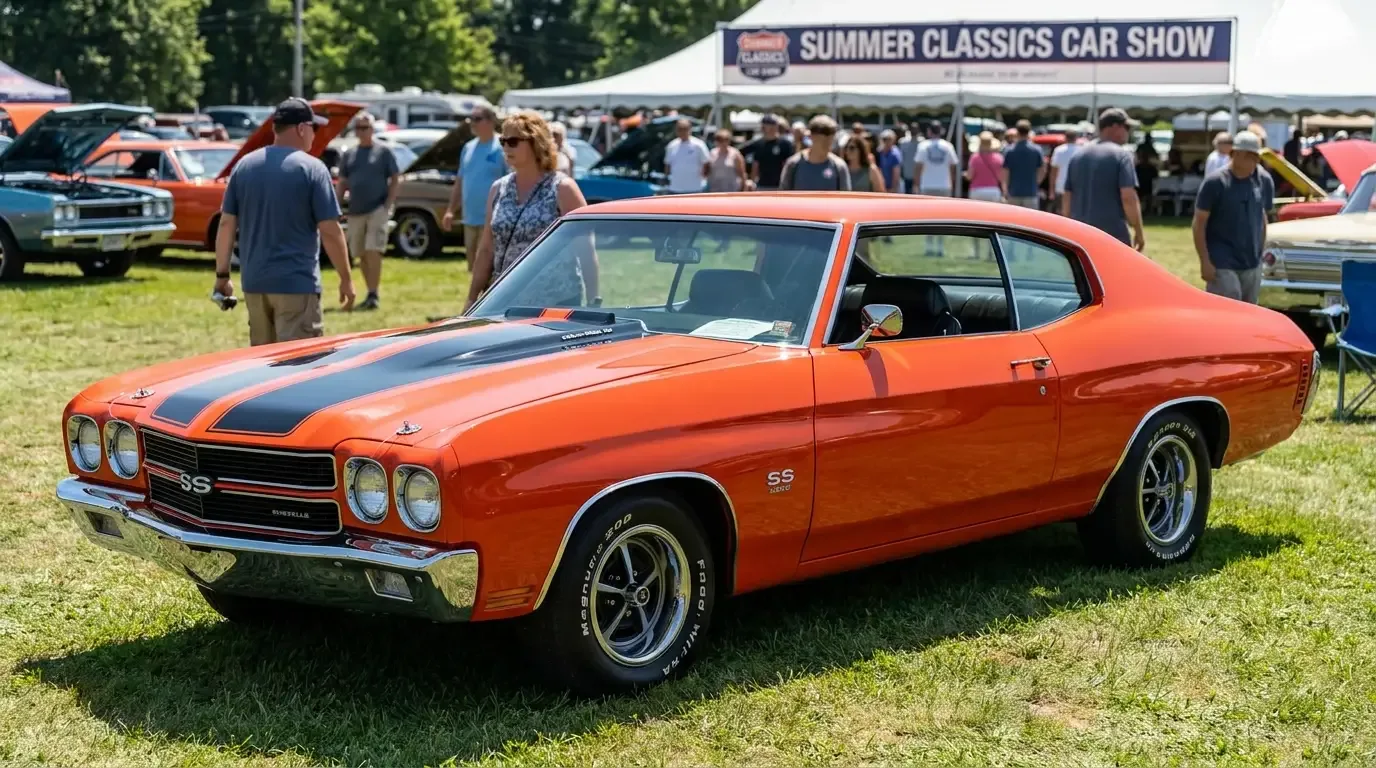
That's the part of Chevelle culture that doesn't show up in a spec sheet. The paint and the top are what you see from fifty feet away, before you ever get close enough to check the VIN tag, and for a lot of owners, that first impression is the whole reason they fell for a particular car in the first place. For the bigger picture of how the Chevelle's look changed generation to generation, there's the full design story, but this piece is about the finishing touches that made an individual car feel like somebody's, not just a body style off the line.
The vinyl top as a factory personalization option
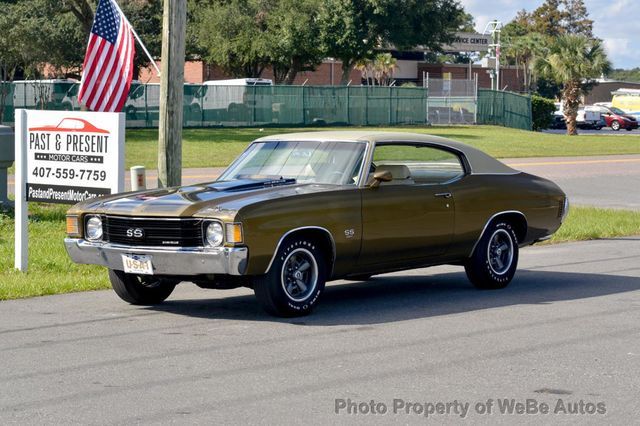
Vinyl roof coverings showed up across the whole American car industry through the 1960s and into the 1970s, and Chevelle buyers could order one in black, white, or a handful of other colors depending on the year, laid over the steel roof panel as a factory option. It gave a hardtop a formal, almost coach-built look that a painted roof didn't have, and it became especially popular paired with certain trim levels, the Malibu and later the Malibu Classic Landau models leaned into that vinyl-and-chrome formality hard.
For a Super Sport buyer, the choice cut a different way. Plenty of SS Chevelles rolled off the line with a painted roof instead, keeping the whole car in one continuous color and leaning into a cleaner, more purposeful look that fit the performance image better than a vinyl top would have. Neither choice was wrong. They just told two different stories about what the buyer wanted the car to say.
The color palette that defined an era
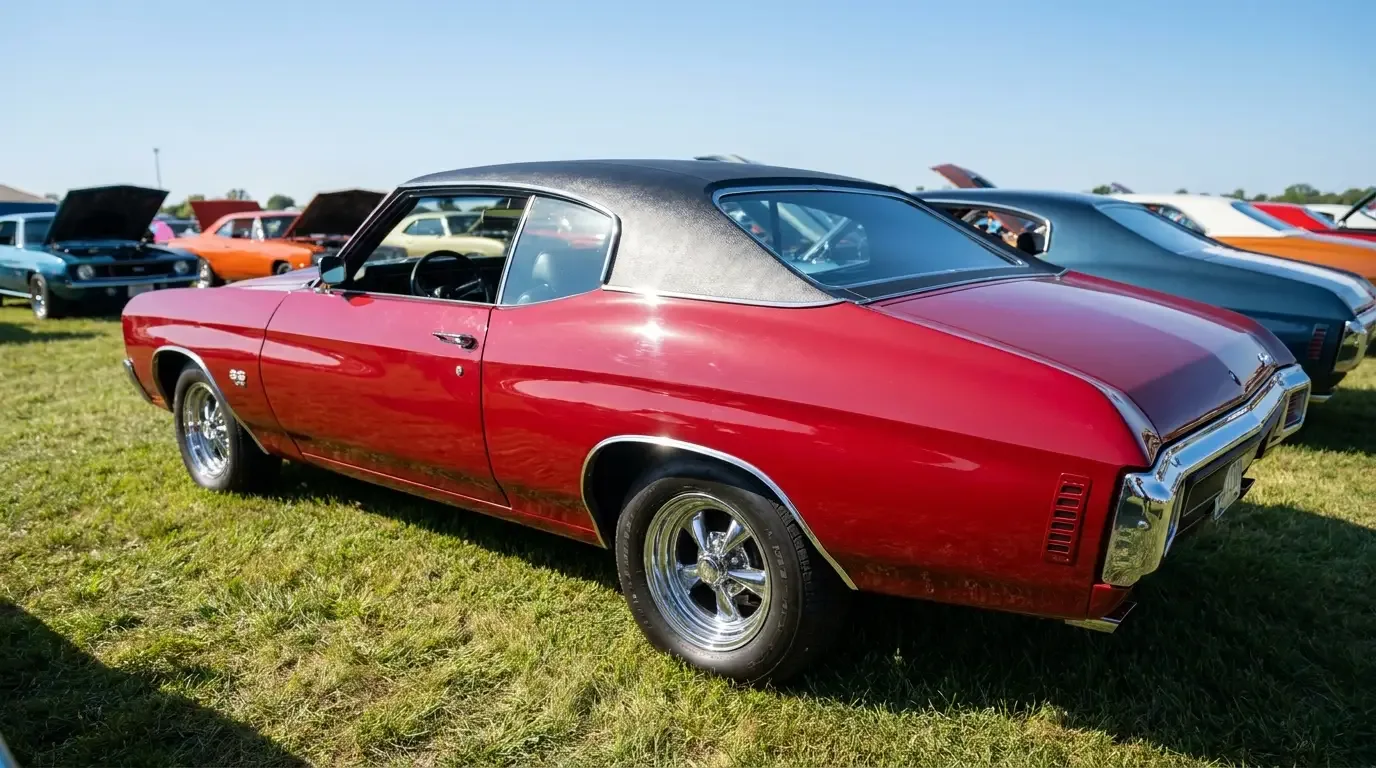
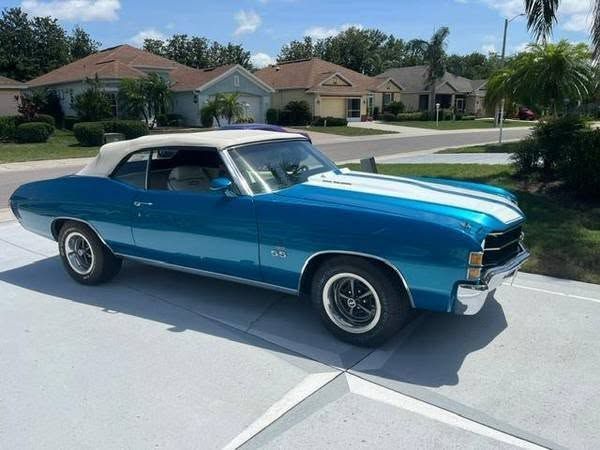
What gets people at a show isn't usually the vinyl top. It's the paint underneath it, or instead of it. Chevrolet's color offerings through the late 1960s and early 1970s leaned into bold, saturated hues that read as confident in a way a lot of modern car colors don't even try for anymore. Cranberry Red. Fathom Blue. Forest Green. Hugger Orange, a special-order shade available on SS Chevelles in 1969 and 1970 rather than a standard regular-production color, showed up on the performance-oriented cars and became almost a signature shade for the era anyway. These weren't safe colors. They were colors that said something about the kind of person who ordered them, and that's part of why they still pull a crowd at a show decades later. Nobody walks past a Hugger Orange Chevelle without at least a glance.
How color and top choices signal a buyer's intent
I've talked to enough owners at shows to notice a pattern in how they describe their own cars. The ones with a painted-roof SS in a bold performance color almost always talk about the engine first, the four-speed, the exhaust note, the way it pulls through second gear. The ones with a vinyl-topped Malibu in a more restrained color talk about family road trips, about a father or grandfather who ordered it that way on purpose, about comfort and presence rather than raw speed. The car's finish tells you something true about what it was built to be, even before you pop the hood.
That distinction matters for buyers today too. A driver-quality Chevelle with a period-correct color and top combination that matches its trim level and intended personality tends to hold its story together in a way a car with a mismatched restoration, a performance color slapped on a formal Malibu, for instance, just doesn't. It's not wrong exactly. It's just a different car than the one that left the factory.
| Combination | Common on | What it signals |
|---|---|---|
| Bold color, painted roof | SS performance cars | Purposeful, performance-first buyer intent |
| Restrained color, vinyl top | Malibu, Malibu Classic Landau | Formal, comfort-oriented family buyer |
| Bold color, vinyl top | Mixed trim levels | Style-forward buyer wanting both looks |
Why this still matters at a car show today
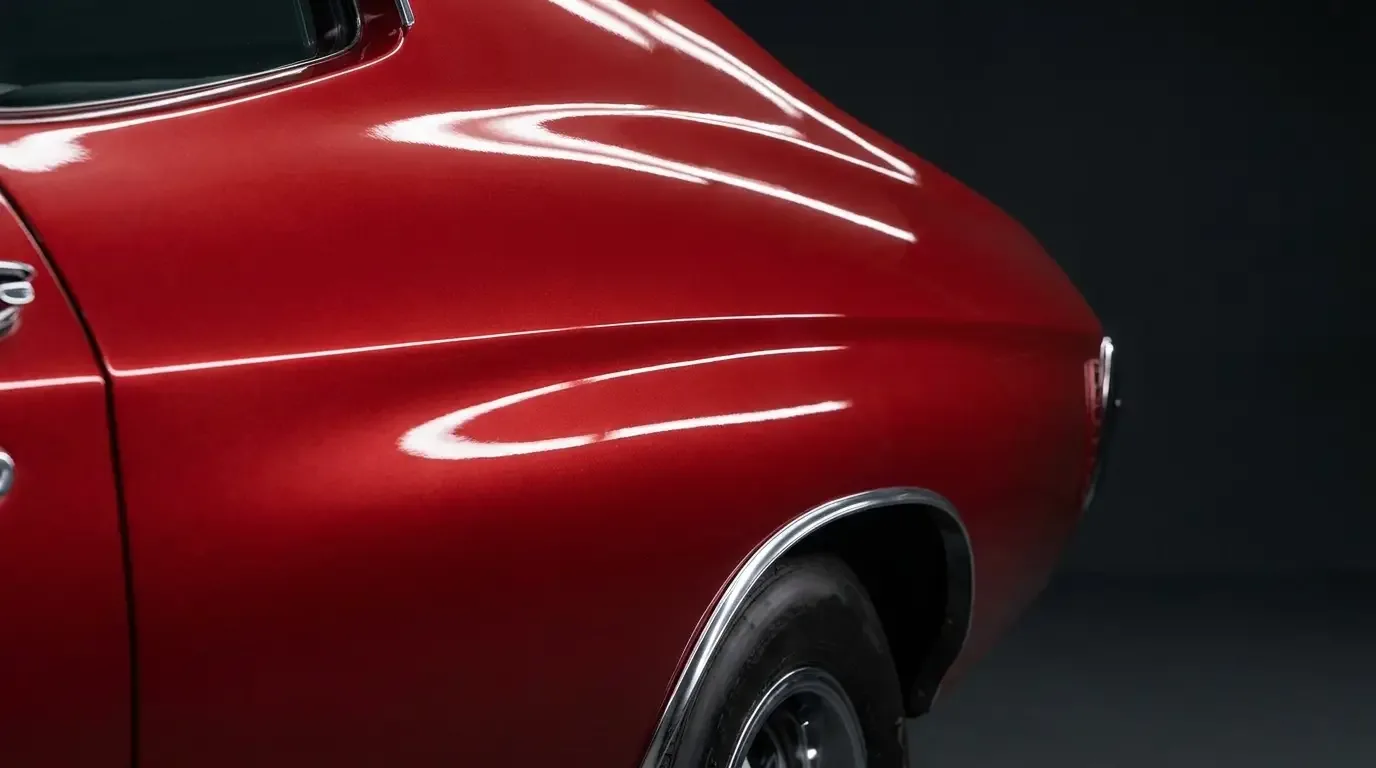
Walk any decent regional show and watch what actually stops people in their tracks. It's rarely the spec sheet. It's the color catching afternoon light on a curved quarter panel, or the way a black vinyl top frames a formal roofline just right against a deep blue body. That's the emotional pull of these cars, the thing that gets a nineteen-year-old who never lived through the muscle car era to stop and ask an owner about their Chevelle anyway. The engineering gets the car built. The color and the top are what make somebody fall for it.
That's also, honestly, why originality on paint and top combinations matters more to serious collectors than it might seem like it should on paper. A correct color and top combination isn't just a box checked on a judging sheet. It's the difference between a car that tells its original story and one that's wearing somebody else's.
"I asked a guy once why he'd spent three years chasing down the exact original color code for a car that would've looked just as good in something close. He told me the color was the whole reason he remembered the car as a kid standing in his uncle's driveway, and repainting it anything else would've been like changing somebody's name. That's the kind of thing that keeps this hobby honest."
Patrick Walsh
The finishing details are where a Chevelle stops being a body style and starts being somebody's car. From here, the story moves to the front end, where Chevrolet kept reworking the face of the car across generations: Grille Evolution.
Sources and notes
- Auto Paint HQ: 1970 Chevelle Exterior Paint Colors & OEM Codes
- ChevelleStuff.net: 1970 Chevelle Paint Codes
- Velocity Restorations: History of Chevrolet's Hugger Orange Paint Color
- SS396.com: Best Chevelle Paint Colors Ever, Fathom Blue
- ChevelleStuff.net: 1969 Chevelle Paint Codes
- Wikipedia: Chevrolet Chevelle
Related Reading
Have a
Chevrolet Chevelle
for Sale?
Reach thousands of serious classic car collectors across the US.
Sell It Here →
Are You a Classic Car Dealer?
List your full inventory and connect with targeted classic car buyers.
Join as a Dealer →

About the author
Patrick Walsh
Automotive journalist covering classic car shows, events, and the enthusiast community across North America.
Related Listings - Chevrolet Chevelle
Comments
Be the first to comment on this article.