
A Chevelle doesn't have to be running for you to tell what year it is. Stand ten feet back from the front fender and read the line that runs from the headlight bucket to the taillight, and the car will tell you almost everything. That's not an accident. Three different design teams worked this body over three distinct eras, and each one left a signature you can read with your eyes closed, or close enough to it, with your hand.
Car Features
11 min read
Chevelle Design and Styling: The Coke-Bottle A-Body
How the Chevelle's shape evolved from square-shouldered 1964 body to coke-bottle A-body and colonnade era, and what the styling means for buyers today.
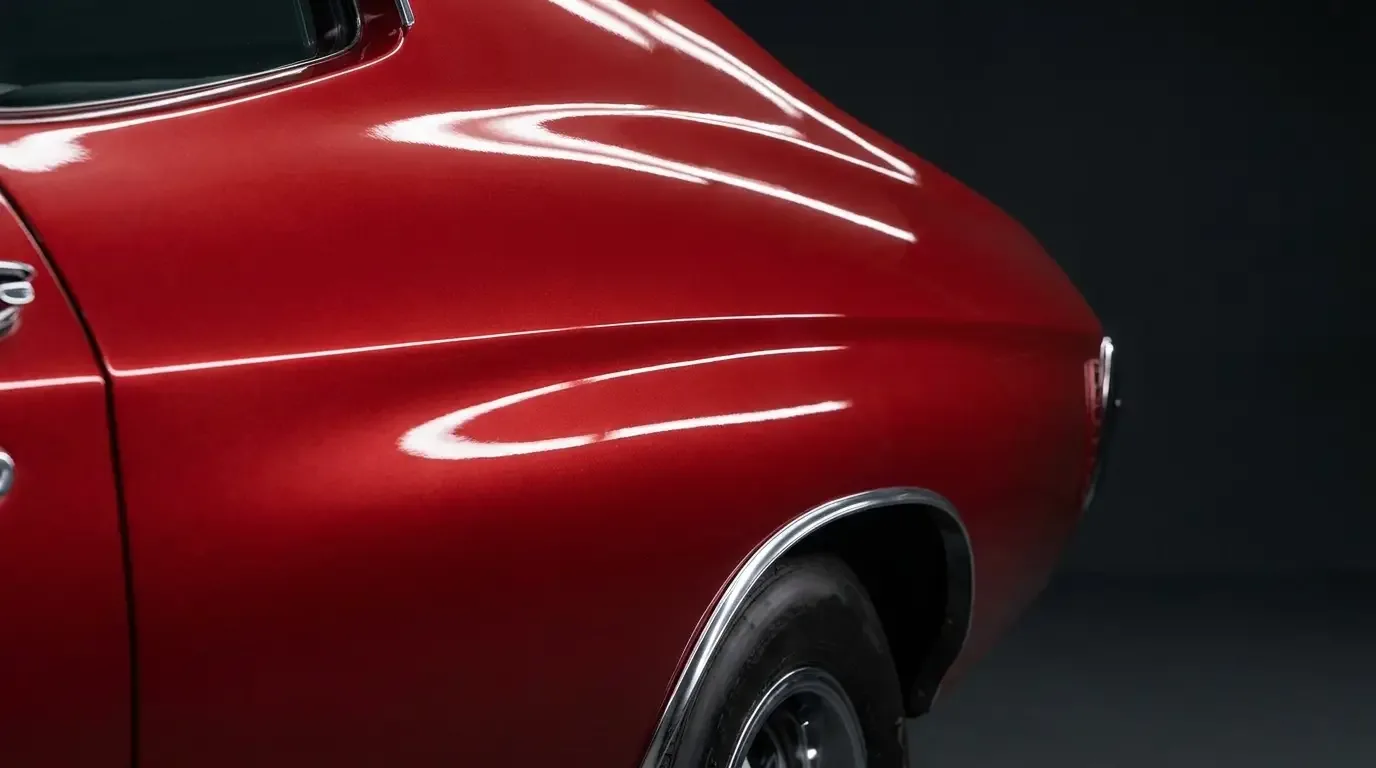
Most writeups on this car spend their time on engines and option codes, which is fair, they matter. But the sheet metal is what makes a Chevelle a Chevelle before you ever pop the hood. The straight-shouldered first cars, the coke-bottle hip that came in for 1968, the colonnade coupe that closed out the run in the mid-1970s, these aren't cosmetic footnotes. They're three different answers to the same question: what should a mid-size Chevrolet look like when it's trying to be taken seriously.
I've spent enough time with hands on body panels to have opinions about which of these answers actually holds up. Some of it is factory genius. Some of it is a styling department chasing a trend it didn't fully commit to. For readers who want the mechanical and market context behind these shapes, the full Chevelle story covers the whole car generation by generation. Here's how to read the shape specifically, and what it tells you about the car in front of you.
The 1964 line: a body that didn't apologize
The first-generation Chevelle, built for 1964 through 1967, is a simple shape done right. Squared-off shoulders, a straight beltline that doesn't dip or swell, a greenhouse that sits upright instead of raked back for effect. It reads as honest sheet metal, the kind a body man appreciates because there's nowhere to hide a bad panel gap. Every crease is doing a job. Nothing is there for show.
The two-door hardtop is the shape most people picture, but the body was offered as a pillared sedan, a convertible, and a wagon too, all riding the same basic stamping architecture underneath different skins. What changes between those body styles is mostly the roof and the rear quarter treatment. The doors, the front clip, the core structure stay consistent, which is part of why this car is still relatively easy to find good sheet metal for compared to lower-production stuff from the same years.
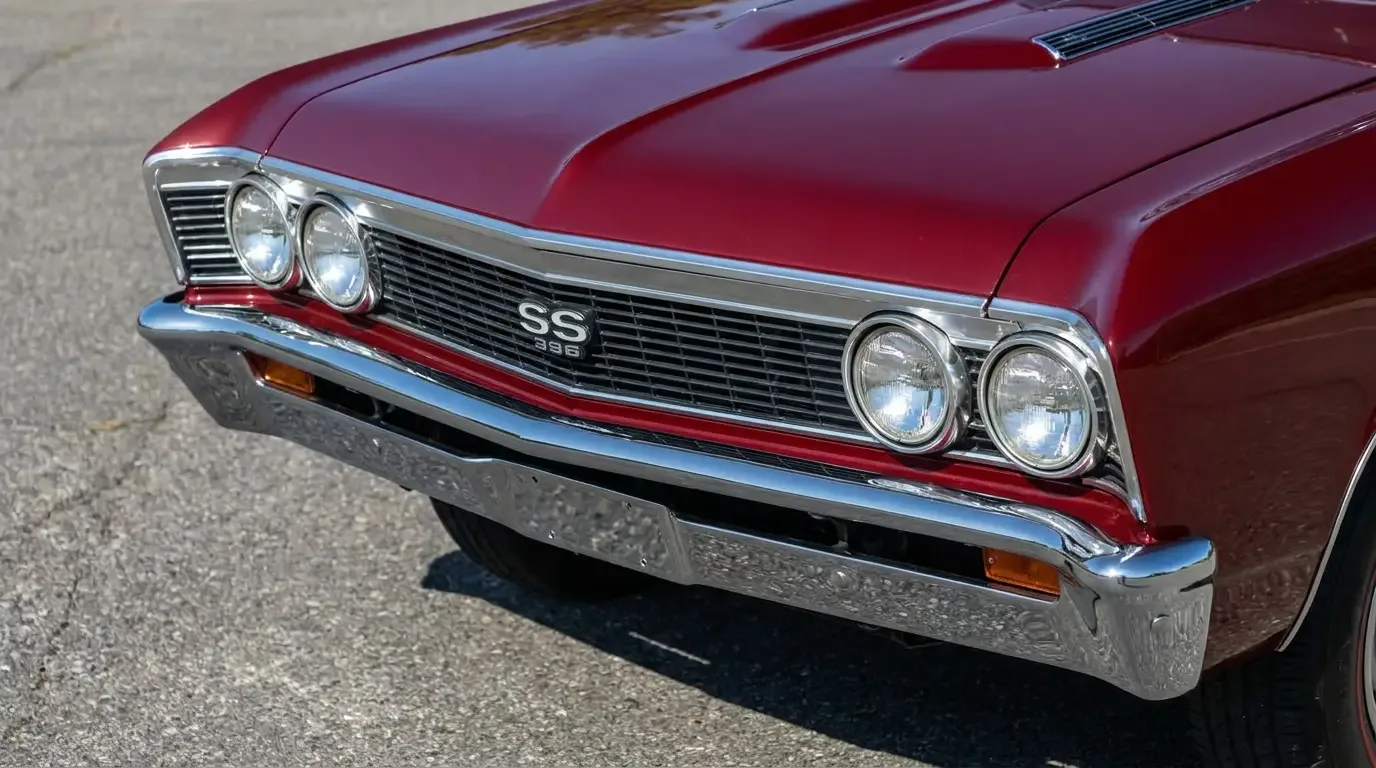
By 1966 and 1967 the grille and taillight treatment sharpened up, more angular, less rounded off at the corners, but the basic proportions from 1964 carry through the whole first generation. It's a shape that ages well because it never tried to be trendy in the first place.
1968: the coke-bottle hip arrives
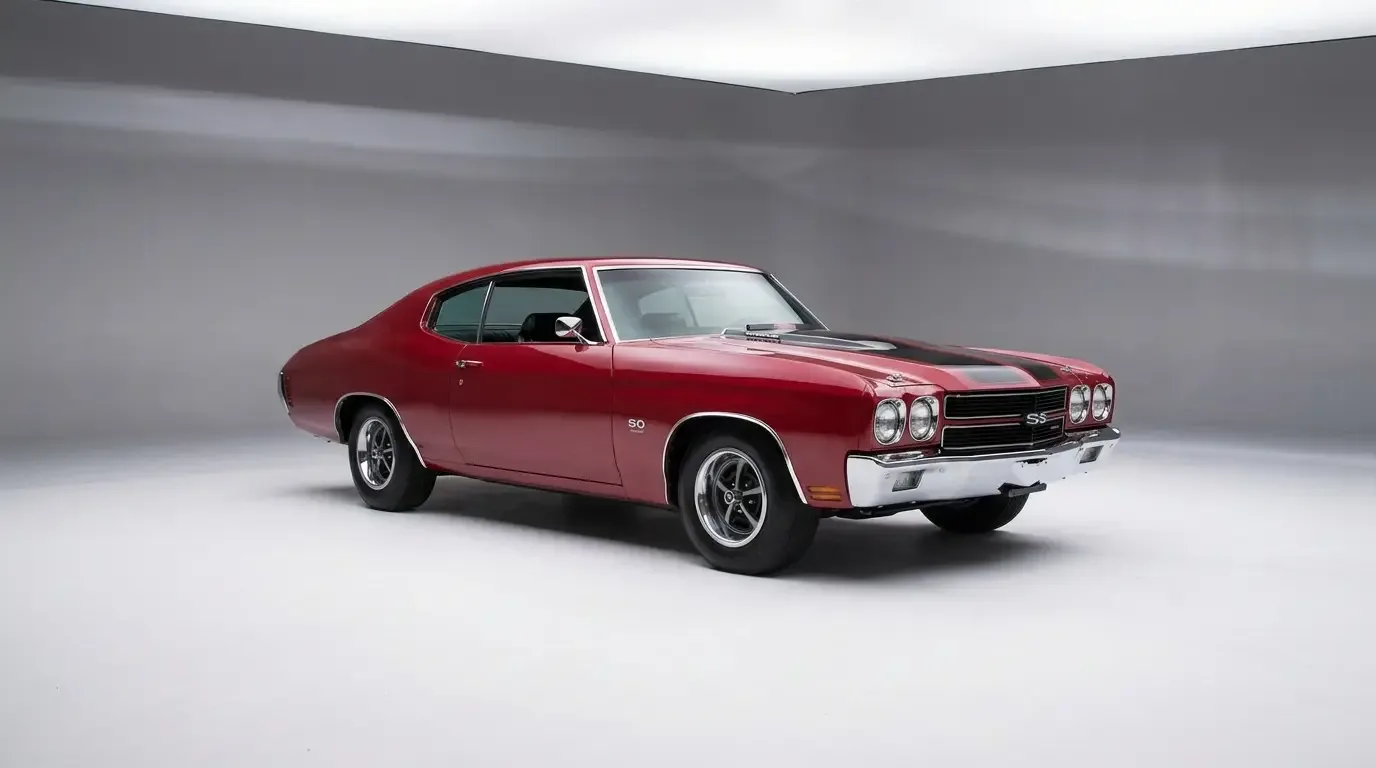
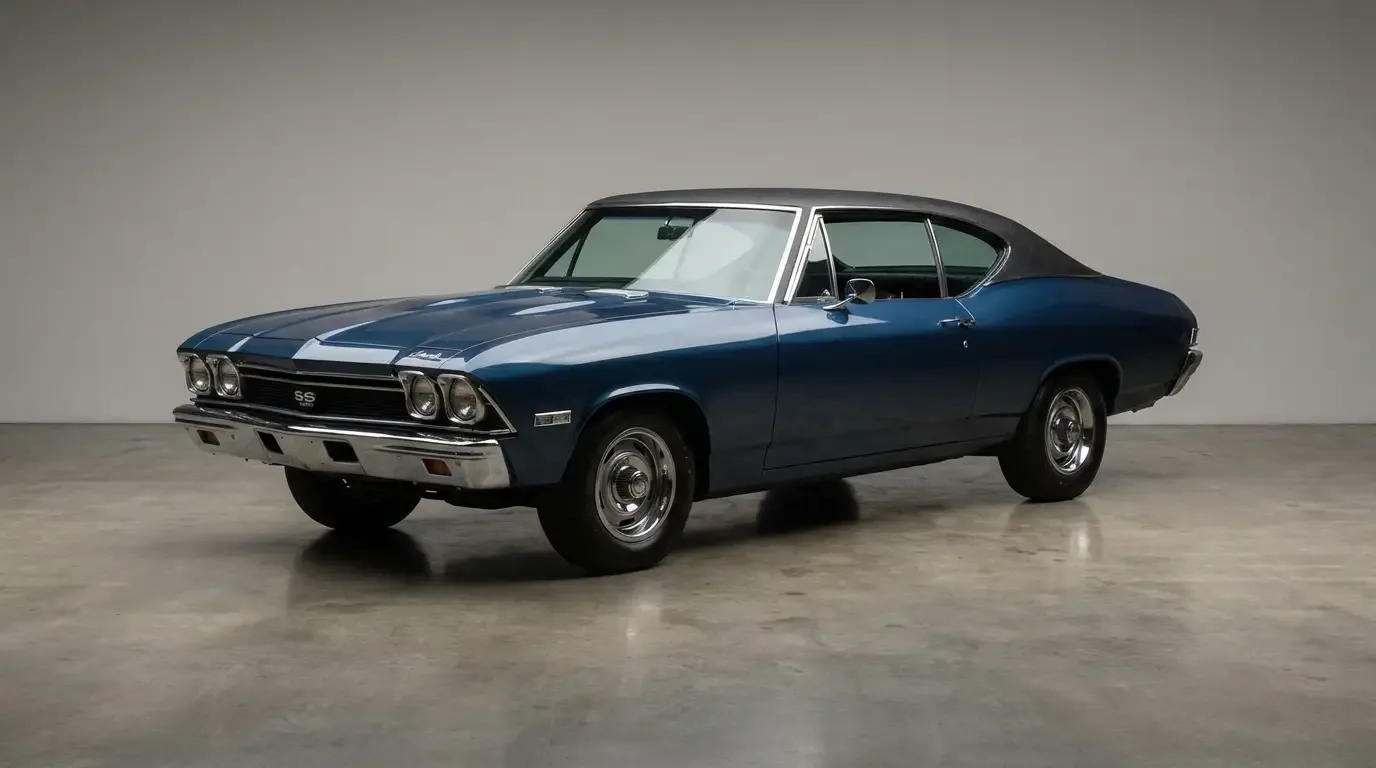
The second-generation redesign for 1968 is where GM's stylists actually swing for something. The beltline pinches in at the doors and flares back out over the rear wheel, the "coke-bottle" profile that defined a huge amount of Detroit design language in the late 1960s. On the Chevelle it works because the flare lands right where the rear tire sits, so the shape and the stance agree with each other instead of fighting.
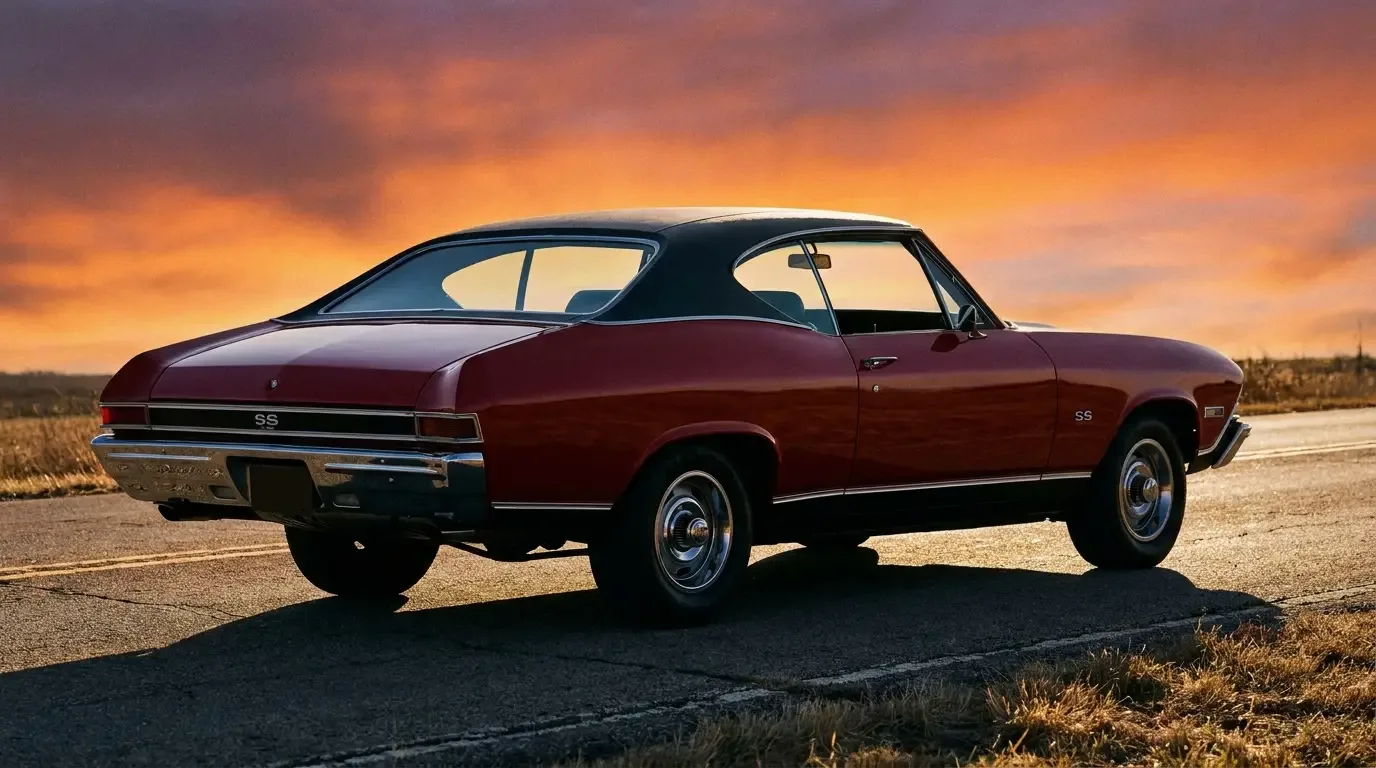
The 1968 and 1969 SS models got a semi-fastback roofline with a tunneled backlight, the rear window recessed into a formal-looking C-pillar treatment that reads more aggressive from three-quarter rear than a straight glass installation ever could. It's a good look, and it's also a shape that's easy to get wrong on a reproduction quarter panel if the stamping house doesn't have the tooling dialed in. The curvature through that tunnel is subtle enough that a slightly-off panel will look wrong to a trained eye even if it bolts up fine.
The front clip changed year to year through this generation. The 1968 nose, the 1969 update, and the more aggressive 1970 face are three distinct designs on the same basic body, which is a detail a lot of casual buyers miss. If someone tells you a 1970 grille bolts straight onto a 1968 shell with no other changes, ask them to show you.
1970: the shape hits its peak
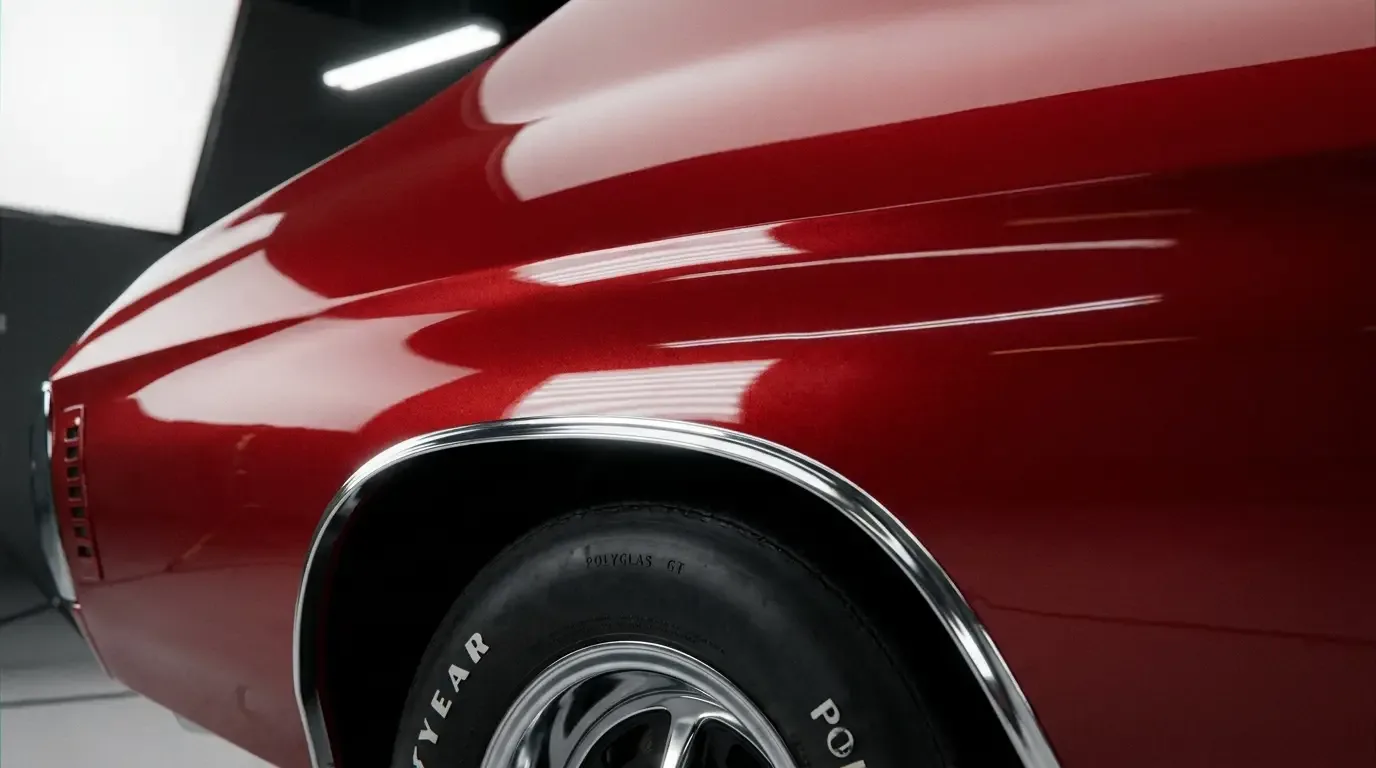
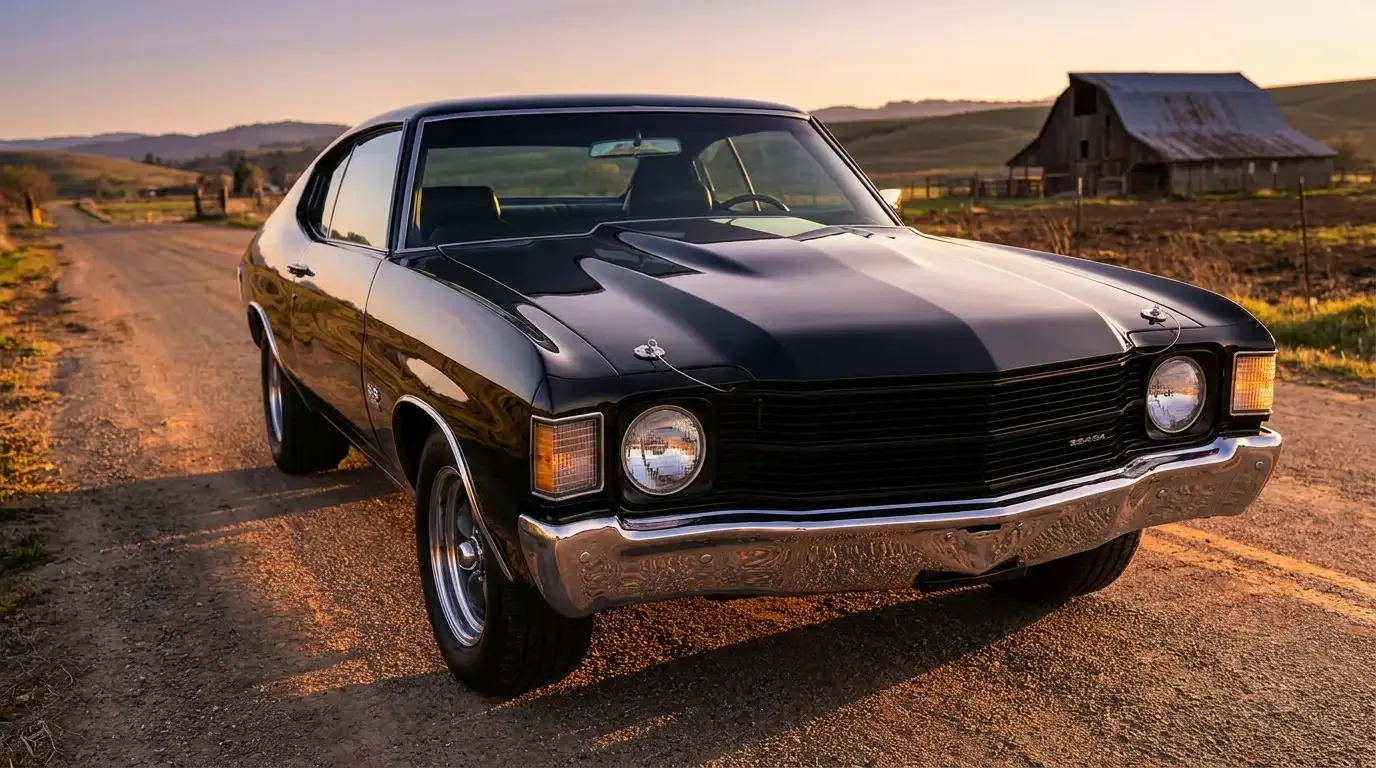
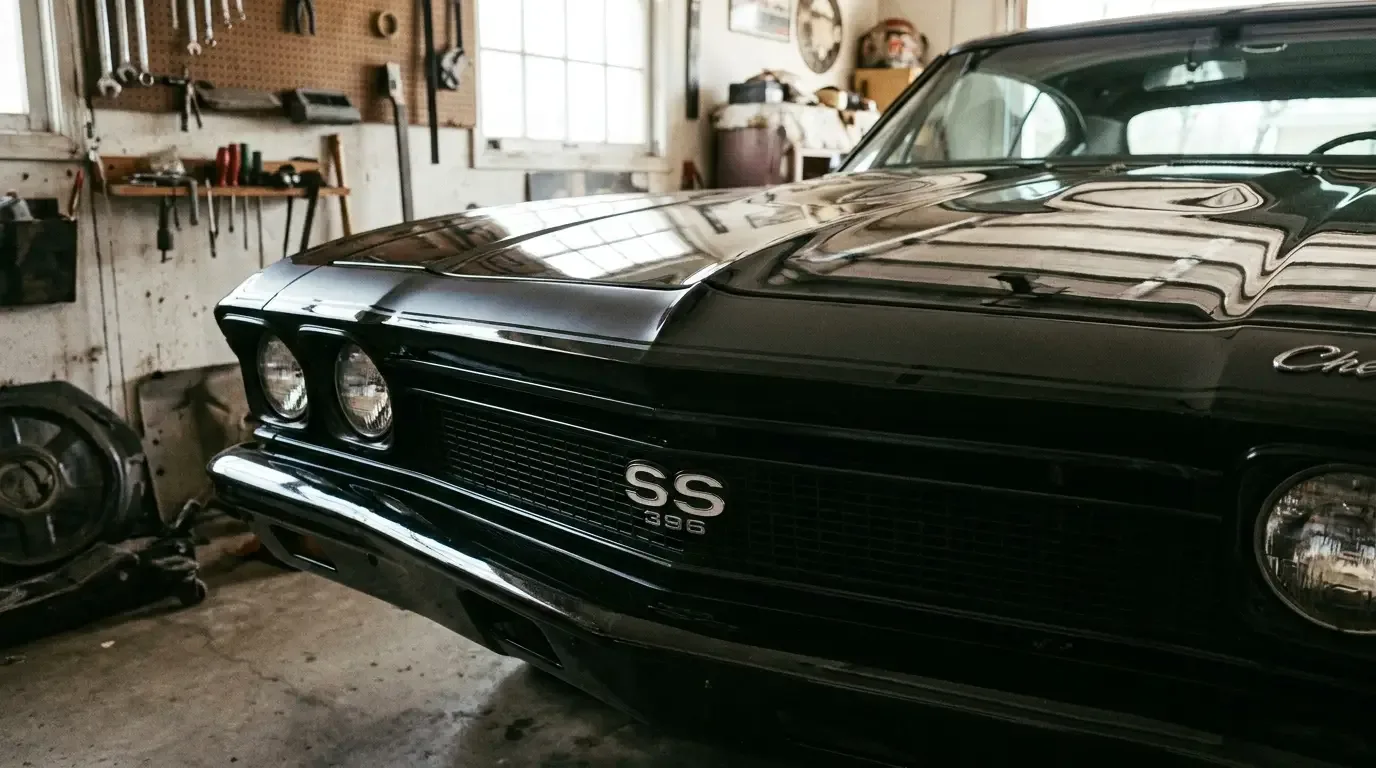
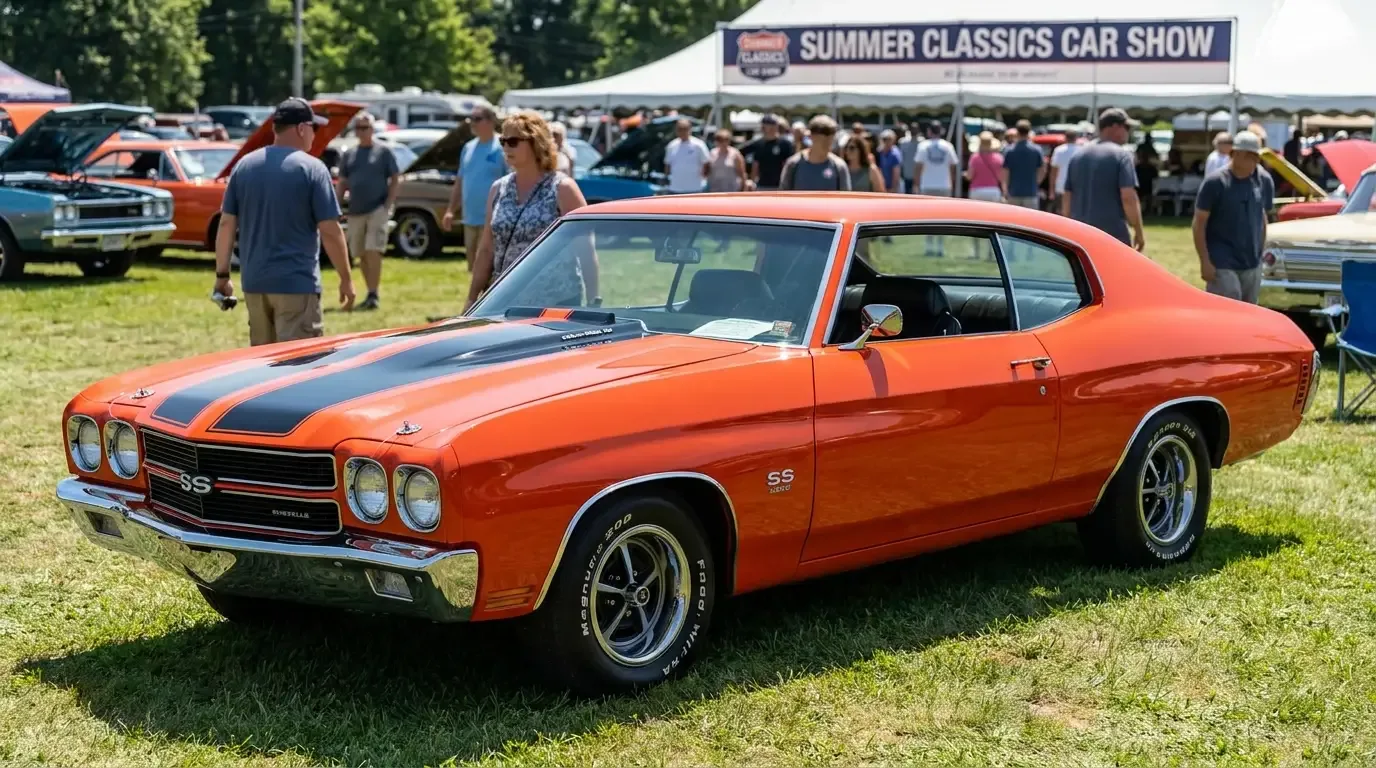
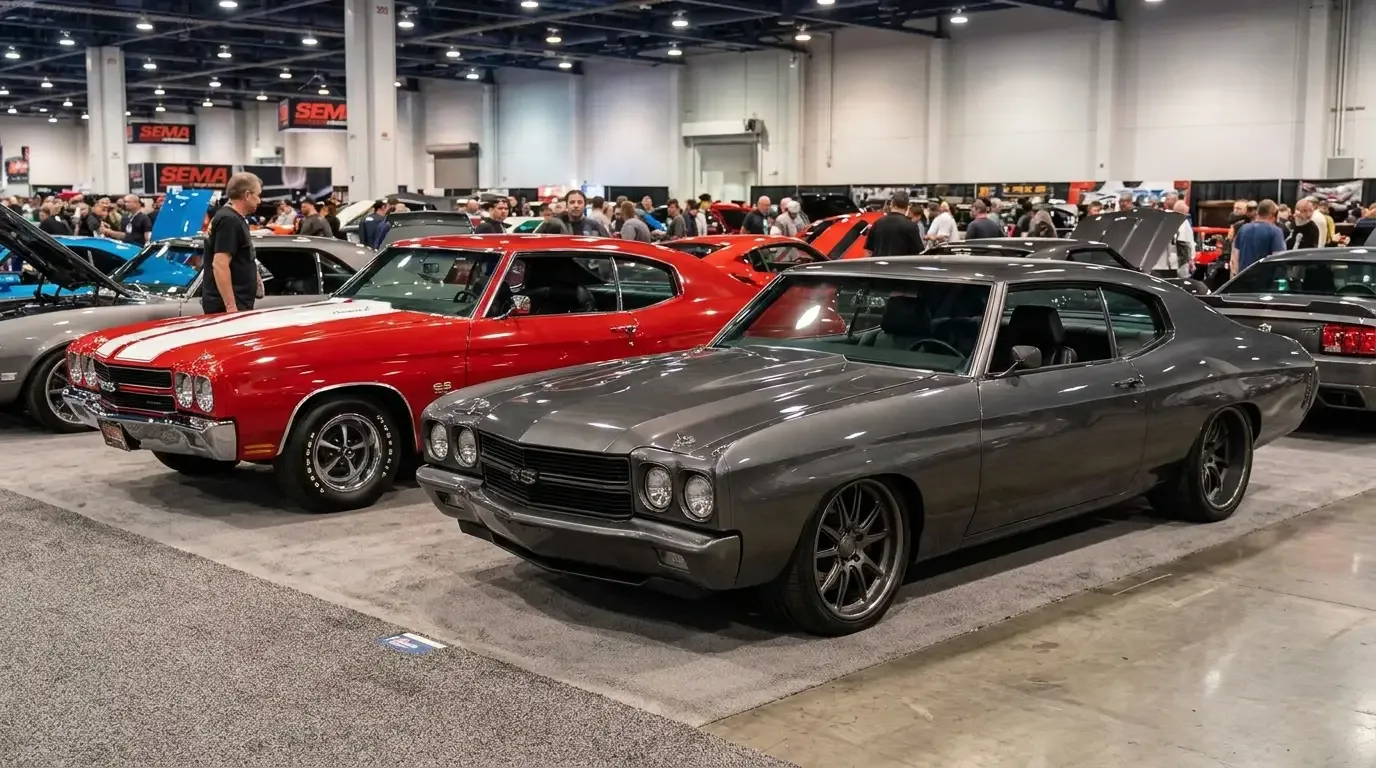
If you ask me which model year got the proportions exactly right, it's 1970. The grille is deeper set, the hood has real presence without looking cartoonish, and the SS-specific cowl induction hood, when a car has it, sits on top of that coke-bottle body like it was drawn as one piece instead of bolted on later. This is the year the design and the engine bay finally match each other in attitude. A big-block SS from 1970 looks like it means what the badge says.
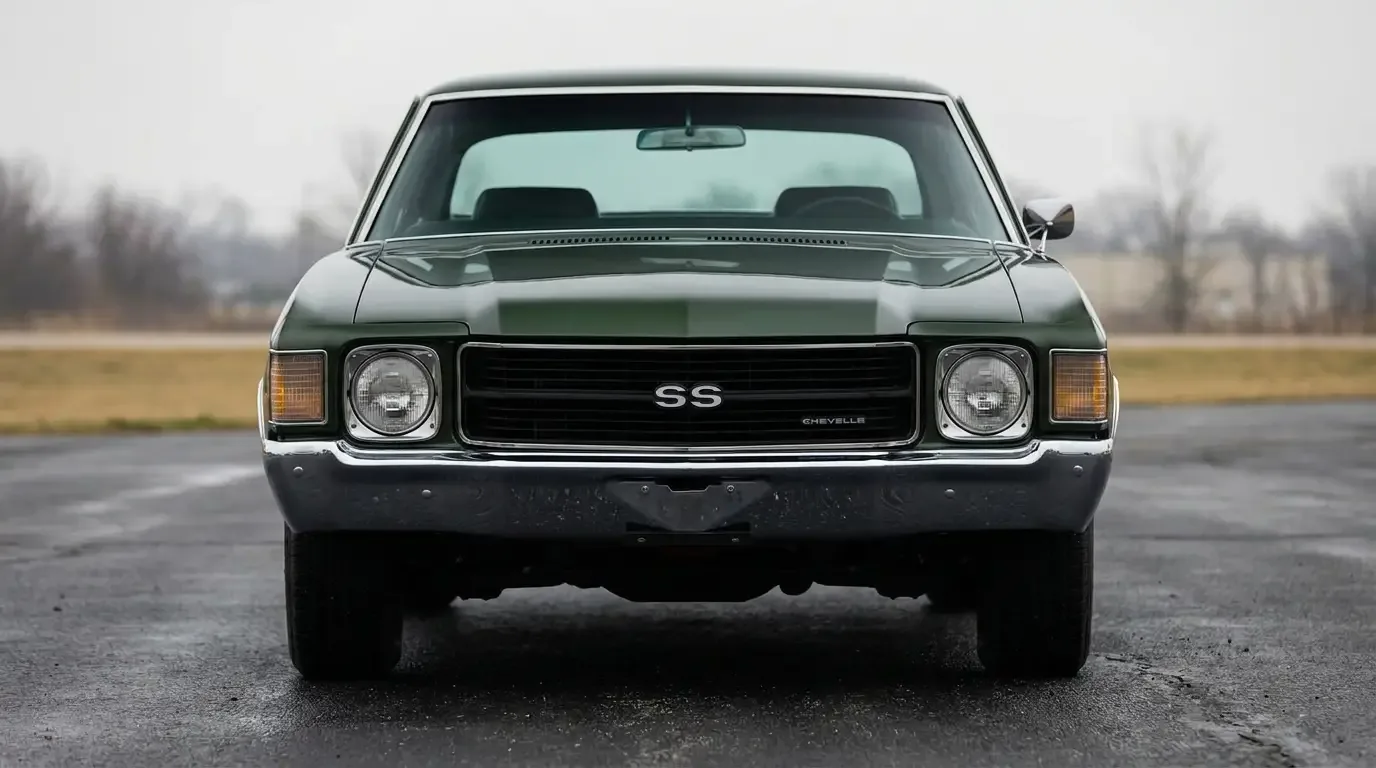
Underneath the trim differences, though, the basic body shell carries from 1970 into 1971 and 1972 with detail changes to the grille, taillights, and trim rather than a full re-skin. Buyers chasing the styling should know that a 1971 or 1972 shares most of its hard points with the 1970 car, so parts interchange is friendlier than people assume walking in.
If you're chasing the classic silhouette from this era rather than a specific trim year, it's worth spending time in person with the proportions rather than judging from photos, which flatten the coke-bottle line in a way that doesn't do it justice.
| Generation | Years | Signature design line | Body styles offered |
|---|---|---|---|
| First generation | 1964-1967 | Straight beltline, squared shoulders | 2-door hardtop, convertible, pillared sedan, wagon |
| Second generation | 1968-1972 | Coke-bottle hip, tunneled backlight on 1968-69 SS | 2-door hardtop, convertible, pillared sedan, wagon |
| Colonnade generation | 1973-1977 | Fixed-pillar coupe, wraparound rear glass | Colonnade coupe, sedan, wagon, Laguna urethane nose |
SS trim versus base sheet metal
Here's a detail that trips up a lot of buyers: the SS package on a Chevelle is mostly a trim and options story, not a separate body shell the way some enthusiasts assume. The core stampings, doors, quarters, roof, are shared with the base Malibu and Chevelle 300 lines. What separates an SS visually is the hood treatment, the grille and taillight trim, the SS-specific badging, and on certain years the tunneled backlight roofline that wasn't offered on lesser trims.
That matters for anyone evaluating a car's authenticity by eye. A base Malibu two-door hardtop can be dressed up to look like an SS without the deception being obvious to someone who only knows the badge. The tell is usually in the details that cost real tooling money to fake correctly: the cowl induction hood's exact contour, the specific grille insert, the way the SS taillight panel differs from the standard unit. Learn those and the trim level stops being guesswork.
The colonnade cars change the rules
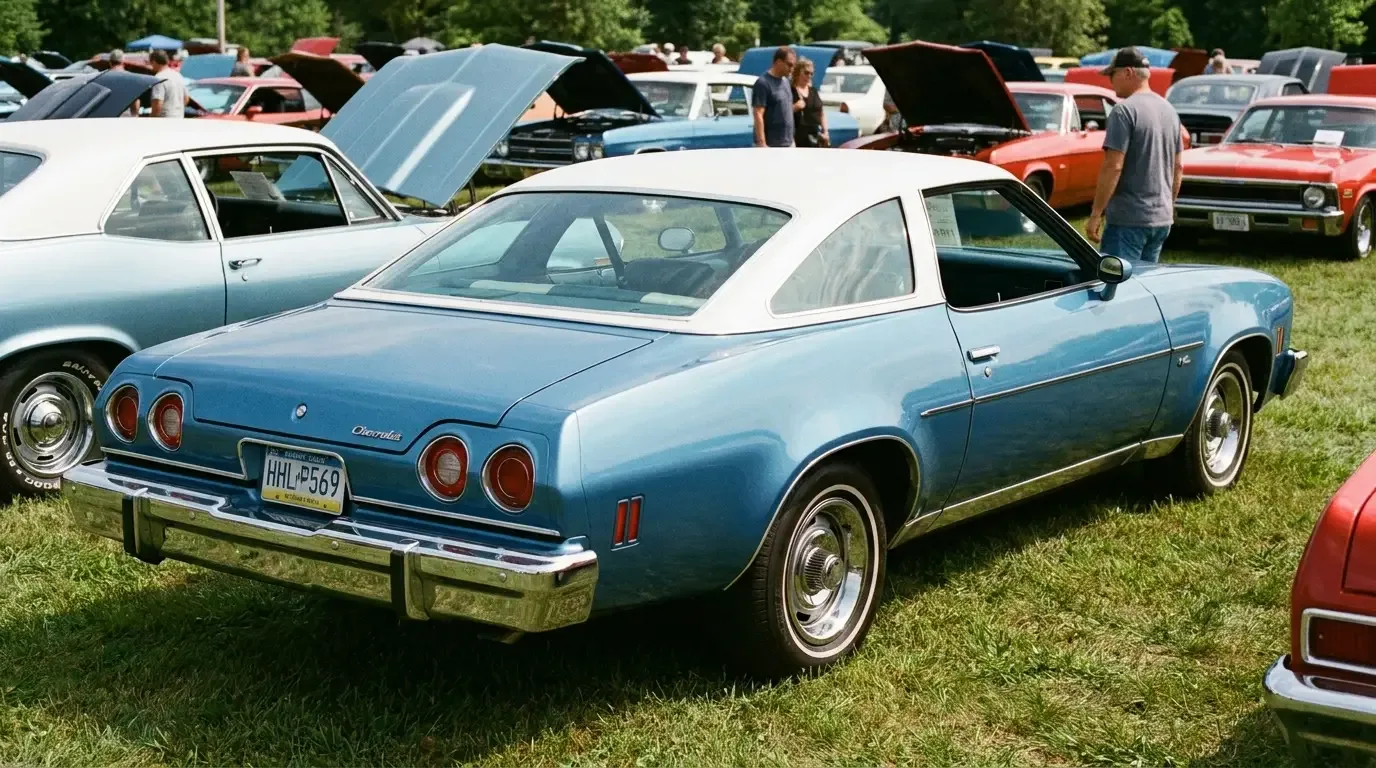
The 1973 redesign threw out the coke-bottle formula entirely. Federal rollover standards pushed GM toward a fixed-pillar "colonnade" coupe body, no more true hardtop with disappearing door glass, and the whole car got heavier and more formal looking. The wraparound rear glass and the thick B-pillar give the colonnade Chevelle a completely different silhouette from anything that came before it, closer to a personal luxury coupe than a muscle car body.
It's not a shape I'd call beautiful in the way the 1970 car is beautiful, but it's an honest response to the regulatory environment it was designed for, and there's a growing appreciation among collectors for what these cars represent: the last Chevelle body before the nameplate changed direction entirely for the rest of the decade. The Laguna variant, with its urethane nose cap, is its own distinct read on that colonnade shape and deserves to be judged on those terms rather than measured against the muscle-era cars it replaced.
Reading factory lines like a body man
When I'm looking at any Chevelle in person, styling aside from options, the first thing I check is panel gap consistency around the doors and trunk. Factory tolerances on GM intermediates from this era weren't perfect, but they were consistent car to car. A gap that's noticeably wider on one side, or a hood line that doesn't sit flush with the fender at the cowl, tells you either collision repair or a mismatched reproduction panel, sometimes both.
The second thing is the quarter panel curvature through the coke-bottle flare on 1968 through 1972 cars specifically. This is the hardest area to get right in a repair or reproduction panel because it's a compound curve, not a simple bend. Run your hand along it. If it feels like it has a flat spot or a slight wave where the flare should be smooth, that's usually a replacement panel that didn't get the metal worked back to factory contour, or a fiberglass piece standing in for steel.
🔧 Inspection Priorities
- Quarter panel flare contour. On 1968-1972 cars, check for flat spots or waves in the coke-bottle curve. A poorly worked repair here is expensive to correct properly because it means redoing bodywork, not just repainting.
- Cowl induction hood fit and contour. Reproduction hoods vary in how accurately they match the factory scoop shape. A hood that doesn't sit flush at the cowl or has a mismatched scoop profile signals an aftermarket piece, which affects value on a numbers-focused buy.
- Tunneled backlight seam quality (1968-69 SS). This roofline is complex to repair correctly. Poor lead or filler work in this area often hides underlying rust or accident damage.
- Door skin and panel gap consistency. Uneven gaps around doors and trunk usually mean prior collision work. Not a dealbreaker, but it changes what you should be paying.
"A body line either agrees with the car's stance or it fights it. The 1970 Chevelle is one of the few factory shapes from that era where every crease is pulling in the same direction. That's not luck. Somebody in that styling studio actually understood metal."
Jim Vasquez
What the styling means for buyers today
None of this is trivia if you're actually shopping. Styling authenticity affects value as much as drivetrain numbers do on a lot of these cars, especially on SS-trimmed examples where the visual package is half of what you're paying for. A correct cowl hood, correct SS trim, and clean factory-contour quarters on a 1970 command real money over a car with the same drivetrain wearing incorrect or poorly repaired sheet metal. Once you understand how the A-body platform got dressed four different ways across four GM divisions, the differences get a lot more interesting than badges alone, and you can read onward to The A-Body Muscle War for how that played out on the street.
If you're weighing a purchase, spend as much time with your hands on the body as you do listening to the engine. The shape is the part of this car that can't be faked cheaply, and once you know what to look for, it tells you almost as much about a Chevelle's honesty as a build sheet does. Anyone browsing find a 1970 Chevelle for sale listings should treat the panel work with the same scrutiny they'd give a matching-numbers claim.
Sources and notes
Related Reading
Article
The Classic Chevrolet Chevelle Story
Article
Chevelle in Pop Culture and Film
Article
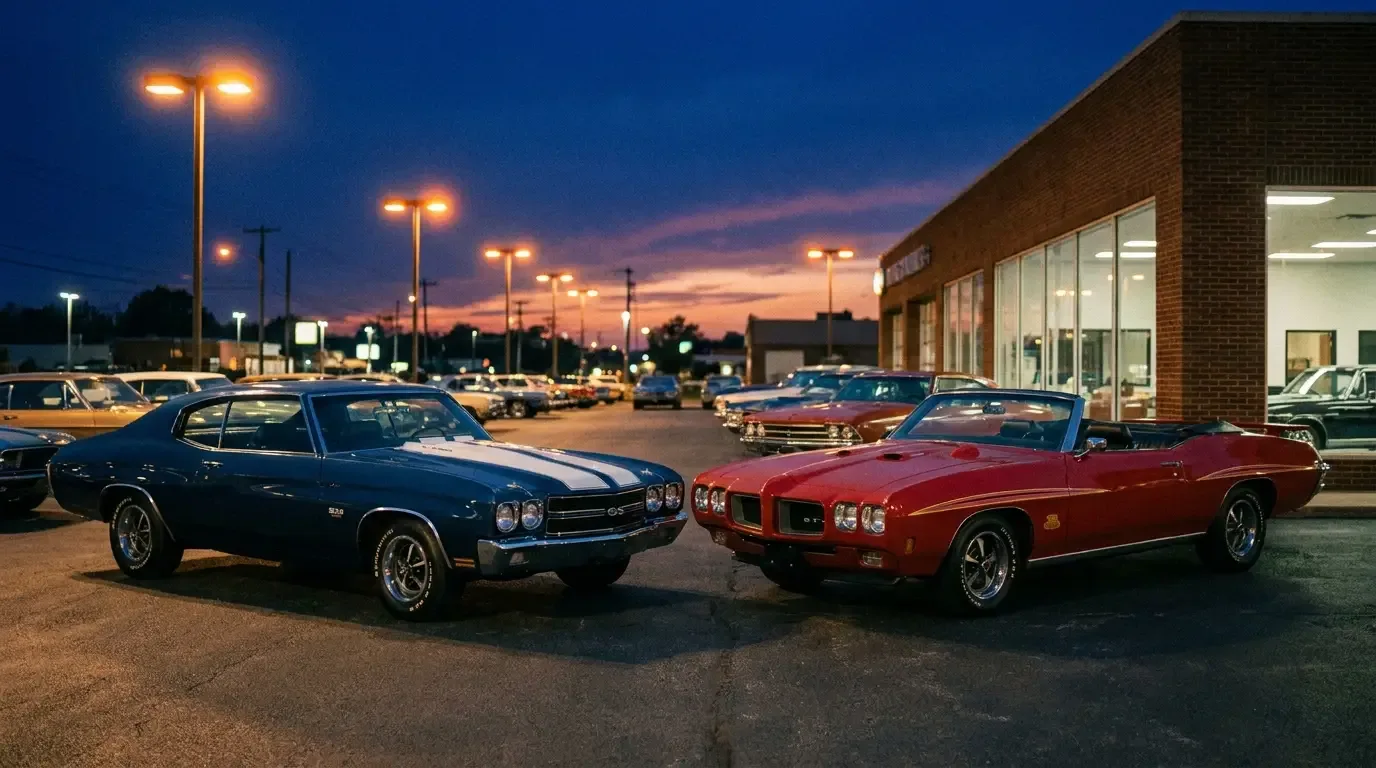
The A-Body Muscle War: Chevelle vs GTO, 442 and GS
Article
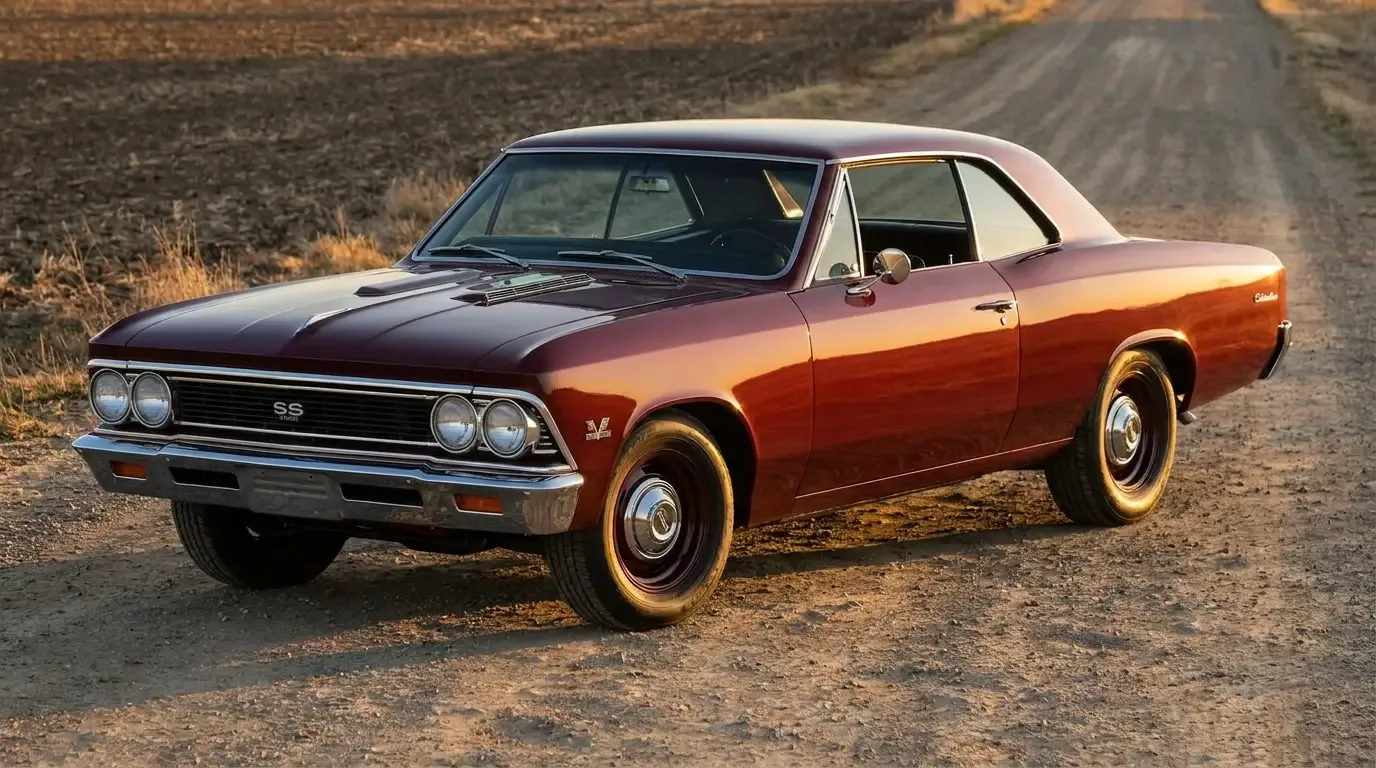
The Coke-Bottle Shape: How the A-Body Redefined Muscle Car Curves
Article
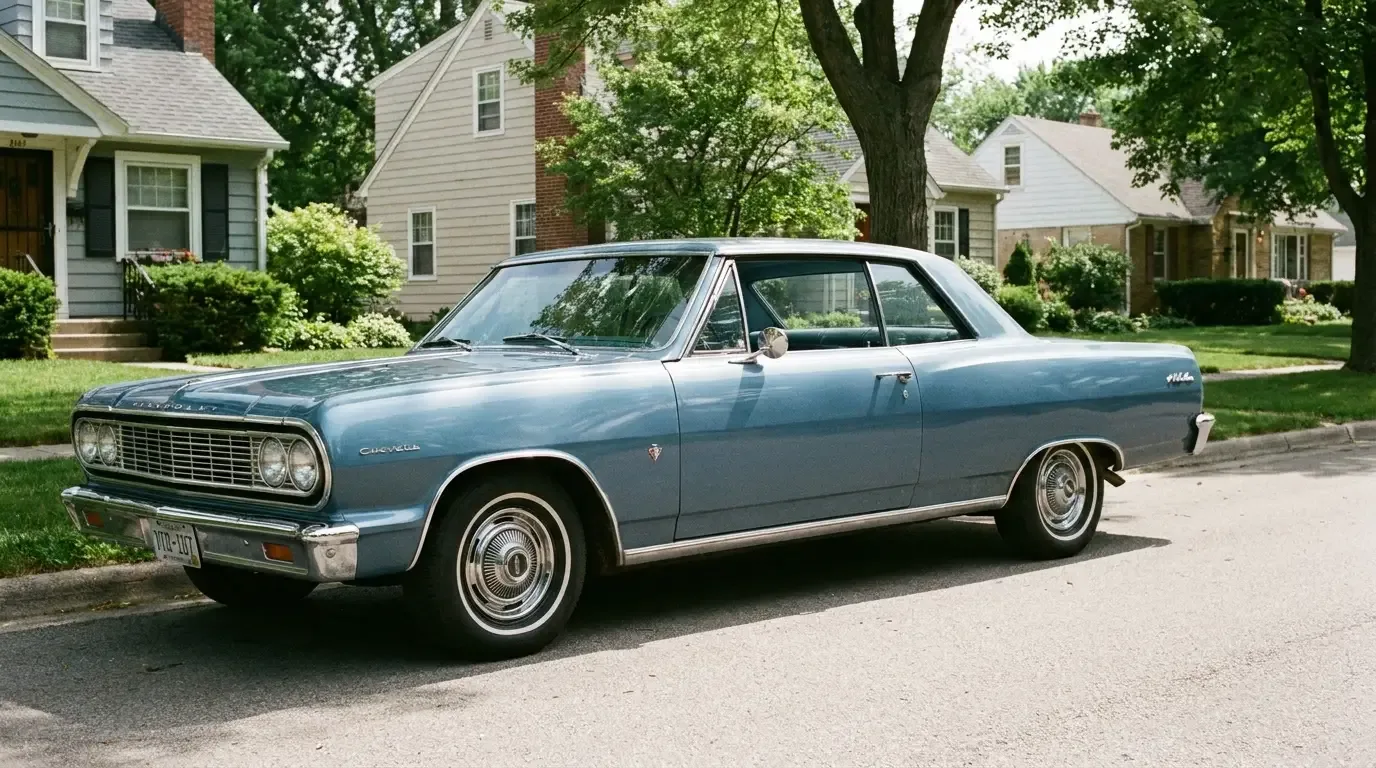
1964-65 Clean Slab Styling
Article
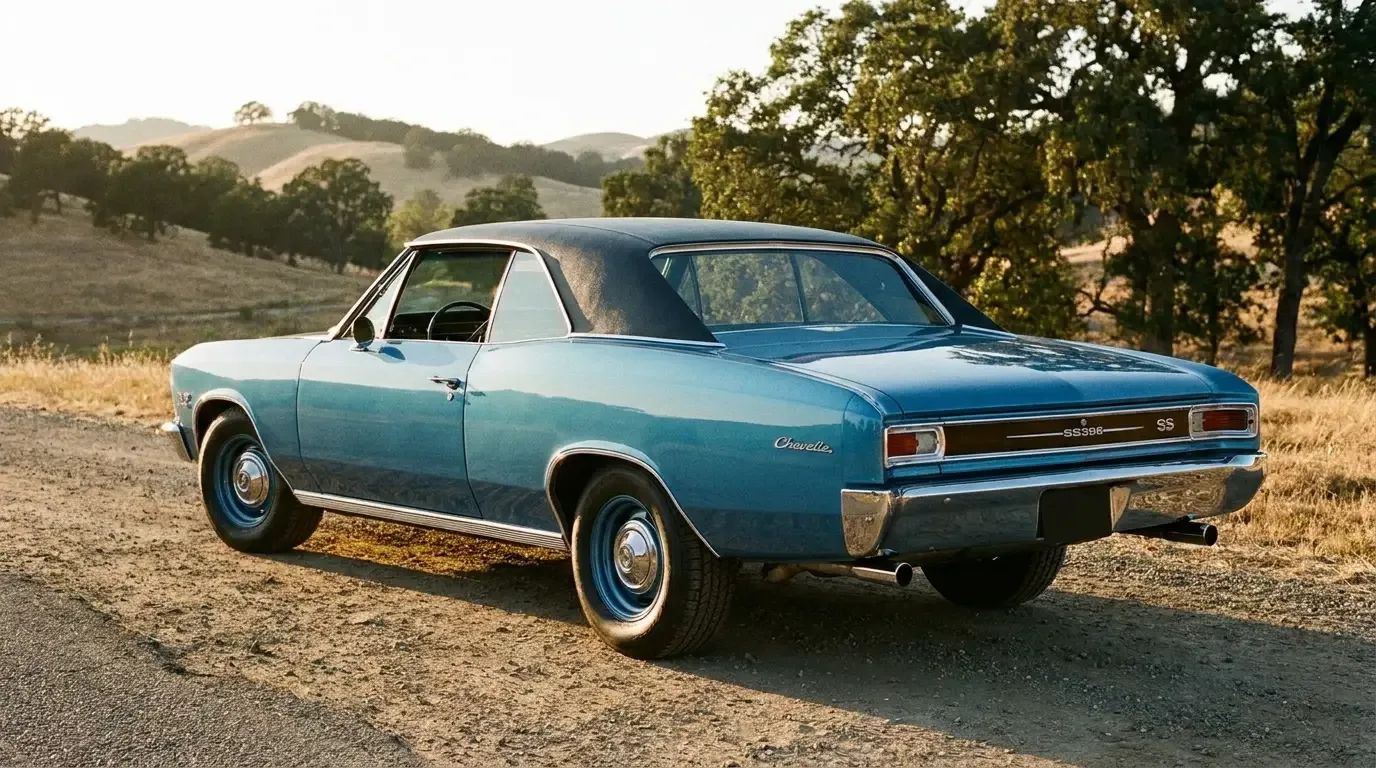
The 1966-67 Restyle: Sculpting a Sharper Chevelle
Article
1968's Tunnelback Roof: A Semi-Fastback Gamble
Article
1970: The Definitive Chevelle Face
Article
1971's Single-Headlamp Look: A Quiet Design Pivot
Article
The Cowl-Induction Hood as Design Statement
Article
SS Stripes and Emblems: Reading the Design Language
Article
Wheel Design Evolution: Rally, SS, and Magnum 500
Article
The Colonnade Era: Opera Windows and a New Direction
Article
Hardtop, Convertible, Wagon, El Camino: One Design DNA
Article
Vinyl Tops and Color Palettes
Article
Grille Evolution: Tracing the Changing Face
Article
How the Chevelle Shaped GM's A-Body Design Language
Article
Designing for Speed: Hidden Aerodynamic Cues
Article
The Chevelle's Design Legacy in Modern Retro-Styling
Have a
Chevrolet Chevelle
for Sale?
Reach thousands of serious classic car collectors across the US.
Sell It Here →
Are You a Classic Car Dealer?
List your full inventory and connect with targeted classic car buyers.
Join as a Dealer →

About the author
Jim Vasquez
Southern California hot rod and custom car builder with roots in the traditional kustom kulture scene.
Related Listings - Chevrolet Chevelle
Comments
Be the first to comment on this article.