
What exactly is a restomod?
The word blends "restoration" with "modification," but that barely captures what the restomod movement actually represents. A restomod is a classic car that wears its original body and era-correct sheet metal while running modern mechanical hardware underneath: late-model engine, disc brakes at all four corners, independent rear suspension, rack-and-pinion steering, and often a full climate control system. The goal is not to recreate what the factory built in 1967 or 1969. The goal is to use that body as a canvas for something better than the factory could have done with the technology available at the time.
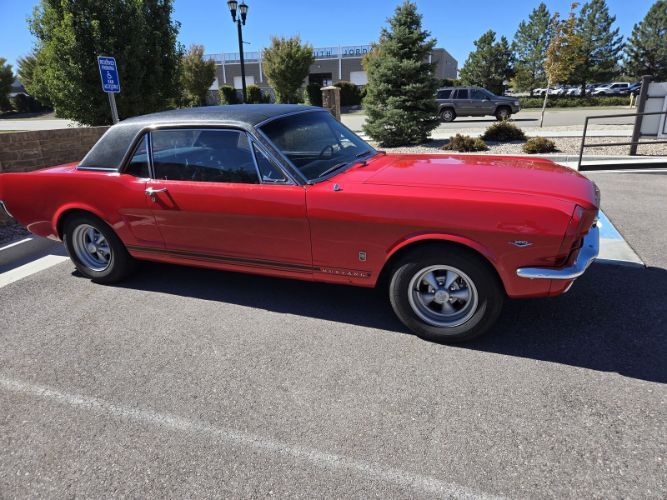
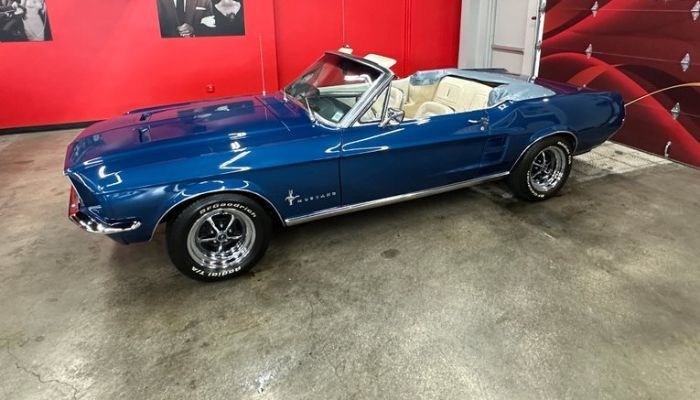
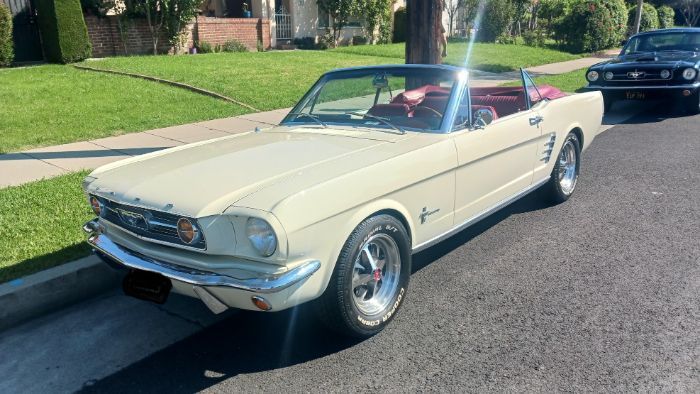
For the Mustang, this approach has produced some of the most striking machines in the hobby. A first-generation fastback with flush door handles, a color-matched interior, and 500 horsepower on tap is immediately recognizable as a Mustang, yet it drives nothing like one built on Piquette Avenue fifty years ago. That gap between appearance and capability is precisely the point.
Critics sometimes call this approach dishonest, as though the car is pretending to be something it is not. Enthusiasts counter that every car ever built was a product of available technology, and available technology has simply improved. The debate has been running for decades and shows no sign of resolution, which is one reason it remains so entertaining to follow.
The Coyote 5.0 swap and why it became the default choice
If there is a single engine that defines the modern Mustang restomod era, it is Ford's Coyote 5.0-liter V8, introduced in the 2011 Mustang GT. The engine was rated at 412 horsepower in its original 2011 form and fits into the engine bay of a first-generation Mustang with relatively modest modifications. Ford Performance and a growing aftermarket supply purpose-built swap kits, wiring harnesses, and accessory brackets. The result is a bolt-in solution that gives a 1965 or 1966 Mustang reliability, fuel injection, and emissions compliance that a period-correct 289 cubic-inch V8 simply cannot match.
The appeal goes beyond raw numbers. The Coyote revs freely, sounds purposeful, and responds to tuning with ease. Later iterations of the engine, including the Gen 3 Coyote introduced for the 2018 model year, pushed output higher still. Paired with a modern Tremec six-speed manual or a late-model automatic, the combination transforms the driving experience without changing a single exterior panel.
Other engine choices appear in Mustang restomods, including the supercharged Predator 5.2-liter from the Shelby GT500 and various LS-series Chevrolet engines, though the latter option tends to produce strong opinions among Ford loyalists. The Coyote remains the consensus choice for builders who want to keep the Ford bloodline intact.
Builder shops and standout builds that shaped the culture
The restomod world has its share of celebrity builders, and a few shops have defined what a Mustang restomod can look like at the highest level of execution.
Ringbrothers, based in Spring Green, Wisconsin, has become synonymous with flawless fabrication and signature design choices. Their Mustang builds feature custom metalwork, hidden hinges, flush door handles, and paint finishes that read as factory-perfect from twenty feet away and as art projects from two inches away. Their builds frequently appear at SEMA and at the Goodguys events that serve as the unofficial trade shows of the restomod world.
Classic Recreations, operating out of Yukon, Oklahoma, holds a license agreement with Ford and Shelby American that allows them to build licensed GT500 continuation cars. Their work sits at the intersection of restomod and tribute, using new or restored bodies and installing modern drivetrains under period-correct exteriors. Their licensing arrangement with Shelby American means these continuation GT500s and Cobras are officially recognized cars rather than unsanctioned tributes.
Speedkore Performance Group out of Grafton, Wisconsin has taken carbon fiber construction into the Mustang restomod space, producing builds where structural components are replaced with composite materials for dramatic weight reduction. The effect on performance is significant; the effect on price is equally dramatic.
At a more accessible level, countless smaller shops across the country build Mustang restomods to customer specifications, often working from donor cars rather than freshly fabricated bodies. These regional builders have created a broad middle market between the six-figure SEMA showpieces and the home-garage weekend project. For a look at how the Mustang's visual identity has shaped these builds over the decades, our Mustang design coverage traces the styling evolution from 1964 through the end of the first generation.
The purist debate: preservation versus performance
Numbers-matching restoration and the restomod movement represent genuinely different philosophies, and the tension between them has shaped how the hobby values cars at auction and in private sales.
The purist argument centers on historical preservation. A 1969 Boss 302 with its original engine, original transmission, original paint codes, and documented build sheet is a primary historical artifact. It tells you exactly what Ford built, how they built it, and what decisions were made on the assembly line. Every modification diminishes that record. A Coyote-swapped Boss 302, however beautifully executed, is no longer a Boss 302 in any meaningful documentary sense.
The restomod argument is more pragmatic. Classic Mustangs with period-correct drivetrains require constant attention, period-correct parts that grow scarcer every year, and driving habits calibrated around drum brakes and bias-ply tires. A restomod can be driven hard in modern traffic, taken on long highway trips, and parked in the rain without anxiety. It democratizes the experience of owning a beautiful classic car by removing the operational compromises that came with the original engineering.
The market has responded with nuance. Concours-correct, numbers-matching examples at the top of the documentation hierarchy continue to command premium prices at major auction houses. Restomods, meanwhile, have developed their own collector market with its own hierarchy of builders, quality levels, and desirability. A Ringbrothers Mustang carries a premium over an anonymous restomod of equal mechanical quality because the builder's reputation functions as a provenance document for the craft involved.
"A numbers-matching Mustang tells you what Ford built. A great restomod tells you what Ford should have built if they'd had another fifty years to work on it."
— Jim Vasquez
Why restomods have become so popular and what it means for the hobby
Several converging forces have driven the restomod movement into the mainstream of classic car culture over the past fifteen years.
The first is generational shift. The buyers who grew up with first-generation Mustangs as new cars are in their seventies and eighties. The buyers now entering the premium classic car market at peak earning power grew up with these cars as objects of desire from a distance, not as daily drivers. They want the experience of owning one, but they want it on modern terms: reliability, safety, and comfort that align with a contemporary car. The restomod delivers exactly that.
The second is the maturity of the aftermarket. In 1990, building a modern-drivetrain Mustang required fabricating much of the suspension and brake hardware from scratch. Today, companies like Detroit Speed, Classic Performance Products, and Total Control Products offer complete front and rear suspension kits designed specifically for first-generation Mustangs. The barrier to entry has dropped substantially, which has expanded the pool of builders and the quality of the average finished car.
The third is visibility. SEMA, the Goodguys Nationals, and the Barrett-Jackson auctions that now routinely feature restomod lots have given the genre a platform that did not exist a generation ago. When a Ringbrothers Mustang sells for several hundred thousand dollars at auction, it sends a signal about where serious money is flowing in the hobby.
For anyone actively looking at the market, browsing classic Mustangs for sale makes clear just how broad the spectrum has become, from original-driver-quality cars with patina to full restomod builds with documented receipts from recognized shops.
The longer-term implication for the hobby is still unfolding. As restomod culture matures, questions about documentation and authentication have followed. Who built it? What parts were used? Is the work reversible? A restomod with a full build book from a recognized shop is fundamentally different from one assembled anonymously in an unknown garage, and the market is slowly developing the vocabulary to price that difference accurately. The Mustang, as the most popular American muscle car and the most heavily supported by aftermarket infrastructure, sits at the center of that conversation.
Sources and notes
This article is editorial commentary on classic Mustang restomod culture, not a build guide or buyer's manual. Specifications, builder details, and historical claims were cross-checked against the published sources below at the time of writing; figures such as factory horsepower ratings reflect manufacturer numbers and can vary in real-world testing. The origin of the word "restomod" is genuinely disputed and is presented as commonly attributed rather than definitively settled.
- Ford Authority — Ford 5.0L Coyote Engine info, power and specifications (2011 Coyote rated 412 hp)
- Classic Recreations — officially licensed 1967-68 Shelby GT500CR continuation builds
- Ringbrothers — Spring Green, Wisconsin custom Mustang fabrication and SEMA builds
- SpeedKore Performance Group — carbon-fiber muscle car builds, Grafton, Wisconsin
- DrivingLine — Swap Options: LS or Coyote? (engine-choice context)
- In The Garage Media — experts discuss what "restomod" actually means and where the term came from