Numbers matching gets thrown around like it's one simple fact. It isn't. On a Cutlass, it's a specific claim about a specific stamp, and most of the cars advertised as numbers matching have never actually had that stamp checked. Here's what the term really means, where to find the proof, and why I don't take a seller's word for it.
What numbers matching actually means
The claim is this: the engine currently in the car is the same engine that left the factory installed in that specific chassis. Not the same type. Not the same year. The same physical block. That's a narrower claim than most buyers realize, and it's the only claim "numbers matching" is actually supposed to cover. A correct-type replacement engine, even one built the same week at the same plant, is not a numbers-matching engine. It's a correct engine, which still has value, just not the same value.
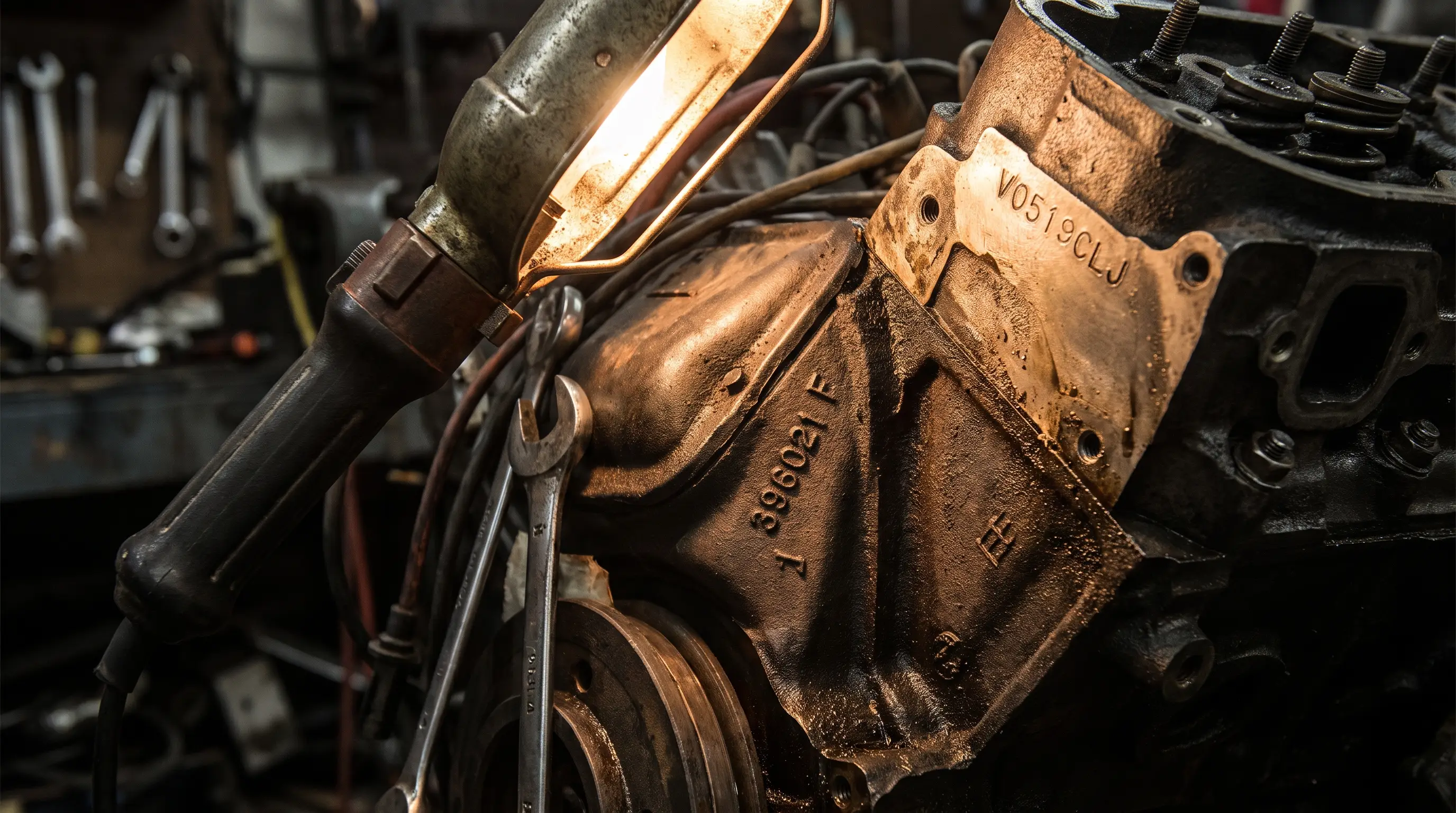
The proof isn't the casting number or the displacement. Plenty of engines share those. The proof is a VIN derivative, a shortened version of the car's vehicle identification number, stamped directly onto the engine block at the assembly plant. That derivative is what ties one specific engine to one specific car.
Where the VIN derivative is stamped
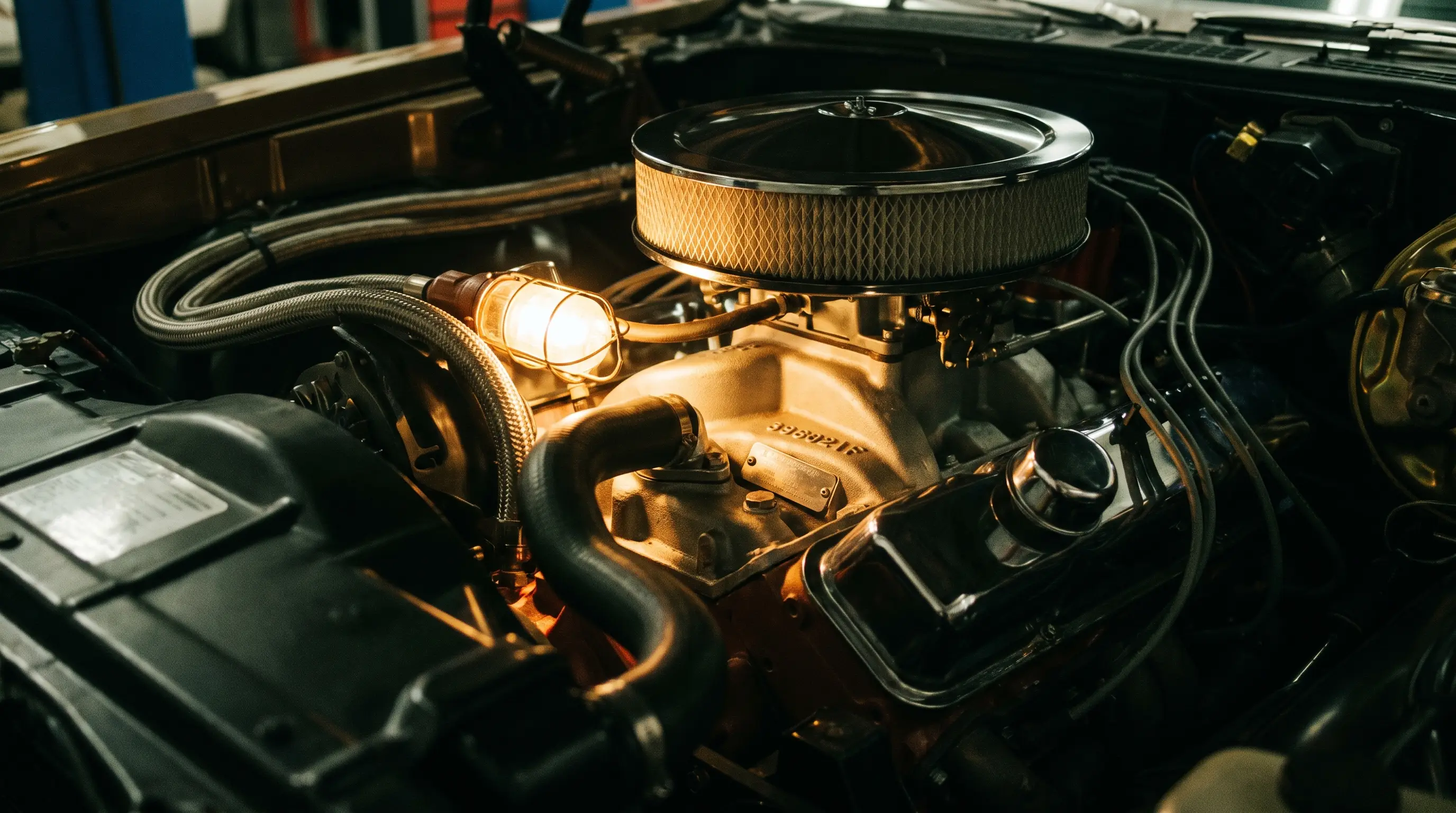
On most Cutlasses, the VIN derivative sits on a machined pad on the driver's side of the block, near the front, just below where the head meets the block, close to the number one cylinder. It's a partial VIN, not the full 13 or 17 digit number, just enough digits, along with a plant and year code, to cross-reference against the car's actual VIN plate on the dash or door jamb.
If that derivative is missing, ground off, re-stamped, or doesn't match the VIN plate, the engine is not numbers matching, full stop. I've had guys argue the stamp "must have worn off over time." Stamped steel doesn't wear off from driving. It gets removed during a rebuild, deliberately or by accident, and that's a different conversation than natural wear.
Machine shops decking a block for a rebuild will sometimes take enough material off the pad to blur or remove the derivative entirely, with no intention of hiding anything. It just happens as a byproduct of resurfacing. That's why a missing stamp isn't automatically evidence of fraud, but it does mean the engine can no longer be verified as matching, regardless of how it got that way. Buyers need to treat those two outcomes, honest wear from machine work versus deliberate re-stamping, as producing the same practical result: no provable match.
Why a matching numbers claim isn't automatic
A block casting number tells you the engine family. A date code tells you roughly when it was built. Neither one ties the engine to a specific car. I see this mistake constantly: someone finds a 350 with a casting number and a build date that's plausible for the car's build window, and calls it matching numbers. That's circumstantial. It's consistent with the engine being original. It doesn't prove it.
Real proof stacks three things: the VIN derivative on the block matching the VIN plate, a build sheet or Protect-O-Plate that lists the engine configuration consistent with what's installed, and a casting date that precedes the car's actual build date by a reasonable window, usually a few weeks to a couple months. When all three line up, you've got a real claim. When only one lines up, you've got a maybe.
Transmission and rear axle codes on the trim tag add another layer to this. A build sheet that specifies a four-barrel 350 and a 3.42 rear gear should show up consistently across the car, engine, transmission, and axle housing tag alike. When one of those pieces doesn't fit the rest of the story, that's usually where a careful buyer finds out a car has been reassembled from parts of more than one donor vehicle over the decades, which happens more often on desirable models than most casual shoppers assume.
| Evidence | What it confirms | What it doesn't confirm |
|---|---|---|
| VIN derivative on block matches VIN plate | This specific engine came with this specific car | Nothing else needs checking if this is solid |
| Casting number matches expected engine family | Correct type of engine for the era | Whether it's the original unit |
| Build sheet or trim tag reference | Factory-ordered engine configuration | Physical presence of that exact block today |
"Matching numbers isn't a vibe, it's a stamp. Show me the derivative, show me it lines up with the VIN plate, and we're done arguing. Anything short of that is a nice story, not a fact."
— Dan Reeves
What it does to the price
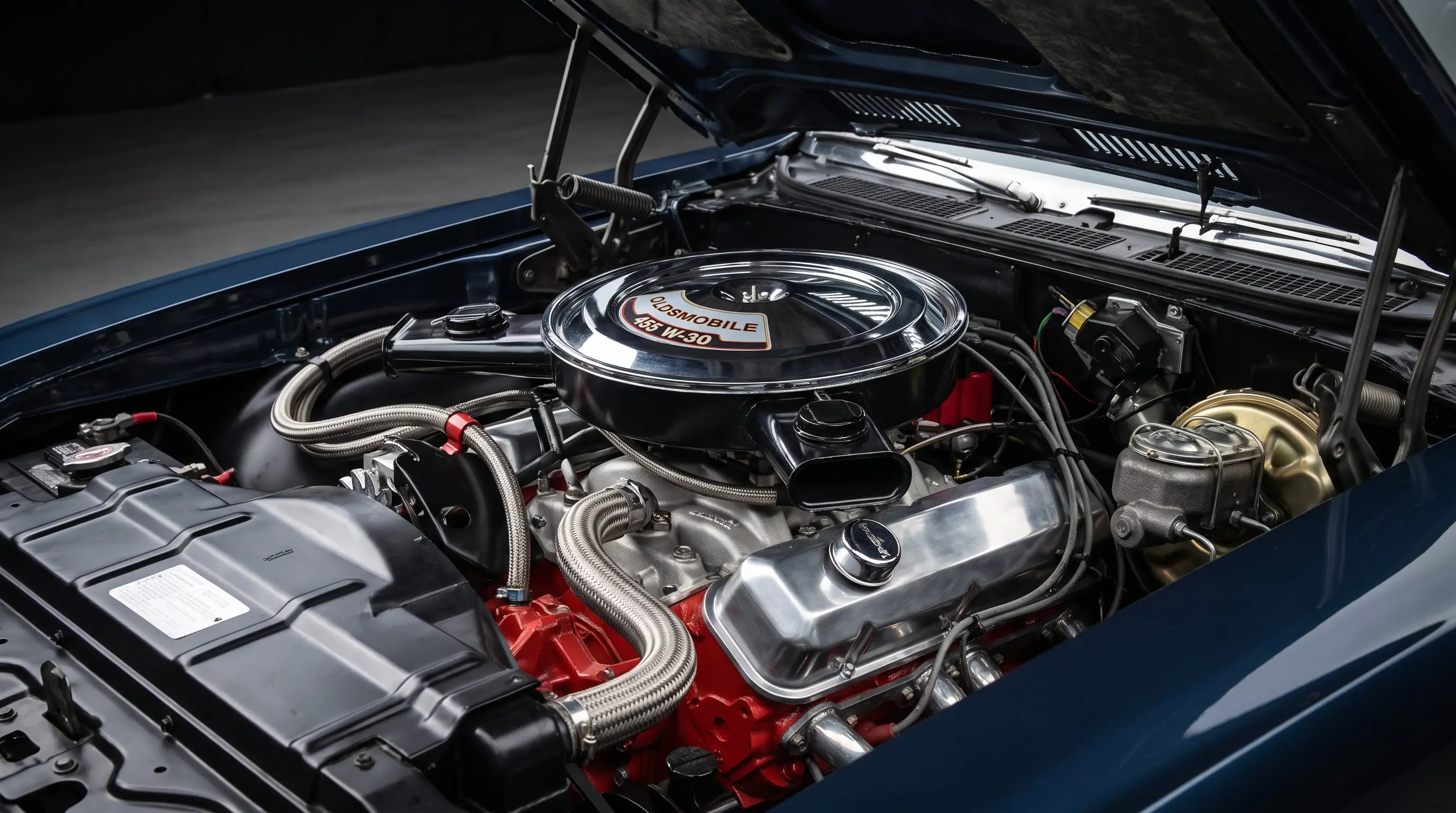
A documented numbers-matching engine on a desirable Cutlass, a real 442 or a W-30, can add a meaningful premium over a comparable car with a correct-but-replaced engine, sometimes a large one depending on the model and condition. That premium is exactly why sellers reach for the phrase loosely. It's also why a buyer paying that premium should ask to see the stamp before the check clears, not take a description at face value.
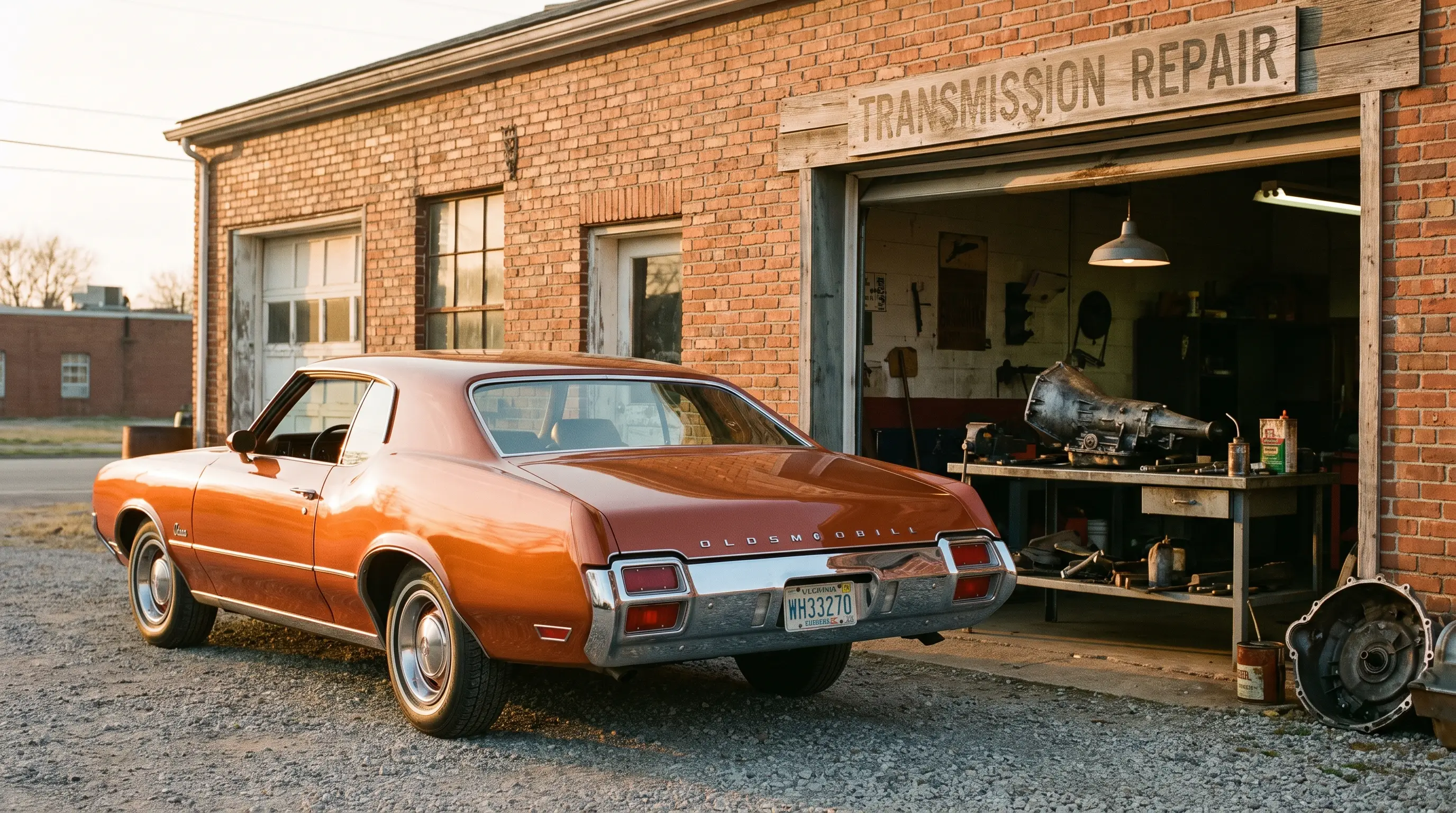
Understanding the engine side of this only gets you halfway. The same logic about factory stamps and build sheets applies to what's bolted behind Oldsmobile Rocket power, and if you want to see how that plays out on the transmission side of the car, that's another angle worth walking through before you commit to a purchase price built on a numbers-matching claim.
Bottom line: ask for the stamp, not the story. If a seller can't point to the VIN derivative on the block, treat the numbers-matching claim as unproven and price the car accordingly. And if the seller hesitates or gets vague when you ask which pad the stamp is on, that hesitation tells you something on its own.