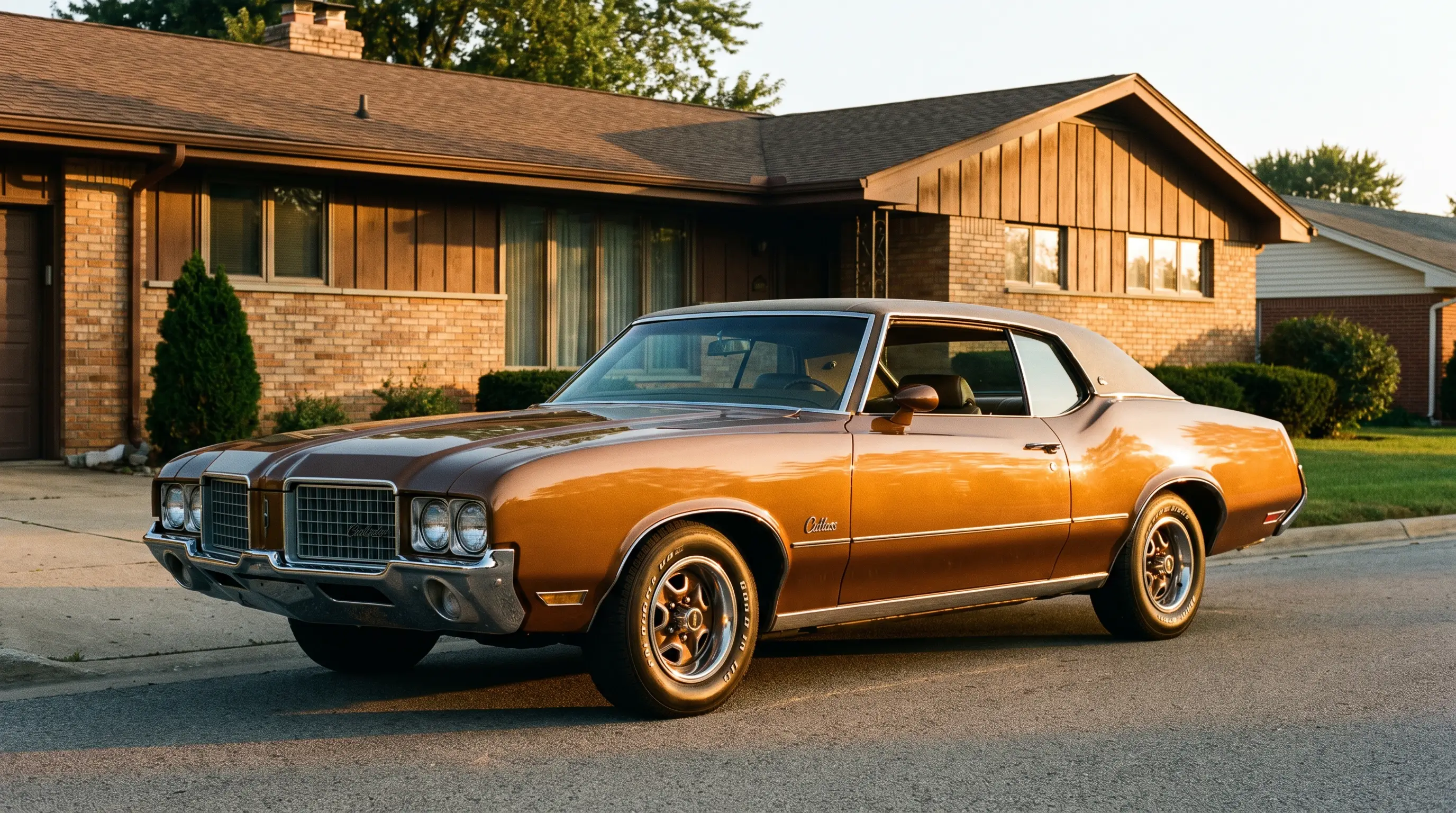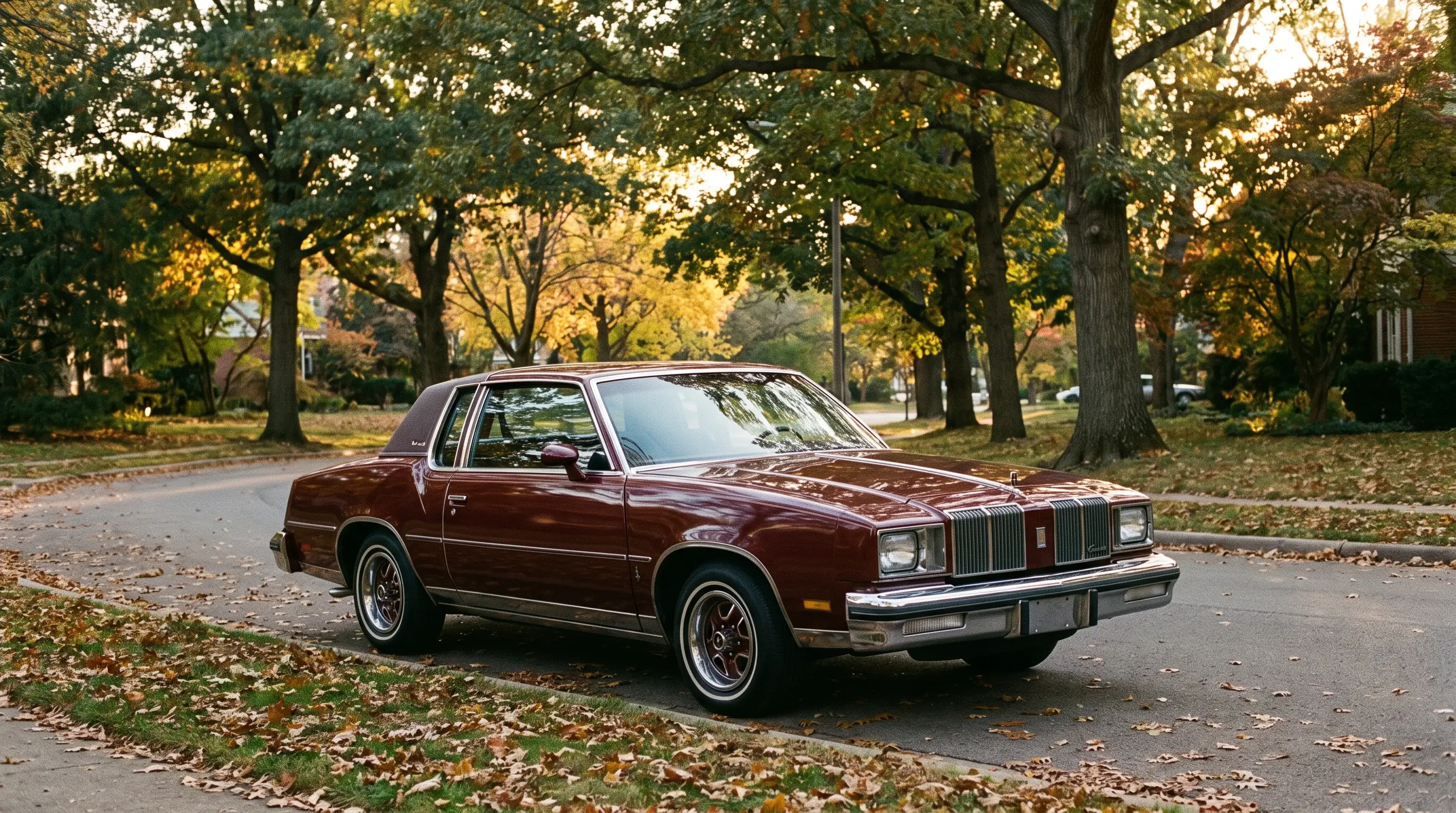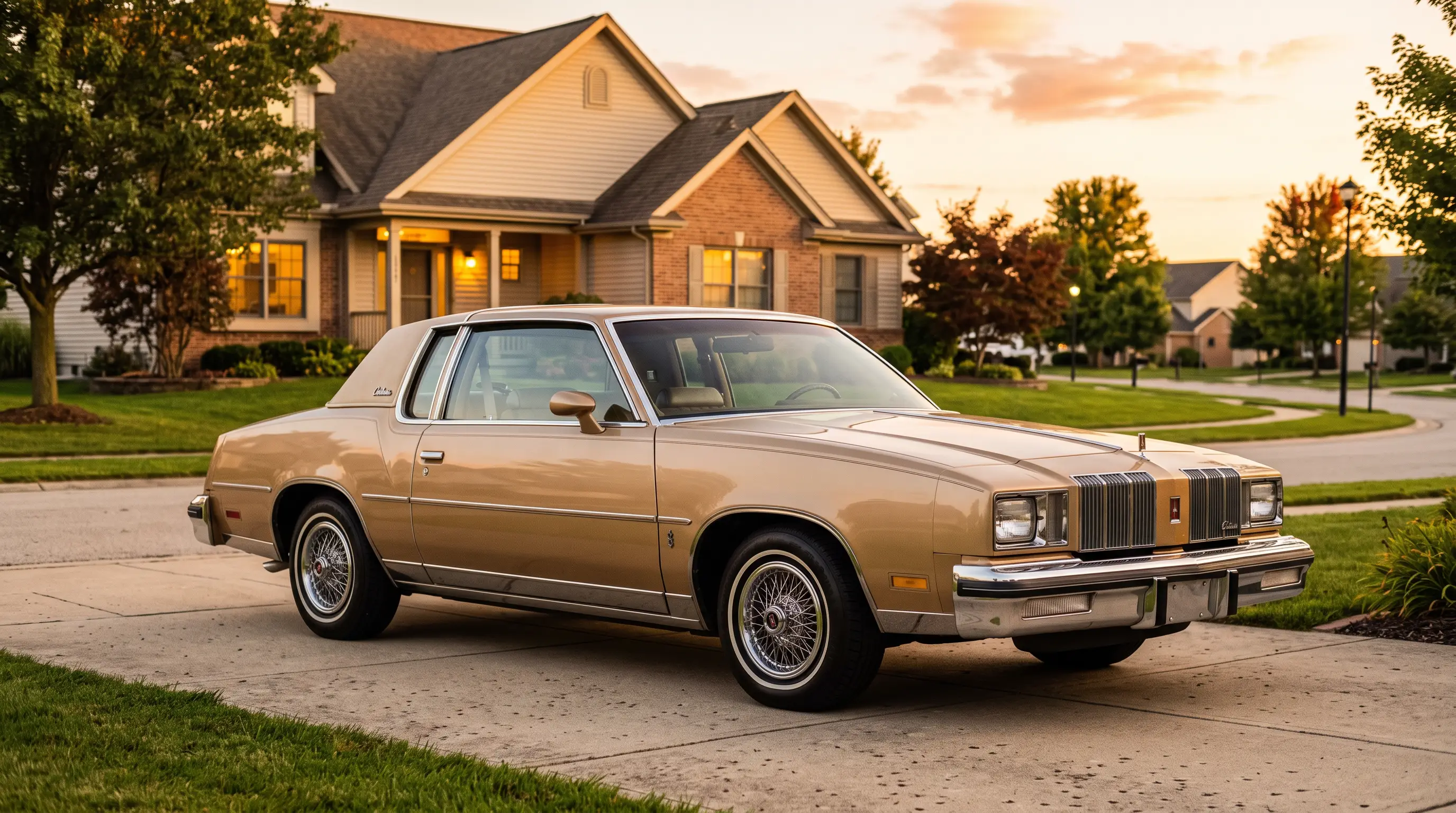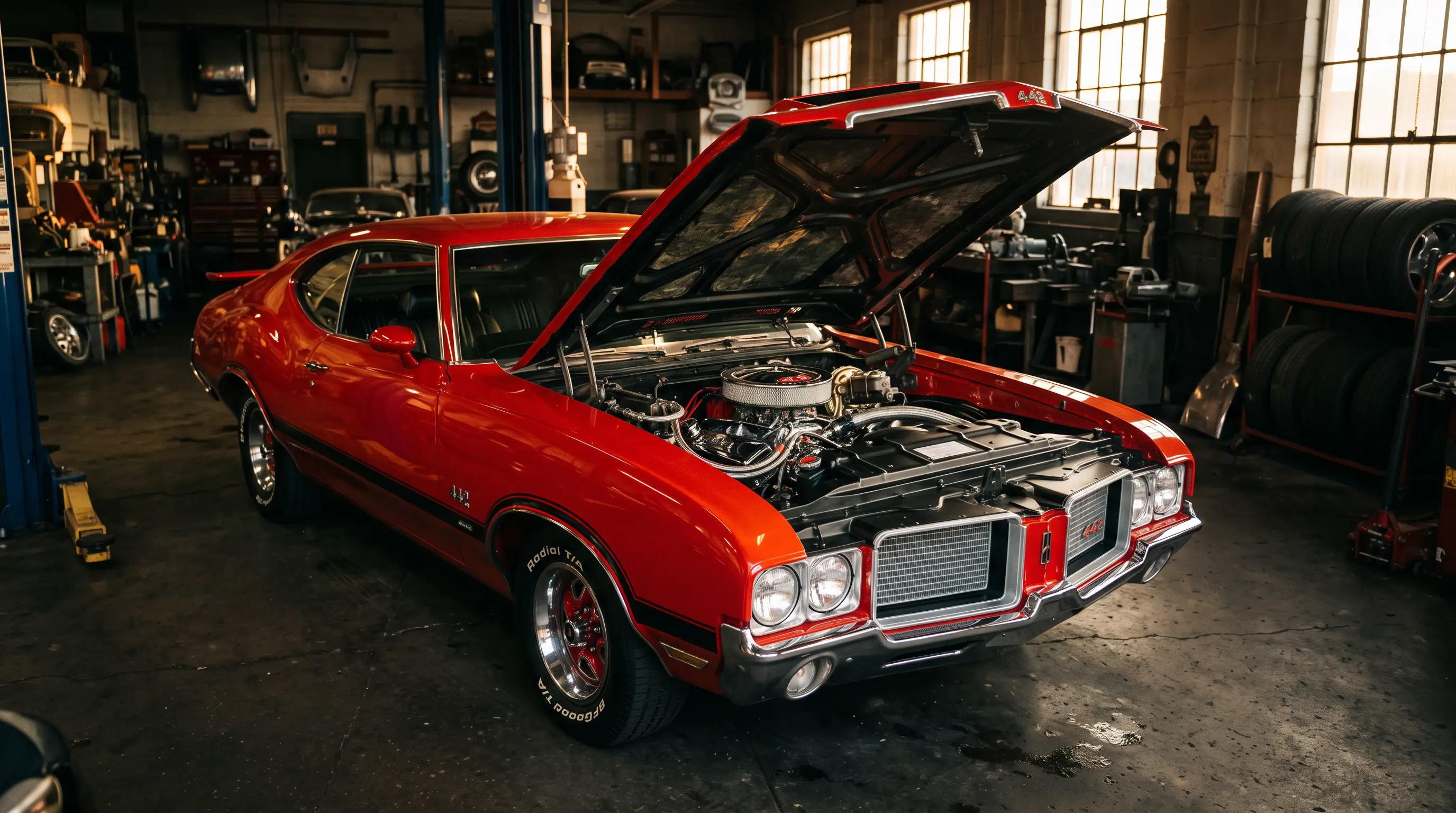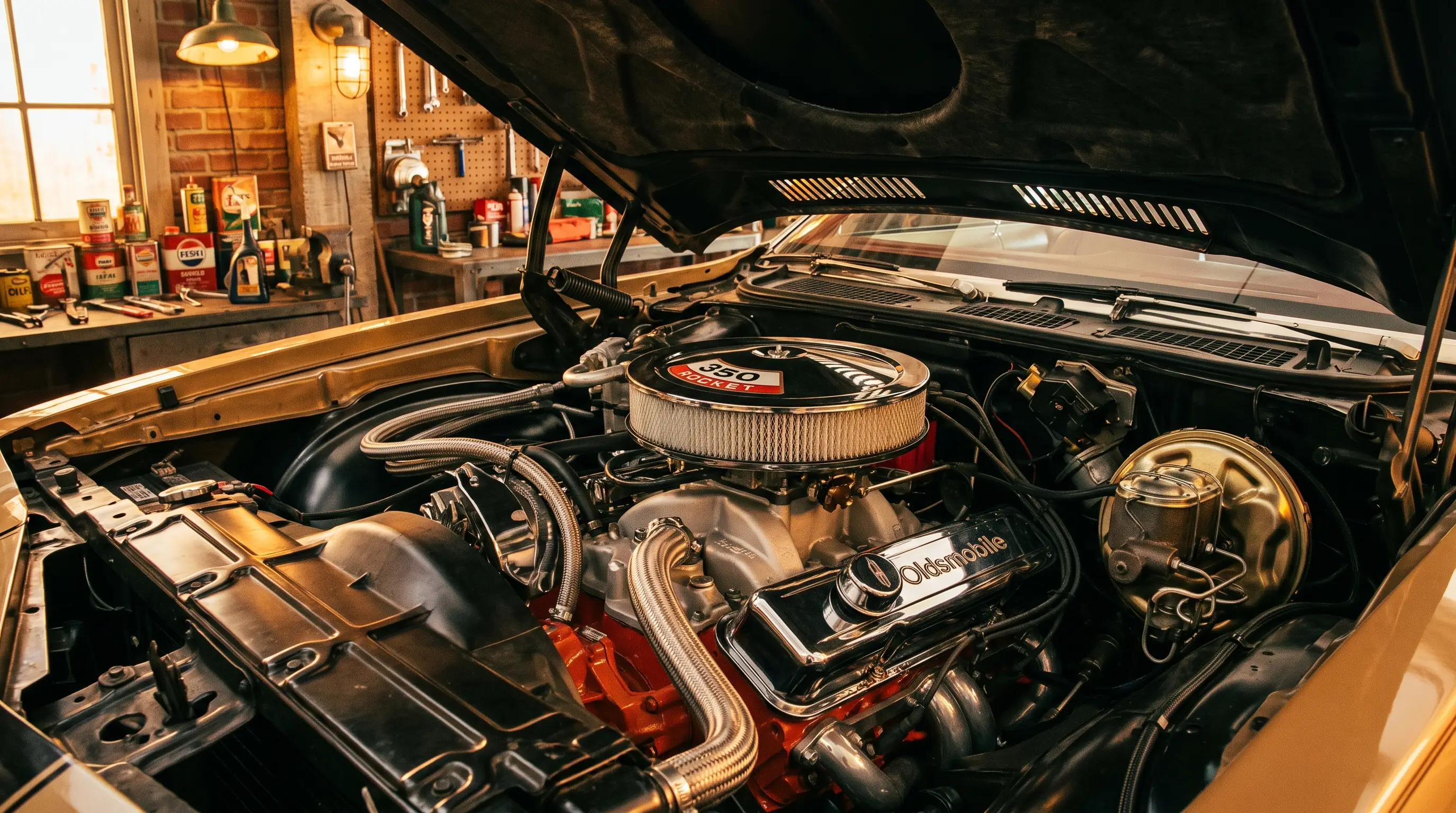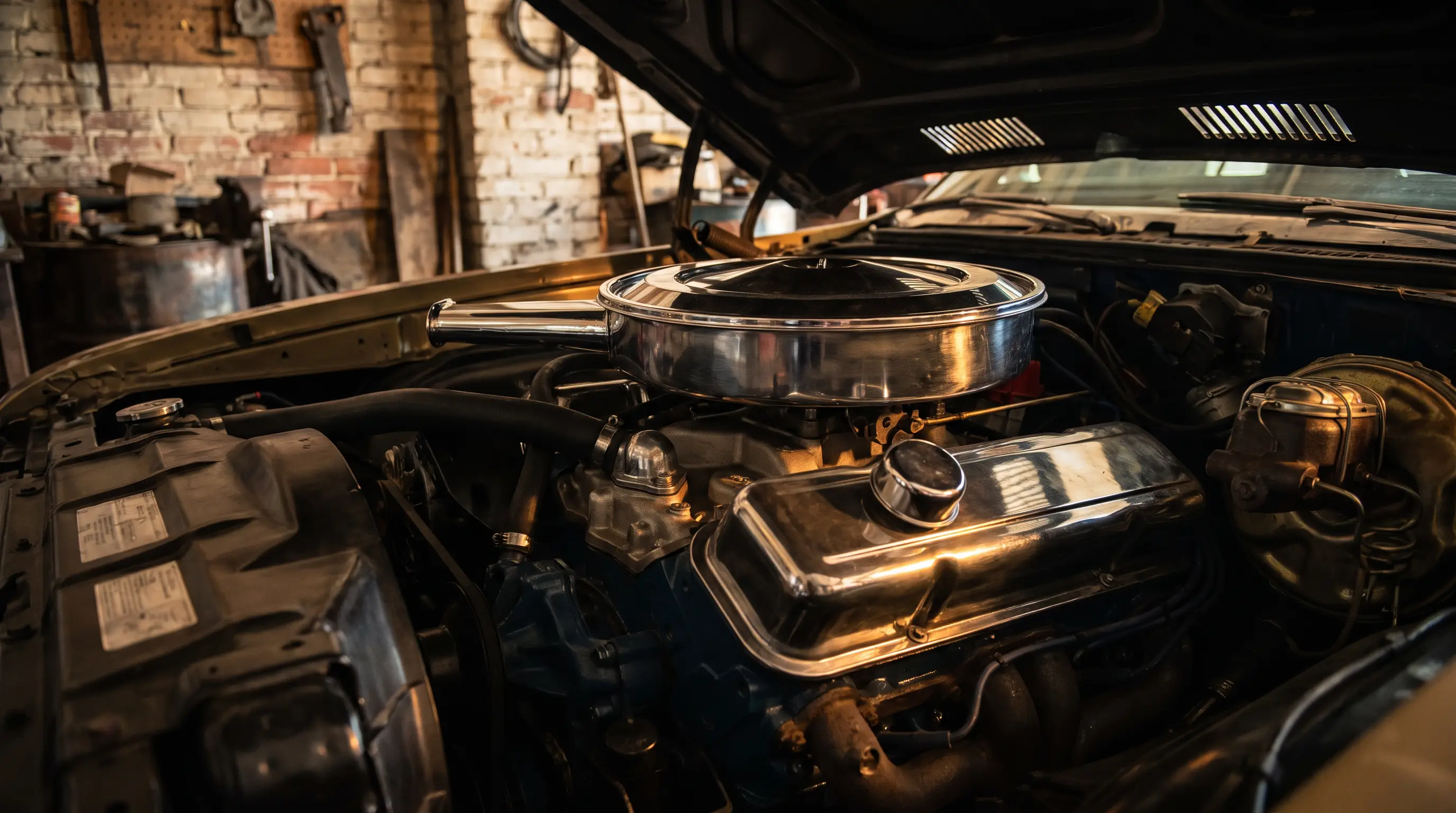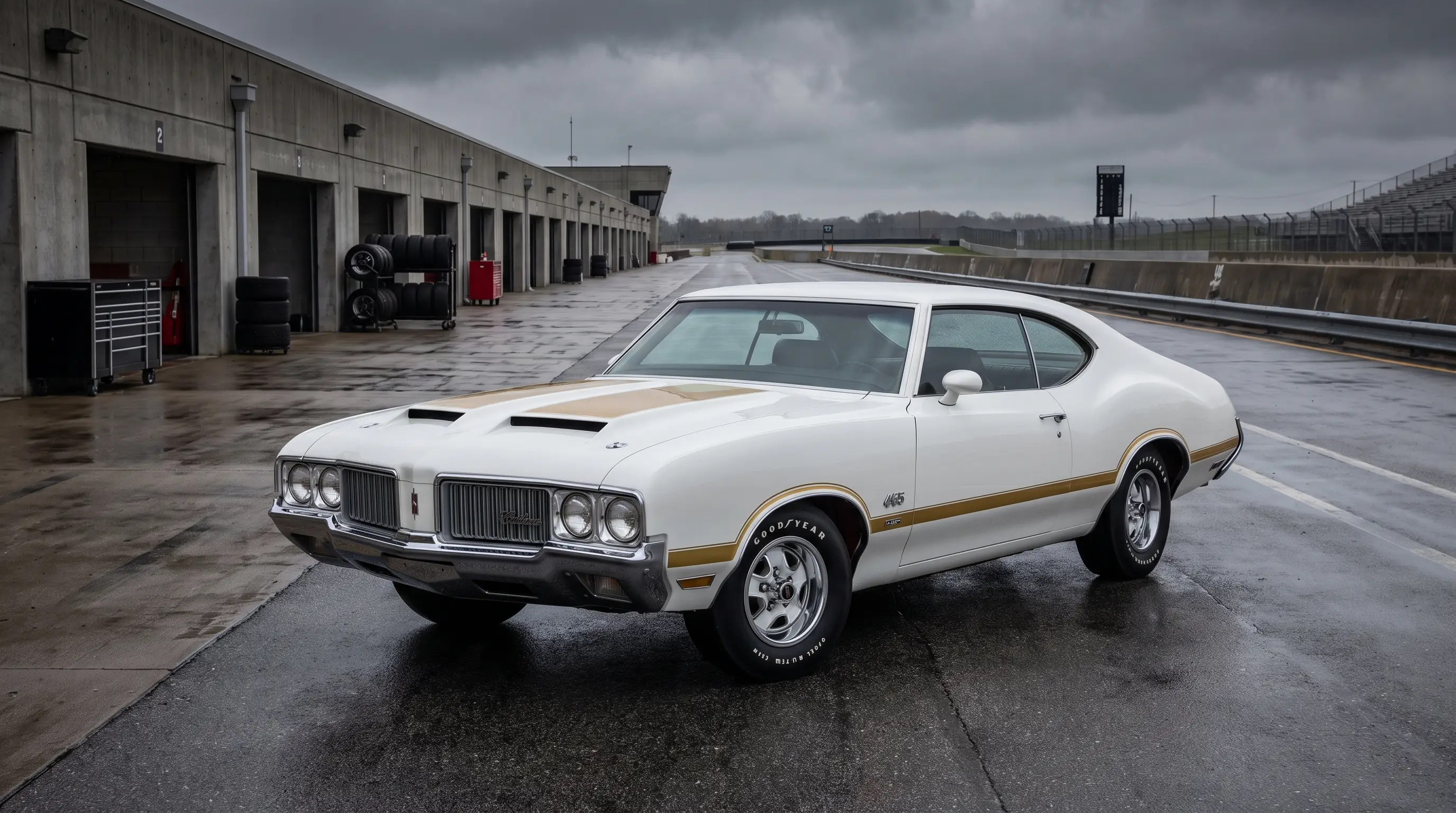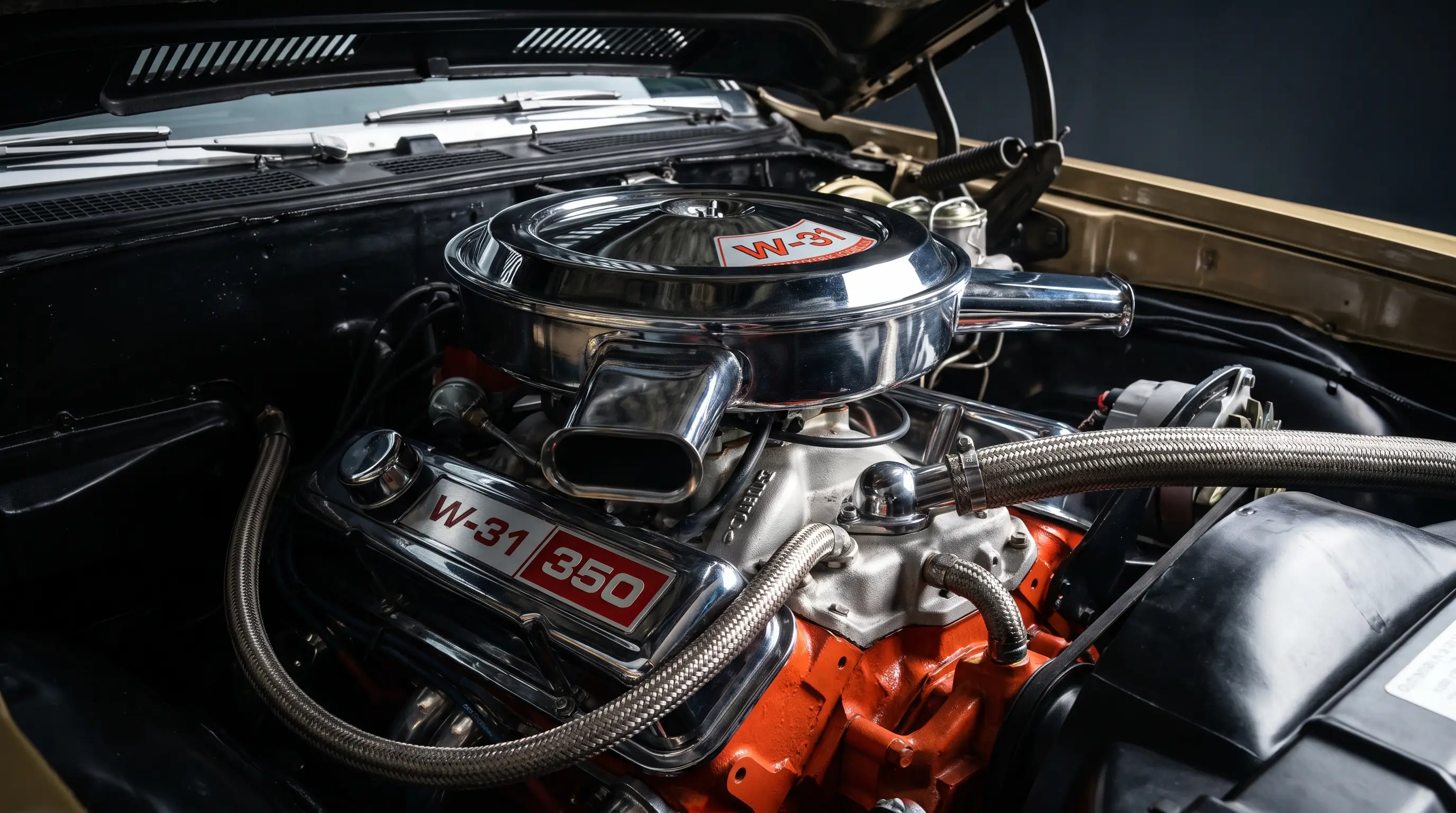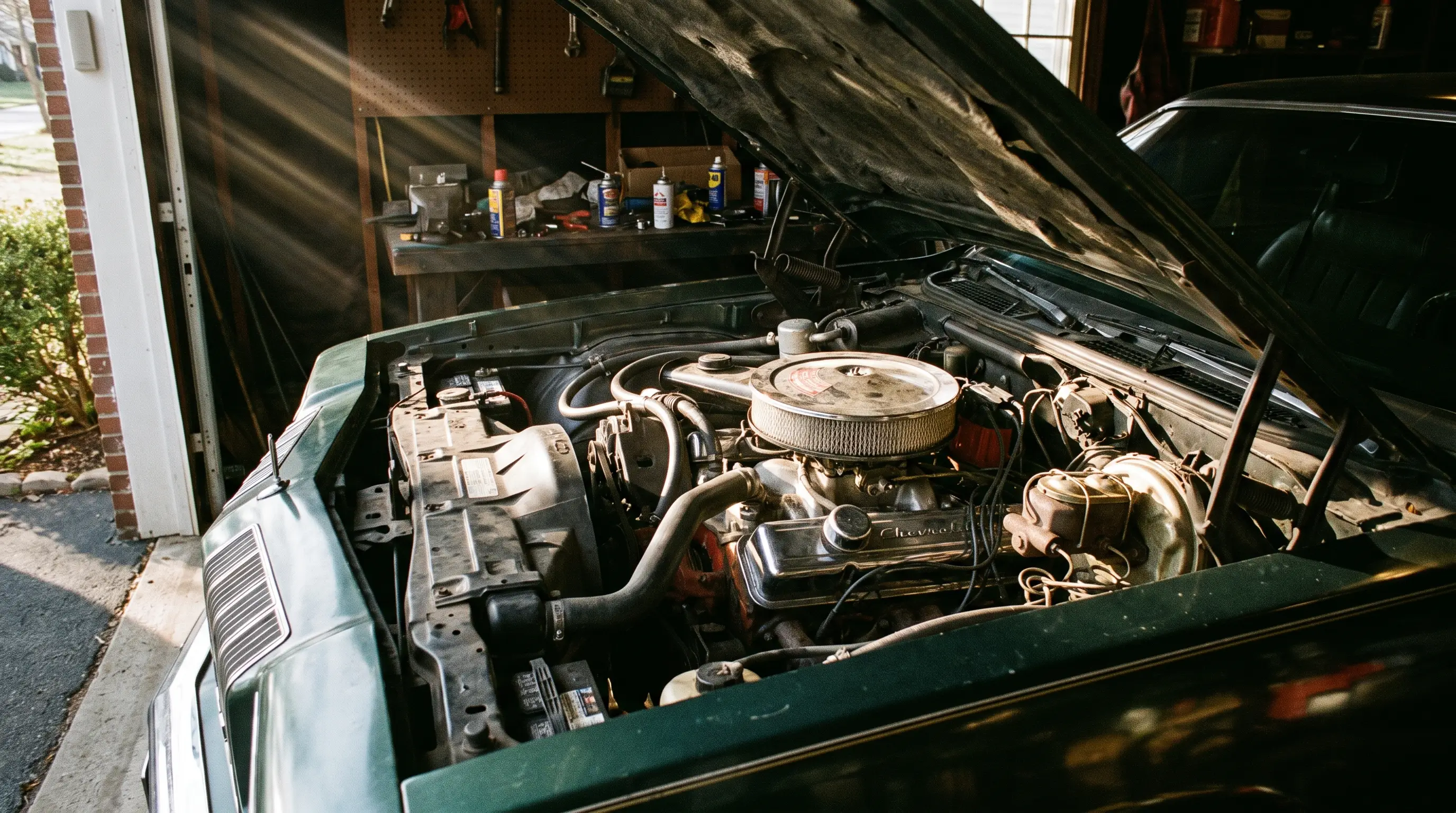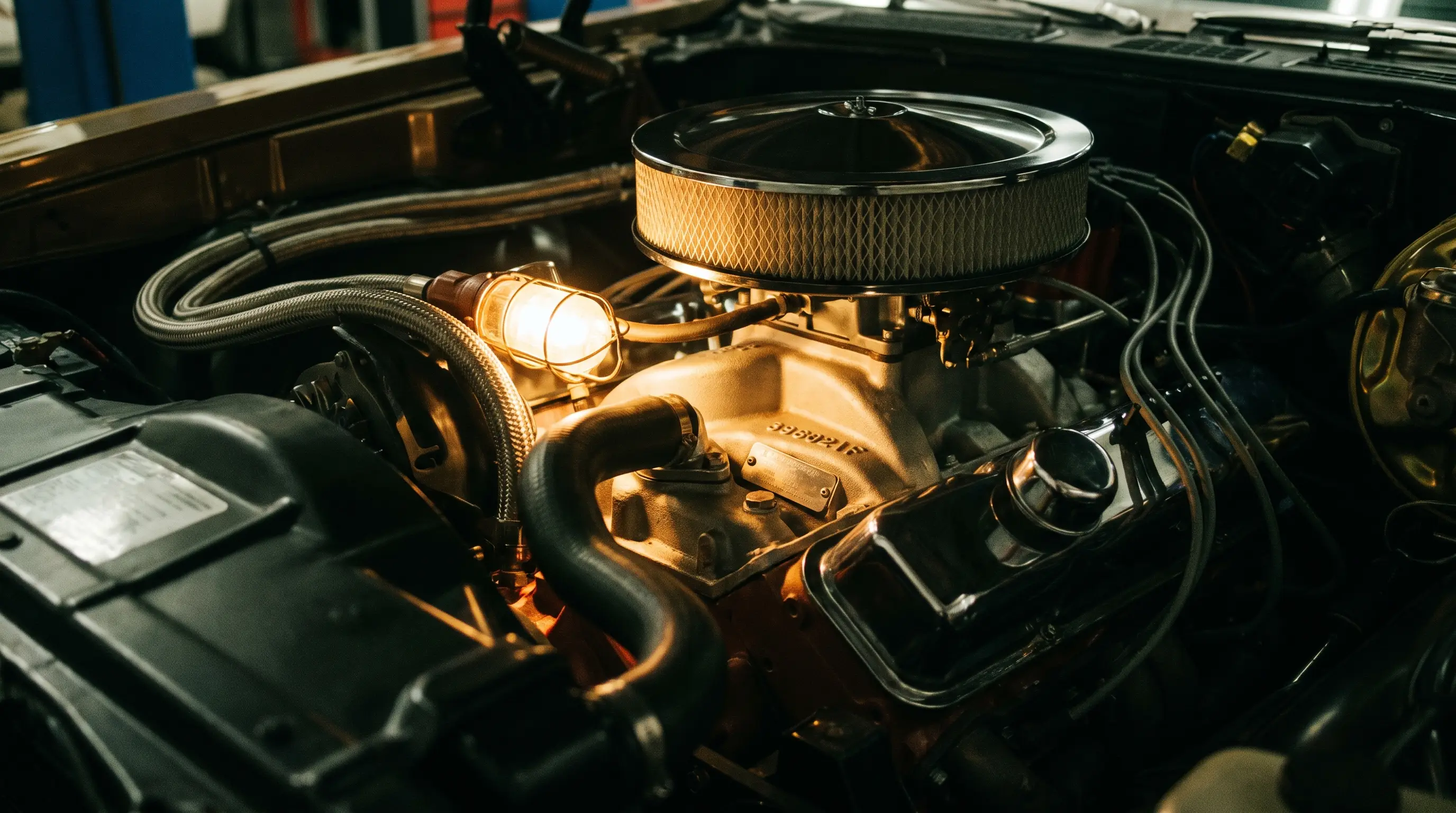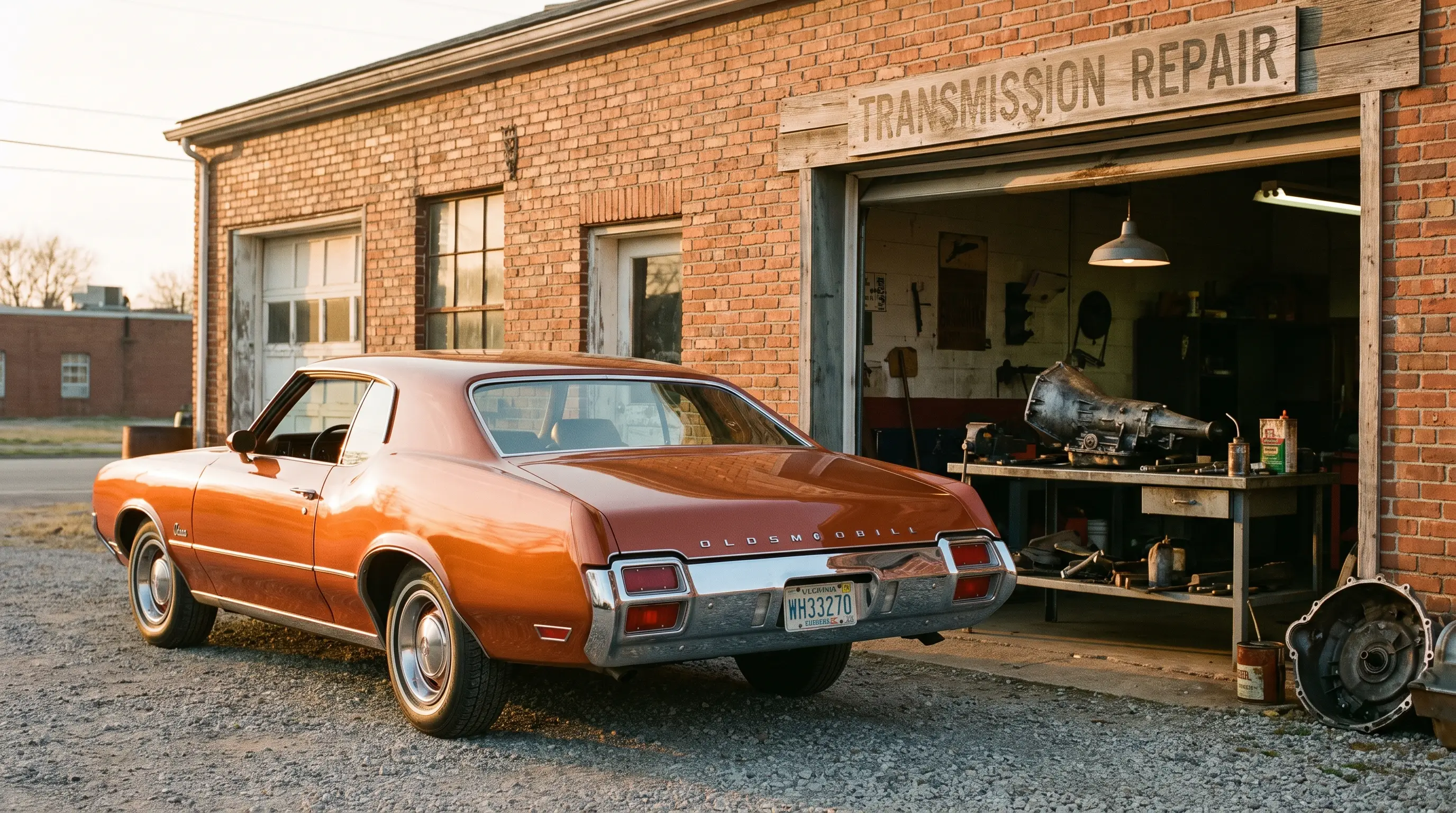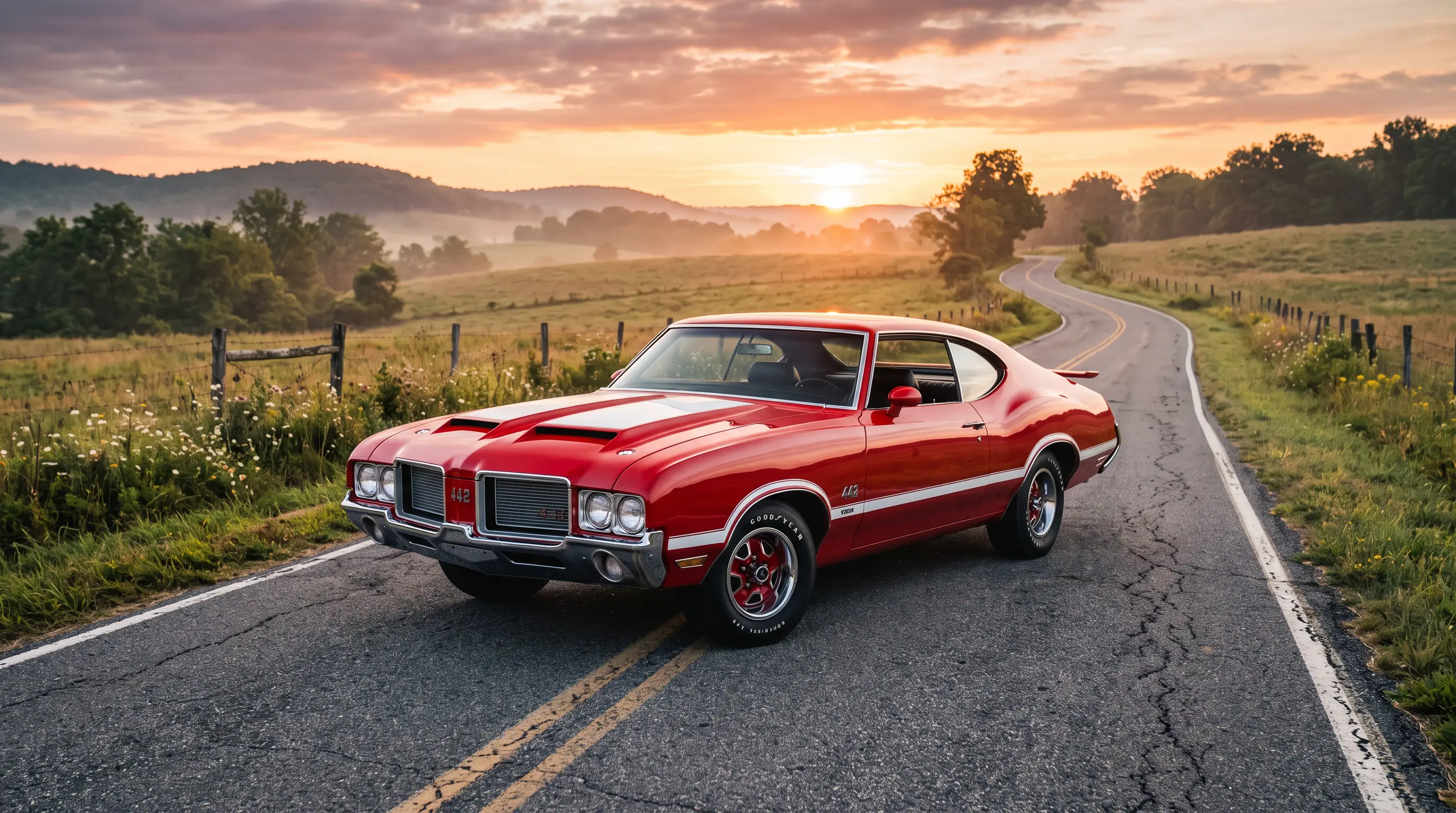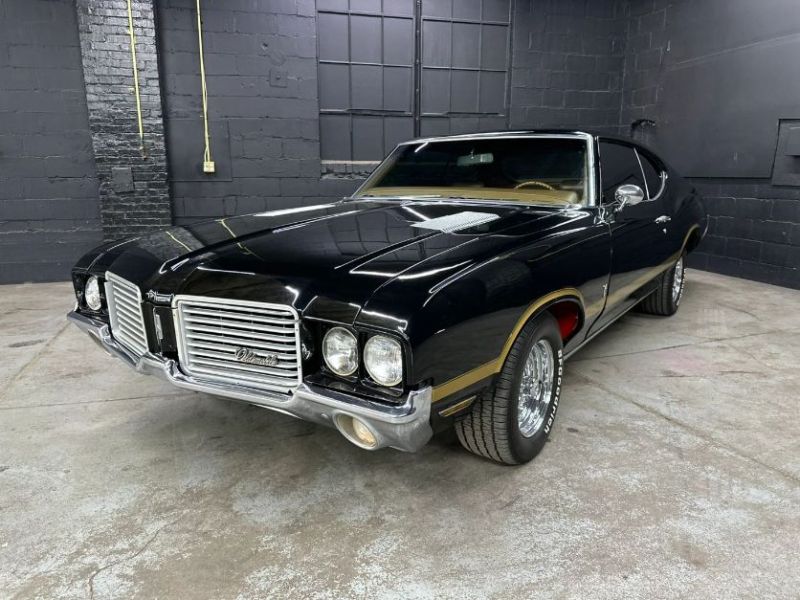
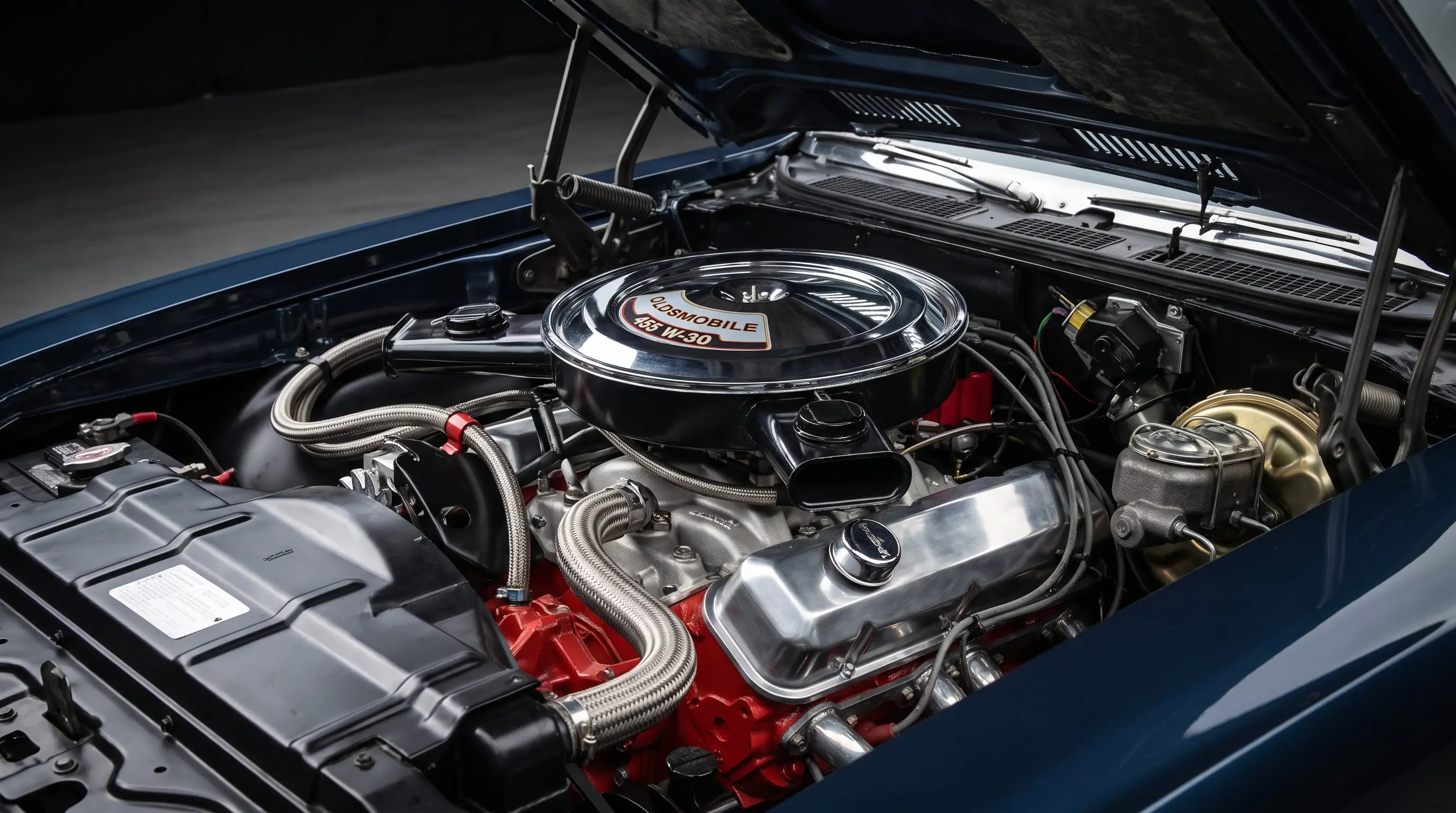
Start with the fact that matters. Oldsmobile built its own V8s, and they were not Chevrolets with a different valve cover. That single point explains most of what is interesting, and most of what is misunderstood, about oldsmobile cutlass engines. From 1964 through the late 1980s, the Cutlass carried a parade of powerplants that ranged from genuinely great to genuinely awful. The trick, then and now, is knowing which was which.
This is not a horsepower brag sheet. Catalog numbers lie, gross ratings flatter, and net ratings deflate. What follows is the honest version.
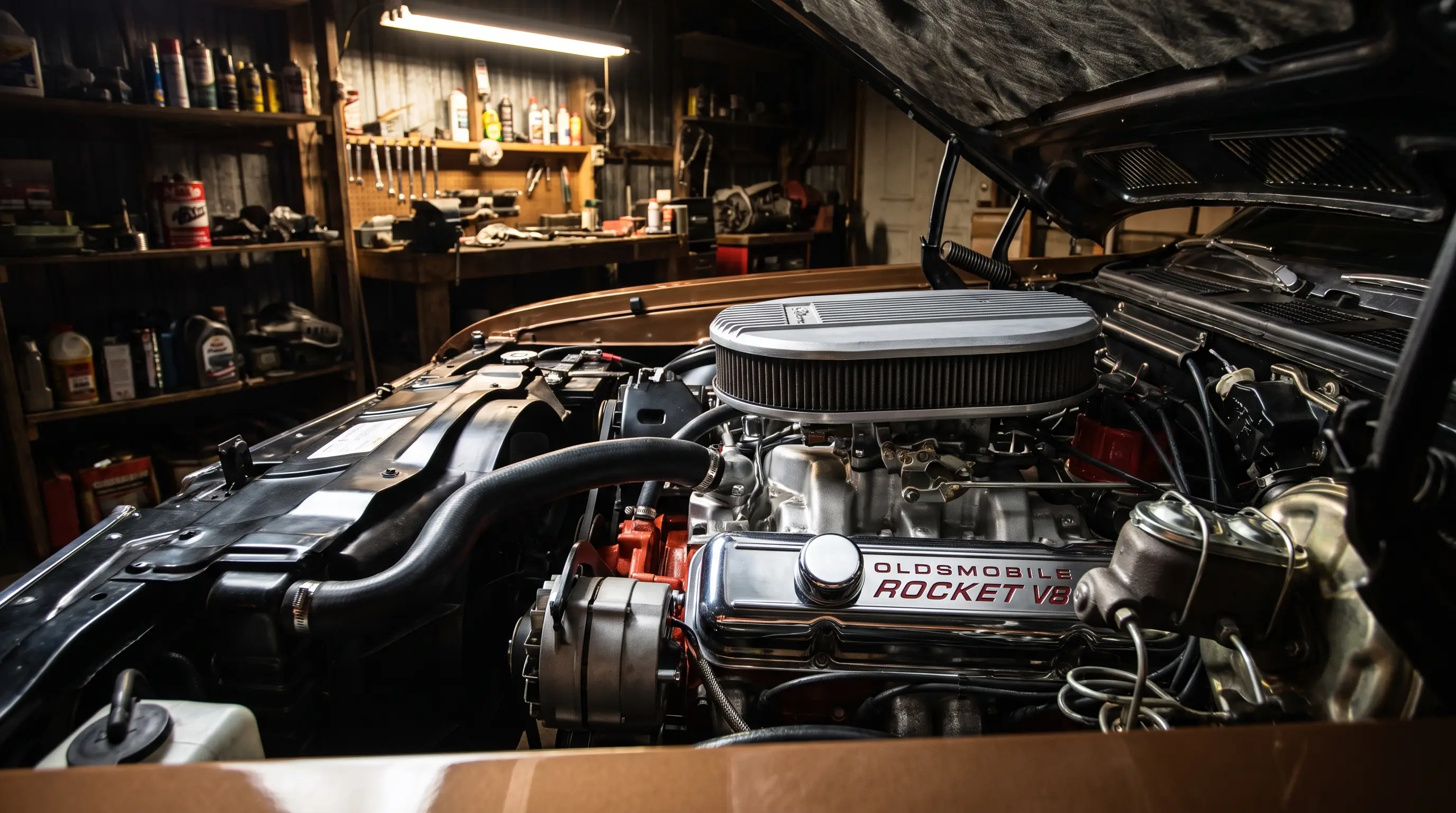
The Rocket V8 was the whole point
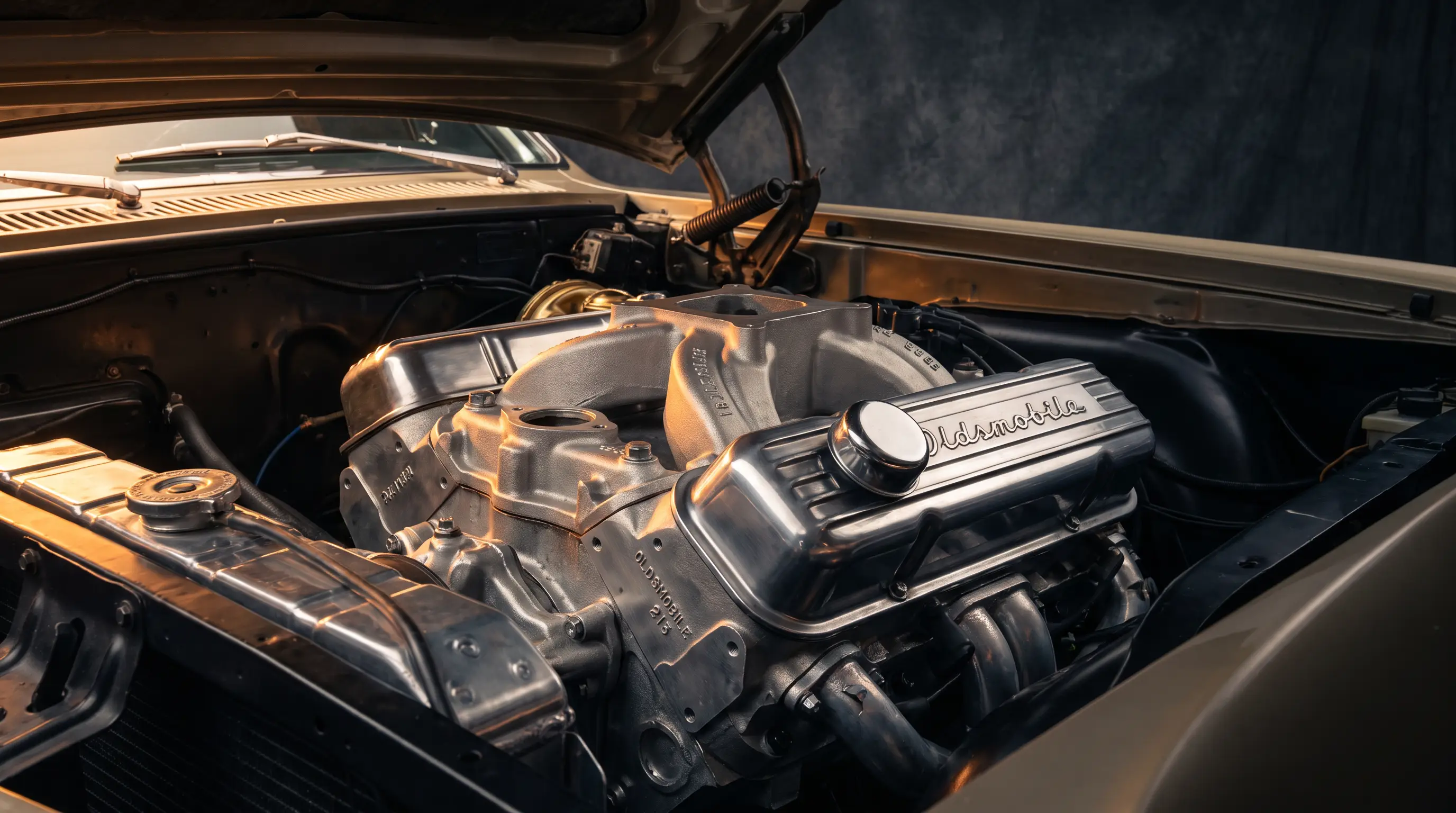
Oldsmobile called its V8 the Rocket, and the name stuck because it earned it. The engine family arrived in 1949 and grew for decades. In the Cutlass, the version that mattered most was the 330, then the 350, and above all the 400 and 455 big-blocks of the muscle years.
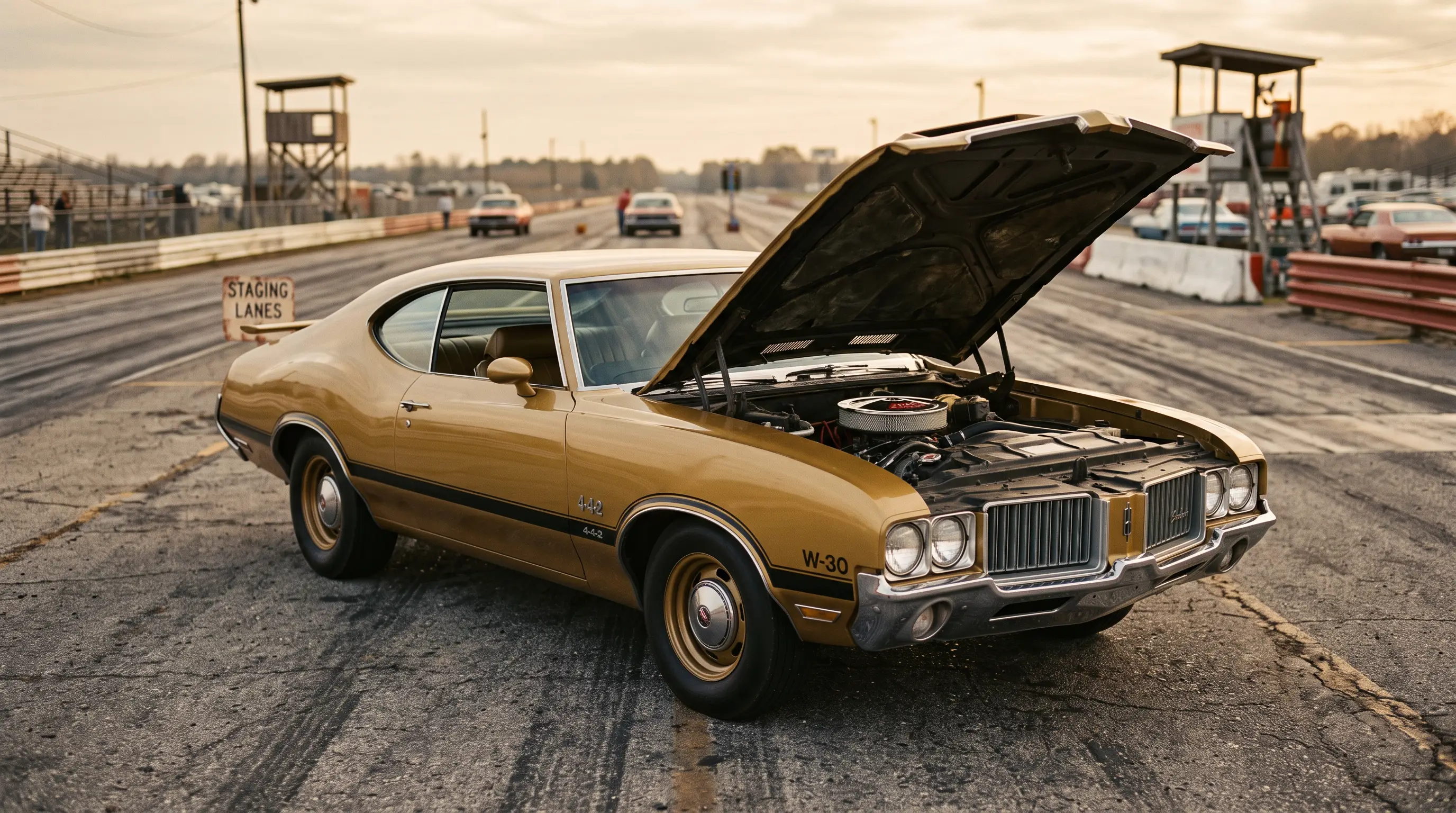
The 455 is the headline. In the 442 and Hurst/Olds cars of 1970, it made 365 or 370 gross horsepower depending on tune, and torque was the real story: 500 lb-ft, available just off idle. That is not a peaky race number. That is a shove. The Rocket V8 was heavy and it did not rev like a small-block Chevy, but it moved a two-ton coupe with contempt for the effort. For the complete arc of how these cars grew and shrank around their engines, the full Cutlass story is worth your time, and you can read the full Cutlass story to see where each motor fit.
Gross versus net, and why your uncle is wrong
Here is where people get fooled. Before 1972, horsepower was quoted gross: no accessories, no real exhaust, measured on a stand. After 1972, the industry switched to net ratings, measured as installed. Same engine, smaller number.
The gap is not small. A gross-to-net conversion often lops off 20 to 25 percent on paper. So an honest comparison across years has to correct for it, or you end up thinking a 1968 car makes far more than a 1973 car that is mechanically close. Add the compression drop that came with unleaded fuel, and the printed numbers of the mid-1970s look worse than the cars actually were. The engines got milder, yes, but not nearly as much as the brochures suggest.
The 1970 455 rated at 365 gross. The 1971 version, barely changed mechanically, dropped to around 340 gross, then the net switch and lower compression gutted the printed figures further. By 1975 a Cutlass 455 might show 190 net horsepower. The engine did not lose half its strength overnight. The ruler changed, and emissions rules and low-lead compression did the rest. Judge these motors by torque and by era, not by the brochure.
The W-machines: W-30 and W-31
Two codes separate a good Cutlass from a serious one. The W-30 was the 455 done right: a hotter cam, aluminum intake for a period, functional cold-air induction through the grille, and red fender liners. Rated the same 370 horsepower as the standard 455, which fooled nobody who drove one. It was quicker.
The W-31 was the underdog. A 350 small-block with a wild cam, it made 325 gross horsepower and revved in a way the big 455 never would. Light nose, willing engine, it was the thinking man's 442. Both cars are now blue-chip. Both are also heavily faked, so the code stamps and documentation matter more than the paint.
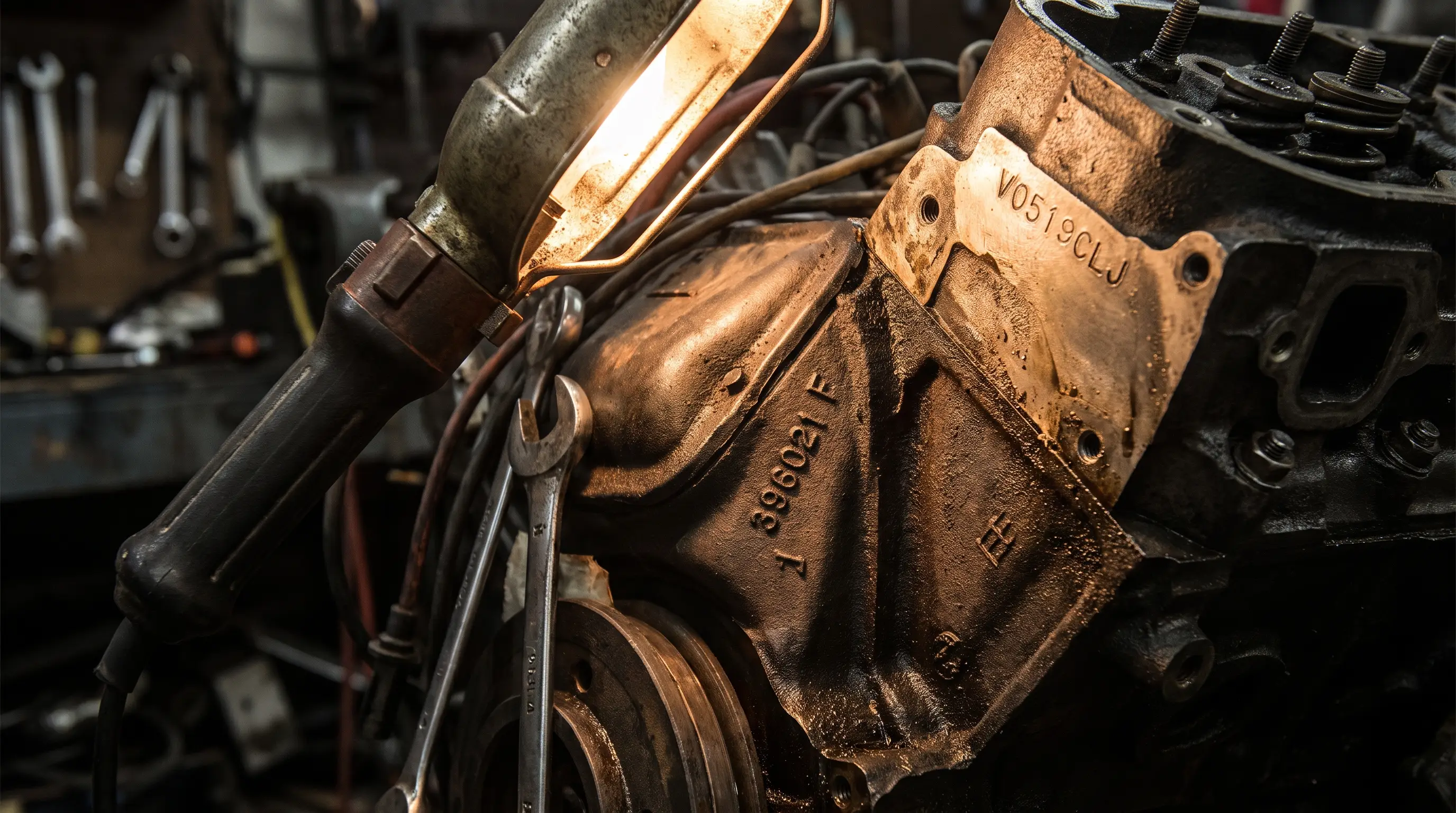
One detail separates the real ones. Olds stamped identifying codes on the block and cross-referenced them to the car. A genuine W-car matches. A tribute does not, no matter how correct the stripes look. In a market where a real W-30 trades for many times the price of a clone, that stamp is worth more than any brochure claim.
The 442 is a package, not an engine
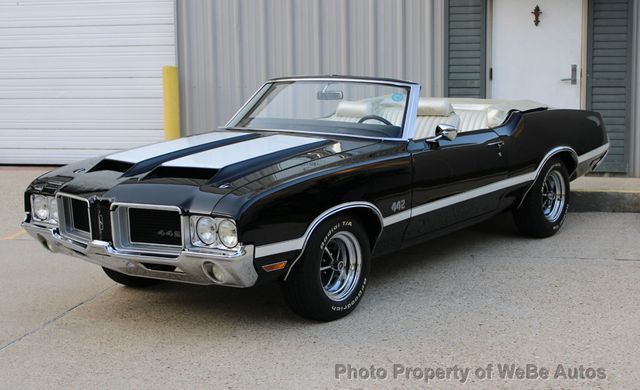
Here is a fact that trips people up constantly. The 442 was never a single engine. The name started in 1964 as a code: four-barrel carburetor, four-speed manual, dual exhaust. Over the years the specific engine under a 442 changed with the era, from the early 400 to the mighty 455 and, later, the mild 307 of the 1980s revival.
So when someone tells you their 442 has "the" 442 engine, ask which year. A 1970 442 with a 455 W-30 is a different animal from a 1985 442 with a 307. Both wear the badge honestly. Only one will pin you to the seat. The badge tells you the intent. The code stamp tells you the truth. And no, the name never meant 4-4-2 cubic inches or cylinders, whatever the guy at the show insists.
The diesel disaster
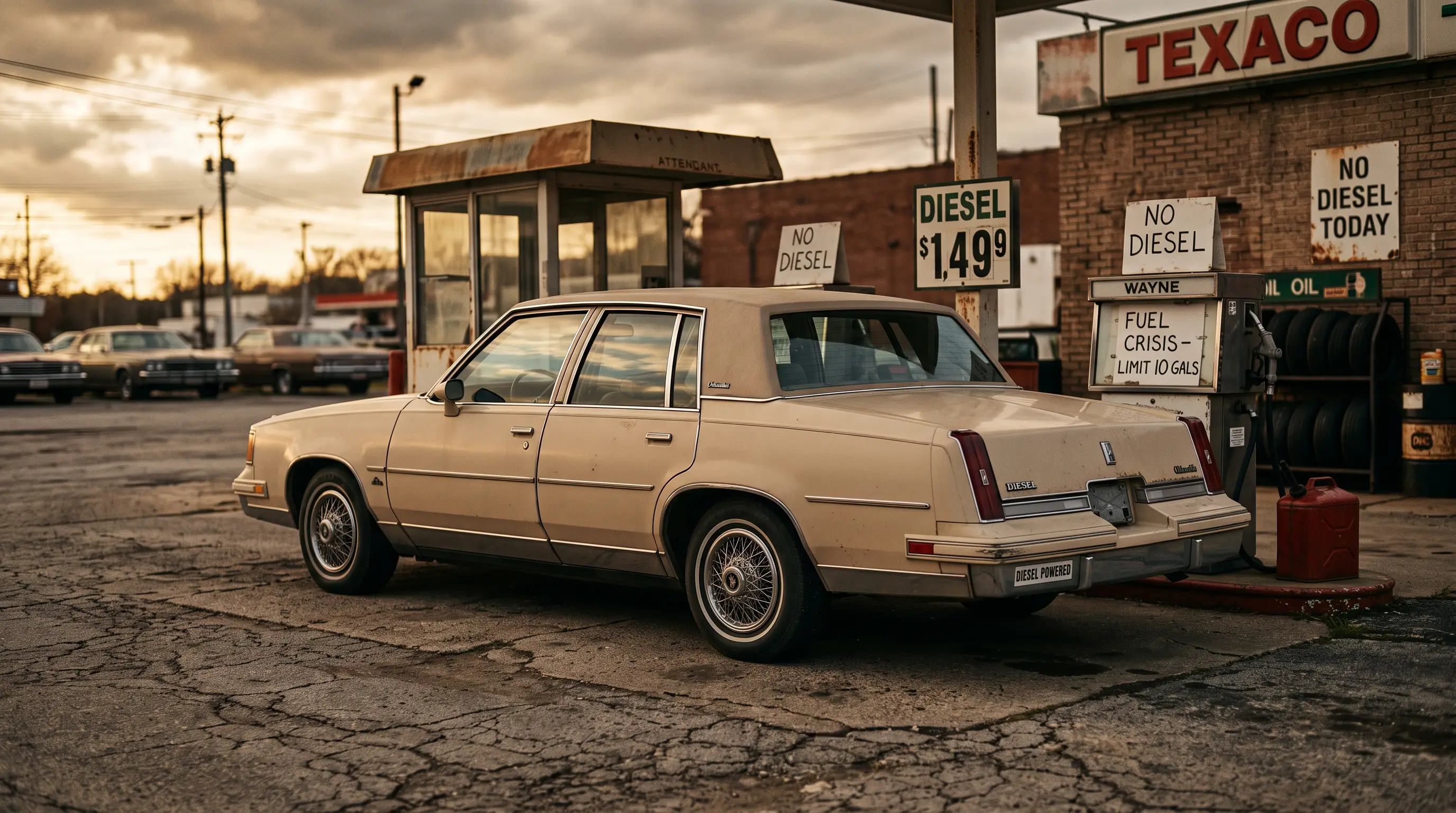
Now the ugly part. In 1978 Oldsmobile released a 350 diesel V8, and it damaged GM's reputation for a decade. The engine made about 120 horsepower, which was not the problem. The problem was that early versions blew head gaskets, snapped head bolts, and had no water separator in the fuel system, so water in the diesel wrecked injection pumps.
Buyers who wanted 25 mpg got tow trucks instead. GM eventually fixed most of it, but the damage was done, and the diesel soured American buyers on the concept for a generation. If you find a Cutlass diesel today, it is a curiosity, not a purchase. The value is in the car around it, never the engine.
There is one more myth to kill here. People say the diesel was "just a gas 350 with different heads." Not quite. Olds strengthened the block and reworked the bottom end, but the head-bolt count and clamping load were not up to the job of containing diesel compression, and the fuel system had no way to keep water out. So the failures were designed in, not bad luck. A modern rebuild with better bolts and a proper water separator can make one live, but you will spend more than the car is worth doing it. Buy a gas car and skip the heartache.
The specs, straight
No hype in this table. Ratings are approximate and shift by year and tune. Where I am not certain of a figure, I say so.
| Engine | Years | Output (approx) | Verdict |
|---|---|---|---|
| 330 Rocket V8 | 1964-1967 | 250-320 hp gross | Solid, underrated |
| 350 Rocket V8 | 1968-1980 | 160-325 hp | Backbone of the range |
| 400 V8 | 1965-1969 | ~350 hp gross | The original 442 motor |
| 455 V8 | 1968-1976 | 190-370 hp; 500 lb-ft peak | The one to have |
| W-31 350 | 1968-1970 | 325 hp gross @ 5,400 rpm | Small-block sleeper |
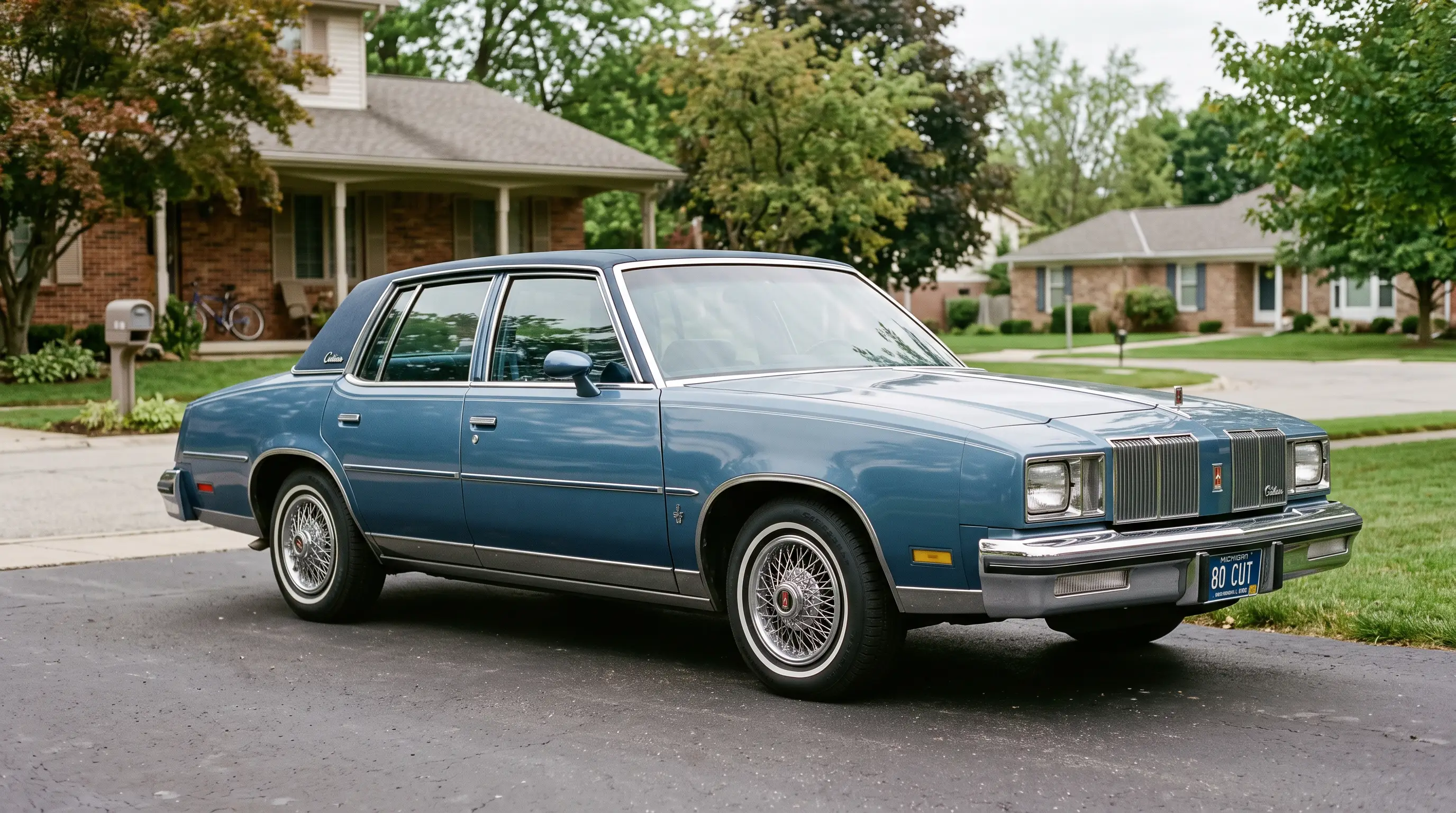
| 307 V8 | 1980-1990 | 140-180 hp | Mild, durable, G-body staple |
| 350 diesel V8 | 1978-1985 | ~120 hp | Avoid |
"People quote horsepower like it settles the argument. It does not. Torque moves the car, the era sets the ruler, and the brochure was written by the marketing department. Read the code stamp, then talk to me about numbers."
— Dan Reeves
What to buy, what to skip
The buying logic is short. A numbers-matching 455 or a verified W-car is the top of the market and the safest long-term bet, provided the documentation holds up. A clean 350 car is the sweet spot for a driver: strong enough, cheap enough, and everywhere. The 307 in the later G-bodies is no rocket, but it starts every morning and runs forever, which counts for something.
One last piece of advice from years of watching people overpay. The engine you can verify is worth more than the engine somebody swears is original. A stack of build sheets, a matching stamp, and a receipt trail turn a good car into a great investment. A hopeful story turns a great car into a gamble. When the numbers matter this much, buy the paper as carefully as you buy the metal.
The engine defines the Cutlass more than the badge does, and it should drive your decision more than the color. If the mechanical side is sorted and the story checks out, the body style is the next question, and no Cutlass wore its engines with more comfort than the personal-luxury coupe, so if that side interests you, read on. A well-documented drivetrain is also the difference between a fair price and a fantasy asking figure. When you are ready to look, there is always a classic Oldsmobile Cutlass for sale with the right motor if you are patient enough to verify it.