
Ask around a car show long enough and somebody will swear they had a friend, or a cousin, or a guy down the street who had a 1971 LS6 Chevelle. It's one of the most repeated claims in the whole big-block Chevelle conversation, and it's wrong every time. The LS6 legend attached itself to 1970 for a reason, and it stayed there. Here's the actual paper trail on what Chevelle buyers could order for 1971, and why the story keeps getting retold anyway.
Car Features
7 min read
Did the Chevelle Ever Get the 1971 LS6? Busting the Myth
The 1971 LS6 Chevelle myth won't die at car shows. Here's what the factory paperwork actually shows about that model year's top big-block.
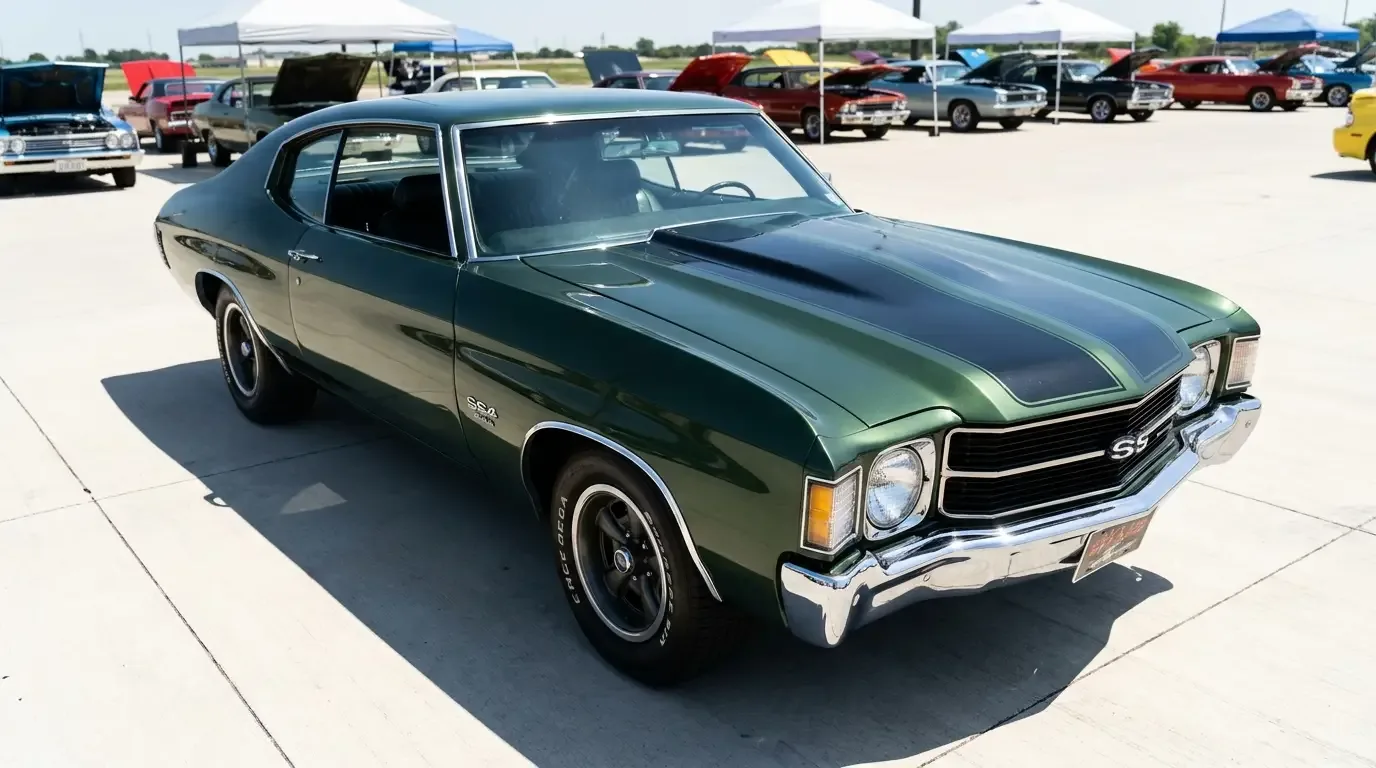
The short answer
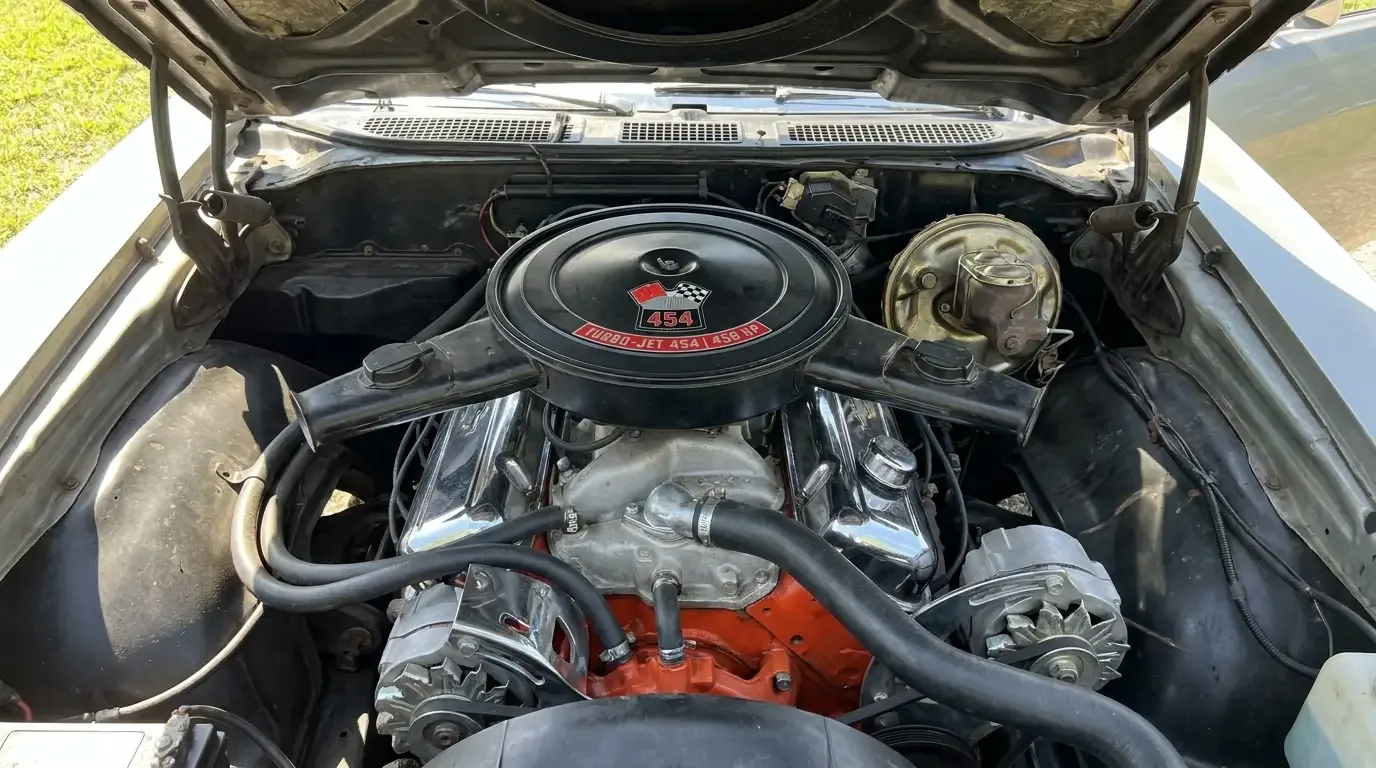
No, not as something a customer could walk into a dealership and order. The LS6 454 was a regular production option in the Chevelle for exactly one model year, 1970, and Chevrolet did not carry that option code forward as a sellable Chevelle engine for 1971. The top Chevelle big-block a buyer could actually order that year was the LS5 454, rated at 365 hp on an 8.5:1 compression ratio, down from the LS5's own 10.25:1 compression the year before and well below what the LS6 had put out in 1970. Chevrolet's engineers actually managed to nudge the rating up slightly from the 1970 LS5's 360 hp through improved cylinder head flow, even with the compression drop, which says something about how much of the compression cut across GM's 1971 lineup was about fuel and emissions, not raw output.
The LS6 code itself didn't disappear from Chevrolet's parts books entirely, and it wasn't purely a Corvette-only story either, which is where the myth gets its footing. It reappeared for 1971 in the Corvette, rated at 425 hp on a 9.0:1 compression ratio, reduced from 1970 but still the strongest engine GM built that year. Tonawanda engine plant records also show a small run of 1971-code LS6 blocks, 14 in total, assembled specifically for Chevelle applications, split between automatic and four-speed calibration. Those engines went into pre-production and press test cars while Chevrolet's literature still listed the option with pricing marked "will advise." The option was pulled before it ever reached a regular production order bank, and there's no documented case of one of those 14 engines leaving the factory in a car sold to the public. That's the real distinction that gets lost in the retelling: the LS6 name touched two different years in two different cars with two different specifications, and a handful of Chevelle engines existed on paper and in test mules without the option ever becoming something a customer could actually buy.
Where the myth actually comes from
Part of the confusion is honest. Compression ratios dropped across nearly every GM performance engine between 1970 and 1971, and the reasons why (tightening emissions standards on the horizon, the industry-wide shift toward unleaded fuel, insurance surcharges making high-compression cars expensive to underwrite) applied to the Corvette's LS6 just as much as the Chevelle's LS5. Someone who remembers "a 454 rated over 400 hp in 1971" isn't wrong that such a car existed. They're wrong about which model it came in.
The other source of confusion is dealer paperwork and casual conversation from the era itself. Salesmen didn't always use RPO codes correctly when describing a car to a customer, and "LS6" became something close to a generic term for "the big one" among some buyers and even some dealership staff, the way "Hemi" got used loosely for any big Mopar engine regardless of actual displacement or code. Fifty years of that kind of loose talk, repeated at swap meets and passed down through owner communities, hardens into a myth that people will defend even when shown the factory paperwork.
🔧 Inspection Priorities
- Check the cowl tag and broadcast sheet, not the seller's description. If someone is selling a "1971 LS6 Chevelle" as a factory-delivered car, ask to see documentation for the RPO code and a period sale record. A handful of 1971-code LS6 engines did exist, built for pre-production and press test cars, but no credible record shows one being sold to a retail customer as a factory Chevelle.
- Watch for engines swapped in later and represented as original. A 1970 LS6 block dropped into a 1971 Chevelle decades after the fact is a real, driveable car, but it is not a factory 1971 LS6 Chevelle, and that distinction matters enormously for both authenticity and value.
- Compare compression ratios and casting numbers against the correct model year. An LS5 block and an LS6 block have real differences a knowledgeable inspector can identify, and a seller conflating the two, intentionally or not, is a red flag on any other claim they're making about the car.
What buyers actually got in 1971
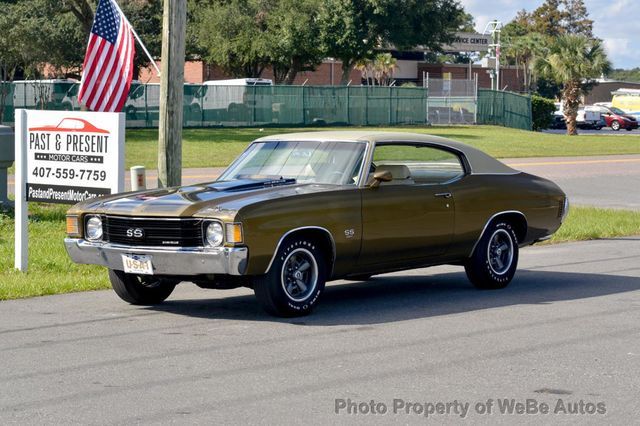
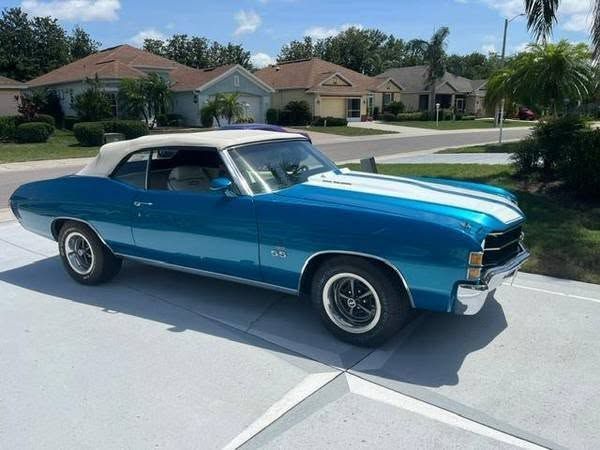
The 1971 Chevelle SS package still offered a 454, still carried real presence on the street, and still outran plenty of what the competition was building that year. It just wasn't the LS6. The LS5 badge and the lower compression numbers reflect an industry in transition, not a car company quietly hiding its best engine. Anyone shopping a genuine 1971 SS454 Chevelle today is buying a real piece of the muscle car era's final stretch, one that deserves to be evaluated on its own terms instead of being measured against a badge it never wore.
Why the confusion keeps costing buyers money
This isn't just an argument for internet forums. A seller who lists a 1971 Chevelle as "LS6 equipped," whether out of honest confusion or something less honest, is asking for a price premium the car doesn't earn under any accepted definition of the term. The gap between what an LS5-powered 1971 SS454 brings at auction and what a documented 1970 LS6 brings is significant, and that gap exists precisely because the LS6 name carries the specific reputation this whole series has been unpacking. Paying LS6 money for an LS5 car, however good that car might be on its own merits, is a mistake that a few minutes with the build sheet would have prevented.
The reverse mistake happens too. Buyers occasionally walk away from a perfectly good 1971 SS454 because they assumed it was "just" an LS5 and therefore not worth serious consideration, when in fact a well-documented, numbers-matching 1971 Chevelle with the LS5 is a legitimate, increasingly scarce piece of the Chevelle story in its own right. It doesn't need to borrow the LS6's reputation to be worth owning. It needs to be evaluated as what it actually is.
| Model year | Top Chevelle big-block | Rating | Compression |
|---|---|---|---|
| 1970 | LS6 454 | 450 hp (gross) | 11.25:1 |
| 1971 | LS5 454 | 365 hp (gross) | 8.5:1 |
| 1971 (Corvette only) | LS6 454 | 425 hp (gross) | 9.0:1 |
"People want the number to keep climbing every year, because that's the muscle car story we like to tell. Sometimes the real story is a company pulling the number back for reasons that had nothing to do with performance. The paperwork says what it says."
Dan Reeves
For the full picture on how the LS6 became the benchmark it did in the first place, read the LS6 454 legacy. And for how Chevrolet turned its big-block lineup into a marketing story that outlived the engines themselves, see next: Turbo-Jet 454.
Sources and notes
- The Supercar Registry: 1971 LS6 Chevelle SS production discussion
- Team Chevelle forum: trying to order an LS6 for 1971
- ChevyWorld.net: LS5/LS6 production numbers
- ClassicCars.com Journal: 1971 Chevrolet Chevelle SS 454 profile
- Trust Auto: Why the 1971 Chevy Corvette LS6 Is So Special
- Corvette Action Center: 1971 Corvette LS6 engine specifications
Related Reading
Have a
Chevrolet Chevelle
for Sale?
Reach thousands of serious classic car collectors across the US.
Sell It Here →
Are You a Classic Car Dealer?
List your full inventory and connect with targeted classic car buyers.
Join as a Dealer →

About the author
Dan Reeves
Performance engine builder from North Carolina's motorsports corridor, focused on swaps, forced induction and making real, repeatable power.
Related Listings - Chevrolet Chevelle




Comments
Be the first to comment on this article.