
Magazine numbers from 1970 get repeated so often they turn into folklore, and the LS6 Chevelle has more folklore around it than almost anything Chevrolet built that year. Everybody quotes a quarter-mile time. Fewer people know which magazine ran it, what rear gear was in the car, or whether the driver short-shifted it. The dyno doesn't lie, but a magazine road test has a driver, a strip surface, and an editor picking the best of six runs. Here's what the period tests actually showed, and where the numbers need a second look.
Car Features
7 min read
The LS6 in Period Road Tests
How fast was the 1970 LS6 Chevelle really? A look at the magazine quarter-mile numbers, gearing, and what the fine print left out.
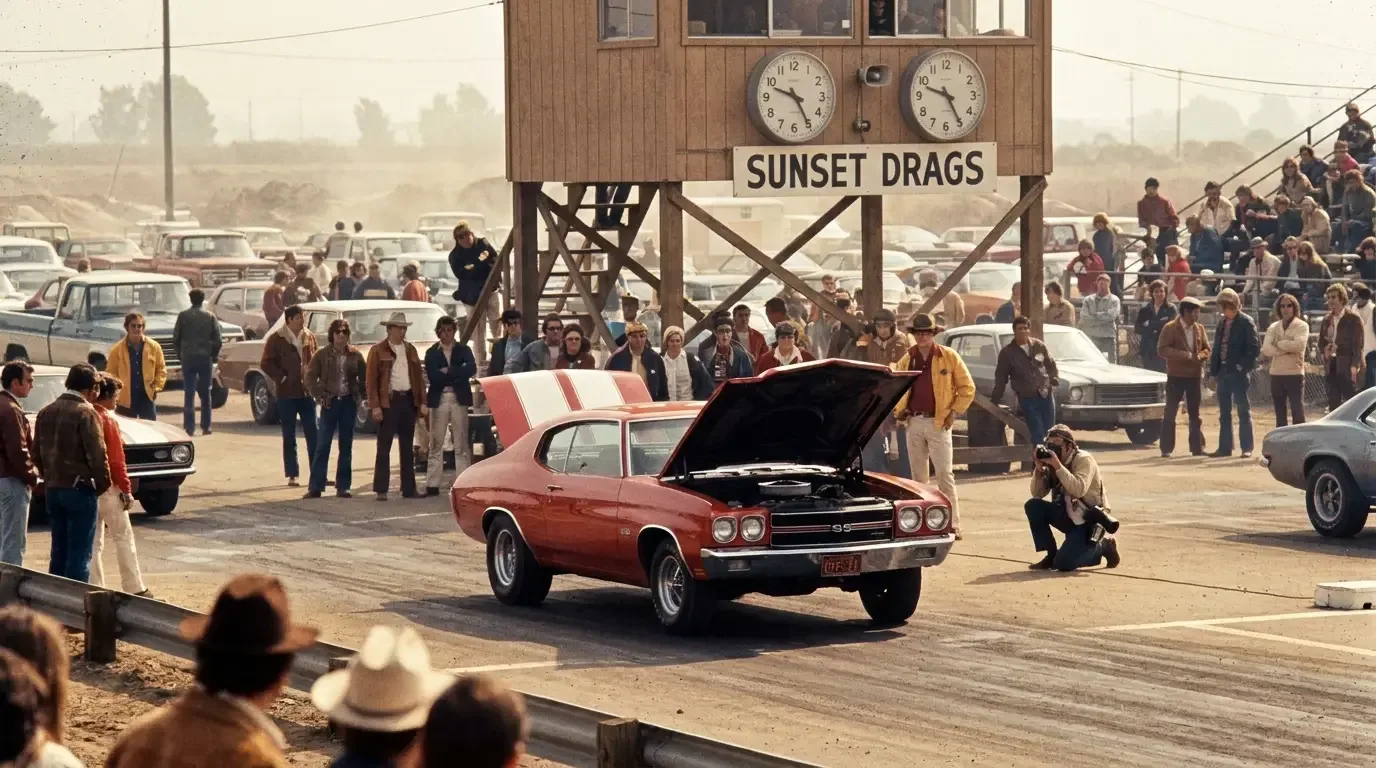
Before getting into the strip results, it's worth reading the 454's full story for the background on how the LS6 package came together for 1970.
What the magazines were testing
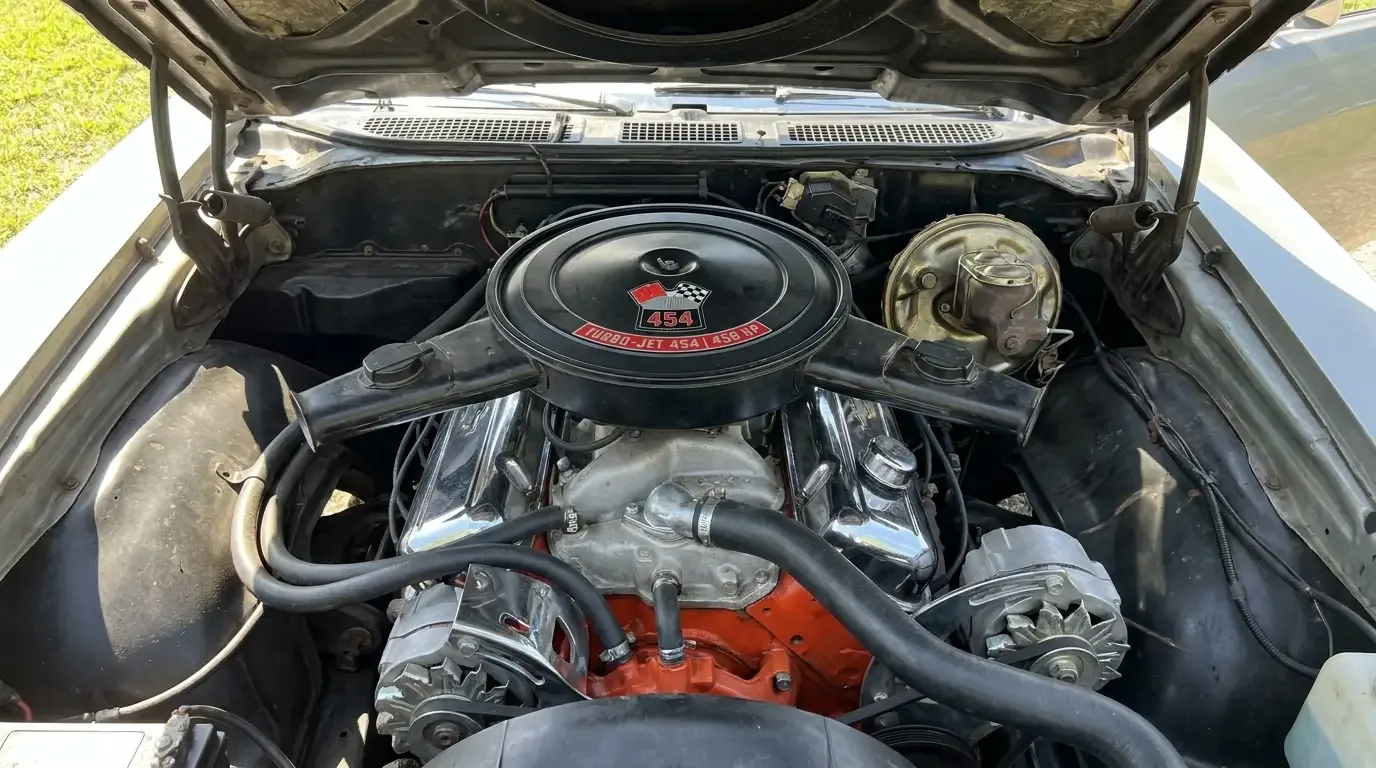
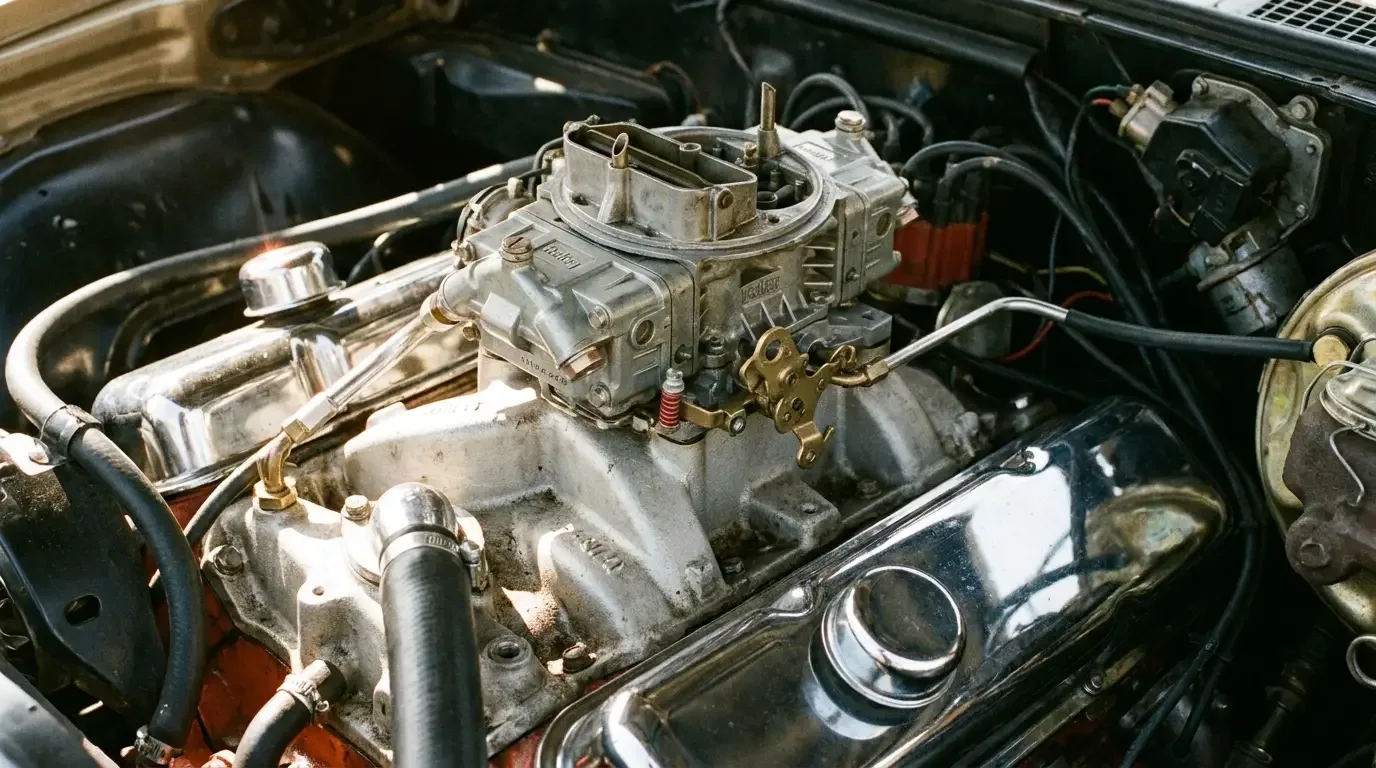
The LS6 454 arrived in the Chevelle SS lineup for 1970 as the top engine option, rated 450 hp at 5600 rpm and 500 lb-ft of torque at 3600 rpm on an 11.25:1 compression ratio, fed by a single 780 cfm Holley four-barrel. Solid lifters, forged pistons, a four-bolt main block. On paper it was the highest factory horsepower rating Chevrolet put on a mid-size car that year, and the buff books wanted a crack at it as soon as press cars were available.
Most of the test cars that circulated to the magazines came with the M40 Turbo Hydramatic and a 4.10 or 4.11 rear gear, which matters more than people give it credit for. A stick car with a tighter gear will pull a different number than an automatic with a loose one, and the magazines weren't always consistent about which combination they got. When you see two wildly different quarter-mile figures quoted for the "same car," check the drivetrain footnote before assuming one writer was wrong.
The numbers that got quoted for fifty years
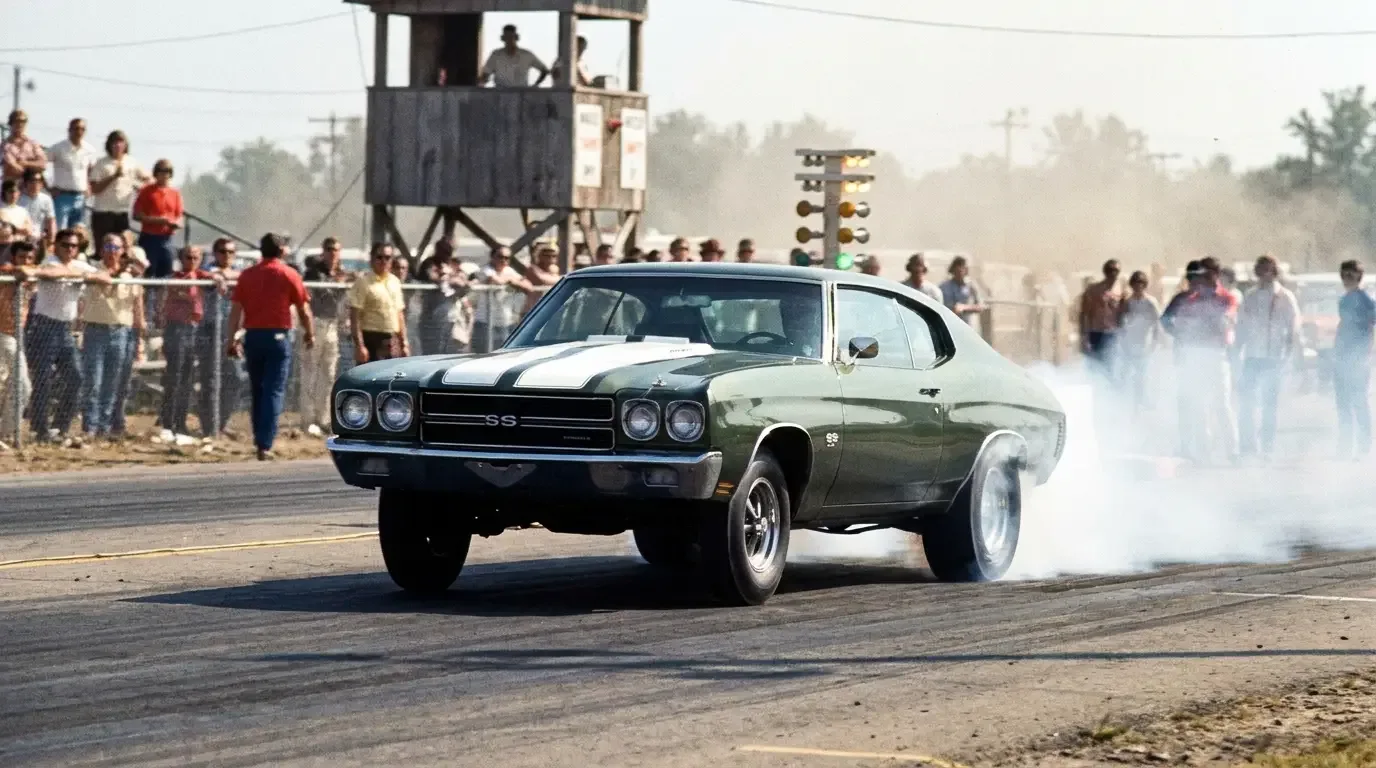
The figures that get quoted most often cluster in a real, verifiable range. Hot Rod's 1970 test ran 13.12 to 13.44 seconds at 107 to just over 108 mph. Car Craft and Super Stock both landed around 13.1 to 13.2 at roughly 106 to 107 mph. Motor Trend's test came in softer, 13.8 seconds, with a 0-60 time right at 6.0 seconds flat, still quick for a nearly two-ton car but noticeably off the sharpest of the bunch. That spread, low 13s from some books, high 13s from another, is the honest picture, not a single tidy number. Those results would put the LS6 Chevelle solidly ahead of most factory muscle cars sold that year. That's part of why the figures got repeated so often. They confirmed what people already believed, that Chevrolet had built the strongest big-block package of the era and put it in a car with less weight over the front axle than the Corvette carried in some configurations.
What doesn't get repeated as often is the variance between test cars. Not every LS6 Chevelle that a magazine strapped a fifth wheel to ran the same number. Editors picked their best pass, sometimes after a full afternoon of runs, and didn't always disclose how many attempts it took or what the density altitude was that day. A test track at sea level in cool weather is a different environment than one at altitude in August, and 1970 test conditions weren't standardized the way a modern dyno cell would be.
🔧 Inspection Priorities
- Confirm the rear gear before comparing any quoted number. A 4.10 gear car and a 3.31 gear car are not the same test, and swapping the gear after the fact (which plenty of owners did over fifty years) means the car in your driveway won't match the magazine number regardless.
- Check whether the test car was automatic or four-speed. The M22 close-ratio manual behind an LS6 was a different launch and shift strategy entirely, and quoted ETs get mixed between the two without always labeling which.
- Look at the tire compound noted in the original test, if it's listed. Factory bias-ply tires of the period had nowhere near the grip of anything sold today, and a soft compound or a track that had been rubbered in changes the 60-foot time more than the engine tune does.
Why the numbers don't always add up on paper
The gross horsepower rating system Chevrolet used through 1971 measured the engine on a stand, no accessories, no exhaust restriction, sometimes with advanced timing that a street car wouldn't run. A 450 gross horsepower rating doesn't translate directly into a flywheel number you'd get from a modern SAE net dyno pull. That's a separate argument from what the strip numbers showed, but it's the reason a lot of enthusiasts get confused when someone quotes a magazine's 13-second pass next to a modern crate engine making similar advertised power and running slower. The rating systems aren't measuring the same thing, and the cars aren't carrying the same weight, gearing, or tire technology.
There's also the question of how many of those test cars were genuinely stock. Manufacturers loaned press fleets cars that were, by most accounts, blueprinted closer to the tight end of factory tolerances than what rolled off the regular assembly line. That's not unique to Chevrolet, every manufacturer did it, but it means a magazine test represents the LS6 package running about as good as it could run within factory spec, not necessarily what the average buyer drove home.
| Metric | Commonly quoted figure | Notes |
|---|---|---|
| 0-60 mph | ~6.0 sec (Motor Trend) | Varies by publication and rear gear |
| Quarter mile | 13.1-13.8 sec | Trap speed roughly 106-108 mph, low 13s in Hot Rod/Car Craft/Super Stock, high 13s in Motor Trend |
| Rated output | 450 hp / 500 lb-ft (gross) | 11.25:1 compression, solid lifters |
| Common test gearing | 4.10 or 4.11 | Automatic-equipped press cars |
What this means if you're chasing a "matching" car
If you own an LS6 Chevelle and want to see whether it can approach a magazine number from 1970, start by confirming the car's original gear ratio off the door tag or build sheet rather than what's in the rear end today. A lot of these cars have been regeared at least once in fifty-plus years, and a numbers-matching debate about performance means nothing if the differential isn't the one the car left the factory with. Modern tires alone will get you closer to a magazine number than most people expect, since factory bias-plies of 1970 gave up 60-foot time that no amount of engine work fixes.
"A magazine test is one car, one driver, one afternoon. It tells you what the package could do under good conditions, not what every LS6 that left Baltimore or Fremont was capable of. Read the fine print on the gear ratio before you argue about the ET."
Dan Reeves
The gross-versus-net question comes up constantly around this engine, and it deserves its own look at how the ratings actually worked. For 1970 buyers hunting a real LS6 today, shop 1970 LS6-era Chevelles currently listed to see how many still carry factory-documented gearing.
One myth that refuses to die is whether the LS6 carried into 1971 in the Chevelle lineup the way it did in the Corvette, and that's worth settling directly. Read Did the Chevelle Ever Get the 1971 LS6? Busting the Myth for the full answer, backed by what Chevrolet's own paperwork shows for that model year, alongside the full Chevelle story for the bigger picture on where the LS6 fits into the car's history.
Sources and notes
- autoevolution: period LS6 Chevelle test data roundup
- Sports Car Market: 1970 Chevrolet Chevelle SS 454 LS6 profile
- Team Chevelle forum: 1970 Chevelle LS6 quarter-mile time discussion
- Heacock Classic: The 1970 LS6 Chevelle Was America's King of the Streets
- California Speed Shop: 1970 Chevelle SS 454 LS6 Identification & Specifications
Related Reading
Have a
Chevrolet Chevelle
for Sale?
Reach thousands of serious classic car collectors across the US.
Sell It Here →
Are You a Classic Car Dealer?
List your full inventory and connect with targeted classic car buyers.
Join as a Dealer →

About the author
Dan Reeves
Performance engine builder from North Carolina's motorsports corridor, focused on swaps, forced induction and making real, repeatable power.
Related Listings - Chevrolet Chevelle
Comments
Be the first to comment on this article.